
Reviewed · MOSHI TOURS
Kilimanjaro 360
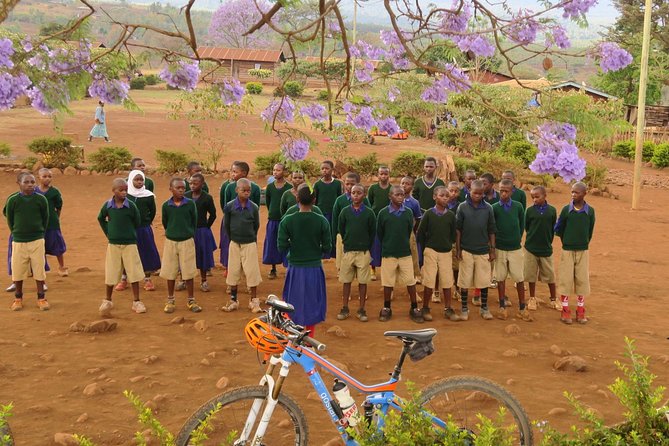
Ride the mountain, not just the summit trail. Kilimanjaro 360 gives you a rare way to see Tanzania from ground level, pedaling for six days around Africa’s highest peak through coffee farms, Maasai country, wildlife corridors, forest edges, and Chagga villages. You finish where you started, in Moshi, with a celebratory dinner and sparkling wine.
I love the mix of wildlife country and working farmland, and I like that the trip connects you with both Maasai and Chagga communities instead of treating Kilimanjaro as scenery alone. The support setup is another strong point: bikes, mechanic, cook, support vehicle, camping gear, food, water, and airport transfers are included. The main caution is simple: this is a serious cycling holiday, not a gentle sightseeing ride. You need moderate fitness, and some days bring long distances, steep climbs, dirt roads, and changing weather.
The price is $2,690 per person for about eight days. That is a substantial fee, but it covers far more than bike rental. You are paying for a full operating team, six days on the road, accommodation, meals, permits and local fees, camping equipment, transfers, and route support. The group limit of 16 helps keep the trip personal, though a group of that size can still feel busy on narrow village roads.
In This Review
- Six details that define the ride
- Day 1: Airport pickup and bike fitting in Moshi
- Day 2: From southern farms to Maasai country
- Day 3: Enduimet and a night at Simba Farm
- Day 4: Farmland, Rongai, and the Kenyan border
- Day 5: The long descent to Lake Chala
- Day 6: Marangu, coffee country, and Kinukamori Waterfalls
- Day 7: Back roads into Moshi
- Day 8: A quiet finish before your flight
- What the $2,690 price really covers
- Bikes, support, and group size
- Who should book Kilimanjaro 360?
- Practical advice before you go
- Should you book this Kilimanjaro bike tour?
- FAQ
- Where does the Kilimanjaro 360 tour start?
- How long is the tour?
- How many days do I cycle?
- What level of fitness do I need?
- What is the longest listed cycling distance?
- Is camping included?
- Is accommodation included before and after cycling?
- Are meals included?
- Are bikes and helmets provided?
- What happens if bad weather cancels the tour?
Six details that define the ride
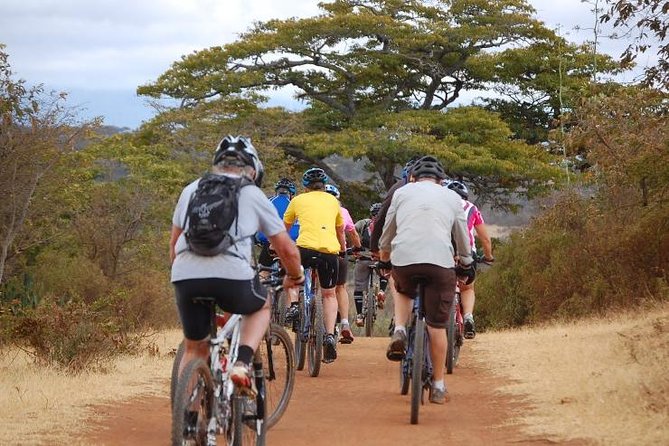
- Six cycling days around Mount Kilimanjaro: You see the mountain from several sides rather than only from a climbing route.
- Maasai and Chagga culture: The route links the dry western plains with the cultivated southern and eastern foothills.
- Enduimet Wildlife Management Area: You cycle through an important wildlife route beside Amboseli National Park.
- Lake Chala camping: A downhill ride leads to a crater lake on the Tanzania-Kenya border.
- Full road support: A guide, bike mechanic, driver, cook, support vehicle, mountain bike, helmet, food, water, and first aid kit are included.
- A demanding but varied route: Expect tarmac, dirt roads, steep sections, open plains, forest edges, farms, towns, and village traffic.
Day 1: Airport pickup and bike fitting in Moshi
Your trip begins with pickup at Kilimanjaro International Airport. You are driven to Moshi, the town at the foot of the mountain, and checked in at the Keys Hotel.
The first day is practical rather than scenic. You meet the guide, receive a briefing, and adjust your bike and helmet. That fitting matters. A poorly set saddle or unfamiliar bike can turn several days of riding into a needless test of patience.
If your flight arrives in the morning or afternoon, there is time for a short test ride through nearby sugar cane plantations and villages. I would use this ride to check the brakes, gears, saddle height, and your comfort with the bike before the real mileage begins.
Dinner is included at the hotel. The listed schedule gives seven hours to this first day, but that includes airport pickup, transfer, briefing, fitting, and possible riding. Your actual cycling time depends on your arrival.
A few more options to weigh up in Moshi
- Kilimanjaro climb by Lemosho Route (7-day)
★ 5.0 · 651 reviews - Safari Serengeti And Ngorongoro
★ 5.0 · 288 reviews - Kilimanjaro climb, Machame Route (7-day)
★ 5.0 · 262 reviews
Day 2: From southern farms to Maasai country
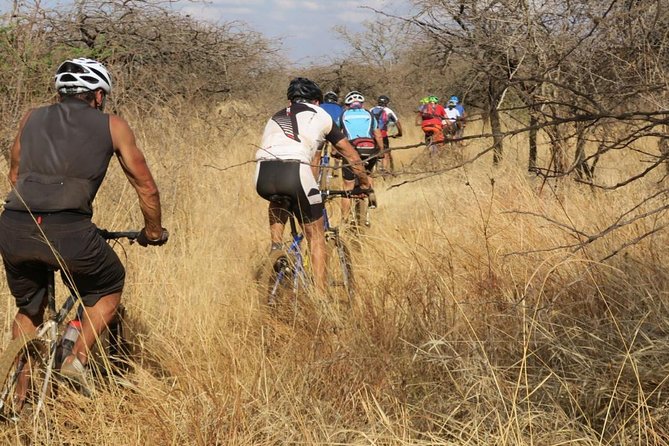
The route turns west from the greener southern side of Kilimanjaro toward the drier plains. You begin among coffee and banana plantations, where the fertile foothills support small farms and scattered villages.
As you ride west, the scenery changes. Cultivated ground gives way to open grasslands and acacia woodland, with broad views toward Kilimanjaro. This contrast is one of the trip’s best features. In a single day, you move from heavily farmed slopes into the open country associated with Maasai communities and wildlife.
The stop is Olpopongi Maasai Cultural Village and Museum. The purpose here is not simply to take photographs. It gives you a place to learn about Maasai life, traditions, and the way people live alongside animals in a dry region.
The route also offers some of the clearest mountain views, though weather can change the picture quickly. Kilimanjaro may appear as a sharp landmark one moment and disappear behind cloud the next.
The day takes about six hours, with admission included. Exact mileage is not provided, so ask the operator before departure if you want to compare each day with your own cycling limits.
Day 3: Enduimet and a night at Simba Farm
Day three takes you into the Enduimet Wildlife Management Area. This is a particularly meaningful section of the route because Enduimet borders Kenya’s Amboseli National Park and serves as a movement route for wildlife, including elephants.
You begin across wide plains marked by acacia trees. As you approach the lower slopes of Kilimanjaro, the country becomes greener and more cultivated. Maasai communities live here alongside Chagga, Meru, and Pare people, giving the ride a broader social picture than a simple mountain circuit.
Cycling through a wildlife area requires attention. You are not on a closed bike path or inside a controlled sightseeing enclosure. The support vehicle and guides are important, and you should follow their instructions closely. The supplied information does not promise wildlife sightings, so treat animals as a possible bonus rather than the reason to book the tour.
The day ends at Simba Farm, set above broad wheat and barley fields. After the dry plains and acacia trees, farmland provides a different view of Kilimanjaro’s foothills. The six-hour riding day should feel varied, but you will already have two substantial days in your legs.
Day 4: Farmland, Rongai, and the Kenyan border
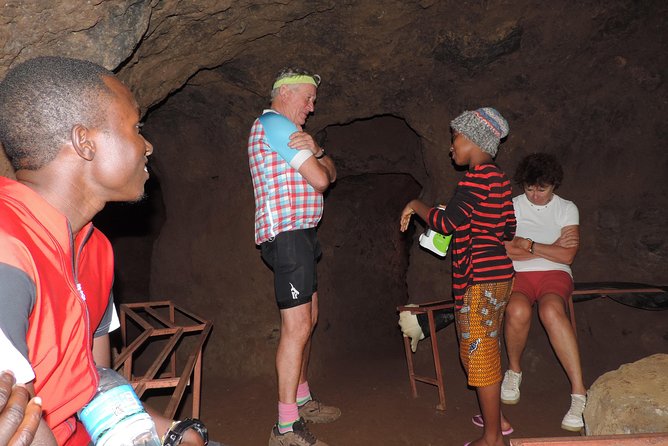
Day four heads northeast toward Nalemoru village near Kenya. Nalemoru is the starting point for Kilimanjaro’s Rongai route, so this section gives you a look at a less familiar side of the mountain.
The ride runs through open farmland and several towns. Behind you, the western plains stretch toward the horizon. Ahead, the route climbs toward the Rongai forest and the mountain’s northern slopes.
The distance is 73 kilometers, making this one of the days you should take seriously. The road surface is a mix of tarmac and dirt. Tarmac may make the miles easier, but dirt can bring loose surfaces, ruts, dust, and slower progress.
The overnight stop is camping at Snowcap Cottages on the edge of the Rongai forest. On a clear day, you can see Kibo and Mawenzi, Kilimanjaro’s two best-known peaks. The view is weather dependent, so do not judge the day by the cloud cover. The forest edge and changing farm country still make this a strong part of the circuit.
Breakfast, lunch, and dinner are included. Camping is part of the price, with tents, sleeping bags, mattresses, tables, and chairs supplied.
A different kind of day out entirely:
- Kilimanjaro Climbing Lemosho Route 8 Days.
★ 5.0 · 186 reviews - Climbing Kilimanjaro – Machame Route
★ 5.0 · 170 reviews - Climbing Kilimanjaro through 7 days Machame Route
★ 5.0 · 151 reviews - Kilimanjaro climb, Lemosho Route (8-day)
★ 5.0 · 148 reviews
Day 5: The long descent to Lake Chala
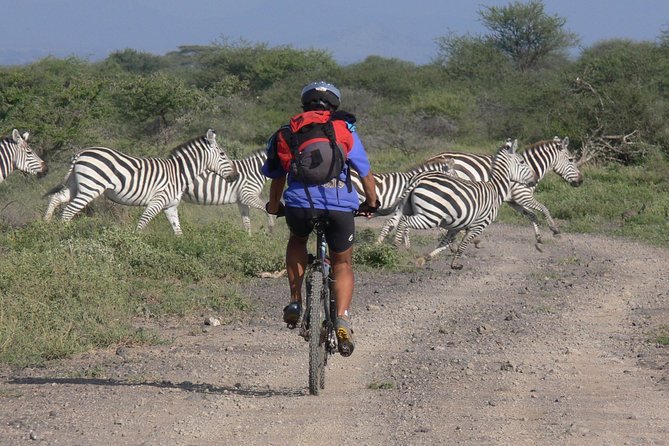
After the climbing and rolling terrain of the previous days, day five brings a downhill ride toward Lake Chala. The lake sits on the border between Tanzania and Kenya in a volcanic crater, with water fed by underground springs from Kilimanjaro.
The setting changes again. The dry plains and cultivated slopes give way to a dramatic volcanic basin, with green and blue water below the crater walls. You camp beside the lake at Lake Challa Campsite, where the evening is intended for rest rather than more sightseeing.
The distance is 65 kilometers on tarmac and dirt roads. Downhill does not mean effortless. Long descents still require careful braking, and rough sections can be tiring for your hands, back, and concentration. Ask your guide about the day’s road condition during the morning briefing.
Lake Chala is one of the most memorable overnight stops because it gives the route a clear sense of place. You are not simply sleeping near a hotel parking lot. You are spending the night beside a crater lake with a volcanic backdrop, after riding there under your own power.
Day 6: Marangu, coffee country, and Kinukamori Waterfalls
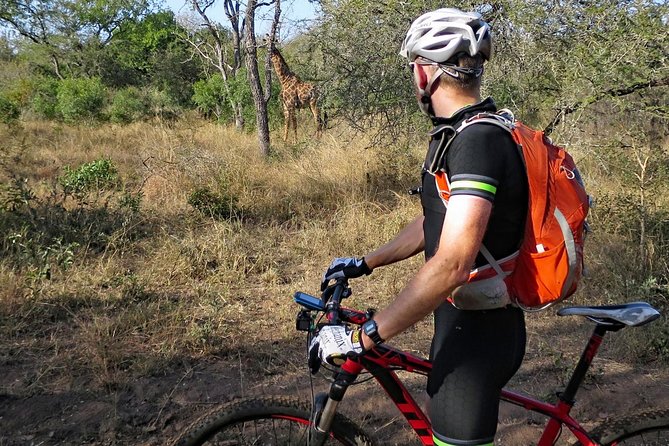
Day six is shorter but still challenging. You climb toward Marangu village in the foothills of Kilimanjaro, cycling through banana and coffee plantations.
Marangu is associated with the Chagga people, whose farms cover much of the lower mountain. The route gives you a chance to see how daily life is tied to the slopes, crops, and villages. Local residents may greet you as you pass, making this a more social day than the open plains.
A detour leads to Kinukamori Waterfalls. You leave the bikes and walk down to the base, where a local Chagga guide explains the area, local customs, and the legend linked with the falls. This stop breaks up the climbing and adds cultural context to the scenery.
The road surfaces again include tarmac and dirt. The supplied schedule lists about six hours, though the cycling distance is not stated. The combination of climbing, walking, and a waterfall visit means you should not treat this as an easy recovery day.
Camping is provided, and breakfast, lunch, and dinner are included.
Day 7: Back roads into Moshi
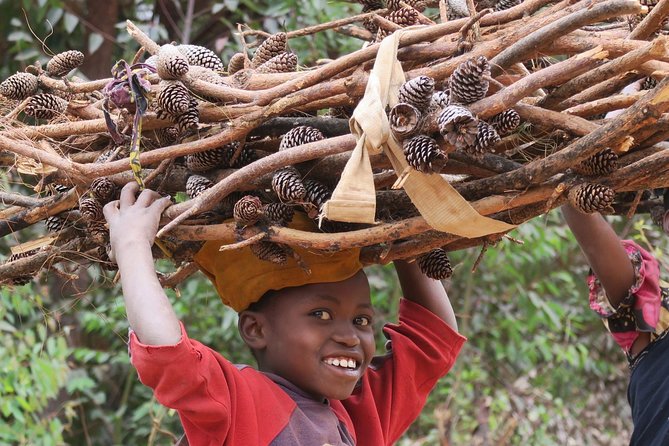
The final cycling day covers 37 kilometers and takes about four hours. You ride through villages and plantations on Kilimanjaro’s slopes, with several steep ascents and descents in the first half.
The second half becomes a gradual downhill ride toward Moshi. You use back roads through the suburbs and outer parts of town, ending at the Keys Hotel. This is a sensible finish. You get the satisfaction of riding into the town rather than being collected early by the support vehicle.
The evening closes with a celebratory dinner and sparkling wine. After six days of riding, that small ceremony has real value. It marks the achievement without pretending the route was easy.
Breakfast, lunch, and dinner are included. You spend the night at the hotel, which gives you a more comfortable final evening after the camping sections.
Day 8: A quiet finish before your flight
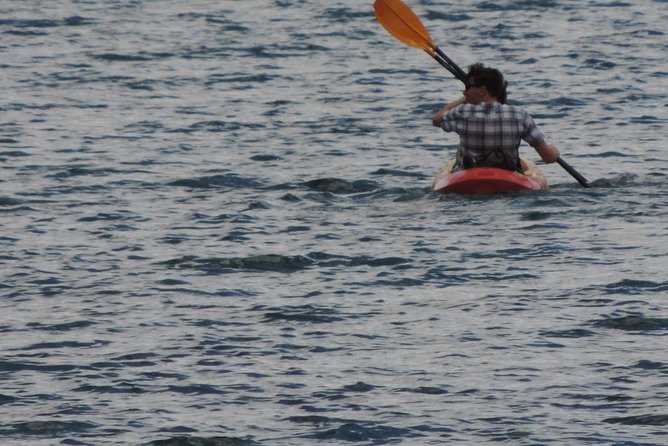
The last day is left open. You have breakfast, rest, explore Moshi, or shop for souvenirs before your airport transfer.
The timing depends on your flight. Airport transfer is included both at the beginning and end of the trip, but you should still confirm the pickup time with the operator once your flight schedule is known.
What the $2,690 price really covers
At first glance, $2,690 is not a budget cycling trip. The value becomes clearer when you look at what is bundled into the package.
You receive a mountain bike and helmet, snacks and fruit, two to three liters of water per day, a support vehicle, guide team, bike mechanic, driver, and cook. Camping equipment, hotel nights before and after the ride, village fees, wildlife management fees, cycling fees, entry charges, and a first aid kit are also included.
All listed breakfasts, lunches, and dinners are included, including the hotel meals and the final celebration. You are not expected to arrange a new meal, permit, campsite, or transfer every day.
The biggest value is logistical. A self-guided circuit would require you to arrange bikes, navigation, transport, food, camping equipment, local fees, and backup if something goes wrong. Here, the support vehicle can carry supplies and help with mechanical or medical problems. That does not remove the physical challenge, but it reduces the planning burden.
Tips for the crew are not included and are appreciated. Tanzania also requires a visa, and travel and medical insurance are strongly recommended. Laundry is extra.
Bikes, support, and group size
The bike setup receives especially strong praise. Multiple bike sizes are available, and helmets and locks have been supplied without an extra charge in some arrangements. The team has also helped riders prepare for customized trips and adjusted routes to match the ability of a private group.
The names George, Baraka, Richard, Yasin, and Roy are connected with particularly positive service experiences. George is singled out for leading rides and helping families and mixed-ability groups. Roy is praised for communication, bike preparation, and making sure riders had the right equipment.
A bike mechanic is part of the team, which is important on a six-day route with dirt roads and long distances. Still, take responsibility for your own comfort. Tell the guide early if the saddle, handlebars, or gearing do not feel right.
The maximum group size is 16. That is small enough for organized support, but the experience will feel different for a couple of riders than for a full group. Ask about the expected group size when you book.
Who should book Kilimanjaro 360?
You should consider this tour if you want a physical challenge with real variety. It suits riders who are comfortable spending several hours in the saddle, climbing on mixed surfaces, and dealing with heat, dust, changing weather, and village traffic.
It also works well for families with older teenagers. One family completed the route with children aged 15 and 18, and private groups have customized the trip to suit their ability.
You do not need to be a professional cyclist, but moderate fitness is specifically required. If you rarely ride, six consecutive cycling days may be too much. The 73-kilometer and 65-kilometer days deserve particular attention.
You should also be comfortable with camping. The equipment is supplied, but camping remains camping. The reward is direct access to places such as Lake Chala and the Rongai forest edge.
Practical advice before you go
Use the first test ride well. Check every contact point on the bike and make sure you know how the gears and brakes feel.
Ask for the full daily mileage, since the supplied schedule gives distances for only some days. You can then compare the route with your recent riding experience.
Pack clothing for both dry plains and cooler mountain foothills. Bring personal toiletries, insurance documents, visa arrangements, and any preferred cycling gloves or padded shorts.
Keep your schedule flexible around weather. The tour requires good weather, and a cancellation caused by poor conditions results in a new date or full refund. You can cancel for a full refund up to 24 hours before the start time, but changes made inside that window are not accepted.
Should you book this Kilimanjaro bike tour?
I would book Kilimanjaro 360 if I wanted a demanding, well-supported ride that shows more than the famous mountain. The route links Maasai plains, wildlife country, cultivated Chagga foothills, forest, villages, waterfalls, and Lake Chala in one trip.
I would not book it as a casual cycling holiday. The mileage, climbs, mixed roads, and six consecutive riding days require preparation. I would also confirm payment and refund terms directly before sending a large advance payment, since one serious complaint describes a canceled booking and money not returned. That concern deserves a clear written answer before you commit.
For fit riders who value local contact, strong support, and changing scenery, the package offers good value despite its price. For everyone else, consider a shorter or customized route first.
FAQ
Where does the Kilimanjaro 360 tour start?
The tour starts with pickup at Kilimanjaro International Airport, followed by transfer to Moshi and accommodation at Keys Hotel.
How long is the tour?
The full trip lasts about eight days, including arrival, six cycling days, and a free final day before your flight.
How many days do I cycle?
You cycle for six days, from day two through day seven.
What level of fitness do I need?
A moderate level of physical fitness is required. The route includes long rides, steep climbs and descents, tarmac, and dirt roads.
What is the longest listed cycling distance?
The longest listed distance is 73 kilometers on day four, from the Kilimanjaro foothills toward the Rongai forest area.
Is camping included?
Yes. Camping is included on the specified nights, along with tents, sleeping bags, mattresses, tables, and chairs.
Is accommodation included before and after cycling?
Yes. Accommodation before and after the cycling portion is provided at a three-star hotel. The itinerary names Keys Hotel in Moshi.
Are meals included?
Yes. Breakfast, lunch, and dinner are included throughout the scheduled tour. Snacks, fruit, and two to three liters of water per day are also provided.
Are bikes and helmets provided?
Yes. Mountain bikes and helmets are included. Multiple bike sizes are available, according to the supplied tour information.
What happens if bad weather cancels the tour?
If poor weather causes cancellation, you are offered a different date or a full refund. You can also cancel up to 24 hours before the start time for a full refund.
Just added in Moshi
- Zanzibar: Stone Town tour and Nakupenda beach with Lunch★ 5.0 · 1 review
- Mt Kilimanjaro 6 days Marangu route hike★ 5.0 · 3 reviews
- machame route★ 5.0 · 16 reviews
- day trip lake manyara★ 5.0 · 2 reviews
- Private Cycle to Kilimanjaro Bike Park Safari★ 5.0 · 6 reviews
- West Kilimanjaro cycling Adventures★ 4.5 · 8 reviews
- Wildlife Extravaganza: Manyara, Tarangire & Ngorongoro in 3 Days★ 5.0 · 3 reviews
- 3 Days Private E-Bike Tour in West Kilimanjaro★ 5.0 · 3 reviews
Moshi Tours, compared.






Climbing Kilimanjaro through 7 days Machame Route
Read our review →
