
Reviewed · MOSHI TOURS
Kilimanjaro Northern Circuit Route 8 Days
The quiet route takes the long way up. This eight-day Kilimanjaro climb begins on the Lemosho side, then swings around the remote northern slopes before reaching Uhuru Peak. I like the extra acclimatization time and the quieter trail, two real advantages on a mountain where patience matters more than speed.
I also like the serious support package: medical monitoring, emergency oxygen, a Gamow bag, portable toilet, private mess tent, hot washing water, and professional mountain staff. The main drawback is the summit day, which can last 13 to 16 hours and includes a midnight start, steep altitude gain, scree, cold, and a long descent.
In This Review
- Key points to know before booking
- Why the Northern Circuit is worth the extra days
- Day 1: Lemosho Gate and the montane forest
- Day 2: Heather, giant plants, and the Shira Plateau
- Day 3: Shark’s Tooth and the alpine desert
- Day 4: Around Kibo’s northern face
- Day 5: Completing the Northern Circuit
- Day 6: The climb to School Hut
- Day 7: Gillman’s Point, Stella Point, and Uhuru Peak
- Day 8: Mweka Forest and the finish
- What the $3,000 price really covers
- The guides, crew, and group setup
- Who should choose this climb?
- Should you book the Northern Circuit?
- FAQ
- How long is the Kilimanjaro Northern Circuit climb?
- What is the highest point reached?
- Is this a private tour?
- Are meals included?
- What safety equipment is included?
- What is not included in the $3,000 price?
Key points to know before booking
- The longest Kilimanjaro route: Eight days gives you more time to adjust before the summit push.
- A quieter northern traverse: After beginning near Lemosho, you leave the busier paths and cross remote terrain below Kibo.
- A private group climb: Only your own group participates, with pickup available and airport transfers included.
- Strong mountain safety support: A Gamow bag, emergency oxygen, pulse oximeter, vital sign checks, medical kit, radio, and trained wilderness first responder support are included.
- A serious final day: You start around midnight, reach up to 5,895 meters, then descend to 3,100 meters in one very long day.
- A high-cost but well-equipped package: At $3,000 per person, the price includes park charges, staff, food, camping systems, transfers, and two hotel nights.
Why the Northern Circuit is worth the extra days
Kilimanjaro routes are not won by rushing. At altitude, an extra day can mean the difference between reaching the summit and turning around. This route begins with the Lemosho approach, then uses a long northern arc to give your body more time to adjust.
The route is advertised as having Kilimanjaro’s highest success rate. That should not be read as a guarantee. Your result still depends on fitness, health, pacing, sleep, hydration, weather, and how your body handles thin air. Still, the design makes sense: you spend several days gaining height gradually before the final summit attempt.
The northern side is also quieter and more remote. You will not simply march along a crowded track toward the peak. Days four and five involve repeated climbs and descents across valleys beneath Kibo, with changing views of Kibo and Mawenzi. That extra effort is part of the price of solitude.
I would choose this route over a shorter option if you value time, scenery, and a slower adjustment to altitude. If your main goal is the lowest price or the shortest possible climb, eight days on the mountain may feel like too much.
A few more options to weigh up in Moshi
- Kilimanjaro climb by Lemosho Route (7-day)
★ 5.0 · 651 reviews - Safari Serengeti And Ngorongoro
★ 5.0 · 288 reviews - Kilimanjaro climb, Machame Route (7-day)
★ 5.0 · 262 reviews
Day 1: Lemosho Gate and the montane forest
After breakfast, you transfer by four-wheel drive toward Londrossi Gate. Here, the guides handle national park registration, and the crew weighs duffle bags to keep each porter’s load within the 20-kilogram limit.
That detail matters. Porters are central to the climb, and the weight rule helps keep the operation fairer and safer. You then continue for about 11 kilometers on narrow dirt roads through pine plantations to the Lemosho Glades, where the walking begins.
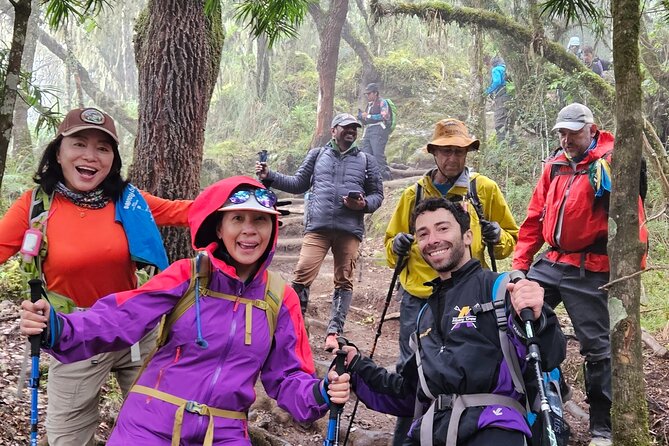
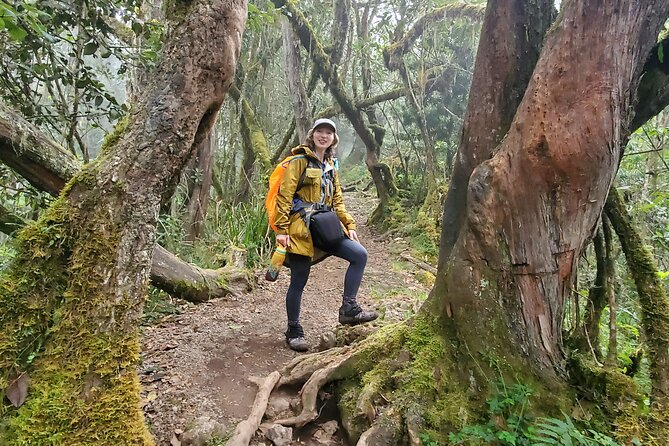
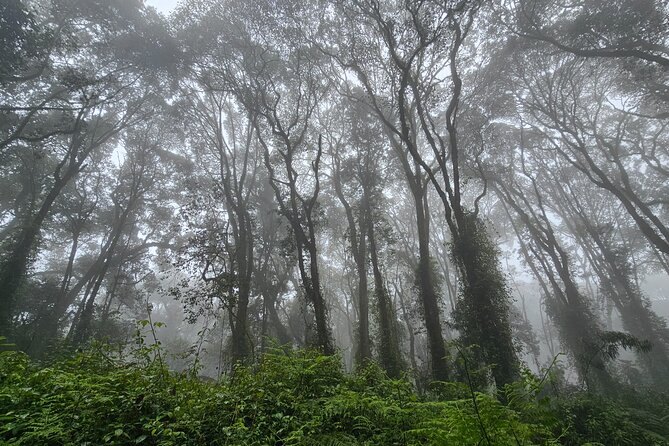
The first hike covers about 7 kilometers and takes four to five hours. You start around 1,981 meters and finish near 2,780 meters, moving through montane rain forest. This is a gentle opening compared with what comes later, but it still sets the tone. The forest gives you shade, bird sounds, damp ground, and a gradual introduction to the mountain.
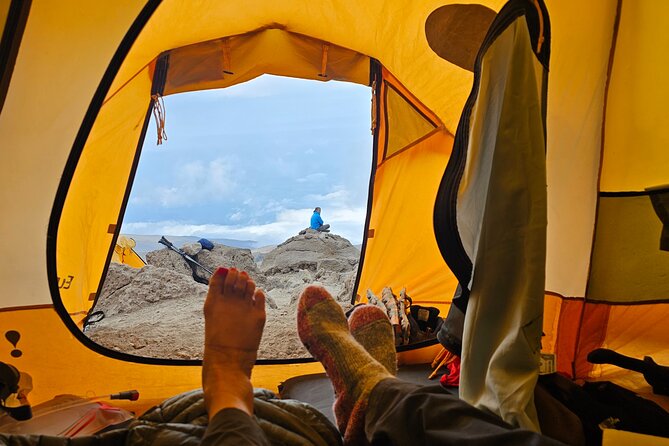
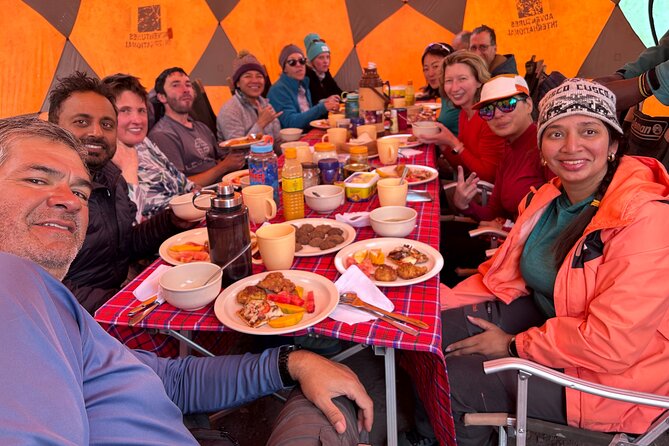
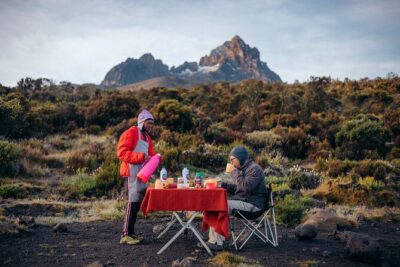
Your camp setup is notably more comfortable than a basic climb. Two clients share a three-person expedition tent, while a separate walk-in mess tent provides space for meals. A mattress, shower and wash tent, private portable flush toilet, hot washing water, and hot towels are included.
Day 2: Heather, giant plants, and the Shira Plateau
Day two is longer, around seven hours and 12 kilometers. You climb from 2,780 meters to about 3,511 meters, leaving the forest for moorland.
The trail follows narrow tracks that weave across ridges. Giant heather and erica appear first, followed higher up by the strange giant lobelia and giant groundsel. These plants give the upper mountain a look you will not find on an ordinary high-altitude walk.
Your guides will repeat pole pole, meaning slowly slowly. Take that advice literally. The aim is not to prove how fast you can climb. A steady pace gives your body time to adapt and leaves more energy for the days ahead.
The Shira Plateau is one of the route’s memorable settings. It is broad, high, and open, with Kilimanjaro rising above it. The day is long enough to feel tiring, especially for anyone unused to carrying a daypack at altitude. You should also expect cooler evenings and a more exposed camp than on day one.
Day 3: Shark’s Tooth and the alpine desert
Day three covers roughly 9 kilometers in five to six hours. You continue north through heather and into the alpine desert, finishing near 4,175 meters.
The natural landmark called Shark’s Tooth gives the day a clear destination. The scenery changes quickly. Hardy everlastings and small senecios replace the taller plants, while a large glacier-carved bowl rises above the route. Lava tube caves sit in the cliffs near the upper edge.
This is an important acclimatization day because you gain height without making a huge jump in walking time. You can see the Kibo Massif and Northern Ice Field above, with the Shira Plateau stretching below. Stop often, drink water, and let the guides monitor your condition.
The alpine desert is stark rather than lush. It may feel less scenic to anyone who expects greenery, but that emptiness helps you understand how high you have climbed. The terrain also gives you a preview of the exposed conditions ahead.
A different kind of day out entirely:
- Kilimanjaro Climbing Lemosho Route 8 Days.
★ 5.0 · 186 reviews - Climbing Kilimanjaro – Machame Route
★ 5.0 · 170 reviews - Climbing Kilimanjaro through 7 days Machame Route
★ 5.0 · 151 reviews - Kilimanjaro climb, Lemosho Route (8-day)
★ 5.0 · 148 reviews
Day 4: Around Kibo’s northern face
Day four is one of the route’s tougher walking days. You cover about 12 kilometers in seven to eight hours, moving from 4,175 meters to approximately 4,020 meters.
The final altitude is lower than the starting point, but do not mistake this for an easy day. You climb and descend again and again while crossing valleys below Kibo. Every ridge reveals a new angle, then the trail drops into another valley.
That up-and-down rhythm can be more tiring than a steady ascent. The vegetation changes from one valley to the next, and the northern side feels far more remote than the opening days. You finish at Pofu Campsite, a barren, rocky site on an isolated ridge.
Pofu may not be comfortable in a scenic postcard sense. It is exposed and spare. That is precisely why the day feels special. You are seeing a less visited side of Kilimanjaro, not just following the standard route to the summit.
Day 5: Completing the Northern Circuit
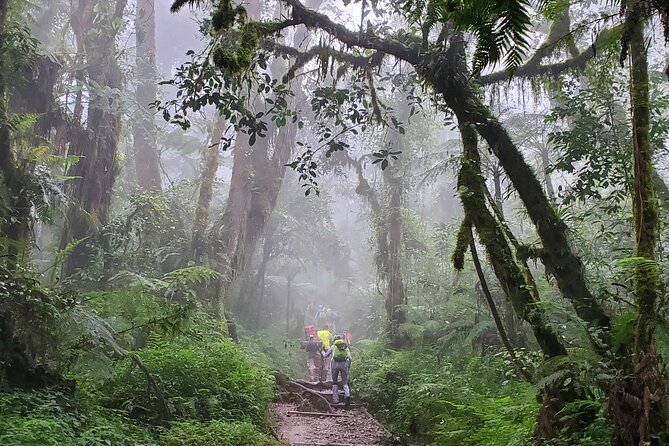
Day five is shorter at about 7 kilometers and six hours. You continue across rocky alpine desert and thin moorland, with frequent ascents and descents.
Kibo and Mawenzi dominate the views. Their presence gives the route a strong sense of direction, although the walking remains demanding because of the uneven ground and constant changes in height.
Third Cave Camp marks the completion of the northern circuit. This is a useful psychological milestone. You have spent several days circling the mountain, and now the route turns toward the summit attempt.
The altitude remains close to 4,000 meters, so you should not treat the shorter distance as a free day. Eat well, drink regularly, and use the camp time to rest. The next day brings a sharp climb, followed by the hardest day of the entire trip.
Day 6: The climb to School Hut
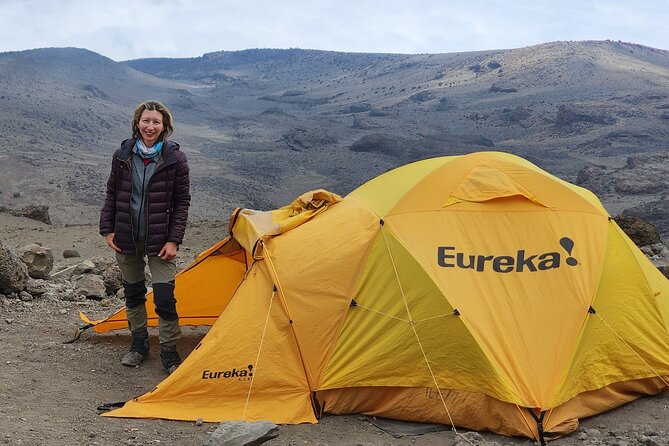
You walk about 6 kilometers in five hours, gaining roughly 780 meters from 3,960 to 4,790 meters. The route to School Hut is steep, and the thin air makes every rise feel bigger.
The views are a major reward. School Hut sits in an impressive position beneath Kibo Peak, offering broad views across the high mountain. It is also a training facility for park rangers, which gives the camp a practical connection to the work of protecting and managing the mountain.
This is the point where good pacing becomes essential. You may feel fine at the start and tired by the end. Do not spend your energy trying to keep up with the quickest person in the group. The guides should watch your pulse and oxygen levels, and you should report headaches, nausea, dizziness, unusual tiredness, or breathing trouble clearly.
The included pulse oximeter, vital sign monitoring, emergency oxygen, and Gamow bag are valuable safeguards. They do not remove altitude risk, but they show that the operator has planned for serious mountain conditions.
Day 7: Gillman’s Point, Stella Point, and Uhuru Peak
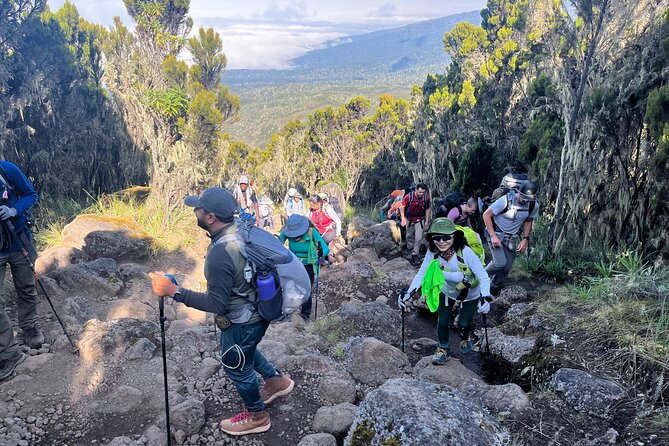
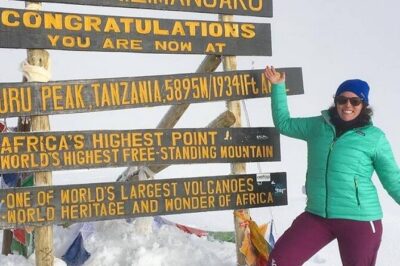
Summit day begins around midnight with a warm drink and light snack. You walk through the night toward Gillman’s Point and Stella Point, eventually reaching the highest point at 5,895 meters.
The statistics are daunting: about 19 kilometers, 13 to 16 hours of walking, and a descent from the summit area to around 3,100 meters. You may reach Stella Point and stop for food before the final push. From there, the trail is normally snow-covered, and the last two hours to Uhuru Peak can feel painfully slow.
This is not a sightseeing stroll. It is a cold, dark, physically demanding climb followed by a long descent. The route’s extra acclimatization helps, but it cannot make the summit easy.
The reward is the high point of Africa, with views above the clouds when weather allows. You can celebrate with wine and champagne at the summit, an unusual comfort after such a hard effort. Those who reach Uhuru Peak receive a gold certificate, while Stella Point finishers receive a green certificate.
After the summit, you descend through stone scree and moorland toward camp. Your legs will be tired, and the downhill can punish knees and ankles. This is why the large food portions, support staff, and camp organization matter. The summit is only half of this day.
Day 8: Mweka Forest and the finish
The last walking day covers about 8 kilometers in three to four hours, descending from 3,100 meters to about 1,800 meters.
The trail drops steeply through Mweka rain forest. Wet conditions can make it slippery, and the route follows the crest of a broad ridge between two river valleys. Near the end, you walk about 40 minutes along a road to Mweka Park Gate.
At the gate, successful climbers receive certificates from the Kilimanjaro National Park Authority. A picnic lunch follows, then a transfer to your hotel for the night. After several days above the tree line, the return to forest feels almost lush and surprisingly warm.
The descent is easier on the lungs than the climb, but it still tests your legs. Hiking poles can be especially useful here, although personal trekking equipment is not included and must be arranged separately.
What the $3,000 price really covers
At $3,000 per person, this is not a budget climb. The value comes from the length of the route and the wide support package.
Included costs cover Kilimanjaro National Park entrance, camping and hut charges, rescue fees, government taxes, and 18 percent VAT on park entrance fees. You also receive airport transfers, return transfers between the Arusha hotel and park gate, two hotel nights with bed and breakfast, mountain meals, purified water, tents, mattresses, mess facilities, and staff salaries.
The safety provisions add real value. You have a two-way radio, mobile phone, medical kit, emergency oxygen, Gamow bag, pulse oximeter, vital sign monitoring, and medical evacuation support through AMREF Flying Doctors. That is far more reassuring than a stripped-down package that leaves every emergency cost unclear.
The food program is another strength. Breakfast, lunch, and dinner are provided on the mountain, with large portions of fresh and nutritious food. Hot washing water morning and evening, hot towels, a private flush toilet, and a chair with back support make camp life less punishing.
You still need to budget for international airfare, visas, personal gear, communication charges, laundry, souvenirs, room service, immunizations, excess baggage, and staff gratuities. Extra medical or evacuation expenses are also excluded, as are meals if illness forces you off the planned route.
The guides, crew, and group setup
This is a private climb, so only your own group participates. That gives you more control over pace and rest stops than a large shared departure, though the group’s overall fitness will still affect the day.
The operator promises trained guides, assistant guides, cooks, and porters, with fair and ethical treatment of porters. The supplied experiences connected with this company praise the staff’s professionalism, food, organization, and personal care.
Several staff names appear in the company’s wider work, including Joseph, Goodluck, Samuel, and Kisali. Goodluck was praised for being professional and helpful, while Samuel was noted for strong guiding and practical help. Joseph’s team was also credited with a comfortable, successful ascent on a different route. These names should not be treated as a guarantee that one particular guide will lead your climb, so ask for the assigned guide team before departure.
Who should choose this climb?
I would recommend the Northern Circuit to you if you want:
- More time to adjust to altitude
- A quieter route with remote northern views
- A private group rather than a shared departure
- Strong medical and camp support
- A full mountain experience rather than the shortest route
I would hesitate if you dislike long camping trips, struggle with steep descents, or want a relaxed holiday. The summit day is especially demanding, and even the quieter days include altitude, cold, rough ground, and repeated climbs.
Most people can participate according to the provided participation guidance, but this is still a serious high-altitude expedition. You should discuss your fitness and medical needs with a qualified professional before booking.
The booking terms are flexible if your plans change: cancellation at least 24 hours before the local start time qualifies for a full refund. Bad weather can also lead to a new date or full refund, though changes made inside 24 hours are not accepted.
Should you book the Northern Circuit?
Book it if you want the best balance of acclimatization, solitude, and support on Kilimanjaro. The eight days cost more and require patience, but the route gives you time to adjust and shows you the mountain’s less visited northern side.
I would choose this over a shorter route for a first Kilimanjaro attempt, especially if the price fits your budget. Just arrive prepared for the reality of summit day: a midnight start, cold and snow near the top, many hours on your feet, and a steep descent after reaching the peak.
FAQ
How long is the Kilimanjaro Northern Circuit climb?
The experience lasts approximately eight days. Walking times range from three to four hours on the final day to 13 to 16 hours on summit day.
What is the highest point reached?
The summit day reaches 5,895 meters at Uhuru Peak. The route also passes Stella Point and Gillman’s Point.
Is this a private tour?
Yes. Only your group participates in the activity.
Are meals included?
Yes. Breakfast is provided eight times, lunch eight times, and dinner seven times. Large portions of fresh, nutritious food are provided on the mountain.
What safety equipment is included?
The package includes a medical kit, Gamow bag, emergency oxygen, pulse oximeter, vital sign monitoring, two-way radio, mobile phone, and support from a wilderness first responder trained guide or equivalent assistant guide.
What is not included in the $3,000 price?
International airfare, visas, personal trekking equipment, staff gratuities, laundry, souvenirs, room service, immunizations, excess baggage, communication charges, and certain medical or extra evacuation costs are not included.
Just added in Moshi
- Zanzibar: Stone Town tour and Nakupenda beach with Lunch★ 5.0 · 1 review
- day trip lake manyara★ 5.0 · 2 reviews
- Mt Kilimanjaro 6 days Marangu route hike★ 5.0 · 3 reviews
- machame route★ 5.0 · 16 reviews
- Private Cycle to Kilimanjaro Bike Park Safari★ 5.0 · 6 reviews
- West Kilimanjaro cycling Adventures★ 4.5 · 8 reviews
- Wildlife Extravaganza: Manyara, Tarangire & Ngorongoro in 3 Days★ 5.0 · 3 reviews
- 3 Days Private E-Bike Tour in West Kilimanjaro★ 5.0 · 3 reviews
Moshi Tours, compared.



Climbing Kilimanjaro through 7 days Machame Route
Read our review →
