
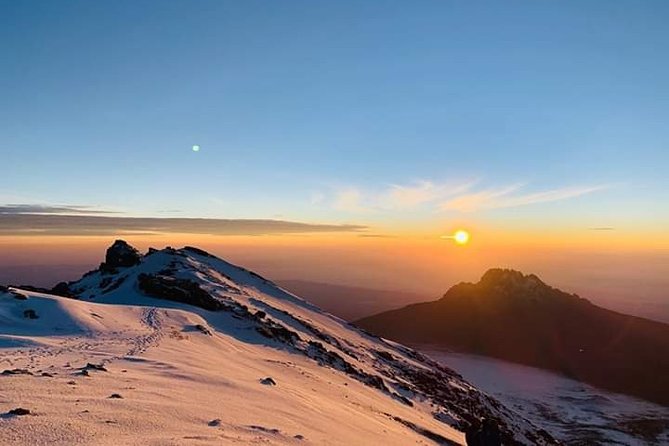
Reviewed · LEMOSHO ROUTE CLIMBS
Kilimanjaro Trekking 7Days 6Night Lemosho Route
Kilimanjaro rewards patience, not speed. This seven-day climb from Moshi follows the scenic Lemosho route through forest, heather, moorland, high desert, and the summit zone. I like the route’s quieter start and the way the steady climb gives you time to adjust to altitude. I also like the small group limit of 10 people, which should allow closer attention from the guides.
The package includes park fees, trekking, camping arrangements, and three daily meals during the mountain stay. The main consideration is that the published plan is not fully clear about Day 3 and summit day, and the cost is high at $3,000 per person, so you should confirm the exact schedule and equipment list before paying.
In This Review
- Key details before you book
- Why Lemosho is worth the extra effort
- Day 1: Londorossi Gate to Mti Mkubwa Camp
- Day 2: Mti Mkubwa to Shira 2 Camp
- Day 3: A gap you should clarify before departure
- Barranco Wall and Karanga Valley
- Day 5: Karanga to Barafu Camp
- Day 6: The summit schedule needs confirmation
- Day 7: Mweka descent and certificates
- Guides, porters, and camp support
- What the $3,000 price really covers
- Who should choose this climb?
- Booking advice and cancellation terms
- Should you book the 7-day Lemosho route?
- FAQ
- Where does the Kilimanjaro trek start?
- How long is the experience?
- How many people can join the group?
- Are meals included?
- Is a Tanzania visa included?
- What happens at the end of the trek?
Key details before you book
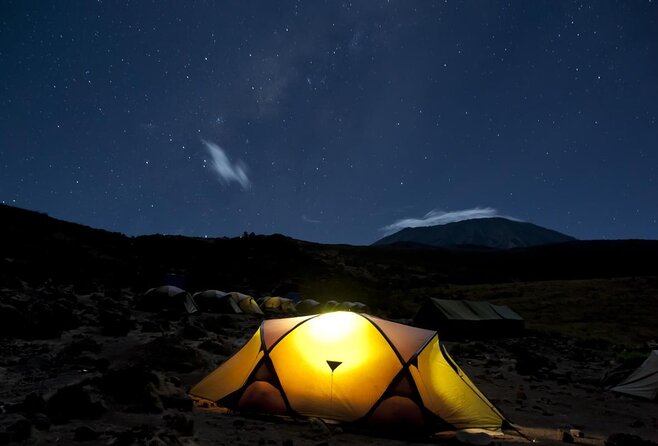
- The Lemosho route begins on Kilimanjaro’s western side: You start at Londorossi Park Gate and pass through forest, heather, moorland, and high-altitude terrain.
- The group is capped at 10 people: That is small enough for more direct contact with your guide than a large budget group usually allows.
- The route is scenic but physically demanding: Lemosho is described as tougher than the Marangu route, with long walking days and a steep section on the Barranco Wall.
- Meals and major park costs are included: Breakfast, lunch, dinner, Kilimanjaro trekking, fees, and taxes are included in the listed price.
- The summit approach begins from Barafu Camp: Day 5 places you high on the mountain, with views toward the summit and glaciers.
- The trip ends at Mweka Gate: After the descent, you receive summit certificates and return by vehicle to your hotel.
Why Lemosho is worth the extra effort
Kilimanjaro is not a technical climbing trip in the usual sense. The challenge is the altitude, the long hours on foot, the cold near the top, and the need to keep going when your body would prefer a warm bed and a cup of tea.
Lemosho makes the approach more gradual than some shorter routes. You begin in the forest, then move into giant heather and open moorland before reaching the Shira plateau. This change in scenery gives the trek a real sense of progress.
I like that the early days are not simply a march toward the summit. You get time to settle into the rhythm of walking slowly, eating regularly, and sleeping at higher camps. The second day is long, but the steady gain in height supports acclimatization better than a rushed itinerary.
The tradeoff is clear. A scenic route with more gradual exposure to altitude still asks a lot from you. Seven days is a serious commitment, and Lemosho is not the easy option. If you want the shortest possible Kilimanjaro schedule, this is not the right fit.
More Lemosho Route climbs:
- Kilimanjaro climb by Lemosho Route (7-day)
★ 5.0 · 651 reviews - Kilimanjaro Climbing Lemosho Route 8 Days.
★ 5.0 · 186 reviews - Kilimanjaro climb, Lemosho Route (8-day)
★ 5.0 · 148 reviews
Day 1: Londorossi Gate to Mti Mkubwa Camp
The first day begins with a briefing in Moshi and a gear check before the drive to Londorossi Park Gate. The transfer takes about three hours, so the morning is not just a quick departure and a short stroll.
At the gate, you register and begin walking with an armed park ranger. The forest section is one of the most distinctive parts of this route. The area is described as home to buffalo, elephant, and other wildlife, although sightings are never guaranteed and you should follow the ranger’s instructions closely.
The walk to Mti Mkubwa Camp takes about two to three hours and covers roughly 6 kilometers. The camp sits at 2,650 meters. That first night is useful because it gives you a gentle start before the longer days ahead.
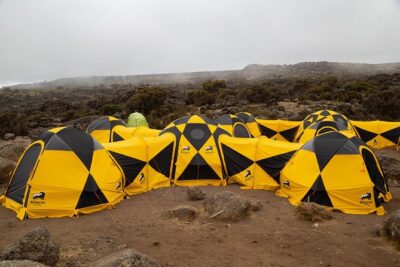
This is also the point where your gear matters. The operator says camping equipment is included, but the details provided do not list every item. Ask in advance if tents, sleeping bags, sleeping mats, and other personal mountain gear are supplied or rented separately.
Day 2: Mti Mkubwa to Shira 2 Camp
Day 2 is one of the longest walking days, at about seven to eight hours and 16 kilometers. The trail steepens as you leave the forest and enter the giant heather zone.
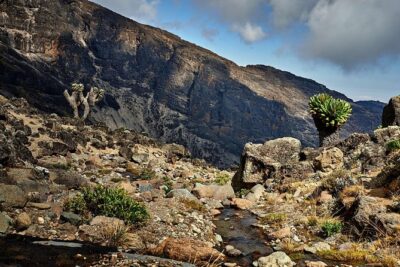
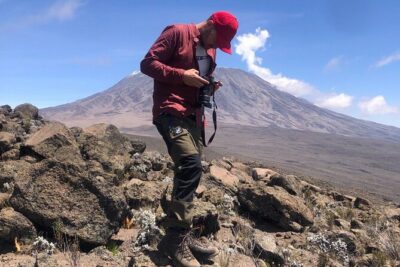
The character of the trek changes quickly. Instead of dense trees, you walk through open highland scenery scattered with volcanic rock formations. Several streams cross the route, and the path continues toward Shira Ridge.
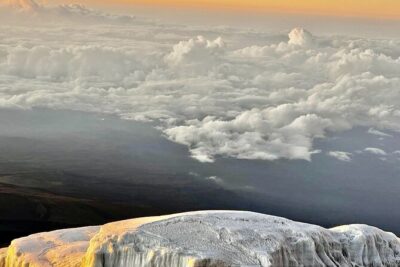
On a clear day, you may see Uhuru Peak from the ridge. The Northern Icefields can also appear on the western side of the mountain, though clouds can hide these views. Kilimanjaro weather has a sense of humor, so do not treat every promised view as guaranteed.
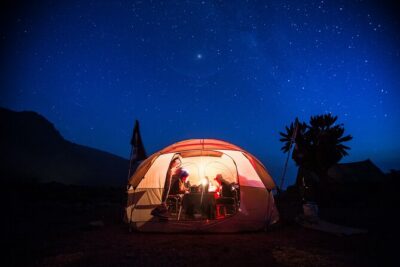
The night is spent at Shira 2 Camp, at about 3,850 meters. That is a meaningful gain from the first camp. The long, steady walk is tiring, but it is also an important part of the acclimatization plan.
You should take this day slowly. Drink when your guide advises you to drink, eat even if your appetite is reduced, and tell the guide promptly if you feel unwell. The strongest praise for this company focuses on guides who stayed attentive when climbers developed altitude symptoms.
Day 3: A gap you should clarify before departure
The supplied schedule repeats portions of Days 1 and 2 and does not clearly describe the full Day 3 program. That is the biggest planning weakness in the published information.
The wider route description suggests that the trek continues from the Shira area toward the South Circuit and Barranco Camp, but the exact walking time, distance, elevation, meals, and overnight camp for Day 3 are not stated clearly here. You should ask Uprise Africa Explorer for a complete day-by-day itinerary before booking.
This matters because Day 3 is likely to be a major acclimatization day. The exact height gained and the length of the walk affect how you prepare, what clothing you pack near the top of your bag, and how much rest you have before the Barranco section.
A clear written itinerary should also confirm the summit-day timing. The supplied schedule labels Day 6 as five hours but does not explain the route, summit attempt, or overnight location. Those are not minor details on a mountain trip.
More treks in Moshi:
- Private Kilimanjaro Hike 7 Day Lemosho Route
★ 5.0 · 60 reviews - Best Kilimanjaro hiking day trip tour with Kilinge Adventures
★ 4.5 · 54 reviews - #1. Best Kilimanjaro Day hike Tour-Machame Route-ISMANI
★ 4.2 · 47 reviews - Best Kilimanjaro Adventure 7 days Machame route Trekking
★ 5.0 · 42 reviews
Barranco Wall and Karanga Valley
The itinerary places the Barranco section on Day 4. You leave Barranco Camp and climb the Barranco Wall, reaching a height of about 4,250 meters. The climb takes roughly an hour and a half to reach the top of the wall.
This is one of the most memorable parts of the route, but it is also where you should expect a more physical walk. The description calls it a steep ridge rather than a technical climb. Still, you will need steady footing and patience. Your guide’s pace and route choices matter here.
After the wall, the trail becomes more level before descending into the Karanga Valley at about 4,050 meters. You then pass the junction connecting with the Mweka Trail and spend the night at Karanga Camp.
The day covers about three to four hours and 5 kilometers. That sounds short compared with Day 2, but the steep ascent makes distance a poor measure of difficulty. I would rather have a shorter day with a demanding climb than a flat march at this altitude.
Day 5: Karanga to Barafu Camp
Day 5 is another short but important stage. You walk about three to four hours over roughly 4 kilometers to Barafu Camp.
At Barafu, you have completed the South Circuit. The route has given you views of the summit and glaciers from different angles, rather than showing the mountain from only one side. The camp also places you near the summit zone, so this is the moment when the trip begins to feel very real.
The supplied information says camp is set up with views toward the summit. Barafu is not presented as a sightseeing stop, however. It is a high camp where rest, food, warmth, and careful preparation become the priority.
You should use this time to organize your summit clothing and personal items. Keep essential layers, gloves, water, snacks, and headlamp access close at hand if those items are part of your own kit. Confirm the exact equipment supplied by the operator, since the package description and the detailed inclusion list do not match perfectly.
Day 6: The summit schedule needs confirmation
Day 6 is not explained in enough detail. The schedule shows a five-hour segment but does not identify the route, destination, summit time, or overnight camp.
For a Kilimanjaro climb, this is the key day to understand. Ask these questions directly:
- What time does the summit attempt begin?
- Does the five-hour figure describe only one part of the day?
- Is Uhuru Peak included in the planned route?
- Where do you sleep after the summit?
- How many total hours should you expect on summit day?
- Are hot drinks, water, and meals provided during the summit push?
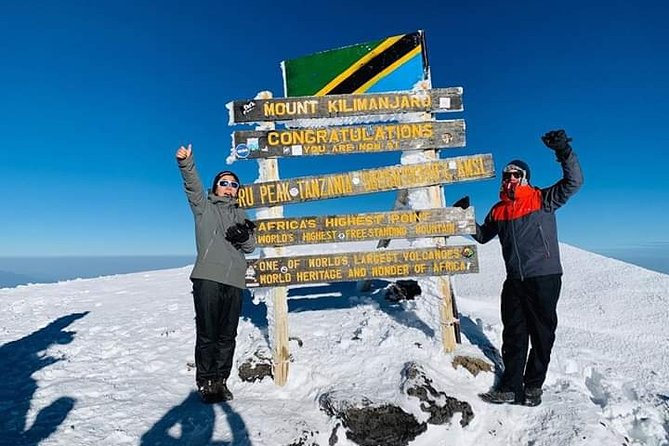
The tour’s main goal is to reach Africa’s highest mountain, Mount Kilimanjaro, and the company’s strongest praise centers on guides helping climbers reach Uhuru Peak. Several accounts also praise named guides including Francis, Sanga, Nguma, Innocent, Kissima, and Peter.
That personal support may be the most important part of the package. A good guide does more than point toward the trail. You need someone who watches your pace, listens when you describe symptoms, and keeps the group moving without turning the climb into a race.
Day 7: Mweka descent and certificates
The final day begins with breakfast at about 3,090 meters, followed by the descent to Mweka Park Gate. The stated walking time is three to four hours over approximately 10 kilometers.
At Mweka Gate, you receive your summit certificates. The vehicle then takes you back to your hotel.
The descent is easier on the lungs but can be hard on tired knees. After several days of walking, 10 kilometers downhill may feel longer than expected. Use trekking poles if you have them and keep your pace controlled.
Ending at Mweka Gate gives the trip a clear finish. You leave the mountain, collect the certificate that marks your achievement, and return to a hotel rather than continuing into another camp.
Guides, porters, and camp support
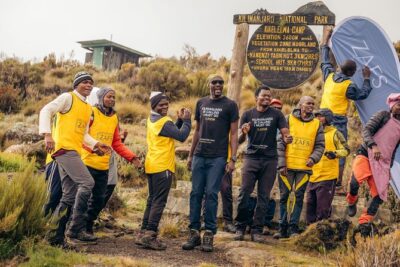
The most consistent praise for Uprise Africa Explorer concerns the mountain team. The guides are described as friendly, supportive, and attentive, while the porters are praised for their help with camp duties and gear.
The cooks also receive unusually strong approval. One account specifically praises a cook named Schabari for preparing excellent food in mountain conditions. That matters more than it may sound. Appetite often becomes difficult at altitude, and warm, reliable meals can make the difference between merely enduring a day and having enough strength for it.
Other praised staff include guides named Francis, Sanga, Nguma, Kissima, Peter, and Innocent. You cannot assume a particular guide will lead your departure, but asking who will be assigned to your group is sensible.
The group limit is 10 people. That is large enough to share the cost of guides, cooks, porters, and camp logistics, but still small enough for the lead guide to notice changes in your pace or mood.
The company is locally operated in Moshi, which may appeal to you if you prefer booking with a Tanzania-based outfit. You should still ask how porter welfare, tipping, gear rental, emergency support, and staff ratios are handled. Those details are important on any Kilimanjaro climb and are not fully stated in the supplied package.
What the $3,000 price really covers
At $3,000 per person, this is not a bargain trek. The value depends on what is actually included and how well the mountain operation is run.
The package includes:
- Kilimanjaro trekking
- All listed fees and taxes
- Six breakfasts
- Seven lunches
- Six dinners
- Camping arrangements and equipment, according to the feature description
The high price can make sense because Kilimanjaro trips involve park charges, guides, porters, cooks, transport, food, camps, and administrative work. A cheap quote may leave important costs outside the headline price.
Still, you should request a written inclusion list. The detailed inclusion section names meals and fees but does not spell out camping equipment, airport transfers, sleeping bags, or personal gear. Pickup is offered, and some customer accounts refer to airport pickup and drop-off, but you should confirm exactly which transfers are included in your booking.
A Tanzania visa is not included. The supplied information lists $50 or $100 for American residents on arrival at the airport, depending on the applicable visa type. Confirm the current fee and visa rules before your flight.
Tipping is not listed either. Ask the operator for its current guidance rather than guessing. The mountain crew is a major part of the experience, and you should budget for gratuities separately if they are expected.
Who should choose this climb?
I would recommend this trip to you if you want a scenic route, prefer a smaller group, and can handle several long days at altitude. It also suits people who value a local company and want guides, porters, and a cook handling the camp routine.
The route may suit older climbers or families only after an honest fitness discussion. One account describes a 67-year-old woman reaching the summit, and another describes a family concerned about climbing with children. Those stories show that age alone does not decide the outcome, but they do not replace medical advice or a proper assessment of your fitness.
This is not a casual walk. You should be ready for steep ground, cold conditions, limited comfort, and an uncertain summit schedule. Most travelers can participate according to the activity information, but that does not mean the climb is easy or suitable for every health condition.
Booking advice and cancellation terms
Confirmation is provided at booking, and the listed start time is 11:00 a.m. Pickup is offered, but confirm the pickup location and whether airport transfers are included in your specific reservation.
The cancellation terms are strict near departure. You can receive a full refund if you cancel at least six full days before the local start time. Cancellation two to six full days ahead allows a 50 percent refund, while cancellation less than two full days before departure is nonrefundable.
The trip requires good weather. If poor weather causes cancellation, you are offered another date or a full refund. Given the unclear Day 3 and Day 6 descriptions, I would get the full mountain schedule, equipment list, transfer details, and weather procedure in writing before the cancellation deadline passes.
Should you book the 7-day Lemosho route?
I would book this trek if the operator confirms the missing itinerary details and you want a scenic, quieter route with strong camp support. The small group, praised guides, capable cooks, and local operation add real value to a demanding week.
I would pause if you are choosing mainly on price or if you want a very short, simple schedule. Lemosho is tougher than Marangu, the package costs $3,000, and the published plan needs clarification around the most important days.
Ask for the complete schedule before paying. If the answers are clear and the equipment and transfers match your expectations, this looks like a well-supported way to approach Kilimanjaro slowly and give yourself a fair chance at Uhuru Peak.
FAQ
Where does the Kilimanjaro trek start?
The trek begins with a drive from Moshi to Londorossi Park Gate. After registration, you start walking through the forest toward Mti Mkubwa Camp.
How long is the experience?
The listed duration is seven days and six nights.
How many people can join the group?
The activity has a maximum of 10 participants.
Are meals included?
Yes. The package includes seven lunches, six breakfasts, and six dinners.
Is a Tanzania visa included?
No. The Tanzania visa is not included. The supplied information lists a cost of $50 or $100 for American residents on arrival at the airport.
What happens at the end of the trek?
You descend to Mweka Park Gate, receive your summit certificates, and take a vehicle back to your hotel.
Just added in Moshi
- THE BEST 2 DAYS ON TREK – MARANGU ROUTE TOUR ADVENTURES★ 5.0 · 1 review
- Mount Kilimanjaro National Park Day Trip★ 5.0 · 7 reviews
- Mount Kilimanjaro Climbing in Tanzania Full-Day Trip★ 5.0 · 1 review
- Mount Kilimanjaro Day Hike – All-Inclusive, No Hidden Fees★ 4.0 · 7 reviews
- Mount Kilimanjaro Trekking Tour – Climb with Local Guides★ 5.0 · 1 review
- Mount Kilimanjaro: 7 Days Hike Lemosho Route★ 5.0 · 1 review
- Moshi:Chemka Hot Springs, Materuni Waterfalls & Coffee Tour★ 5.0 · 1 review
- Moshi Town: Walking Tour: Theme Urban lifestyle★ 3.1 · 4 reviews
Lemosho Route Climbs, compared.
8-Day Small-group Lemosho Kilimanjaro Summit Trekking
Read our review →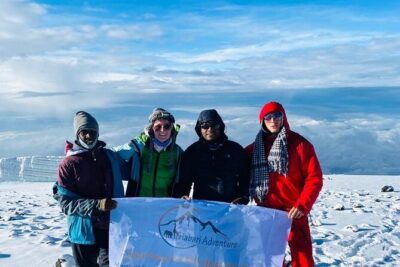
Climbing Kilimanjaro through 8 days Lemosho Route
Read our review →Browse the lists this tour appears in