
Reviewed · MOSHI TOURS
Kinukamori Waterfalls, Ancient Caves & Cultural Day Tour
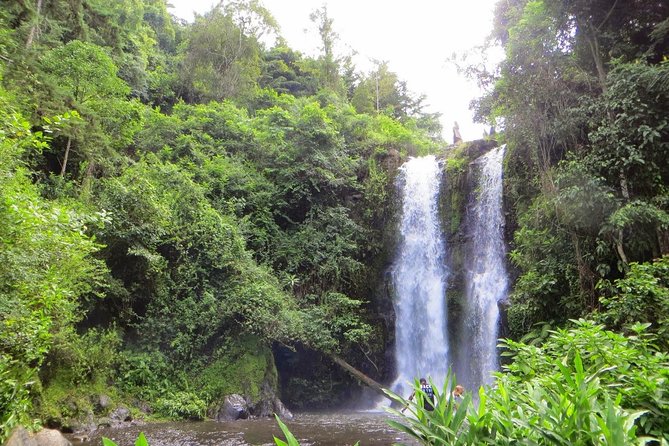
Water, forest, and Chagga culture fit neatly into one day. I like the short drive from Moshi to Marangu and the easy 20-minute walk through tall eucalyptus trees. I also like that the tour includes private transport, an English-speaking guide, lunch, bottled water, and entrance fees. The main drawback is that the schedule is described as four to seven hours, so the exact pace and time at each stop may not be clear before you go.
This is a good choice if you want more than a standard waterfall stop. You can visit Kinukamori from both the top and bottom, swim in its clear spring water, and then see the ancient caves linked with Chagga Chief Mareale. The cave visit is brief, only about 20 minutes, so the waterfall is the main event.
In This Review
- Key points to know before booking
- Leaving Moshi for Marangu at 8:30 a.m.
- Walking through the eucalyptus forest
- Kinukamori from the top and bottom
- A short visit to the caves of Chief Mareale
- Lunch, water, and what the $120 price covers
- Who will get the most from this day
- How the local guide can shape the experience
- Practical things to bring
- Cancellation and booking advice
- Should you book Kinukamori Waterfalls?
- FAQ
- Where is Kinukamori Waterfalls?
- What time does the tour begin?
- How long is the tour?
- How long is the walk to Kinukamori Waterfall?
- Can I swim at Kinukamori Waterfalls?
- Is transportation included?
- What is included in the price?
Key points to know before booking
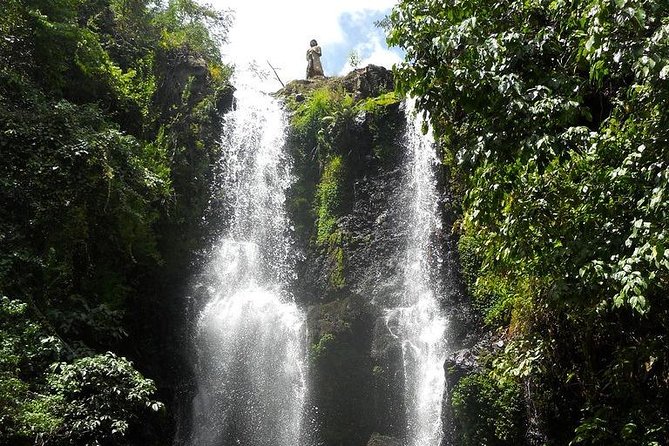
- Kinukamori’s water comes from Kilimanjaro’s volcanic springs, giving the waterfall a clear, fresh character.
- The walk takes about 20 minutes, passing through forest and tall eucalyptus trees from Marangu Village.
- Swimming is possible at the waterfall, though you should bring suitable clothing and confirm current conditions with your guide.
- The Chagga Chief Mareale caves add cultural context to a nature-focused outing, but the stop lasts only about 20 minutes.
- Private transport and a private group make the day more flexible than a large shared excursion.
- Local guiding matters here, and Honory is named in one especially warm account as a charming guide who explained the stories behind the site.
Leaving Moshi for Marangu at 8:30 a.m.
The day begins at about 8:30 a.m. with a drive of roughly 30 minutes from Moshi to Marangu Village. That short transfer is one of the tour’s practical strengths. You spend less time sitting in a vehicle and more time among the foothills of Mount Kilimanjaro.
The tour information says pickup is offered, while the stated meeting point is at Kinukamori Marangu Waterfalls in Marangu 25212. Because those details are not perfectly aligned, confirm your exact pickup place and time when booking. Private transportation should make this simple, but it is worth settling before the morning begins.
Marangu is part of Chagga Land, the area associated with the Chagga people on Kilimanjaro’s lower slopes. The setting gives the tour a useful sense of place. You are not visiting an isolated attraction with no connection to its surroundings. The waterfall and caves belong to a cultural area with its own stories and traditions.
The morning start also leaves room for a relaxed visit. Still, the total length can range from four to seven hours. That wide window likely depends on driving arrangements, walking speed, time spent swimming, and the amount of explanation your guide provides. If you have another activity planned in Moshi, allow the longer end of the estimate rather than assuming you will be back after four hours.
A few more options to weigh up in Moshi
- Kilimanjaro climb by Lemosho Route (7-day)
★ 5.0 · 651 reviews - Safari Serengeti And Ngorongoro
★ 5.0 · 288 reviews - Kilimanjaro climb, Machame Route (7-day)
★ 5.0 · 262 reviews
Walking through the eucalyptus forest
From Marangu Village, the approach to Kinukamori takes about 20 minutes on foot. This is a short hike, not a demanding mountain trek, but you should still expect an outdoor path rather than a paved walkway.
The route passes through forest with tall eucalyptus trees and other vegetation. That walk is part of the appeal. You get a gradual change from village surroundings to a cooler, quieter setting before the water appears.
I like this kind of short approach because it gives the waterfall some sense of arrival. You do not simply step out of a vehicle beside the water. The walk lets you notice the trees, hear the changing sound of the stream, and get ready for the more open area around the falls.
The available information does not give details about trail conditions, steps, or steep sections. Wear shoes that can handle an uneven outdoor path, and ask your guide about the footing on the day. Most people can participate, according to the tour details, but the word most is important. Anyone with serious mobility concerns should ask for a clear description of the walk before paying.
The guide is an important part of this section. One account gives special praise to Honory, described as charming and good at explaining the stories that make the place special. That detail suggests the walk can be more than a transfer from the village to the waterfall. Ask if Honory is guiding your departure, though guide assignments cannot be assumed.
Kinukamori from the top and bottom
Kinukamori Waterfalls is the center of the outing. The tour allows you to visit the waterfall from the top and bottom, giving you different views of the water and the surrounding forest.
The water begins in natural springs among the volcanic rocks of Mount Kilimanjaro. That origin is a useful part of the experience because it connects this small waterfall to the mountain above. You are seeing a local water source shaped by the same volcanic environment that defines the Kilimanjaro foothills.
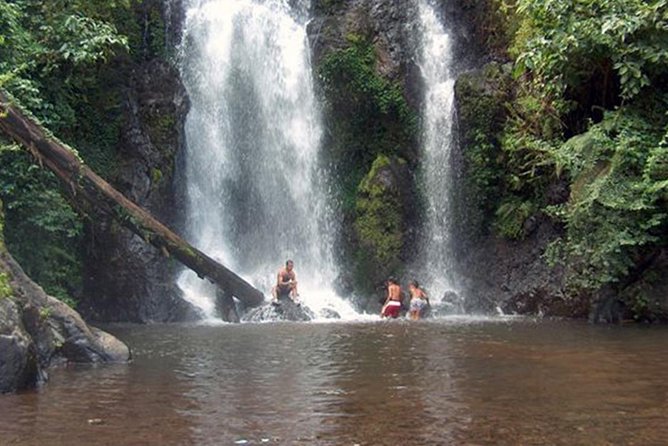
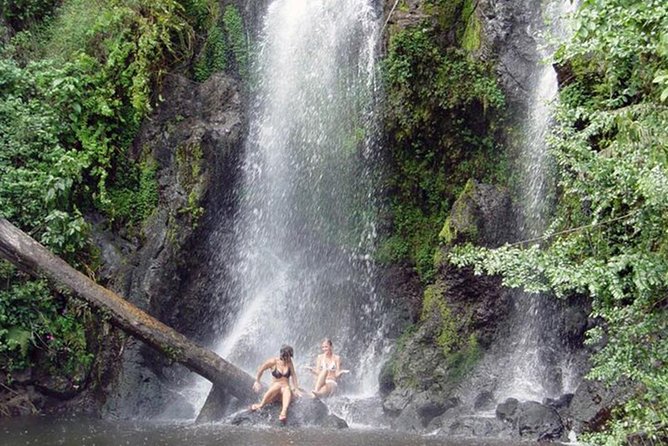
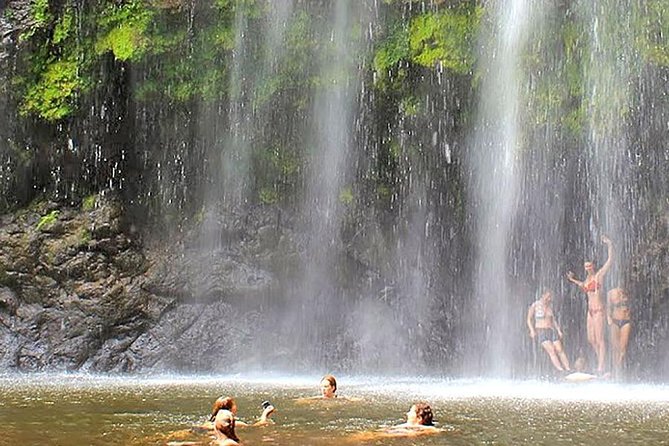
At the falls, you can swim or simply sit near the water and enjoy the cool spray. The descriptions place strong emphasis on the refreshing breeze and the clear water. One particularly enthusiastic account praises the views and calls swimming beneath the falls a memorable part of the visit.
Conditions may vary, so treat swimming as an option rather than a guarantee. Bring a swimsuit, towel, and a way to protect your phone. The tour includes bottled drinking water, but it does not list towels, changing facilities, or waterproof bags. Those are useful items to carry yourself.
The top and bottom viewpoints also make this more interesting than a quick photograph beside a single viewpoint. From above, you can understand the water’s route through the rocks. From below, you get the sound, spray, and closer view that make swimming or relaxing appealing.
The tour description gives the waterfall stop five hours, but that appears to cover the main portion of the day rather than five hours spent continuously in the water. The full activity is listed as approximately four to seven hours, so ask your guide how much time is planned for the falls, the caves, lunch, and transport.
A short visit to the caves of Chief Mareale
After Kinukamori, the tour includes the ancient caves associated with Chagga Chief Mareale. The stated visit lasts about 20 minutes, making it a compact cultural stop rather than a long underground excursion.
The caves give the day a second focus. Kinukamori is about natural scenery and water, while the Mareale site connects the area with Chagga leadership and local stories. This contrast is valuable. You get a little context about the people and history of the area instead of treating Marangu as scenery alone.
Twenty minutes is enough for a concise explanation and a look around, but it is not a long historical tour. If you want an extensive account of Chagga history, this experience may feel too brief. If you prefer a balanced day with one cultural stop and one outdoor highlight, the short format works well.
The price includes admission fees for the waterfall portion, while the cave stop is listed as having no separate admission charge. You should still rely on your guide for the meaning of the site. The cultural value here comes less from the length of the visit and more from hearing the stories connected with the caves.
A different kind of day out entirely:
- Kilimanjaro Climbing Lemosho Route 8 Days.
★ 5.0 · 186 reviews - Climbing Kilimanjaro – Machame Route
★ 5.0 · 170 reviews - Climbing Kilimanjaro through 7 days Machame Route
★ 5.0 · 151 reviews - Kilimanjaro climb, Lemosho Route (8-day)
★ 5.0 · 148 reviews
Lunch, water, and what the $120 price covers
The cost is $120 per person. That is not the lowest possible price for a short walk and waterfall visit, but the value changes when you account for the private format and included services.
Your price covers:
- Private transportation
- A professional English-speaking guide
- All fees and taxes
- A hot lunch box
- Bottled drinking water
The private arrangement is the biggest value point. Only your group participates, so you do not have to match the pace of a busload of strangers. You may be able to spend longer at the water, move more quickly through the caves, or ask for extra explanation, depending on the day and your guide.
The hot lunch box also matters because the activity can last most of a day. You do not need to arrange a separate meal between the waterfall and the return to Moshi. Personal expenses are not included, so carry money for anything extra you may want, though no specific optional purchases are listed.
Visas, flights, and insurance are excluded. That is standard for a local day activity, but it means you should view the $120 as the cost of the excursion itself, not part of a wider Tanzania trip budget.
For a private group, the price is easier to justify than it would be for a solo visitor seeking only a quick waterfall stop. If you are traveling with family or friends, the transport and guide can offer useful flexibility. If your only goal is to swim for a short time, you may find the cultural stop and private setup more than you need.
Who will get the most from this day
I would recommend this tour to you if you want a gentle outdoor outing near Moshi with a clear sense of local place. It suits people who enjoy a short forest walk, freshwater swimming, scenic stops, and a little history without committing to a full-day mountain hike.
It also fits well after or before a larger Kilimanjaro itinerary, provided you have enough time and energy. The tour reaches the foothills of the mountain but is not a climb on Kilimanjaro itself. Do not book it expecting a serious trek or a summit view expedition.
Families may appreciate the private format and short walking distance, although children should be supervised near the water and on the forest path. The tour details say service animals are allowed and that most people can participate.
You may want to choose another activity if you need a highly structured schedule, extensive archaeological detail, or guaranteed facilities for changing after swimming. Those features are not specified. The broad four-to-seven-hour duration also calls for some flexibility.
How the local guide can shape the experience
A waterfall is easy to photograph and easy to forget if nobody explains why it matters. The most praised part of the guiding is the storytelling. Honory is singled out by name for sharing the stories behind the place and for being warm and charming.
That is exactly the kind of guiding this tour needs. The water, trees, and caves are attractive on their own, but the guide helps connect them to Chagga Land and the foothills of Kilimanjaro. Ask questions as you walk. The information supplied does not promise a set historical presentation, so the quality of your cultural understanding will depend in part on the guide assigned to your group.
Because the tour is private, you have a better chance to shape the conversation. You can ask about the waterfall’s spring water, the cave site, the forest, or the nearby village. You are not locked into a fixed group schedule.
The two available ratings are both five out of five, but the sample is very small. I would take the praise seriously for the scenery, swimming, and personal guiding, while keeping expectations sensible about the exact itinerary and guide assignment.
Practical things to bring
The operator supplies bottled water and a hot lunch box, but you should pack for a damp outdoor stop.
Bring:
- Comfortable shoes for a forest path
- Swimwear if you want to enter the water
- A towel
- Sun protection
- A small bag for wet clothing
- A phone or camera with water protection
The tour does not list lockers, changing rooms, towels, or waterproof storage. That does not mean these are unavailable, only that they are not promised. Pack light, since you will walk from the village and may move between the upper and lower waterfall areas.
Ask about the day’s water conditions before swimming. The water is described as clear and refreshing, and swimming is presented as a central option, but local conditions can affect safety.
The meeting point deserves one final check. Pickup is offered, yet the activity details also identify Kinukamori Marangu Waterfalls as the start and end point. Confirm whether your vehicle collects you in Moshi or whether you must reach Marangu yourself.
Cancellation and booking advice
You can cancel at least 24 hours before the local start time for a full refund. Cancellations or changes made within 24 hours are not accepted for a refund. Confirmation is provided when you book.
Before committing, ask three simple questions: Where is pickup in Moshi? How much time is planned at the waterfall? Is Honory available to guide your group? The first two will help you plan the day, and the third may matter if storytelling is a major reason you are booking.
Should you book Kinukamori Waterfalls?
Book this tour if you want a private, modestly active day with clear spring water, a forest walk, and a taste of Chagga culture. The strongest reasons to go are the chance to see Kinukamori from two levels, swim beneath the falls, and hear local stories from an English-speaking guide.
I would be more cautious if you want a long cave tour, a demanding hike, or a tightly timed half-day outing. The price is most convincing for a small private group that values transport, lunch, and personal guiding. For that audience, Kinukamori offers a pleasant break from Moshi and a more local-feeling experience than a quick roadside stop.
FAQ
Where is Kinukamori Waterfalls?
Kinukamori is in Marangu, in Chagga Land at the foothills of Mount Kilimanjaro, about a 30-minute drive from Moshi.
What time does the tour begin?
The tour starts at approximately 8:30 a.m.
How long is the tour?
The experience lasts approximately four to seven hours.
How long is the walk to Kinukamori Waterfall?
The walk from Marangu Village to the waterfall takes about 20 minutes.
Can I swim at Kinukamori Waterfalls?
Yes. Swimming is offered as an activity at the waterfall, along with relaxing beside the water.
Is transportation included?
Yes. Private transportation is included, and pickup is offered. Confirm the exact pickup location because the stated meeting point is at Kinukamori Marangu Waterfalls.
What is included in the price?
The $120 price includes private transportation, all fees and taxes, an English-speaking professional guide, a hot lunch box, and bottled drinking water. Visas, flights, insurance, and personal expenses are not included.
Just added in Moshi
- Zanzibar: Stone Town tour and Nakupenda beach with Lunch★ 5.0 · 1 review
- machame route★ 5.0 · 16 reviews
- day trip lake manyara★ 5.0 · 2 reviews
- Mt Kilimanjaro 6 days Marangu route hike★ 5.0 · 3 reviews
- Private Cycle to Kilimanjaro Bike Park Safari★ 5.0 · 6 reviews
- West Kilimanjaro cycling Adventures★ 4.5 · 8 reviews
- Wildlife Extravaganza: Manyara, Tarangire & Ngorongoro in 3 Days★ 5.0 · 3 reviews
- 3 Days Private E-Bike Tour in West Kilimanjaro★ 5.0 · 3 reviews
Moshi Tours, compared.






Climbing Kilimanjaro through 7 days Machame Route
Read our review →
