
Reviewed · LEMOSHO ROUTE CLIMBS
Kilimanjaro-lemosho Route 8 Days Itinerary
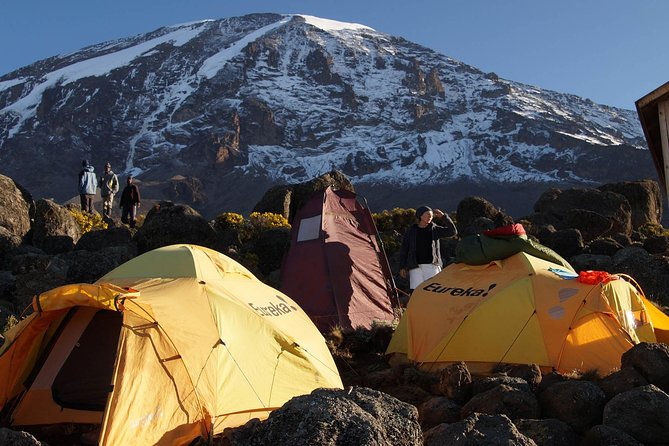
Africa’s big walk starts slowly. This Lemosho Route climb gives you time to adjust, with quiet forest trails, the Shira Plateau, Barranco Wall, and a final push to Uhuru Peak. I like the included airport transfers and the two nights at Arusha Safari Lodge, which make arrival and departure much easier. I also like the patient pacing and strong guide team, including guides named Emmanuel and Frankie in previous trips. The main drawback is the summit day: 13 to 15 hours of walking is a serious physical test, not a casual sightseeing outing.
The price is $2,950 per person, and the trip takes about 10 days from airport pickup to airport departure. You spend eight days on the mountain, with an arrival night in Arusha before the climb and a final night back at the lodge afterward. Good weather timing matters, and the March to May long rains are best avoided.
In This Review
- Key points to know before booking
- Arriving in Arusha at the foot of Mount Meru
- Day 2: Londorossi Gate to Mti Mkubwa Camp
- Day 3: Mti Mkubwa to Shira Camp
- Day 4: Shira Cathedral and Shira Hut
- Day 5: Lava Tower and the Barranco Valley
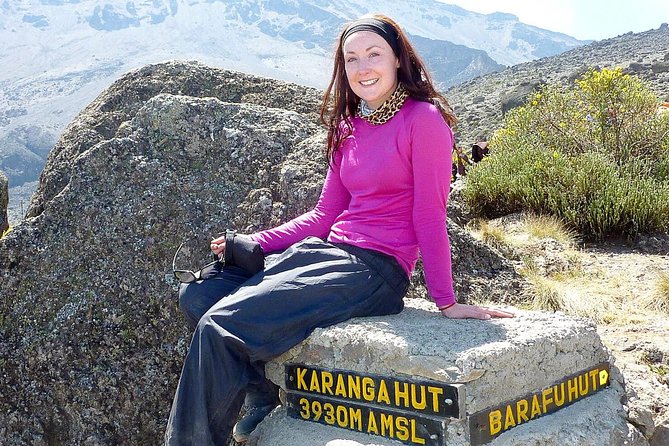
- Day 6: Barranco Wall to Karanga Camp
- Day 7: Karanga to Barafu Camp
- Day 8: Barafu to Uhuru Peak and Mweka Camp
- Day 9: Mweka Camp to Arusha Safari Lodge
- What the $2,950 price really covers
- Best months, weather, and practical timing
- Who this Kilimanjaro climb suits best
- Booking details and cancellation terms
- Should you book the Lemosho Route?
- FAQ
- How long does the full Kilimanjaro experience take?
- Where does the tour start and finish?
- What is the price per person?
- Are meals included?
- Which months are recommended for climbing?
- How difficult is the climb?
- What is the highest point reached?
- What is not included in the price?
Key points to know before booking
- Eight mountain days plus two Arusha nights: The route title says eight days, but the full package runs about 10 days with arrival, briefing, and departure arrangements.
- Lemosho begins on the western side: You reach Londorossi Gate after about two hours by road from Arusha, then enter the forest on foot.
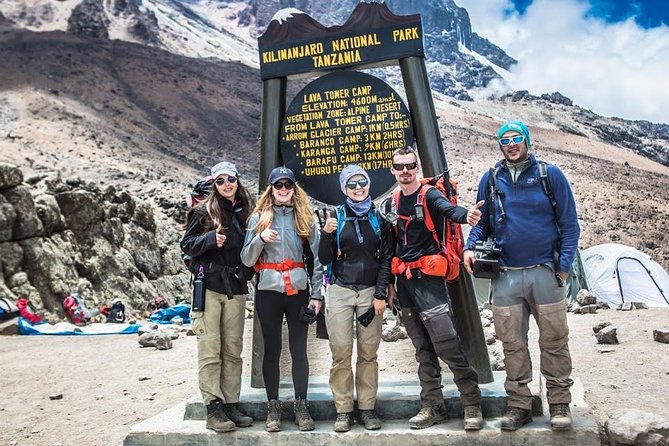
- The route builds altitude gradually: Camps rise from 2,650 meters at Mti Mkubwa to 4,600 meters at Barafu before the summit attempt.
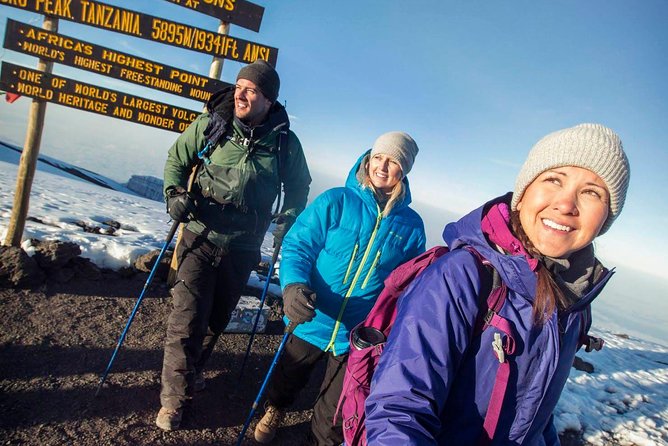
- The summit day is the hardest part: You start before midnight, reach Stella Point at 5,735 meters, continue toward Uhuru Peak at 5,895 meters, then descend to Mweka Camp.
- Airport transfers are included: Private pickup from Kilimanjaro International Airport and departure transfer back to the airport are part of the package.
- The best weather window is selective: January, February, August, and September are presented as the strongest months, while March, April, and May bring long rains.
Arriving in Arusha at the foot of Mount Meru
Your trip begins at Kilimanjaro International Airport, where a private transfer takes you to Arusha Safari Lodge. The lodge sits on the lower slopes of Mount Meru and serves as your base before and after the climb.
That first night is more useful than it may sound. You are not being rushed straight from an aircraft to a trailhead. You can eat, sleep, check your bags, and get ready for several days above the tree line.
At 5:30 pm, you attend a pre-climb briefing and equipment check. This is the time to ask practical questions, confirm what you are carrying, and make sure your clothing and footwear are suitable. The operator also confirms that you have the required medical coverage and travel insurance.
Dinner, bed, and breakfast are included at the lodge. The package lists breakfast for 10 days, lunch for 10 days, and dinner for nine days. It does not include international flights, tips, or personal items, so keep money aside for those costs.
The lodge is also where the trip ends after the mountain. That simple arrangement reduces the number of moving parts. For a demanding climb, fewer hotel changes are welcome.
More Lemosho Route climbs:
- 8-Day Small-group Lemosho Kilimanjaro Summit Trekking
★ 5.0 · 186 reviews - 8 Days Mountain Kilimanjaro Lemosho Route
★ 5.0 · 22 reviews - 7 Day Kilimanjaro Climb Lemosho Route & 2 Day Safari
★ 5.0 · 16 reviews
Day 2: Londorossi Gate to Mti Mkubwa Camp
After breakfast, you drive for about two hours through rural countryside to Londorossi Gate. The route passes farmland and open views across the plains before reaching the road head for the Lemosho approach.
Park registration takes place at the gate, and the listed admission fee is included. From there, you start walking through forest toward Mti Mkubwa Camp at 2,650 meters.
The first walking day covers three to four hours. That is a gentle beginning, but you should not treat it as a free pass. Your body is starting to work at altitude, and the best approach is slow, steady movement from the first step.
This opening section is one reason I like Lemosho. The route begins away from the crowded lower slopes used by some other approaches, and it gives you a gradual introduction to the mountain. The forest also provides shade before the trail reaches more exposed ground.
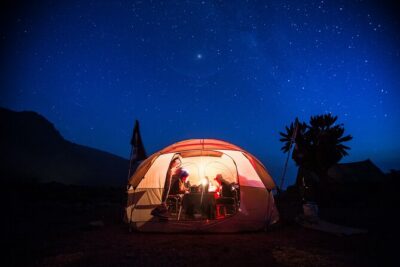
You camp at Mti Mkubwa after a relatively short day. That makes this a good evening for eating well, organizing your sleeping gear, and following your guide’s advice about hydration and pace.
Day 3: Mti Mkubwa to Shira Camp
The trees begin to thin as the route climbs toward the Shira Plateau. You walk for six to seven hours, reaching Shira Camp at about 3,550 meters.
This is a longer day than the first, and the change in scenery is clear. Wide views open up as the forest gives way to high-altitude vegetation and exposed slopes. The trail climbs steadily rather than racing upward, which suits the route’s slow approach.
I would pay attention to how you feel here. A headache, unusual tiredness, or loss of appetite should be reported to your guide rather than hidden. The itinerary is carefully staged, but altitude affects people differently.
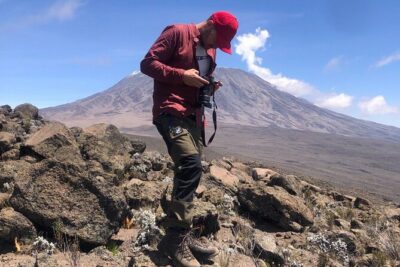
The Shira Plateau is one of the great visual rewards of this route. You get a broad sense of the mountain rather than a narrow trail view. The cost is exposure. Once you leave the forest, there is less shelter, and conditions can change quickly.
Day 4: Shira Cathedral and Shira Hut
Today’s walking is shorter, at three to five hours, and includes an easy path toward Shira Cathedral before reaching Shira Hut at 3,840 meters.
The shorter mileage gives you time to adjust before the higher camps. It also lets you enjoy the open views without turning every hour into a race against darkness.
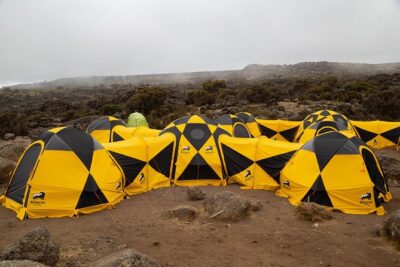
Do not underestimate the cold at Shira Hut. The camp is exposed, and temperatures can fall well below freezing. Your warm layers, gloves, hat, and sleeping arrangements matter more here than they did in the forest.
This is a good example of why the Lemosho schedule works for many climbers. You gain height in stages, with a shorter day inserted before the route becomes more demanding. Still, the route is not easy. At almost 4,000 meters, even a gentle path may feel slow.
A few more options to weigh up in Arusha
- Balloon Safari & Bush Breakfast in Serengeti – Miracle Experience
★ 5.0 · 1,646 reviews - Tanzania Classic – 7 Days
★ 5.0 · 1,151 reviews - 4 Days Group Camping Safari
★ 5.0 · 1,101 reviews - 5 Days Group Camping Safari
★ 5.0 · 730 reviews
Day 5: Lava Tower and the Barranco Valley
The route now crosses the southwest side of Kilimanjaro. You walk beneath Lava Tower and the final section of the Western Breach, reaching about 4,600 meters for a hot lunch before descending to the Barranco Valley at 3,900 meters.
This five to seven-hour day uses a familiar high-altitude strategy: climb higher, then sleep lower. You do not spend the night at the highest point reached, which gives your body a better chance to adjust.
The descent to Barranco is not just a practical move. It brings you into one of the most memorable sections of the mountain, with the Great Barranco valley below and the steep wall ahead.
This day can feel strange because you climb to 4,600 meters and then lose altitude again. That is intentional, not wasted effort. The long descent may be tiring, but it helps prepare you for the next stages.
Day 6: Barranco Wall to Karanga Camp
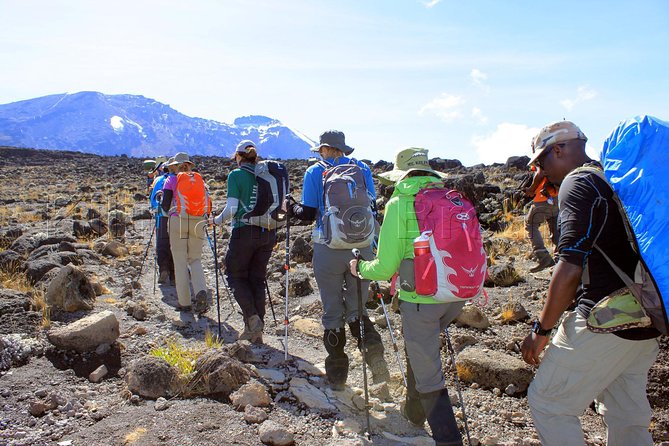
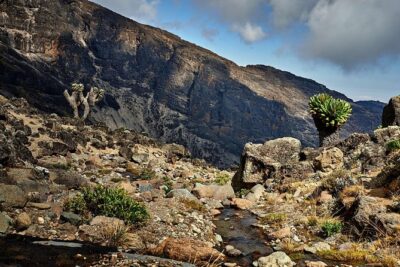
The day begins with a steep climb up the eastern wall of the Barranco Valley. You pass below the Heim Glacier and may get dramatic views of Kilimanjaro’s upper slopes.
The Barranco Wall divides the valley from the southeastern slopes of Kibo. The trail then drops into the alpine desert of Karanga Valley before climbing again to Karanga Camp at 4,000 meters. The walk is listed at four to five hours.
The wall is the day’s main physical feature. It is steep, and the route requires care, but the itinerary does not describe it as a technical climbing section. Your guide sets the pace, and you should focus on controlled steps rather than speed.
This is also where the mountain begins to feel more severe. The forest is long gone, the air is thin, and the repeated climbs and descents test your legs. I like that the day is not excessively long on paper, but you should still expect fatigue.
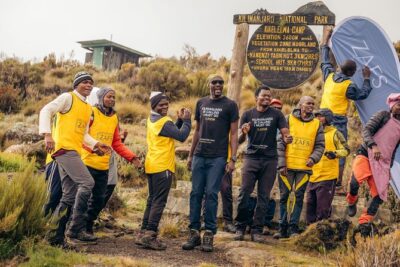
The company’s guides receive especially strong praise for patience, caution, and encouragement. One memorable guide habit described by a former climber is the cheerful promise that you are only 30 minutes from the next destination. Take it as morale support, not a precise time estimate.
Day 7: Karanga to Barafu Camp
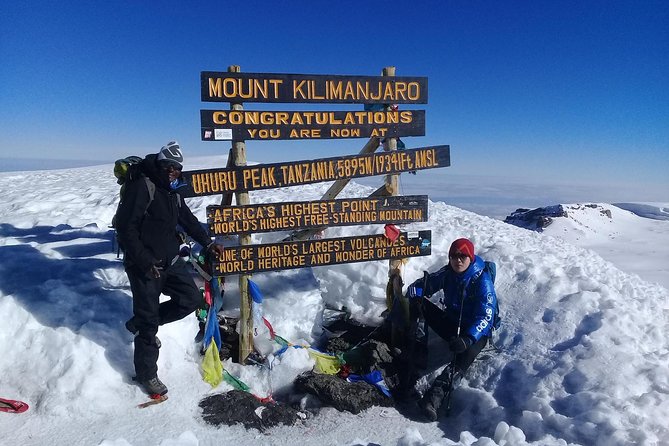
The trail follows the Traverse Route toward Barafu Ridge, climbing to Barafu Camp at approximately 4,600 meters. The walk takes three to four hours.
Barafu is the final camp before the summit attempt. The schedule leaves the rest of the day for resting and preparing, followed by a very early night.
This is a short walking day, but it can be mentally demanding. You know the summit attempt is next, and the cold, altitude, and basic camp routine may make sleep difficult. Use the afternoon to organize your headlamp, warm clothes, water, snacks, and any personal items you want quickly available.
The main value of this schedule is timing. You are not asked to walk a full day and then immediately climb toward the summit. You arrive at Barafu with some time to recover, although the high camp itself is not a comfortable place to linger.
Day 8: Barafu to Uhuru Peak and Mweka Camp
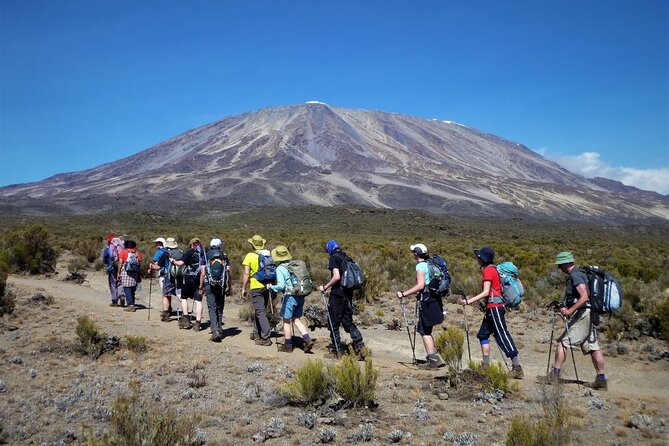
Summit day begins before midnight. You climb through darkness over loose volcanic scree, following well-graded zigzags at a slow, steady pace.
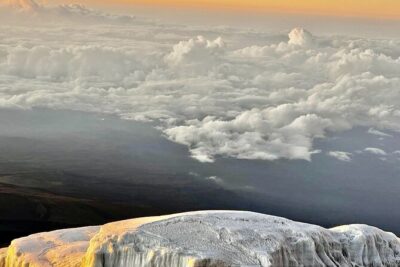
The first major target is Stella Point on the crater rim at 5,735 meters. You stop there for a few minutes and may see sunrise over Mawenzi. If you still feel strong, you continue along the crater rim for roughly two hours round trip to Uhuru Peak, Africa’s highest point at 5,895 meters.
This is the part of the trip that demands the most honesty. The full route from Barafu to the summit and down to Mweka Camp is listed at 13 to 15 hours. Reaching the crater rim is a major achievement, but Uhuru Peak requires additional walking when you are already cold, tired, and short of breath.
After time at the summit, you descend to Barafu for refreshments and continue down to Mweka Camp at about 3,100 meters. The downhill section can feel fast, but loose ground can punish tired knees. Trekking poles, careful foot placement, and following your guide’s pace are sensible choices.
The schedule is tough, yet it avoids a separate summit night followed by an extra full mountain day. You complete the summit push and get down to a lower camp in the same long stretch.
Day 9: Mweka Camp to Arusha Safari Lodge
The final mountain walk leads through rainforest to Mweka Gate and takes three to five hours. At the gate, successful climbers receive summit certificates.
After lunch, you drive back to Arusha Safari Lodge for dinner and another night in a bed. The listed day takes about six hours in total.
This final night matters. After a summit day that may last most of a day and night, you will appreciate a proper room more than any grand speech about achievement. It also gives you a chance to say goodbye to your guides and mountain team before leaving Tanzania or adding another activity.
A short safari or another option may be arranged after the climb, but that is not part of the stated route price. Ask about it separately if you want to extend the trip.
What the $2,950 price really covers
At $2,950 per person, this is not a bargain-basement Kilimanjaro trip. The value comes from the package structure rather than one single feature.
You get private airport transfers at both ends, Arusha lodge accommodation before and after the climb, meals listed across the 10-day schedule, and included park admission. You also receive a private tour arrangement, meaning only your own group participates.
The route itself is another part of the value. Lemosho takes you through forest, the Shira Plateau, high exposed camps, Lava Tower, Barranco, Karanga, Barafu, and the Mweka descent. You are paying for a long, varied approach rather than a short push toward the summit.
The details that are not included are important. International flights, tips, and personal items are extra. Medical coverage and travel insurance must be confirmed before the climb, so do not assume those costs are covered by the tour fee.
The package description refers to guides and a mountain team, and the strongest praise is directed at the guides’ professionalism, caution, and encouragement. Still, I would ask for a written breakdown of the crew, equipment, porter arrangements, and exact meal setup before paying. Those details affect both comfort and ethical choices.
Best months, weather, and practical timing
January and February are described as the warmest months, with evenings and mornings often clear of clouds. August and September are also listed among the best times to climb.
July may be colder. November and December can be wet, although November’s short rains do not necessarily stop every climb. March, April, and May bring long rains and are best avoided according to the trip information.
Weather is not a minor detail on Kilimanjaro. Cold at Shira Hut, exposure on the plateau, loose scree near the summit, and rain in the forest all change how hard the same trail feels.
The experience requires a moderate level of physical fitness. You should be comfortable walking for several hours on uneven ground and prepared for the 13 to 15-hour summit day. This is not an appropriate pick if you want a relaxed mountain holiday.
Who this Kilimanjaro climb suits best
I would recommend this route to you if you want a full Kilimanjaro experience, prefer a private group, and value a slower approach over a quick ascent.
It suits couples, small groups, and first-time high-altitude climbers who are willing to train and listen to their guides. The company has handled anniversary trips, couples, and groups of five, and the feedback repeatedly highlights the team’s effort in helping people reach Uhuru Peak.
The route may not suit you if your schedule is tight, you dislike cold camping, or you are uncomfortable with long summit days. The word eight in the route name can also mislead you. You need about 10 days for the full airport-to-airport plan.
The best guide service cannot remove altitude, cold, steep ground, or exhaustion. It can help you manage them. That is why the praise for Emmanuel, Frankie, and the wider guiding team matters more than flashy promises about success rates.
Booking details and cancellation terms
Confirmation is provided when you book. Pickup is offered, mobile tickets are available, and the tour begins and ends at Arusha Safari Lodge, with airport transfers included.
Cancellation is free if you cancel at least 24 hours before the start time. A cancellation made inside that window is not refunded, and late changes are not accepted. If poor weather causes the operator to cancel, you are offered another date or a full refund.
The published rating is 5 based on six reviews. The clearest pattern in the praise is the human side of the trip: guides who are cautious, encouraging, and committed to getting climbers home safely after a difficult summit attempt.
Should you book the Lemosho Route?
I would book this climb if you want a carefully paced, private Kilimanjaro route with airport transfers, lodge nights, meals, and a varied approach to the summit.
Before paying, confirm the exact crew, porter arrangements, equipment list, insurance requirements, and what the $2,950 package covers beyond the items clearly stated. If you are fit enough for long mountain days and accept that the summit attempt will be hard, the Lemosho route offers a strong mix of scenery, altitude preparation, and support.
If you want a short or easy adventure, choose something else. Kilimanjaro rewards patience, but it does not forgive poor preparation.
FAQ
How long does the full Kilimanjaro experience take?
The full trip takes about 10 days. It includes an arrival and preparation day in Arusha, eight days on the mountain, a return night at Arusha Safari Lodge, and departure arrangements.
Where does the tour start and finish?
It starts and ends at Arusha Safari Lodge. Private transfers are included from Kilimanjaro International Airport to Arusha and from Arusha back to the airport.
What is the price per person?
The listed price is $2,950 per person.
Are meals included?
Yes. The package lists breakfast for 10 days, lunch for 10 days, and dinner for nine days.
Which months are recommended for climbing?
January, February, August, and September are listed as the best months. July may be colder, November and December can be wet, and March through May bring long rains.
How difficult is the climb?
A moderate level of physical fitness is required. The longest section is summit day, which takes about 13 to 15 hours from Barafu Camp to the summit and then down to Mweka Camp.
What is the highest point reached?
The route reaches Uhuru Peak at 5,895 meters, the highest point in Africa. You first reach Stella Point at 5,735 meters on the crater rim.
What is not included in the price?
International flights, tips, and personal items are not included. You must also have the required medical coverage and travel insurance.
Just added in Arusha
- Safari “Kifaru” – 5 days in the most famous Parks in the world★ 5.0 · 4 reviews
- 3 Days Tanzania Short and Spicy★ 5.0 · 6 reviews
- 5 Day Tanzania Safari Camping Adventure Private Tour★ 5.0 · 2 reviews
- Saadani Day Trip★ 5.0 · 13 reviews
- Day Trip to Ngorongoro Crater from Arusha★ 5.0 · 1 review
- SERENGETI NATIONAL PARK Tour★ 4.5 · 5 reviews
- 3 Days Serengeti Park & Ngorongoro Crater Adventure Safari★ 5.0 · 8 reviews
- 6 Days Tanzania Bush Experience Safari★ 5.0 · 6 reviews
Lemosho Route Climbs, compared.
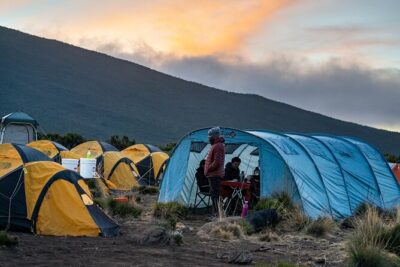
8-Day Small-group Lemosho Kilimanjaro Summit Trekking
Read our review →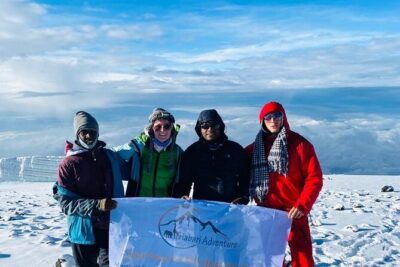
Climbing Kilimanjaro through 8 days Lemosho Route
Read our review →Browse the lists this tour appears in