
Reviewed · MOSHI TOURS
Moshi: Chagga Village Overnight with Second Day Options
Coffee starts the story. This two-day experience pairs Chagga culture with waterfalls, caves, mountain views, and a night at historic Kibo Hotel. I especially like the coffee ceremony, where you follow beans from harvest to cup, and the choice of a different Day 2 activity, from Kilimanjaro hiking to kayaking at Lake Chala. The main consideration is pace: Day 1 packs several stops into one busy outing.
You pay $355 per person for transport, entrance fees, meals, water, a coffee tour, a guide, and accommodation. That makes this more than a simple village visit. Still, you should confirm which second-day option fits your booking and interests, since a mountain hike requires a very different level of energy from a lake outing.
In This Review
- What makes this experience special
- Starting in Marangu, at Kilimanjaro’s cultural doorstep
- Following Chagga coffee from harvest to cup
- The Chagga Museum and underground caves
- Ngangu Hills and the search for Kilimanjaro views
- Ndoro Waterfalls and a traditional Chagga lunch
- A look at Marangu Gate before the overnight stay
- Sleeping at historic Kibo Hotel
- Six ways to shape your second day
- Kilimanjaro hike to Mandara Huts
- Moram Route to Shira Plateau
- Rau Forest hike
- Lake Chala kayaking and border walk
- Lake Duluti kayaking and nature walk
- Maasai boma visit
- Materuni, Chemka, and Kikuletwa in one active day
- What the $355 price really covers
- Who should book this two-day experience
- Should you book it?
- FAQ
- Where does the experience take place?
- How long does the experience last?
- What happens on the first day?
- Where do you stay overnight?
- Which languages does the guide speak?
- What can you choose for the second day?
- Is swimming included?
- What is included in the price?
- Can you cancel the booking?
What makes this experience special
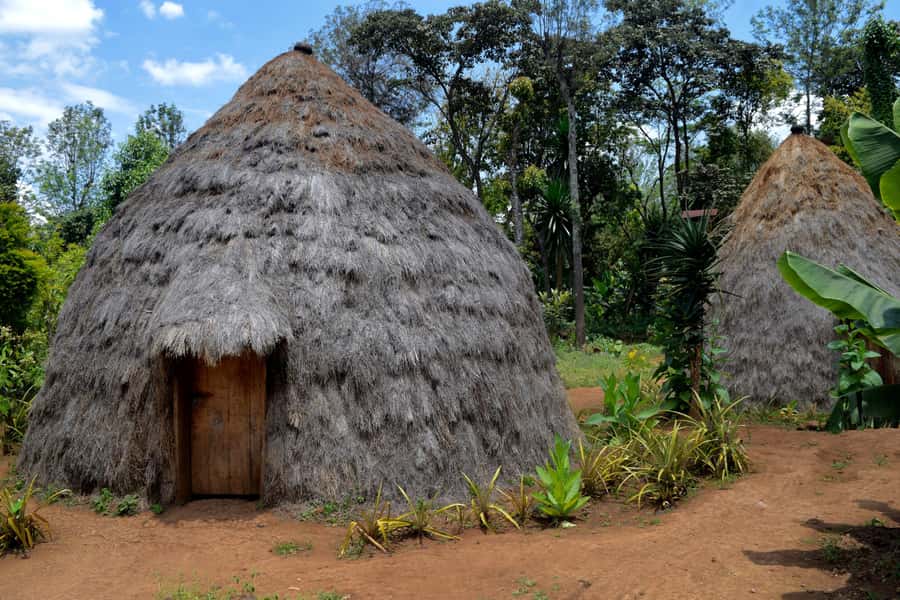
- Coffee from bean to brew: Learn how Chagga coffee is harvested, roasted, ground, and prepared before drinking a fresh cup of kahawa.
- Nearly 200-year-old caves: Walk below the village into historic underground shelters built to protect people during Maasai raids.
- Ndoro Waterfalls and Ngangu Hills: Combine a short nature walk, a cool waterfall pool, and broad views toward Mount Kilimanjaro.
- A night at Kibo Hotel: Sleep in one of Tanzania’s oldest lodges, a property linked with former U.S. President Jimmy Carter.
- Six ways to spend Day 2: Choose among Kilimanjaro hikes, forest wildlife, crater lakes, Maasai culture, or waterfalls and hot springs.
- A strong cultural focus: You meet the Chagga story through food, coffee, old shelters, museums, and village life rather than seeing Kilimanjaro only as a climbing route.
Starting in Marangu, at Kilimanjaro’s cultural doorstep
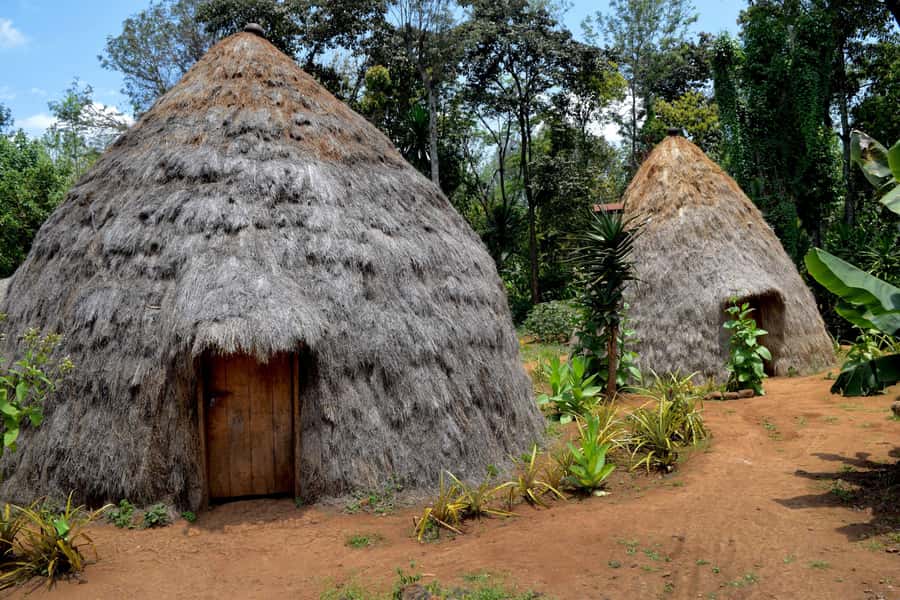
The experience begins in Marangu Village, the final major stop before the route toward Kilimanjaro’s summit. Marangu is also home to the Chagga people, Tanzania’s third-largest ethnic group, so this setting gives the trip a clear purpose from the start.
You are not simply passing through a mountain gateway. You are looking at the people and traditions connected to the slopes. That distinction matters. Many Kilimanjaro visitors focus on altitude, trekking days, and summit plans. This outing gives you time to understand the communities around the mountain.
Day 1 combines several short visits and walks. Expect a full schedule rather than a slow village afternoon. That can be a strength if you want to see a lot in two days, but you should be ready for changes in terrain, walking, and outdoor conditions.
Transportation is included, along with an English or Swahili-speaking guide. The guide’s role matters here because the caves, coffee process, museum, and Chagga traditions need explanation to make sense. Without that context, some stops could feel like quick photo opportunities. With it, the day has a much stronger thread.
A few more options to weigh up in Moshi
- Kilimanjaro climb by Lemosho Route (7-day)
★ 5.0 · 651 reviews - Safari Serengeti And Ngorongoro
★ 5.0 · 288 reviews - Kilimanjaro climb, Machame Route (7-day)
★ 5.0 · 262 reviews
Following Chagga coffee from harvest to cup
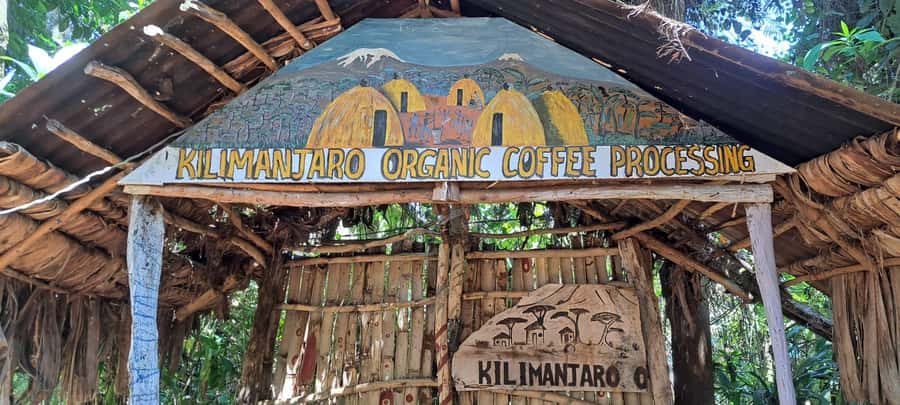
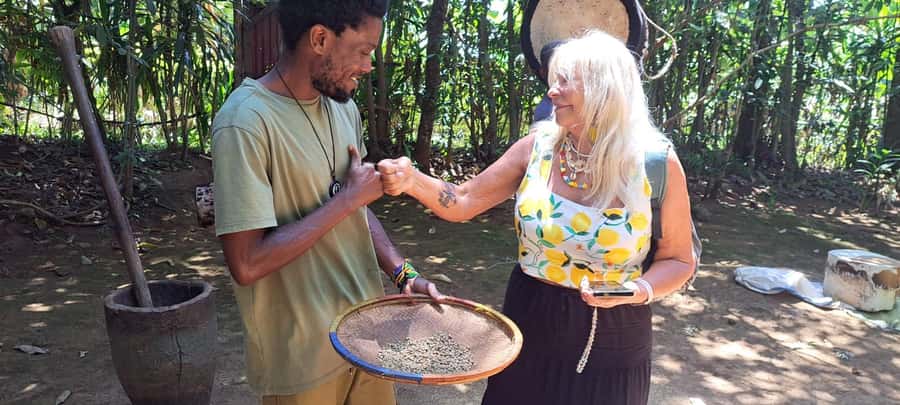
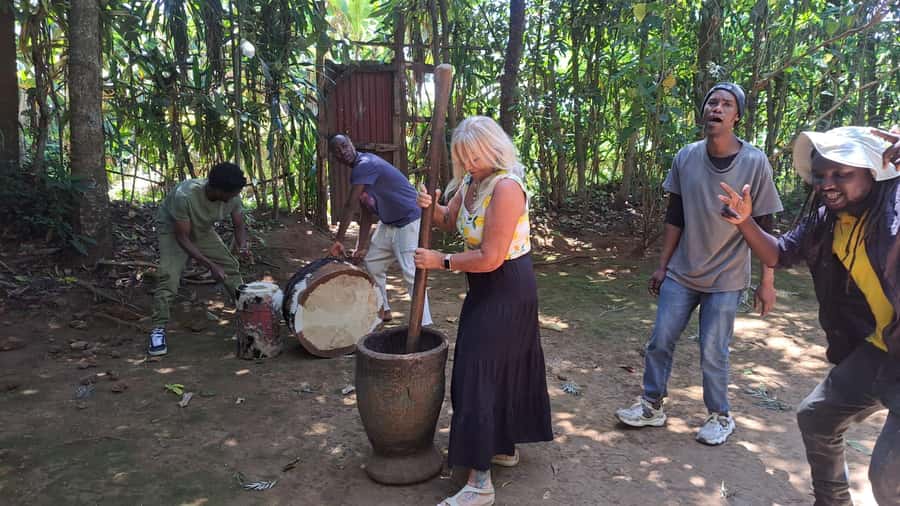
The coffee ceremony is one of the best parts of the first day because it is active and easy to understand. You learn how local coffee is harvested, roasted, ground, and brewed. Then you taste the finished kahawa.
I like this kind of introduction because it connects a familiar drink to the people and land that produce it. You are not only hearing about Chagga life. You are watching a process and taking part in the final step.
The coffee stop also gives the day a human scale. After hearing about Kilimanjaro as a giant natural feature, you focus on beans, heat, grinding, aroma, and conversation. It is a small experience, but it helps make the culture feel immediate.
If you are interested in local food and farming, give this stop your full attention. Ask questions through your guide, especially if you want to understand how the coffee moves from farm work to a finished drink. The supplied details do not specify how long the ceremony lasts, so the exact amount of hands-on time may vary.
The Chagga Museum and underground caves
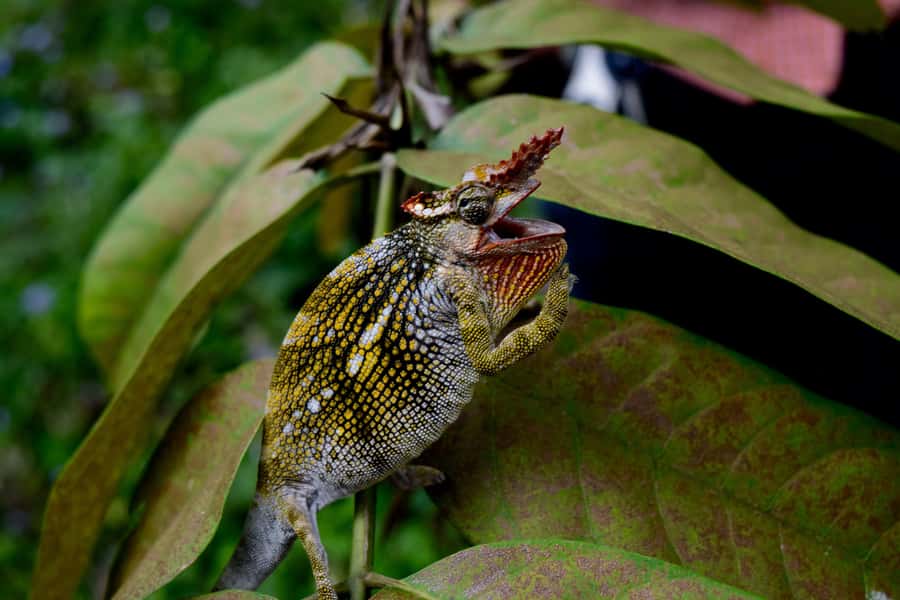
The Chagga Museum adds background to the coffee and village visit. It offers insight into traditional Chagga life, helping you place the day’s customs within a wider story.
The most unusual stop is the underground cave system. These caves were built nearly 200 years ago to protect against Maasai raids. Going below ground gives you a physical sense of the insecurity and practical decisions that shaped life in the area.
This is not the kind of historical site where you spend hours reading labels. The appeal is the setting itself. You walk into a place made for protection and survival, then connect it with what you have learned about Chagga society.
Wear shoes suitable for walking on uneven ground. The experience includes a descent into caves and later walks to hills and a waterfall, so comfortable footwear is more useful than stylish footwear. The supplied information does not state the cave’s exact conditions or accessibility, so anyone with mobility concerns should ask before booking.
Ngangu Hills and the search for Kilimanjaro views
The route continues to Ngangu Hills, where you can look across the surrounding area. On a clear day, Mount Kilimanjaro’s peak may appear in the distance.
That qualification is important. Mountain views depend on cloud and weather, so you should not book this trip expecting a guaranteed summit photograph. The hills are still worthwhile if Kilimanjaro is hidden, since the setting gives you a wider look at the foothills and village area.
The walk is described as a hike rather than a major trek, but Day 1 includes several outdoor stops. You will want water, sun protection, and clothing that works for changing conditions. Water is included, which is helpful, but carrying a small personal day bag will make the day easier.
I like the way Ngangu Hills breaks up the cultural visits. The day does not remain indoors or on roads. You get a chance to walk, pause, and read the area with your own eyes.
A different kind of day out entirely:
- Kilimanjaro Climbing Lemosho Route 8 Days.
★ 5.0 · 186 reviews - Climbing Kilimanjaro – Machame Route
★ 5.0 · 170 reviews - Climbing Kilimanjaro through 7 days Machame Route
★ 5.0 · 151 reviews - Kilimanjaro climb, Lemosho Route (8-day)
★ 5.0 · 148 reviews
Ndoro Waterfalls and a traditional Chagga lunch
A short hike leads to Ndoro Waterfalls. The water drops into a natural pool surrounded by lush plant life, creating one of the most scenic stops on Day 1.
The waterfall adds a welcome change after the museum and caves. You can expect a cool, green setting and the chance to see water moving through the foothills. The information provided describes the pool but does not confirm whether swimming is permitted, so ask your guide before getting in.
This is also a place where sensible footwear pays off. A waterfall walk can be damp or uneven, and the route may feel more demanding after the earlier stops. You do not need to treat it like a serious mountain climb, but you should not arrive in sandals meant only for a hotel pool.
After the outing, you return to the village for a hearty traditional Chagga lunch. This meal is more than a convenient pause. It gives you another direct link to local life and a chance to sit down after a morning of walking.
Meals are included in the $355 price, although the exact menu is not specified. If you have dietary needs, ask for details before the trip rather than assuming the meal can be changed.
A look at Marangu Gate before the overnight stay
The final Kilimanjaro connection on Day 1 is Marangu Gate, where climbers begin the popular Marangu Route. The gate is a useful stop even if you have no plan to climb the mountain.
You can see the point where ordinary road travel gives way to a major trekking route. It puts the scale of Kilimanjaro plans into perspective. The village, coffee farms, hills, and waterfalls are not separate from the mountain experience. They are part of the same foothill world.
If you are preparing for a Kilimanjaro climb, this stop may feel especially relevant. You can see where the route begins before committing to a longer trek. If you are not climbing, it still provides a clear sense of the region’s importance.
Sleeping at historic Kibo Hotel
You spend the night at Kibo Hotel, described as one of Tanzania’s oldest lodges. The property has a historic connection with former U.S. President Jimmy Carter, who once stayed there.
That story gives the overnight portion a sense of place. You are not simply returning to a generic hotel after the day’s activities. You are sleeping at a property tied to Tanzania’s travel history.
The supplied information does not specify room categories, facilities, or meal arrangements at the hotel, so you should not assume a particular room style. The value here is the location, character, and included overnight stay rather than a promise of luxury.
After a day covering coffee, caves, hills, waterfalls, lunch, and Marangu Gate, having accommodation included is practical. You avoid arranging a separate hotel and can begin Day 2 from the same base.
Six ways to shape your second day
The flexible second day is the feature that makes this experience useful for different kinds of visitors. You choose one activity from several options, though the details provided do not state whether every option is available on every date or whether prices vary by choice. Confirm that point before paying.
Kilimanjaro hike to Mandara Huts
The Marangu Route option takes you through rainforest to Mandara Huts, the first huts on the mountain. This is the clearest choice if you want a taste of Kilimanjaro trekking without planning a full summit expedition.
You can expect a more demanding day than the village walks, with uphill walking and mountain conditions. The description does not provide distance, starting time, elevation gain, or required equipment, so ask for those details before choosing it.
Moram Route to Shira Plateau
The Moram Route option leads toward the Shira Plateau at about 3,500 meters. It offers volcanic scenery and wide views, making it appealing if you want a higher mountain setting.
Altitude is the key consideration. The listed elevation is significant, and the experience may feel harder than the first day even if you are comfortable at lower elevations. Ask the operator about fitness requirements, timing, and transport arrangements before selecting this option.
Rau Forest hike
Rau Forest offers a different kind of Kilimanjaro foothills experience. The forest is home to Black and White Colobus Monkeys and Blue Monkeys.
This is a good pick if wildlife and woodland appeal to you more than altitude. The focus is on walking through the forest and watching for monkeys and other signs of life. Sightings are never something you should treat as guaranteed, but the named species give the outing a clear purpose.
Lake Chala kayaking and border walk
Lake Chala sits on the Tanzania and Kenya border. This option combines kayaking on the crater lake with a border walk.
The two activities give the day variety. You are on the water for part of it, then walking through a setting shaped by geography and national boundaries. The description does not specify kayaking experience requirements, equipment, or water conditions, so ask those questions if you are new to paddling.
Lake Duluti kayaking and nature walk
Lake Duluti offers another crater lake option, with kayaking and a nature walk through forest and bird habitat.
Compared with Lake Chala, this choice is described around forest and birdlife rather than a border setting. It may suit you if you prefer a calmer nature day and want time on the water without selecting a mountain hike. Exact kayaking duration and walking distance are not provided.
Maasai boma visit
The Maasai boma option focuses on a traditional homestead and an introduction to Maasai culture. It gives you a second cultural experience after the Chagga-focused first day.
This choice works best if people, traditions, and local customs are your main interest. Keep your expectations respectful and open. A short visit cannot explain an entire culture, but it can offer a personal point of contact beyond the usual Kilimanjaro route.
Materuni, Chemka, and Kikuletwa in one active day
The final choice combines Materuni Waterfalls, Chemka Hot Springs, and Kikuletwa Waterfalls. It is the most varied water-focused option on the list.
You move between waterfalls and hot springs, so this day should appeal if you want scenery and swimming opportunities. The information specifically says you can swim in Chemka Hot Springs, but it does not give details about swimming at the waterfalls.
This option may be a better match than a mountain hike if you want a physical day without choosing a high-altitude route. It is still worth asking how much walking is involved and how the timing works, since three locations can make for a full schedule.
What the $355 price really covers
At $355 per person, this is not the cheapest way to spend two days near Kilimanjaro. But the price includes a lot: transportation, entrance fees, accommodation, meals, water, a coffee tour, and an English or Swahili-speaking guide.
The value improves if you want several different experiences arranged together. You would otherwise need to organize village visits, a coffee activity, caves, waterfalls, a hotel, and a second-day excursion separately.
The main question is how closely the chosen Day 2 activity matches the price and your priorities. A Kilimanjaro hike, forest walk, lake activity, Maasai visit, and waterfall tour are not equal in difficulty or style. Ask what is included for your specific choice, especially for equipment, transport, and timing.
Free cancellation up to 24 hours before the experience and reserve-now, pay-later terms add useful flexibility. Those policies matter if your Kilimanjaro plans are still shifting.
Who should book this two-day experience
I would recommend this trip if you want Kilimanjaro context without spending several days on a summit trek. It suits you especially well if coffee, local history, village culture, and nature all matter.
It is also a smart choice for a short stay in the Moshi area. You get a full first day and a second day that can match your mood. Choose the forest or lake options if you want lower-altitude nature. Choose a mountain hike if your fitness, time, and preparation support it.
You may want something else if you prefer a slow itinerary with long periods at one site. Day 1 is busy, and the second-day options may also be active. The trip is best for someone who enjoys variety and does not mind moving from one stop to the next.
Should you book it?
Book this experience if you want to meet Kilimanjaro through its people, coffee, caves, food, and foothill scenery, not only through a summit trail. The Chagga coffee ceremony, underground shelters, Ndoro Waterfalls, and Kibo Hotel create a memorable first day, while the six Day 2 choices give you room to shape the trip.
Before booking, confirm the exact second-day activity, its difficulty, and what equipment or timing it requires. If you do that, the $355 cost offers solid value for a compact culture and nature program with accommodation included.
FAQ
Where does the experience take place?
The experience takes place around Moshi and Kilimanjaro in Tanzania, with Day 1 centered in Marangu Village and nearby sites.
How long does the experience last?
It lasts two days and includes one overnight stay.
What happens on the first day?
Day 1 includes a Chagga coffee ceremony, the Chagga Museum, historic underground caves, Ngangu Hills, Ndoro Waterfalls, a traditional Chagga lunch, Marangu Gate, and an overnight stay at Kibo Hotel.
Where do you stay overnight?
You stay at Kibo Hotel, described as one of Tanzania’s oldest lodges.
Which languages does the guide speak?
The live guide speaks English and Swahili.
What can you choose for the second day?
You can choose a Kilimanjaro hike to Mandara Huts, a Moram Route hike to Shira Plateau, a Rau Forest hike, kayaking and a border walk at Lake Chala, kayaking and a nature walk at Lake Duluti, a Maasai boma visit, or a waterfalls and hot springs tour.
Is swimming included?
Swimming is specifically included at Chemka Hot Springs. Ndoro Waterfalls has a natural pool, but the provided information does not confirm if swimming there is allowed.
What is included in the price?
The price includes entrance fees, transportation, accommodation, the coffee tour, water, meals, and an English or Swahili-speaking guide.
Can you cancel the booking?
You can cancel up to 24 hours in advance for a full refund. The experience also offers reserve-now, pay-later booking.
Just added in Moshi
- THE BEST 2 DAYS ON TREK – MARANGU ROUTE TOUR ADVENTURES★ 5.0 · 1 review
- Mount Kilimanjaro National Park Day Trip★ 5.0 · 7 reviews
- Mount Kilimanjaro Climbing in Tanzania Full-Day Trip★ 5.0 · 1 review
- Mount Kilimanjaro Day Hike – All-Inclusive, No Hidden Fees★ 4.0 · 7 reviews
- Mount Kilimanjaro Trekking Tour – Climb with Local Guides★ 5.0 · 1 review
- Mount Kilimanjaro: 7 Days Hike Lemosho Route★ 5.0 · 1 review
- Moshi:Chemka Hot Springs, Materuni Waterfalls & Coffee Tour★ 5.0 · 1 review
- Moshi Town: Walking Tour: Theme Urban lifestyle★ 3.1 · 4 reviews
Moshi Tours, compared.

Climbing Kilimanjaro through 7 days Machame Route
Read our review →
Browse the lists this tour appears in