
Reviewed · MOSHI TOURS
Moshi: Chagga Village Tour
Kilimanjaro has a cultural side. This 10-hour outing from Moshi takes you into Marangu Village for coffee, Chagga traditions, ancient caves, Ndoro Waterfalls, and the famous Marangu Gate. I like the mix of stops: you get local culture in the morning, a scenic walk later, and a hearty Chagga lunch in between.
I also like that the tour includes transportation, entrance fees, lunch, water, and an English-speaking guide for $115 per person. That makes the price easier to judge, especially if you want one organized day rather than several separate visits. The main consideration is the long schedule and walking involved, so this may feel tiring if you prefer a slow, short village visit.
In This Review
- Key points at a glance
- Why Marangu makes a good base for this day
- Starting with coffee in Marangu Village
- The Chagga Museum and everyday tradition
- Entering the Chagga caves
- Walking Ngangu Hills toward Ndoro Waterfalls
- A traditional Chagga lunch in the middle of the day
- What Marangu Gate adds to the experience
- Is $115 a fair price?
- Who will enjoy this Chagga Village Tour?
- Practical planning for a 10-hour outing
- Should you book it?
- FAQ
- Where does the Chagga Village Tour take place?
- How long does the tour last?
- How much does the tour cost?
- Is lunch included?
- Is the coffee tour included?
- What languages are available for the guide?
- Can I cancel for a refund?
Key points at a glance
- Coffee is prepared from bean to cup: You learn how local coffee is cultivated, roasted, and ground before drinking a fresh cup of kahawa.
- Chagga caves reveal a difficult past: These caves were built nearly two centuries ago as protection during Maasai raids.
- Ngangu Hills add a mountain view: The walk provides panoramic views toward Mount Kilimanjaro before you continue to Ndoro Waterfalls.
- Lunch is part of the cultural visit: A traditional Chagga meal gives the day a welcome pause and a taste of local cooking.
- Marangu Gate connects village life with climbing history: The gate is the historic entry point for Kilimanjaro ascents.
- The guide team matters: Juma handles the driving, while Raymond leads the cultural explanations. A verified booking from Jill of South Africa praised both men, calling Juma an excellent driver and Raymond very informative.
Why Marangu makes a good base for this day
Marangu sits at the foot of Mount Kilimanjaro and is the last stop before climbers begin the ascent through the Marangu Route. That location gives the tour a useful sense of place. You are not simply visiting a museum or taking a generic waterfall walk. You are seeing how Chagga culture, mountain life, and Kilimanjaro tourism meet in one area.
The Chagga are Tanzania’s third-largest tribe. Their communities around Kilimanjaro have long been connected with farming, coffee production, family traditions, and the practical demands of living near Africa’s highest mountain. The tour gives you several ways to understand that culture, through food, buildings, historic sites, and conversation with a local guide.
I appreciate the range. Many village tours focus on one activity, such as coffee or a cultural performance. This one gives you a fuller day, though that also means the schedule is packed. You should expect a succession of visits rather than long stretches of free time.
A few more options to weigh up in Moshi
- Kilimanjaro climb by Lemosho Route (7-day)
★ 5.0 · 651 reviews - Safari Serengeti And Ngorongoro
★ 5.0 · 288 reviews - Kilimanjaro climb, Machame Route (7-day)
★ 5.0 · 262 reviews
Starting with coffee in Marangu Village
The coffee portion is a good opening because it is hands-on in a simple, useful way. You learn how local growers cultivate the beans, then see how they are roasted and ground before tasting the finished drink.
The final cup of kahawa is more than a refreshment. Coffee is an important part of the local economy and daily life around Kilimanjaro, so the process helps connect the crop with the people who produce it. You get to see the work behind a drink that is often treated as just a morning habit.
I like that the coffee is made fresh during the visit. It gives you something to taste while the guide explains the process, and it starts the day with a clear local focus. If you enjoy food-based activities, this is likely to be one of the most memorable stops.
Keep your expectations realistic. This is a local coffee visit, not a formal coffee laboratory or a long tasting session. The value comes from meeting the process and the culture behind it, not from comparing a large selection of beans.
The Chagga Museum and everyday tradition
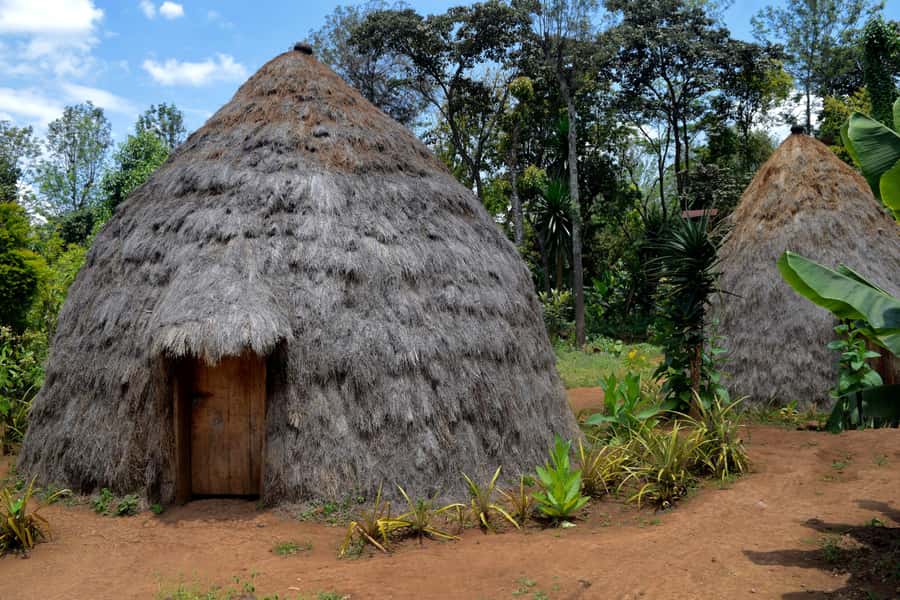
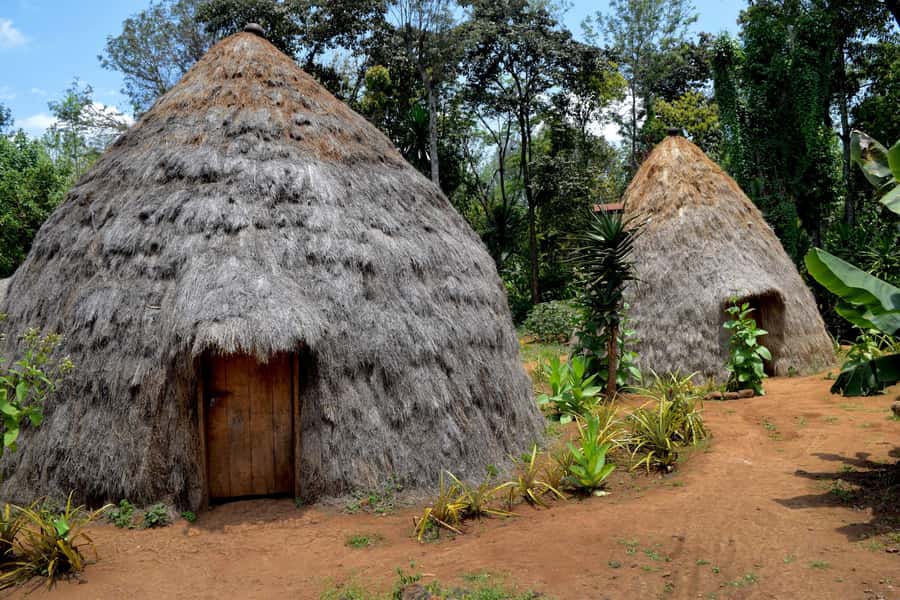
The Chagga Museum provides the historical center of the day. Here, you learn about Chagga traditions through traditional homes and cultural artifacts.
A museum visit can sometimes feel detached from the people and places around it. That is less of a problem here because the museum is paired with a village visit, coffee production, caves, and lunch. Each stop gives the information a physical setting.
The traditional homes are especially useful for understanding how people organized daily life. Artifacts add another layer, showing how tools, household objects, and customs supported the community over time. Your English-speaking guide can explain the meaning behind what you see, rather than leaving you to guess from displays alone.
The experience also offers a live guide in Swahili, which may suit you if you prefer that language. English is available as well. Raymond is identified as the guide for this tour, and the available feedback specifically praised his explanations. That matters on a cultural visit, where clear storytelling can make the difference between simply looking at objects and understanding them.
Entering the Chagga caves
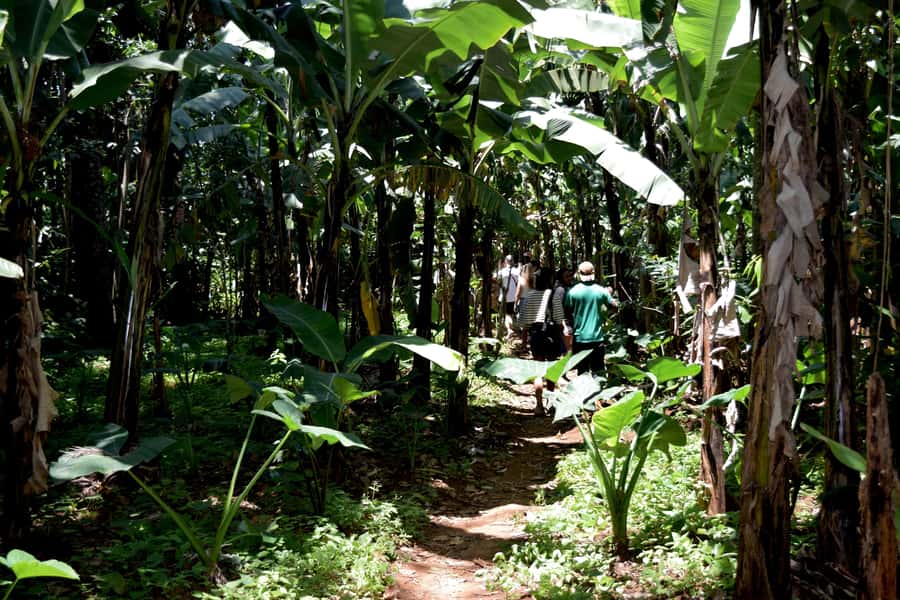
The historic caves are the most unusual stop. They were built nearly two centuries ago, when Chagga communities used them to hide from Maasai raids.
The caves show a practical side of the region’s past. They are not presented as decorative ruins. Their purpose was protection, and that gives the visit a direct connection to the dangers communities once faced. You can think about the engineering involved, the need for concealment, and the pressure that shaped local life.
This stop also helps balance the lighter parts of the tour. Coffee and lunch are pleasant ways to meet a culture, but the caves explain resilience and conflict. They make the day more than a collection of scenic stops.
You should be ready for an underground visit and some walking. The information provided does not specify the cave layout, lighting, or exact walking conditions, so ask your guide what to expect on the day. Sensible shoes are a good idea for a tour that also includes Ngangu Hills and Ndoro Waterfalls.
A different kind of day out entirely:
- Kilimanjaro Climbing Lemosho Route 8 Days.
★ 5.0 · 186 reviews - Climbing Kilimanjaro – Machame Route
★ 5.0 · 170 reviews - Climbing Kilimanjaro through 7 days Machame Route
★ 5.0 · 151 reviews - Kilimanjaro climb, Lemosho Route (8-day)
★ 5.0 · 148 reviews
Walking Ngangu Hills toward Ndoro Waterfalls
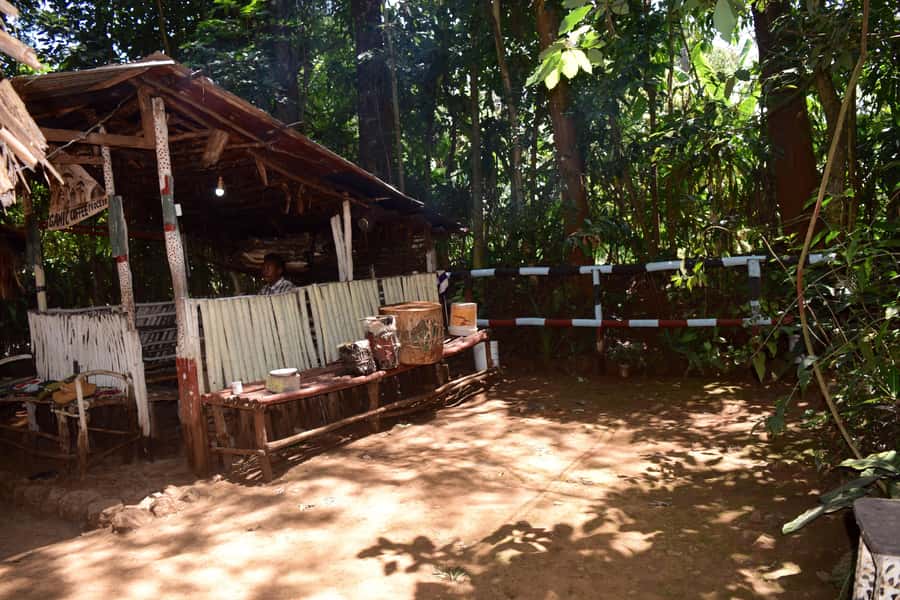
After the cultural visits, the day moves outdoors. The route takes you up Ngangu Hills for panoramic views of Mount Kilimanjaro, then onward to Ndoro Waterfalls.
The hill walk gives you a chance to see Marangu from a broader viewpoint. Kilimanjaro is the main visual draw, and the chance to view the mountain from the surrounding hills adds context to the later visit at Marangu Gate. The mountain is not just a distant picture here. It is the reason this region attracts climbers, guides, farmers, and visitors from around the world.
Ndoro Waterfalls brings a change of pace. Rushing water cuts through lush greenery, offering a cooler and more natural setting after the museum and caves. The waterfall walk is likely the most physically active part of the day, especially when combined with the hill section.
The tour description calls this a trek, so do not treat it as a purely drive-based sightseeing day. The exact distance and difficulty are not provided, but the 10-hour duration means you should plan for a full day on your feet. Carry the bottled water included in the tour, and wear shoes suitable for uneven outdoor paths.
Weather can affect how much you enjoy the outdoor stops. Kilimanjaro views are never something to treat as guaranteed, even though they are a major highlight of the itinerary. The waterfall and forest setting still give the walk value if cloud covers the mountain.
A traditional Chagga lunch in the middle of the day
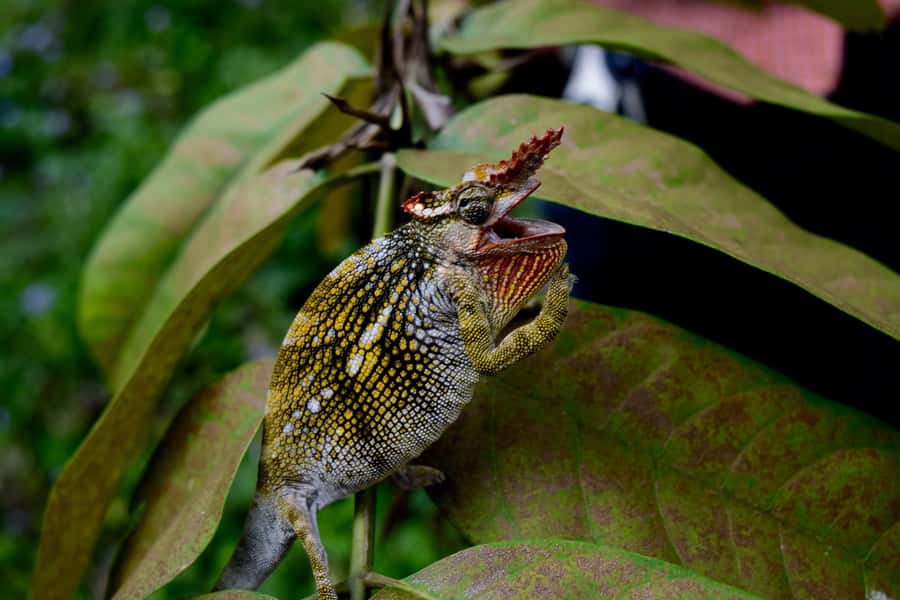
Lunch is included, and it is described as a hearty local Chagga meal. This is an important part of the tour rather than a minor convenience.
A local lunch gives you another way to understand the area. Food reflects what communities grow, cook, and share, and it offers a more personal break than stopping at a standard restaurant. After the coffee, museum, caves, and walk, a sit-down meal also helps pace the day.
The exact dishes are not specified, so you should not book this expecting a particular menu. If you have dietary restrictions, ask about the meal when arranging the tour. What you can count on from the information provided is that lunch is included and intended to be part of the Chagga cultural experience.
I see the included meal as part of the tour’s value. Buying lunch separately during a long day can add cost and time, while a planned local meal keeps the group moving.
What Marangu Gate adds to the experience
The final major stop is Marangu Gate, the historic entry point for climbs of Mount Kilimanjaro. This is where the village day connects directly with the mountain’s famous climbing routes.
Even if you are not climbing Kilimanjaro, the gate helps explain how the region functions. You hear stories about the mountain and its climbing history, while seeing the point where many ascents begin. It is a useful final stop because it gives the day a strong geographic anchor.
The gate is also a good contrast with the earlier cultural sites. At the museum and caves, the focus is on Chagga life and the past. At Marangu Gate, the focus shifts to the modern experience of reaching the summit and the organized route toward Africa’s highest peak.
Do not expect to begin a climb during this tour. The visit is a sightseeing stop at the entry point, with the guide sharing background and stories. For someone preparing for a Kilimanjaro ascent, it may feel like an informative preview. For someone with no climbing plans, it still gives you a clear link between the mountain and the community below it.
Is $115 a fair price?
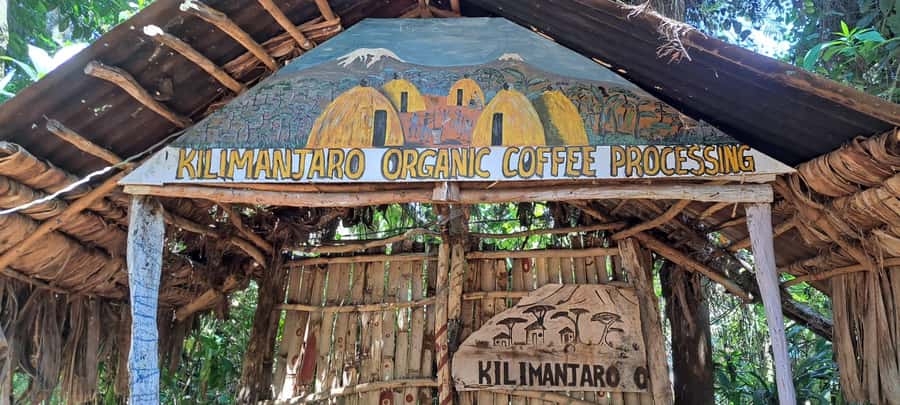
At $115 per person, the tour is not the cheapest way to spend a day around Moshi. It is also not a simple village walk. The price covers transportation, entrance fees, the coffee tour, bottled water, lunch, and an English-speaking guide.
That bundle matters. If you arranged the coffee visit, museum, caves, waterfall walk, lunch, and Marangu Gate transport separately, you would need to manage timing and entry costs yourself. Here, one full-day booking joins them into a single route.
The value is strongest if you want variety. You receive cultural context, a local drink, historic sites, outdoor walking, food, and Kilimanjaro-related history. If your main goal is only to see a waterfall or only to visit Marangu Gate, a shorter and more focused outing might suit you better.
The available rating is 5 out of 5 from one verified booking. Jill from South Africa described the day as well organized and enjoyable, and gave specific praise to Juma, the driver, and Raymond, the guide. That is a small sample, so I would not treat it as proof that every departure will be identical. Still, the comments point to two things that matter on a 10-hour tour: dependable driving and clear guiding.
Who will enjoy this Chagga Village Tour?
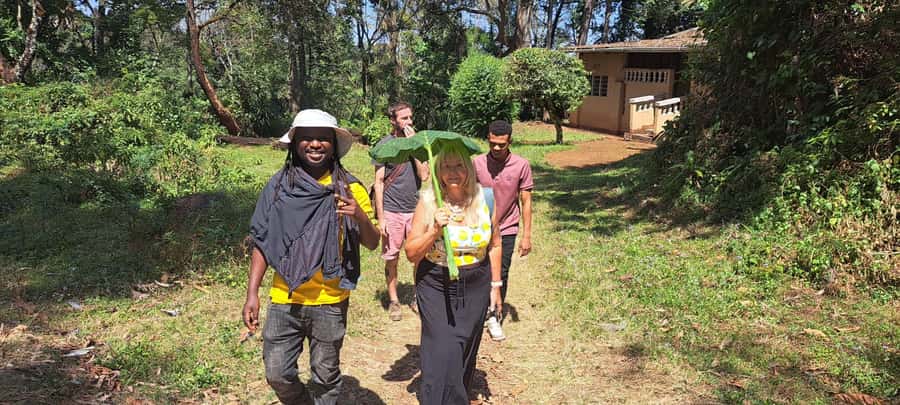
I would recommend this outing if you want to understand the communities around Kilimanjaro before or after a mountain trip. It suits you especially well if you like combining culture with moderate outdoor activity rather than spending a full day at one attraction.
You are likely to enjoy it if you value:
- Local food and coffee rather than only scenic photo stops
- Museum visits with a guide who can explain the meaning behind what you see
- Historic sites with a strong connection to the area
- A waterfall walk and mountain views
- A planned full-day schedule with transport included
The tour may be less suitable if you dislike walking, prefer a relaxed pace, or want a highly specialized coffee tasting. The route includes several different stops, and the 10-hour duration leaves little room for a spontaneous change of plan.
I would also check the walking conditions with the provider if mobility is a concern. The information confirms a hill trek and a waterfall visit, but it does not give accessibility details or a precise route length.
Practical planning for a 10-hour outing
The tour includes bottled water, but you should still dress for a full day outdoors. Comfortable walking shoes are sensible because the day includes hills, caves, and the waterfall route.
Keep your schedule open for the entire 10 hours. The exact starting time depends on availability, and the tour is designed as a full-day outing rather than a quick morning activity.
The guide languages are English and Swahili. Transport is included, along with entrance fees, coffee, lunch, and water. Free cancellation is available up to 24 hours before the tour for a full refund, and you can reserve now and pay later, which helps if your Kilimanjaro plans are still shifting.
Should you book it?
Book this tour if you want a broad introduction to Marangu and the Chagga people, with enough nature and mountain history to keep the day moving. The strongest reasons are the unusual caves, fresh coffee preparation, local lunch, Ndoro Waterfalls, and the chance to connect village life with Marangu Gate.
Skip it if you want a short, quiet visit or a single-purpose activity. At $115, the value depends on using the whole package. If you are comfortable with a long day and a mix of walking, culture, food, and history, it is a practical way to see more than the mountain alone.
FAQ
Where does the Chagga Village Tour take place?
The tour takes place in Marangu Village in the Kilimanjaro region of Tanzania, including the area around Marangu Gate.
How long does the tour last?
The tour lasts 10 hours.
How much does the tour cost?
The listed price is $115 per person.
Is lunch included?
Yes. A traditional Chagga lunch is included in the tour.
Is the coffee tour included?
Yes. The experience includes a coffee tour covering cultivation, roasting, grinding, and a fresh cup of kahawa.
What languages are available for the guide?
The live guide is available in English and Swahili.
Can I cancel for a refund?
Yes. You can cancel up to 24 hours in advance for a full refund.
Just added in Moshi
- THE BEST 2 DAYS ON TREK – MARANGU ROUTE TOUR ADVENTURES★ 5.0 · 1 review
- Mount Kilimanjaro National Park Day Trip★ 5.0 · 7 reviews
- Mount Kilimanjaro Climbing in Tanzania Full-Day Trip★ 5.0 · 1 review
- Mount Kilimanjaro Day Hike – All-Inclusive, No Hidden Fees★ 4.0 · 7 reviews
- Mount Kilimanjaro Trekking Tour – Climb with Local Guides★ 5.0 · 1 review
- Mount Kilimanjaro: 7 Days Hike Lemosho Route★ 5.0 · 1 review
- Moshi:Chemka Hot Springs, Materuni Waterfalls & Coffee Tour★ 5.0 · 1 review
- Moshi Town: Walking Tour: Theme Urban lifestyle★ 3.1 · 4 reviews
Moshi Tours, compared.


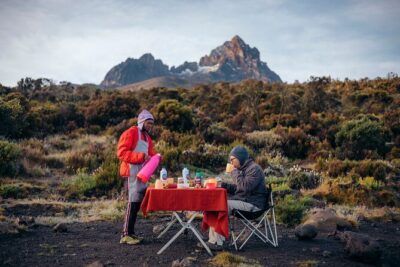
Climbing Kilimanjaro through 7 days Machame Route
Read our review →
Browse the lists this tour appears in