
Reviewed · 1-DAY TOURS
Moshi town 1 day tour
Moshi is more than a gateway to Kilimanjaro. This seven-hour town tour gives you a close look at daily life through markets, farms, transport hubs, cafés, and historic sites. I like the focus on ordinary Moshi, especially the chance to see rice cultivation and local produce rather than spending the whole day in a hotel after a trek.
I also like the personal guiding style offered by Thomas, a former Kilimanjaro guide who knows many people around town and explains local customs in clear English. The main concern is the $1,000 per-person price, which is very high for a day tour that lists only transport, pickup, drop-off, and a guide as included. Ask exactly what the price covers before paying.
In This Review
- What makes this Moshi day tour worthwhile
- A practical way to spend your extra day in Moshi
- 8:30 AM at Moshi Bus Stand
- 9:30 AM in the central market
- 10:30 AM at Mbuyuni farmers market
- 11:30 AM at Manyema fish market
- Coffee Union Cafe and Moshi’s coffee connection
- 12:30 PM at the old railway station
- Old Moshi Cultural Tourism Enterprise
- Banana farms and rice fields in Mabogini
- What the guiding style adds
- Walking, comfort, and the real pace of the day
- Is $1,000 per person good value?
- Who should book this Moshi experience?
- Should you book the Moshi town tour?
- FAQ
- Where does the Moshi town tour start?
- How long does the tour last?
- What language is the tour conducted in?
- How large is the group?
- What markets are included?
- Does the tour include farms?
- Is hotel transportation included?
- Can I cancel the tour?
What makes this Moshi day tour worthwhile
- Markets are the main event: You move through the central market, Mbuyuni farmers market, and Manyema fish market, seeing everyday trade rather than a staged cultural display.
- Thomas adds a local connection: His personal relationships around Moshi can turn a simple walk into introductions, conversations, and explanations of daily life.
- Farms give the town context: Banana plants, rice fields, coffee, vegetables, and fruit show how food moves from local farms to town markets.
- The old railway station tells Moshi’s story: This stop links the town to transport, trade, and the name Moshi itself.
- Small groups keep the day manageable: The group is limited to 10 people, useful in crowded markets and on dusty roads.
- It works well around a major trip: You can fit it before or after Kilimanjaro, a safari, or a Zanzibar holiday.
A practical way to spend your extra day in Moshi
Moshi often serves as a staging point. You may arrive for Kilimanjaro, spend the night before a climb, return after several days on the mountain, or pass through before heading toward safari country or Zanzibar. A town tour gives that spare day some purpose.
The experience begins with hotel pickup, listed at Keys Hotel, at 8:00 AM. From there, the route uses short visits and walks to show different sides of town. You will not spend seven hours inside a vehicle. Expect regular walking, including on dusty streets, and allow for the heat and noise of open markets.
The small-group format matters here. Ten people is still large enough for a social outing, but small enough for a guide to keep the group together. It also makes market visits less awkward than arriving with a large busload.
The English-language guide is important because the value lies in explanation. Without context, a market can look like a maze of vegetables, grain, fish, and household goods. With a guide, you can understand what is being sold, how people use the spaces, and how Moshi connects farms, neighborhoods, and transport.
A few more options to weigh up in Moshi
- Kilimanjaro climb by Lemosho Route (7-day)
★ 5.0 · 651 reviews - Safari Serengeti And Ngorongoro
★ 5.0 · 288 reviews - Kilimanjaro climb, Machame Route (7-day)
★ 5.0 · 262 reviews
8:30 AM at Moshi Bus Stand
The first major stop is the Moshi bus terminal, after hotel pickup at 8:00 AM. You spend about 30 minutes here looking at the different forms of transport moving into and out of town.
This is a useful opening because it shows Moshi as a working center, not just a stop for mountain trips. The bus stand gives you a quick lesson in movement: people arriving, people leaving, and goods being carried through town. Your guide can explain the role of transport in local life and help you make sense of the activity around you.
There is a practical point to remember. Bus terminals are active public places, so keep bags close and stay with the group. The route is designed for sightseeing and walking, not for a relaxed café start.
9:30 AM in the central market
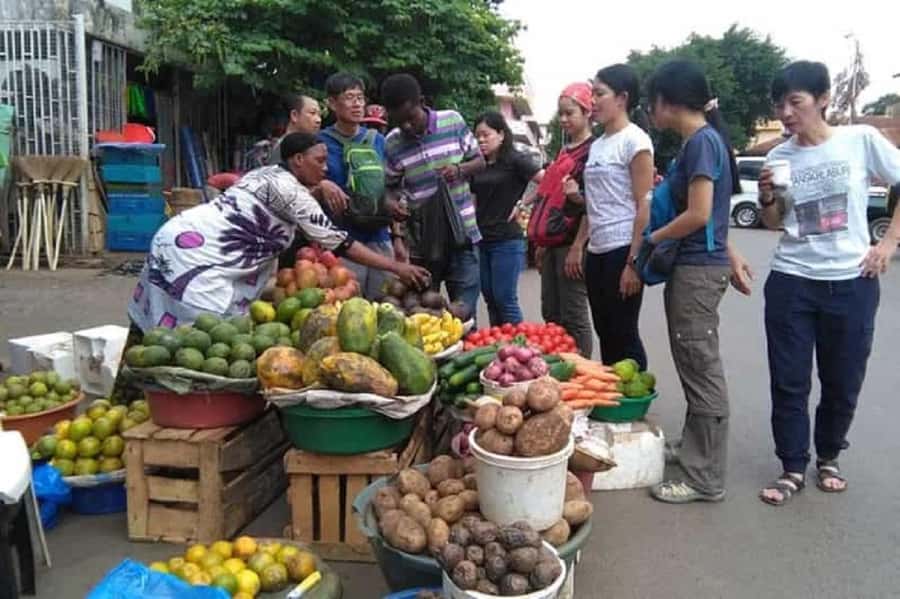
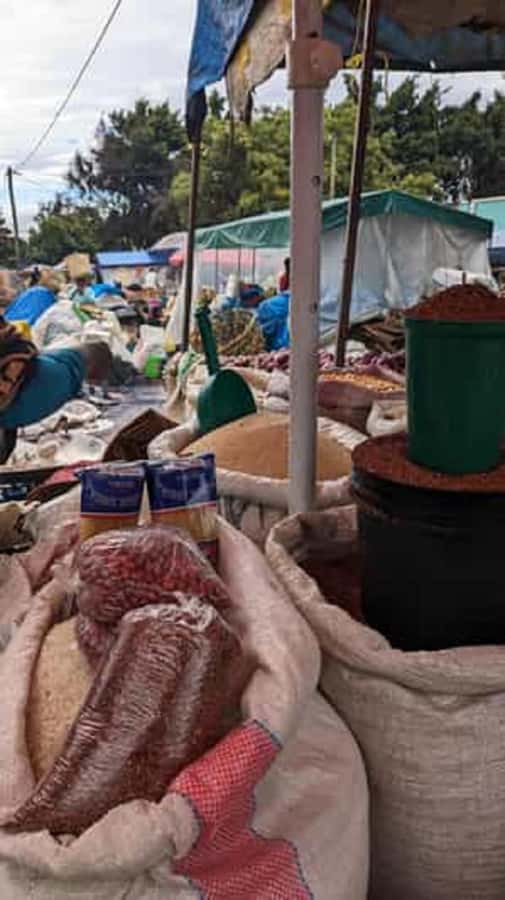
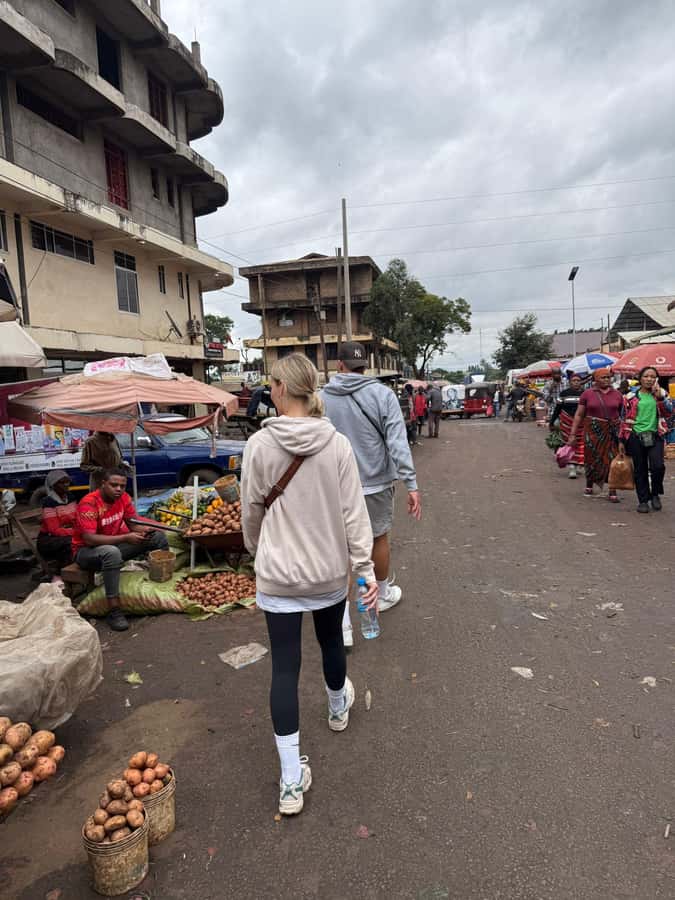
The central market is where the day begins to feel most connected to ordinary household life. You will see vegetables, cereal crops, and other goods sold by local people.
I like this stop because it gives you something more useful than a quick photo. Food markets reveal what a place eats, grows, and trades. Look closely at the produce, ask questions through your guide, and notice how different products are arranged and sold.
The visit lasts about 30 minutes, so it is a brisk introduction rather than a long shopping session. If you hope to buy something, ask the guide when and where it is appropriate. Market visits work best when you observe first and avoid treating the sellers as scenery.
Several of the tour’s strongest moments come from this kind of contact. Thomas has been described as someone who introduces people to locals and explains customs while moving through the market. He also guides food sampling at times, but the exact items available can change with the day.
10:30 AM at Mbuyuni farmers market
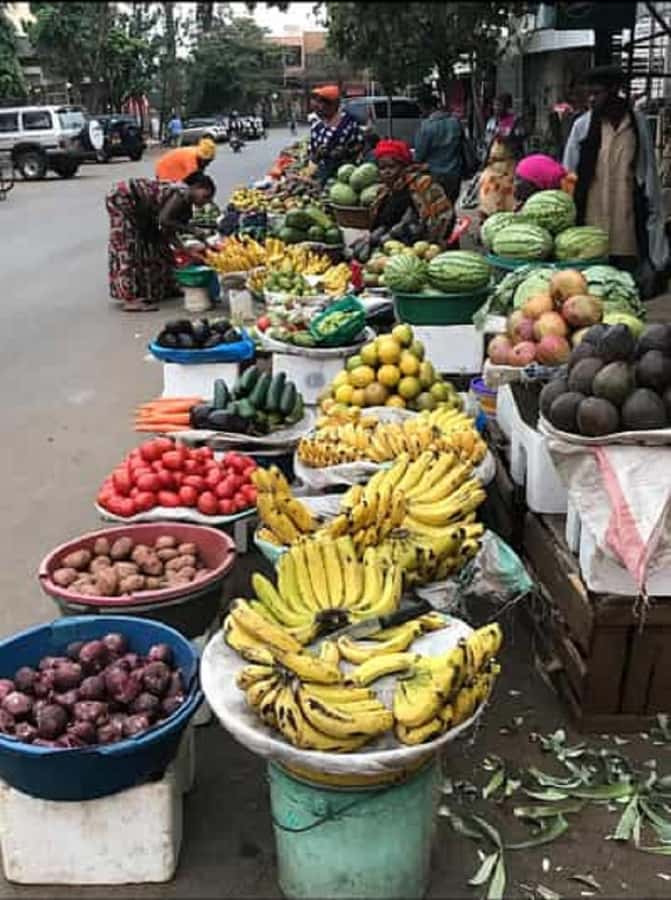
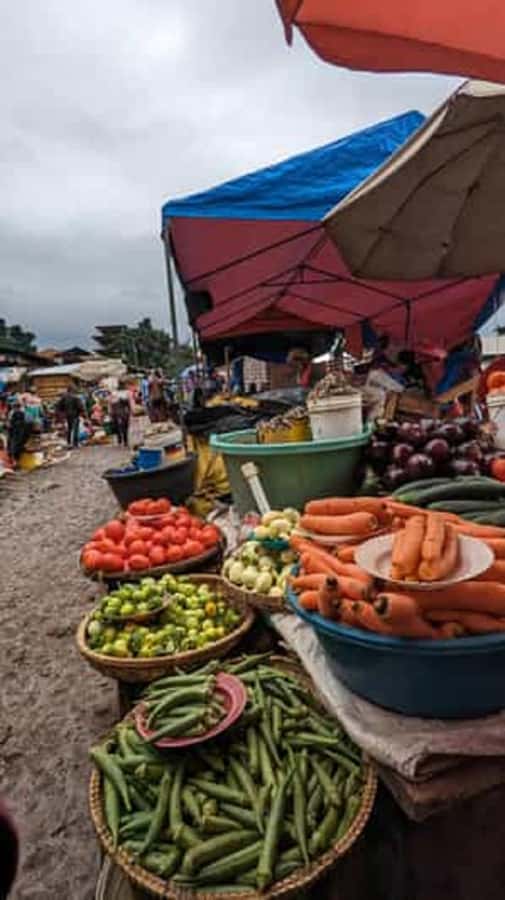
Mbuyuni offers a different market view. Here you may see women selling tomatoes and other goods directly on the ground.
That detail matters. It shows the small-scale side of trade, where produce can move from a farm or neighborhood garden into the market without elaborate packaging or a formal shop. The stop is another 30-minute visit, with walking and guided explanation.
You may find this market more visually striking than the central market, but it can also be less polished underfoot. Wear shoes that can handle dust and uneven surfaces. This is not the place for delicate footwear or a spotless outfit after a Kilimanjaro climb.
A different kind of day out entirely:
- Kilimanjaro Climbing Lemosho Route 8 Days.
★ 5.0 · 186 reviews - Climbing Kilimanjaro – Machame Route
★ 5.0 · 170 reviews - Climbing Kilimanjaro through 7 days Machame Route
★ 5.0 · 151 reviews - Kilimanjaro climb, Lemosho Route (8-day)
★ 5.0 · 148 reviews
11:30 AM at Manyema fish market
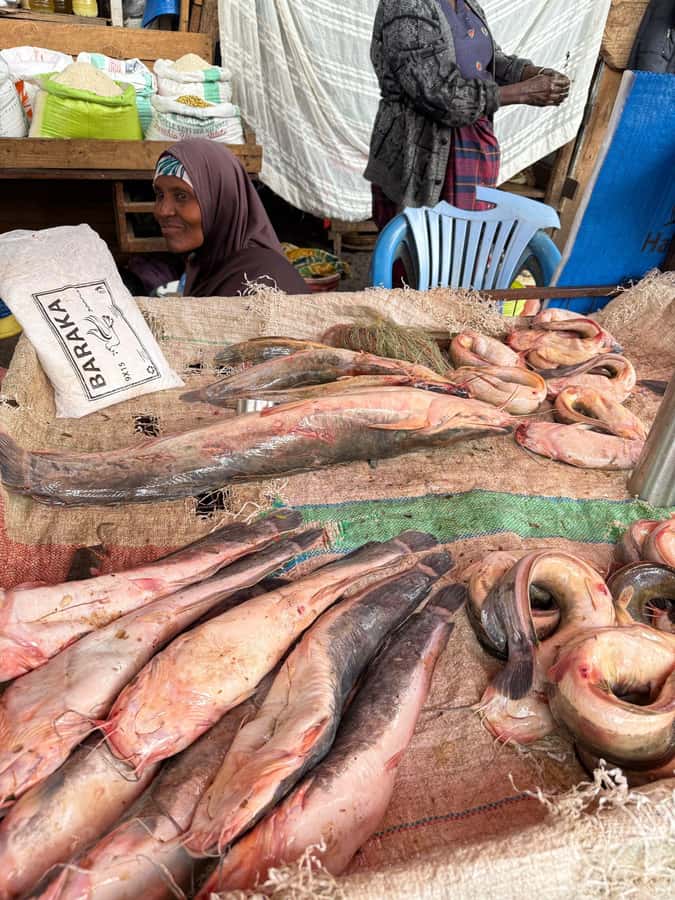
Manyema fish market brings a new subject into the tour. Your guide explains the meaning and history of the word Manyema, then shows you the local fish sold there.
The value of this stop is not only the fish itself. It adds another layer to the food system you have already seen in the produce markets. You are looking at different kinds of food, different sellers, and different ways people earn a living in one town.
Fish markets can have strong smells and wet surfaces. That is part of the setting, not a flaw, but you should know what kind of stop this is before booking. The visit is scheduled for about 30 minutes, with time for photographs and a guided walk.
Coffee Union Cafe and Moshi’s coffee connection
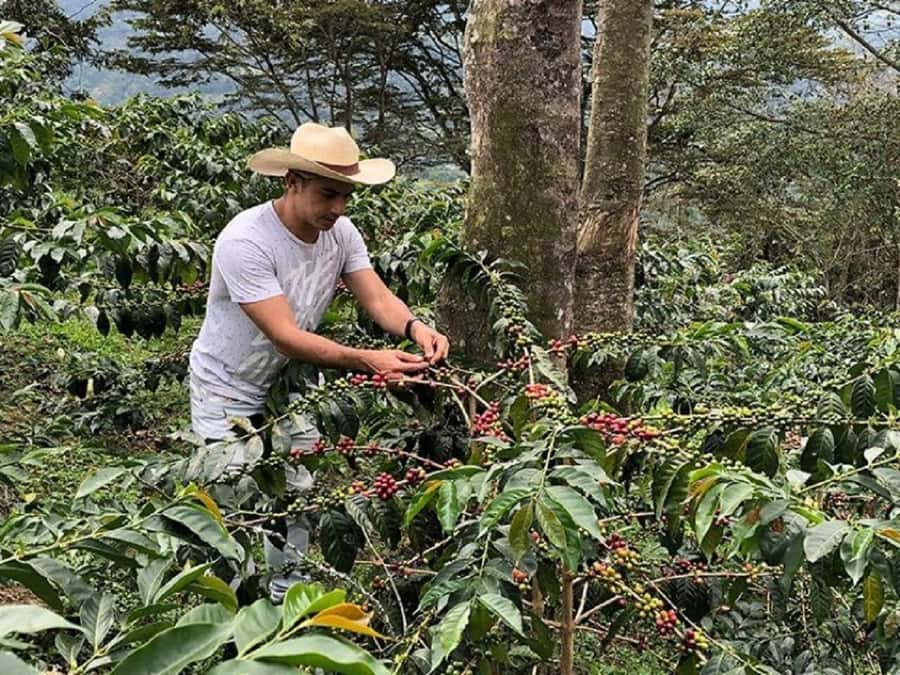
The route also includes Coffee Union Cafe, with a 30-minute visit, guided sightseeing, and walking. Coffee is one of the important products associated with the Kilimanjaro area, so this stop helps connect what you see in the countryside with what you may encounter in town.
The supplied details do not promise a formal coffee tasting or a full brewing lesson. Think of it as a café and coffee-related stop rather than a dedicated plantation tour. If coffee is your main interest, ask before booking what will be demonstrated or served.
That said, it is a useful change of pace after the markets. You move from open-air trading spaces to a more settled place where the guide can talk about coffee and local food culture.
12:30 PM at the old railway station
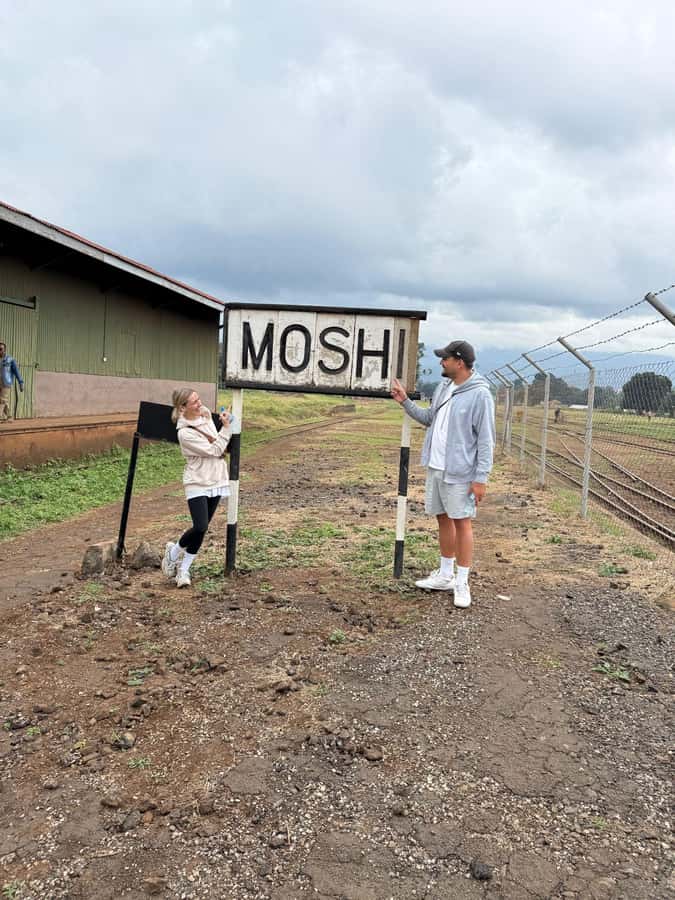
The old railway station is one of the most distinctive stops. You get time for photographs, sightseeing, and a guided explanation of Moshi’s past.
Your guide connects the station with the story of the town’s name and its relationship to a village called Old Moshi. This gives the stop more purpose than a quick picture beside an old building. Transport, town names, and nearby villages all become part of the same story.
The station also works well late in the morning because you have already seen Moshi in motion. After the bus stand and markets, the railway stop lets you consider how older transport routes shaped the town.
The stop is listed under Moshi Station in one part of the route, while the day’s description refers to the old railway station. Confirm the exact station location with Kuhetours before departure if this distinction matters to you.
Old Moshi Cultural Tourism Enterprise

The itinerary includes a visit to the Old Moshi Cultural Tourism Enterprise, with another 30-minute guided stop. This is separate from the railway visit and adds a cultural link to the Old Moshi area.
The details provided do not spell out a specific performance, workshop, or entry activity here. That makes it sensible to ask what you will see on your date. The stop may be most useful for people who want more background on local culture and the connection between Moshi town and surrounding communities.
Thomas is part of the appeal. His experience as a former mountain guide gives him a broad understanding of the area, while his city guiding brings attention back to neighborhoods and everyday routines. One particularly personal account describes meeting his children near a church during the day. That sort of unplanned encounter cannot be promised, but it shows why the tour may feel more like walking around town with a local contact than following a rigid sightseeing script.
Banana farms and rice fields in Mabogini
The afternoon moves away from the market streets and into agriculture. At a banana plant farm, the guide explains the history of bananas and how they are cultivated.
This is a good stop for understanding what sits behind the market stalls. You have already seen tomatoes, grain, fish, and other goods for sale. Now you get a chance to see at least one kind of crop at its source.
The visit to rice farms in Mabogini follows. Here you learn how rice is grown and irrigated. The farm stop is one of the tour’s strongest features because irrigation turns a simple field into a lesson about water, labor, timing, and food production.
The schedule lists banana plants at 1:30 PM and rice farms at 2:00 PM, with the tour ending around 2:00 PM. Another route description lists Mabogini as a 30-minute visit. Because those times do not fully match the stated seven-hour duration, confirm the final schedule when you reserve.
The countryside sections can also involve more dust, walking, and sun than the town stops. Bring water, a hat, sunscreen, and shoes you do not mind getting dirty. The tour is not a mountain hike, but it is not a sitting tour either.
What the guiding style adds
Thomas receives the strongest praise in the available feedback. He is described as an excellent English speaker who explains fine details of daily life, answers questions, and helps people feel safe in busy places.
That last point is especially useful for a solo woman or anyone unsure about moving through unfamiliar markets. One account describes Thomas protecting the guest from traffic and unwanted attention while walking through town. You should still use normal urban caution, but a local guide can make the day easier and more relaxed.
His links with residents also matter. He is known around town, introduces people to locals, and can take you to places that would be difficult to find alone. The experience may include schools, churches, a clinic or hospital, poorer neighborhoods, and local food sampling, based on the way the tour has been operated for some groups.
These extra encounters are not all listed as guaranteed stops. Treat them as possible additions that depend on the day, the route, and local access. The core promise is the town, markets, farms, café, railway site, and cultural enterprise.
Walking, comfort, and the real pace of the day
This is a seven-hour outing with repeated 30-minute stops. You will walk through markets, neighborhoods, and farm areas, then return to the hotel at the end.
Expect dust and a fair amount of standing. The experience is not designed as a luxury sightseeing day. It is better suited to you if you want to see how Moshi works and do not mind heat, noise, uneven streets, market smells, or a flexible pace.
The itinerary includes a break at the bus stand and a visit to Coffee Union Cafe, but meals are not listed as included. Local food sampling may happen as part of the market experience, yet you should not assume that a full lunch is covered. Ask what food and drinks are included before you go.
Is $1,000 per person good value?
At $1,000 per person, this is an expensive day tour. The listed inclusions are hotel pickup, hotel drop-off, and the guide fee. The description does not list meals, entrance fees, or shopping as included.
The price could make more sense for a private booking or a very small group with substantial transport and personal guiding. Yet the advertised group size can reach 10 people, so you should clarify whether $1,000 is the price for a private experience, a shared place, or a package with extra services.
I would ask Kuhetours three direct questions:
- Is the $1,000 price for one person in a shared group or for a private tour?
- Are transport, food sampling, café purchases, and any entrance fees included?
- Which stops are guaranteed, and what is the confirmed start and finish time?
The tour offers free cancellation up to 24 hours before departure and a reserve-now, pay-later option. Those terms give you some flexibility, but they do not resolve the price question. Get the inclusions in writing.
Who should book this Moshi experience?
You should consider it if you have one spare day before or after Kilimanjaro and want more than a hotel rest day. It also suits you if you are heading between safari and Zanzibar and want a local view of Moshi in a limited amount of time.
It is particularly good for:
- Solo visitors who want a trusted English-speaking guide
- People interested in markets, food, farms, and daily routines
- First-time visitors who want help understanding local customs
- Anyone curious about rice, bananas, coffee, and small-scale trade
- Hikers who want a gentle cultural day after the mountain, while accepting regular walking
It may not suit you if you want polished monuments, a quiet vehicle-based tour, or a fixed museum-style schedule. The day’s appeal comes from ordinary places, personal introductions, and the chance that local life will not follow a neat script.
Should you book the Moshi town tour?
I would book this for the access and guiding, not for a checklist of famous sights. The markets, rice farms, banana plants, and railway station give you a useful picture of Moshi, while Thomas appears to add the personal connection that makes the route memorable.
My main advice is simple: resolve the $1,000 pricing and inclusion questions first. If the cost is for a private or specially arranged day and the final schedule is clear, this can be a valuable add-on to a Kilimanjaro or safari trip. If it is a shared tour with only transport and guiding included, compare the price carefully before committing.
FAQ
Where does the Moshi town tour start?
The tour lists hotel pickup at Keys Hotel as the starting location. Pickup is scheduled for 8:00 AM.
How long does the tour last?
The stated duration is seven hours. The schedule begins at 8:00 AM and is expected to finish around 2:00 PM, although the listed stop times should be confirmed because they do not perfectly match the full duration.
What language is the tour conducted in?
The live tour guide speaks English.
How large is the group?
The tour is described as a small-group experience with a maximum of 10 participants.
What markets are included?
The route includes Moshi’s central market, Mbuyuni farmers market, and Manyema fish market. You can see vegetables, cereal crops, tomatoes, fish, and other locally sold goods.
Does the tour include farms?
Yes. The route includes a banana plant farm and rice farms in Mabogini. The guide explains banana cultivation and rice irrigation.
Is hotel transportation included?
Yes. Pickup and drop-off are included, with the tour ending back at the hotel.
Can I cancel the tour?
You can cancel up to 24 hours in advance for a full refund. The booking terms also allow you to reserve now and pay later.
Just added in Moshi
- THE BEST 2 DAYS ON TREK – MARANGU ROUTE TOUR ADVENTURES★ 5.0 · 1 review
- Mount Kilimanjaro National Park Day Trip★ 5.0 · 7 reviews
- Mount Kilimanjaro Climbing in Tanzania Full-Day Trip★ 5.0 · 1 review
- Mount Kilimanjaro Day Hike – All-Inclusive, No Hidden Fees★ 4.0 · 7 reviews
- Mount Kilimanjaro Trekking Tour – Climb with Local Guides★ 5.0 · 1 review
- Mount Kilimanjaro: 7 Days Hike Lemosho Route★ 5.0 · 1 review
- Moshi:Chemka Hot Springs, Materuni Waterfalls & Coffee Tour★ 5.0 · 1 review
- Moshi Town: Walking Tour: Theme Urban lifestyle★ 3.1 · 4 reviews
1-Day Tours, compared.
Mikumi Safari Day Trip with Flights and Meal
Read our review →
Materuni Waterfalls & Chemka Hotsprings Day Trip
Read our review →
Materuni waterfalls coffee tour & Chemka hot springs Day trip
Read our review →
Mikumi Safari Tour: Day Trip Return Flight From Zanzibar
Read our review →

Browse the lists this tour appears in