
Reviewed · MOSHI TOURS
Moshi: Town tour and Local Markets tour
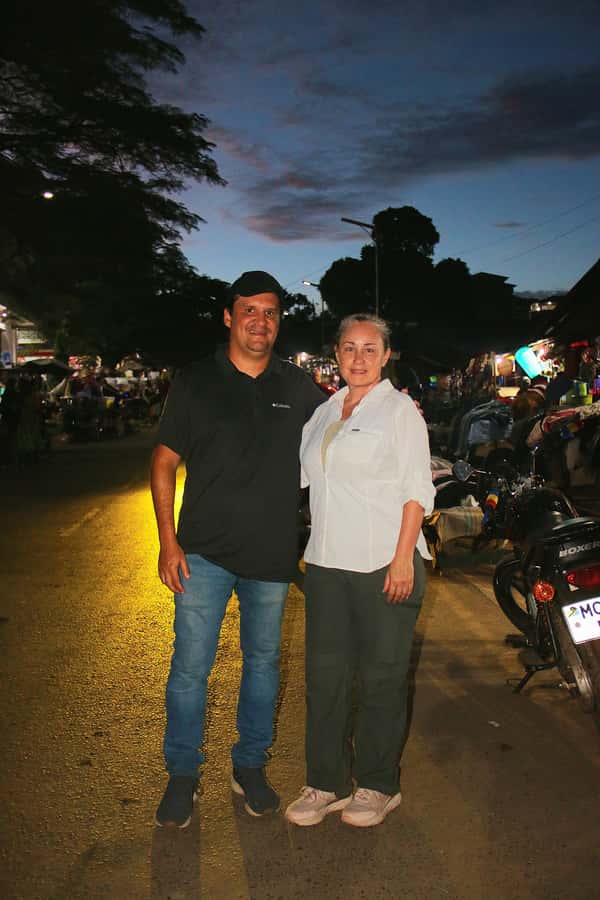
Moshi comes alive at market level. This three-hour town walk and drive connects the railway station, three food markets, a coffee stop, the bus stand, and a community-minded craft shop. I especially like the fresh-fruit tasting and the chance to see how ordinary buying and selling works, not just the polished side of town. I also like that guide Isaac, often called Zac, explains practical details such as Tanzania’s mobile banking system and can adjust the outing to your interests. The main consideration is pace: you cover many stops in a short time, and markets can feel crowded, noisy, and visually intense.
At $25 per person, this is a strong-value introduction to Moshi, particularly if you have just arrived before a Kilimanjaro climb. You get hotel pickup and drop-off, bottled water, transport between parts of town, and an English-speaking guide. Food and drinks are extra, so carry some cash if you want to buy fruit, coffee, tea, crafts, or Tanzanite.
In This Review
- Key things to know before you go
- Why this is a useful first morning in Moshi
- Starting at Moshi Railway Station
- Manyema Market and the first look at local trade
- Mbuyuni Market: bananas, fish, spices, and clothing
- Main Market and Tanzania’s mobile banking system
- A 20-minute coffee and tea pause
- Moshi Bus Stand and the business of movement
- Blue Zebra, community crafts, and Tanzanite
- What the $25 price really covers
- Group feel, transport, and the right pace
- Who should book this Moshi town tour?
- Should you book it?
- FAQ
- How long does the Moshi town and local markets tour last?
- Where does the tour start?
- Which markets are included?
- What can I see at Mbuyuni Market?
- Is food included in the price?
- Is coffee or tea included?
- What language does the guide speak?
- Can I cancel for a full refund?
Key things to know before you go
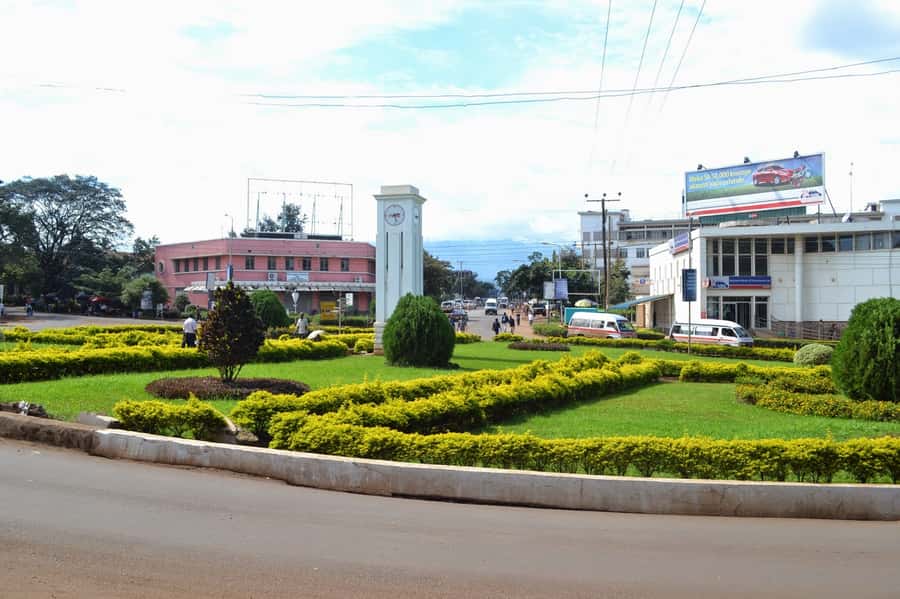
- The train station sets the scene: Learn about Moshi’s railway past and look for a possible view of Mount Kilimanjaro.
- Three markets show different sides of town: Manyema, Mbuyuni, and the Main Market each serve different shopping needs.
- Fruit tasting is part of the fun: You can sample local fruits while learning how produce is sold.
- Isaac is the guide to request: His clear English, friendly manner, and flexibility are praised again and again.
- Coffee Union Cafe gives you a breather: The planned 20-minute stop breaks up the walking and market activity.
- Blue Zebra offers more than souvenirs: Its crafts support disabled makers, orphans, and people in need, and the shop also sells Tanzanite.
Why this is a useful first morning in Moshi
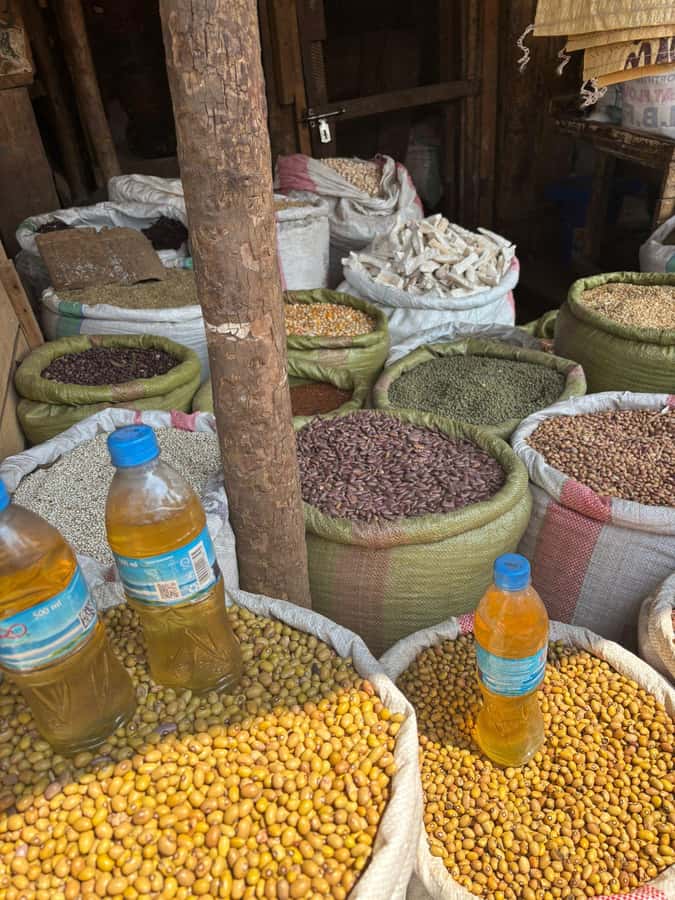
Moshi is often treated as a staging point for Kilimanjaro. That is a shame. The town has its own daily rhythm, and markets are where you see it most clearly. This experience gives you a guided way into that rhythm without asking you to work out the streets, bargaining customs, and local transport on your own.
The tour begins with pickup in Moshi Urban. From there, you travel into town, with the guide handling the transitions between stops. That matters because the experience mixes short walks with vehicle transport rather than making you walk the entire route.
The tour is scheduled for three hours, with about 25 minutes at several major stops. That is enough time to look, ask questions, take photographs, and get a useful explanation, but not enough for a slow, detailed shopping expedition at every market. I would think of it as a lively introduction rather than a full market day.
Isaac receives the strongest praise. He is described as warm, professional, easy to communicate with, and willing to change the plan when needed. He has helped people stop at a pharmacy, supermarket, restaurant, money exchange, or gear collection point when those needs fitted the day. Those extras are not guaranteed parts of the tour, but they show the practical attitude you can expect from the guide.
A few more options to weigh up in Moshi
- Kilimanjaro climb by Lemosho Route (7-day)
★ 5.0 · 651 reviews - Safari Serengeti And Ngorongoro
★ 5.0 · 288 reviews - Kilimanjaro climb, Machame Route (7-day)
★ 5.0 · 262 reviews
Starting at Moshi Railway Station
The railway station is an unusual and useful first stop. Instead of opening with a generic town square, the tour begins with transport history and the role of the railway in connecting Moshi with the wider country.
You have around 25 minutes here for a guided visit, photographs, and a short lesson. The setting also offers a chance to look toward Mount Kilimanjaro, when weather and visibility cooperate. The mountain view is not guaranteed, but it gives the opening stop extra appeal.
One particularly memorable possibility is arriving as a train from Dar es Salaam comes into the station. That timing cannot be arranged or promised, but if it happens, it adds real atmosphere to the beginning of the morning. The railway is not treated as a museum display alone. It is part of the working town.
Take photographs here, but listen closely too. The value of the stop comes from the explanation of how the railway shaped movement and commerce. You will understand the later market visits better once you have seen one of the systems that helped goods and people reach Moshi.
Manyema Market and the first look at local trade
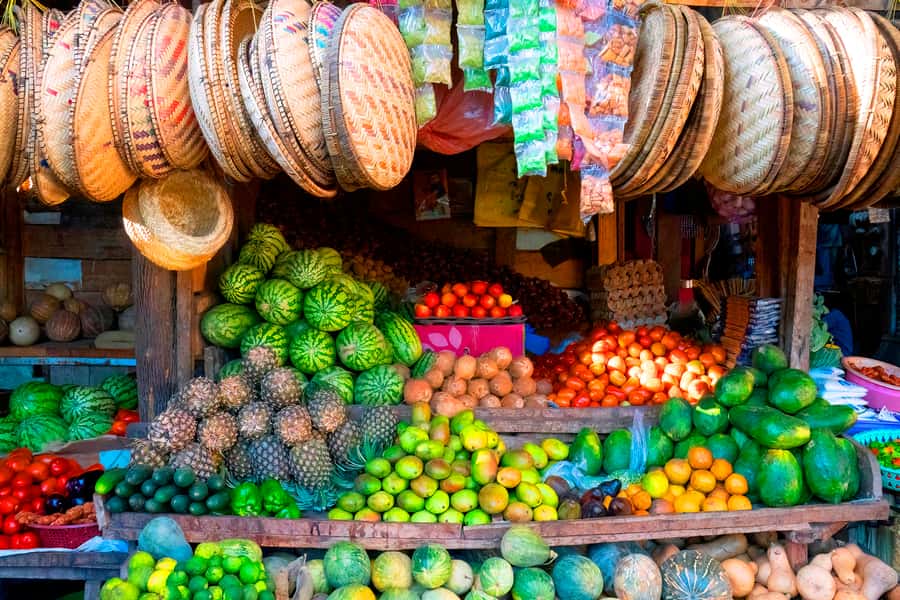
Manyema Market is one of the first food-market stops, with about 25 minutes for walking, photographs, and a guided visit. You might see produce, food sellers, and the steady exchanges that make a market work from morning onward.
The guide’s role is important here. A market can look like a wall of stalls if you do not know what you are seeing. Isaac explains the products, the types of buying taking place, and the way market activity supports local livelihoods.
Do not rush through this stop while searching for the best photograph. Look at how goods are arranged, how sellers interact with customers, and how different products are grouped. The tour is designed to explain economic activity, so the point is not simply to admire colorful produce.
You may have a chance to taste fruit during the market portion. That is one of the nicest details of the experience because it turns the visit into something more direct and memorable. Food and drinks are not included in the price, however, so treat any purchases as your own expense.
Mbuyuni Market: bananas, fish, spices, and clothing
Mbuyuni Market is the most varied stop described in the experience. You visit the banana market, fish market, spice market, and clothing market, along with a local dispensary and other parts of the area.
Each section gives you a different view of everyday needs. Bananas connect to food supply and farming. Fish shows another part of the food trade. Spices bring smell into the experience, while clothing reveals the market as a place for practical household shopping rather than only fresh produce.
The local dispensary is also a reminder that markets can be wider social spaces. They are not just rows of stalls. They bring together food, clothing, health services, financial activity, and personal contact.
You have roughly 25 minutes here, so expect a quick, guided walk rather than long browsing in every section. Wear comfortable shoes and clothes, as requested. Some of the appeal comes from being on foot and close to the activity, but anyone who dislikes crowds or strong food smells should be prepared for a busy setting.
This is a good place to ask questions. You can ask how goods arrive, how prices work, or what makes one market different from another. The tour becomes far more useful when you treat Isaac as a local interpreter, not just someone leading you from one address to the next.
A different kind of day out entirely:
- Kilimanjaro Climbing Lemosho Route 8 Days.
★ 5.0 · 186 reviews - Climbing Kilimanjaro – Machame Route
★ 5.0 · 170 reviews - Climbing Kilimanjaro through 7 days Machame Route
★ 5.0 · 151 reviews - Kilimanjaro climb, Lemosho Route (8-day)
★ 5.0 · 148 reviews
Main Market and Tanzania’s mobile banking system
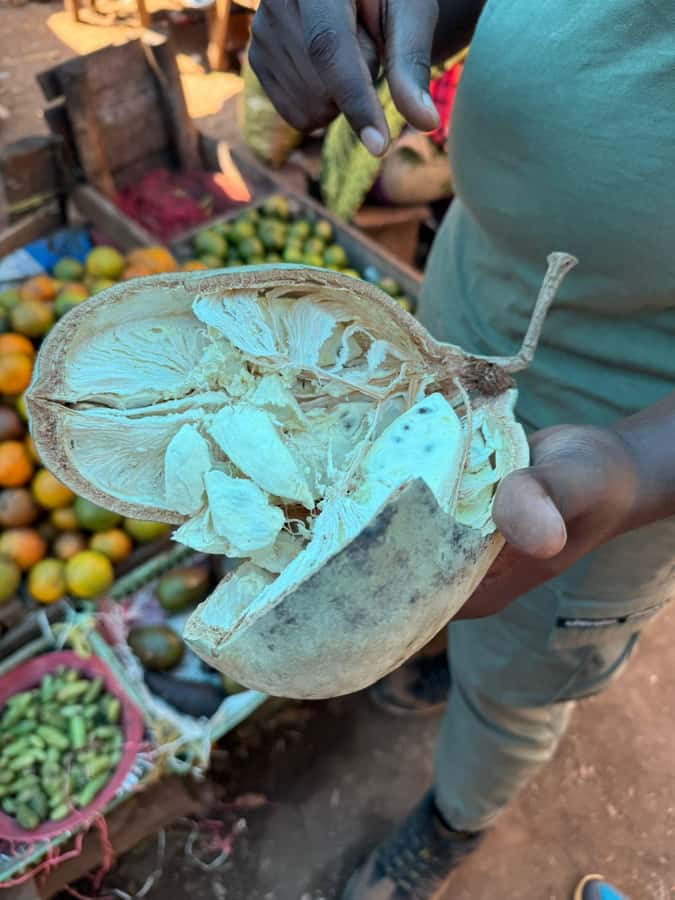
The Main Market provides another food-market stop, but the purpose is not to repeat Mbuyuni. The guide explains how this market differs from the first one and helps you compare the types of goods, customers, and activity you have already seen.
On the route, you also pass local banks and learn about Tanzania’s SIM banking system. This is one of the tour’s most practical details. Mobile-phone banking is part of how many people manage payments and transfers, and understanding it gives you a clearer picture of how commerce works beyond the stalls.
For you, this can be more useful than a string of historical dates. You see the market economy and then connect it with the financial tools that support everyday transactions. If you are curious about how people pay for goods and move money, make this a priority for your questions.
The Main Market visit lasts about 25 minutes. As with the other markets, the time is enough for an overview but may feel short if you want to shop carefully. If you find something you want to buy, tell Isaac early so he can help you judge how much time remains.
A 20-minute coffee and tea pause
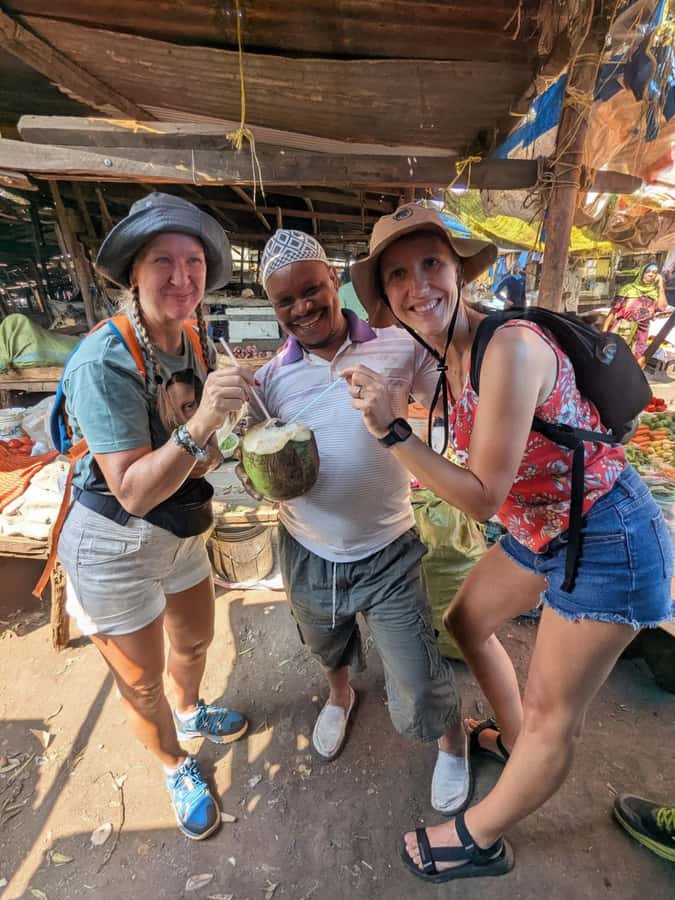
After the market visits, the group stops at Coffee Union Cafe for about 20 minutes. This is a welcome pause after the noise, smells, and walking of the food markets.
The stop focuses on coffee and tea. It is also a chance to ask follow-up questions while sitting down. Several people have praised Isaac’s choice of coffee and food places, so this part can add local flavor rather than feeling like a random rest break.
Coffee and tea are not included, so budget for your order. The cafe stop is short, which keeps the tour moving, but it may not suit you if you want a long breakfast or a relaxed cafe visit. Think of it as a useful intermission.
Moshi Bus Stand and the business of movement
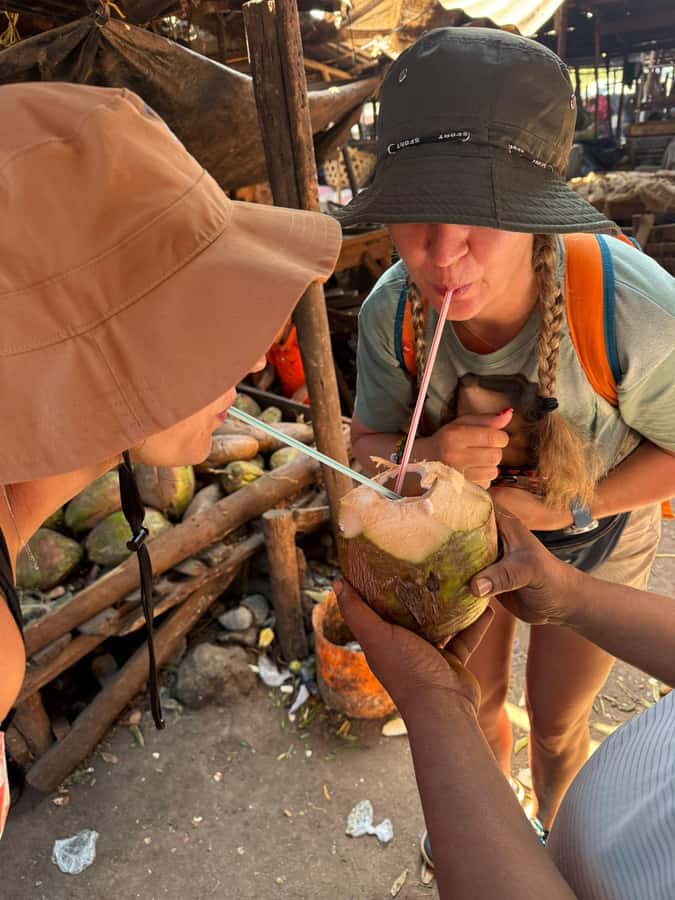
The bus stand is a compact 15-minute stop. You visit, walk around, take photographs, and learn how business works in a transport hub.
This stop shows another side of the local economy. Markets move goods, while the bus stand moves people and often helps connect commercial activity across towns. The short visit gives you a look at the pace of local transport without turning the tour into a long station wait.
Fifteen minutes is enough for an explanation and a quick look, but it is not a detailed station tour. The stop works best when you focus on how people use the place and how transport supports daily life. If you are interested in local mobility, ask Isaac to explain what you are seeing.
Blue Zebra, community crafts, and Tanzanite
The final stop is Blue Zebra Art, Tanzanite, and Souvenir Shop. You have about 20 minutes for walking, looking, and shopping.
This shop has a social purpose. Many of the items are made by disabled people, and part of the revenue goes back into the community through support for orphans’ schooling and assistance for people in need. That gives the shopping stop more meaning than a standard souvenir break.
You can browse arts and crafts, and you may buy something if you wish. The shop also sells Tanzanite, a valuable blue gemstone found only in Tanzania. The tour gives you a chance to see it in a local retail setting, but buying a costly stone should be a separate decision. Ask questions, take your time, and do not feel pressured to purchase.
The final stop works well because it connects souvenirs with local livelihoods. It also gives you a chance to take home a small reminder of Moshi without spending the whole morning in a shop.
What the $25 price really covers
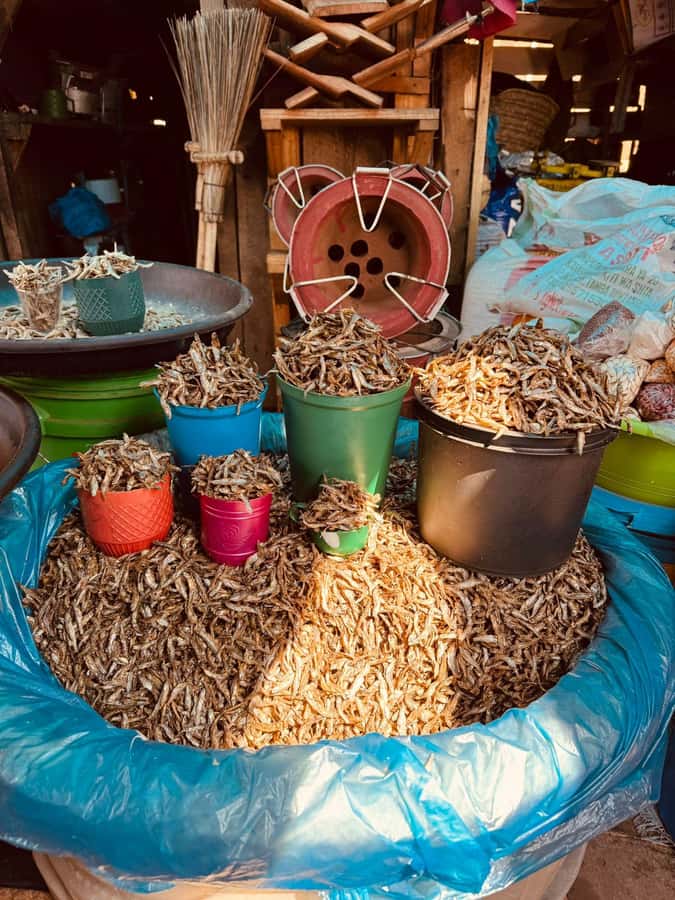
The $25 fee is modest for a three-hour guided experience with pickup and drop-off in Moshi Urban. You are paying for more than a ride. The real value is the local explanation, especially in places where you might otherwise see only crowds and stalls.
Included are:
- Hotel pickup and drop-off
- Bottled water
- An English-speaking live guide
- Guided visits to the railway station, three markets, cafe, bus stand, and craft shop
- Fruit tasting opportunities
Food, coffee, tea, shopping, and other purchases cost extra. Bring some local cash if you want to sample fruit, order at the cafe, or buy crafts. The tour is not designed as an all-inclusive food experience.
The price is especially good for a first visit to Moshi, a short stop before or after Kilimanjaro, or a solo visit when you want local orientation. If you already know the town well and prefer to spend hours shopping at one market, you may find the fixed three-hour structure less suitable.
Group feel, transport, and the right pace
The official duration is three hours, but the stop times add up to a compact morning: 25 minutes at the train station, 25 at Manyema, 25 at Mbuyuni, 25 at the Main Market, 20 at the cafe, 15 at the bus stand, and 20 at Blue Zebra. Vehicle transfers and the return drive fit around those visits.
Some bookings have been handled as private or small-group outings, but group size is not specified as a fixed feature. Confirm this if having a private experience matters to you.
Transportation is one of the tour’s strengths. You are picked up at your lodging and returned there, and Isaac has been praised for reliable timing, a comfortable car, and cold water. The vehicle also makes the tour more manageable for people who want to explore several parts of town without walking the full distance.
The experience is flexible in practice. Isaac has adjusted pickup times for early departures, helped with errands, and shaped the outing around personal interests. Still, the core plan has many stops, so tell him before starting if you want more time for food, photographs, shopping, or cultural questions.
Who should book this Moshi town tour?
I would choose this experience if you are visiting Moshi for the first time and want context quickly. It is also a good fit before a Kilimanjaro climb because it introduces the town, shows where people shop, and gives you a chance to ask local questions.
Solo visitors may appreciate the guide’s calm support in unfamiliar markets. Families and couples can also enjoy it, provided everyone is comfortable walking through active market areas.
This tour suits you best if you:
- Want to see ordinary town life rather than only tourist attractions
- Enjoy food markets and local shopping
- Prefer an English-speaking guide
- Like asking questions about culture and the economy
- Have only a few hours in Moshi
- Want hotel pickup and return
- Prefer a flexible guide who can help with practical errands
It may not suit you if you want a quiet sightseeing tour, a long sit-down meal, or extensive time at each market. The setting is active and the schedule is full. Comfortable shoes are essential, and modest, comfortable clothing is the sensible choice.
Should you book it?
Yes, if you want a short, useful introduction to Moshi that puts daily life at the center. The best parts are the market comparisons, fruit tasting, mobile banking explanation, railway stop, and Isaac’s personal approach.
At $25, the tour offers good value because it combines transport, local guidance, and several distinct parts of town. I would book it early in your Moshi stay, then use what you learn to decide where you want to return on your own.
If you mainly want to shop, ask for extra time at the market or craft store. If you want a relaxed food tour, remember that food and drinks are not included. For most first-time visitors, though, this is a smart way to get your bearings and see Moshi as a working town, not just a base for the mountain.
FAQ
How long does the Moshi town and local markets tour last?
The tour lasts three hours, including pickup, the guided stops, transport between locations, and the return to your lodging.
Where does the tour start?
Pickup is available from lodging in Moshi Urban.
Which markets are included?
The route includes Manyema Market, Mbuyuni Market, and the Main Market.
What can I see at Mbuyuni Market?
The visit can include the banana, fish, spice, and clothing markets, a local dispensary, and other parts of the market area.
Is food included in the price?
No. Food and drinks are not included, although you can sample fruits during the market visit and buy food or drinks if you choose.
Is coffee or tea included?
No. The tour includes a stop at Coffee Union Cafe, but coffee and tea are purchased separately.
What language does the guide speak?
The live guide conducts the tour in English.
Can I cancel for a full refund?
Yes. You can cancel up to 24 hours in advance for a full refund. You can also reserve now and pay later.
Just added in Moshi
- THE BEST 2 DAYS ON TREK – MARANGU ROUTE TOUR ADVENTURES★ 5.0 · 1 review
- Mount Kilimanjaro National Park Day Trip★ 5.0 · 7 reviews
- Mount Kilimanjaro Climbing in Tanzania Full-Day Trip★ 5.0 · 1 review
- Mount Kilimanjaro Day Hike – All-Inclusive, No Hidden Fees★ 4.0 · 7 reviews
- Mount Kilimanjaro Trekking Tour – Climb with Local Guides★ 5.0 · 1 review
- Mount Kilimanjaro: 7 Days Hike Lemosho Route★ 5.0 · 1 review
- Moshi:Chemka Hot Springs, Materuni Waterfalls & Coffee Tour★ 5.0 · 1 review
- Moshi Town: Walking Tour: Theme Urban lifestyle★ 3.1 · 4 reviews
Moshi Tours, compared.



Climbing Kilimanjaro through 7 days Machame Route
Read our review →
Browse the lists this tour appears in