
Reviewed · MOSHI TOURS
Pedal power the villages on foothills of Mt. Kilimanjaro
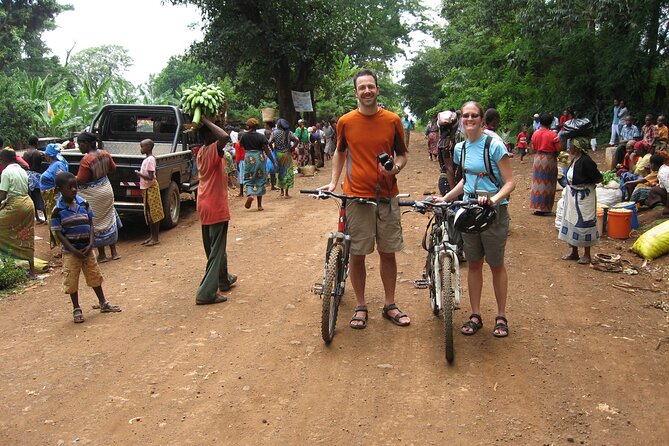
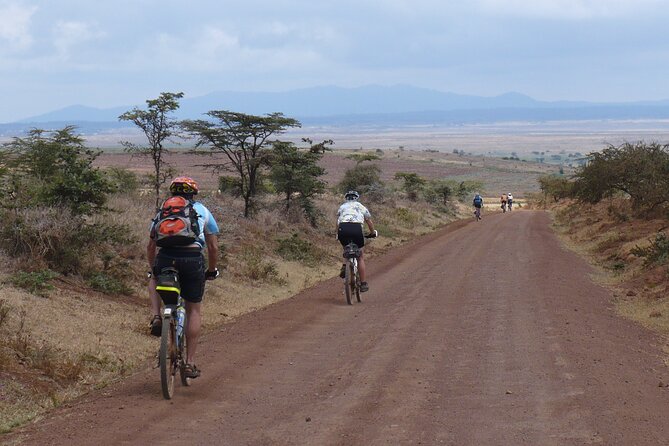
Feel the mountain under your wheels. This 5 to 6-hour ride takes you through the foothills of Mt. Kilimanjaro, where banana gardens, coffee farms, village centers, schools, and markets provide a closer look at daily Chagga life. I especially like the local focus and the chance to stop often instead of simply pedaling past. I also like that lunch, water, a mountain bike, helmet, and guide are included. The main caution is simple: you need intermediate cycling skills and a moderate fitness level, and private transportation is not included.
This is not a downhill thrill ride or a polished sightseeing circuit. It is a physical, cultural outing with a steady mix of riding and short visits. Guides such as Saït and Charles have been praised for patience and strong explanations of Moshi, Chagga culture, coffee, and Tanzanian history. At $55 per person, the tour offers good value, but you should confirm the pickup plan and provide your height before booking so the operator can prepare the right bike.
In This Review
- Key points to know before you ride
- Riding into the foothills near Kibosho Magharibi
- Village stops that give the ride its purpose
- Coffee country around Mweka
- Kilimanjaro stories, Chagga traditions, and local history
- What the $55 price really includes
- Fitness, bike fit, and what to bring
- Who will enjoy this Moshi bike tour most
- Practical booking advice for a smoother day
- Should you book the foothill cycling experience?
- FAQ
- Where does the tour start?
- Where does the tour end?
- How long does the experience last?
- Is pickup available?
- What equipment is provided?
- Is lunch included?
- What fitness level is required?
- What happens if the weather is poor?
Key points to know before you ride
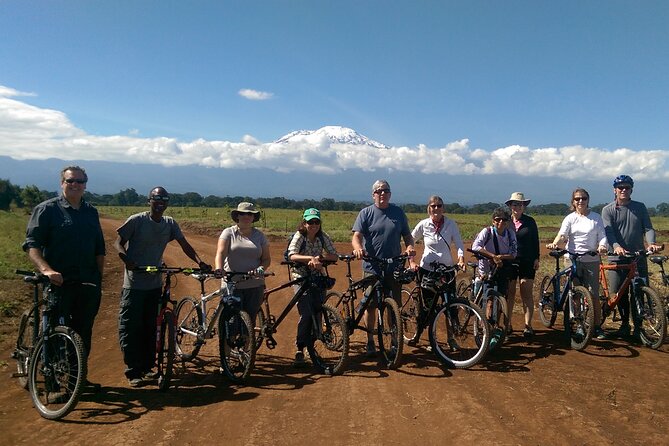
- The route links Kibosho Magharibi and Mweka, two foothill areas with village roads, farms, and coffee-growing country.
- Chagga culture is central to the day, with explanations of local history, customs, coffee, and the legend of Kilimanjaro.
- You stop at ordinary community places, including village centers, a local school, and markets.
- Intermediate cycling ability is required, so this suits active riders more than casual holiday cyclists.
- Lunch and one liter of bottled water are included, along with the bike, helmet, and mountain bike guide.
- The ride ends in Moshi town, at Coffee Union Cafe, after starting near Mr. Price Village on Kilimanjaro Road.
Riding into the foothills near Kibosho Magharibi
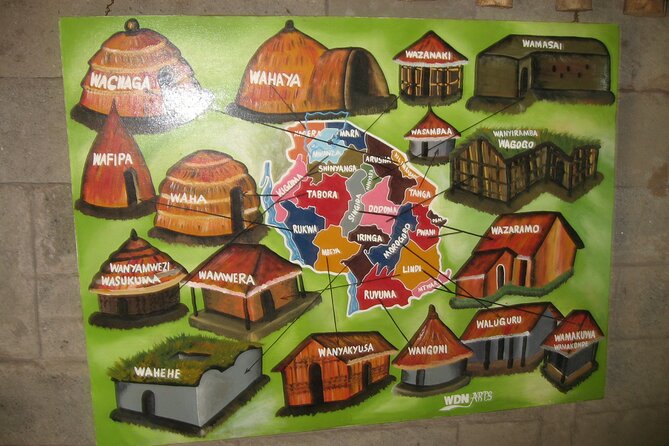
The day begins at Mr. Price Village on Kilimanjaro Road. From there, you head toward Kibosho Magharibi, one of the main areas included in the route. The ride lasts about three hours in this section, with regular stops that break up the physical effort and give the guide room to explain what you are seeing.
The route passes through banana and coffee farms and continues in and out of local villages. This setting gives the tour its real character. You are not only looking toward Mt. Kilimanjaro from a vehicle window. You are moving through the foothills at bicycle speed, where small details become easier to notice.
I like the way this format combines exercise with context. A stop at a village center can tell you more about local routines than a long speech delivered from a bus. A pause near a school or market gives you a point of contact with the community, while the guide explains the history of the Chagga people and the place Kilimanjaro holds in local stories.
The route is not described as a technical mountain-bike course, but it still requires intermediate skills. You should be comfortable controlling a bike on uneven or changing surfaces and riding for several hours. The tour provider also asks for your height so it can arrange a suitable bike size. Give that information early. A poorly fitted bike can turn a pleasant ride into a sore afternoon.
A few more options to weigh up in Moshi
- Kilimanjaro climb by Lemosho Route (7-day)
★ 5.0 · 651 reviews - Safari Serengeti And Ngorongoro
★ 5.0 · 288 reviews - Kilimanjaro climb, Machame Route (7-day)
★ 5.0 · 262 reviews
Village stops that give the ride its purpose
The stops at local centers, a school, and markets are important because they keep the tour tied to present-day life. This is not only a scenic loop around farms. You get a chance to see the places where people gather, learn, and shop.
The school stop may be especially meaningful for anyone interested in how communities function beyond the standard tourist route. The supplied information does not promise a formal school visit or a meeting with students, so keep your expectations measured. Think of it as a stop connected to local life, with the guide providing the explanation.
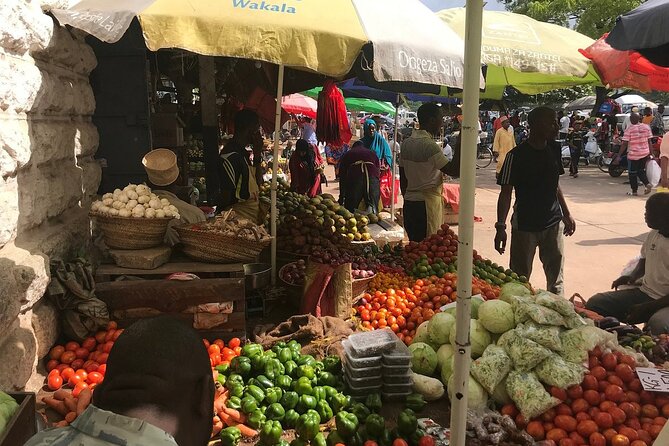
Markets and village centers add another useful layer. They show you the everyday side of the foothills, rather than only the coffee and mountain views. The exact market activity can vary by day, and no detailed shopping program is given, so I would not book this expecting a large craft market or a dedicated shopping session.
The cultural explanations are one of the tour’s strongest features. Charles, who guides for Safari by Leo, has been praised for explaining the history and culture of different Tanzanian tribes. Saït has also been praised for patience and for showing guests everyday life in Moshi. Those details matter on a cycling tour. A calm guide who explains the surroundings and sets a comfortable pace can make the difference between feeling included and feeling rushed.
Coffee country around Mweka
The second major stop is Mweka, where about an hour is set aside for sightseeing at a coffee plantation and learning about coffee’s history in Tanzania. This adds a useful change of pace after the longer village section.
Coffee is not treated as a quick tasting detail here. The focus is on its history and place in Tanzania. You can expect the guide to connect the plantation setting with the wider story of the region, though the supplied details do not specify a roasting demonstration, tasting, or hands-on processing session.
That distinction is worth keeping in mind. If you are looking for a full coffee workshop, this may feel brief. If you want to understand where coffee fits into the area’s economy and culture while seeing a working plantation setting, the stop should suit you well.
The Mweka section also gives your legs a break from continuous riding. Five to six hours is a substantial half-day, especially in a warm climate, and the planned pause helps keep the program manageable. Your one-liter bottle of water is included, but I would still treat hydration seriously and ask the operator if you need more water for the day.
Kilimanjaro stories, Chagga traditions, and local history
The tour’s subject is bigger than cycling. The guide talks about the Chagga people who inhabit the foothills and about the legend of Kilimanjaro. This makes the ride more rewarding than a simple countryside excursion.
The Chagga connection is especially important because the route passes through communities rather than isolated scenery. You hear about the people who have shaped this area and see farms and villages in the setting where those traditions continue. The information provided does not list specific ceremonies, homes, or cultural performances, so you should not expect a staged cultural show.
That is a positive point for some visitors. The day is built around seeing ordinary places and learning from the guide, not around a scripted performance. I would choose this tour if you prefer conversation and local context over a long list of formal attractions.
Charles is a particularly good fit for readers who want detailed interpretation. He has been described as a book of knowledge, with explanations covering Tanzanian history and different tribal cultures. Saït’s patient approach sounds useful for riders who want time to adjust to the bike or ask questions along the way.
Still, guide quality can vary by the person assigned that day. Safari by Leo is a family-owned safari and cultural tour company, and Charles and Saït are specifically associated with the experience, but you should confirm who will lead your date if having a particular guide matters to you.
A different kind of day out entirely:
- Kilimanjaro Climbing Lemosho Route 8 Days.
★ 5.0 · 186 reviews - Climbing Kilimanjaro – Machame Route
★ 5.0 · 170 reviews - Climbing Kilimanjaro through 7 days Machame Route
★ 5.0 · 151 reviews - Kilimanjaro climb, Lemosho Route (8-day)
★ 5.0 · 148 reviews
What the $55 price really includes
At $55 per person, this is a strong value if you want several services in one outing. The price includes the bicycle, helmet, mountain-bike guide, boxed lunch, and one liter of bottled water. You are paying for a guided ride with cultural interpretation, not only for bicycle hire.
The lunch is worth noting. One account describes it as enormous, which suggests you should not plan on needing a separate midday meal. The exact contents are not provided, so anyone with dietary needs should ask in advance rather than assume the box will suit them.
The value is also tied to the private format. Only your group participates, which gives the outing a more personal feel than a large group ride. It may also make it easier to discuss your pace, ask questions, and spend a little longer at a stop if the guide agrees.
There are limits. Private transportation is not included, even though pickup is offered in the tour information. That wording needs clarification before you pay. Ask where pickup can occur, if an extra transport fee applies, and how you will reach the starting point at Mr. Price Village.
The advertised opening hours are 8:30 AM to 2:30 PM, Monday through Sunday, for the listed operating period. The tour ends at Coffee Union Cafe in Moshi town, so the finish is convenient if you are staying in or returning to Moshi. The start and end points are different, which is another reason to settle transport details before the morning of the ride.
Fitness, bike fit, and what to bring
The operator describes the outing as suitable for people with moderate physical fitness and says intermediate cycling skills are required. Take those words seriously. This is not presented as an easy city ride, and the duration alone means you should be ready to spend much of the day active.
You do not need to be an elite cyclist, but you should feel confident on a mountain bike and be able to ride for several hours with breaks. If you rarely cycle, this is probably not the right place to test your limits.
The tour supplies the main equipment: mountain bike and helmet. You should provide your height before the trip so the correct bike size can be arranged. Wear practical riding clothes and closed shoes, and bring any personal items you need for a half-day outdoors. The information confirms one liter of bottled water, but it does not say that extra water or rain equipment is supplied.
Weather matters. The experience requires good weather, and poor conditions can lead to a different date or a full refund. If your schedule is tight, leave some flexibility around the booking.
Who will enjoy this Moshi bike tour most
I would recommend this ride to active visitors who want a better feel for the area around Kilimanjaro without committing to a mountain climb. It suits people who enjoy combining exercise, farming, local history, and ordinary community settings in one day.
It is also a good choice after or before a safari if you want something more active than a standard town visit. The private format should appeal to couples, families with suitable older riders, or small groups who prefer their own pace.
I would be more cautious about recommending it to anyone with limited cycling experience, low fitness, or a strong preference for smooth roads. The tour description does not give a detailed distance, elevation profile, or surface breakdown, so you cannot judge the exact physical demand from mileage alone.
Families should assess each rider honestly. A helmet and bike are supplied, but the operator specifically calls for intermediate skills, and no child age requirements are provided. Ask before booking if younger members of your group will participate.
Practical booking advice for a smoother day
Give the operator your height when you book. This is one of the clearest practical tips in the tour details, and it affects comfort, control, and safety.
Confirm the pickup arrangement as well. Pickup is offered, but private transportation is listed as not included. Ask for the exact meeting instructions at Mr. Price Village and confirm how the group will get there.
The experience is offered as a private activity, so only your group takes part. That is useful if you want a quieter cultural exchange or need the guide to work around different cycling speeds.
Cancellation is free if you cancel at least 24 hours before the local start time. Changes or cancellations inside that window are not refunded, and bad weather can result in a new date or a full refund. These rules are simple, but they matter if you are arranging several Kilimanjaro activities close together.
Should you book the foothill cycling experience?
Book it if you want an active, small-group way to see the communities below Kilimanjaro and you are comfortable on a bike. The strongest reasons are the village route, the coffee plantation stop, the Chagga cultural focus, and the included lunch and equipment.
Think twice if you want a relaxed sightseeing trip, a technical bike adventure, or a formal coffee-tasting program. The tour asks for real physical effort, and the transport details need confirming.
For the right rider, $55 is fair value. You get a half-day guide, a bicycle and helmet, local interpretation, food, water, and a finish in Moshi town. Just arrive ready to pedal, listen, and accept that the best parts of the day are likely to happen between the headline sights.
FAQ
Where does the tour start?
The tour starts at Mr. Price Village on Kilimanjaro Road, Tanzania.
Where does the tour end?
The tour ends at Coffee Union Cafe on Arusha Road, Lindi Street, in Moshi town.
How long does the experience last?
The full experience lasts approximately five to six hours.
Is pickup available?
Pickup is offered, but private transportation is not included. Confirm the pickup location and any transport arrangements before booking.
What equipment is provided?
The tour includes use of a bicycle, a helmet, and a mountain-bike guide.
Is lunch included?
Yes. A boxed lunch and one liter of bottled water are included.
What fitness level is required?
You should have moderate physical fitness and intermediate cycling skills.
What happens if the weather is poor?
The experience requires good weather. If it is canceled because of poor weather, you can receive a different date or a full refund.
Just added in Moshi
- Zanzibar: Stone Town tour and Nakupenda beach with Lunch★ 5.0 · 1 review
- day trip lake manyara★ 5.0 · 2 reviews
- Mt Kilimanjaro 6 days Marangu route hike★ 5.0 · 3 reviews
- machame route★ 5.0 · 16 reviews
- West Kilimanjaro cycling Adventures★ 4.5 · 8 reviews
- Wildlife Extravaganza: Manyara, Tarangire & Ngorongoro in 3 Days★ 5.0 · 3 reviews
- Private Cycle to Kilimanjaro Bike Park Safari★ 5.0 · 6 reviews
- 3 Days Private E-Bike Tour in West Kilimanjaro★ 5.0 · 3 reviews
Moshi Tours, compared.






Climbing Kilimanjaro through 7 days Machame Route
Read our review →
