
Reviewed · LEMOSHO ROUTE CLIMBS
Private 8-Day Kilimanjaro Trek on Lemosho Route from Moshi
Kilimanjaro rewards patience more than bravado. This private eight-day climb follows the scenic Lemosho Route, with wide views, useful acclimatization walks, and a gradual approach to Uhuru Peak. I like the route’s walk-high, sleep-low pattern, especially the climb to Lava Tower followed by a night at Barranco. I also like that the price includes a head guide, chef, porters, camping equipment, meals, transport, and park costs.
The main concern is the price, $3,335 per person, plus tips and personal gear. The summit day is also a serious test: you may hike for about 15 hours, starting before dawn and finishing at Mweka Camp. This is not a casual nature walk, even though Kilimanjaro does not require technical climbing skills.
In This Review
- Five things to know before choosing this climb
- Why the Lemosho Route earns eight days
- Day 1: From Moshi to Mti Mkubwa Camp
- Day 2: Climbing toward Shira One
- Day 3: Shira Plateau and optional Shira Cathedral
- Day 4: Lava Tower, then the Barranco Valley
- Day 5: The Barranco Wall and Karranga Camp
- Day 6: The short climb to Barafu
- Day 7: Uhuru Peak and the long descent
- Day 8: Forest descent to Mweka Gate
- What the $3,335 price covers
- The guide team and personal service
- Who should book this Lemosho climb?
- Should you book it?
- FAQ
- How long is the Kilimanjaro trek?
- What time does the experience start?
- Is this a private tour?
- Are meals included?
- Is mountain equipment included?
- Is the experience refundable?
Five things to know before choosing this climb
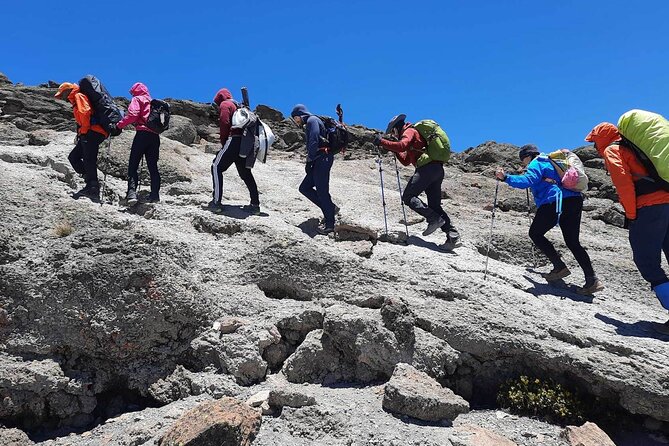
- Lemosho begins in quiet montane forest: The first day offers a gentler introduction, with a chance to spot colobus monkeys.
- The route uses strong acclimatization logic: Lava Tower rises to about 4,600 meters before the trail drops to Barranco Camp at roughly 3,950 meters.
- The private format gives your group control: Only your party takes part, with a professional head guide, chef, and porters.
- The summit day is long and cold: You leave Barafu in the early hours, reach Stella Point at 5,750 meters, continue to Uhuru Peak, then descend to Mweka.
- Much of the practical cost is covered: Park fees, taxes, tents, tables, chairs, meals, boiled drinking water, and private transport are included.
- The strongest personal praise concerns the team: Abbas and his staff are described as friendly, welcoming, and attentive to the kind of overall experience the group wanted.
Why the Lemosho Route earns eight days
Kilimanjaro is Africa’s highest mountain and the world’s highest free-standing mountain. It is also one of the Seven Summits, but it does not require ropes, technical climbing equipment, or advanced mountaineering skills. The challenge is altitude, cold, stamina, and the need to keep moving when the air feels thin.
Lemosho is a good choice if you want scenery and time to adjust. It approaches from the western side through Londorossi Gate, then crosses the Shira Plateau before joining the southern circuit. You get several angles on Kibo, the mountain’s main summit cone, rather than marching up and down one narrow trail.
The private setup matters. Your group can walk at its own pace within the guide’s safety limits, and you are not mixed with strangers who may have very different fitness levels. That does not make the climb easy, but it can make the daily rhythm less awkward.
The eight-day schedule also gives your body more time to adapt than a shorter route would. You should still take altitude symptoms seriously. A scenic route and a strong success rate do not remove the risk of acute mountain sickness.
More Kilimanjaro climbs:
- Mount Kilimanjaro Day Hike Through Marangu Route to Mandara Hut
★ 5.0 · 37 reviews - Mount Kilimanjaro Day Hike
★ 4.5 · 23 reviews - 7 Day Kilimanjaro Climb Lemosho Route & 2 Day Safari
★ 5.0 · 16 reviews
Day 1: From Moshi to Mti Mkubwa Camp
The morning begins with pickup and a drive from Moshi to Lemosho Gate, taking about three hours. At the gate, you complete entry formalities before continuing for roughly one hour along a 4WD track to the trailhead.
This transfer is part of the experience, not just dead time. The western approach gives you a gradual start, and the trailhead sits at about 2,000 meters. After lunch, you walk into lush montane forest for around 5.4 kilometers, usually taking about three and a half hours.
The first camp, Mti Mkubwa, sits at approximately 2,800 meters. The forest is the day’s main reward, and colobus monkeys may appear in the trees. The short distance makes this a sensible first day, though the drive and gate formalities mean the morning is not entirely on foot.
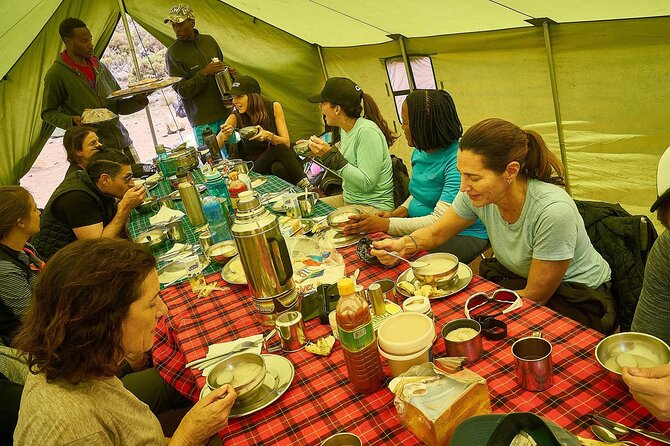
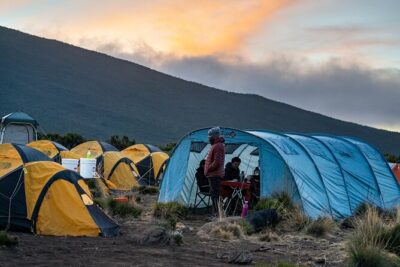
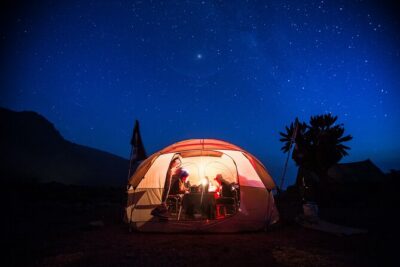
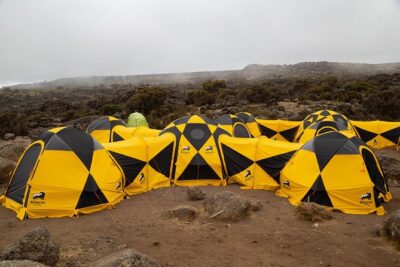
You sleep in a five-season mountain tent. A dining or mess tent, camping tables, and chairs are included, so the evening has a proper camp setup rather than a simple meal beside a backpack.
Day 2: Climbing toward Shira One
The forest soon gives way to giant heather, volcanic rock, and open moorland. The trail climbs through rolling ground below the Shira Plateau, gaining about 700 meters before reaching Shira One Camp at approximately 3,500 meters.
The walk covers around 8.1 kilometers and takes four to five hours. You are high enough to notice the altitude, but the day is not yet the great summit test. The views begin to open, with Kibo visible across the plateau.
Shira is one of Kilimanjaro’s volcanic cones. Lava from Kibo once filled the area, while weather and volcanic activity wore away much of the rim. That geology gives the plateau a broad, exposed feel, with volcanic forms replacing the enclosed forest of day one.
This is where the route starts to feel properly remote. The drawback is simple: you gain height quickly from Mti Mkubwa to Shira One. Walk slowly, drink the boiled water provided, and do not treat an easy breathing day as proof that altitude will cause no trouble later.
Day 3: Shira Plateau and optional Shira Cathedral
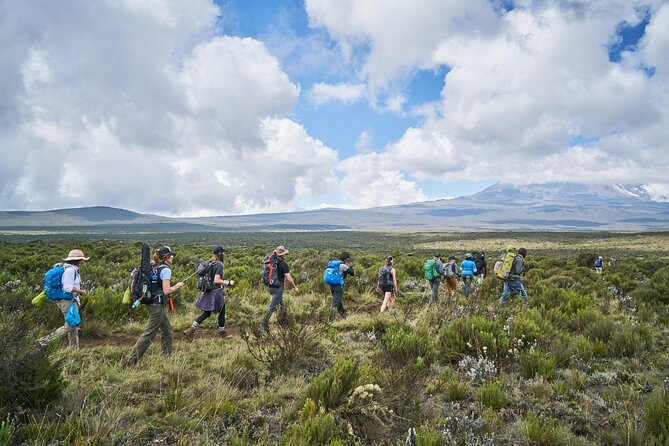
Day three is shorter, covering about 7.5 kilometers in roughly three hours. You cross the Shira Plateau, one of the highest plateaus on Earth, then make a gradual climb to Shira Two Camp at about 3,800 meters.
An optional climb to Shira Cathedral adds about an hour. At approximately 3,880 meters, it works as an acclimatization outing and gives you extra height without moving camp. I like this kind of option because it lets your guide judge your condition and lets you choose between extra views and extra rest.
The habitat remains moorland, with open volcanic ground and wide views toward Kibo. The day is not long, but the altitude can make a short walk feel more demanding than the distance suggests.
If you feel well, the optional climb may be useful. If you have a headache, unusual tiredness, or nausea, resting is the better choice. The mountain rewards sensible decisions, not heroic ones.
More Lemosho Route climbs:
- 8-Day Small-group Lemosho Kilimanjaro Summit Trekking
★ 5.0 · 186 reviews - 8 Days Mountain Kilimanjaro Lemosho Route
★ 5.0 · 22 reviews - Kilimanjaro Climb- Lemosho Route
★ 5.0 · 9 reviews - Lemosho Route 7 Days Trekking at Mount Kilimanjaro
★ 5.0 · 7 reviews
Day 4: Lava Tower, then the Barranco Valley
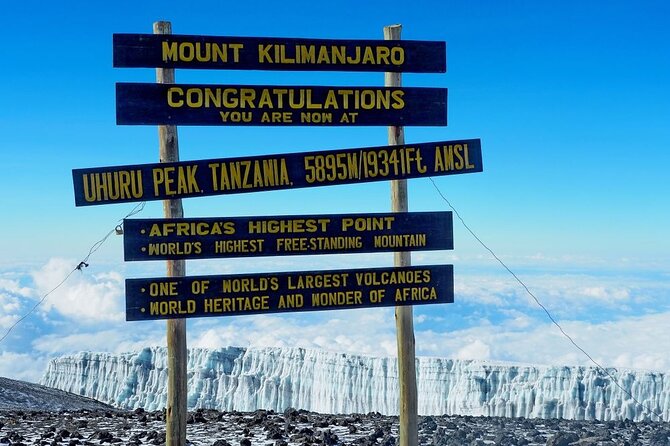
Day four is the key acclimatization day. You climb steadily across high desert to Lava Tower, a 300-foot volcanic plug at about 4,600 meters. The approach takes around four hours, followed by a steep descent of one to two hours into Barranco Valley.
The total day lasts about eight hours. On paper, you finish at nearly the same elevation where you began, but that is exactly the point. You spend time high, then sleep lower at Barranco Camp, around 3,950 meters. This walk-high, sleep-low pattern gives your body a useful altitude lesson.
If energy and time allow, you can scramble toward the top of Lava Tower for panoramic views. That option should not be treated as compulsory. You already gain plenty of acclimatization value from reaching the base.
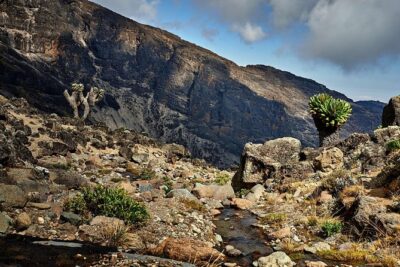
The descent introduces you to giant senecios, large flowering plants that look almost like trees. They give the valley a memorable shape and mark a clear change from the bare volcanic ground above. Barranco is not simply a place to stop for the night. It is a scenic camp with an important role in the climb.
Day 5: The Barranco Wall and Karranga Camp
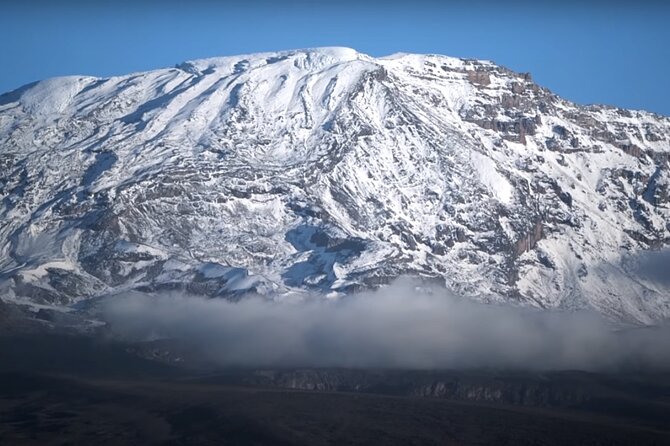
After breakfast, you climb the Barranco Wall. This is an impressive scramble rather than a technical rock climb, and the route gives you fine views back toward camp. Porters also use the wall, carrying their loads with remarkable balance.
The path reaches about 4,200 meters before continuing along the mountain side. On a clear day, Kibo is to your left and Mount Meru to your right. The views are a major reward, but the trail is undulating, so the day is not as effortless as its four-hour estimate might suggest.
You descend into the Karranga Valley, then climb a short, steep path to Karranga Camp. The day covers about 6.6 kilometers, with only a modest net gain from Barranco’s 3,850 meters to Karranga’s 3,950 meters.
This is another example of why the route works well for acclimatization. You climb higher than your sleeping elevation, then finish the day only slightly above where you began. The scramble may make this a less comfortable choice for anyone uneasy on uneven ground, but it is one of the most memorable sections.
Day 6: The short climb to Barafu
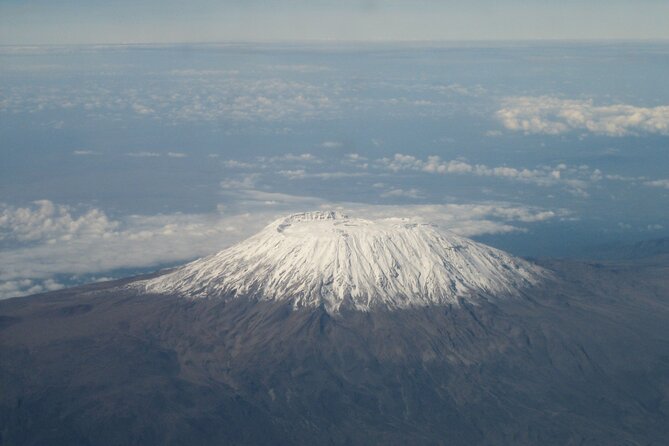
The morning climb to Barafu Camp covers only about 3.5 kilometers and takes around three hours. Barafu means ice in Swahili, and the camp sits on a ridge below the summit cone at approximately 4,600 meters.
You have now completed the southern circuit, which has shown Kibo from several sides. Mawenzi and Kibo can both be seen from camp, giving you a final broad look at the mountain before the summit attempt.
The short walk is helpful because the afternoon is for rest. You arrive in time for an early dinner and preparation for the night climb. This is where the private support team becomes especially valuable. Your guide, chef, and porters are part of the included service, while the dining tent and camping chairs give you somewhere to organize clothing, water, and personal items.
Barafu is high and exposed. Do not expect this to feel like a relaxed base camp. Resting well, sorting warm layers, and keeping your personal equipment close are more important than trying to fill the afternoon with activity.
Day 7: Uhuru Peak and the long descent
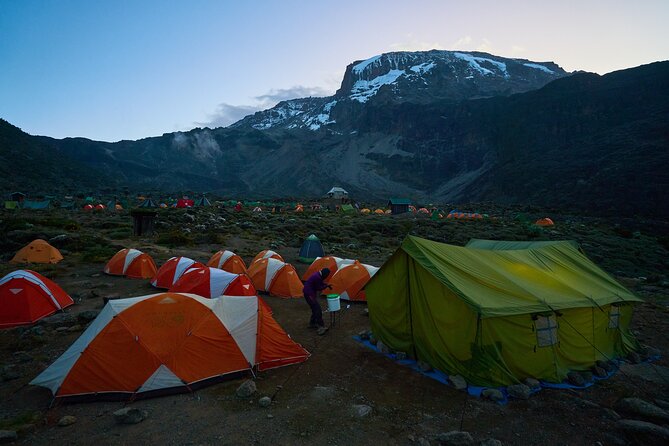
The summit attempt begins in the early hours. You need clothing for both extremes because the night at altitude can be bitterly cold, while the lower descent may feel warm later in the day.
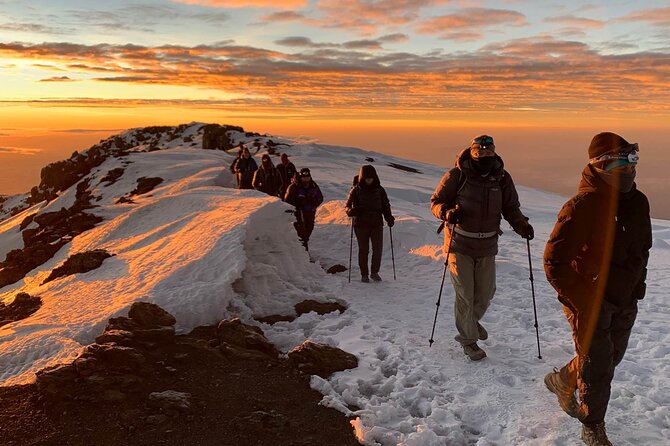
The climb first reaches Stella Point at about 5,750 meters, where you join the crater rim. The final section to Uhuru Peak is less steep, but the thin air and accumulated fatigue make it demanding. At 5,895 meters, Uhuru Peak is the highest point on Mount Kilimanjaro.
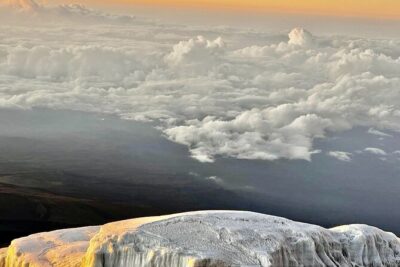
A sunrise near the rim may frame Mawenzi in red light. That is one of the memorable visual rewards of the route, but the real achievement is simply reaching the top safely. Your guide should remain the best judge of when to continue and when to turn around.
From the summit, you descend directly toward Mweka Camp, with lunch served along the way. The full day lasts about 15 hours, making it the hardest part of the trip by a wide margin. You should expect tired legs, cold conditions early on, and little spare energy for anything beyond walking, eating, and sleeping.
The distance and schedule explain why the previous afternoon at Barafu is protected for rest. They also explain why personal fitness matters. You should be comfortable with long uphill walks and ready for a very early start.
Day 8: Forest descent to Mweka Gate
The final day brings a sharp change in scenery. From Mweka Camp at about 3,110 meters, you descend through forest to Mweka Gate at approximately 1,830 meters.
The walk covers around 8.5 kilometers and takes four to six hours. Keep an eye out for monkeys as you return to thicker vegetation. After reaching the gate, you continue from Mweka Village back to Moshi.
This is a satisfying finish, but downhill walking can be tough on knees after the summit day. Walking poles are not included, so bring your own if you rely on them. The route ends with a transfer, not another night on the mountain.
What the $3,335 price covers
At $3,335 per person, this is a significant purchase. The value depends on how much support you want and how much equipment you already own.
The package includes private transportation, park fees and taxes, a professional head guide, chef, porters, a dining tent, a five-season mountain tent, camping tables and chairs, coffee or tea, bottled water, boiled drinking water, a basic first aid kit, and breakfast, lunch, and dinner.
That list covers many of the expensive and difficult parts of an organized Kilimanjaro climb. You are not arranging separate park access, camp logistics, meals, or vehicle transfers. The private format also means the cost is tied to your own group rather than a large shared departure, and group discounts may be available.
You still need to budget for tips and personal mountain equipment. Sleeping bags and walking poles are not supplied. Alcohol is excluded, as is a private toilet and an oxygen tank. The absence of a private toilet is worth noting if camp privacy matters to you.
The included boiled drinking water is useful, but you should confirm your preferred bottle or hydration system before departure. The tour begins at 8:00 a.m., and confirmation is issued within 48 hours of booking, subject to availability.
The guide team and personal service
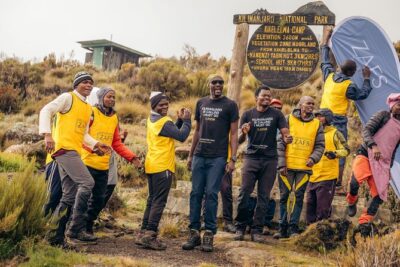
The clearest praise attached to this experience concerns Abbas and the team. Their approach is described as friendly and welcoming, with attention to the group’s preferred overall experience.
That matters on an eight-day climb. You spend many hours with the guide team, and the quality of communication affects pacing, rest breaks, camp routines, and how comfortable you feel raising a concern. A private group also gives the staff a closer sense of your needs than a large mixed party might receive.
The provider is Takims Holidays. The support structure includes a head guide, chef, and porters, not just a guide who walks beside you. You should still ask ahead of time about porter welfare, recommended tipping amounts, emergency procedures, and how altitude checks are handled. Those details are important, even though they are not specified here.
Who should book this Lemosho climb?
I would choose this experience if you want a private climb with a scenic route, strong acclimatization design, and a full camp support system. It suits people who can commit to eight days, handle long walking days, and accept that the summit attempt may last from the early morning into the evening.
It is also a good match if you value a quieter group dynamic. You will not be placed with other parties, and group discounts may help if you are traveling with friends or family.
I would hesitate if you want a low-cost mountain holiday, dislike camping, or are not prepared to purchase and carry personal cold-weather equipment. I would also think carefully if you have limited fitness, since the 15-hour summit day cannot be made easy by the private format.
The non-refundable booking terms require care. Since cancellations or amendments do not receive a refund, confirm your dates, fitness, equipment, and insurance before paying.
Should you book it?
Book this trek if the eight-day pace, private support, and Lemosho scenery fit your priorities. The route gives you a thoughtful progression from forest to moorland, high desert, alpine desert, and summit terrain, with several useful acclimatization climbs along the way.
The $3,335 cost is easier to justify because core transport, meals, park charges, camp equipment, and staff are included. Still, add tips and personal gear to your real budget. If you want a private Kilimanjaro attempt with a capable support team and enough time to adjust, this is a strong option. If you want a short or simple holiday, choose something gentler.
FAQ
How long is the Kilimanjaro trek?
The experience lasts approximately eight days, beginning with the drive from Moshi to Lemosho Gate and ending with the return from Mweka Village to Moshi.
What time does the experience start?
The stated start time is 8:00 a.m.
Is this a private tour?
Yes. Only your group participates in the activity.
Are meals included?
Breakfast, lunch, and dinner are included, along with coffee or tea. The package also provides bottled water and boiled drinking water.
Is mountain equipment included?
Personal equipment such as sleeping bags and walking poles is not included. A five-season mountain tent, dining tent, camping chairs, and tables are provided.
Is the experience refundable?
No. The booking is non-refundable and cannot be changed for any reason. If you cancel or request an amendment, the amount paid is not refunded.
More Treks in Arusha
- Mountain Kilimanjaro Day Hike
★ 5.0 · 102 reviews - Private Full Day Hiking Experience to Marangu Route
★ 5.0 · 61 reviews - 4 Days Mount Meru Trekking
★ 5.0 · 55 reviews - 4 days Best experience Kilimanjaro Hike, Serengeti &Ngorongoro
★ 5.0 · 54 reviews
Just added in Arusha
- Safari “Kifaru” – 5 days in the most famous Parks in the world★ 5.0 · 4 reviews
- Saadani Day Trip★ 5.0 · 13 reviews
- 3 Days Tanzania Short and Spicy★ 5.0 · 6 reviews
- 5 Day Tanzania Safari Camping Adventure Private Tour★ 5.0 · 2 reviews
- Day Trip to Ngorongoro Crater from Arusha★ 5.0 · 1 review
- SERENGETI NATIONAL PARK Tour★ 4.5 · 5 reviews
- 6 Days Tanzania Bush Experience Safari★ 5.0 · 6 reviews
- 3 Days Serengeti Park & Ngorongoro Crater Adventure Safari★ 5.0 · 8 reviews
Lemosho Route Climbs, compared.
8-Day Small-group Lemosho Kilimanjaro Summit Trekking
Read our review →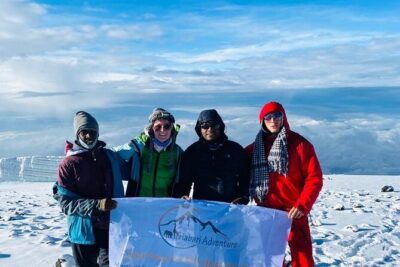
Climbing Kilimanjaro through 8 days Lemosho Route
Read our review →Browse the lists this tour appears in