
Reviewed · MOSHI TOURS
Savannah Escape & Active Culture Tour
Four days, four unforgettable worlds. The Savannah Escape & Active Culture Tour packs northern Tanzania’s strongest wildlife stops into a fast-moving private safari, then adds a valuable cultural visit with the Hadza near Lake Eyasi. You will see Tarangire’s elephants, search the Serengeti for big cats, descend into Ngorongoro Crater, and meet people whose daily lives are closely tied to the land.
I especially like the private format, since your group can focus on its own interests, and I like the chance to meet local communities through social work connected to girls and women’s menstrual hygiene. Leo, the named chief driver guide, is also a major draw. The main caution is the pace: three long safari days cover a lot of ground, so this suits you best if you value variety over slow mornings and plenty of downtime.
In This Review
- The tour’s strongest features at a glance
- What you are really buying for $1,820
- Day one: Tarangire’s river, swamps, and giant baobabs
- Day two: Crossing to Serengeti and the Seronera search
- Day three: A 600-meter descent into Ngorongoro Crater
- Day four: Meeting the Hadza near Lake Eyasi
- Leo as your guide and driver
- Comfort, timing, and the private format
- Who should book this four-day route?
- Should you book the Savannah Escape & Active Culture Tour?
- FAQ
- Where does the tour start?
- What time does the tour start?
- Is hotel pickup available?
- How long is the experience?
- Is this a private tour?
- Which national parks and conservation areas are included?
- Does the tour include Lake Eyasi?
- What meals are included?
- Who is the chief guide?
- Can most people participate?
- Can I cancel for a full refund?
The tour’s strongest features at a glance
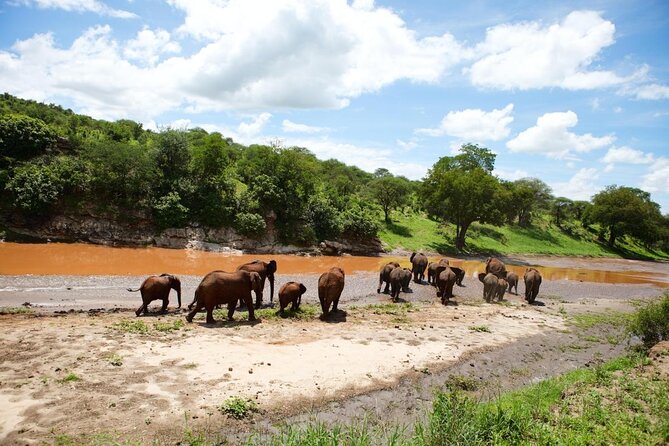
- Tarangire’s elephant country: Baobabs, acacia woodland, swamps, and the Tarangire River create excellent conditions for large herds.
- Central Serengeti wildlife: Seronera is a prime area for searching for lions, cheetahs, leopards, hyenas, and other animals.
- Ngorongoro Crater in one powerful game drive: The crater’s permanent water sources support a remarkable concentration of animals, including the endangered black rhino.
- A meaningful Lake Eyasi encounter: The Hadza visit offers a direct look at one of Tanzania’s remaining hunter-gatherer communities.
- Leo’s role behind the wheel: She is presented as one of the few professional female safari driver guides handling the full safari experience from start to finish.
- A genuinely private trip: Only your own group participates, which gives the schedule a more personal feel than a shared vehicle safari.
What you are really buying for $1,820
At $1,820 per person, this is not a budget safari. The price needs to be judged against what the four days combine: three major wildlife areas, meals, a private vehicle and guide arrangement, park access, and a cultural visit that is not simply added as an afterthought.
The included meals cover four lunches, three dinners, and three breakfasts. That matters on a route where long drives make independent meal planning awkward. The tour also includes admission for Ngorongoro Crater and Lake Eyasi, while Tarangire and Serengeti are described as part of the itinerary without a separate ticket charge.
The strongest value comes from the range of experiences in a short period. You are not spending four days in one park hoping conditions line up. Instead, you move from dry woodland and baobabs to open Serengeti plains, then into a volcanic crater and finally to the Lake Eyasi area.
That variety also creates the chief compromise. You will spend substantial time on the road. Day one is about eight hours, day two about eight hours, and day three about seven hours. The distances are part of the northern Tanzania safari experience, but you should not expect a relaxed resort schedule.
Because the trip is private, the cost may make more sense for a small group sharing the vehicle. A private setup also gives you a better chance to discuss wildlife interests with Leo, adjust the rhythm within the available time, and ask questions without a bus full of strangers competing for attention.
A few more options to weigh up in Moshi
- Kilimanjaro climb by Lemosho Route (7-day)
★ 5.0 · 651 reviews - Safari Serengeti And Ngorongoro
★ 5.0 · 288 reviews - Kilimanjaro climb, Machame Route (7-day)
★ 5.0 · 262 reviews
Day one: Tarangire’s river, swamps, and giant baobabs
The first pickup is scheduled around 7:30 a.m., with the general start time listed as 7:00 a.m. Confirm the exact departure time and pickup arrangement before you go, especially if you are staying outside the stated meeting point at the NSSF Building on Old Moshi Road.
You leave with a packed lunch and drive toward Tarangire National Park. The park is about two hours from Arusha, although the full day lasts around eight hours once driving, entry, wildlife stops, and the game drive are counted.
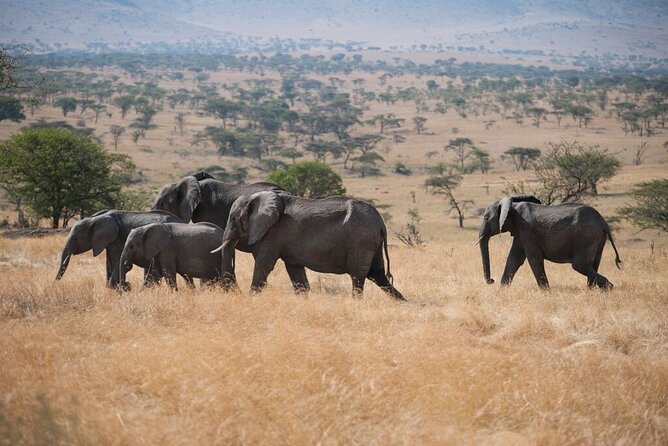
Tarangire has a different feel from the Serengeti. Its scenery is shaped by low hills on the Great Rift Valley floor, acacia woodland, huge baobab trees, and broad swamp areas. The Tarangire River and swamps draw animals during the dry season, when water becomes the organizing force of animal movement.
Elephants are the headline here. Tarangire is known for some of Africa’s largest elephant herds, and the combination of open water, woodland, and tall baobabs makes for memorable viewing. You also have a chance to look for less common species listed for the park, including greater kudu, fringe-eared oryx, and Ashy starlings.
The practical tip is to let the day unfold rather than judge Tarangire only by the first hour. Wildlife can be spread across different habitats, and the park’s appeal is as much about the setting as the individual sightings. Your packed lunch keeps the day moving, but eight hours in a safari vehicle can feel tiring if you are not used to rough roads and long periods of sitting.
Day two: Crossing to Serengeti and the Seronera search
After breakfast, you drive toward Serengeti National Park, passing through the Ngorongoro Conservation Area before reaching the park. A packed lunch is provided, and the day is planned around reaching central Serengeti and the Seronera area.
This is the most famous name on the route, and for good reason. The central Serengeti is defined by broad plains that seem to run toward the horizon. The Seronera River supplies water and draws a wide range of wildlife, making this one of the better places in the park for active game viewing.
You will spend the day looking for animals rather than following a fixed attraction list. That is the nature of safari. Even a skilled guide cannot promise a particular sighting, but Leo’s experience on Tanzania’s northern circuit should help you make sensible use of the time.
The itinerary includes a late-evening arrival and a sunset view before checking into accommodation. That timing can be rewarding, since the light often softens the open plains and gives the end of the day a clear sense of occasion. It can also make the day feel long. The route to the central Serengeti is a serious transfer, so this is not a day of leisurely breakfast, short drives, and extended camp time.
The strongest praise connected with this tour centers on the variety of wildlife seen in a short trip. Past accounts describe all of the Big Five, the Great Migration, cheetahs, and especially well-timed wildlife stops. Treat those as possible highlights, not guarantees. Migration timing changes, and animal sightings depend on season, weather, and luck.
Day three: A 600-meter descent into Ngorongoro Crater
Day three begins with an early breakfast and a game drive from the Serengeti at about 7:00 a.m. You continue toward the Ngorongoro Conservation Area with a packed lunch, then descend more than 600 meters into the crater for a game drive.
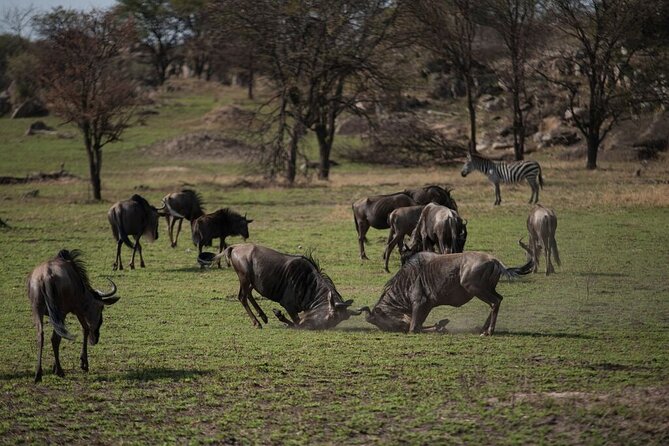
This is one of the tour’s most concentrated wildlife days. The crater has water available throughout the year, supporting wildebeest, zebra, buffalo, eland, warthog, hippo, and elephants. It is also known for predators, including lions, hyenas, and jackals.
The major prize is the endangered black rhino. Seeing one is never assured, but Ngorongoro gives you a credible chance because the crater supports a significant range of wildlife in a relatively enclosed setting.
The crater itself is part of the attraction. You are looking down into a vast natural bowl, then driving among grasslands, water, and animal herds below. It is visually different from the open Serengeti, and the contrast helps justify including both areas in a four-day trip.
This day is listed at about seven hours, but the early start and transfer from Serengeti mean you should still expect a full schedule. Pack patience along with your camera. Ngorongoro can become busy around favored sightings, and the experience depends partly on how well your guide manages time and positioning.
The tour’s past praise gives Leo and Charles particular credit for driving, planning, and adjusting the program around what the group hoped to see. Leo is described as an active safari driver guide who is recognized by rangers and fellow guides. That local working knowledge can matter when conditions change quickly.
A different kind of day out entirely:
- Kilimanjaro Climbing Lemosho Route 8 Days.
★ 5.0 · 186 reviews - Climbing Kilimanjaro – Machame Route
★ 5.0 · 170 reviews - Climbing Kilimanjaro through 7 days Machame Route
★ 5.0 · 151 reviews - Kilimanjaro climb, Lemosho Route (8-day)
★ 5.0 · 148 reviews
Day four: Meeting the Hadza near Lake Eyasi
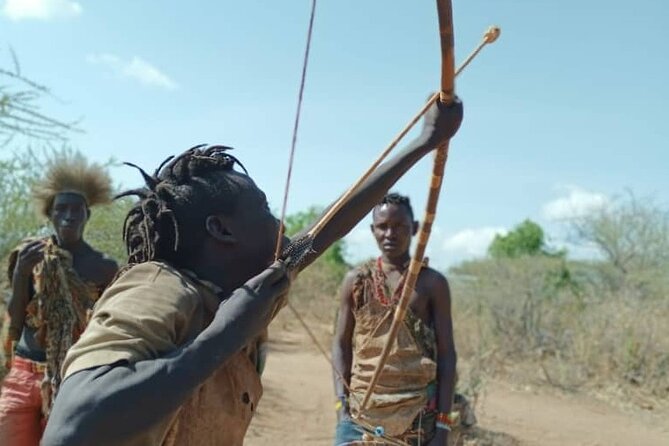
The final day shifts from wildlife to culture. You visit the Hadza in their homeland around Lake Eyasi and the surrounding hills. The visit lasts about five hours and is included in the tour price.
The Hadza are hunter-gatherers who speak a click-based language related to languages used by some southern African hunter-gatherer communities. The information provided for the tour describes a population of about 1,300 people, with roughly 300 to 400 still living a hunter-gatherer life.
They do not keep domesticated livestock or grow and store food. Hunting, gathering edible plants, and collecting honey remain central to the traditional way of life. Individual independence is also described as an important part of Hadza society.
This stop gives the trip a purpose beyond checking off parks. You are not just watching animals in protected areas. You are also learning how people relate to land, food, movement, and changing conservation boundaries.
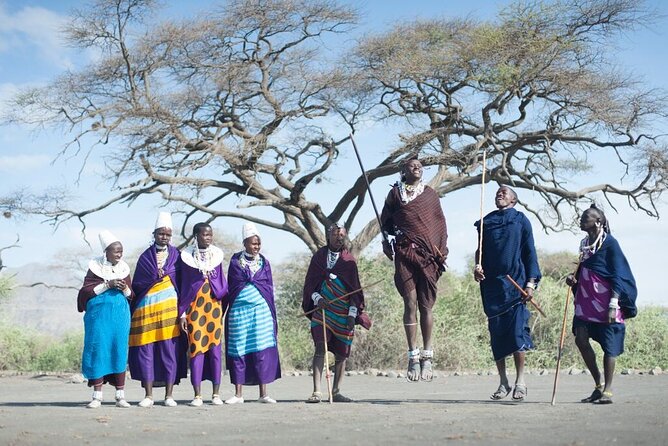
The cultural context deserves care. The Hadza face pressure as their homeland is converted into conservation areas and farmland, and the tour presents this visit within that wider concern. Go with humility. Listen first, avoid treating people as a photo backdrop, and ask before taking pictures.
The program also connects with social projects supporting girls and women through menstrual hygiene work. That is a meaningful feature for you if you want your cultural visit to connect with a practical local issue. Ask for clear details about how the project operates and how visitors can support it responsibly.
The day is shorter than the park days, but it still closes a demanding itinerary. After three days of wildlife drives, the Lake Eyasi visit gives you a different kind of memory: conversation, observation, and a closer look at a community facing major change.
Leo as your guide and driver
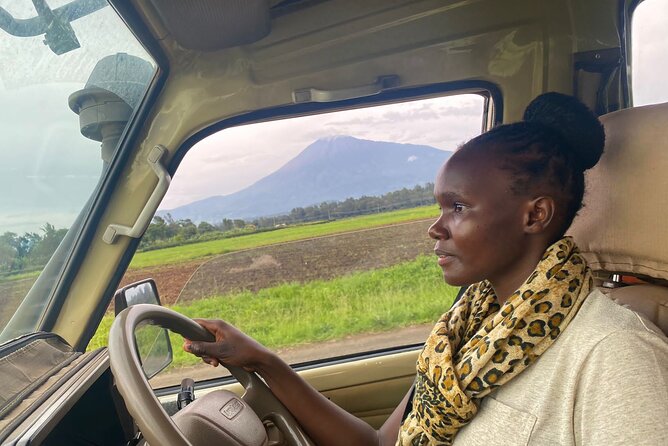
Leo is the central personality of this safari. She is presented as a professional female safari driver guide with experience across the northern circuit and a record of leading full tours from beginning to end.
That matters because a safari guide is not only there to point out animals. The guide drives, interprets animal behavior, handles timing, and helps turn a long day into a coherent experience. Past trip accounts describe Leo as attentive, enthusiastic, and good at shaping the itinerary around individual interests.
Some accounts also mention Charles working with Leo, including praise for both of them as an effective team. Your booking information identifies Leo as the chief driver guide, so confirm who will be with your group if having a two-person team matters to you.
The all-women safari organized for International Women’s Day is another notable part of the company’s work. It supports the impression that women’s leadership is not being used only as a marketing label. Still, you should ask practical questions before booking: who drives, who handles cultural visits, and how the social project is connected to your specific departure.
Comfort, timing, and the private format
This is a private activity, meaning only your group participates. That is one of its best features. You do not have to match the interests of a large shared group, and you can ask for more explanation when an animal or cultural detail catches your attention.
Pickup is offered, while the stated meeting point is the NSSF Building on Old Moshi Road in Tanzania. The activity ends back at the meeting point. Since the description also refers to hotel pickup, confirm the exact location and timing in advance rather than assuming every hotel transfer is included.
Most people can participate, according to the supplied information. No special fitness requirement is stated. Still, the long safari days, early starts, and hours in a vehicle require basic stamina and patience.
The mobile ticket is useful for a tour that starts early and moves between several areas. Confirmation is received at booking. Free cancellation is available if you cancel at least 24 hours before the local start time. Changes or cancellations inside that window are not accepted for a refund.
Accommodation details are not provided in the tour information, so ask what lodging is included before paying. The itinerary refers to checking into accommodation in the Serengeti, but it does not name properties or describe room standards.
Who should book this four-day route?
I would recommend it to you if your priority is maximum variety in limited time. It suits first-time visitors who want the northern circuit’s major names, small private groups, and a cultural meeting that feels connected to real local concerns.
It also suits you if you want a woman guide at the wheel and value a personal relationship with the person leading the trip. The strongest accounts praise Leo’s care, driving, flexibility, and enthusiasm, so guide quality is a central reason to consider this operator.
I would be more cautious if you want a slow safari with long afternoons at camp. The itinerary covers a lot of territory, and three days are built around extended driving and game drives. A longer trip would give you more breathing room, but this four-day version gives you a strong first look at several major destinations.
Should you book the Savannah Escape & Active Culture Tour?
Book it if you want Tarangire, Serengeti, Ngorongoro, and Lake Eyasi in one private four-day program, and if you accept that the schedule will be busy. The combination of major wildlife areas, Hadza culture, and a social project makes this more meaningful than a park-only circuit.
Before confirming, ask about accommodation, exact pickup arrangements, who will accompany Leo, and the dates or conditions most likely to support migration sightings. If those details suit you, the $1,820 price can be fair for a private, meal-supported safari led by an experienced local guide.
FAQ
Where does the tour start?
The stated meeting point is the NSSF Building on Old Moshi Road, Tanzania.
What time does the tour start?
The general start time is 7:00 a.m. On day one, hotel pickup is described as taking place around 7:30 a.m., so confirm the exact time for your departure.
Is hotel pickup available?
Pickup is offered, and the day one instructions describe pickup from your hotel. Confirm the precise pickup location and time when booking.
How long is the experience?
The tour lasts approximately four days.
Is this a private tour?
Yes. Only your group participates in the activity.
Which national parks and conservation areas are included?
The route includes Tarangire National Park, Serengeti National Park, and the Ngorongoro Conservation Area.
Does the tour include Lake Eyasi?
Yes. Day four includes a visit to the Hadza community near Lake Eyasi, and admission is included.
What meals are included?
The tour includes four lunches, three dinners, and three breakfasts.
Who is the chief guide?
Leo is identified as the chief driver guide. Some trip accounts also refer to Charles working with her, so confirm the staffing for your departure.
Can most people participate?
The supplied information says most people can participate. The itinerary includes early starts, long drives, and full game-drive days, so you should be comfortable with that schedule.
Can I cancel for a full refund?
Yes, if you cancel at least 24 hours before the experience start time. Cancellations or changes made less than 24 hours before the local start time are not refunded.
Just added in Moshi
- Zanzibar: Stone Town tour and Nakupenda beach with Lunch★ 5.0 · 1 review
- day trip lake manyara★ 5.0 · 2 reviews
- Mt Kilimanjaro 6 days Marangu route hike★ 5.0 · 3 reviews
- machame route★ 5.0 · 16 reviews
- Private Cycle to Kilimanjaro Bike Park Safari★ 5.0 · 6 reviews
- West Kilimanjaro cycling Adventures★ 4.5 · 8 reviews
- Wildlife Extravaganza: Manyara, Tarangire & Ngorongoro in 3 Days★ 5.0 · 3 reviews
- 3 Days Private E-Bike Tour in West Kilimanjaro★ 5.0 · 3 reviews
Moshi Tours, compared.






Climbing Kilimanjaro through 7 days Machame Route
Read our review →
