
Reviewed · 6-DAY EXPERIENCES
Unforgettable 6 Days Tanzania Private Big-5 Mid-range Safari
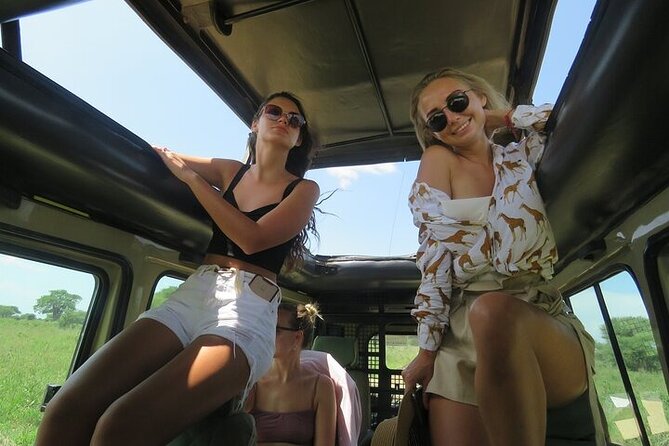
Wildlife comes thick and fast here. This private six-day safari links Tarangire, Serengeti, Ngorongoro Crater, and Lake Manyara, giving you four very different wildlife settings in one northern Tanzania route. I like the personal format, since only your group takes part, and I like the sensible mid-range approach, with safari lodges or camps, an experienced guide, and meals included.
The main drawback is the amount of driving. Several days are listed at about eight hours, and the route covers a lot of ground in a short time. At $5,271 per person, the price also calls for careful comparison, especially since international flights, visas, insurance, tips, and pre- and post-safari hotels are extra.
In This Review
- Key things to know before booking
- Why this route works in six days
- Day 1: Tarangire’s elephants and baobab country
- Day 2: Crossing the Rift Valley into Serengeti
- Days 3 and 4: Central Serengeti for predators and plains
- Day 5: Seven hours inside Ngorongoro Crater
- Day 6: Lake Manyara’s forest and birdlife
- What the $5,271 price includes
- Guide service, meals, and the private format
- Who should book this safari?
- Should you book the six-day route?
- FAQ
- Where does the safari start?
- Where does the safari end?
- Is this a private safari?
- Which parks are included?
- How long is the safari?
- Is accommodation included?
- Are meals included?
- Are flights and visas included?
- Can I cancel for a refund?
Key things to know before booking
- Tarangire opens the trip with elephants and baobabs: Herds can number more than 300 animals, and the park offers wildlife viewing throughout the year.
- Three nights in or around the Serengeti give you real safari time: Central Serengeti is the main wildlife focus, with morning and afternoon drives on Days 3 and 4.
- Ngorongoro Crater is a major wildlife day: You spend about seven hours on the crater floor, with packed lunch and a chance to look for black rhino.
- Lake Manyara adds forest, hippos, baboons, and birds: It is smaller than the other parks but changes the scenery and wildlife mix.
- Private travel means flexibility: Your group has the vehicle and guide to itself, rather than sharing the safari with strangers.
- The $5,271 price covers core safari services, not everything: Five nights of accommodation, six lunches, five breakfasts, five dinners, park-related fees, and guiding are included, but several major trip costs are not.
Why this route works in six days
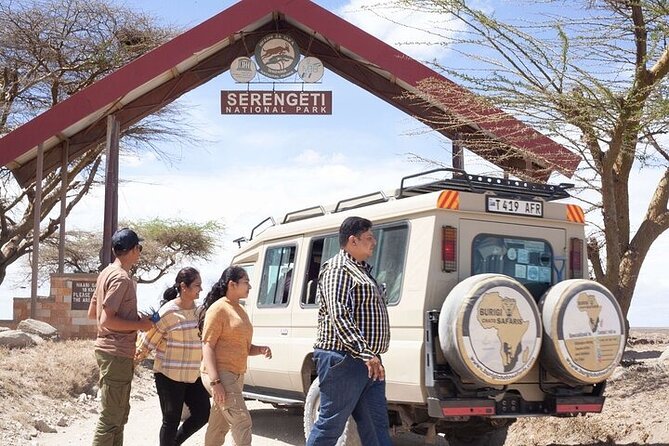
Northern Tanzania rewards a route that changes scenery often. Tarangire has dry-country beauty, huge elephants, and baobab trees. Serengeti gives you wide open plains and the best chance of spending several drives focused on predators. Ngorongoro packs a remarkable number of animals into one volcanic basin, while Lake Manyara brings forests, groundwater springs, hippos, and birdlife.
That variety is the strongest reason to choose this itinerary. You are not repeating the same type of park every day. The tradeoff is that you spend part of the trip moving between these areas, so this is not a slow, stay-in-one-place safari.
The private setup helps make the long route more manageable. You can ask the guide to adjust the pace or focus on animals that matter most to you, within the park schedule and driving distances. The group size is not specified, but the activity is private, meaning only your own party participates.
Pickup is offered in Arusha, and the listed start time is 7:30 am. The activity ends back at the meeting point. That makes Arusha a practical base before the safari, though hotel accommodation before and after the six days is not included.
A few more options to weigh up in Arusha
- Balloon Safari & Bush Breakfast in Serengeti – Miracle Experience
★ 5.0 · 1,646 reviews - Tanzania Classic – 7 Days
★ 5.0 · 1,151 reviews - 4 Days Group Camping Safari
★ 5.0 · 1,101 reviews
Day 1: Tarangire’s elephants and baobab country
Your first morning begins with a drive from Arusha along the Arusha-Dodoma highway. The route crosses the Masai Steppe and reaches Tarangire in roughly two hours, so you get into a park quickly rather than spending the entire day on the road.
There is an optional supermarket stop for last-minute personal shopping. This is a small but useful touch. Once you leave Arusha, snacks, toiletries, or other forgotten items may not be easy to find, so use the opportunity if you need it.
Tarangire is known for two things that are easy to remember: elephants and baobabs. Elephant groups can sometimes exceed 300 animals, giving you a strong chance of seeing close family groups moving through the park. The large, ancient-looking baobab trees give the park a memorable shape and provide good visual contrast with the animals.
The park offers wildlife viewing throughout the year, according to the supplied details. You may also see other species during the drive, though the strongest promise here is the elephant population and the park’s distinctive trees.
A picnic lunch follows the game drive, then you continue to a camp or lodge in Manyara, Mto wa Mbu, or Karatu. The plan is to arrive before sunset. This overnight position is practical because it places you closer to the next day’s route into the Ngorongoro Conservation Area and Serengeti.
The first day is listed at about eight hours. That includes driving, park time, lunch, and the transfer to your accommodation. You should expect a full day, but not an exhausting rush from dawn to midnight.
Day 2: Crossing the Rift Valley into Serengeti
After breakfast, you leave Manyara or Mto wa Mbu and travel across the floor of the Great Rift Valley. The road climbs the escarpment and continues through the Ngorongoro Conservation Area before reaching Serengeti.
The views are part of the day’s appeal. This is not simply a transfer between two parks. You pass through changing elevations and open country, with broad views from the Rift Valley escarpment and the Ngorongoro area.
You can add a stop at the Olduvai Gorge Museum. The site is linked with some of the oldest fossil evidence of human habitation and is often called the Cradle of Mankind. This option will appeal to anyone who wants more than animals from the trip. It also breaks up a long drive.
The museum visit is optional, and the supplied plan does not state whether an extra fee applies. Ask before departure so you know how it affects the day’s timing and cost.
You reach Serengeti in the afternoon and begin an evening game drive before checking into your camp or lodge. This is a smart use of the arrival day. Instead of driving straight to dinner, you get your first look at the park and may begin spotting wildlife before sunset.
The downside is clear: Day 2 combines a long road journey with an afternoon game drive. If you want a relaxed safari with short transfers, this route will feel busy. If you want to see four major areas in six days, the pace is the price of admission.
Days 3 and 4: Central Serengeti for predators and plains
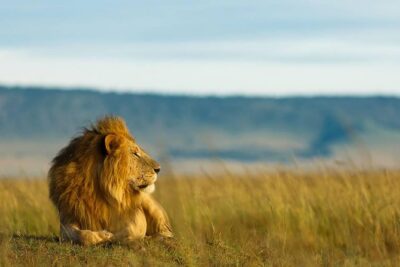
Day 3 is the core wildlife day. After breakfast, you set out for a full game drive in central Serengeti, an area associated with lion, leopard, elephant, buffalo, cheetah, gazelle, and giraffe.
The early start matters. You may see the sunrise over the savannah while predators begin hunting. The Sogore River Circuit is specifically included, with possible sightings of lions, gazelles, and cheetahs. Wildlife is never guaranteed, but having named circuits gives the day a clearer shape than simply driving without a plan.
A stop at the Visitor Centre adds a break from the vehicle. You can look at wildlife displays and have a picnic lunch before continuing. In the afternoon, the route follows the Kopjes Circuit.
Kopjes are granite outcrops rising from the plains. They offer shade and water, which can attract animals, and they are particularly associated with lion sightings. These rocky formations also give you a different view of the Serengeti than the flat grasslands alone.
Day 4 brings morning and afternoon game drives, with lunch at the lodge. That split is useful because it gives you time to rest during the hottest part of the day instead of spending every hour in the vehicle.
The Serengeti name means endless plains in Maasai. The park supports more than three million large mammals, along with many bird species, and it is part of the annual wildebeest migration route from the Kenyan Mara. The supplied timing highlights May or early June for the migration moving north.
Do not book this trip solely for a guaranteed migration crossing. The migration moves according to rainfall and grazing conditions, and this itinerary does not specify a northern Serengeti camp or a particular river crossing. Still, the Serengeti remains valuable outside the migration because its predator and prey populations support game viewing across the year.
After the Day 4 game drive, you head to a camp or lodge on the Ngorongoro Crater rim. This overnight location sets up an early descent the next morning and saves you from returning to the Serengeti after the crater visit.
A different kind of day out entirely:
- 5 Days Group Camping Safari
★ 5.0 · 730 reviews - Materuni Waterfalls, coffee tour & Kikuletwa Hot Springs
★ 5.0 · 643 reviews - 3 Days Serengeti & Ngorongoro Group Camping Safari
★ 5.0 · 574 reviews - 7-Day Premium Luxury Tanzania Safari All-Inclusive
★ 5.0 · 426 reviews
Day 5: Seven hours inside Ngorongoro Crater
Ngorongoro Crater is the most concentrated wildlife setting on this route. After breakfast, you descend into the crater for an extensive game drive of about seven hours, carrying a packed lunch.
The crater formed after a huge volcanic eruption millions of years ago. Its natural walls help contain water, food, and wildlife, creating a dense habitat for roughly 30,000 animals. You may see wildebeest, elephants, lions, cheetahs, leopards, buffalo, and other species in a relatively compact area.
The endangered black rhino is one of the most important possible sightings. It is not promised, but the crater is one of the places on this route where you have a meaningful chance to look for one.
This is a long game-drive day, and the packed lunch keeps you in the crater rather than sending you back up to the rim midday. That gives you more time with the animals, but it also means a long stretch in the safari vehicle. If you have back or motion-sickness concerns, discuss them before booking.
After the crater drive, you travel to Manyara or Karatu for the night. This is another transfer day, though the crater itself is the main event and deserves the time given to it.
Day 6: Lake Manyara’s forest and birdlife
The final day takes you to Lake Manyara National Park for a full day of game drives. Compared with Serengeti and Ngorongoro, Manyara is smaller, but it adds wildlife types and habitats that the earlier parks do not offer in the same way.
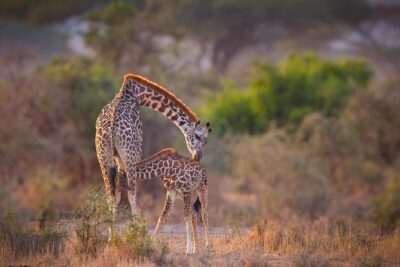
The park includes groundwater forest fed by underground springs. That setting supports elephants, hippos, giraffes, buffaloes, antelopes, and some of Africa’s largest baboon groups.
The lake shore is especially important for birdlife. You can spend part of the day watching birds near the water, then shift your attention to larger animals nearby. The change of focus keeps Manyara from feeling like a smaller copy of Serengeti.
Tree-climbing lions are another possible highlight. These cats are elusive, and a sighting is never certain, but Manyara is known for lions lounging in trees. Bring patience. The best part of this kind of search is often the careful scan of branches while the guide checks the surrounding area.
The supplied information cuts off before giving the final return time, so do not assume you will reach Arusha at a particular hour. Confirm the end-of-day plan when booking, especially if you have a flight or another hotel transfer.
What the $5,271 price includes
At $5,271 per person, this is a major purchase. Its value depends on what matters most to you: a private vehicle and guide, four major safari areas, park fees, accommodation, and meals over six days.
Included are:
- An experienced professional tour guide
- All fees and taxes listed by the operator
- Hotel or lodge accommodation during the safari
- Five breakfasts
- Five lunches
- Five dinners
- Six lunches, as the inclusion list states
There is a small inconsistency in the meal details: the inclusion section lists both five lunches and six lunches. Since the itinerary includes a lunch on every day, ask the operator to confirm exactly what is covered.
The price does not include tipping the guide, medical insurance, visa costs, international or local flights, or hotels before and after the safari. These extras can change your final budget substantially.
Mid-range accommodation is a reasonable match for this trip. You are paying for comfort during a demanding route, but not for a luxury lodge-only holiday. The exact camps and lodges are not named, so ask for the accommodation list before paying. Location matters, especially around Serengeti and the crater rim, where a nearer camp can reduce transfer time.
Guide service, meals, and the private format
A safari guide shapes the quality of each game drive. The company’s wider trip service has received strong praise for careful organization, friendly staff, good food, and safety. Guides named in that feedback include Amini and Mr Norka, though the information does not confirm that either person will lead this safari.
That distinction matters. Ask who your guide will be, how many years of safari experience they have, and whether the vehicle is dedicated to your group. The private format is confirmed, but the vehicle details are not.
The meal plan is generous on paper, with breakfast, lunch, and dinner arranged across the trip. Picnic lunches on game-drive days are useful because they protect your time in the parks. You should still clarify dietary needs before departure, since the supplied details do not describe menu choices.
The activity requires good weather. If poor weather causes a cancellation, you are offered another date or a full refund. Otherwise, the booking is non-refundable and cannot be changed for any reason, so you should avoid paying until your dates are firm.
Who should book this safari?
I would recommend this route to you if you want a classic northern Tanzania circuit and prefer a private trip over a shared vehicle. It suits first-time safari visitors who want elephants, big cats, crater wildlife, forest, birds, and a chance at the Big Five in one carefully packed journey.
It also suits people who value a guide’s attention and want some flexibility in how game drives are handled. Families, couples, and small private groups may appreciate not having to match their pace to strangers.
I would be more cautious if you dislike long drives or want a slow holiday with several free afternoons. The route is ambitious. Day 2 and Day 5 are especially demanding, and the plan gives you only a short time at Lake Manyara before the safari ends.
The trip is also not ideal if your main goal is the wildebeest migration at a precise location. The itinerary mentions May or early June, but animal movement cannot be fixed to a calendar, and no specific migration camp or crossing is promised.
Should you book the six-day route?
Book it if your priority is maximum park variety in six days, private guiding, and a mid-range level of comfort. Tarangire, three Serengeti game-drive periods, Ngorongoro Crater, and Lake Manyara give you a strong sample of northern Tanzania.
Before committing, get the accommodation names, confirm the guide, clarify the lunch discrepancy, and check the final Day 6 return timing. Also budget separately for flights, visas, insurance, tips, and hotels outside the safari.
If those details line up with your plans, this is a well-rounded route with excellent wildlife potential. If you have more time, slowing the schedule would improve comfort. If six days is your limit, this private plan makes a strong case for seeing the region without sharing your safari vehicle.
FAQ
Where does the safari start?
It starts in Arusha, Tanzania, with pickup offered. The listed start time is 7:30 am.
Where does the safari end?
The activity ends back at the meeting point. The supplied details do not give a specific return time on the final day.
Is this a private safari?
Yes. Only your group participates in the activity.
Which parks are included?
The route includes Tarangire National Park, Serengeti National Park, Ngorongoro Conservation Area and Crater, and Lake Manyara National Park.
How long is the safari?
The safari lasts approximately six days.
Is accommodation included?
Yes. Hotel, camp, or lodge accommodation during the safari is included. Accommodation before and after the safari is not included.
Are meals included?
Breakfast, lunch, and dinner are included during the safari. The details list five breakfasts, five dinners, and both five and six lunches, so confirm the exact lunch provision before booking.
Are flights and visas included?
No. Local and international flights, visas, medical insurance, and guide tips are not included.
Can I cancel for a refund?
The experience is non-refundable and cannot normally be changed. If poor weather causes the operator to cancel it, you are offered a different date or a full refund.
Just added in Arusha
- Safari “Kifaru” – 5 days in the most famous Parks in the world★ 5.0 · 4 reviews
- Saadani Day Trip★ 5.0 · 13 reviews
- 3 Days Tanzania Short and Spicy★ 5.0 · 6 reviews
- 5 Day Tanzania Safari Camping Adventure Private Tour★ 5.0 · 2 reviews
- Day Trip to Ngorongoro Crater from Arusha★ 5.0 · 1 review
- SERENGETI NATIONAL PARK Tour★ 4.5 · 5 reviews
- 3 Days Serengeti Park & Ngorongoro Crater Adventure Safari★ 5.0 · 8 reviews
- 6 Days Tanzania Bush Experience Safari★ 5.0 · 6 reviews
6-Day Experiences, compared.
Private 6-Day Tarangire Manyara Crater and Serengeti with Mid-Range Lodges
Read our review →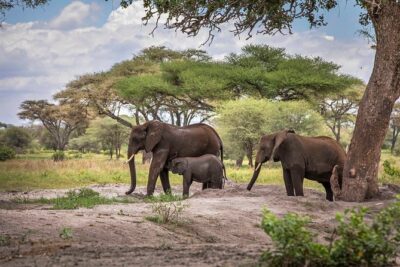
Browse the lists this tour appears in