
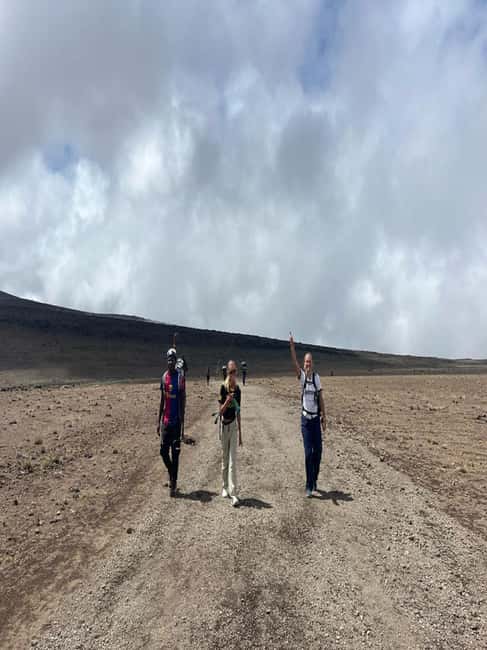
Reviewed · MARANGU ROUTE CLIMBS
4-Days Kilimanjaro Climb: Marangu Private Tour
Africa’s highest summit demands respect. This four-day Marangu Route climb gives you a direct, hut-based path up Kilimanjaro, passing through rainforest, moorland, alpine desert, and the high volcanic slopes below Uhuru Peak. The route also brings you close to Mawenzi and Kibo, the mountain’s two great peaks.
I like the practical hut accommodation and the chance to see wildlife such as colobus monkeys, blue monkeys, and field mice along the lower route. I also like the personal service from Kilinge Adventures, including a guide who adjusts the pace to your needs and quick answers while you prepare. The main concern is the schedule: four days is a very demanding timetable, with a summit attempt after reaching Kibo Hut and a long descent to the gate on the final day.
In This Review
- Key Points To Know Before You Book
- Why The Marangu Route Feels Different
- Day 1: Moshi To Mandara Hut Through Rainforest
- Day 2: Mandara To Horombo And The First Big Views
- Day 3: The Saddle To Kibo Hut
- The Summit Push: Gilman’s Point To Uhuru Peak
- Day 4: A Long Descent To Marangu Gate
- Food, Water, Guides, And Hut Life
- What The $750 Price Really Covers
- What To Pack For A Four-Day Summit Attempt
- Who Should Choose This Kilimanjaro Climb?
- Should You Book This Tour?
- FAQ
- Where does the Kilimanjaro climb begin?
- How high is Marangu Gate?
- Which huts are used during the climb?
- How high is Uhuru Peak?
- How long is the first hiking day?
- How long is the walk from Mandara Hut to Horombo Hut?
- What is the most demanding day?
- Are meals and drinking water included?
- Are national park fees included in the $750 price?
- What language is used on the tour?
Key Points To Know Before You Book
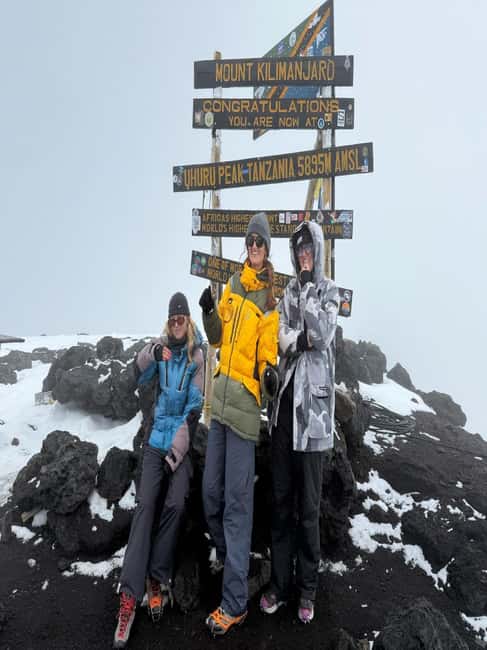
- Mandara, Horombo, and Kibo huts provide indoor overnight stays and shared dining areas instead of tent camping.
- The summit day covers about 27 kilometers in total, including the climb to Uhuru Peak and the descent to Marangu Gate.
- The route passes through four major climate zones, from rainforest to moorland, alpine desert, and the icy upper mountain.
- A sunrise summit may be possible, and one climber found it warmer and more enjoyable than the usual midnight start.
- The $750 price does not include national park fees, travel insurance, alcoholic drinks, or transport from Arusha to Moshi.
- The guide and support crew matter greatly, especially on a short itinerary where pace, rest, food, and hydration all affect your summit chances.
Why The Marangu Route Feels Different
Marangu is often called the hut route because you sleep in simple mountain huts rather than tents. That makes this climb attractive if you prefer a bed and a shared dining room after a wet or tiring day.
The huts at Mandara, Horombo, and Kibo are part of the route plan. Sleeping arrangements are shared, so you should expect a basic communal setting rather than privacy or hotel comfort. The supplied information also lists camping equipment and a sleeping mattress, so ask Kilinge Adventures exactly what equipment is provided and how it fits with the hut stays.
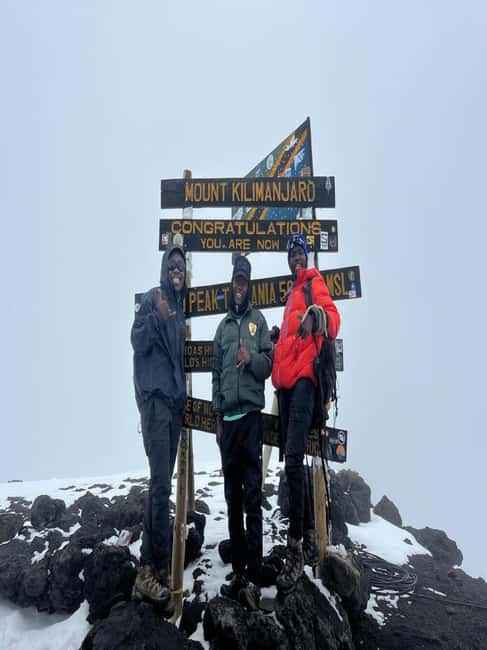
The route has a clear visual rhythm. You begin beneath tall rainforest, move into open moorland, cross the broad saddle between Mawenzi and Kibo, and finally climb through the high alpine zone toward Uhuru Peak at 5,895 meters. Each stage feels different, which helps keep the walk interesting even when your legs are tired.
You also get striking views of Mawenzi and Kibo. Mawenzi has a jagged, broken profile, while Kibo is the broad volcanic summit that holds Uhuru Peak. The contrast between the two makes the middle part of the climb especially memorable.
More Kilimanjaro climbs:
- Kilimanjaro climb by Lemosho Route (7-day)
★ 5.0 · 651 reviews - Kilimanjaro climb, Machame Route (7-day)
★ 5.0 · 262 reviews - Kilimanjaro Climbing Lemosho Route 8 Days.
★ 5.0 · 186 reviews
Day 1: Moshi To Mandara Hut Through Rainforest
The first morning begins with breakfast at your hotel in Moshi. From there, transportation takes you to Marangu Gate at 1,870 meters, where registration and permits are arranged before you start walking.
The opening section leads through rainforest for about 8 kilometers. You should allow roughly four to five hours, depending on pace and trail conditions. This is not a sightseeing stroll, but it is a gentle introduction compared with the steep upper sections still ahead.
Keep your eyes open for wildlife. Colobus monkeys and several bird species may appear in the trees, and the lower forest can feel surprisingly full of life. One climber also saw a blue monkey and a field mouse during the trip, which adds a nice touch to a route better known for its summit than its animals.
Mandara Hut sits at 2,720 meters. Once you arrive, you can settle in and recover before dinner. If energy and weather allow, take the optional short walk to Maundi Crater. It offers broad views and gives you a useful first taste of the mountain’s open upper country.
This day is manageable, but do not race through it. Your goal is not simply to reach Mandara early. You are beginning the altitude adjustment process, and a steady pace helps you save strength for the much harder summit push.
Day 2: Mandara To Horombo And The First Big Views
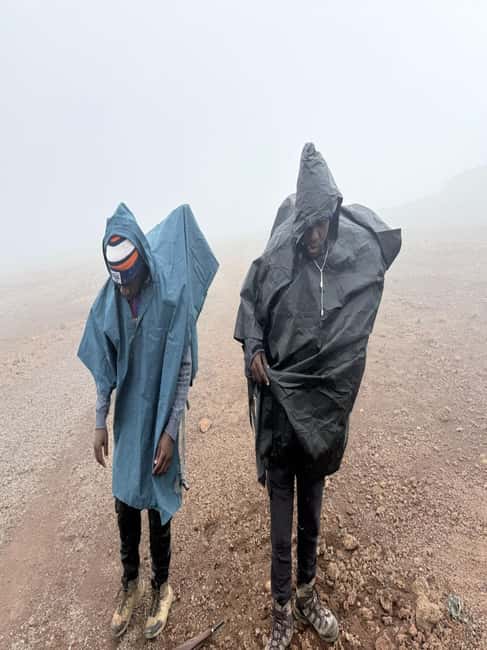
After breakfast, you leave the forest behind and enter moorland. The route climbs to Horombo Hut at 3,720 meters, covering about 12 kilometers in five to six hours.
The change in scenery is one of the best parts of the Marangu Route. Trees thin out, the trail opens, and Mawenzi and Kibo begin to dominate the view. You can see the mountain’s scale more clearly here. The summit may look close, but the remaining height and distance are serious.
Horombo is where altitude becomes a more important part of the day. You are high enough that fatigue, headache, poor sleep, or nausea may affect you. The schedule allows time to rest and drink water, but this is still a fast four-day plan. There is no full extra acclimatization day built into the itinerary.
I would treat the afternoon at Horombo as recovery time. Eat what you can, drink regularly, and keep your kit organized. The supplied meals are included, and one climber praised the food as some of the best they had eaten on a mountain trip. Good meals matter here because you need energy without carrying and preparing all your own food.
Day 3: The Saddle To Kibo Hut
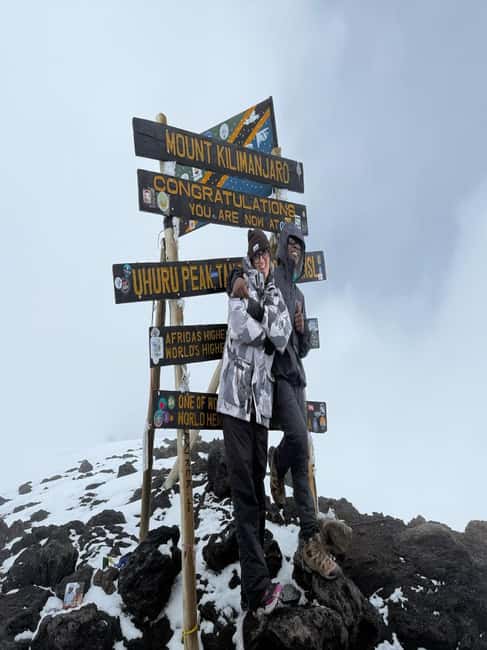
Day three takes you from Horombo Hut to Kibo Hut at 4,703 meters. The walk is about 10 kilometers and takes five to six hours.
This section crosses the saddle, the broad alpine desert between Mawenzi and Kibo. Vegetation becomes sparse, and the route feels more exposed and severe. The plain view toward the summit can be deceptive. Kibo seems to sit ahead in a simple line, but the height makes every step count.
The saddle is also a quiet part of the climb. You are far above the rainforest and moving through a stark zone shaped by cold, wind, and volcanic rock. Pack your jacket, gloves, and head protection where you can reach them. Do not bury warm layers at the bottom of your bag.
At Kibo Hut, the plan is to rest and eat an early dinner before starting the summit attempt around midnight. This is the toughest psychological point of the schedule. You have already climbed for two days, you are sleeping at high altitude, and the most difficult walking begins when most people would normally be in bed.
The midnight start is traditional, but it is not the only possible approach mentioned for this trip. One climber specifically recommended a sunrise summit instead, noting that the warmer, lighter climb was more pleasant. Ask Kilinge Adventures about the timing before the climb rather than assuming midnight is mandatory. The final decision must fit the guide’s plan and the conditions on the mountain.
More Marangu Route climbs:
- Kilimanjaro climb, Marangu route (6-day)
★ 5.0 · 72 reviews - Climbing Kilimanjaro – Marangu Route
★ 5.0 · 65 reviews - Kilimanjaro Climbing 5 days Marangu route
★ 5.0 · 22 reviews - Moshi: Kilimanjaro Climb Marangu Route Guided Tour
★ 4.3 · 6 reviews
The Summit Push: Gilman’s Point To Uhuru Peak
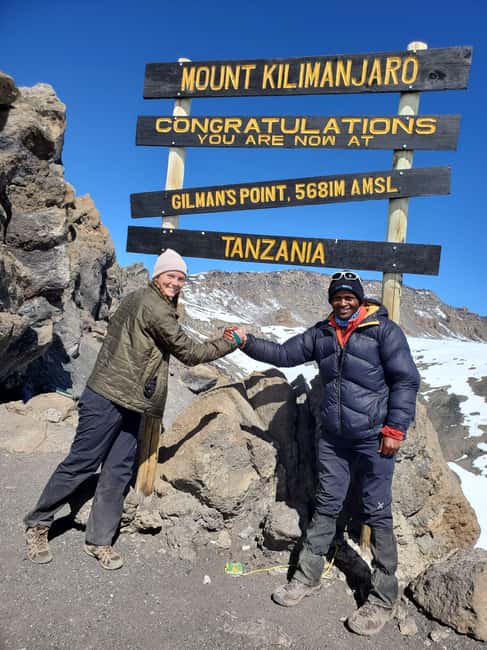
The summit route climbs steeply toward Gilman’s Point at 5,685 meters. From there, you continue toward Uhuru Peak, which reaches 5,895 meters and is the highest point in Africa.
This is where the short itinerary earns its demanding reputation. You are dealing with steep ground, extreme altitude, cold conditions, and limited rest. A guide who listens to your pace becomes especially important. The climber who praised this trip said the guide slowed down or sped up when needed, rather than forcing one rigid walking speed.
That kind of attention is not a small comfort. At high altitude, you need to communicate clearly about how you feel. Follow your guide’s instructions, drink the water provided, and do not treat the summit as worth ignoring serious symptoms.
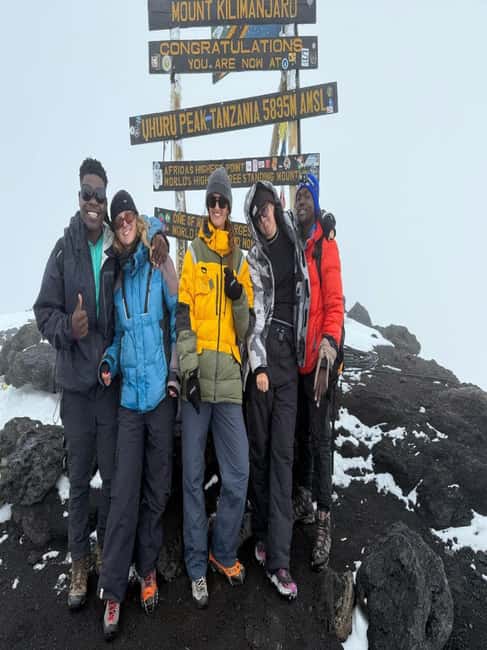
Reaching Uhuru Peak is the emotional high point of the trip. You can celebrate, take photographs, and look across the upper mountain before starting down. The view and the sense of height are the reward, but the work is not finished when you reach the summit.
Day 4: A Long Descent To Marangu Gate
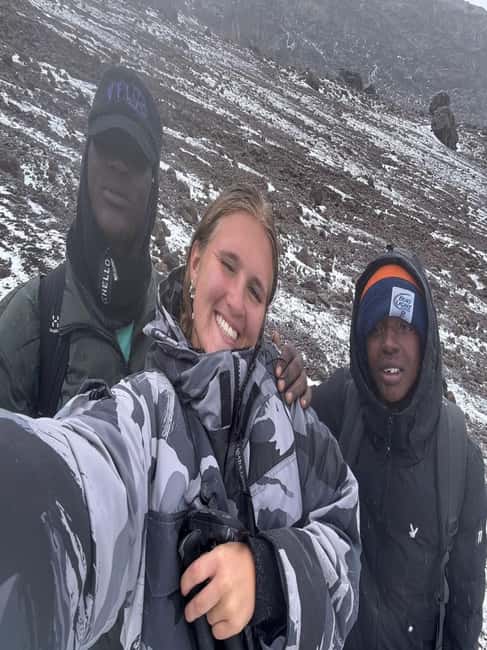
After the summit, you descend to Kibo Hut for a short rest. Then you continue down to Marangu Gate, with about 27 kilometers covered in total during the summit and descent day.
That distance is the biggest practical warning in this itinerary. Downhill walking may feel easier than climbing, but tired knees and feet can turn it into a long, uncomfortable finish. Your hiking shoes need to be broken in, and your socks should be comfortable and dry.
At Marangu Gate, you receive a summit certificate before transportation returns you to Moshi. The transfer is included from the gate, giving you a clear end point after a very full day.
If you want a more gradual mountain schedule, ask about longer versions of the route. Based on the supplied plan, this four-day option suits someone who accepts a hard pace and has prepared for long walking days. It is less suitable if your main goal is a relaxed introduction to high-altitude trekking.
Food, Water, Guides, And Hut Life
The package includes meals as stated in the itinerary, drinking water, a professional mountain guide, transportation, camping equipment, and a sleeping mattress. The support crew was praised for kindness and for making the climb feel accommodating.
The dining areas at the huts are shared. This gives you a chance to meet people on the same route, but it also means you should expect a simple communal routine. The attraction is function, not luxury: eat, rest, prepare your clothes, and sleep when you can.
Communication is in English. Before departure, you can ask questions about packing and receive answers from the operator. One climber found communication efficient across different time zones, with questions answered well before the trip. That is useful for a climb where small equipment decisions can affect comfort.
The guide’s role deserves special attention. You are not simply hiring someone to point out the trail. The guide controls pace, helps manage the day, and provides support when the altitude starts to affect you. The most praised quality here was the willingness to listen and adjust.
What The $750 Price Really Covers
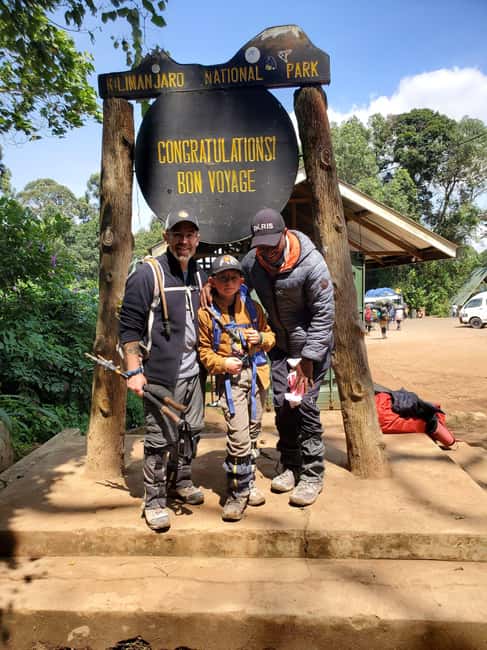
The listed price is $750 per person. That includes a guide, transport from your Moshi hotel to Marangu Gate, transportation connected with the itinerary, meals, drinking water, camping equipment, and a sleeping mattress.
At first glance, that can look like a useful package because several major practical costs are grouped together. You are not arranging the mountain transfer and food separately, and hut accommodation is built into the route plan.
However, national park fees are not included. These can be a major extra cost on a Kilimanjaro climb, so ask for the full amount before you commit. You also need travel insurance, and the package does not cover transfer from Arusha to Moshi or alcoholic drinks.
The real value depends on what you want from the trip. If you want private attention, organized transport, included meals, and hut accommodation, the package offers a straightforward structure. If you are comparing prices, compare the final cost after park fees and insurance, not just the headline figure.
You can reserve and pay later, which keeps your plans flexible. Cancellation up to 24 hours in advance qualifies for a full refund under the stated terms. Still, confirm all cost and cancellation details directly before making arrangements.
What To Pack For A Four-Day Summit Attempt
The recommended packing list includes a camera, hiking shoes, jacket, gloves, sleeping bag, climbing gear, socks, flashlight, daypack, headscarf, trekking gear, and power bank.
Pay special attention to the sleeping bag. The huts offer shelter, but a sleeping bag is still listed as something you must bring. Ask whether any sleeping gear is supplied before you travel, since the package also mentions a sleeping mattress.
Your flashlight matters because the summit attempt is planned around midnight. If you choose a sunrise start, you may still need light for early walking, so do not leave it behind.
Keep your daypack practical. Warm layers, gloves, water, snacks if permitted by the operator, and your camera should be easy to reach. A power bank is useful because charging arrangements are not provided in the information, and the summit day is long.
Good hiking shoes are essential. Do not bring brand-new footwear for this climb. The final descent covers a great distance, and foot comfort will affect your mood all the way to Marangu Gate.
Who Should Choose This Kilimanjaro Climb?
I would recommend this trip to a fit hiker who wants the Marangu Route, prefers hut accommodation, and values direct support from a guide and crew. It also suits someone who is comfortable with a tightly packed schedule and understands that reaching the summit is not guaranteed simply because the route is organized.
The trip may appeal to you if wildlife and changing scenery matter as much as the summit photograph. The rainforest animals, Maundi Crater, Mawenzi, Kibo, and the alpine desert give the climb plenty to notice along the way.
I would be more cautious if you are new to long-distance hiking, uneasy with shared huts, or hoping for a leisurely acclimatization plan. The four-day schedule leaves little spare time, and the summit day is particularly strenuous.
Kilinge Adventures has earned a strong impression for friendly support, good food, responsive communication, and a guide who listens. Because the public rating is based on only one submitted assessment, I would still ask clear questions about the exact park fees, equipment, hut arrangements, and summit timing before paying.
Should You Book This Tour?
Book this four-day Marangu climb if you want a focused, hut-based Kilimanjaro attempt and you are ready for a very demanding summit schedule. The route offers excellent variety, practical accommodation, and personal support at a listed price of $750 before additional fees.
Think twice if you need more time to adjust to altitude or dislike long final days. My most useful tip is to discuss a sunrise summit option with Kilinge Adventures, since a daylight ascent may feel warmer and more comfortable than the standard midnight climb. Also confirm the complete price, including national park fees, before you make the final call.
FAQ
Where does the Kilimanjaro climb begin?
The experience begins with breakfast at your hotel in Moshi, followed by transportation to Marangu Gate.
How high is Marangu Gate?
Marangu Gate is at 1,870 meters, or 6,135 feet.
Which huts are used during the climb?
The itinerary includes Mandara Hut, Horombo Hut, and Kibo Hut.
How high is Uhuru Peak?
Uhuru Peak reaches 5,895 meters, or 19,341 feet.
How long is the first hiking day?
The walk from Marangu Gate to Mandara Hut is about 8 kilometers and takes roughly four to five hours.
How long is the walk from Mandara Hut to Horombo Hut?
This section is about 12 kilometers and takes around five to six hours.
What is the most demanding day?
The summit and descent day is the most demanding. It covers about 27 kilometers in total, including the climb to Uhuru Peak and the walk back to Marangu Gate.
Are meals and drinking water included?
Yes. Meals stated in the itinerary and drinking water are included.
Are national park fees included in the $750 price?
No. National park fees are not included.
What language is used on the tour?
The stated tour language is English.
Just added in Moshi
- THE BEST 2 DAYS ON TREK – MARANGU ROUTE TOUR ADVENTURES★ 5.0 · 1 review
- Mount Kilimanjaro National Park Day Trip★ 5.0 · 7 reviews
- Mount Kilimanjaro Climbing in Tanzania Full-Day Trip★ 5.0 · 1 review
- Mount Kilimanjaro Day Hike – All-Inclusive, No Hidden Fees★ 4.0 · 7 reviews
- Mount Kilimanjaro Trekking Tour – Climb with Local Guides★ 5.0 · 1 review
- Mount Kilimanjaro: 7 Days Hike Lemosho Route★ 5.0 · 1 review
- Moshi:Chemka Hot Springs, Materuni Waterfalls & Coffee Tour★ 5.0 · 1 review
- Moshi Town: Walking Tour: Theme Urban lifestyle★ 3.1 · 4 reviews
Marangu Route Climbs, compared.
Private Full Day Hiking Experience to Marangu Route
Read our review →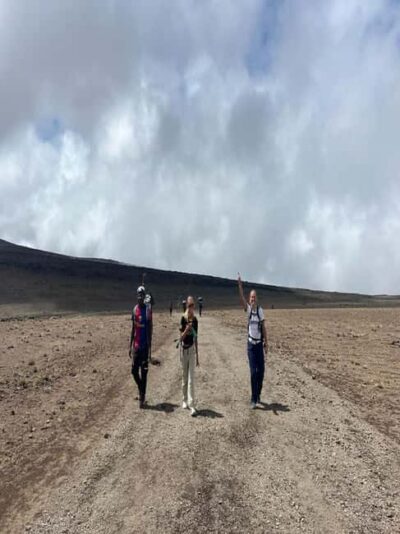
From Arusha/Moshi: Kilimanjaro Hike Marangu Route Day Trip
Read our review →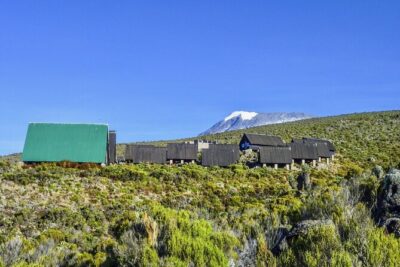
Mount Kilimanjaro Day Hike Through Marangu Route to Mandara Hut
Read our review →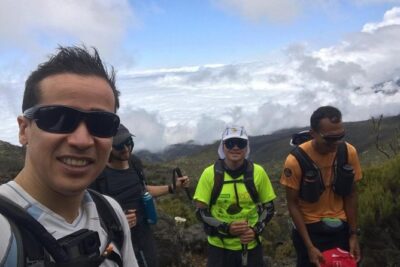
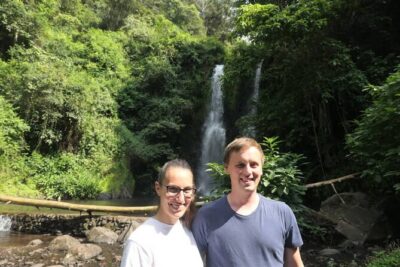
Marangu waterfall & Coffee making Cultural Tour | BURIGI CHATO SAFARIS CO LTD
Read our review →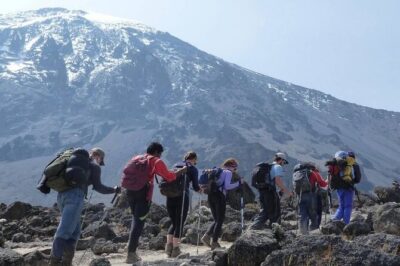
Climb Kilimanjaro – Marangu Route 8 Day Program
Read our review →Browse the lists this tour appears in