
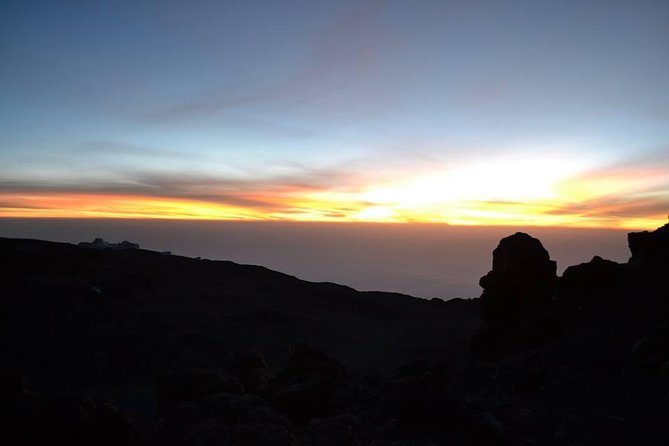
Reviewed · MARANGU ROUTE CLIMBS
5 Days Marangu Route Climbing
Africa’s highest summit starts in a rainforest. This five-day Marangu Route climb gives you Kilimanjaro’s classic progression from thick forest to open moorland, bare alpine desert, and the icy summit zone. I like the sleeping huts at every camp and the fact that pickup from Moshi is offered. I also like the shared dining huts, where climbers from several countries eat together and trade stories.
The main catch is the schedule. Five days is the shortest standard version of this route, so altitude can become a serious problem before you reach Uhuru Peak. You get a better chance to adjust to the height by choosing the six-day option, which adds a rest day at Horombo or a walk toward Mawenzi.
- Hut beds replace tents: Mandara and Kibo have 60 beds each, while Horombo has 120, all with sponge mattresses and pillows.
- The route crosses five climate zones: You begin among forest trees and finish among rock, snow, and open high-altitude terrain.
- Day four is the real test: The summit push begins between midnight and 2 a.m., often in severe cold and darkness.
- Maundi Crater adds a worthwhile side walk: From Mandara, you may see northern Tanzania and Kenya.
- The five-day plan is fast: The extra day available on the six-day version can help with altitude adjustment.
- Guide service has earned warm praise: Kelvin and Peter are named as guides connected with this experience, with special praise for their role on the mountain.
In This Review
- What the $2,043.27 Price Means
- Day One: Marangu Gate to Mandara Hut
- Day Two: Mandara to Horombo Through Moorland
- Day Three: Horombo to Kibo Across the Saddle
- Day Four: Kibo to Uhuru Peak and Back to Horombo
- Day Five: Horombo to Marangu Gate
- Sleeping Huts, Bathrooms, and Shared Meals
- The Five-Day Schedule or the Six-Day Upgrade
- Guide Support and the Human Side of the Climb
- Who Should Choose Marangu Route
- Practical Packing Advice for This Route
- Should You Book This Kilimanjaro Climb?
- FAQ
- Where does the climb begin and end?
- How long is the experience?
- How much does the experience cost?
- Is pickup offered?
- Is this a private activity?
- What sleeping arrangements are provided?
- Are bathrooms and running water available?
- What is the highest point reached?
- Can the booking be canceled for a full refund?
What the $2,043.27 Price Means
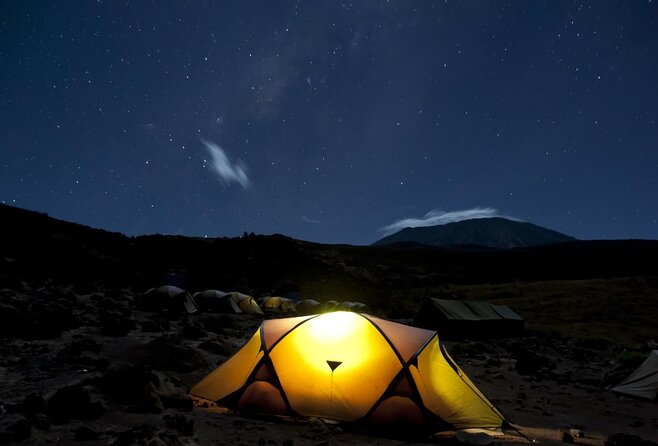
At $2,043.27 per person, this is not a casual day hike. You are paying for a five-day mountain operation that includes Kilimanjaro National Park admission, meals listed throughout the climb, hut accommodation, and transport between Moshi and the Marangu gate. Pickup is offered, and the activity ends back at the Moshi meeting point.
That price can make sense if you value a bed, a pillow, and a roof after each walking day. The Marangu Route is the only Kilimanjaro route in this experience with huts at every camp, so you avoid carrying or sleeping in a tent. That is a real comfort, especially at Kibo, where the summit night begins after a short rest and a very early alarm.
Still, check exactly what is included before paying. The supplied details confirm admission tickets, meals, hut lodging, and the Moshi transfer arrangement, but they do not spell out every equipment or staff cost. Ask about guide support, porter arrangements, park fees beyond the stated admission, drinking water, tips, and any hotel nights in Moshi.
The private format is another value point. Only your group participates, rather than joining a large mixed departure. Group size is not stated, so ask before booking. A small private group can make walking pace and rest stops easier to manage, but the dining huts at camp remain shared spaces.
Free cancellation is available if you cancel at least 24 hours before the local start time. Changes or cancellations inside that window are not refunded.
Day One: Marangu Gate to Mandara Hut
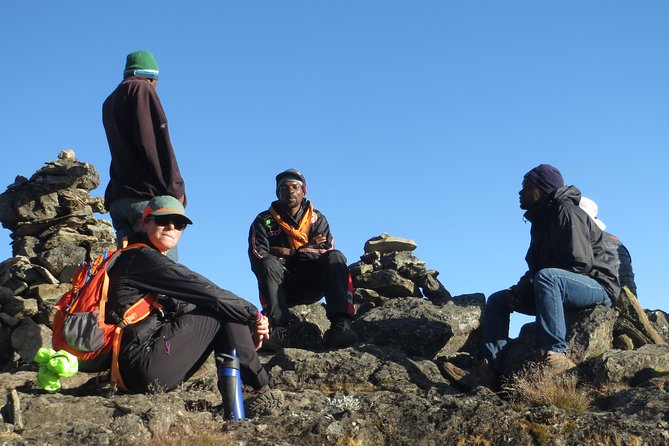
Your first morning begins with breakfast and a briefing, followed by roughly a one-hour drive from Moshi to the Kilimanjaro National Park gate at Marangu. Registration takes place here, and then you start walking at about 1,860 meters, or 6,100 feet.
The first day covers 8 kilometers, about 5 miles, with three to four hours of hiking. That sounds gentle, and compared with summit day, it is. But the forest path can feel humid, wet, and uneven. The setting is the reward: tall eucalyptus trees, bird life, and the chance to spot colobus monkeys among the branches.
You finish at Mandara Hut, at 2,700 meters, or 8,875 feet. The camp has 60 beds, solar lights, bathrooms, and running water. The huts are communal, so privacy is limited, but you get a proper bunk with a sponge mattress and pillow.
If energy and weather allow, take the side trip to Maundi Crater. It gives you a wider view of northern Tanzania and Kenya and helps you see how quickly the forest gives way to higher ground. I would not skip it automatically, but keep your guide’s advice in mind if you are tired or the weather is poor.
Meals on this day are listed as lunch and dinner. Breakfast takes place before departure in Moshi.
More Marangu Route climbs:
- Kilimanjaro climb, Marangu route (6-day)
★ 5.0 · 72 reviews - Climbing Kilimanjaro – Marangu Route
★ 5.0 · 65 reviews - Kilimanjaro Climbing 5 days Marangu route
★ 5.0 · 22 reviews
Day Two: Mandara to Horombo Through Moorland
Day two moves from forest to open heathland. You climb from 2,700 meters to 3,700 meters, or 12,200 feet, over 12 kilometers, about 7.5 miles. Walking time is listed at five to six hours.
This is the first day when Kilimanjaro’s scale begins to show. Views open toward Mawenzi and Kibo, the two major peaks of the mountain. Giant lobelias and groundsels bring an almost prehistoric look to the slopes.
The walking itself is steady rather than technical, but altitude may start to affect you. Headache, shortness of breath, or unusual tiredness can appear even when your legs feel fine. Go slowly, drink as advised by your mountain team, and tell your guide early if you feel unwell. Trying to hide symptoms helps nobody.
Horombo Hut has 120 beds, the largest capacity on this route. Bathrooms and running water are available at this lower hut. The dining hut creates a social evening, with groups from different countries eating in the same room. That shared setting is one of the route’s pleasures, though it can also feel noisy and busy.
Breakfast, lunch, and dinner are included on this day. The hut is comfortable by mountain standards, but do not confuse a bunk and solar light with hotel service. This is communal mountain lodging.
Day Three: Horombo to Kibo Across the Saddle
The third day is 9 kilometers, or 5.5 miles, and takes about five to six hours. You climb from 3,700 meters to 4,700 meters, or 15,500 feet.
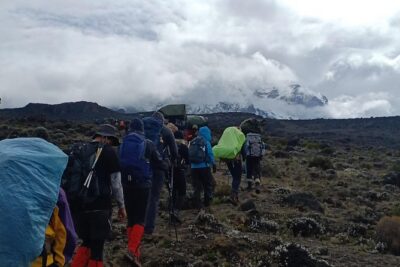
You pass the last watering point and cross the broad saddle between Mawenzi and Kibo. The vegetation thins from upper heathland into alpine desert, and eventually the ground becomes a stark moonscape. There is little shelter and very little visual distraction. You can see the summit objective ahead, which is inspiring and slightly intimidating.
This day is short enough on paper, but altitude makes every uphill section harder. Your body is working with less oxygen, and the final camp is high. The goal is not speed. The goal is to arrive at Kibo able to eat, rest, and prepare for the night climb.
Kibo is the launching point for the summit attempt. The route description does not provide a bed count or the same bathroom details given for Mandara and Horombo. It does say the camp has basic men’s and women’s latrines. Expect a much simpler setup than at the lower huts.
Dinner comes before rest. Try to organize your headlamp, gloves, warm layers, water, and summit clothing before lying down. You may only have a short sleep before leaving between midnight and 2 a.m.
Day Four: Kibo to Uhuru Peak and Back to Horombo
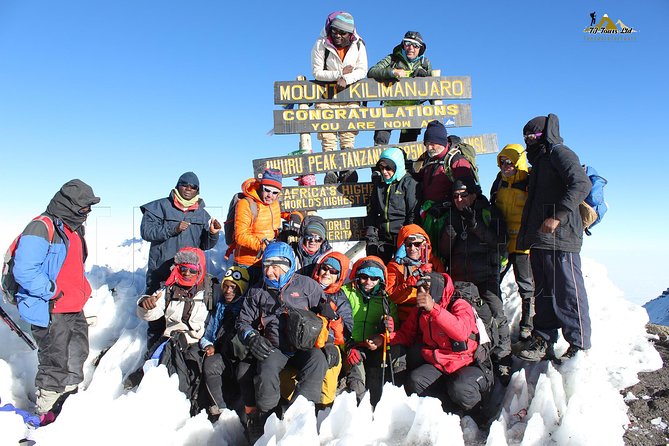
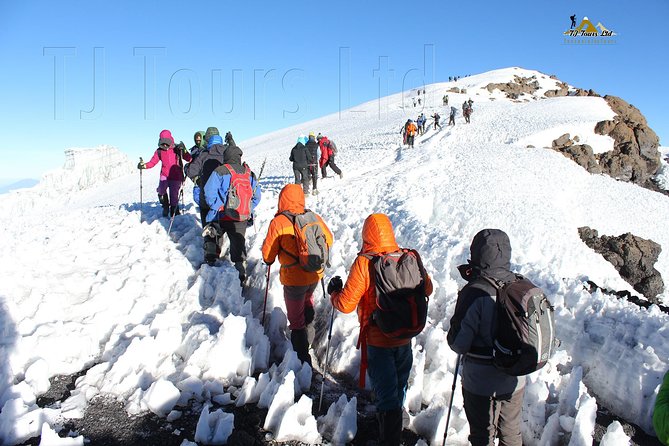
This is the hardest day by far. You begin in darkness and climb steep scree or snow toward Gilman’s Point on the crater rim. From there, you continue to Uhuru Peak, the highest point in Africa.
The summit section is physically demanding for two reasons: the slope is steep, and the altitude is extreme. The early start also means you walk in the coldest part of the night. A headlamp or flashlight is required, and you need every warm layer you have. The cold may ease as you descend, but do not start underdressed.
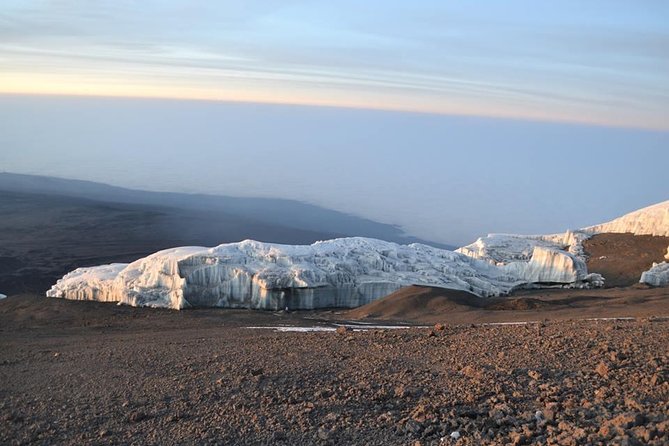
The route includes Gilman’s Point and then Uhuru Peak. At the top, you can take summit photographs before beginning the long return. The descent goes back to Kibo for lunch and a rest, then continues to Horombo Hut.
This is an enormous day, and the listed schedule does not provide a total hiking time. You should be ready for a long effort with a steep ascent followed by hours of downhill walking. Even if the summit attempt goes well, your knees and feet may feel the descent.
A key decision is how you respond to altitude. Reaching Gilman’s Point does not guarantee that you will continue to Uhuru Peak. Your guide may turn you around if your condition becomes unsafe, and you should treat that advice seriously. The summit is important, but returning safely matters more.
The supplied meal plan lists breakfast, lunch, and dinner for the day. The overnight return to Horombo is helpful because it brings you down from Kibo’s higher camp after the summit effort.
A few more options to weigh up in Moshi
- Kilimanjaro climb by Lemosho Route (7-day)
★ 5.0 · 651 reviews - Safari Serengeti And Ngorongoro
★ 5.0 · 288 reviews - Kilimanjaro climb, Machame Route (7-day)
★ 5.0 · 262 reviews - Kilimanjaro Climbing Lemosho Route 8 Days.
★ 5.0 · 186 reviews
Day Five: Horombo to Marangu Gate
The final day is a long descent from about 3,700 meters to 1,700 meters, or 5,500 feet. You cover 20 kilometers, about 12.5 miles, in roughly four to five hours.
You first walk through moorland to Mandara Hut, then continue through the lush forest to the Marangu gate. The downhill direction makes breathing easier, but the distance can punish tired legs. Wet and muddy sections are possible at lower elevations, so gaiters and trekking poles are useful.
Clothing needs change quickly. Shorts and a T-shirt may be comfortable lower down, but keep rain gear and warmer clothing within reach. Mountain weather can shift, and your pack should not be arranged as if the day will stay dry.
At the gate, a vehicle waits to take you back to your hotel in Moshi, with the drive taking about one hour. Breakfast is listed for the day. The return transfer is a small but valuable detail because after five days on foot, arranging local transport yourself is one less task to handle.
Sleeping Huts, Bathrooms, and Shared Meals
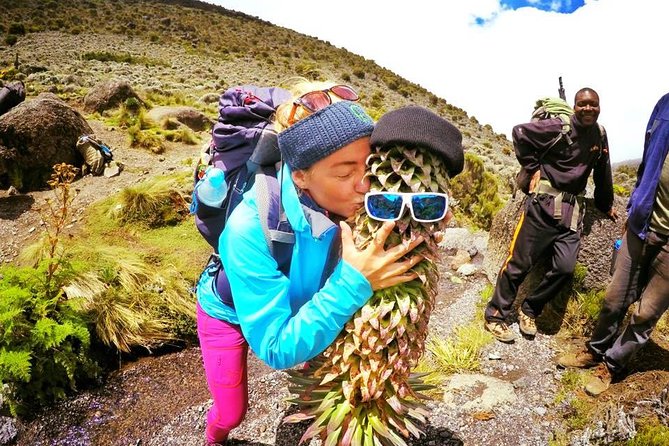
The huts are the central reason to choose Marangu. Mandara and Kibo each have 60 beds, while Horombo has 120. Each bunk includes a sponge mattress and pillow, and solar lights are available.
The communal arrangement has advantages and limits. You get a warmer, more social setting than a tent, and you do not need to sleep directly on the ground. But you should expect shared rooms and little personal space. Earplugs may be useful, though they are not specifically listed as part of the supplied equipment.
Bathrooms and running water are available at Mandara and Horombo. At the final camp, facilities are reduced to very basic men’s and women’s latrines. Plan for the services to become simpler as you gain height.
Meals are served in dining huts shared by climbing groups from various countries. That can make evenings lively and friendly. It also means the mountain experience is social rather than private, even though the walking portion is arranged as a private activity for your own group.
The Five-Day Schedule or the Six-Day Upgrade
The five-day route is attractive because it is shorter and may fit a tight Tanzania trip. You also spend less time and money on the mountain. But it gives your body less time to adjust to altitude.
The six-day version adds a day at Horombo. You can use it to rest or climb the small peak of Mawenzi. That extra time matters because day two already brings you to 3,700 meters, and day three takes you to 4,700 meters before the summit attempt.
If your schedule allows, I would favor six days. The five-day plan can work for a fit person, but fitness does not fully protect you from altitude trouble. A rest day can make the difference between arriving at Kibo prepared and arriving exhausted.
The tour information describes the activity as requiring a moderate fitness level. That is useful guidance, but it should not be read as proof that the summit is easy. The route is called the Coca Cola or tourist route because it is considered the easiest and shortest of the main routes, not because Uhuru Peak is a simple walk.
Guide Support and the Human Side of the Climb
Guide quality matters on Kilimanjaro because the guide helps set the pace, watches for altitude problems, and manages the long summit day. Guide names connected with this experience include Kelvin and Peter, who received especially warm praise for leading a five-day climb.
That praise is worth noting, but guide assignments can vary. Confirm who will lead your group and ask how the team handles altitude symptoms, summit turnaround decisions, meals, and emergencies. Clear answers before departure are more useful than broad promises.
The shared dining huts also give the route a friendly international feel. You may sit near people from several countries, compare summit plans, and hear how other groups are managing the altitude. It is a simple pleasure, but it helps break up the early nights and long walking days.
Who Should Choose Marangu Route
I would recommend this experience to you if a hut is more appealing than a tent, if you want a private group, and if the classic forest-to-summit progression matters more than avoiding other groups at camp.
It also suits anyone who values a shorter route and straightforward logistics from Moshi. The direct pickup, gate transfer, listed meals, and return drive make the basic plan easy to understand.
I would hesitate if you strongly dislike communal sleeping, basic toilets, or a midnight start. I would also hesitate if your schedule does not allow flexibility in case you need more time at altitude. The five-day version is efficient, but efficient is not the same as relaxed.
Practical Packing Advice for This Route
Bring a headlamp or flashlight for the summit start. The information specifically notes that you need one, and phone lights are a poor substitute in freezing darkness.
Pack warm layers for the summit, plus rain gear for the forest. Gaiters and trekking poles can help on the muddy lower sections during the final descent.
You should also keep clothing and small essentials easy to reach. On day five, you may move from cool, wet forest to warm conditions near the gate, so burying your lighter clothes at the bottom of your bag is inconvenient.
Because the huts provide mattresses and pillows, you do not need the same sleeping setup required for a camping route. Confirm the remaining equipment details with Tanzania Joy Tours before departure.
Should You Book This Kilimanjaro Climb?
Book it if you want Kilimanjaro with hut lodging, a private group, included mountain meals, and a clear five-day path from Moshi to Uhuru Peak. The forest, Maundi Crater, Mawenzi views, alpine desert, and summit night give you a full range of mountain scenery.
Before committing, ask about the exact inclusions and consider paying for the six-day schedule if your calendar allows. The Marangu Route may be the easiest route to the summit, but the altitude and summit night remain serious. For the best balance of comfort and safety, I would choose the six-day version. If five days is your only option, prepare carefully, walk slowly, and listen closely to your guide.
FAQ
Where does the climb begin and end?
The activity starts in Moshi Urban, Tanzania. It ends back at the meeting point after a vehicle transfer from Marangu gate to Moshi.
How long is the experience?
The climb lasts approximately five days.
How much does the experience cost?
The listed price is $2,043.27 per person.
Is pickup offered?
Yes, pickup is offered.
Is this a private activity?
Yes. Only your group participates in the private tour or activity.
What sleeping arrangements are provided?
You sleep in communal huts at each camp. The bunks have sponge mattresses and pillows, and the huts have solar lights.
Are bathrooms and running water available?
Bathrooms and running water are available at Mandara Hut and Horombo Hut. Kibo has very basic men’s and women’s latrines.
What is the highest point reached?
The climb continues from Gilman’s Point to Uhuru Peak, the highest point in Africa.
Can the booking be canceled for a full refund?
Yes, if you cancel at least 24 hours before the experience start time. Cancellations or changes made less than 24 hours beforehand are not refunded or accepted.
Just added in Moshi
- Zanzibar: Stone Town tour and Nakupenda beach with Lunch★ 5.0 · 1 review
- day trip lake manyara★ 5.0 · 2 reviews
- Mt Kilimanjaro 6 days Marangu route hike★ 5.0 · 3 reviews
- machame route★ 5.0 · 16 reviews
- Private Cycle to Kilimanjaro Bike Park Safari★ 5.0 · 6 reviews
- West Kilimanjaro cycling Adventures★ 4.5 · 8 reviews
- Wildlife Extravaganza: Manyara, Tarangire & Ngorongoro in 3 Days★ 5.0 · 3 reviews
- 3 Days Private E-Bike Tour in West Kilimanjaro★ 5.0 · 3 reviews
Marangu Route Climbs, compared.


Private Full Day Hiking Experience to Marangu Route
Read our review →
From Arusha/Moshi: Kilimanjaro Hike Marangu Route Day Trip
Read our review →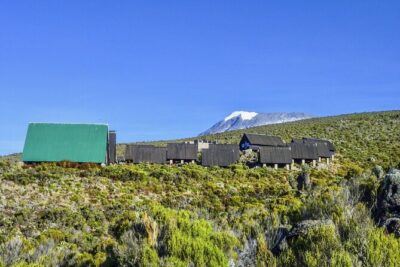
Mount Kilimanjaro Day Hike Through Marangu Route to Mandara Hut
Read our review →
Best Kilimanjaro Adventures 6 Days Marangu Route Experience
Read our review →
Kilimanjaro Private Climbing in 6 Days Marangu Route
Read our review →Browse the lists this tour appears in