
Reviewed · MARANGU ROUTE CLIMBS
6 Days Climb Kilimanjaro Through Marangu Route
Africa’s highest point demands steady legs. This six-day Marangu Route climb gives you a guided path to Uhuru Peak, with meals, park fees, transport, and a mountain crew included. I like the built-in rest day at Horombo Hut, and I like the support system of guides, porters, a cook, first-aid supplies, and boiled water.
The price is $1,899 per person, which covers many costly mountain basics and makes budgeting easier. The main drawback is the tight schedule: summit day is followed by a long descent, and one documented complaint raised concerns about communication, transport, and organization. I would confirm the exact crew, sleeping arrangements, and equipment plan before paying.
In This Review
- Key points at a glance
- What the $1,899 price really covers
- Day 1: rainforest to Mandara Hut
- Day 2: open moorland and Mawenzi views
- Day 3: the Horombo rest day
- Day 4: across the saddle to Kibo Hut
- Day 5: Uhuru Peak and the long way back
- Day 6: back through the forest to Moshi
- The human side of the mountain crew
- What to pack and what you must arrange
- Who should book this six-day climb?
- Should you book the Marangu Route climb?
- FAQ
- Where does the Kilimanjaro climb begin?
- How long is the experience?
- What route does the climb use?
- Is Uhuru Peak included?
- Is there a rest day?
- Are meals included?
- Is transportation from Moshi included?
- Are guides and porters included?
- Can I cancel or change the booking?
Key points at a glance
- Marangu Route to Uhuru Peak: You climb through rainforest, heathland, alpine desert, and the high summit zone.
- One rest day included: Horombo Hut gives your body time to adjust before the hardest stages.
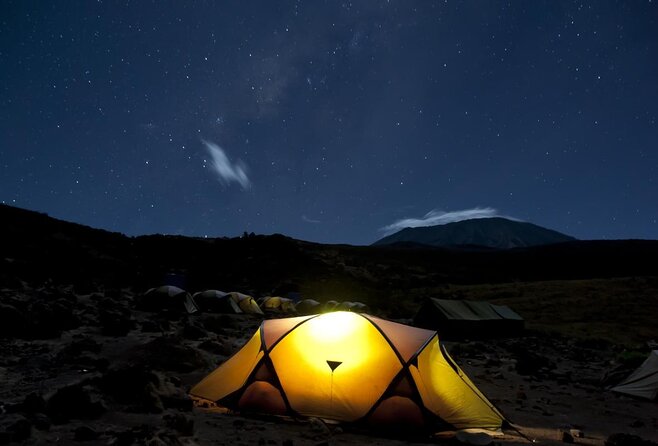
- Sleeping arrangements vary: The program refers to huts at stops but also includes tents and mattresses, so ask exactly where your group will sleep.
- A serious summit day: Expect a midnight to 2 a.m. start, six to eight hours upward, and roughly 15 kilometers back down to Horombo.
- Mountain support is included: Guides, porters, cook, waiter, meals, park fees, rescue fees, first-aid equipment, and boiled water are covered.
- Local team names appear in past departures: Guides and leaders praised by name include Teacher, Joseph, Goodluck, Temba, Tuliza, Patrick, Juma, Sampson, and Julian, though you should confirm your own assigned crew.
What the $1,899 price really covers
At first glance, $1,899 is a large sum for six days of walking. On Kilimanjaro, though, the price is not simply paying for a path through the park. It also covers national park access, rescue fees, return transfers from Moshi, guides, porters, a cook, a waiter, meals, camping equipment, sleeping mattresses, dining gear, and mountain water.
That bundled approach is useful. You do not need to arrange separate transport to the Marangu starting point or worry about buying meals during the climb. A mess tent, mini camping chairs, cutlery, crockery, and eating utensils are also included, which matters after a tiring day when you want a hot meal rather than another snack from your backpack.
I especially value the inclusion of pulse oximeters and a first-aid kit. They do not remove the risks of altitude, but they show that basic monitoring and emergency preparation are part of the plan. Emergency oxygen is not included, so you should ask how the crew handles altitude emergencies and what support is available if someone must turn around.
Tips for guides, porters, the cook, and waiters are not included. Neither are drinks beyond the specified meals, personal items, visas, or the equipment you need for the climb. These extras can affect the final cost, so do not treat the advertised price as the complete trip budget.
More Kilimanjaro climbs:
- Kilimanjaro climb by Lemosho Route (7-day)
★ 5.0 · 651 reviews - Kilimanjaro climb, Machame Route (7-day)
★ 5.0 · 262 reviews - Kilimanjaro Climbing Lemosho Route 8 Days.
★ 5.0 · 186 reviews
Day 1: rainforest to Mandara Hut
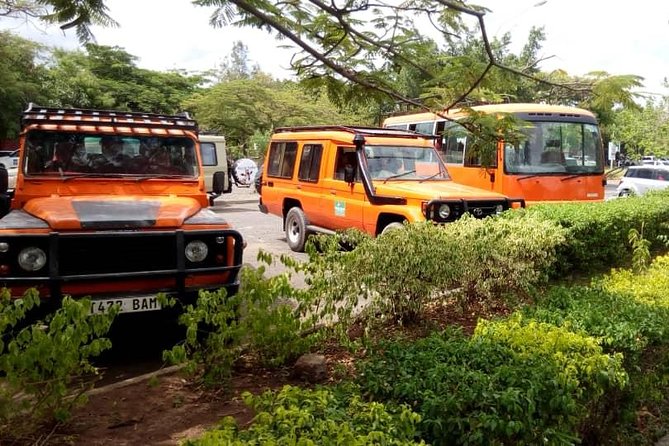
The climb begins after breakfast and a briefing in Moshi. A vehicle takes you to Kilimanjaro National Park Gate, about one hour away, where you register before entering the trail.
The first stage covers about 8 kilometers and takes roughly three to four hours. You rise from 1,860 meters to 2,700 meters through montane forest, a pleasant opening compared with the stark upper mountain still far above you.
This section is about more than reaching camp. Keep an eye out for tall eucalyptus trees, bird life, and colobus monkeys. A side walk to Maundi Crater offers views toward northern Tanzania and Kenya, giving you a useful first look at the country around Kilimanjaro.
Mandara is a good place to notice how quickly the mountain changes. The forest feels leafy and alive, while the higher trail will become drier and more open. Lunch and dinner are included, but breakfast is not listed for this first mountain day, so eat well before leaving your Moshi hotel.
The small concern here is the opening-day logistics. Registration can take time, and the program does not give a fixed pickup time beyond the general 8 to 9 a.m. operating window. Keep your morning flexible.
Day 2: open moorland and Mawenzi views
From Mandara, the route leaves the rainforest and enters heathland. The walk to Horombo covers 12 kilometers, with five to six hours of uphill movement, and climbs from 2,700 meters to 3,700 meters.
This is one of the most attractive walking days. The forest gives way to broad open ground, with views toward Mawenzi and Kibo. Giant lobelias and groundsels add a distinctly Kilimanjaro feel, and the changing plant life helps you understand the mountain’s different altitude zones.
You may begin to feel altitude effects here. Headache, fatigue, or shortness of breath can appear even though the trail itself is not technically difficult. The best approach is the local pole pole rhythm, meaning slowly and steadily. Do not race the group simply because the path looks easy.
Breakfast, lunch, and dinner are included. Horombo is an important overnight stop because you are now high enough for altitude to shape the trip. Sleep may be less comfortable, and the cold can feel sharper than it did in the forest.
Day 3: the Horombo rest day
The rest day at 3,700 meters is one of the strongest features of this schedule. You do not walk a planned distance, and all three meals are included.
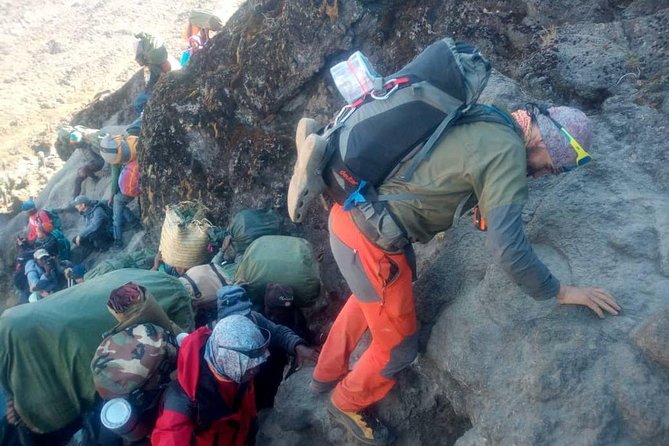
Rest does not have to mean staying inside all day. An optional hike toward Mawenzi Peak lets you stretch your legs and see more of the high moorland without packing and moving camp. Keep it easy. The point is acclimatization, not collecting extra kilometers.
I would use this day to check your summit clothing, water supply, headlamp, gloves, and footwear. It is also the right time to speak plainly with your guide about how you feel. The crew includes pulse oximeters and first-aid supplies, but those tools are most useful when paired with honest communication.
One past account praised Teacher and the Kwesa team for keeping a large group motivated and safe, while other accounts singled out Joseph, Goodluck, Temba, and Tuliza for patient support. Those names give you a sense of the personal service associated with some departures, but they are not a promise that the same people will lead your climb. Ask for the names of your guides before departure.
More Marangu Route climbs:
- Kilimanjaro climb, Marangu route (6-day)
★ 5.0 · 72 reviews - Climbing Kilimanjaro – Marangu Route
★ 5.0 · 65 reviews - Kilimanjaro Climbing 5 days Marangu route
★ 5.0 · 22 reviews - Best Kilimanjaro Adventures 6 Days Marangu Route Experience
★ 5.0 · 18 reviews
Day 4: across the saddle to Kibo Hut
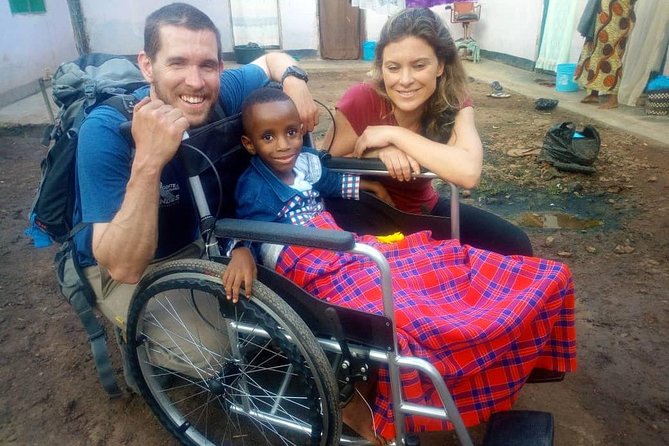
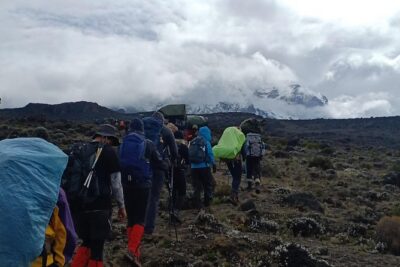
The trail from Horombo to Kibo Hut covers 9 kilometers and takes about five to six hours. You climb from 3,700 meters to 4,700 meters, passing the last stated watering point before crossing the broad saddle between Mawenzi and Kibo.
The scenery changes sharply. Upper heathland fades into alpine desert, with the vegetation giving way to a bare, moonlike zone. This is a memorable stage, but it can feel exposed and tiring because the air is thin and there is little to distract you from the effort.
Kibo Hut is the staging point for the summit attempt. Dinner is included, followed by a short rest before the midnight to 2 a.m. start. Do not expect a full night of sleep. The practical trick is to treat the afternoon as nap time, which is why eye shades and earplugs can be useful.
The climb is called a Marangu Route trek, but the accommodation details need clarification. The program describes huts at different stops and also says tents and comfortable sleeping mattresses are included. Since those are not the same arrangement, ask if you will sleep in the official huts, in tents, or in a mix of both.
Day 5: Uhuru Peak and the long way back
Summit day is the heart of the trip and its hardest test. You begin in darkness from 4,700 meters, climbing steep scree or snow toward Gilman’s Point on the crater rim.
The upward section is given as six to eight hours. The pace will be slow, and the coldest hours come before sunrise. The thin air, loose surface, darkness, and long climb all work against you, so follow the guide’s pace and keep your effort controlled.
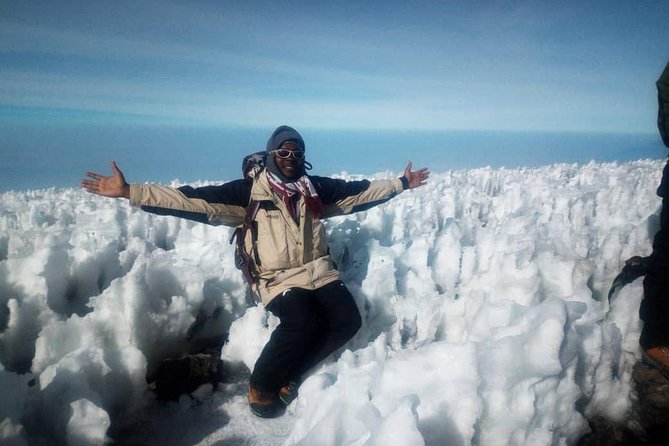
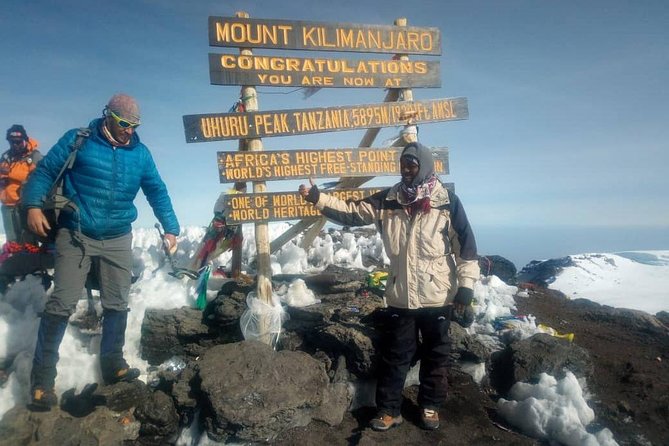
From Gilman’s Point, the route continues toward Uhuru Peak at 5,895 meters, the highest point in Africa. The summit moment is brief but powerful. You have time for photographs, though the schedule and weather may decide how long you can stay.
The return is not a gentle stroll. You descend to Kibo for lunch and rest, then continue to Horombo, covering about 15 kilometers downward after the summit push. The full day is listed as roughly eight hours, but the stated distances and summit schedule make this a very demanding day.
This is the clearest weakness of a six-day plan. The rest day helps, but the itinerary still compresses the summit attempt and descent into one long stretch. If you are worried about altitude or prefer a slower climb, ask if a longer version is available before booking this one.
Day 6: back through the forest to Moshi
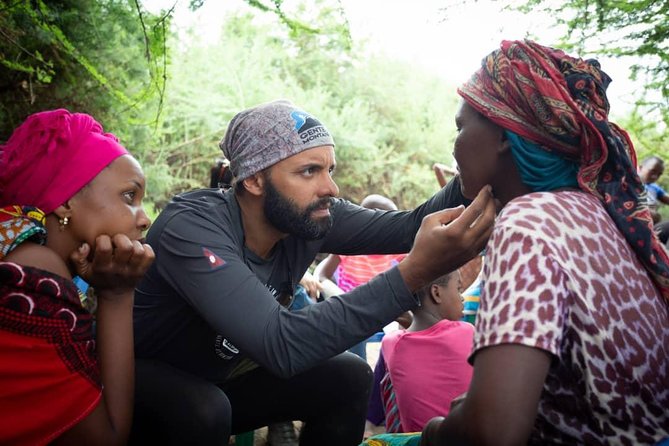
After breakfast at Horombo, you retrace the route through moorland to Mandara and then descend through the forest to Marangu Gate. The stated distance is 20 kilometers, with four to five hours of hiking.
The lower trail may be wet and muddy. Gaiters and trekking poles are specifically useful here, and you should keep rain gear and warmer clothing within reach even if you expect to wear shorts and a T-shirt at lower elevations.
A vehicle waits at Marangu Gate for the roughly one-hour drive back to your Moshi hotel. Return transport is included, which removes one final negotiation after six demanding days.
The descent is physically easier than the summit day, but tired legs can make it feel long. Pack your day bag carefully and keep snacks, water, and dry clothing easy to reach. Your mountain meals finish with breakfast on this day, so plan any later food in Moshi separately.
The human side of the mountain crew
A Kilimanjaro climb depends heavily on the people around you. The package includes qualified guides, porters, a cook, and a waiter, not just a park ticket and a route map.
Several published accounts praised the encouragement and care provided by named staff. Teacher was repeatedly linked with large group leadership, while Joseph and Goodluck were praised for helping climbers reach the top. Tuliza was credited with giving practical help throughout the hike, and Temba was described as friendly and attentive to the mountain.
Another useful detail is the repeated praise for preparation before departure. One group had many questions and received guidance from Teacher before booking, then followed the recommended preparation without trouble. That is the kind of contact I would want before paying for a high-altitude trip.
Still, one poor account described weak communication, an inexperienced guide, and disappointing transport and accommodation. That criticism should not be ignored simply because the overall published score is strong at 4.7 out of 5, with 93 percent recommending the experience. Get important promises in writing, especially the pickup plan, sleeping setup, guide assignment, equipment access, and emergency procedure.
What to pack and what you must arrange
The operator supplies camping and dining equipment, sleeping mattresses, meals, and boiled water on the mountain. You still need personal climbing gear, and the package does not specify a rental service.
Bring clothing that can handle four distinct zones: wet forest, cool heathland, dry alpine desert, and freezing summit conditions. The exact gear list is not supplied, so request one before departure rather than guessing.
Useful items named or implied by the program include:
- Gaiters for muddy lower trails
- Trekking poles for the descent
- Eye shades and earplugs for short rest periods
- Warm layers and rain gear
- A headlamp for the pre-dawn summit start
- Personal drinks and snacks if desired
- Any personal medicines and essential items
Some past departures arranged equipment rental through the local team, even allowing climbers to hire needed gear. That may be possible here, but it is not included in the stated package. Confirm availability, cost, condition, and sizing before relying on it.
Who should book this six-day climb?
This trip suits you if you want a guided Kilimanjaro attempt with a clear route, included meals, and a support crew. It is also a good fit if the Marangu Route appeals to you because you want the chance to sleep in huts rather than carry your own complete camp setup, though the accommodation wording needs confirmation.
You should be comfortable with long walking days and a very early summit start. Most participants can take part according to the supplied information, but the high altitude and demanding summit day mean this is not a casual holiday walk.
I would be more cautious if you need a relaxed schedule, dislike unclear logistics, or have not prepared for cold and altitude. The six-day format is efficient, but it leaves little spare time if you need to slow down.
Booking is non-refundable and cannot be changed for personal reasons. If poor weather forces cancellation, you are offered another date or a full refund. That weather protection is helpful, but it does not cover a change of mind.
Should you book the Marangu Route climb?
I would book this experience if the operator gives clear answers before payment and you are prepared for the demanding summit schedule. The included transport, meals, park fees, rescue fees, guides, porters, and mountain equipment make $1,899 a reasonable package price rather than a simple guided walk.
The strongest reasons to choose it are the Horombo rest day, the range of mountain habitats, and the supportive crew culture associated with names such as Teacher, Joseph, Goodluck, Temba, and Tuliza. The main reasons to hesitate are the non-refundable terms, the unclear hut and tent arrangement, and one serious complaint about organization.
Ask three questions first: Who is leading my group? Where exactly will I sleep? What happens if I cannot continue above Kibo? If the answers are prompt and specific, this can be a well-supported route to Africa’s highest summit. If the replies are vague, keep comparing operators.
FAQ
Where does the Kilimanjaro climb begin?
The meeting point is Mount Kilimanjaro in Tanzania. Pickup and return transportation are offered from Moshi to the mountain starting and finishing points.
How long is the experience?
The climb lasts approximately six days. The mountain schedule runs from the first day at the park gate through the return to Moshi on Day 6.
What route does the climb use?
The climb uses the Marangu Route. The route passes through montane forest, heathland, alpine desert, and the high summit zone.
Is Uhuru Peak included?
Yes. The summit day is planned to reach Uhuru Peak at 5,895 meters, described as the highest point in Africa.
Is there a rest day?
Yes. Day 3 is a rest day at Horombo Hut at 3,700 meters, with an optional hike toward Mawenzi Peak.
Are meals included?
Breakfast, lunch, and dinner are included on most mountain days. Day 1 includes lunch and dinner, and Day 6 includes breakfast.
Is transportation from Moshi included?
Yes. Return transportation from Moshi to the mountain starting and finishing point is included, with a vehicle taking you back to your hotel after the descent.
Are guides and porters included?
Yes. The package includes qualified guides, porters, a cook, a waiter, and their mountain support roles. Tips for these crew members are not included.
Can I cancel or change the booking?
The experience is non-refundable and cannot be changed for personal reasons. If poor weather causes the operator to cancel, you are offered a different date or a full refund.
Just added in Moshi
- Zanzibar: Stone Town tour and Nakupenda beach with Lunch★ 5.0 · 1 review
- Mt Kilimanjaro 6 days Marangu route hike★ 5.0 · 3 reviews
- machame route★ 5.0 · 16 reviews
- day trip lake manyara★ 5.0 · 2 reviews
- Private Cycle to Kilimanjaro Bike Park Safari★ 5.0 · 6 reviews
- West Kilimanjaro cycling Adventures★ 4.5 · 8 reviews
- Wildlife Extravaganza: Manyara, Tarangire & Ngorongoro in 3 Days★ 5.0 · 3 reviews
- 3 Days Private E-Bike Tour in West Kilimanjaro★ 5.0 · 3 reviews
Marangu Route Climbs, compared.


Private Full Day Hiking Experience to Marangu Route
Read our review →
From Arusha/Moshi: Kilimanjaro Hike Marangu Route Day Trip
Read our review →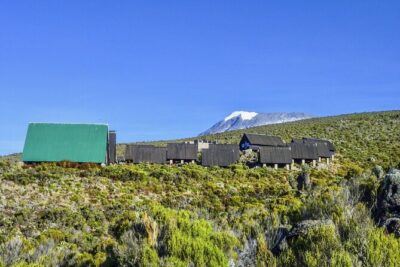
Mount Kilimanjaro Day Hike Through Marangu Route to Mandara Hut
Read our review →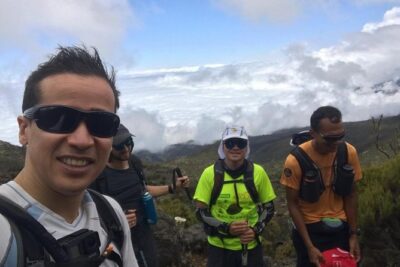
Best Kilimanjaro Adventures 6 Days Marangu Route Experience
Read our review →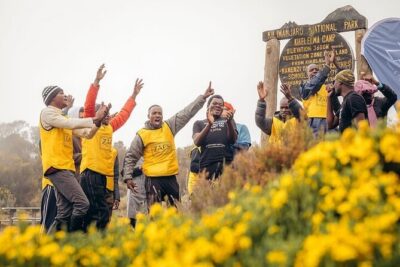
Kilimanjaro Private Climbing in 6 Days Marangu Route
Read our review →Browse the lists this tour appears in