
Reviewed · MARANGU ROUTE CLIMBS
6 Days Kilimanjaro climb – Marangu route
Sleep in huts, then climb into Arctic cold. This six-day Marangu Route climb gives you a classic Kilimanjaro ascent without tent camping, following the path linked to Hans Meyer’s first European summit attempt. I like the overnight huts and the built-in acclimatization day on Mawenzi Ridge, both useful advantages on a demanding mountain.
I also like that the tour is private, with transport, five breakfasts, six lunches, and five dinners included. The main concern is the tight schedule. You reach 19,341 feet on summit day after only a few days of climbing, so altitude sickness can turn this friendly-sounding Coca-Cola Route into a very serious test.
In This Review
- Key points about this Kilimanjaro climb
- What the $2,000 price gets you
- Marangu Gate to Mandara Hut: the green first day
- Mandara Hut to Horombo Hut: the first high views
- Mawenzi Ridge: the acclimatization day that matters
- Across the Saddle to Kibo Hut
- Midnight to Uhuru Peak at 19,341 feet
- The long descent through rain forest
- Food, crew support, and the human side
- Who should choose the Marangu Route?
- Practical details before you book
- Should you book this six-day climb?
- FAQ
- How long is the Kilimanjaro climb?
- What route does this experience use?
- Do I sleep in tents?
- What is included in the $2,000 price?
- Are tips for the mountain crew included?
- What fitness level do I need?
- Can I cancel for a full refund?
Key points about this Kilimanjaro climb
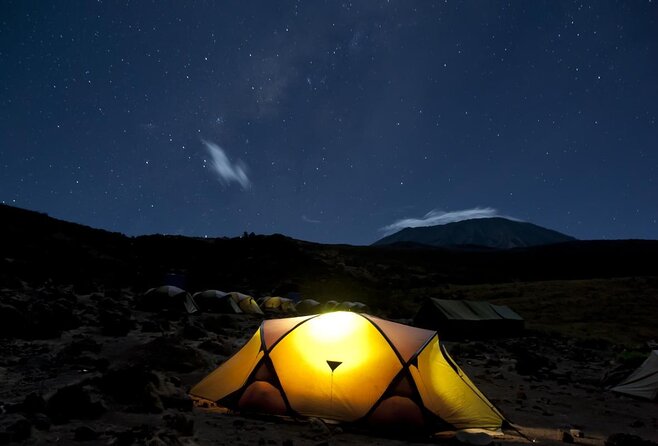
- Hut accommodation: You sleep in mountain huts rather than tents, a major comfort advantage in wet or cold weather.
- Mawenzi acclimatization day: Day three adds a shorter hike to Mawenzi Ridge before returning to Horombo Hut.
- Long summit day: Day five takes about 13 hours, with a midnight start, a summit push, and a descent to Horombo.
- Private tour format: Only your own group participates, with pickup and private transportation offered.
- Full meal plan: Breakfast is included on five mornings, lunch on all six days, and dinner on five nights.
- Experienced support team: A six-person group was supported by guides, cooks, and porters, and the staff received strong praise for care and reliability.
What the $2,000 price gets you
At $2,000 per person, this is not a cheap mountain walk. But Kilimanjaro costs more than a normal hiking holiday because the price covers a support operation, not just a guide showing you a path.
Your package includes private transportation, admission fees, and meals throughout the climb. Breakfast is provided five times, lunch six times, and dinner five times. The mountain crew is part of the experience too. One group of six had 27 guides, cooks, and porters supporting them, although you should confirm exactly which crew costs are covered in your booking.
Tips for the mountain crew are not included. Personal expenses are also extra. Those two omissions matter, so you should budget for them before arriving in Moshi rather than treating the advertised price as the final cost.
The price also buys a private format. You are not placed into a large mixed group, and only your party takes part. That can make a real difference if someone needs to slow down, rest, or change plans. It also means your group should discuss fitness and pace honestly before starting.
The company’s overall rating is 4.7 from three ratings, and the strongest praise focuses on the crew. The support team was described as reliable and professional, with fresh food and careful help when one climber fell behind. That is valuable on a mountain where patience and steady support count for more than speed.
More Kilimanjaro climbs:
- Kilimanjaro climb by Lemosho Route (7-day)
★ 5.0 · 651 reviews - Kilimanjaro climb, Machame Route (7-day)
★ 5.0 · 262 reviews - Kilimanjaro Climbing Lemosho Route 8 Days.
★ 5.0 · 186 reviews
Marangu Gate to Mandara Hut: the green first day
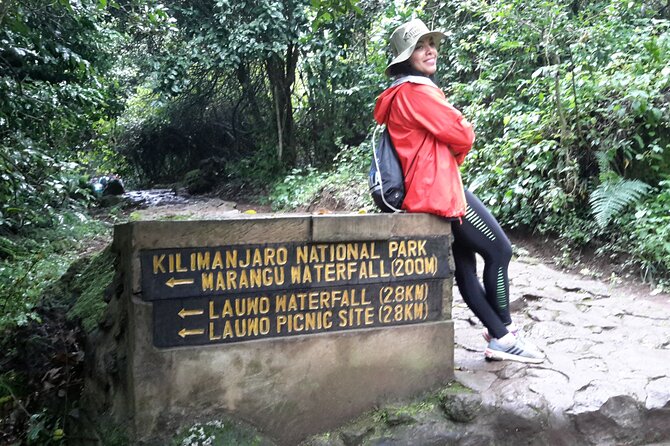
Your first day begins with pickup from Moshi at 7:00 am and a drive to Marangu Gate. The gate formalities come first, then your climb starts at about 6,046 feet.
The trail rises through tropical rain forest for 8 kilometres, or about 5 miles. Expect four to five hours of walking before reaching Mandara Hut at 8,858 feet. This is the gentlest-feeling day, though you still gain more than 2,800 feet.
The forest is one of the pleasant surprises of the route. The air is greener and cooler than in Moshi, and blue monkeys may appear near the upper edge of the trees. The trail later widens, opening views across the hillsides as you approach the hut.
I like this first day because it gives you time to settle into the rhythm of mountain walking. You can learn how your boots feel, how much water you want to carry, and how your group handles a steady climb before the altitude becomes a major factor.
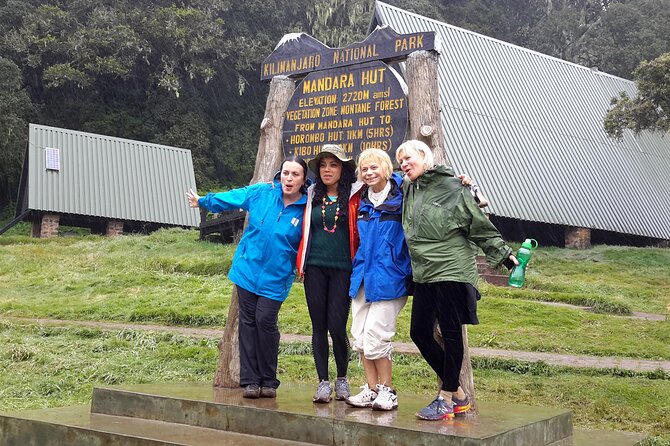
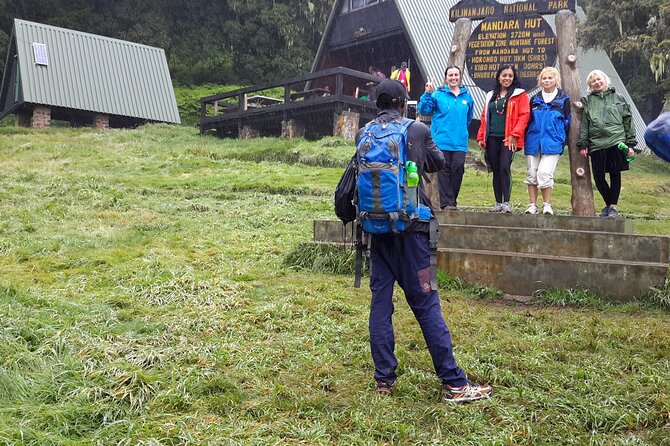
Mandara Hut is also your first taste of hut life. You avoid sleeping in a tent, but do not mistake that for a hotel stay. The huts are functional mountain accommodation, and the climb remains a physically demanding trip.
Mandara Hut to Horombo Hut: the first high views
Day two covers 12 kilometres, or 7 miles, and takes about six to eight hours. You climb from 8,858 feet to 12,205 feet, leaving the forest behind and entering high moorland.
This change in vegetation is a clear reminder that Kilimanjaro is a mountain of several climates. The trail opens up, and you may get your first views of Kibo and Mawenzi, two of the three volcanic peaks that make up Kilimanjaro.
Horombo Hut is an important stop. At 12,205 feet, you are high enough for altitude symptoms to begin, even if the walking still feels manageable. A slow pace is not wasted time here. It helps you notice headaches, nausea, unusual tiredness, or other signs that your body is struggling.
The second day is longer than the first, but it is not the hardest day. The real value is the gradual move upward. You are gaining height while still walking through terrain that offers broad views and a relatively clear route.
Mawenzi Ridge: the acclimatization day that matters
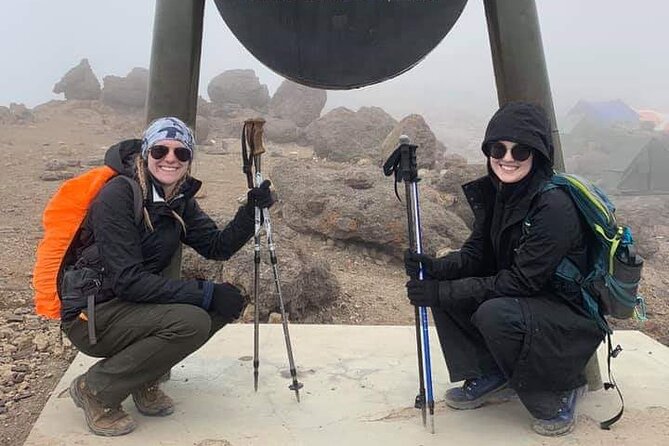
Day three is the most useful design feature in this six-day schedule. Instead of moving straight toward Kibo, you hike from Horombo Hut toward Mawenzi Ridge, gaining from 12,205 feet to about 14,400 feet before returning to Horombo.
The hike up takes two to three hours, and the return takes one to two hours. The total distance is about 5 kilometres each way according to the schedule, with roughly six hours of walking overall. The day is meant for acclimatization, not for reaching a new hut.
Mawenzi Ridge provides views toward both Mawenzi and Kibo, along with a more severe high-mountain setting. You get a taste of greater altitude, then sleep again at Horombo rather than pushing higher for the night.
I would not treat this as a spare day you can skip. The next stage takes you above 15,000 feet, and the summit is nearly 20,000 feet. This extra day gives your body more time to adjust and gives your guide a chance to see how you are coping.
Still, six days is a short Kilimanjaro schedule. The acclimatization day helps, but it cannot remove the risk of altitude sickness. One climber in the group had to turn back because of altitude problems. That possibility should be part of your planning, not an unpleasant surprise.
More Marangu Route climbs:
- Kilimanjaro climb, Marangu route (6-day)
★ 5.0 · 72 reviews - Climbing Kilimanjaro – Marangu Route
★ 5.0 · 65 reviews - Kilimanjaro Climbing 5 days Marangu route
★ 5.0 · 22 reviews - Best Kilimanjaro Adventures 6 Days Marangu Route Experience
★ 5.0 · 18 reviews
Across the Saddle to Kibo Hut
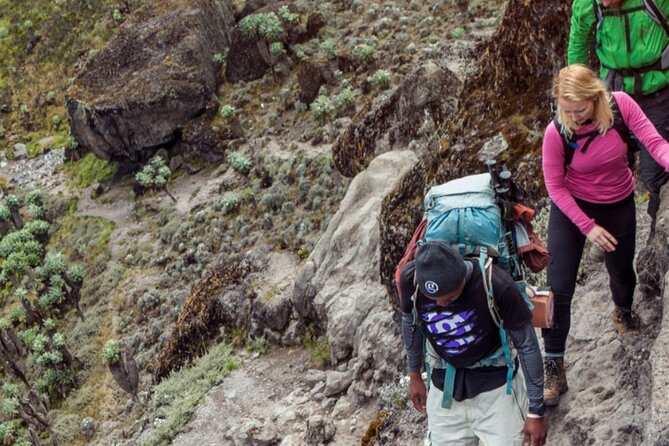
On day four, you climb from Horombo Hut at 12,205 feet to Kibo Hut at 15,430 feet. The walk covers 10 kilometres, or 6 miles, and takes about six to eight hours.
The route crosses the Saddle, the broad, stark area between Mawenzi and Kibo. The habitat changes to alpine desert, with less vegetation and a much more exposed feel. The climb is gradual, but the height makes every step more important.
Kibo Hut sits at the bottom of the Kibo crater wall. Once you arrive, the schedule calls for rest and an early dinner before the summit attempt. This is a quiet, practical evening. You are not there for entertainment. You are there to eat, organize your clothing, and sleep if your nerves and altitude allow it.
The timing is demanding. You have already spent four days gaining height, and you now need to prepare for the hardest night of the trip. Keep your day four effort controlled. Racing to Kibo Hut does not make summit day easier.
Midnight to Uhuru Peak at 19,341 feet
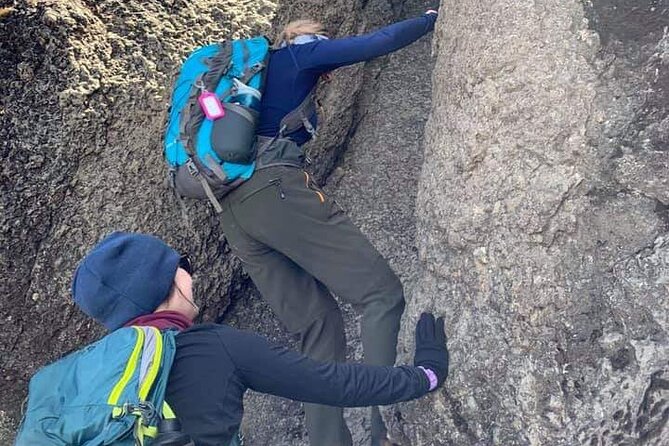
The summit push begins around midnight. You leave Kibo Hut in darkness and climb for six to eight hours toward Uhuru Peak, the highest point on Kilimanjaro at 19,341 feet.
This is the part of the trip that tests your head as much as your legs. The wind and cold can be severe at that hour and height. The route rises slowly for several hours, with frequent short breaks rather than long stops.
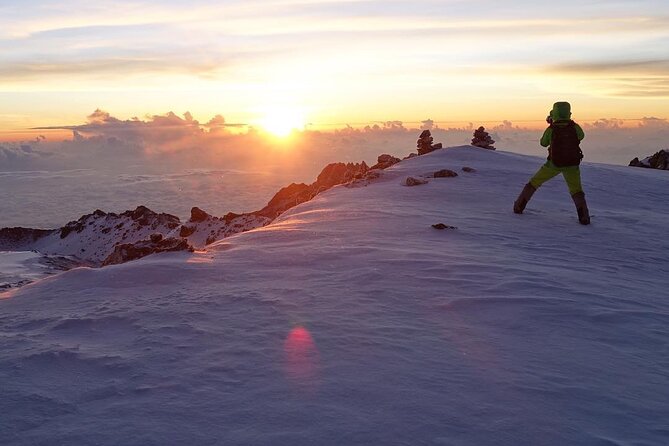
At about 18,600 feet, you reach Gilman’s Point. The schedule highlights the sunrise from this high section as one of the great rewards of the climb. From there, the route continues toward Uhuru Peak.
You should understand the numbers before booking. The summit ascent takes six to eight hours, then the descent to Horombo Hut takes another four to five hours. Day five lasts about 13 hours and covers 6 kilometres, or 4 miles, on the ascent plus 16 kilometres, or 10 miles, on the descent.
That distance may look modest on paper. It is not modest at altitude, in freezing conditions, after a midnight start. The descent can feel like a relief, but tired legs and loose footing still require care.
This is also where the private format can help. If you are slower than the rest of your party, the guide team can focus on your situation rather than managing a large public group. Strong support was one of the clearest positives from the available feedback. A climber who fell behind was not left alone, and that kind of attention is exactly what you want on summit night.
Reaching the top is not guaranteed. The altitude sickness account makes that plain. A responsible decision to turn back is still a successful mountain decision. You should ask before departure how the company handles a retreat, medical concerns, and any extra transport or accommodation costs.
The long descent through rain forest
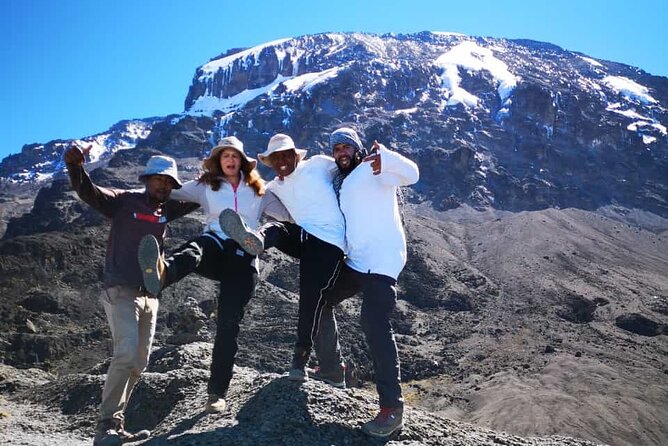
After the summit, you return to Horombo Hut at about 12,205 feet. Day six continues down to Mweka Gate at 6,046 feet, covering 20 kilometres, or 12 miles, in about five to seven hours.
The descent passes back through rain forest. Lower down, the trail may be wet and muddy, so shoes with good grip and clothing that can handle rain are sensible. Your legs may be more tired on this day than you expect. Descending for hours after the summit can be hard on knees and feet.
At Mweka Gate, you collect summit certificates. From there, the schedule calls for another hour to Mweka Village, where a vehicle meets you for the drive back to your Moshi hotel.
That final transfer is a welcome practical touch. You do not need to arrange your own ride from the mountain after a 20-kilometre descent. It also gives you a clear finish: gate formalities, village transfer, then a return to town.
Food, crew support, and the human side
Food is included throughout the climb, and the strongest praise went to the fresh meals. You receive five breakfasts, six lunches, and five dinners, so you are not left to manage mountain meals on your own.
The support operation appears substantial. One six-person group had 27 people between guides, cooks, and porters. That ratio may not apply to every departure, so confirm your staffing details, but it shows the level of assistance that can be involved.
Communication with the reservation contact, Issa, was also described as prompt, with replies within a day and clear explanations before the climb. That is useful when you are sorting out timing, questions, and what to bring.
At the same time, a large support team brings an ethical question. You should ask how porter loads are managed, what wages and working conditions apply, and how tipping is handled. Tips are not included, so get guidance on a fair amount and method before you go.
Who should choose the Marangu Route?
I would consider this route for a fit hiker who values huts, private support, and a familiar classic path. It suits you if sleeping off the ground matters, if you prefer not to camp, and if you want a planned acclimatization day.
You need a moderate level of physical fitness. The daily walks are not all extreme, but the summit day is long, cold, dark, and high. You should be comfortable walking for several hours on consecutive days.
The route is less suitable if you want a leisurely mountain schedule. Six days gives you less time to adjust than a longer climb would. It is also not the right choice if you are hoping for a casual walk because of the friendly Coca-Cola nickname.
You should be ready for a private trip where the group’s pace matters. A small group can be flexible, but it can also mean that individual fitness differences become more obvious. Talk frankly with the company before booking.
Practical details before you book
Pickup is offered, and the listed start time is 7:00 am. Confirmation is sent at booking. The activity is private, and only your own group participates.
Free cancellation is available if you cancel at least 24 hours before the local start time. Cancellations within 24 hours are not refunded, and late changes are not accepted.
I would ask for written clarification on four points before paying:
- Which accommodation and crew costs are covered by the $2,000 price
- How tipping the mountain crew is handled
- What happens if altitude sickness forces an early descent
- What personal gear you are expected to provide
These questions are not fussing over fine print. They help you compare this climb fairly with other Kilimanjaro options.
Should you book this six-day climb?
Book it if you want the classic Marangu path, hut sleeping, private transport, included meals, and a strong support team. The Mawenzi Ridge acclimatization day is a real advantage, and the practical help from guides, cooks, and porters adds value to the price.
Think twice if your main priority is the best possible acclimatization schedule. Six days remains compact, and the summit day is punishing. I would choose this trip only after matching its demands with your fitness, altitude experience, and comfort with turning back if your health requires it.
For a prepared climber who accepts those limits, this is a solid and traditional way to approach Kilimanjaro. The huts make it simpler than a camping route, but the mountain still sets the rules.
FAQ
How long is the Kilimanjaro climb?
The climb lasts approximately six days, beginning and ending near Moshi, Tanzania.
What route does this experience use?
It uses the Marangu Route, also called the Coca-Cola Route. The path follows the classic route associated with Hans Meyer’s first European summit attempt.
Do I sleep in tents?
No. The Marangu Route uses sleeping huts, so camping is not required on this climb.
What is included in the $2,000 price?
The package includes private transportation, six lunches, five breakfasts, and five dinners. Admission tickets are also included during the scheduled mountain days.
Are tips for the mountain crew included?
No. Tipping the mountain crew is listed as an extra cost, along with personal expenses.
What fitness level do I need?
You should have a moderate level of physical fitness. The summit day includes a midnight start, six to eight hours to Uhuru Peak, and another four to five hours descending to Horombo Hut.
Can I cancel for a full refund?
Yes, if you cancel at least 24 hours before the experience start time. Cancellations made within 24 hours are not refunded, and late changes are not accepted.
Just added in Moshi
- Zanzibar: Stone Town tour and Nakupenda beach with Lunch★ 5.0 · 1 review
- day trip lake manyara★ 5.0 · 2 reviews
- Mt Kilimanjaro 6 days Marangu route hike★ 5.0 · 3 reviews
- machame route★ 5.0 · 16 reviews
- Private Cycle to Kilimanjaro Bike Park Safari★ 5.0 · 6 reviews
- West Kilimanjaro cycling Adventures★ 4.5 · 8 reviews
- Wildlife Extravaganza: Manyara, Tarangire & Ngorongoro in 3 Days★ 5.0 · 3 reviews
- 3 Days Private E-Bike Tour in West Kilimanjaro★ 5.0 · 3 reviews
Marangu Route Climbs, compared.
Private Full Day Hiking Experience to Marangu Route
Read our review →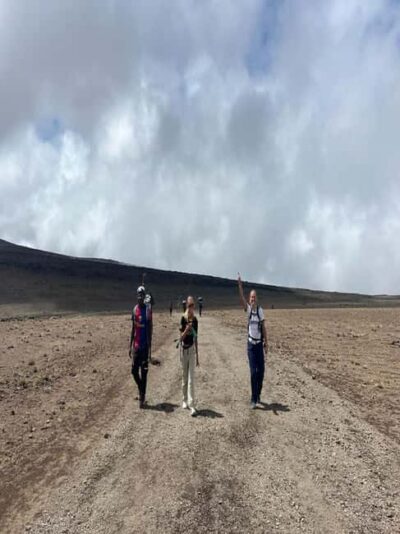
From Arusha/Moshi: Kilimanjaro Hike Marangu Route Day Trip
Read our review →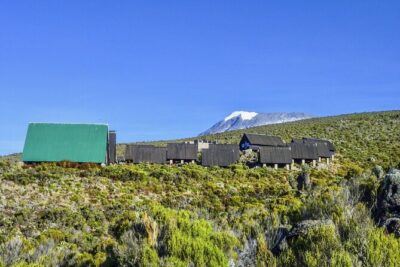
Mount Kilimanjaro Day Hike Through Marangu Route to Mandara Hut
Read our review →
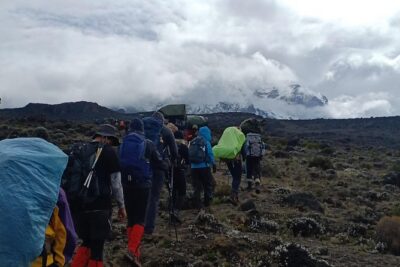
Best Kilimanjaro Adventures 6 Days Marangu Route Experience
Read our review →
Kilimanjaro Private Climbing in 6 Days Marangu Route
Read our review →Browse the lists this tour appears in