
Reviewed · MARANGU ROUTE CLIMBS
6 Days MARANGU ROUTE (Kilimanjaro Trekk)
Kilimanjaro rewards patience more than speed. This six-day Marangu Route trek gives you a clear path from Moshi to Uhuru Peak, with hut stays, meals, park fees, guides, porters, and pickup offered. I especially like the built-in acclimatization day at Horombo Hut and the steady progression through rainforest, heathland, alpine desert, and the arctic summit zone. The main consideration is simple: six days is still a demanding climb, and the high altitude can defeat a fit person who rushes or ignores the guide’s advice.
I also like the strong human support. The listed team includes guides such as William, Sanke, and Rama, with repeated praise for careful health checks, encouragement, and safe summit support. The drawback is that the description contains mixed details about camping equipment and hut accommodation, and it also refers to the Machame Route even though the itinerary clearly follows Marangu. I would confirm those points before paying the $1,980 price.
In This Review
- Key points to know before you book
- What this six-day Kilimanjaro trek is really like
- Day one: Marangu Gate to Mandara Hut
- Day two: heathland and the first view of Mawenzi
- Day three: a full acclimatization day at Horombo
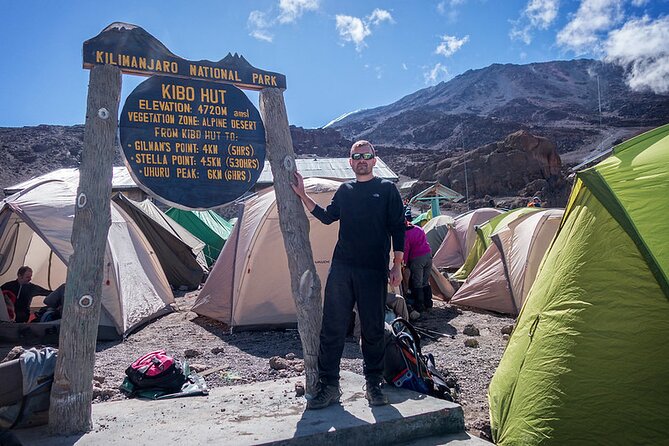
- Day four: the alpine desert and Kibo Hut
- Day five: Uhuru Peak and the long return to Horombo
- Day six: back through the rainforest to Marangu Gate
- The guides and support team matter most
- What the $1,980 price includes
- Who should choose this route
- Booking details and cancellation terms
- Should you book the six-day Marangu Route?
- FAQ
- Where does the Kilimanjaro trek begin?
- How long is the Marangu Route experience?
- What time does the experience start?
- Is an acclimatization day included?
- Where do you stay during the trek?
- What is included in the price?
- What is not included?
- How difficult is the summit day?
- Can I cancel for a full refund?
Key points to know before you book
- Six days includes a useful acclimatization day at Horombo Hut, with an optional hike to Zebra Rocks.
- The route uses Marangu’s hut-to-hut pattern, according to the daily plan, rather than a camping-only setup.
- Summit day is the hardest part, beginning in the early morning and continuing from Kibo Hut to Uhuru Peak, then down to Horombo.
- Guides are central to the experience, with Sanke, Rama, and William named in the supplied information.
- The $1,980 price includes major climbing costs, including park fees, meals, accommodation, equipment, taxes, and a professional guide.
- The route passes through several ecological zones, from rainforest and heathland to alpine desert and the cold arctic summit area.
What this six-day Kilimanjaro trek is really like
This is a serious mountain trip, not a casual walk with a dramatic finish. You begin near Moshi and climb Mount Kilimanjaro through changing plant zones until you reach Uhuru Peak, described here at 19,340 feet. The route gives you a strong sense of progress because the scenery changes almost every day.
The Marangu Route is often known for its hut-based schedule. That matters because you are not relying on a tent every night, though the tour information also lists camping equipment. The practical lesson is to ask exactly where you sleep on each night and what equipment is supplied.
The six-day schedule is more sensible than trying to rush up and down the mountain. You spend one full day at Horombo for acclimatization, which gives your body extra time at altitude before the push to Kibo Hut. That day does not make the climb easy, but it gives you a better chance of handling the summit attempt.
You should also understand the limits of the schedule. Day five combines the summit climb with a long descent to Horombo Hut. That is an exhausting day, even for a strong hiker. The trip suits you best if you can walk for many hours, accept a slow pace, and follow the guide’s instructions without trying to prove anything.
More Marangu Route climbs:
- Kilimanjaro climb, Marangu route (6-day)
★ 5.0 · 72 reviews - Climbing Kilimanjaro – Marangu Route
★ 5.0 · 65 reviews - Kilimanjaro Climbing 5 days Marangu route
★ 5.0 · 22 reviews
Day one: Marangu Gate to Mandara Hut
Your first morning begins at Marangu Gate, where park formalities are completed and you meet the guides and porters. The listed start time is 9:00 am, and pickup is offered, so confirm where the vehicle will collect you in or around Moshi.
The first walking section covers about eight kilometers and takes roughly eight hours according to the schedule. That sounds long for a relatively easy day, but mountain timing includes stops, formalities, food, and the slow pace needed at altitude.
The route starts in the rainforest. This is one of the most enjoyable parts of the climb because the air feels cooler and the vegetation is thick. You might spot birds or other signs of wildlife, though the provided details do not promise particular sightings on this first day.
Mandara Hut sits at about 2,700 meters. Reaching it is an important first step, but do not treat the easy opening as proof that the whole trek will feel comfortable. Your body is beginning to adjust, and the real altitude challenge comes later.
I would use day one to settle into the group and pay attention to the guide’s pace. The support team is a major part of the value here. The strongest praise attached to this operator centers on friendly, professional staff and guides who check how people are feeling rather than simply pushing ahead.
Day two: heathland and the first view of Mawenzi
After breakfast, you leave the rainforest and enter the heathland zone. The change is noticeable. Trees give way to more open ground, and the views become wider as you gain height.
This section covers about 12 kilometers and takes around eight hours. Horombo Hut is your destination, at roughly 3,700 meters. You may get views of Mawenzi Peak, one of Kilimanjaro’s dramatic volcanic formations, and the sight helps you understand the mountain’s unusual shape.
The distance is not extreme on paper, but the altitude changes how your legs and breathing feel. I would keep your pace deliberately slow and take small drinks often. The schedule itself stresses pacing and hydration later, but those habits should begin from the first day.
Horombo is an important overnight stop because it gives you access to the acclimatization day that follows. This is where the six-day plan earns its keep. A shorter schedule may save a day, but it gives you less time to adjust before the summit attempt.
Day three: a full acclimatization day at Horombo
Day three is not a wasted day. It is the most useful part of the schedule for anyone concerned about altitude.
You can rest at Horombo Hut or take a short hike toward Zebra Rocks. The optional walk provides scenery without committing you to a major gain in height. If you feel unwell, rest is the wiser choice. There is no prize for forcing a side trip when your body is asking for a break.
The schedule allows about seven hours for the day, though that does not mean you need to walk for seven hours. The purpose is to help your body adjust, keep you moving gently, and prepare for the much higher huts ahead.
I like that this day is built into the trip rather than left to chance. The guides’ reported habit of checking health and mood is especially important here. Sanke, named as a guide on one Marangu climb, was praised for regular attention to both physical condition and morale. That is exactly the kind of support you want when altitude makes a normal day feel strangely difficult.
A few more options to weigh up in Moshi
- Kilimanjaro climb by Lemosho Route (7-day)
★ 5.0 · 651 reviews - Safari Serengeti And Ngorongoro
★ 5.0 · 288 reviews - Kilimanjaro climb, Machame Route (7-day)
★ 5.0 · 262 reviews - Kilimanjaro Climbing Lemosho Route 8 Days.
★ 5.0 · 186 reviews
Day four: the alpine desert and Kibo Hut
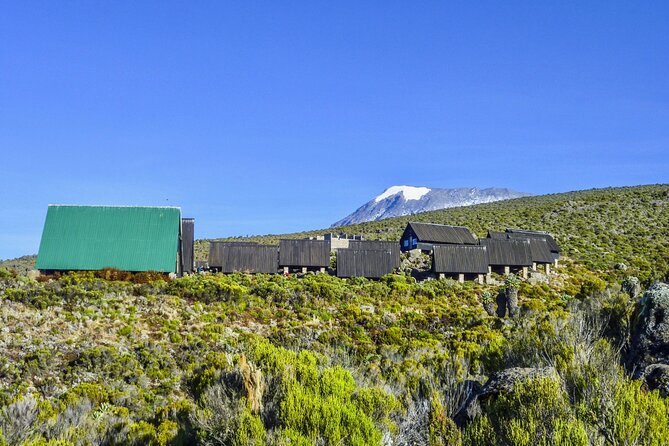
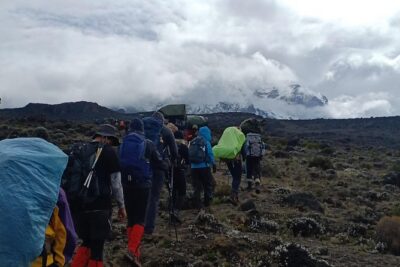
The route now becomes harsher. You leave Horombo and continue toward Kibo Hut, at about 4,700 meters. The vegetation thins as you enter the alpine desert zone, and the broad saddle between Mawenzi and Kibo comes into view.
This is an approximately eight-hour walking day. The distance is not provided, but the effort is clear from the altitude. Kibo Hut is the staging point for the summit attempt, and many people find the night before the climb mentally challenging. You know the hardest hours are close.
The terrain here is more exposed and spare than the rainforest below. I would keep your clothing easy to adjust, protect your water from the cold, and save energy for the morning. Those gear specifics are personal planning advice, not listed inclusions, so check the operator’s equipment list before you arrive.
The tour includes safety equipment, but the phrase is broad. Ask what is supplied and what you must bring yourself. Personal gear is specifically excluded, along with travel insurance, visa costs, and tips.
Day five: Uhuru Peak and the long return to Horombo
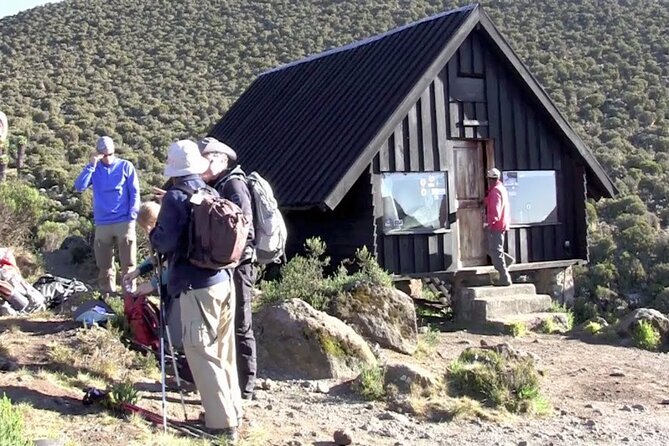
Summit day begins in the early hours. The goal is to reach Uhuru Peak before sunrise, then return to Kibo Hut and continue down to Horombo Hut.
This is the physical and mental center of the trip. You climb from about 4,700 meters toward the summit, where the cold and thin air make every step count. The schedule describes the ascent as challenging, and that is the right expectation. You should not judge your ability by how easily day one felt.
The summit reward is the view and the knowledge that you have reached Africa’s highest point. The itinerary identifies the peak at 19,340 feet and presents it as one of the world’s seven summits. After a short celebration and photos, you begin descending.
The descent is not an easy afterthought. You still have to return to Kibo Hut and then continue to Horombo. That makes day five unusually long and tiring. A strong guide earns his fee here by setting a controlled pace, watching for signs of altitude trouble, and keeping the group together.
Rama is specifically praised for supporting a safe Uhuru Peak attempt on another Kilimanjaro route. William is also credited with giving a nervous group the confidence to take on the six-day schedule. Those details point to the sort of encouragement that can matter when the summit feels far away.
Day six: back through the rainforest to Marangu Gate
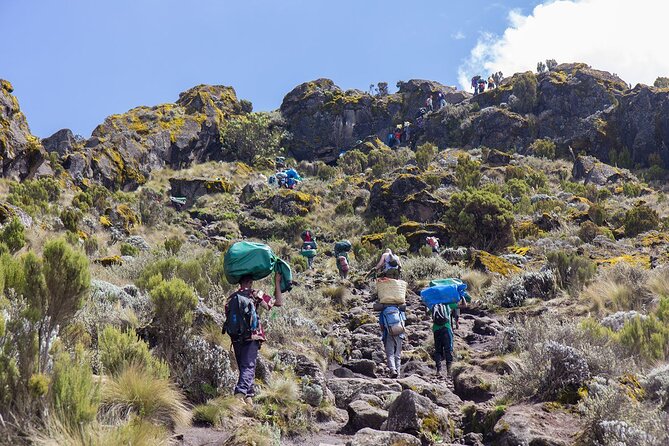
The final day takes you from Horombo Hut down to Marangu Gate. The listed walking time is about five hours, and you pass back through the heath and rainforest zones.
After the stark upper mountain, the return of thicker vegetation feels welcome. You might see colobus monkeys or birds on the descent, though wildlife sightings are not guaranteed.
At the gate, you receive summit certificates and say goodbye to the guides and porters. This closing moment is more than paperwork. The support team has carried equipment, prepared meals, guided the route, and helped manage the hardest hours. I would budget for tipping because it is excluded and because the staff’s work is central to the experience.
The descent also gives you a chance to notice how quickly the mountain changes. In a few hours, you move from cold, thin air back toward the forest. That contrast is one of the best features of the route.
The guides and support team matter most
The most strongly praised part of this experience is the staff. Sanke is described as a professional guide who carefully checked health and mood. Rama is praised for support during a summit attempt, while William is credited with organizing the trek and giving hesitant climbers confidence.
Those names are useful, but they do not guarantee that every departure will use the same guide. Ask who will lead your group and how many assistants will be present.
The tour allows up to 100 participants. That is a large maximum, and the quality of your experience may depend on the actual group size and guide-to-climber ratio. I would ask whether the departure is private, shared, or divided into smaller walking groups.
The supplied comments also point to reliable organization, friendly staff, and a safe return from the summit. I would still treat safety as a shared responsibility. Listen to the guide, report symptoms early, and do not hide difficulty to keep up.
What the $1,980 price includes
At $1,980 per person, this is a major purchase, but the inclusions cover many of the expensive parts of a Kilimanjaro climb. The price includes:
- Park fees
- Meals
- Accommodation
- Camping equipment
- Safety equipment
- A professional guide
- All fees and taxes
That package offers reasonable value if the accommodation and equipment match your expectations. Park charges alone are an important part of a Kilimanjaro trip, and meals, porters, guiding, and mountain accommodation add up quickly.
Still, I would clarify the sleeping arrangements. The daily plan names Mandara Hut, Horombo Hut, and Kibo Hut, while the inclusions mention camping equipment. The overview also uses the phrase Signature Camping, with spacious tents and deluxe comfort, which does not match the hut-focused daily schedule. This may simply be copied from another route description, but it deserves a direct question.
The description also calls the route Machame in one place, even though every daily stop follows Marangu. That is a real planning issue because the routes differ in scenery, sleeping arrangements, and route pattern. Confirm that your booking is for the six-day Marangu Route.
You must pay separately for your visa, travel insurance, personal gear, and tips. I would not cut corners on insurance or clothing. The operator’s general safety equipment does not replace your own suitable mountain clothing and footwear.
Who should choose this route
I would recommend this trip to you if you want a structured route with hut stops and a built-in acclimatization day. It is also a good fit if you value strong guide support and prefer a clear six-day plan instead of designing every detail yourself.
The route suits people who can manage long walking days and who understand that altitude, not technical climbing, is the main challenge described here. You do not need to be an expert mountaineer based on the supplied information, but you do need physical preparation and patience.
I would hesitate if you want a relaxed holiday with a guaranteed summit. No responsible operator can promise that. I would also hesitate if you dislike early starts, basic mountain accommodation, long descents, or group travel.
The maximum group size of 100 deserves attention. If you want a quieter experience, ask for the expected number of people on your departure and whether the walking group is split into smaller teams.
Booking details and cancellation terms
Pickup is offered, and the stated start time is 9:00 am. The meeting point is in Moshi, Tanzania, with access near public transportation.
Confirmation is received at booking, and the activity is listed as suitable for most participants. That wording does not remove the need for preparation. Kilimanjaro’s altitude and the summit schedule remain demanding.
Free cancellation is available if you cancel at least 24 hours before the local start time. Cancellations made less than 24 hours in advance are not refunded, and changes inside that window are not accepted.
Should you book the six-day Marangu Route?
I would book this trek if you want a well-supported Kilimanjaro attempt with an acclimatization day, hut-based stops, meals, park fees, and an experienced guiding team included in one price. The strongest reasons are the careful guide support, the sensible Horombo rest day, and the steady change from rainforest to summit terrain.
Before booking, I would confirm three things in writing: that the route is Marangu rather than Machame, that the accommodation is in huts rather than tents, and what safety equipment and personal gear are supplied. If those details are clear and you are ready for a very long summit day, the six-day plan offers a credible way to reach Uhuru Peak without rushing the mountain.
FAQ
Where does the Kilimanjaro trek begin?
The trek begins at Marangu Gate in Kilimanjaro National Park. The experience is based in Moshi, Tanzania, and pickup is offered.
How long is the Marangu Route experience?
The trek lasts approximately six days.
What time does the experience start?
The stated start time is 9:00 am.
Is an acclimatization day included?
Yes. Day three is spent at Horombo Hut for acclimatization. You can rest or take a short hike to Zebra Rocks.
Where do you stay during the trek?
The daily plan names Mandara Hut, Horombo Hut, and Kibo Hut. The inclusions also mention camping equipment, so you should confirm the exact sleeping arrangements before booking.
What is included in the price?
The $1,980 price includes park fees, safety equipment, meals, all fees and taxes, camping equipment, a professional guide, and all accommodation.
What is not included?
Visa costs, travel insurance, personal gear, and tipping are not included.
How difficult is the summit day?
Day five is described as the most challenging day. You start in the early hours, climb to Uhuru Peak, descend to Kibo Hut, and continue to Horombo Hut.
Can I cancel for a full refund?
Yes, if you cancel at least 24 hours before the experience start time. Cancellations made less than 24 hours before the local start time are not refunded.
Just added in Moshi
- Zanzibar: Stone Town tour and Nakupenda beach with Lunch★ 5.0 · 1 review
- day trip lake manyara★ 5.0 · 2 reviews
- Mt Kilimanjaro 6 days Marangu route hike★ 5.0 · 3 reviews
- machame route★ 5.0 · 16 reviews
- Private Cycle to Kilimanjaro Bike Park Safari★ 5.0 · 6 reviews
- West Kilimanjaro cycling Adventures★ 4.5 · 8 reviews
- Wildlife Extravaganza: Manyara, Tarangire & Ngorongoro in 3 Days★ 5.0 · 3 reviews
- 3 Days Private E-Bike Tour in West Kilimanjaro★ 5.0 · 3 reviews
Marangu Route Climbs, compared.


Private Full Day Hiking Experience to Marangu Route
Read our review →
From Arusha/Moshi: Kilimanjaro Hike Marangu Route Day Trip
Read our review →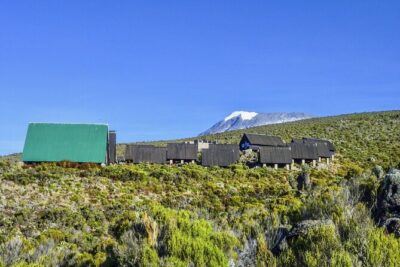
Mount Kilimanjaro Day Hike Through Marangu Route to Mandara Hut
Read our review →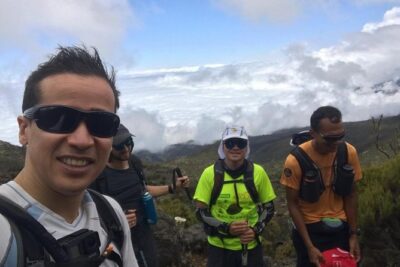
Best Kilimanjaro Adventures 6 Days Marangu Route Experience
Read our review →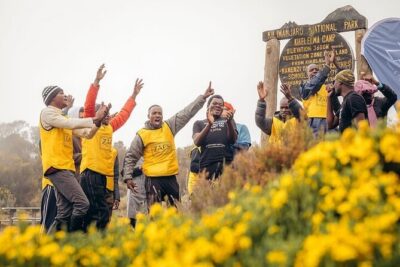
Kilimanjaro Private Climbing in 6 Days Marangu Route
Read our review →Browse the lists this tour appears in