
Reviewed · CAMPING SAFARIS
4 days adventure camping safari
Wild Africa rewards early mornings. This four-day safari from Moshi packs Tarangire, the Serengeti, and Ngorongoro Crater into one fast-moving trip, with mobile camping, meals, bottled water, and a 4×4 safari vehicle included. I like the chance to see three very different parks in a short time, and I especially like that the schedule includes both early game drives and a Serengeti sunset.
The experience also earns praise for its local guides and cooks. Guides such as Simon, Chadi, Chedy, Jeff, and Bryson have been singled out for animal knowledge, humor, careful driving, and practical help. The main drawback is the pace: long days in the vehicle, early breakfasts, rough camping, and plenty of time on dusty roads. This suits you if you want wildlife first and comfort second.
In This Review
- Key points to know before booking
- What $1,650 buys you in northern Tanzania
- Day 1: Tarangire’s elephants and open woodland
- Day 2: Ngorongoro views, Maasai culture, and the Serengeti
- Day 3: A long Serengeti game drive
- Day 4: Descending into Ngorongoro Crater
- Camping under the stars, with the practical trade-offs
- Guides, cooks, and the human side of the safari
- Who will enjoy this safari most?
- Booking details worth checking first
- Should you book the four-day adventure safari?
- FAQ
- Where does the safari begin?
- How long does the safari last?
- Which parks does the safari visit?
- Is camping equipment included?
- Are meals included?
- Is bottled water included?
- Is the safari vehicle included?
- Is the Maasai village visit included?
- Are tips included in the price?
- Can I cancel for a full refund?
Key points to know before booking
- Three major parks in four days: You visit Tarangire, Serengeti, and Ngorongoro Crater, giving you a broad taste of Tanzania’s Northern Circuit.
- Mobile camping under the stars: Tents and camping equipment are supplied, but this is still a rough it safari rather than a lodge holiday.
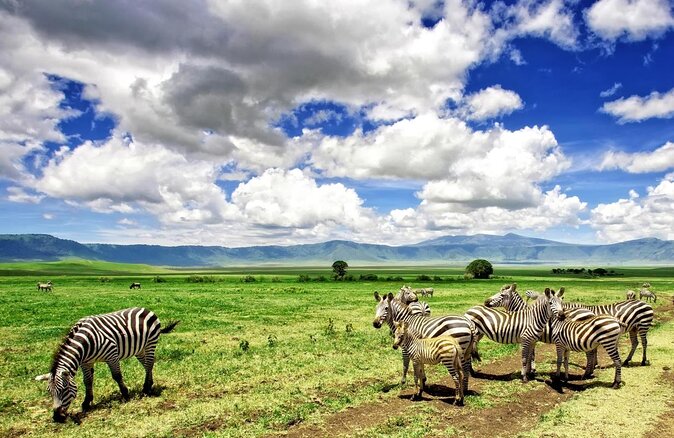
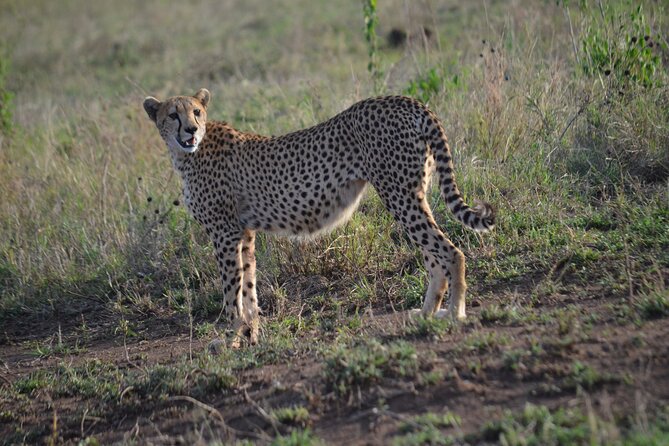
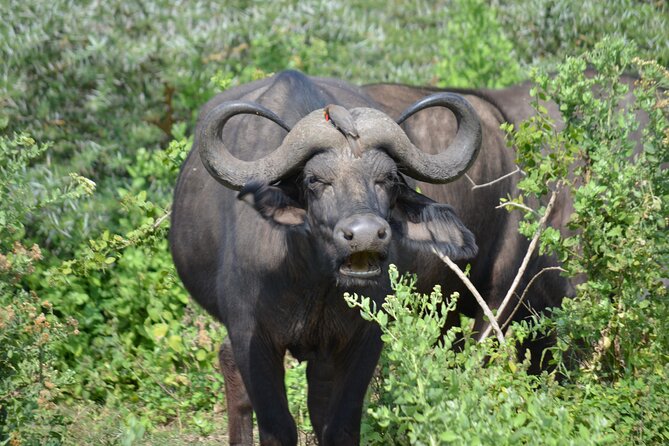
- Strong wildlife potential: Lions, cheetahs, leopards, elephants, buffaloes, zebras, wildebeest, gazelles, and black rhinos may all appear.
- Meals and water are included: The price covers three dinners, four lunches, three breakfasts, and bottled water during the trip.
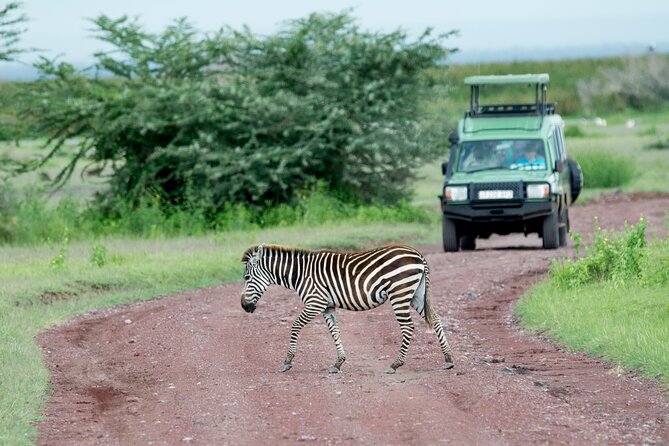
- A capable 4×4 matters: The safari jeep has a pop-up roof, cooler fridge, and charging ports, useful during long game-drive days.
- Check the group arrangement: The experience is described as private, but some past bookings were made as joined or shared safaris, so confirm this before paying.
What $1,650 buys you in northern Tanzania
At $1,650 per person, this is not the cheapest way to see Tanzania. It is also not simply a transport package. The price includes park fees where stated, a professional safari guide, a 4×4 vehicle with a pop-up roof, camping equipment, bottled water, and all listed meals.
That matters because park access and transport are major parts of a safari bill. You are paying for the vehicle, guide, fuel, food, camping setup, and movement between three famous wildlife areas. If you tried to arrange those pieces separately, the total would quickly become difficult to compare.
The value is strongest if you want a classic Northern Circuit route without paying lodge prices. You still need to accept basic camping and long driving days. If you expect private bathrooms, a fixed bed, or a slower schedule, this price will not feel like a bargain.
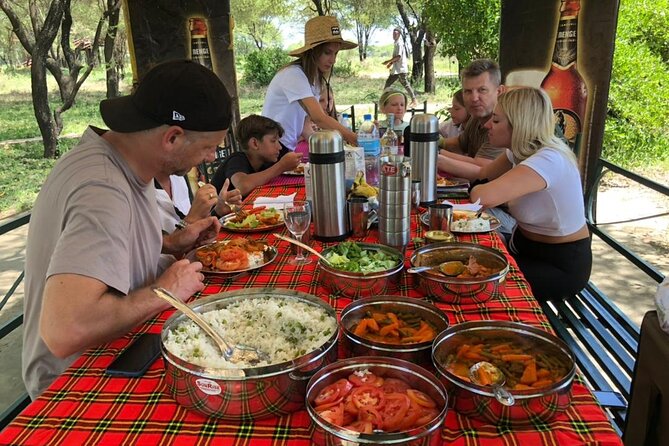
Food is another part of the value. A cook travels with the safari setup, and past bookings specifically praised the meals. Action and Geoffrey are two cooks mentioned warmly, with food described as a major strength. That can make a real difference after several hours on the road.
The vehicle has a cooler fridge and charging ports, which are small but useful comforts. The pop-up roof gives you a better view than a normal car window, especially when animals are close. You should still bring a power bank, since charging opportunities can depend on the vehicle and the day’s schedule.
More Camping Safaris in Moshi
- 4 Days Group Joining Camping Safari to Tarangire Serengeti Ngorongoro Crater
★ 5.0 · 50 reviews - 6 Days Tanzania Budget Camping Safari with Migration
★ 5.0 · 31 reviews - 5 days Tanzania Camping Safari
★ 5.0 · 29 reviews
Day 1: Tarangire’s elephants and open woodland
The first day is a full-day game drive in Tarangire National Park, lasting about nine hours. Tarangire is a good opening act because it offers a different feel from the Serengeti, with elephants and other herbivores often forming the main attraction.
You may see elephants, wildebeest, buffaloes, zebras, and gazelles. Lions, cheetahs, and leopards are also possible, though no safari can promise a particular animal. The appeal is the variety: you are not waiting for one famous species, but watching how different animals share the same area.
The itinerary promises time at the best wildlife spots, with close views possible. That wording should be understood as an opportunity, not a guarantee. Animals move freely, and sightings depend on the day, season, guide, and luck.
Nine hours in a safari vehicle is a long first day. I would treat it as a proper outdoor expedition, not a gentle sightseeing tour. Dust, heat, bumps, and repeated stops can be tiring, but the pop-up roof and open views help you stay connected to the surroundings.
A strong guide can make Tarangire much more rewarding. Simon, Chadi, Chedy, and Jeff are among the guides praised for spotting animals, explaining their behavior, and keeping the mood light. The guide’s skill matters because a lion may be hidden in grass or a leopard may be easy to miss without a trained eye.
Day 2: Ngorongoro views, Maasai culture, and the Serengeti
Day two changes the rhythm. You first stop at the Ngorongoro viewpoint for about 20 minutes. From here, the crater appears as a huge enclosed bowl, and the first look can be startling. This is a short stop, but it gives you a sense of the scale before you descend the following day.
The itinerary also offers an optional Maasai village visit. The additional entrance fee is $20, and that cost is not included. The visit offers a chance to learn about Maasai culture, past warrior traditions, and the community’s relationship with cattle and wildlife.
I would treat this as a cultural visit, not a staged wildlife attraction. Ask your guide what the visit includes and how the fee is handled before you agree. Since it is optional, you can skip it if you prefer more time for driving or scenery.
Afterward, you continue toward the Serengeti and reach the Seronera area, the central part of the park, in the afternoon. The day can last around 12 hours, so you should expect a demanding schedule. The reward is an afternoon game drive followed by the possibility of a Serengeti sunset.
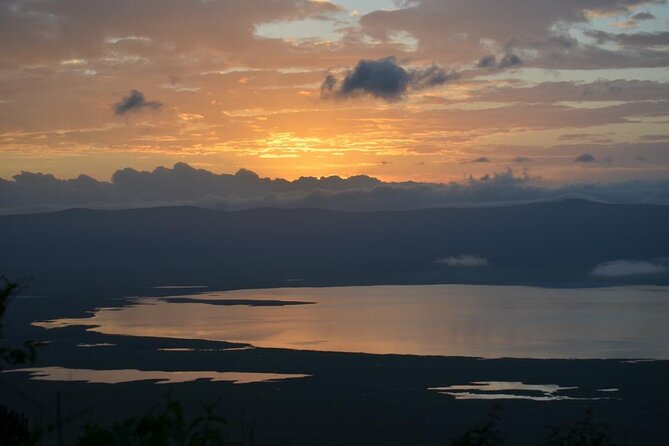
This is one of the strongest parts of the trip. The late light can change the color of the grass and hills, while animals become active in the cooler hours. You might see predators hunting or feeding, but those moments are never guaranteed. The value lies in being out at a good time of day, when the scenery and wildlife can both be dramatic.
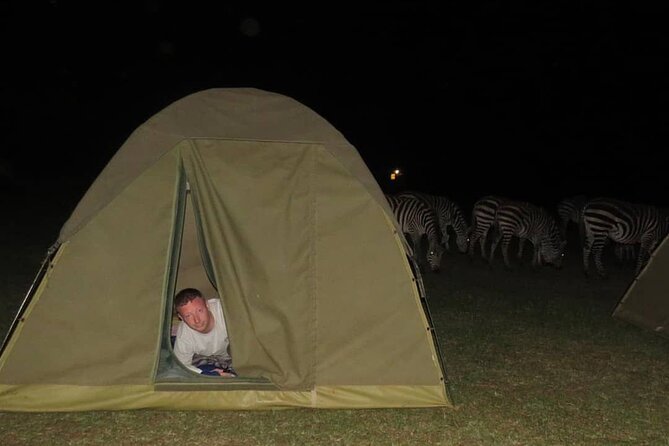
You then head to the Seronera campsite. Animals can sometimes be seen around camp, including hyenas. Active rangers provide protection, but you still need to follow camp rules closely. Do not wander away from the designated area or approach animals. A campsite in the Serengeti is a real wild setting, not a fenced hotel garden.
Day 3: A long Serengeti game drive
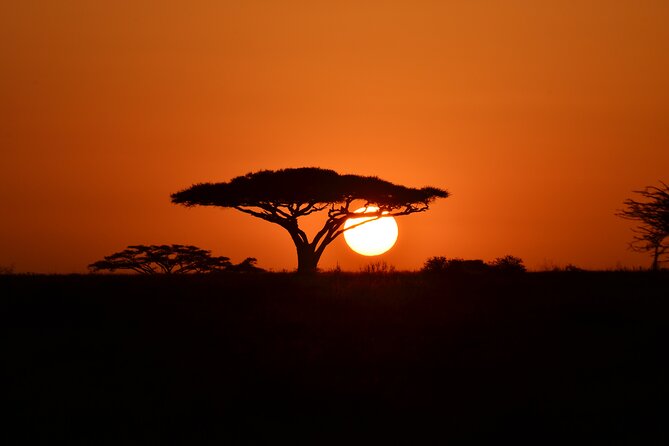
Day three begins with an early breakfast and an early game drive. This is when the trip’s adventure focus becomes clear. You leave before the day grows hot, giving you a chance to see animals at a time when they are more active.
The morning drive continues until afternoon, when you return to camp for lunch. After that, you pack up and drive through the Serengeti as you leave the park, continuing toward Simba campsite near Ngorongoro.
The full day can last about 12 hours. That is a lot of time in the jeep, but it is also your best chance to see the Serengeti beyond one short viewing stop. The central area can produce a wide mix of sightings, from large herbivore groups to big cats and smaller animals that are easy to overlook.
The guide’s judgment is important here. A good driver knows when to wait, when to move on, and how to position the vehicle without disturbing the animals. Past trips specifically praised guides who did not rush the group, though one booking noted that timing did not always match the agreed schedule. I would allow some flexibility, since wildlife sightings can extend a stop unexpectedly.
The camping element adds another layer to the day. Animals may be spotted near campsites, so you remain close to the wild even after the official game drive ends. That is thrilling for some people and unsettling for others. If you want a quiet evening indoors, this is not the right style of safari.
A different kind of day out entirely:
- Kilimanjaro climb by Lemosho Route (7-day)
★ 5.0 · 651 reviews - Safari Serengeti And Ngorongoro
★ 5.0 · 288 reviews - Kilimanjaro climb, Machame Route (7-day)
★ 5.0 · 262 reviews - Kilimanjaro Climbing Lemosho Route 8 Days.
★ 5.0 · 186 reviews
Day 4: Descending into Ngorongoro Crater
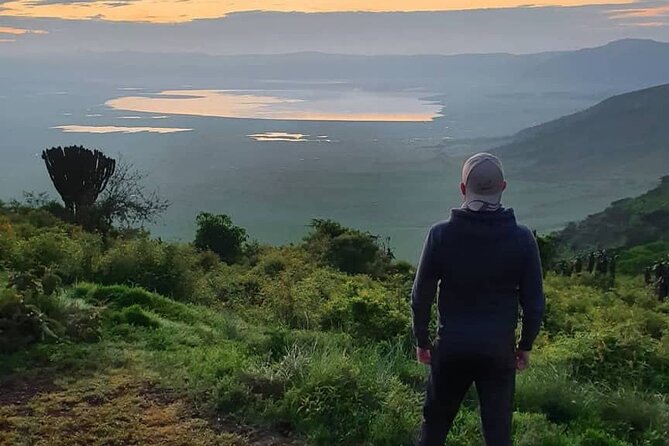
The final day starts early, with breakfast before descending into Ngorongoro Crater. The main goal is to search for black rhinos, which are among the most difficult animals to spot in the area.
The crater floor offers strong wildlife viewing because many animals live within a relatively contained area. You may find it easier to see several species here than in the open Serengeti, but the crater is not a guaranteed viewing zone. Rhinos can remain distant or hidden, and patience helps.
The game drive lasts about seven hours, including time to search for wildlife and stop for lunch. After lunch, you continue the drive, ascend the crater, pack the camping equipment, and begin the trip back toward Arusha.
This final day is efficient but tiring. You get one more serious wildlife session rather than simply driving back after breakfast. If you have a flight or another activity soon afterward, leave plenty of extra time. The listed return point is Arusha town, while the tour begins in Moshi, so confirm exactly where you will be dropped off.
Camping under the stars, with the practical trade-offs
All camping equipment is supplied. The setup uses mobile tents, allowing the group to sleep close to the parks instead of returning to a town each evening. That saves time and keeps you near the places where animals may be active.
The supplied information does not specify bathroom facilities, mattress types, tent sizes, or shower arrangements. Ask about those details before booking. The phrase adventure camping should guide your expectations: this is for people comfortable with basic conditions and changing camps.
You receive three dinners, four lunches, and three breakfasts, as well as bottled water throughout the trip. Food is one of the most praised parts of the experience, and the presence of a safari cook is a meaningful advantage. Still, tell the operator about dietary needs in advance rather than assuming every request can be handled at short notice.
Pack light, practical clothing, sun protection, sturdy shoes, and a warm layer for early mornings. Dust can be part of the day, so a scarf or light cloth may help. Keep valuables and electronics protected, and use the vehicle’s charging ports carefully rather than relying on them as your only power source.
Guides, cooks, and the human side of the safari
The best part of a safari is often the person behind the wheel. Simon is praised for being funny, a good driver, and an effective teacher. Chadi is described as friendly, informative, and unhurried. Jeff is remembered for adding a personal touch to the journey, while Chedy is praised for caring about the group.
Bryson is also mentioned for careful planning and help with arrangements. The company has helped with airport pickup and transfers, and communication before the trip has been described as quick and flexible. Pickup is offered, and confirmation is provided when you book.
Those details matter because a safari involves constant small decisions. You need someone who can explain animal behavior, read the road, manage timing, and answer questions without making you feel rushed. The operator is locally run, which can add a more direct connection to Tanzania and the people who work in its parks.
There is one practical point to clarify. The experience is described as a private activity for your own group, but some past bookings refer to joined or shared safaris. That may reflect different booking arrangements, not a problem with the operator, but you should get the group size and vehicle arrangement in writing.
Who will enjoy this safari most?
I would recommend it to you if you want three major parks in four days, care more about wildlife than luxury, and enjoy meeting the people who make a safari work. Families can take part, and one past booking included children aged 12 and 14.
It is also a good choice if you want a budget-minded route with substantial park time. You get full-day and 12-hour game drives rather than short outings, plus a chance to see the Serengeti at sunset and dawn.
I would be cautious if you dislike long drives, basic camping, early starts, or uncertain timing. The itinerary covers a lot of ground, and the route is designed for wildlife coverage rather than slow travel. You may spend hours in the vehicle before reaching the next major sight.
The safari has a five-star average from 44 ratings, with 100 percent recommending it. That is a strong signal, especially given the repeated praise for guides, food, communication, and organization. It should not erase the basic nature of the camping or the fact that wildlife sightings depend on chance.
Booking details worth checking first
Pickup is offered, mobile tickets are available, and group discounts may apply. Most people can participate, and booking confirmation is provided at the time of purchase.
The listed price excludes tipping. You should plan for gratuities separately, especially if your guide and cook provide the level of care described by past customers.
The optional Maasai village visit costs $20, and that fee is not included. The experience otherwise includes all listed fees and taxes, but you should confirm any park or activity charges that are specific to your chosen date.
Free cancellation is available if you cancel at least 24 hours before the local start time. Cancellations made inside that period are not refunded, and late changes are not accepted. The trip also requires a minimum number of participants, so a cancellation by the operator for that reason may lead to another date, another experience, or a full refund.
Should you book the four-day adventure safari?
I would book this safari if I wanted a concentrated introduction to Tanzania’s Northern Circuit and was happy to trade lodge comfort for more time near the parks. Tarangire brings elephants and mixed wildlife, the Serengeti supplies the biggest sense of open space and predator potential, and Ngorongoro adds crater scenery and a strong chance of varied sightings.
The price is fair for an all-inclusive camping trip with transport, guide, equipment, meals, water, and park access. Before committing, I would confirm the exact group size, camping facilities, drop-off point, dietary arrangements, and whether the schedule is private or shared.
Choose it for the wildlife, the local crew, and the chance to sleep close to the action. Skip it if you want a relaxed timetable and hotel-style comfort. For an adventurous first safari, it offers a lot in four demanding, memorable days.
FAQ
Where does the safari begin?
The experience is based in Moshi, Tanzania. Pickup is offered.
How long does the safari last?
The safari lasts approximately four days and includes three nights of camping.
Which parks does the safari visit?
The route includes Tarangire National Park, Serengeti National Park, and Ngorongoro Crater.
Is camping equipment included?
Yes. Camping equipment is supplied for the trip.
Are meals included?
Yes. The package includes three dinners, four lunches, and three breakfasts.
Is bottled water included?
Yes. Bottled water is provided throughout the trip.
Is the safari vehicle included?
Yes. Transport is provided in a 4×4 safari jeep with a pop-up roof, cooler fridge, and charging ports.
Is the Maasai village visit included?
No. The Maasai village visit is optional and has an additional entrance fee of $20.
Are tips included in the price?
No. Tipping is not included.
Can I cancel for a full refund?
Yes, if you cancel at least 24 hours before the experience start time. Cancellations made less than 24 hours in advance are not refunded.
Just added in Moshi
- THE BEST 2 DAYS ON TREK – MARANGU ROUTE TOUR ADVENTURES★ 5.0 · 1 review
- Mount Kilimanjaro National Park Day Trip★ 5.0 · 7 reviews
- Mount Kilimanjaro Climbing in Tanzania Full-Day Trip★ 5.0 · 1 review
- Mount Kilimanjaro Day Hike – All-Inclusive, No Hidden Fees★ 4.0 · 7 reviews
- Mount Kilimanjaro Trekking Tour – Climb with Local Guides★ 5.0 · 1 review
- Mount Kilimanjaro: 7 Days Hike Lemosho Route★ 5.0 · 1 review
- Moshi:Chemka Hot Springs, Materuni Waterfalls & Coffee Tour★ 5.0 · 1 review
- Moshi/Arusha kikuletwa Hot Springs Tour★ 5.0 · 1 review
Camping Safaris, compared.
3 Days Serengeti & Ngorongoro Group Camping Safari
Read our review →
2 Days Tarangire and Ngorongoro Group Camping Safari
Read our review →
3 Days Tarangire, Ngorongoro & Lake Manyara Group Camping Safari
Read our review →
5-Day private Camping Safari Tour in Tanzania
Read our review →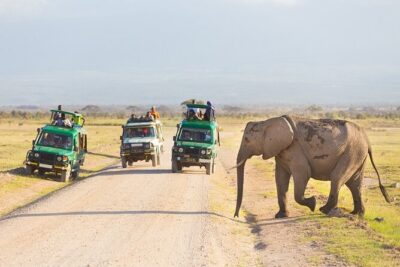
Browse the lists this tour appears in