
Reviewed · MACHAME ROUTE CLIMBS
7 Day Kilimanjaro Machame climb
Africa’s highest summit demands patience, not bravado. Shah Tours’ seven-day Machame climb gives you a well-paced route up Kilimanjaro, with rainforest, volcanic desert, glacier views, a hands-on scramble at Barranco Wall, and a final push to Uhuru Peak at 5,895 meters.
I like the route’s thoughtful acclimatization pattern, especially the climb to Lava Tower followed by a descent into Barranco Valley. I also like the level of support included: guides, porters, cooks, tents, meals, boiled water, health checks, oxygen, and transfers are all covered.
The main drawback is the summit day. It lasts about 18 hours, begins around midnight, and combines cold, darkness, steep scree, and thin air. This is a serious physical challenge, even though the route itself is non-technical. You need strong fitness and should not book it if you have lung problems or known altitude-related medical conditions.
In This Review
- Key points at a glance
- Why Machame is Kilimanjaro’s popular route
- Day 1: Moshi to Machame Gate and the rainforest
- Day 2: Picnic Rock, Shira views, and moorland
- Day 3: Lava Tower and the descent into Barranco Valley
- Day 4: Barranco Wall and Karanga Valley
- Day 5: A short walk to summit camp
- Day 6: Stella Point, Uhuru Peak, and the long descent
- Day 7: Mweka Gate and the return to Moshi
- What the $2,580 price includes
- Costs you still need to plan for
- Guides, crew, and the human side of the climb
- Who should book this climb
- Booking details and cancellation
- Should you book Shah Tours’ seven-day Machame climb?
- FAQ
- Where does the Kilimanjaro climb begin?
- What time does the trek start?
- How long is the Machame climb?
- Is the Machame route technical?
- How high is Uhuru Peak?
- How high is Lava Tower?
- Are meals included?
- Is drinking water included?
- Is a sleeping bag included?
- Are park and rescue fees included?
Key points at a glance
- Machame’s seven-day route: A popular southern-circuit path with a better acclimatization pattern than shorter climbs.
- Barranco Wall scramble: You use hands and feet on a non-technical section, but no climbing equipment or prior experience is required.
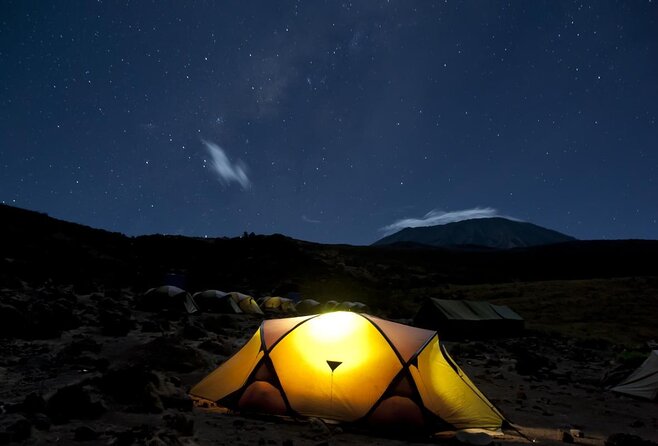
- Lava Tower acclimatization: You reach 4,630 meters, then sleep lower in Barranco Valley, a useful climb-high, descend-lower pattern.
- Large support package: Park fees, tents, meals, porters, guides, transfers, boiled water, medical checks, and emergency oxygen are included.
- Strong guide praise: Specific guides named in past trips include Calvin Shayo, Augustin, Isaac, Acasio, Baraka, Vincent, Matej, Denis, John, and Musa.
- Private activity: Only your own group takes part, with pickup from the meeting point in Moshi at 9:00 am.
Why Machame is Kilimanjaro’s popular route
Machame is often called the whisky route, a playful contrast with the gentler Marangu route. The name reflects its tougher walking and camping style. You do not climb in a hut from camp to camp. You sleep in tents, walk over uneven ground, and face several long days.
The route begins on Kilimanjaro’s southwest side in rainforest. Over the week, you pass through heather and moorland, alpine desert, and finally the cold arctic zone near the summit. That change in climate is one of the route’s great rewards. In a single trek, you move from wet forest to bare volcanic slopes and then to snow and ice near the top.
Machame also uses the southern circuit, which lets you climb high before sleeping lower on key days. That matters on Kilimanjaro, where altitude is often a bigger problem than the walking itself. The schedule is not easy, but seven days gives your body more time to adjust than a compressed itinerary.
You should still think of this as a demanding expedition. The operator asks for a strong fitness level, and that is fair. The route is non-technical, but non-technical does not mean easy.
More Machame Route climbs:
- Kilimanjaro climb, Machame Route (7-day)
★ 5.0 · 262 reviews - Climbing Kilimanjaro – Machame Route
★ 5.0 · 170 reviews - Climbing Kilimanjaro through 7 days Machame Route
★ 5.0 · 151 reviews
Day 1: Moshi to Machame Gate and the rainforest
Your day begins with a 9:00 am transfer from Shah Tours’ meeting point at 6 Sekou Toure Way in Moshi, or from a Moshi-based pickup location. The drive takes you to Machame Gate, where registration comes before the walking begins.
The first section leads through thick rainforest. This is a lush, varied part of Kilimanjaro, with plenty of plant life and the chance of seeing forest wildlife. Rain is common here, particularly in the afternoon, so the trail may become slippery.
You walk for about seven hours. The path is steady and relatively steep as it rises toward the edge of the forest and the heather zone. That first day is longer than many people expect. The excitement of starting can hide the effort, so you will want to keep a measured pace from the beginning.
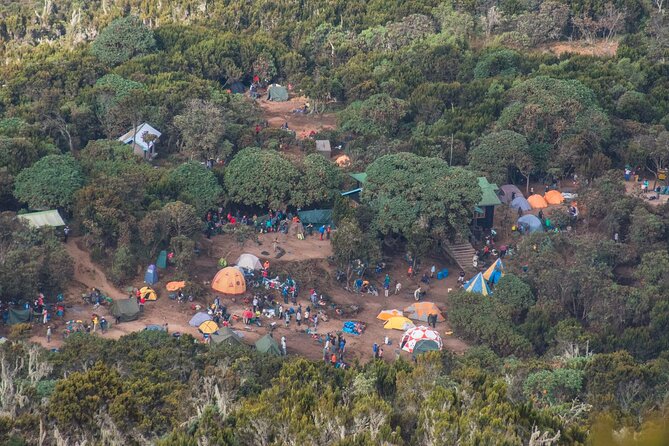
Your support crew handles the camp setup, while you focus on walking and settling into the mountain routine. A specialist tent crew, cook, waiter, and porters are included. Personal luggage is limited to 15 kilograms per person for the included porter service.
Day 2: Picnic Rock, Shira views, and moorland
The second day remains active, with about seven hours of walking, but the scenery opens up. You leave the forest behind and climb through heather and moorland along a steep ridge toward Picnic Rock.
On a clear day, this is one of the first places where the mountain’s scale becomes easy to grasp. You can see Kibo, Kilimanjaro’s tallest cone and the summit area you are working toward. The Shira Plateau appears to the west, shaped by old lava flows, erosion, and volcanic activity.
Mount Meru, Tanzania’s second-highest mountain at 4,563 meters, may also appear in the distance. These views give you useful perspective: Kilimanjaro is not one simple peak, but a volcanic massif with several distinct features.
After Picnic Rock, the trail becomes gentler and flatter as you continue toward camp. That change is welcome after the ridge climb. Still, the altitude is rising, and you may feel the difference even when the path looks easy. Walk slowly, drink regularly, and let your guide set the rhythm.
Day 3: Lava Tower and the descent into Barranco Valley
Day three is the route’s main acclimatization day. You climb steadily toward the Kibo cone and cross the edge of the alpine desert before reaching Lava Tower at 4,630 meters.
The climb takes about eight hours, making it one of the longer walking days. Lava Tower is a useful test of how your body responds to altitude. You do not sleep there. Instead, you descend in an anticlockwise direction around Kibo into Barranco Valley.
This is a smart feature of the schedule. You gain height during the day, then sleep around the same elevation where you began, near the heather and moorland zone. You may feel tired or headachy at Lava Tower, but the descent gives you a chance to recover.
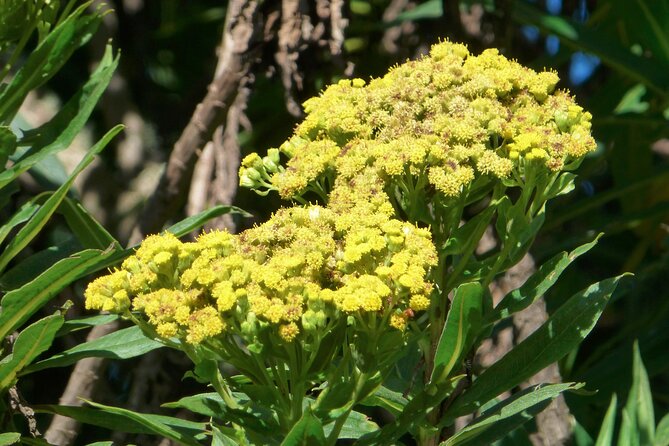
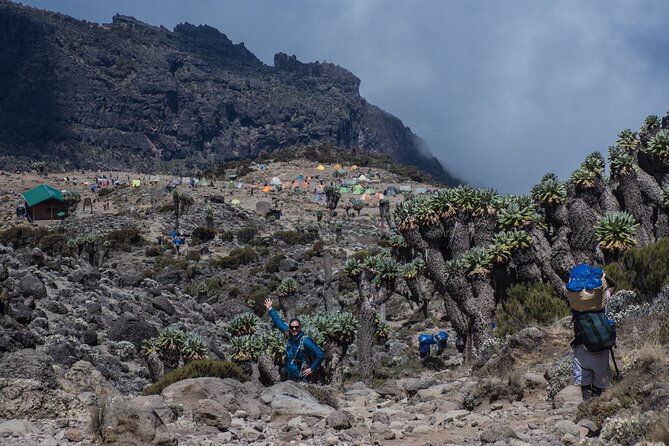
The Barranco Valley also brings a striking botanical detail: the large Kilimanjaro senecios. These flowering mountain plants are closely associated with the mountain and make the otherwise dry terrain feel surprisingly alive.
A few more options to weigh up in Moshi
- Kilimanjaro climb by Lemosho Route (7-day)
★ 5.0 · 651 reviews - Safari Serengeti And Ngorongoro
★ 5.0 · 288 reviews - Kilimanjaro Climbing Lemosho Route 8 Days.
★ 5.0 · 186 reviews - Kilimanjaro climb, Lemosho Route (8-day)
★ 5.0 · 148 reviews
Day 4: Barranco Wall and Karanga Valley
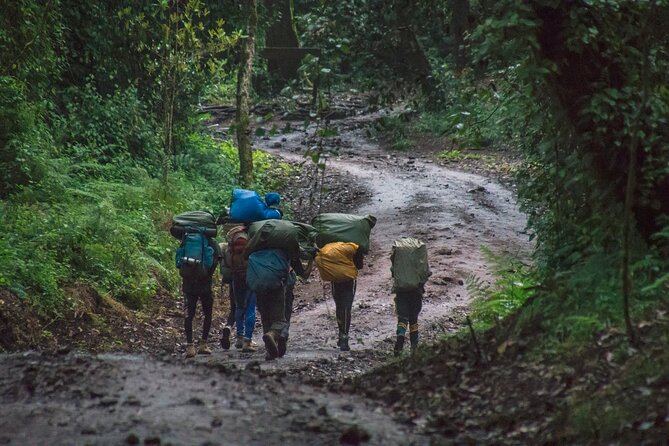
Day four is shorter, at about five hours, but it begins with one of Machame’s most memorable sections: Barranco Wall.
This is a scramble, not a technical climb. You use your hands and legs on the rock, but the route does not require advanced equipment or previous climbing experience. It gives you the feeling of real mountain climbing without turning the trip into a specialist expedition.
The top rewards you with broad views back toward camp and toward the Heim Glacier on Kibo. You should expect the wall to feel exposed and demanding in places, even though it is described as non-technical. Follow the guide’s instructions and take your time.
After the wall, you continue through the alpine desert, winding around the mountain to Karanga Valley. The trail drops into the valley and then rises again to camp. Karanga is important for practical reasons: it is the final water point on the route. From here onward, the crew must rely on supplies carried up the mountain.
Day 5: A short walk to summit camp
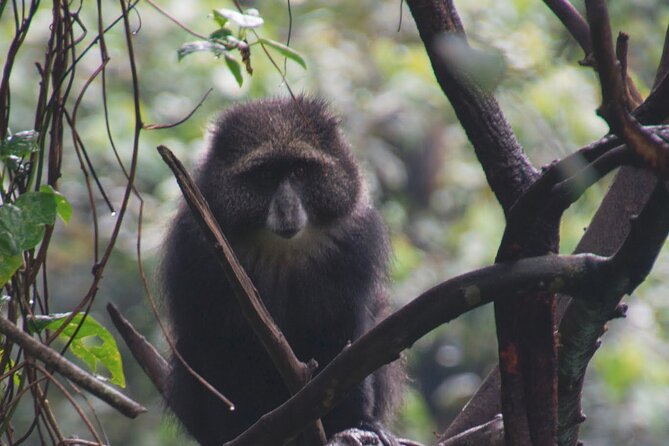
Day five covers about four hours, making it the shortest walking day before the summit. The route climbs gradually through the empty alpine desert toward Kibo.
The walking may feel casual compared with the previous days, but the altitude changes the effort. Keep your pace slow even if the path is not particularly steep. Kibo draws closer, and you may finally see Mawenzi Peak to the east, Kilimanjaro’s second major peak.
The short distance gives you valuable time at summit camp. Use it to eat, organize clothing, check your headlamp and walking poles, and rest. The summit attempt begins around midnight, so this is not a normal afternoon at camp. You need to prepare for a night walk and try to sleep before the final ascent.
Day 6: Stella Point, Uhuru Peak, and the long descent
Summit day is the physical and emotional center of the climb. You begin around midnight and enter the arctic zone, where temperatures are cold and the air is thin.
The trail rises steeply over loose volcanic scree. In the dark, the route follows a slow zigzag pattern toward Stella Point at 5,685 meters on the Kibo crater rim. This part can feel relentless. Your guide’s pacing and regular health checks matter here.
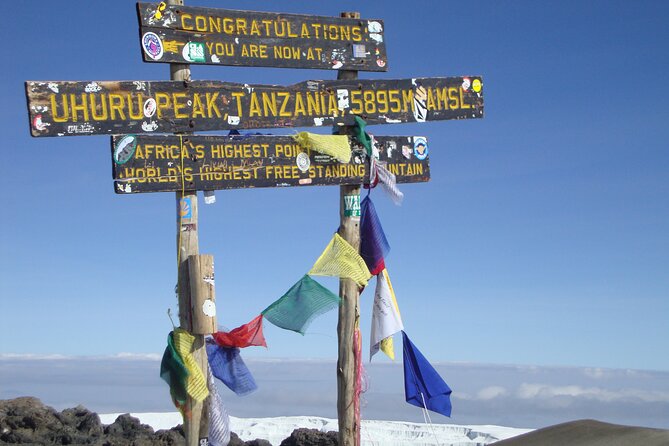
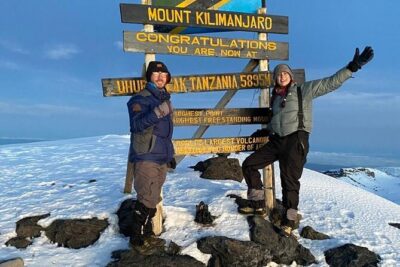
From Stella Point, you continue along the crater rim toward Uhuru Peak, at 5,895 meters. The remaining distance is shorter, but the altitude makes it difficult. You will usually spend only a short time at the summit because of the extreme conditions. The reward is reaching the highest point in Africa, with the summit experience shaped as much by effort and endurance as by the view.
You then descend to base camp for breakfast or brunch. After packing your gear, you continue down through the alpine desert. The total day lasts about 18 hours, so do not underestimate the recovery required. This is the point where a seven-day itinerary feels intense, even with the extra acclimatization time.
Day 7: Mweka Gate and the return to Moshi
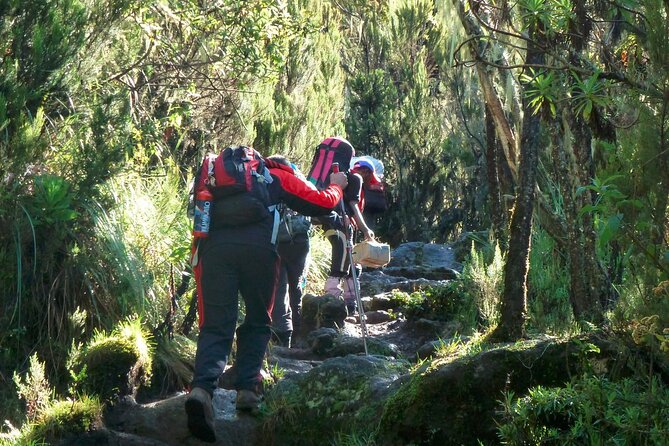
The final day is a four-hour descent through the southern rainforest to Mweka Gate. After the dry upper mountain, the return to forest feels like a change of world.
A vehicle waits at Mweka Gate to take you back to Moshi and your drop-off location. The crew generally leaves from the gate, making it a natural place to say goodbye to the guides, porters, cooks, and other staff who supported the climb.
The activity ends back at the Moshi meeting point. Luggage storage is provided during the trek, which is useful if you are staying in town and do not want to carry everything onto the mountain.
What the $2,580 price includes
At $2,580 per person, this is not a budget walk, but the package includes many costs that can otherwise appear later as extras. National Park conservation, entry, camping, rescue fees, taxes, and VAT are included.
You also receive:
- English-speaking mountain guides working at KINAPA minimum ratios
- One porter carrying up to 15 kilograms of personal luggage per person
- A specialist crew to set up and service camps
- A personal cook and waiter
- Six breakfasts, six lunches, and six dinners
- A four-season tent, dining tent, chairs, and tables
- A basic one-inch foam sleeping mattress
- Boiled drinking water from the first camp onward
- A first aid kit and one emergency oxygen cylinder per five people
- Twice-daily health checks using a medical oximeter
- Hand-washing facilities and a small personal wash basin
- Shared public toilets at campsites
- Transfers to and from the park gates
- Luggage storage while you are on the trek
I consider the support and safety provisions the strongest part of the price. The medical checks are especially useful because altitude problems can develop gradually. Oxygen is available for emergencies, but it should not be treated as a way to push through serious symptoms.
The package also follows Kilimanjaro Porters Assistance Project monitoring standards for fair treatment. That is worth asking about before booking any Kilimanjaro climb. Porters carry the practical burden of the trip, and ethical treatment should be part of your buying decision.
Costs you still need to plan for
Tips are not included, and you should budget for gratuities separately. Personal mountain equipment is also your responsibility, including a sleeping bag and walking poles. The operator can provide a packing guide.
You pay separately for visas, insurance, personal items, soft drinks, alcohol, and water on the first day. Metal and hard plastic water bottles are not included, and soft plastics are not permitted on the mountain, so check the equipment rules carefully before you arrive.
There are also comfort upgrades and staffing extras. An extra single tent costs $20 per day. A portable toilet costs $45 per day for a maximum of five people, and a foldable bed costs $20 per day. Extra guides cost $35 per day, while an additional luggage porter costs $20 per day.
Flying Doctors emergency evacuation membership is not included. The trip does include rescue fees and emergency oxygen, but you should still confirm that your travel insurance covers high-altitude trekking and evacuation.
Guides, crew, and the human side of the climb
The strongest praise for Shah Tours centers on organization, safety, and personal care. Specific guide teams named in past climbs include Calvin Shayo and colleagues, Augustin, Isaac, Acasio, Baraka, Vincent, Matej, Denis, John, and Musa.
You should not assume that every named guide will lead your departure. However, the repeated pattern is useful: the guide teams are described as organized, supportive, and attentive to safety. One group credited its guides with helping everyone reach the summit, while another said the crew became like family during the week.
The practical lesson is to value guide quality over flashy extras. On a high-altitude trek, your guide controls the pace, watches for symptoms, explains the route, and decides when a change is needed. Shah Tours includes twice-daily health checks, which gives that safety focus a clear structure.
The food and camp service also receive strong praise. With a cook, waiter, dining tent, tables, and chairs, you are not simply carrying a tent and eating cold snacks. That added camp support can make a major difference after a long day on your feet.
Who should book this climb
I would recommend this route to someone who wants a serious Kilimanjaro experience, enjoys camping, and prefers a route with varied scenery and a useful acclimatization design.
It suits you if you can handle seven days of sustained walking, steep sections, a hands-and-feet scramble, and an 18-hour summit day. You should also be comfortable with basic mountain camping and shared campsite toilets.
I would not choose it for a relaxed holiday or a first outing with weak fitness. The route is non-technical, but altitude, cold, poor sleep, and long walking hours are real tests. Anyone with lung problems or known altitude-related medical conditions should not book without appropriate medical advice, and the supplied information specifically lists such conditions as a concern.
This is a private activity, so only your own group participates. Group discounts are offered, but the exact discount is not stated. Ask Shah Tours to confirm the final price for your group before paying.
Booking details and cancellation
The meeting point is Shah Tours at 6 Sekou Toure Way, Moshi, Tanzania. Pickup is offered from a Moshi-based location, with the scheduled start at 9:00 am.
Confirmation is provided at booking. Free cancellation is available if you cancel at least 24 hours before the local start time. Changes or cancellations made less than 24 hours in advance are not accepted for a refund.
Should you book Shah Tours’ seven-day Machame climb?
Book it if you want a properly supported, demanding Kilimanjaro climb rather than a quick summit attempt. The seven-day schedule, southern-circuit route, Lava Tower acclimatization day, and strong camp support make the $2,580 price easier to justify.
Before booking, get clear answers about your exact guide team, equipment list, tipping expectations, insurance, and any group discount. Bring this trip the respect it deserves: train for long uphill days, prepare for cold, and plan for a very long summit night.
If you are fit, comfortable camping, and ready for a hard but varied route, this Machame climb offers a strong path to Uhuru Peak with good practical support along the way.
FAQ
Where does the Kilimanjaro climb begin?
The meeting point is Shah Tours at 6 Sekou Toure Way in Moshi, Tanzania. Pickup is also offered from a Moshi-based lodge or location.
What time does the trek start?
The scheduled start time is 9:00 am.
How long is the Machame climb?
The experience lasts approximately seven days.
Is the Machame route technical?
No. It is a non-technical route. Barranco Wall includes a scrambling section where you use your hands and legs, but no special equipment or previous experience is required.
How high is Uhuru Peak?
Uhuru Peak is 5,895 meters, or 19,341 feet, above sea level.
How high is Lava Tower?
Lava Tower reaches 4,630 meters, or 15,190 feet. You climb there for acclimatization before descending toward Barranco Valley.
Are meals included?
Yes. Six breakfasts, six lunches, and six dinners are included during the mountain trek.
Is drinking water included?
Boiled drinking water is included from the first camp onward. Water on the first day is not included.
Is a sleeping bag included?
No. Personal equipment such as sleeping bags and walking poles is not included. A basic one-inch foam sleeping mattress is provided.
Are park and rescue fees included?
Yes. National Park conservation, park entry, camping, and rescue fees are included, along with applicable taxes and VAT.
Just added in Moshi
- Zanzibar: Stone Town tour and Nakupenda beach with Lunch★ 5.0 · 1 review
- day trip lake manyara★ 5.0 · 2 reviews
- Mt Kilimanjaro 6 days Marangu route hike★ 5.0 · 3 reviews
- machame route★ 5.0 · 16 reviews
- Private Cycle to Kilimanjaro Bike Park Safari★ 5.0 · 6 reviews
- West Kilimanjaro cycling Adventures★ 4.5 · 8 reviews
- Wildlife Extravaganza: Manyara, Tarangire & Ngorongoro in 3 Days★ 5.0 · 3 reviews
- 3 Days Private E-Bike Tour in West Kilimanjaro★ 5.0 · 3 reviews
Machame Route Climbs, compared.



Climbing Kilimanjaro through 7 days Machame Route
Read our review →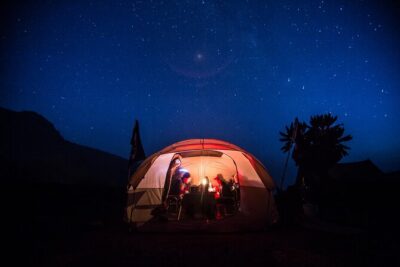
7-Day Machame Kilimanjaro Summit Tour from Arusha
Read our review →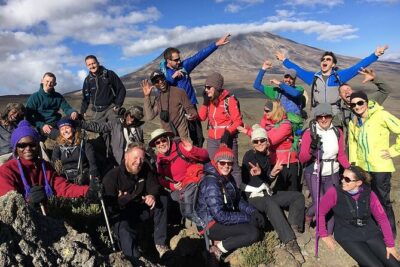
7 Days Kilimanjaro via Machame route affordable price
Read our review →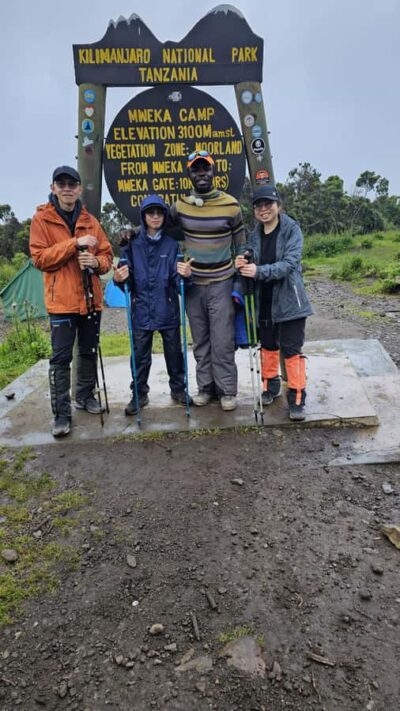
#1. Best Kilimanjaro Day hike Tour-Machame Route-ISMANI
Read our review →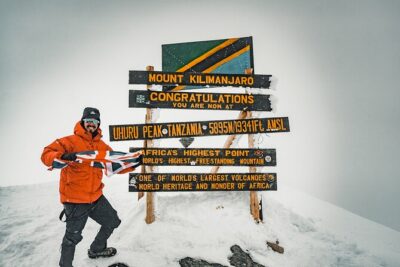
The Best of Machame Route in 6 Days: Your World’s Summit Guide
Read our review →Browse the lists this tour appears in