
Reviewed · MARANGU ROUTE CLIMBS
7 days, 6 Nights – Private Marangu Route
Africa’s highest summit comes with a clear route plan. This private Marangu Route climb gives you a guided path from Moshi through rainforest, moorland, alpine desert, and finally Uhuru Peak at 5,895 meters. I like the private format, since your group can keep its own pace, and I like the comfort of beginning and ending at Keys Hotel in Moshi.
The gradual scenery changes are another strong point. You start among wet forest and giant ferns, then cross open high country before the stark final climb. The main concern is the schedule: the advertised title says seven days and six nights, while the detailed plan covers six days, so you should confirm the exact nights, meals, and summit timing before paying.
At $1,965 per person, the package makes sense for you if you want airport pickup, hotel accommodation, guides, porters, meals during the climb, and a private group rather than a basic trail-only arrangement. It is not a casual mountain walk. You need a moderate level of fitness, patience with slow uphill movement, and a willingness to spend a long summit day at high altitude.
In This Review
- Key points to know before booking
- Why the Marangu Route appeals to many climbers
- Starting in Moshi at Keys Hotel
- Day 2: Four hours through rainforest to Mandara Huts
- Day 3: From Mandara to Horombo through giant heather
- Day 4: Seven hours across the alpine desert to Kibo Hut
- Day 5: A dark start, Gilman’s Point, and Uhuru Peak
- Day 6: Five hours down to Marangu Gate
- What the $1,965 price includes, and what it does not
- Who will get the most from this climb?
- Booking and cancellation details worth checking
- Should you book the Keys Tours Marangu Route?
- FAQ
- Where does the climb start?
- Is airport pickup offered?
- How long is the experience?
- Where do I stay before the climb?
- Which route is used?
- How high is Uhuru Peak?
- What mountain huts are included in the route?
- How physically fit do I need to be?
- Are meals included?
- Can I cancel for a full refund?
Key points to know before booking
- The climb begins at 2,700 meters: Mandara Huts is reached after about four hours through thick rainforest.
- You sleep at high altitude before summit day: Kibo Hut sits at 4,700 meters, making the final ascent physically demanding.
- The summit morning starts in darkness: Expect a slow five to six-hour climb to Gilman’s Point and onward toward Uhuru Peak.
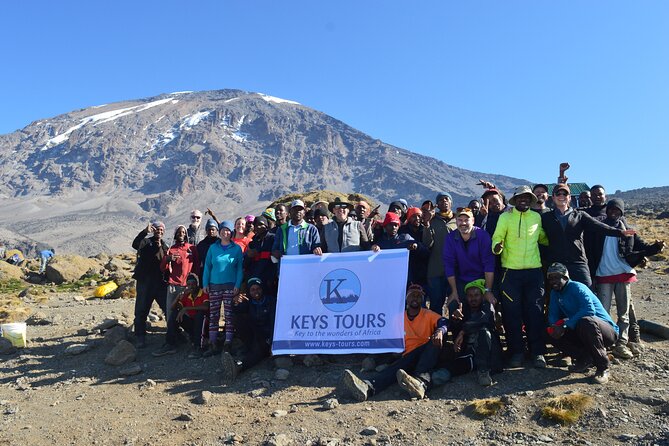
- You get a private trip: Only your group participates, which can make pacing and rest stops more flexible.
- Keys Hotel is part of the experience: It provides the Moshi stay, meals, a swimming pool, and a hot shower after the mountain.
- The package details need checking: The title says seven days and six nights, but the daily plan lists six days, and the meal counts should be matched to the final schedule.
Why the Marangu Route appeals to many climbers
The Marangu Route is often called the hut route because accommodation is provided in mountain huts rather than tents. This plan uses Mandara, Horombo, and Kibo Huts on the way up, then returns through Horombo before descending to Marangu Gate.
That hut system is a real advantage if you prefer not to camp. You still face cold, altitude, mud, and long walking days, but you are not carrying or sleeping in a tent on the mountain. The route also follows a straightforward trail, making it easier to understand where you are in the climb.
The trade-off is that the route uses the same general path for the ascent and descent. You do not get the changing scenery of a route that climbs one side and descends another. Still, the scenery changes sharply as you gain height, and the private guiding setup lets you focus on the climb without managing a large group.
Kilimanjaro is made up of Kibo, at 5,895 meters, Mawenzi, at 5,149 meters, and Shira, at 3,962 meters. Kibo is dormant, while Mawenzi is also dormant and Shira is extinct. The mountain became a national park in 1973, opened to tourism in 1977, and gained UNESCO World Heritage status in 1987.
More Marangu Route climbs:
- Kilimanjaro climb, Marangu route (6-day)
★ 5.0 · 72 reviews - Climbing Kilimanjaro – Marangu Route
★ 5.0 · 65 reviews - Kilimanjaro Climbing 5 days Marangu route
★ 5.0 · 22 reviews
Starting in Moshi at Keys Hotel
Your listed meeting point is Kilimanjaro International Airport, with a 7:30 a.m. start time. Pickup is offered, and the first transfer takes you to Keys Hotel in Moshi. The hotel is described as family-run and located about a ten-minute walk from the town center.
That first night matters more than it may seem. You can shower, eat, settle your luggage, and meet the team before walking into the mountain. Keys Hotel also has a swimming pool, a range of meals, and friendly service. After several days at altitude, those ordinary comforts become very welcome.
The hotel connection is one of this package’s more useful features. The same operation handles both the stay and the climb, so you have one place to return to after the descent. Feedback specifically praises the service from the hotel and mountain team, with Moses and John Bosco named for their guiding work. Swai and Trizer are also praised for making visitors feel safe, while Frank is noted for leading a fun waterfall hike.
That waterfall outing is not listed as a standard part of this climb, so do not assume it is included. It is worth asking Keys Tours if any extra activity can be added around your hotel stay.
Day 2: Four hours through rainforest to Mandara Huts
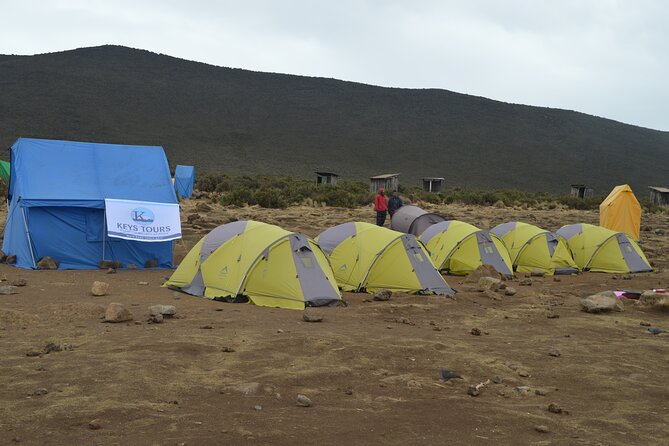
After breakfast, you transfer to Marangu Gate and begin walking through dense rainforest. The path can be muddy, so waterproof footwear and protection for your day bag are sensible choices.
The pace is intentionally slow and comfortable. That is good mountain practice, not wasted time. A slower start lets you watch the vegetation change, take photographs, drink water, and avoid burning energy during the first climb.
The forest is one of the most appealing sections of the route. The air is damp, the plants are thick, and the trail feels far removed from Moshi. A waterfall detour is available in the rainforest and is described as worth taking, but you should discuss it with your guide before setting out. The detour will add time and effort, so your guide can help you decide based on the group’s energy and the day’s conditions.
Mandara Huts sit at about 2,700 meters, and the walk from the gate takes roughly four hours. You receive a packed lunch, and the guiding team prepares the meals during the climb. The listed package includes four lunches, three dinners, and five breakfasts, though those totals do not line up neatly with the advertised seven-day, six-night title. Get the food plan in writing.
Day 3: From Mandara to Horombo through giant heather
The next stage climbs toward Horombo Hut at 3,700 meters. The day is listed at about seven hours, with roughly 15 kilometers of walking from Mandara.
You first pass through an upper section of rainforest, including a steep stretch that may be wet. After about 20 minutes, the vegetation begins to open. Tall giant heather replaces the dense forest, and tussock grass appears along the trail.
This is a useful day for paying attention to your body. The increase from 2,700 to 3,700 meters is significant, and the slow pace matters. Keep your breathing steady, drink regularly, and tell your guide if you feel unwell. The supplied information calls for moderate physical fitness, but the altitude can affect anyone, including people who are otherwise very fit.
The plant life becomes more unusual as you climb. Stunted heather, everlasting flowers, lobelia, groundsels, and short tussock grasses mark the wetter areas. Horombo is an important overnight stop because it places you much higher before the alpine desert and summit attempt.
A few more options to weigh up in Moshi
- Kilimanjaro climb by Lemosho Route (7-day)
★ 5.0 · 651 reviews - Safari Serengeti And Ngorongoro
★ 5.0 · 288 reviews - Kilimanjaro climb, Machame Route (7-day)
★ 5.0 · 262 reviews - Kilimanjaro Climbing Lemosho Route 8 Days.
★ 5.0 · 186 reviews
Day 4: Seven hours across the alpine desert to Kibo Hut
From Horombo, the route heads west, turns north, passes Middle Red Hill and the Triplets, then continues west for the final three kilometers to Kibo Hut. The full day is listed at about seven hours.
This is where Kilimanjaro begins to feel stark and otherworldly. Trees disappear, the ground becomes rocky, and the alpine desert can look almost lunar. Mawenzi Peak rises to the east, providing one of the finest views on this section.
Kibo Hut is at 4,700 meters. You are now close to the summit but not yet at the hardest part. The key task is to rest and conserve energy for the early start. The itinerary says you will wake very early on summit day for a quick bite and a warm drink, so you should expect a short night and a demanding morning.
This is also the point where a private group can help. You are not required to match the speed of a large mixed party. Your guide can watch the group’s condition and set a steady pace. That does not remove the altitude challenge, but it can make the day feel more manageable.
Day 5: A dark start, Gilman’s Point, and Uhuru Peak
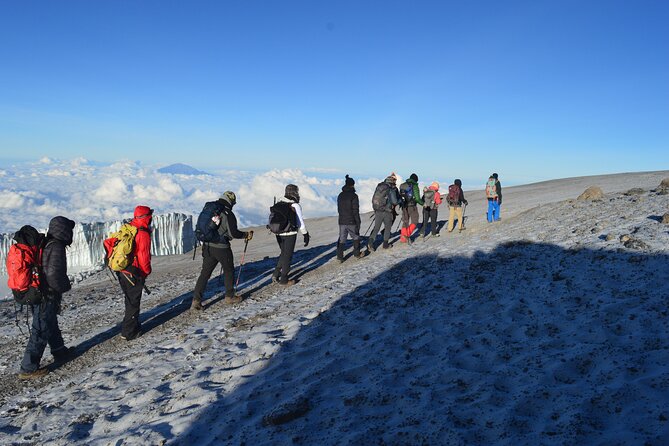
Summit morning begins before sunrise. You set off in darkness with headlamps, moving slowly up volcanic scree toward Gilman’s Point. The climb to the crater rim takes about five to six hours.
The loose gravel is tiring because your feet can slip backward with each step. The best approach is small, steady movement. Do not rush because another group seems faster. At this altitude, saving energy is more useful than winning a race that exists only in your head.
The sunrise near the crater rim is a major reward. The plan describes golden light spreading across Africa, with the horizon and the curve of the earth visible from the high slopes. Keep your camera accessible, but protect it from cold and avoid letting photographs distract you from footing and breathing.
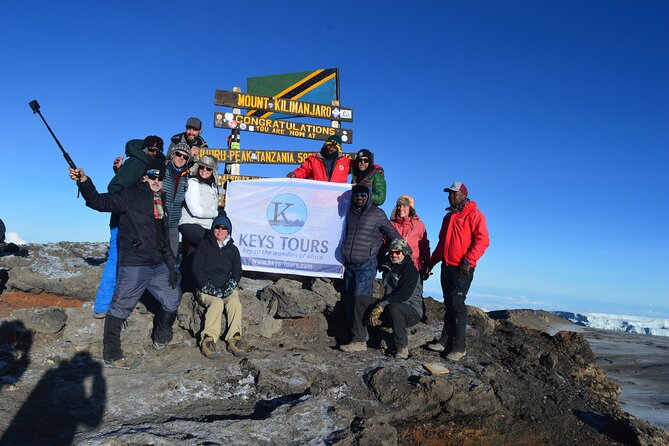
The supplied schedule labels this stop Uhuru Peak, but the text is cut off before giving a complete time or distance for the final section from Gilman’s Point. Ask the operator how much time they normally allow between the crater rim and Uhuru Peak, and what happens if a climber reaches Gilman’s Point but cannot continue.
After the summit attempt, you descend toward Horombo Huts. The return to Kibo may include a short rest, depending on how you feel. The loose scree can be descended with long, sliding steps, but use care. What feels fun on the way down can also send you off balance.
The complete summit day is listed as about five hours to Uhuru Peak and another six hours to Horombo. Treat those figures as approximate. This is the toughest part of the trip, and your actual time depends on weather, altitude, rest breaks, and how far you go beyond Gilman’s Point.
Day 6: Five hours down to Marangu Gate
The final mountain walk descends through the rainforest to Marangu Gate and takes about five hours. Your legs may be tired, but the return to thick forest usually feels encouraging.
Look for old man’s beard moss hanging from the trees and giant ferns rising above the forest floor. The path contains many steps, so poles can be useful if you have them. Downhill walking is easier on your lungs but can be hard on knees and ankles.
At Marangu Gate, you transfer back to Keys Hotel for a hot shower and overnight rest. That shower is more than a small luxury after the summit attempt. It gives you a clean, comfortable base for sorting equipment, eating properly, and recovering.
The detailed plan ends here, while the product title says seven days and six nights. The safest choice is to ask whether an additional hotel night, airport transfer, or departure day is included. This is especially important if you have an onward flight.
What the $1,965 price includes, and what it does not
At $1,965 per person, this is not the cheapest possible way to approach Kilimanjaro. The price is easier to judge when you look at what is bundled: airport pickup, the Keys Hotel stay, mountain guiding, porters, parking fees, and meals listed as five breakfasts, three dinners, and four lunches.
The private arrangement also has value. Your group does not share the activity with other participants, and that can be worthwhile if you want more control over pace and rest periods. The named staff praised for guiding and safety also suggest that the people side of the trip is a major part of what you are paying for.
There are still points to clarify. Drinks and tips are not included. Day 2 shows an admission ticket as not included, while parking fees are included in the package, so ask exactly which national park and gate charges are covered.
Also confirm whether equipment rental, transfers after the final hotel night, and all mountain meals are included. Those details are not fully stated here, and you should not assume they are part of the $1,965.
Who will get the most from this climb?
I would look closely at this trip if you want a private climb with hotel support in Moshi and hut accommodation on the Marangu Route. It suits someone who values a personal guide team, a clear daily plan, and the convenience of airport pickup.
It is also a good match if camping is not appealing. You still need to handle wet forest, cold nights, rocky ground, and a long summit day, but the route does not require you to carry a tent or sleep in one.
I would be more cautious if you want a relaxed holiday with a little mountain walking on the side. Six to seven days is a short window for a summit attempt, and the move from Mandara to Horombo, then Horombo to Kibo, gives you demanding altitude gains.
Ask about the guide’s approach to altitude symptoms, the exact group size, the porter arrangements, and the plan if weather interrupts the summit morning. Good communication before departure can prevent awkward surprises later.
Booking and cancellation details worth checking
Confirmation is provided at booking, and the activity is described as suitable for people with moderate physical fitness. It is near public transportation, though airport pickup is offered.
You can cancel for a full refund if you do so at least three full days before the local start time. Changes made within that period are not accepted, and the amount paid is not refunded for a later cancellation. If poor weather forces cancellation, you are offered another date or a full refund.
Because the itinerary and title differ on trip length, I would make the schedule question your first email. Confirm the number of hotel nights, the exact summit plan, included park charges, and meal totals before booking flights around it.
Should you book the Keys Tours Marangu Route?
Book it if you want a private, hut-based Kilimanjaro climb with a Moshi hotel, airport pickup, meals, guides, and porters included in one package. The most convincing part is the human support: Moses, John Bosco, Swai, Trizer, and Frank are all praised by name for care, safety, or enjoyable guiding.
Do not book without clarifying the seven-day versus six-day wording and the admission fee question. Once those details are settled, this looks like a practical choice for a fit first-time climber who wants comfort before and after the mountain, but understands that Uhuru Peak is a serious altitude challenge, not simply the last stop on a sightseeing tour.
FAQ
Where does the climb start?
The listed meeting point is Kilimanjaro International Airport on Kilimanjaro Airport Road in Tanzania. The stated start time is 7:30 a.m.
Is airport pickup offered?
Yes. Pickup is offered, and you are transferred from Kilimanjaro International Airport to Keys Hotel in Moshi.
How long is the experience?
The title describes seven days and six nights, while the detailed daily schedule covers six days. Confirm the exact duration with Keys Tours before booking.
Where do I stay before the climb?
The first accommodation is Keys Hotel in Moshi. It is described as a family-run hotel about ten minutes on foot from Moshi town center.
Which route is used?
The climb uses the Marangu Route on Mount Kilimanjaro.
How high is Uhuru Peak?
Uhuru Peak is on Kibo, the highest part of Kilimanjaro, at 5,895 meters above sea level.
What mountain huts are included in the route?
The schedule includes Mandara Huts, Horombo Huts, and Kibo Hut. Mandara is at about 2,700 meters, Horombo at 3,700 meters, and Kibo at 4,700 meters.
How physically fit do I need to be?
The activity is described as requiring a moderate physical fitness level. The itinerary includes several walking days of about four to seven hours, followed by a long summit attempt.
Are meals included?
The listed inclusions are five breakfasts, three dinners, and four lunches. Drinks are not included. Because the duration and meal totals require clarification, confirm the final meal plan before departure.
Can I cancel for a full refund?
Yes, if you cancel at least three full days before the experience start time. Cancellations made later are not refunded. If poor weather causes cancellation, you are offered a different date or a full refund.
Just added in Moshi
- Zanzibar: Stone Town tour and Nakupenda beach with Lunch★ 5.0 · 1 review
- machame route★ 5.0 · 16 reviews
- day trip lake manyara★ 5.0 · 2 reviews
- Mt Kilimanjaro 6 days Marangu route hike★ 5.0 · 3 reviews
- Private Cycle to Kilimanjaro Bike Park Safari★ 5.0 · 6 reviews
- West Kilimanjaro cycling Adventures★ 4.5 · 8 reviews
- Wildlife Extravaganza: Manyara, Tarangire & Ngorongoro in 3 Days★ 5.0 · 3 reviews
- 3 Days Private E-Bike Tour in West Kilimanjaro★ 5.0 · 3 reviews
Marangu Route Climbs, compared.

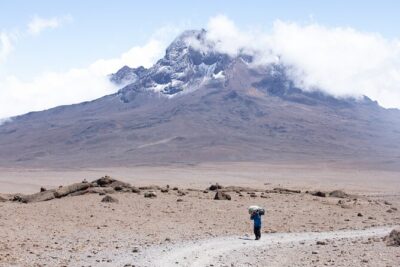

Private Full Day Hiking Experience to Marangu Route
Read our review →
From Arusha/Moshi: Kilimanjaro Hike Marangu Route Day Trip
Read our review →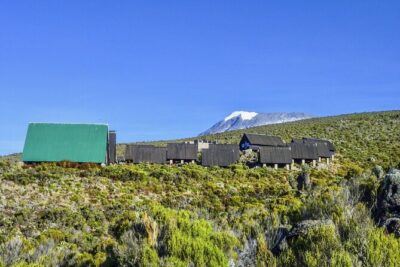
Mount Kilimanjaro Day Hike Through Marangu Route to Mandara Hut
Read our review →
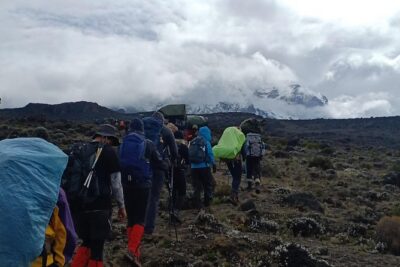
Best Kilimanjaro Adventures 6 Days Marangu Route Experience
Read our review →
Kilimanjaro Private Climbing in 6 Days Marangu Route
Read our review →Browse the lists this tour appears in