
Reviewed · LEMOSHO ROUTE CLIMBS
7 Days Lemosho Route Kilimanjaro Climbing | Solely Tours
Africa’s highest summit demands patience, not bravado. This seven-day Lemosho climb from Moshi gives you a private guide, camping support, meals, park fees, and a gradual route toward Uhuru Peak. I especially like the chance to reach Shira Peak, and I like that part of the fee supports the Godson Charity, which helps children in the Moshi area.
The strong points are the careful pacing and the full mountain setup, including tents, mattresses, cooks, and porters. The main drawback is that summit day is extremely long, and the package details need a careful check: the description says seven days and six nights, while the inclusions also list hotel nights before and after the trek and meal counts that do not line up perfectly with the daily schedule.
In This Review
- Key points before you book
- Why Lemosho is worth the extra days
- The $2,297.30 price and what it covers
- Day 1: Moshi to the Lemosho rainforest
- Day 2: Heather moorland and Shira 2 Camp
- Day 3: Lava Tower, high desert, and Barranco
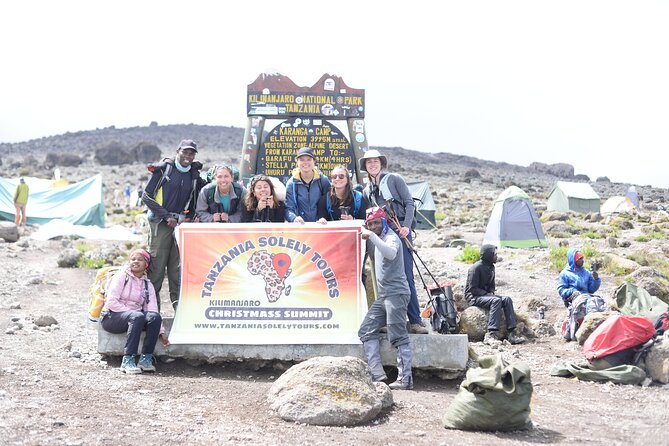
- Day 4: The Barranco Wall and Karanga Camp
- Day 5: Karanga to Barafu Camp
- Day 6: Stella Point, Uhuru Peak, and the long descent
- Day 7: Mweka Gate and the return to Moshi
- Food, tents, porters, and guide support
- Who should book this climb?
- Should you book the 7-day Lemosho climb?
- FAQ
- How long is the Kilimanjaro climbing experience?
- Is this a private climb?
- What route does the climb follow?
- Are meals included?
- Is camping equipment provided?
- What is not included in the price?
- What happens if bad weather cancels the climb?
Key points before you book
- Shira Peak access: Lemosho is presented as the only Kilimanjaro route allowing a summit attempt at Shira Peak, giving this climb a distinctive early mountain experience.
- Private group format: Only your own group participates, with a private guide rather than a large shared departure.
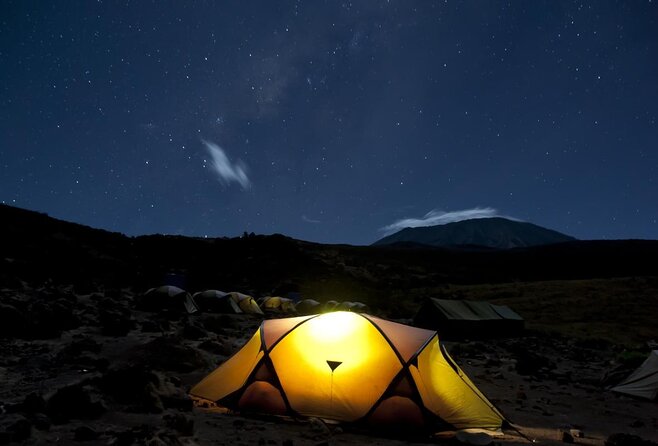
- Slow acclimatization: The route takes you through rainforest, moorland, high desert, glaciers, and volcanic rock before summit night.
- A demanding summit push: Day six begins around midnight and lasts about 14 hours, making fitness and rest essential.
- Much of the cost is bundled: Park fees, camping gear, meals, transfers after the trek, and hotel accommodation are included.
- Charity connection: Part of the fee goes to Godson Charity, and a charity visit can be arranged after the climb according to the provided experiences.
Why Lemosho is worth the extra days
The Lemosho Route approaches Kilimanjaro from the west. That matters because you do not begin among the busiest sections of the mountain. Your first day starts with a drive from Moshi to Londorosi Gate, followed by another drive to the trailhead. The longer approach takes time, but it gives the climb a strong sense of progression.
You begin in thick rainforest, then move into heather and moorland, rocky high desert, and finally the steep volcanic slopes near the summit. This changing scenery is one of the route’s biggest rewards. Kilimanjaro is not simply a long uphill walk. Its plant zones and terrain change noticeably as you gain altitude.
Lemosho also joins the southern circuit after Shira 2 Camp. From there, you climb high to Lava Tower, descend to Barranco, cross the Barranco Wall, and continue through Karanga to Barafu. This high and low pattern is useful for acclimatization because you spend time gaining elevation during the day and sleeping at a lower camp afterward.
The route’s other special claim is Shira Peak. The itinerary does not give a separate summit schedule or exact elevation for that point, so you should ask the operator how the Shira Peak portion is handled. Still, if reaching this western summit area interests you, Lemosho is the sensible choice within this program.
More Kilimanjaro climbs:
- Kilimanjaro climb by Lemosho Route (7-day)
★ 5.0 · 651 reviews - Kilimanjaro climb, Machame Route (7-day)
★ 5.0 · 262 reviews - Kilimanjaro Climbing Lemosho Route 8 Days.
★ 5.0 · 186 reviews
The $2,297.30 price and what it covers
At $2,297.30 per person, this is not a bare-bones mountain walk. The price includes park entry fees, tents, mattresses, meals, and one night at Kilimanjaro White House Hotel before climbing and one night afterward. A driver also returns you to your hotel after you reach Mweka Village.
That bundle has real value. Kilimanjaro’s park charges and support costs make up a substantial part of any legitimate climb. You are not carrying the full camp, buying meals along the way, or arranging your own return from the mountain. A private group also gives you more control over pace and daily decisions than a large shared departure.
The package lists breakfast five times, dinner seven times, and lunch seven times. Since the trip includes hotel nights and a seven-day route, ask for a written meal schedule before paying. The listed itinerary says lunch is served on the first day and describes breakfast, snacks, and dinner on several camp days, but the counts deserve clarification.
Tips for the guide, cook, and porters are not included. You also pay separately for flights, a visa, and personal equipment. Tipping is an important part of the mountain budget, so do not treat the advertised price as your final cost.
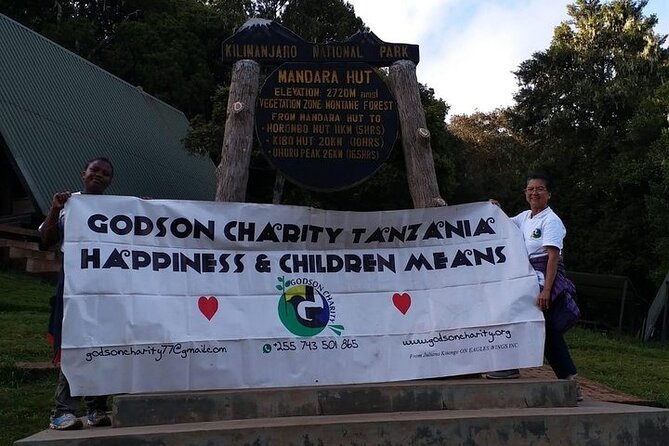
The charity element adds a useful social purpose. Part of your fee goes to Godson Charity, which supports children. The experiences connected with this program also describe a charity visit after the climb, including contact with families in need. Ask exactly how much is donated and whether a post-climb visit is available for your dates.
Day 1: Moshi to the Lemosho rainforest
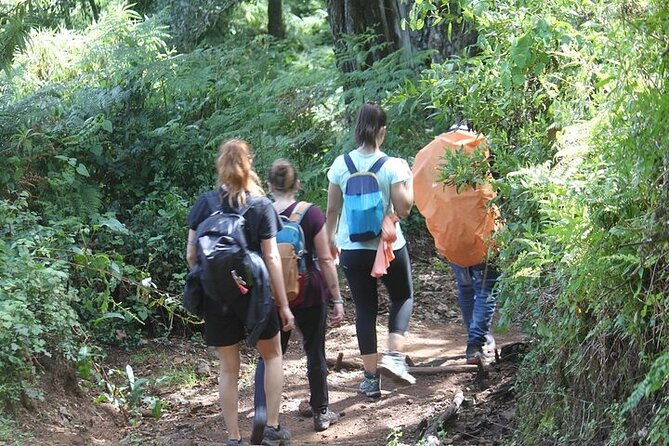
Your first day involves a roughly three-hour drive from Moshi to Londorosi Gate. Park formalities take place there, followed by another hour to the Lemosho trailhead. This is a long transfer before your boots even hit the trail, so keep water, snacks, and a light layer close at hand.
After lunch, you hike about 7 kilometers through thick rainforest to the first camp. The walking time is listed at roughly four hours, though the full day takes about five hours when transport and preparations are included.
This is a gentle beginning in terms of distance, but it is still a real walking day. The forest provides shade and a dramatic opening to the climb. You are surrounded by dense vegetation before the mountain opens up later in the route.
The practical challenge is simple: the day combines travel, administration, lunch, and hiking. Do not plan anything important in Moshi that evening. You will want time to settle into camp, eat, and rest.
Day 2: Heather moorland and Shira 2 Camp
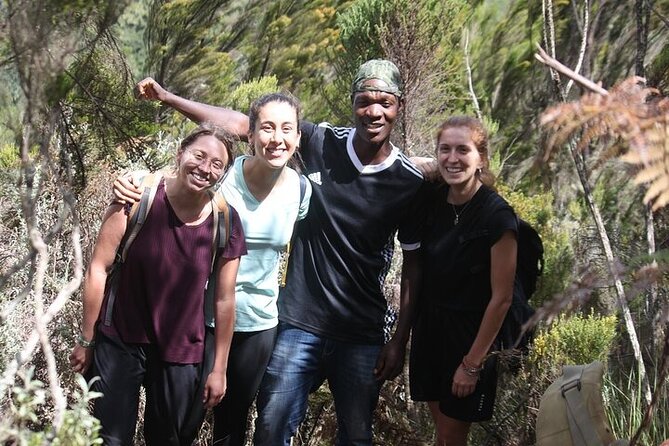
Day two is much longer. You leave camp after breakfast and climb into the heather and moorland zone. The route passes streams and continues across a plateau toward Shira 2 Camp.
The scheduled distance is 16.5 kilometers, with an estimated walking time of nine to eleven hours. That makes this one of the most demanding days before the summit attempt. The distance is not extreme for a strong hiker, but the altitude and long hours change the equation.
The payoff is Shira 2’s broad view toward the Western Breach and glaciers to the east. This is where Kilimanjaro begins to feel high and exposed. You can expect a cooler evening, snacks at camp, and a hot dinner before rest.
The guide’s role matters greatly here. Several accounts connected with this operator praise the slow pace and the decision not to rush. That is exactly what you want on a day like this. Tell your guide early if your breathing, energy, or headache changes. A private group makes that conversation easier.
More Lemosho Route climbs:
- Kilimanjaro climb, Lemosho Route (8-day)
★ 5.0 · 148 reviews - Kilimanjaro climb, Lemosho Route (6-day)
★ 5.0 · 129 reviews - Kilimanjaro Lemosho Route
★ 5.0 · 71 reviews - Private Kilimanjaro Hike 7 Day Lemosho Route
★ 5.0 · 60 reviews
Day 3: Lava Tower, high desert, and Barranco
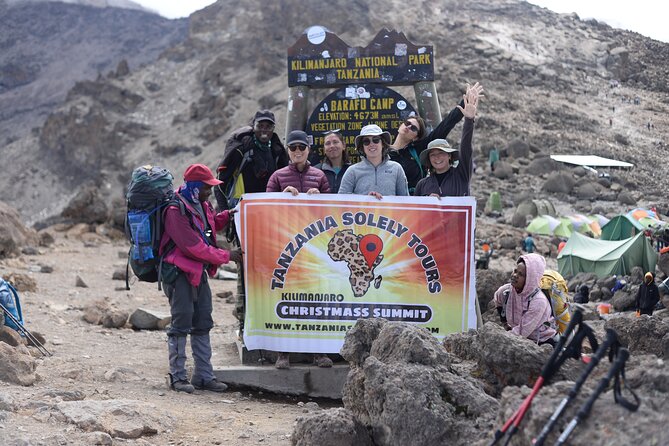
From Shira 2, you enter a dry, rocky zone. The route climbs for about five hours to Lava Tower, where lunch is served. The day covers approximately 10 kilometers and is listed at around seven hours.
Lava Tower is important not just for its scenery. It takes you to a higher point during the day, then the route descends to Barranco Camp. That climb high, sleep lower pattern helps your body adjust to altitude.
The descent to Barranco takes about two hours. Once there, you can see the famous Barranco Wall, the next day’s main obstacle. The wall looks intimidating from camp, but the itinerary describes a short route rather than a full day of walking.
Day three may be the best test of how you respond to altitude. You are climbing into a barren zone, eating at high elevation, then losing height before sleeping. Take the descent slowly, protect your knees, and keep your water accessible.
Day 4: The Barranco Wall and Karanga Camp
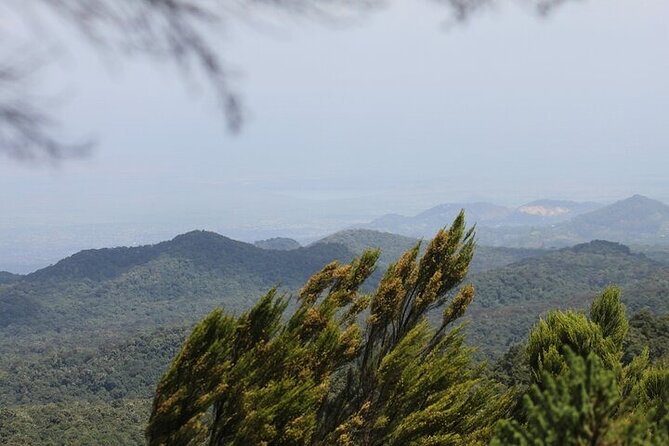
Day four is short by Kilimanjaro standards, covering about 5.5 kilometers in roughly five hours. The main event is the Barranco Wall, followed by a series of hills and valleys leading to Karanga Camp.
The word wall can make this section sound technical, but the provided schedule does not describe ropes or technical climbing. Expect a steep, hands-on mountain path rather than a rock-climbing session. Your guide will direct your footing and pace, while porters carry the camp equipment separately.
Karanga offers a fine place to pause. The itinerary highlights sunset views across glacial valleys and ice fields rising more than 3,000 feet above the camp. This is one of the shorter days, but do not waste it by pushing too hard. Eat well, drink regularly, and use the extra time to prepare for the final ascent.
One practical comfort praised in the supplied experiences is the care at camp. Hot water for washing hands and face was specifically appreciated. That small basin of warm water can feel like a luxury after a cold, dusty walking day.
Day 5: Karanga to Barafu Camp
The path from Karanga to Barafu is only about 3 kilometers and takes roughly three hours. You reach the junction with the Mweka Trail, then continue to Barafu Camp, the final camp before the summit attempt.
The short distance is intentional. Barafu is your launching point for a midnight start, so the afternoon should be spent resting rather than sightseeing. The southern circuit gives you mountain views from different angles, and this is your last main camp before the summit push.
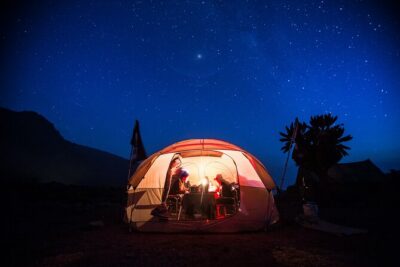
Dinner is served before you try to sleep. The schedule does not give a precise bedtime, but a midnight start leaves little room for a normal night’s rest. Eat what you can, organize your personal gear, and keep your warm layers ready.
This is where the private arrangement becomes especially valuable. Your guide can monitor the group’s condition and keep the pace suited to your needs. Several experiences praise the team’s timing, calm guidance, and refusal to rush people.
Day 6: Stella Point, Uhuru Peak, and the long descent
Summit day begins around midnight. You carry snacks and start up steep scree between the Rebmann and Ratzel Glaciers toward Stella Point on the crater rim.
The itinerary gives this day approximately 14 hours. That figure includes the summit climb and the descent, so you need to think of it as a full endurance day rather than a short final walk. Heavy scree can make progress slow, and the combination of darkness, cold, altitude, and limited sleep is the hardest part of the entire trip.
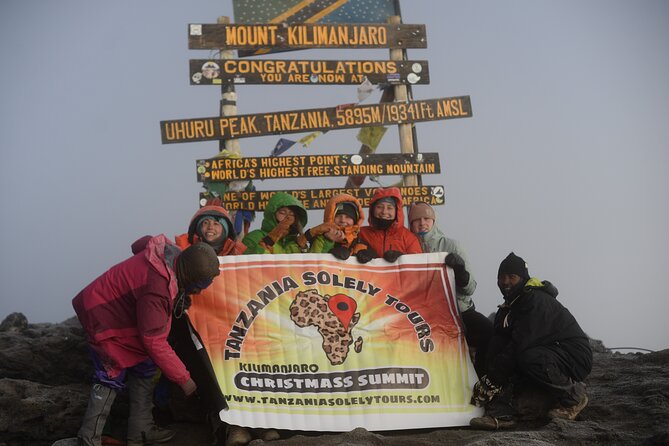
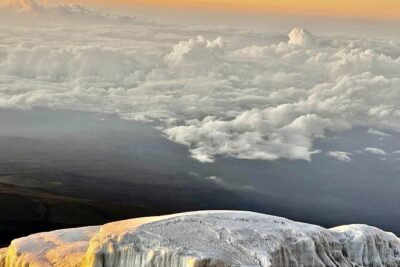
At Stella Point, you take a short break and, weather permitting, watch the sunrise. From there, snow may appear on the way to the summit. The goal is Uhuru Peak, the highest point in Africa.
You are advised to keep your time at the summit brief because of the risk of altitude sickness. Take your photographs, enjoy the achievement, and begin the descent when your guide says it is time. The peak is not the place for a long picnic.
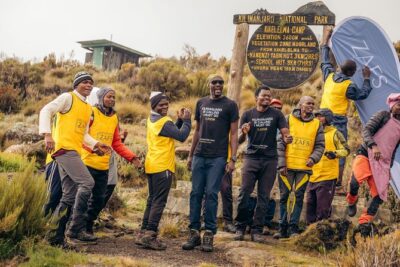
The program’s strongest practical message is to follow the guide’s pace. The people who reached the summit with this operator credit the guides with steady pacing, route knowledge, and close support. The cook and porters also receive repeated praise for hot meals and dependable camp service.
Do not view turning back as failure. The itinerary does not promise a summit for every person, and altitude can affect fit people without warning. A careful guide should put your safety before the certificate.
Day 7: Mweka Gate and the return to Moshi
After breakfast, you walk about 12.1 kilometers to Mweka Gate. The schedule allows around six hours, although the walking portion is also described as taking about three hours, so confirm the expected timing with your guide.
At the gate, successful summit climbers receive a gold certificate. You then continue to Mweka Village, where a driver takes you back to your hotel for a well-earned rest.
The final descent is easier than summit night, but tired legs can make it uncomfortable. Trekking poles, comfortable footwear, and patience will help. The return transfer is included, which removes one more logistical worry at the end of a demanding week.
The package includes a hotel night after the climb at Kilimanjaro White House Hotel. That is useful because you can shower, sleep properly, and recover before your next transfer. Confirm whether the post-climb night is always included for your booking, since the schedule and inclusions use slightly different wording.
Food, tents, porters, and guide support
All camping gear listed in the package is supplied, including tents and mattresses. You still need your own personal equipment, and the program does not provide a detailed gear list. Ask for one before departure, especially for warm clothing, rain protection, sleeping gear, footwear, and personal medical supplies.
Meals are included throughout the mountain program. The food was repeatedly praised in the supplied experiences, with hot meals described as a major comfort. A cook is part of the support team, so you are not expected to prepare camp food yourself.
Porters carry the equipment, while your guide manages the route and daily pace. The team has also included female guides and porters, which may matter if you prefer a more inclusive operation. No individual guide names are provided, so you should request the name and qualifications of your assigned lead guide before departure.
Tipping is excluded. Budget for tips separately and ask the company for its current recommendation. One response from the operator acknowledged that park fees and tipping could be explained more clearly, another good reason to request a full cost breakdown in writing.
Who should book this climb?
This is a good fit if you want a private Kilimanjaro attempt with a longer route, varied scenery, and structured camp support. It suits people with moderate physical fitness who can manage long walking days and a very demanding summit night.
It is less suitable if you want a relaxed holiday with only occasional hiking. Day two is long, day six is harder, and every night is spent within a serious mountain schedule. You also need to accept basic camping conditions, altitude risk, and the possibility that weather can change the plan.
The charity connection may appeal to you if you want your climb to support children in Tanzania. Just ask for clear details about the donation and any optional charity visit.
Cancellation is free up to 24 hours before the local start time. Within 24 hours, no refund is provided. If poor weather forces cancellation, you are offered another date or a full refund.
Should you book the 7-day Lemosho climb?
I would consider booking it if you value a private group, a gradual route, included support, and the chance to contribute to Godson Charity. The combination of Lemosho’s scenery, Shira access, Lava Tower acclimatization, Barranco Wall, and southern circuit views gives you a varied climb rather than a simple march to the top.
Before paying, confirm four things: the exact meal schedule, the hotel nights, the tipping guidance, and how Shira Peak is included. If those details are clear and you are ready for a 14-hour summit day, the $2,297.30 price offers solid value for a supported Kilimanjaro climb.
FAQ
How long is the Kilimanjaro climbing experience?
The climb lasts approximately seven days and includes six nights on the stated trek schedule. One hotel night before and one hotel night after climbing are also included, so confirm the full number of nights in your booking.
Is this a private climb?
Yes. Only your own group participates, and a private guide is provided.
What route does the climb follow?
The climb follows the Lemosho Route, beginning near the Lemosho trailhead and continuing through Shira 2, Lava Tower, Barranco, Karanga, and Barafu before descending through Mweka.
Are meals included?
Yes. Breakfast, lunch, and dinner are listed as included, although the published meal counts do not match perfectly with the seven-day schedule. Ask for the exact meal plan before booking.
Is camping equipment provided?
Yes. Tents and mattresses are included. Personal equipment is not included, so you must arrange your own individual gear.
What is not included in the price?
Flights, visas, personal equipment, and tips for the guide, cook, and porters are not included.
What happens if bad weather cancels the climb?
If poor weather causes the experience to be canceled, you will be offered a different date or a full refund. You can also cancel for a full refund if you do so at least 24 hours before the local start time.
Just added in Moshi
- Zanzibar: Stone Town tour and Nakupenda beach with Lunch★ 5.0 · 1 review
- machame route★ 5.0 · 16 reviews
- day trip lake manyara★ 5.0 · 2 reviews
- Mt Kilimanjaro 6 days Marangu route hike★ 5.0 · 3 reviews
- Private Cycle to Kilimanjaro Bike Park Safari★ 5.0 · 6 reviews
- West Kilimanjaro cycling Adventures★ 4.5 · 8 reviews
- Wildlife Extravaganza: Manyara, Tarangire & Ngorongoro in 3 Days★ 5.0 · 3 reviews
- 3 Days Private E-Bike Tour in West Kilimanjaro★ 5.0 · 3 reviews
Lemosho Route Climbs, compared.

8-Day Small-group Lemosho Kilimanjaro Summit Trekking
Read our review →


Climbing Kilimanjaro through 8 days Lemosho Route
Read our review →Browse the lists this tour appears in