
Reviewed · MACHAME ROUTE CLIMBS
7 Days Machame Route
The mountain saves its best views for the patient.
This seven-day Machame Route trek from Moshi gives you a scenic path to Uhuru Peak, with tent camping, porter support, and a useful climb-high, sleep-low pattern. I like the extra acclimatization time compared with the shorter six-day version, and I like the careful attention to practical details, from filling meals to porters watching belongings during the summit push. The main drawback is the very demanding summit day, which lasts about 15 hours and begins around midnight.
I also like the small-group limit of 15 people, since that should make it easier to stay connected with the guide and keep the pace organized. The $2,000 price can offer good value for a seven-day guided climb, but the supplied details do not spell out every inclusion, so you should confirm hotel nights, airport transfers, equipment, tips, and meals before paying.
In This Review
- Key points at a glance
- Why Machame is the right seven-day route
- Day 1: Forest shade to heather country
- Day 2: The steep rise onto Shira Plateau
- Days 3 and 4: High moorland and the value of sleeping low
- Day 5: Toward Barafu Camp and the glaciers
- Day 6: Stella Point, Uhuru Peak, and a 15-hour test
- Day 7: Rainforest descent and the return to Moshi
- Guides, porters, meals, and the human side
- Is $2,000 a fair price?
- What to clarify before you book
- Who should choose this Machame trek?
- Should you book the 7 Days Machame Route?
- FAQ
- How long is the Machame Route experience?
- Where does the trek begin?
- Is pickup offered?
- How high is Uhuru Peak?
- How high is Stella Point?
- How long is the summit day?
- Where do hikers sleep?
- Is the park admission ticket included?
- How large can the group be?
- What fitness level is required?
- Can I cancel for a full refund?
Key points at a glance
- Seven days gives your body more time to adjust than the six-day Machame version.
- The climb-high, sleep-low pattern reaches roughly 4,600 meters before returning to a lower camp.
- The summit attempt begins around midnight and includes Stella Point at 5,739 meters and Uhuru Peak at 5,895 meters.
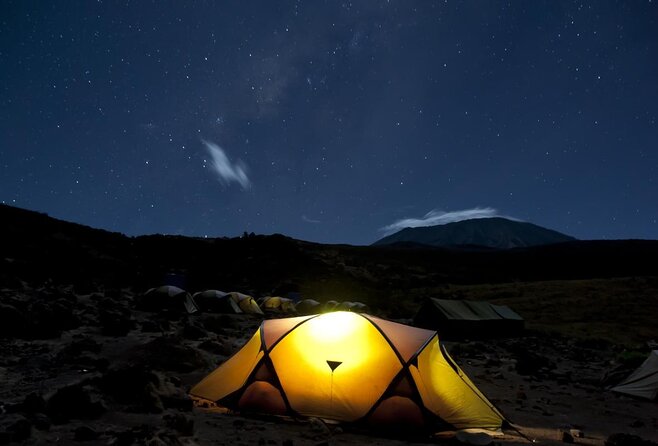
- Camping is part of the route, with tents carried up the mountain by porters.
- The group is capped at 15 people, a useful balance between social company and manageable logistics.
- Mweka Gate marks the finish, followed by transport back to your Moshi hotel.
Why Machame is the right seven-day route
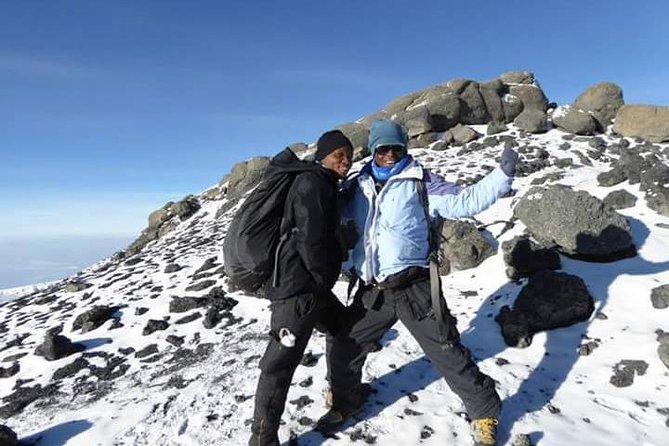
Machame is popular for a good reason. It gives you changing scenery without forcing the entire climb into a rushed schedule. You begin in moss-covered forest, move through heather and high grass, cross open moorland, and finish among volcanic rock and glaciers near the summit.
The route’s most useful feature is its shape. You climb high during the day, then sleep at a lower elevation. That pattern gives your body a better chance to adjust than a steady upward march. It does not remove the risk of altitude sickness, and no itinerary can promise a summit, but the extra day is a sensible choice for many people.
I would choose the seven-day version over six days if your schedule allows. Kilimanjaro is not a place where shaving off one day always saves effort. A slower climb can make the altitude easier to manage and gives you more time to notice the changing mountain around you.
You sleep in tents rather than mountain huts. Porters carry the camping gear up the route, which keeps your personal load more manageable. That support is useful, but it also means you should ask how luggage is handled, what weight limits apply, and what you need to carry during the day.
More Machame Route climbs:
- Kilimanjaro climb, Machame Route (7-day)
★ 5.0 · 262 reviews - Climbing Kilimanjaro – Machame Route
★ 5.0 · 170 reviews - Climbing Kilimanjaro through 7 days Machame Route
★ 5.0 · 151 reviews
Day 1: Forest shade to heather country
The first day takes about six hours on Mount Kilimanjaro. You start in the cloud forest, where the trees are covered with moss and the air feels enclosed and damp.
As you gain height, the forest thins. Heather, tall grasses, and wildflowers replace the dense trees, giving you the first clear sense that this is not an ordinary forest walk. The change is gradual, so you get a useful introduction to the mountain’s plant zones rather than a sudden switch from one setting to another.
This is a long opening day, though the schedule gives no exact distance. You should expect a steady effort rather than a sightseeing stroll. The admission ticket is included, and pickup is offered, but confirm the exact pickup point and hotel arrangements before the morning start.
The first day also sets the tone for the trek. You will be walking for several hours, sleeping in a tent, and adjusting to a routine that becomes more demanding later. A moderate level of physical fitness is required, and you should not treat that phrase lightly.
Day 2: The steep rise onto Shira Plateau
Day two takes about five hours and continues upward through the forest before a steeper ascent to the Shira Plateau. This is where the route begins to feel more open and exposed.
The reward is the view. From the plateau, you can look back toward Mount Meru, rising above Arusha in the distance. That sight gives you a sense of the wider region, not just the trail immediately under your boots.
The shorter walking time may look easy on paper, but the steeper climb can make the day feel sharper than day one. Use it as an opportunity to settle into a slow pace. The classic advice on Kilimanjaro is simple: walk slowly, drink regularly, and avoid racing ahead early in the trek.
The plateau also marks a change in mood. The forest is behind you, and the broad high country ahead gives the route much of its visual appeal. You will want clear weather here, but mountain conditions can change, so keep warm layers and rain protection accessible.
Days 3 and 4: High moorland and the value of sleeping low
The supplied schedule describes two important days across the southwest side of Kilimanjaro. Day three is listed at about eight hours, while day four is listed at about four hours.
On day three, you walk across high moorland beneath Lava Tower and the final section of the Western Breach. The route reaches about 4,600 meters during the day. You then camp at a lower elevation, following the climb-high, sleep-low method that helps with acclimatization.
That is a demanding day, but it has a clear purpose. You gain altitude without sleeping at the highest point reached. For many climbers, this is one of the most valuable parts of the seven-day plan, even if it is not the most comfortable.
Day four covers similar terrain in the supplied schedule and is shorter, at about four hours. Since the description repeats the Lava Tower and Western Breach section, you should ask Golden Summit Adventures to confirm the exact camp names and sequence before departure. The repeated description may reflect an acclimatization day or a schedule summary that has not been fully separated.
Either way, a shorter day after the eight-hour push is welcome. You get more time to rest, eat, and prepare for the high camps. Do not judge the value of this day by walking hours alone. On a high-altitude climb, a shorter day can be doing important work for your body.
A few more options to weigh up in Moshi
- Kilimanjaro climb by Lemosho Route (7-day)
★ 5.0 · 651 reviews - Safari Serengeti And Ngorongoro
★ 5.0 · 288 reviews - Kilimanjaro Climbing Lemosho Route 8 Days.
★ 5.0 · 186 reviews - Kilimanjaro climb, Lemosho Route (8-day)
★ 5.0 · 148 reviews
Day 5: Toward Barafu Camp and the glaciers
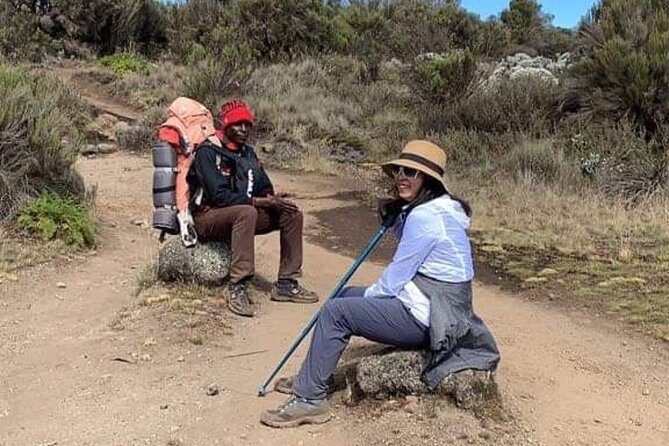
After breakfast, you hike toward Barafu Camp in about four hours. The route offers views of several of Kibo’s glaciers and passes the junction where the Mweka descent route connects with the Machame trail.
The schedule also refers to the Heim, Kersten, and Decken Glaciers. These names give the day a strong sense of place, though glacier views can depend on weather and visibility. You should enjoy the sight without expecting a fixed postcard view.
Barafu Camp is the staging point for the summit attempt. Reaching it is not the end of the hard work. You are preparing for a night start, a long climb on scree, a descent, and another walk to Mweka Camp afterward.
This is where the organization of the crew matters. The company has been praised for handling small practical details, including having porters look after belongings while climbers go for the summit. That kind of help can reduce worry, but you should still keep essential items with you and confirm the luggage procedure at the pre-trek briefing.
Day 6: Stella Point, Uhuru Peak, and a 15-hour test
Day six is the centerpiece of the climb and the hardest part by a wide margin. You start around midnight and climb steeply toward the summit glaciers.
The ascent takes about four to five hours on scree, a loose volcanic surface that can make each step feel inefficient. You gain a great deal of height over a short distance, so the slow pace is not a sign of failure. It is the sensible way to keep moving.
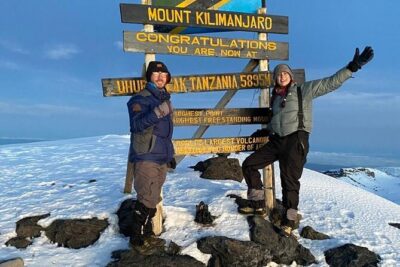
The goal is Stella Point on the crater rim at 5,739 meters, ideally around sunrise. From there, the route continues for about another hour to Uhuru Peak at 5,895 meters. The views include ice cliffs in the crater and Mawenzi Peak beyond. The exact view depends on cloud and weather, but the high point itself is the clear target.
The schedule allows about 15 hours for the full day. After reaching the summit, you return to Stella Point, descend the scree to Barafu Camp for breakfast, then continue down to Mweka Camp for rest.
That sequence is important. You are not simply climbing up and walking down in one clean movement. You face the summit in darkness, return to camp, eat, and then keep descending. Fatigue is likely to be the main challenge, along with cold, altitude, and loose ground.
I would treat this day as a serious endurance effort. The tour is suitable for people with moderate fitness, but your fitness should include long uphill walking and the ability to keep going when tired. The company’s stated focus on safe summit progress is encouraging, yet your guide must make the final call if altitude symptoms or exhaustion become dangerous.
Day 7: Rainforest descent and the return to Moshi
The last day is much gentler, with about three hours of walking through rainforest to Mweka Gate. After the stark upper mountain, returning to trees can feel like a dramatic change.
At the gate, you complete park formalities and receive certificates. The vehicle then takes you back to your hotel in Moshi, where the plan includes time for a shower and a well-earned celebration with cold drinks.
The finish is practical and satisfying. You do not have to arrange your own transport from the mountain, though you should verify where the vehicle meets you and what hotel night is included. The itinerary says you stay at your arranged hotel, which suggests that the hotel may need to be booked separately.
Guides, porters, meals, and the human side
The strongest praise for this trip centers on the crew’s organization and care. The company has been credited with experienced guides who focus on safe summit progress while explaining the mountain environment and local culture.
That combination matters. A Kilimanjaro guide is not only there to point out the path. You need someone who can judge pace, watch how you are coping with altitude, and keep the group moving without turning the trek into a race.
Food also receives strong praise. Meals are described as filling and varied enough to keep the routine from becoming dull. At altitude, food is fuel, not decoration, so this is a meaningful part of the package.
Communication is another positive point. The company has been described as warm-hearted and easy to reach. Since the tour includes a briefing, transport, camping, and a large support team, clear communication before the climb is worth a lot.
The group limit is 15 people. That is not a private trek, but it is small enough to avoid the feel of a huge procession. Ask how the group is divided on the trail and whether your pace can be adjusted if you are slower or faster than the rest.
Is $2,000 a fair price?
At $2,000 per person, the price is not a bargain-basement climb, but seven days on Kilimanjaro requires more than trail guiding. You are paying for park access, guides, porters, tents, food, transport connected with the route, and the logistical work that keeps a high-altitude camp functioning.
The supplied details confirm included admission tickets and offered pickup. They do not list every cost included in the $2,000. Before booking, ask specifically about:
- Hotel nights before or after the trek
- Airport transfers
- Meals outside the mountain
- Sleeping bags and other equipment
- Porter and guide tips
- Transport from Moshi to the trailhead and from Mweka Gate
- Any medical or evacuation arrangements
The seven-day length improves the value for people who want a better acclimatization schedule. If you only care about reaching the summit as quickly as possible, a shorter route may look cheaper, but cutting time can also make the climb less forgiving.
What to clarify before you book
Confirmation arrives at booking, and the tour starts at 8:00 am. Pickup is offered, but the meeting details should be confirmed with the operator rather than assumed.
The itinerary has a few points worth checking. Days three and four use nearly the same description, and day five refers to the glacier section in a way that may overlap with the earlier day. Ask for the final camp-by-camp plan, including the names of camps, sleeping elevations, and walking distances.
You should also confirm what happens if weather or altitude changes the schedule. The provided information does not state a summit guarantee, and no responsible mountain company can offer one. The priority should be getting you up and down safely.
Cancellation is free if you cancel at least 24 hours before the experience start time. Cancellations within 24 hours are not refunded, and changes inside that window are not accepted. Cutoff times use local Tanzanian time.
Who should choose this Machame trek?
I would recommend it to you if you want a scenic route, prefer seven days for acclimatization, and are comfortable camping in a small group. It suits people who value an organized crew, steady support, and a full mountain experience rather than a quick summit attempt.
You should think twice if you dislike tents, struggle with long uphill days, or want a relaxed holiday pace. The 15-hour summit day is not a minor detail. It is the physical heart of the trip.
Should you book the 7 Days Machame Route?
I would book this trek if you want a well-supported Kilimanjaro climb with varied scenery and a schedule that gives acclimatization proper attention. The strongest reasons are the climb-high, sleep-low pattern, the extra seventh day, the practical porters and meal support, and the company’s focus on safe, well-organized guiding.
Before committing, get the missing details in writing, especially hotel arrangements, equipment, tips, transfers, and the exact plan for days three through five. If those answers are clear and you are ready for a long summit day, the $2,000 price looks reasonable for a seven-day attempt on Africa’s highest peak.
FAQ
How long is the Machame Route experience?
The trek lasts approximately seven days.
Where does the trek begin?
The experience is based in Moshi, Tanzania, with a stated start time of 8:00 am.
Is pickup offered?
Yes, pickup is offered. Confirm the exact pickup location and timing before the trek.
How high is Uhuru Peak?
Uhuru Peak is listed at 5,895 meters.
How high is Stella Point?
Stella Point is listed at 5,739 meters on the crater rim.
How long is the summit day?
The summit day takes about 15 hours, beginning around midnight and continuing through the descent to Mweka Camp.
Where do hikers sleep?
Hikers sleep in tents carried up the mountain by porters.
Is the park admission ticket included?
Yes, admission tickets are included for the listed Mount Kilimanjaro days.
How large can the group be?
The tour has a maximum group size of 15 people.
What fitness level is required?
You should have a moderate level of physical fitness.
Can I cancel for a full refund?
Yes, if you cancel at least 24 hours before the experience start time. Cancellations within 24 hours are not refunded.
Just added in Moshi
- Zanzibar: Stone Town tour and Nakupenda beach with Lunch★ 5.0 · 1 review
- day trip lake manyara★ 5.0 · 2 reviews
- Mt Kilimanjaro 6 days Marangu route hike★ 5.0 · 3 reviews
- machame route★ 5.0 · 16 reviews
- Private Cycle to Kilimanjaro Bike Park Safari★ 5.0 · 6 reviews
- West Kilimanjaro cycling Adventures★ 4.5 · 8 reviews
- Wildlife Extravaganza: Manyara, Tarangire & Ngorongoro in 3 Days★ 5.0 · 3 reviews
- 3 Days Private E-Bike Tour in West Kilimanjaro★ 5.0 · 3 reviews
Machame Route Climbs, compared.



Climbing Kilimanjaro through 7 days Machame Route
Read our review →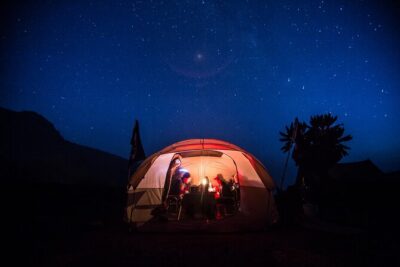
7-Day Machame Kilimanjaro Summit Tour from Arusha
Read our review →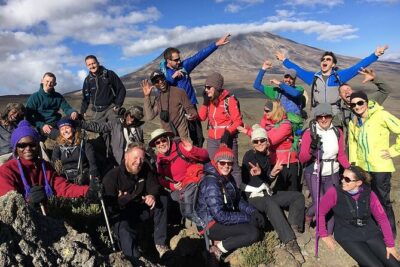
7 Days Kilimanjaro via Machame route affordable price
Read our review →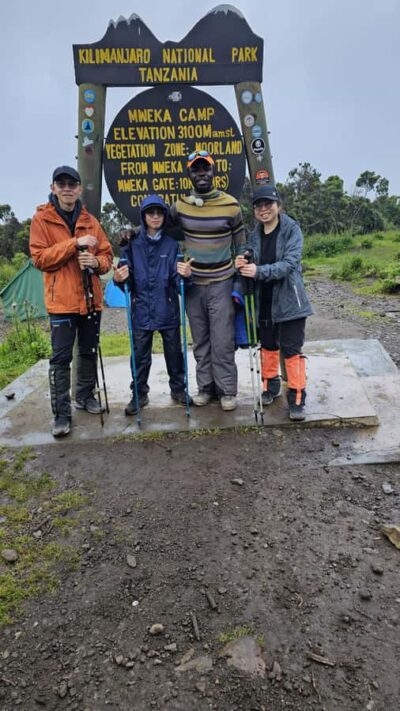
#1. Best Kilimanjaro Day hike Tour-Machame Route-ISMANI
Read our review →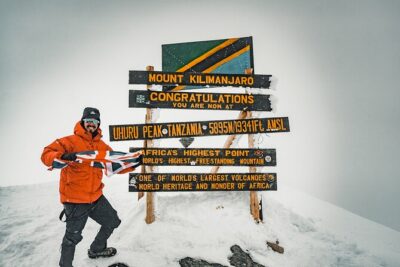
The Best of Machame Route in 6 Days: Your World’s Summit Guide
Read our review →Browse the lists this tour appears in