
Reviewed · MARANGU ROUTE CLIMBS
Affordable 6 Days Kilimanjaro Climbing tour via Marangu Route
Africa’s highest peak rewards steady pacing. This six-day Kilimanjaro climb uses the Marangu Route, a scenic path through rainforest, high moorland, volcanic slopes, and the summit zone above 5,000 meters. I like the built-in acclimatization walks and the chance to see both Kibo and Mawenzi volcanoes from Horombo Hut.
I also like the practical setup: a professional guide, private transfer to the activity area, meals listed for the mountain, pickup service, and a price of $738 per person. The main concern is the cost wording. Park fees, tips, flights, visas, hotel nights, and airport transfers are not included, so your final budget will be higher.
In This Review
- Key points to know before booking
- What the $738 price really covers
- Day 1: Marangu Gate to Mandara Hut at 2,700 meters
- Day 2: Horombo Hut and the first acclimatization walk
- Day 3: A second Horombo acclimatization day
- Day 4: Kibo Hut at 4,700 meters
- Summit night: Uhuru Peak at 5,895 meters
- Day 6: Marangu Gate and the return to Moshi
- How the Marangu Route fits different climbing styles
- Safety, altitude, and preparation
- Booking, cancellation, and practical details
- Should you book this six-day climb?
- FAQ
- How long does the Kilimanjaro climb take?
- Which route does the climb use?
- What is the tour price?
- Where does the tour start and end?
- Is Uhuru Peak included?
- Are park fees included in the price?
- Can I cancel for a full refund?
Key points to know before booking
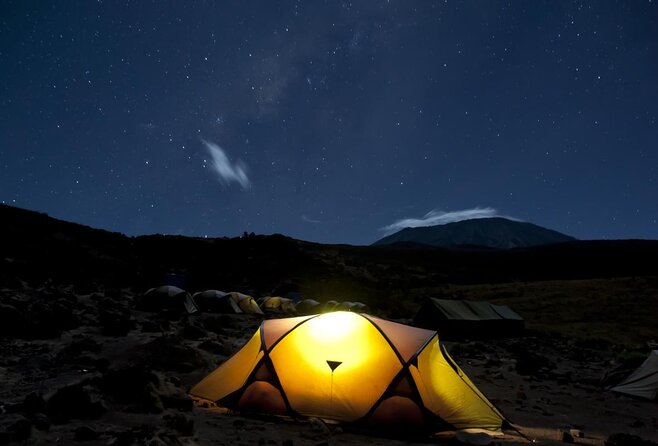
- Marangu Route with hut stays: You sleep in mountain huts rather than tents, with camps at Mandara, Horombo, and Kibo.
- Two acclimatization walks: The plan includes extra walking near Horombo to help your body adjust before summit night.
- Uhuru Peak at 5,895 meters: Summit day begins at night and combines a climb to the top with a long descent to Horombo.
- $738 per person: The headline rate is attractive, but park fees and several other expenses are separate.
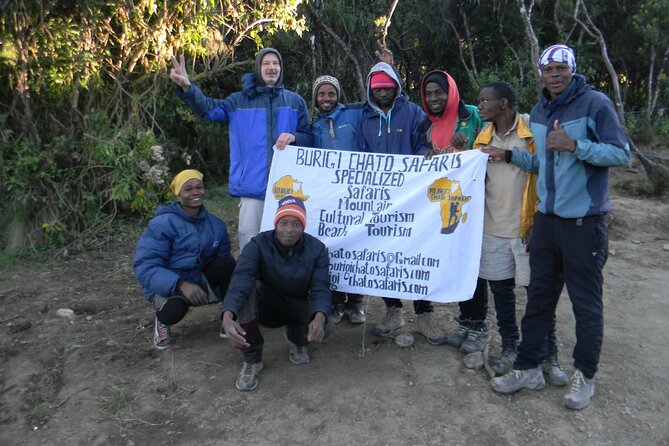
- Moshi start and finish: You meet at Burigi Chato Safaris on Mkwawa Street in Shanty Town, Moshi, and return there after the climb.
- Flexible cancellation: You can receive a full refund if you cancel at least 24 hours before the start time, subject to the stated weather rules.
What the $738 price really covers
At $738 per person, this is an appealing entry price for a six-day Kilimanjaro program. You receive a professional experienced guide, private transport to the activity area, and meals listed as breakfast, lunch, and dinner, although the booking information marks some meal items as optional. I would confirm exactly which meals are included before paying.
The major budget question is the park fee. The price information says Mount Kilimanjaro National Park fees are not included and can be paid directly to the park or through the tour operator. That is not a minor extra. Park charges can form a substantial part of the total cost of a Kilimanjaro climb, so ask for a written full-price breakdown.
You also need to budget for tips for the mountain crew, visas, flights, accommodation before and after the hike, and airport pickup and drop-off. The tour begins in Moshi, not necessarily at the airport or your hotel, though pickup to the activity area is offered.
The value improves if you already have a Moshi hotel and arrange your own airport transport. It is less attractive if you expect one simple all-inclusive payment. Before booking, ask these practical questions:
- Are park fees included in the final invoice?
- Which breakfasts, lunches, and dinners are covered?
- Is transport from your Moshi hotel included?
- What is the cost of pre-climb and post-climb accommodation?
- What tipping amount does the operator recommend for the crew?
More Kilimanjaro climbs:
- Kilimanjaro climb by Lemosho Route (7-day)
★ 5.0 · 651 reviews - Kilimanjaro climb, Machame Route (7-day)
★ 5.0 · 262 reviews - Kilimanjaro Climbing Lemosho Route 8 Days.
★ 5.0 · 186 reviews
Day 1: Marangu Gate to Mandara Hut at 2,700 meters
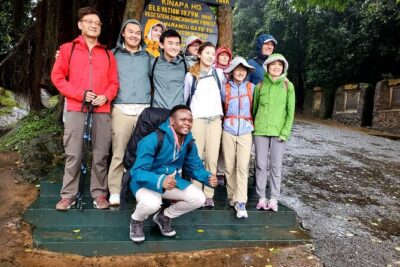
Your first morning begins with a pre-climb briefing and an introduction to the team. You then drive to the Marangu entrance, also called the East Gate, at about 1,860 meters. The guide handles permits and search-and-rescue registration before you begin walking.
The first trail section passes through rainforest. It is a pleasant introduction to Kilimanjaro, with thick vegetation and a good chance of rain. Pack a proper raincoat, not only a light windbreaker. Wet clothing on the first day can make the rest of the climb much less comfortable.
The target is Mandara Hut at 2,700 meters, reached after about four hours of walking. The distance is manageable for most people in reasonable condition, but the point is not to race. Your body is starting to adjust to altitude, so a slow pace is useful from the first hour.
The guidance for this day is sensible: drink often, avoid alcohol and caffeine, and report unusual symptoms promptly. The plan recommends at least four liters of fluid per day and mentions Diamox for altitude symptoms. Do not take Diamox without first speaking with your doctor, since it may not suit everyone.
This is also a good time to learn your guide’s system. Tell the guide early if you develop a headache, nausea, unusual tiredness, or trouble breathing. Small problems are easier to manage when reported quickly.
Day 2: Horombo Hut and the first acclimatization walk
After breakfast, you leave Mandara and walk toward Horombo Hut at 3,720 meters. The day takes about six hours and changes the feel of the climb. The rainforest gives way to more open high-altitude scenery, and the route brings you to a camp with views of both Kibo and Mawenzi.
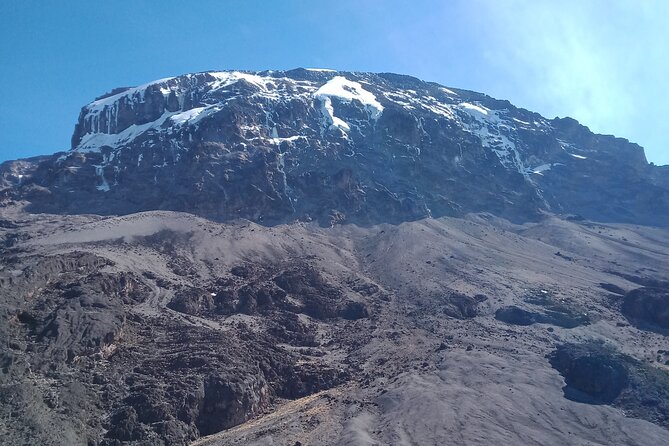
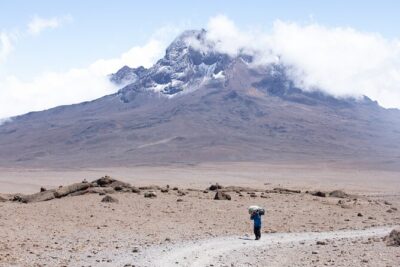
Kibo is the broad volcanic summit that holds Uhuru Peak. Mawenzi has a more jagged profile, and seeing both volcanoes from Horombo gives you a clear sense of Kilimanjaro’s volcanic shape. This is one of the strongest visual moments of the route.
After lunch, you take an acclimatization walk toward Kibo Hut, gaining about 200 meters before returning to Horombo for dinner. It may seem odd to walk uphill and then return to the same bed, but this extra time at altitude matters. It gives your body a chance to adjust without forcing you to sleep higher that night.
I would treat this walk as part of the climb, not as an optional stroll. Keep your pace easy, drink steadily, and use it to judge how you feel. The schedule is designed to improve your chance of reaching the summit, though no itinerary can remove the risk of altitude sickness.
Day 3: A second Horombo acclimatization day
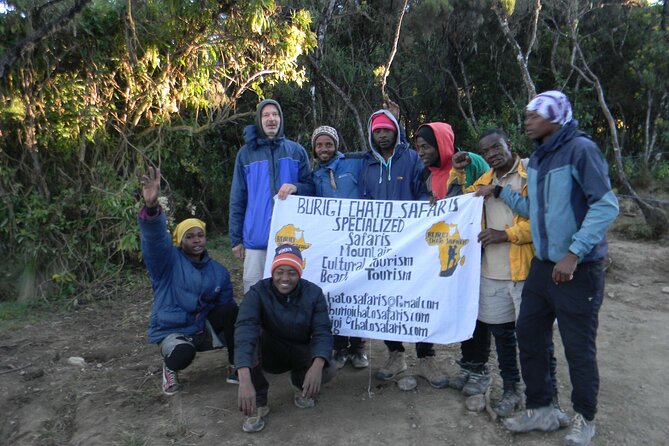
Day three is another long day, listed at about eight hours, with an acclimatization walk to Kibo Hut and back. This extra day is one of the best features of the program. Many short Kilimanjaro schedules push upward too quickly, while this plan gives you more time near Horombo before moving to the high camp.
After returning, you have time for lunch and a slower afternoon. You can photograph Mawenzi, walk around camp, or sleep before the next stage. That rest is not wasted time. The summit attempt will begin at night, so conserving energy here is smart.
The drawback is that this day can feel repetitive. You are walking toward Kibo and returning to Horombo rather than reaching a new camp. If you want a fast, direct itinerary, you may find the extra acclimatization day slow. If reaching Uhuru Peak is your priority, the slower design is a worthwhile trade.
Use the afternoon to organize your summit clothing and daypack. Keep warm layers, water, snacks, gloves, and a headlamp easy to reach. The supplied information does not specify equipment rental or a full packing list, so ask the operator what it provides and what you must bring.
More Marangu Route climbs:
- Kilimanjaro climb, Marangu route (6-day)
★ 5.0 · 72 reviews - Climbing Kilimanjaro – Marangu Route
★ 5.0 · 65 reviews - Kilimanjaro Climbing 5 days Marangu route
★ 5.0 · 22 reviews - Best Kilimanjaro Adventures 6 Days Marangu Route Experience
★ 5.0 · 18 reviews
Day 4: Kibo Hut at 4,700 meters
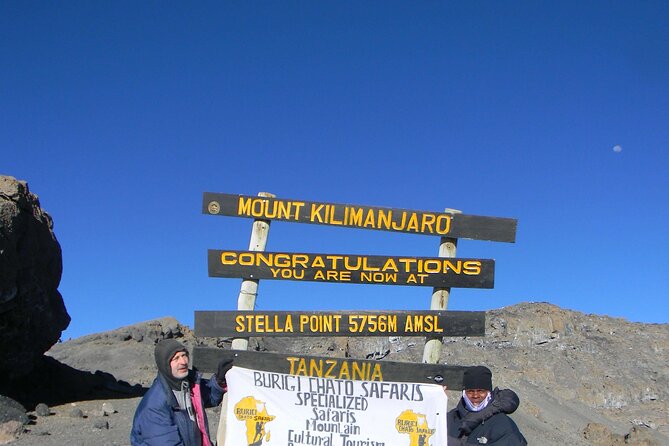
After breakfast, you leave Horombo and walk to Kibo Hut at about 4,700 meters. The day is described as not especially difficult in terms of walking, but the altitude changes everything. Even a modest uphill grade can feel hard when the air is thin.
Your guide will encourage a reasonable pace. Follow that advice. Save your strength for the summit rather than trying to arrive first at Kibo. Lunch is served after arrival, and the main task for the afternoon is rest.
The plan recommends sleeping as much as possible, avoiding strenuous activity, and drinking plenty of water. That sounds simple, but Kibo is where many people notice that altitude is the real challenge. You may have little appetite or sleep poorly. Keep reporting symptoms to the guide and do not hide a problem to avoid disappointing the group.
The accommodation here is a mountain refuge rather than a luxury hotel. The Marangu Route is often chosen because it uses huts, which can be a major comfort in wet weather. Still, you are sleeping at 4,700 meters before the hardest part of the climb, so do not expect a normal night.
Summit night: Uhuru Peak at 5,895 meters
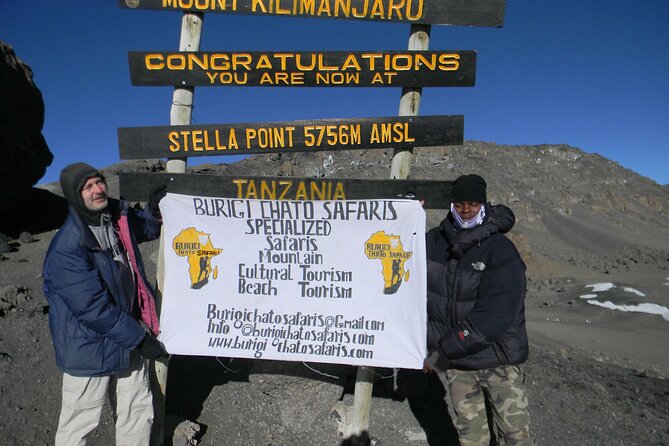
The summit attempt begins at night from Kibo Refuge. The climb rises from 4,700 meters to Uhuru Peak at 5,895 meters, Africa’s highest point. The schedule describes this section as moderately difficult physically, but altitude is the real test.
The night start is practical. It gives you a chance to reach the summit around sunrise and then descend during daylight. It is also demanding because you will be walking when most people are asleep, often after a poor night of rest.
The program says each pair of climbers is accompanied by a guide who watches physical strength and mental determination. That close attention can be reassuring, especially when you are tired or uncertain about continuing. The exact guide-to-climber arrangement should be confirmed before departure, particularly if you are joining a group.
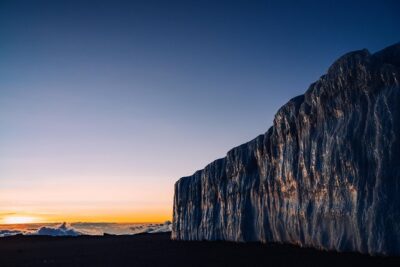
At the top, you can pause for the views and photographs before beginning the descent. The plan also says you may continue to the next glacier if you wish. Treat that as an optional addition, not a requirement. Once you have reached Uhuru Peak, the descent is the priority.
You return to Kibo Camp, take about a two-hour break, and then continue down to Horombo Hut. This is a very long day, listed at about eight hours, and it combines the summit climb with a major descent. Your legs may feel more tired going down than they did going up.
Take the descent seriously. The supplied safety advice notes that many mountain accidents occur while descending, including broken limbs. Watch each step, move carefully, and do not let the excitement of reaching the summit make you careless.
Day 6: Marangu Gate and the return to Moshi
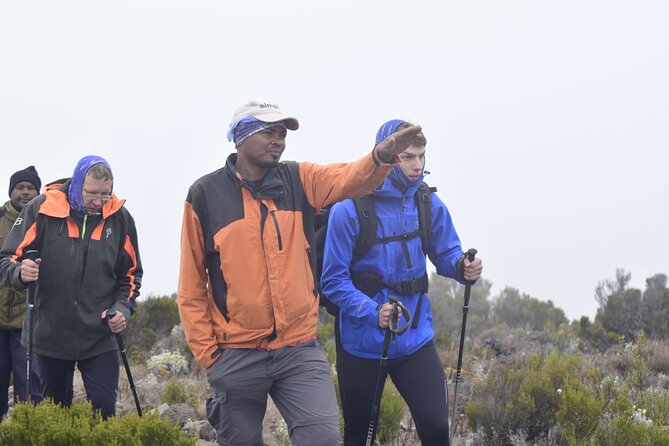
After breakfast at Horombo, you descend to Marangu Gate at 1,860 meters. The final walking section is much easier than summit day, but your legs may still be tired. At the gate, the group gathers to celebrate, sign the guest book if you wish, and receive memorial certificates at the operator’s office.
The return transfer takes you back to the Moshi meeting point. The published timing for this final activity is only five minutes, which clearly refers to the brief formal closing or transfer notation rather than the full descent from Horombo. Ask the operator for the expected total time on the final day so you can plan onward transport.
The start and end point is Burigi Chato Safaris Co Ltd on Mkwawa Street in Shanty Town, Moshi. The activity ends back at that meeting point. Airport drop-off is not included, so do not schedule a tight flight connection without confirming transfer times.
How the Marangu Route fits different climbing styles
The Marangu Route suits you if you prefer hut accommodation and want a structured path with a clear camp system. It also works well if you value a longer acclimatization schedule and do not want to rush from the lower slopes to the summit.
The six-day plan is more thoughtful than a very short ascent because it gives you two acclimatization walks around Horombo. That said, six days is still a serious climb, and success is never guaranteed. Fitness helps, but your response to altitude matters just as much.
This tour may be a good match for:
- You want to climb Kilimanjaro without camping.
- You prefer a group format and possible group discounts.
- You want a guide-led climb with private transfer to the mountain area.
- You can handle long walking days and a night summit attempt.
- You are comfortable arranging park fees and other extras separately.
It may not suit you if you want a quiet private expedition, a fully inclusive price, or a flexible summit schedule. The listed maximum of 500 participants is a booking capacity, not a promise that your group will contain 500 people, but you should ask about the expected group size for your date.
Safety, altitude, and preparation
The most important preparation is not buying expensive clothing. It is understanding altitude and accepting that your body sets the pace. Drink frequently, keep the guide informed, and take symptoms seriously.
The program advises at least four liters of fluid daily and recommends avoiding alcohol and caffeine. It also mentions Diamox. Speak with your doctor before travel about Diamox and any other altitude medication, since the operator cannot assess your medical history.
Bring rain protection for the rainforest and warm clothing for Kibo and summit night. The information provided does not give a complete gear list, so confirm whether the operator supplies items such as sleeping equipment, walking poles, or other mountain gear.
You should also ask how meals are handled, since breakfast, lunch, and dinner appear in the inclusion list with optional notes. Clear answers before departure prevent awkward surprises at altitude, where buying replacements is not easy.
Booking, cancellation, and practical details
Confirmation is provided when you book, and mobile tickets are available. Pickup is offered, but the stated meeting point is the Moshi office, so confirm the exact pickup arrangement if you are staying elsewhere.
Free cancellation applies when you cancel at least 24 hours before the experience start time. Cancellations made inside that window are not refunded, and changes are not accepted inside 24 hours. If poor weather causes the experience to be canceled, you are offered another date or a full refund.
Most people can participate according to the supplied booking information, but that should not be read as a medical clearance. Kilimanjaro reaches 5,895 meters and includes long walking days, a night ascent, and a demanding descent. If you have health concerns, speak with a medical professional before booking.
Should you book this six-day climb?
I would consider this tour if you want a budget-conscious, guide-led Kilimanjaro climb with hut accommodation and a useful acclimatization plan. The two walks from Horombo, the views of Kibo and Mawenzi, and the close guide support during the summit attempt are the strongest reasons to choose it.
I would not pay the headline price without first confirming park fees, meals, transfers, group size, equipment, and hotel arrangements. Once those costs are added, compare the full total with other six-day climbs.
Book it if you are comfortable with a group experience, a night summit attempt, and separate planning for several expenses. Choose another option if you want a private climb or one clearly priced as all-inclusive. Either way, the key decision is not the $738 figure alone. It is the complete cost, the acclimatization plan, and the quality of the support you receive when the mountain gets hard.
FAQ
How long does the Kilimanjaro climb take?
The experience lasts approximately six days.
Which route does the climb use?
The climb uses the Marangu Route on Mount Kilimanjaro.
What is the tour price?
The listed price is $738 per person.
Where does the tour start and end?
The meeting point is Burigi Chato Safaris Co Ltd on Mkwawa Street in Shanty Town, Moshi, Tanzania. The activity ends back at the same meeting point.
Is Uhuru Peak included?
Yes. The itinerary includes a summit attempt to Uhuru Peak, which is listed at 5,895 meters.
Are park fees included in the price?
No. Mount Kilimanjaro park fees are listed as an additional cost. They can be paid directly to the park or through the tour operator.
Can I cancel for a full refund?
Yes, if you cancel at least 24 hours before the experience start time. If poor weather causes cancellation, you are offered a different date or a full refund.
Just added in Moshi
- Zanzibar: Stone Town tour and Nakupenda beach with Lunch★ 5.0 · 1 review
- day trip lake manyara★ 5.0 · 2 reviews
- Mt Kilimanjaro 6 days Marangu route hike★ 5.0 · 3 reviews
- machame route★ 5.0 · 16 reviews
- Private Cycle to Kilimanjaro Bike Park Safari★ 5.0 · 6 reviews
- West Kilimanjaro cycling Adventures★ 4.5 · 8 reviews
- Wildlife Extravaganza: Manyara, Tarangire & Ngorongoro in 3 Days★ 5.0 · 3 reviews
- 3 Days Private E-Bike Tour in West Kilimanjaro★ 5.0 · 3 reviews
Marangu Route Climbs, compared.
Private Full Day Hiking Experience to Marangu Route
Read our review →
From Arusha/Moshi: Kilimanjaro Hike Marangu Route Day Trip
Read our review →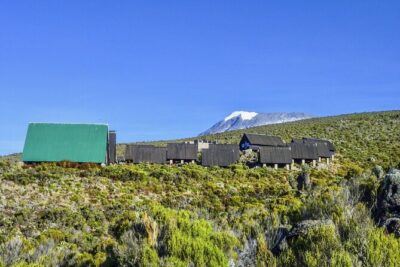
Mount Kilimanjaro Day Hike Through Marangu Route to Mandara Hut
Read our review →
Best Kilimanjaro Adventures 6 Days Marangu Route Experience
Read our review →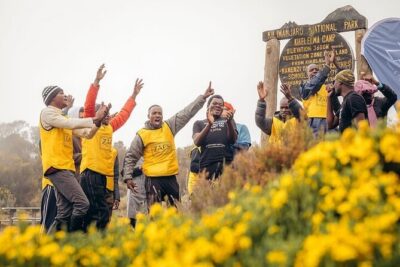
Kilimanjaro Private Climbing in 6 Days Marangu Route
Read our review →Browse the lists this tour appears in