
Reviewed · WORKSHOPS
Arusha: Jewelry Making, Batik, or Weaving Workshop
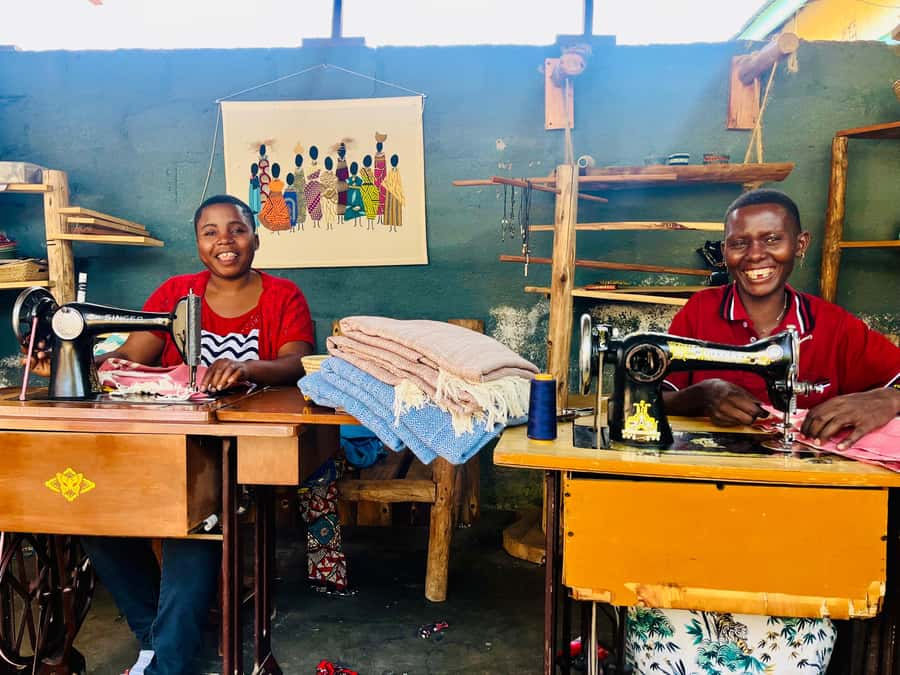
Make something you can carry home. This Arusha workshop gives you a hands-on way to meet the Afrikan Wear team, learn how handmade goods are made, and leave with your own creation. I like the choice between jewelry, batik, and weaving, and I like that lunch and all materials are included. The main drawback is access: the workshop is not suitable for wheelchair users or people with mobility impairments.
You’ll work with beads, wax, fabric, or a loom under the guidance of local instructors, including Mama Hokororo for the jewelry session. The class is conducted in English, and the friendly staff are praised for giving clear instructions, especially when threading bracelets. Since spots are limited, you’ll need to reserve ahead.
In This Review
- Key details at a glance
- Why this Arusha workshop is worth your time
- Starting with the jewelry session and Mama Hokororo
- Choosing colors and stamps for batik
- Learning the rhythm of the loom
- Lunch with local flavors
- Meeting the Afrikan Wear team
- Browsing the workshop shop afterward
- Is $32 good value in Arusha?
- What to bring and how to prepare
- Who will enjoy this craft experience most?
- Should you book the Arusha jewelry, batik, or weaving workshop?
- FAQ
- How much does the workshop cost?
- Which crafts can I choose from?
- Are materials included?
- Is lunch included?
- Do I need to reserve in advance?
- Is the workshop suitable for wheelchair users?
Key details at a glance
- Three creative paths: Choose jewelry making, batik, or weaving, depending on the kind of souvenir you want to make.
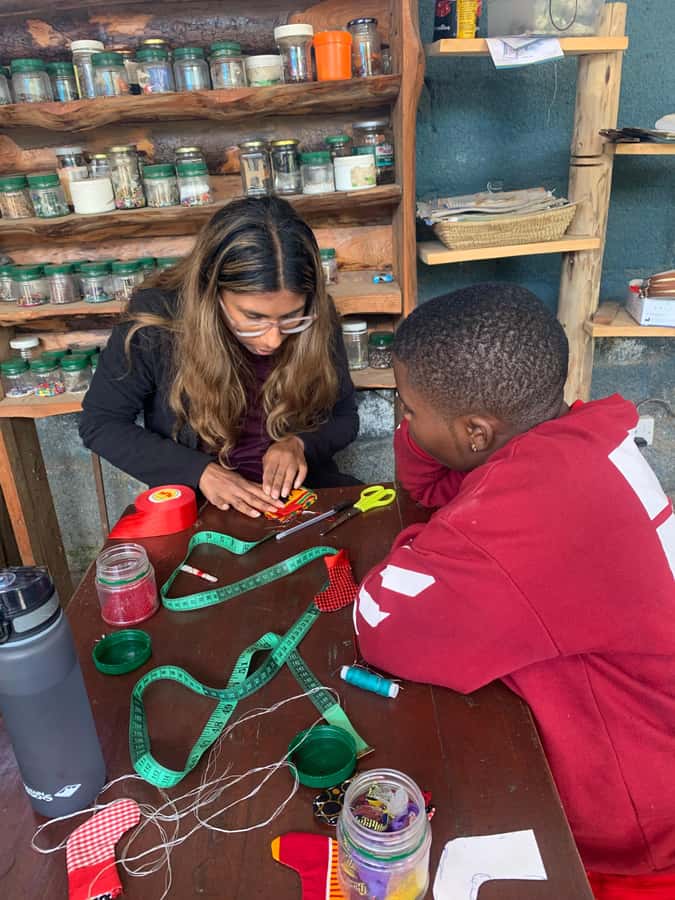
- Mama Hokororo’s jewelry guidance: Learn how to select beads and thread bracelets and necklaces with help from an experienced instructor.
- Batik with wax and dye: Use wax stamps and Tanzanian colors to build a fabric design layer by layer.
- Hands-on loom work: Coordinate your hands and feet while learning the basic rhythm of weaving.
- Lunch is included: Take a break for local flavors rather than having to arrange a meal separately.
- A $32 creative outing: Materials, lunch, and time in the workshop shop make the price reasonable for a half-day-style cultural activity, though the exact duration is not provided.
Why this Arusha workshop is worth your time
Arusha is often used as a starting point for safari trips, but a craft workshop gives you a different way to understand Tanzania. Instead of only buying a finished souvenir, you get to see how a piece takes shape and try part of the work yourself.
That difference matters. A shop purchase can be quick and attractive, but making something gives you a better sense of the patience behind handmade clothing, jewelry, and decorative fabric. You may also find that your final piece has a few small imperfections. That is part of the charm, not a factory flaw.
I especially like the freedom to choose among three crafts. Jewelry is the most direct option if you want to leave with a wearable item. Batik suits you if you enjoy drawing patterns and working with color. Weaving asks for more coordination and patience, but it offers the clearest sense of how threads become cloth.
The workshop also includes lunch and a chance to shop afterward. Those extras make the outing feel less like a short craft lesson and more like a cultural activity with room to talk, eat, browse, and slow down.
A few more options to weigh up in Arusha
- Balloon Safari & Bush Breakfast in Serengeti – Miracle Experience
★ 5.0 · 1,646 reviews - Tanzania Classic – 7 Days
★ 5.0 · 1,151 reviews - 4 Days Group Camping Safari
★ 5.0 · 1,101 reviews
Starting with the jewelry session and Mama Hokororo
If you choose jewelry making, you’ll begin by looking through a broad selection of beads. Each bead has its own color, shape, and feel, so choosing materials is part of the creative work. You are not simply copying one fixed design.
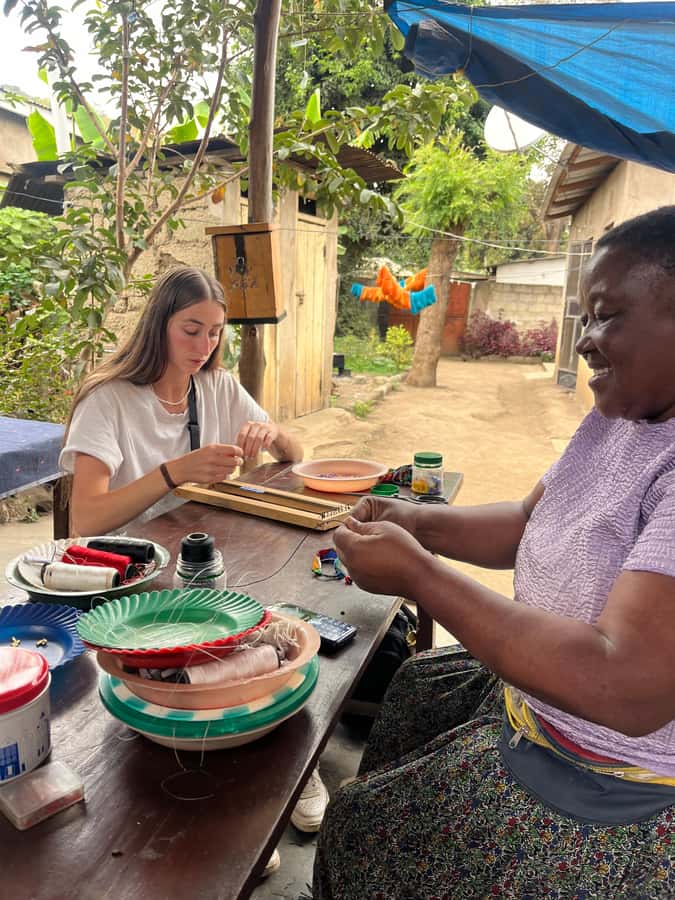
Mama Hokororo guides the session and helps you turn your ideas into a finished piece. You might make a necklace, bracelet, or another accessory, depending on the options offered during your visit. Her role is practical as well as cultural: she helps you understand how the pieces are assembled while sharing the spirit behind the work.
A useful detail comes from the strongest praise for the workshop: the instructions for threading bracelets are clear and helpful. That matters because threading can be fiddly at first, particularly if you are working with small beads or an unfamiliar pattern.
You should expect the jewelry class to reward patience. The fun is in selecting a color mix and building a pattern that feels like yours, not in rushing toward a perfect result. If you have a particular style in mind, take a moment before you start to decide if you want a simple repeated pattern or something more varied.
The social side is another part of the appeal. You work near other participants, share ideas, and compare the pieces taking shape. It is an easy setting for conversation because everyone has something to do with their hands.
Choosing colors and stamps for batik
Batik offers a different kind of creative process. You select wax stamps with motifs, apply hot wax to fabric, and then add dye. The wax keeps parts of the fabric from taking the color, which creates the familiar resist-dyed effect.
The order of the work is important. Your design develops in layers, with the wax and dye producing changes you cannot fully judge until the process moves along. Experienced instructors guide you through the steps, so you do not need to arrive with batik experience.
The color choices draw on Tanzanian themes and tones. You can select shades that remind you of the local setting, then decide how the stamped motifs fit together on the fabric. The result is personal because your choice of stamps, spacing, and colors shapes the finished design.
Batik is a good choice if you like visual design but do not necessarily want to make something wearable. Your finished piece can serve as a reminder of Arusha and of the method used to produce it.
There is one practical point to keep in mind: hot wax is part of the process. Follow the instructor’s directions closely and avoid treating this as a completely casual craft table. The activity is suitable for people who can work carefully and stay engaged with the steps.
Learning the rhythm of the loom
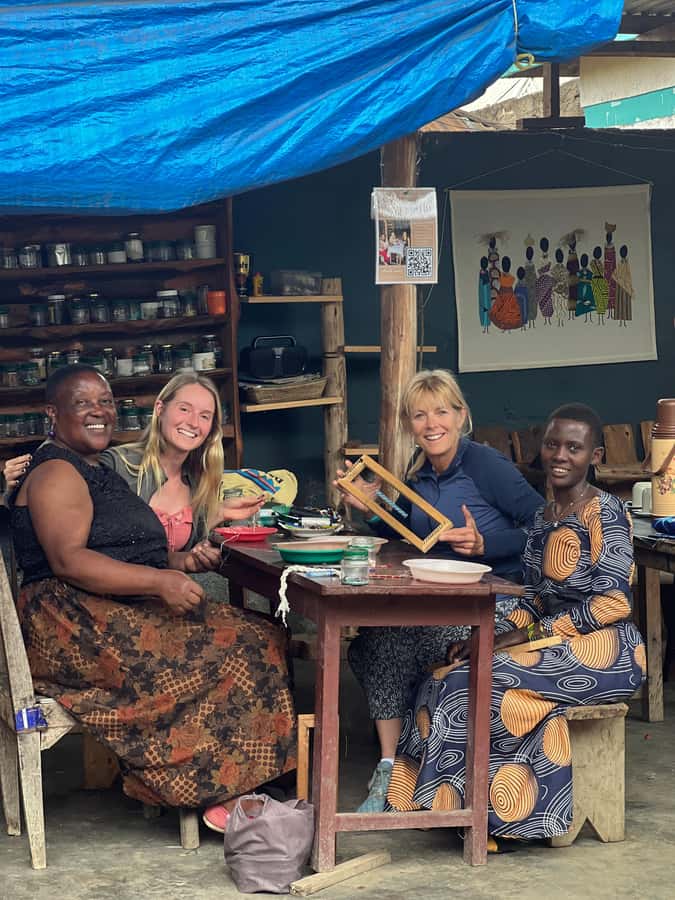
Weaving is the most mechanical of the three choices. You will work with a loom and coordinate your hands and feet to control the pattern. That sounds simple until you try to keep the rhythm going.
The instructors introduce the process from basic patterns toward more involved designs. You can learn how threads cross and how repeated movements build cloth. The work shows why woven items take time, even when the finished design looks straightforward.
I see weaving as the best choice for anyone who enjoys process more than decoration. Jewelry lets you make quick visual decisions, and batik lets you play with motifs and dye. Weaving asks you to pay attention to coordination, spacing, and repetition.
It can also be the most rewarding choice if you want to understand the physical skill behind handmade fabric. You will feel the difference between looking at a finished textile in a shop and managing the steps that create it.
Your woven piece becomes a small record of what you learned. It may not look like a professional textile, and it does not need to. The point is to experience the method and leave with something you helped produce.
If your balance, leg movement, or general mobility is limited, choose carefully. The activity is specifically not suitable for people with mobility impairments or wheelchair users, and loom work requires physical coordination.
A different kind of day out entirely:
- 5 Days Group Camping Safari
★ 5.0 · 730 reviews - Materuni Waterfalls, coffee tour & Kikuletwa Hot Springs
★ 5.0 · 643 reviews - 3 Days Serengeti & Ngorongoro Group Camping Safari
★ 5.0 · 574 reviews - 7-Day Premium Luxury Tanzania Safari All-Inclusive
★ 5.0 · 426 reviews
Lunch with local flavors
Lunch is included in the $32 price, which is a real advantage. It gives the day a natural pause and means you do not need to leave the workshop to find food.
The meal features local flavors, though no specific dishes are listed. I would treat this as a chance to try what is served rather than expect a particular menu. The food also adds context to the craft session: you are spending time with a local creative team instead of moving through a quick buy-and-leave stop.
A meal can make a workshop easier to enjoy, especially if you are spending several hours concentrating on small materials, fabric, or loom movements. Bring water as well, since it is specifically recommended, and wear clothing that lets you work comfortably.
Meeting the Afrikan Wear team
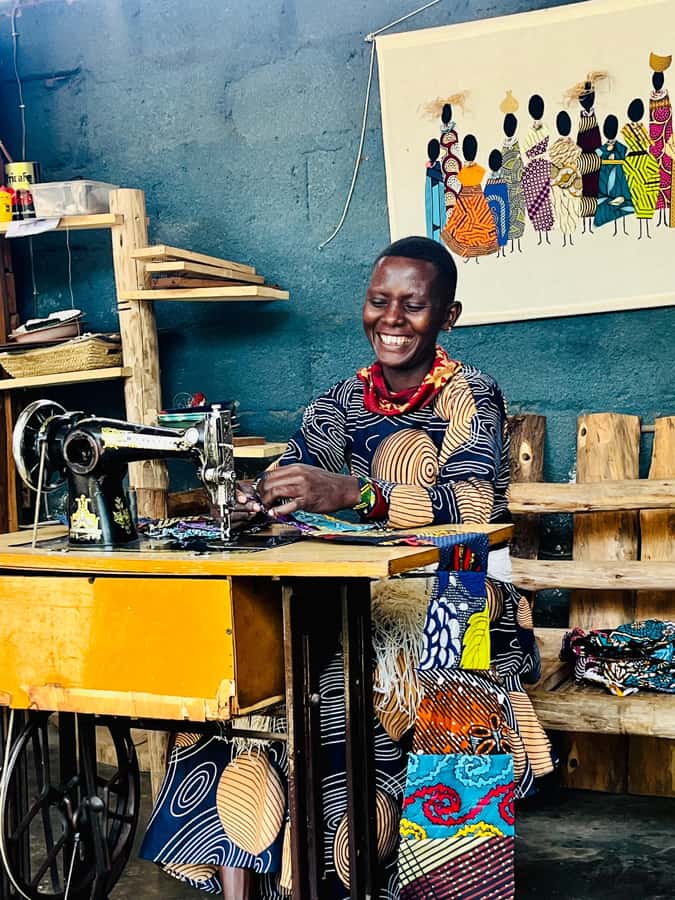
The workshop is connected with the Afrikan Wear team, whose work includes handmade clothing and souvenirs. You get to hear about the stories behind their creations and learn how these objects are made.
That conversation is one of the more valuable parts of the visit. A craft is not only a technique. It also reflects choices about color, pattern, use, and presentation. Listening to the team can help you understand why a handmade item may cost more than a mass-produced souvenir.
The session is conducted in English, so you can ask questions directly. The available information does not promise a formal talk or a set presentation, so expect the learning to happen through the demonstrations, instruction, and conversation around your selected craft.
The team’s approach appears friendly and practical. The positive account of the bracelet activity specifically praises the staff for being helpful and for explaining the threading process well. That is encouraging if you are not naturally crafty or if you worry about making mistakes.
Browsing the workshop shop afterward
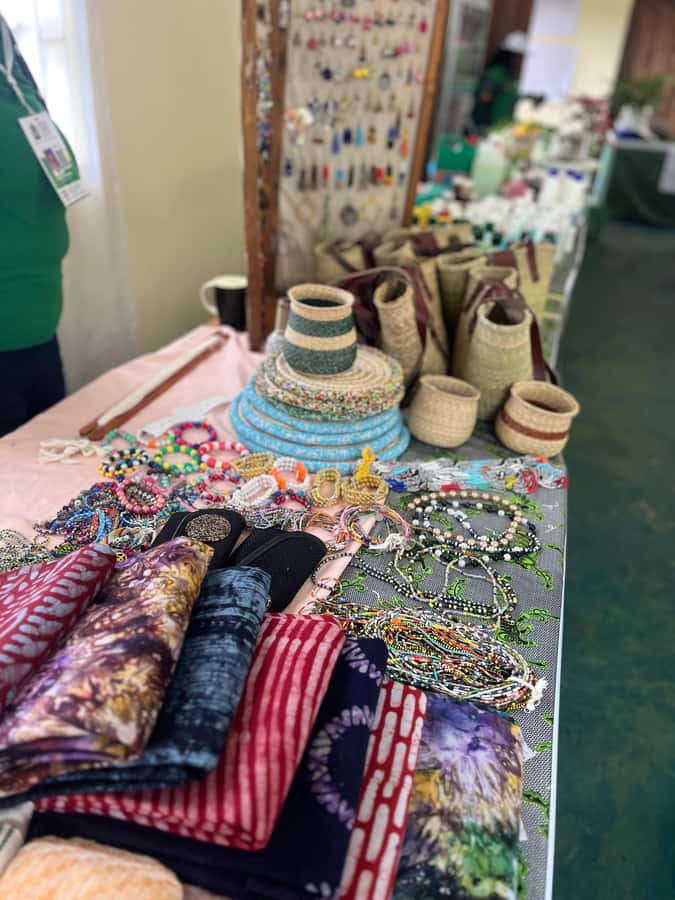
After making your own piece, you have an exclusive opportunity to explore the workshop shop. This is useful even if your finished item is small or not quite what you hoped for.
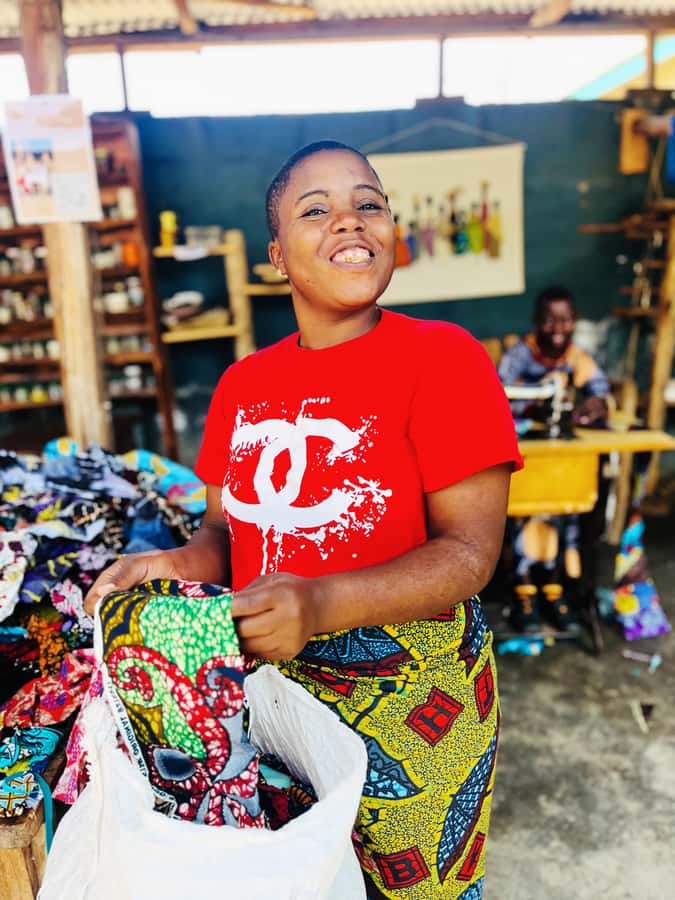
You can compare your work with the more polished jewelry, batik pieces, clothing, and other handmade goods created by the team. That comparison should make the skill behind the products more visible. You may also find a gift for someone at home.
I recommend treating the shop as part of the learning rather than as pressure to buy more. Personal expenses are not included, so any extra purchase comes from your own budget. The workshop already gives you a handmade souvenir, and shopping afterward is optional.
This arrangement also gives you a chance to support the makers directly. If you see a piece you like, you can ask about its design or production, using what you learned in the class to make a more informed choice.
Is $32 good value in Arusha?
At $32 per person, the price is fair for a workshop that includes materials, lunch, instruction, and access to the shop. You are paying for more than a finished object. The cost covers the chance to make something, learn a craft, meet the team, and eat during the session.
The value is strongest if you would otherwise spend money on a souvenir. A purchased bracelet or textile can be attractive, but the workshop gives your item a story and a personal connection. You also gain a better understanding of the labor involved in handmade products.
The value is less clear if you only want a quick shopping stop. The session asks you to take part, follow instructions, and give time to the process. There is no stated duration, so you should confirm the schedule when booking if your day is tightly planned around other Arusha activities.
Lunch helps keep the total cost predictable. You will still need to cover personal expenses and any extra shopping, and gratuities are not included. Even so, the main fee is straightforward, with no charge listed for materials.
What to bring and how to prepare
Wear comfortable clothes and shoes. You will be handling craft materials, sitting or working at a station, and possibly coordinating your hands and feet during weaving.
Bring a sun hat, sunscreen, and water. These items are useful for getting to and from the workshop and for staying comfortable during the day. The advice is simple, but it prevents a craft session from becoming an uncomfortable interruption to your trip.
Reservations are mandatory, and spots are limited. Do not assume you can arrive without a booking, especially if you are visiting Arusha on a fixed safari schedule.
The activity is offered in English. If you need wheelchair access or have a mobility impairment, this is not the right choice. That limitation is important to address before paying, since the activity is built around physical participation.
You can reserve now and pay later, which helps if you are still arranging the rest of your Tanzania plans. Cancellation is allowed up to 24 hours before the activity for a full refund.
Who will enjoy this craft experience most?
I would recommend this workshop to you if you want a quieter cultural activity between major sightseeing days. It suits creative people, families with older children if the craft option is appropriate, couples, and solo visitors who enjoy meeting a local team while working on a project.
Jewelry is likely the easiest choice if you want a personal accessory and a clear finished result. Batik is better if you like patterns and color. Weaving is the strongest pick if you want a physical lesson in how fabric is made.
This may not suit you if you prefer a fast, polished souvenir or if your schedule leaves no room for a workshop. It is also unsuitable for wheelchair users and people with mobility impairments. Since the exact duration and group size are not provided, confirm those details if they matter to your plans.
Should you book the Arusha jewelry, batik, or weaving workshop?
Book it if you want to make rather than simply buy. The choice of three crafts, included lunch, supplied materials, friendly English instruction, and shop access give this $32 experience solid value.
Choose jewelry for the most wearable souvenir, batik for color and design, or weaving for the most hands-on technical challenge. I would reserve early because places are limited, and I would ask about timing before booking if you have safari transfers or other fixed plans.
Skip it if mobility access is a concern or if you are looking only for a quick retail stop. For everyone else, this is a practical way to spend time with the Afrikan Wear team and leave Arusha with an object that carries your own fingerprints, choices, and small creative decisions.
FAQ
How much does the workshop cost?
The experience costs $32 per person.
Which crafts can I choose from?
You can choose jewelry making, batik, or weaving.
Are materials included?
Yes. All materials needed for the selected workshop are provided.
Is lunch included?
Yes. The price includes lunch featuring local flavors.
Do I need to reserve in advance?
Yes. Reservations are mandatory, and spots are limited.
Is the workshop suitable for wheelchair users?
No. The experience is not suitable for wheelchair users or people with mobility impairments.
Just added in Arusha
- Safari “Kifaru” – 5 days in the most famous Parks in the world★ 5.0 · 4 reviews
- Saadani Day Trip★ 5.0 · 13 reviews
- 3 Days Tanzania Short and Spicy★ 5.0 · 6 reviews
- 5 Day Tanzania Safari Camping Adventure Private Tour★ 5.0 · 2 reviews
- Day Trip to Ngorongoro Crater from Arusha★ 5.0 · 1 review
- SERENGETI NATIONAL PARK Tour★ 4.5 · 5 reviews
- 3 Days Serengeti Park & Ngorongoro Crater Adventure Safari★ 5.0 · 8 reviews
- 6 Days Tanzania Bush Experience Safari★ 5.0 · 6 reviews
Workshops, compared.
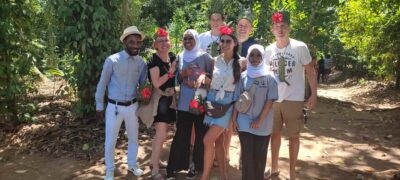
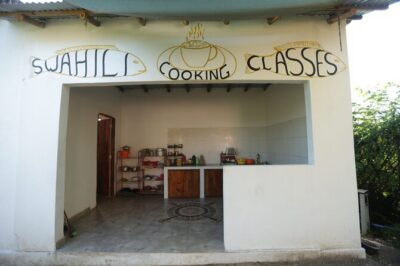
Half-Day Kuza Cave Swimming Adventure and Cooking Class
Read our review →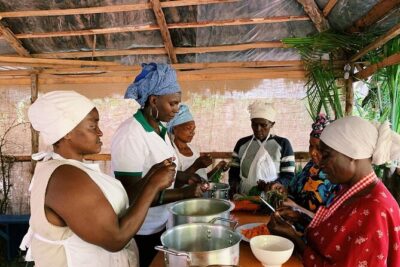
NGO Lifted Strong – Traditional Tanzanian Cooking Class
Read our review →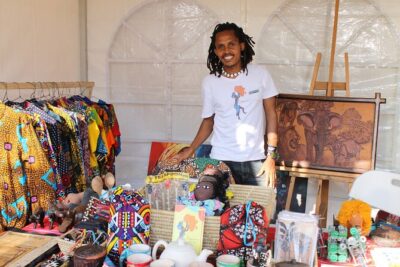
Traditional Tanzania Cooking Class & Food Market Tour
Read our review →
Cooking and Sewing & Jewelry Workshops in Arusha
Read our review →Browse the lists this tour appears in