
Reviewed · WORKSHOPS
Arusha:From Earth to Art pottery workshop tour
Clay tells a local story. This Arusha outing takes you to a pottery workshop in Singisi village, where you can watch artisans prepare clay, shape earthenware, and fire finished pieces. I like the hands-on pottery session and the chance to follow it with a local Swahili lunch. The main drawback is the unclear timing: the experience is described as both three and five hours, so confirm the schedule before booking.
I also like that transportation and unlimited mineral water are included in the $60 price. Guide Jimmy has been praised for being friendly, courteous, and helpful, and he added a village market visit to one guest’s day. The workshop is not suitable for wheelchair users, and you should wear comfortable shoes because this is an active, practical outing rather than a sit-back sightseeing tour.
In This Review
- Key points at a glance
- Why this pottery visit adds something different to Arusha
- The journey to Singisi village
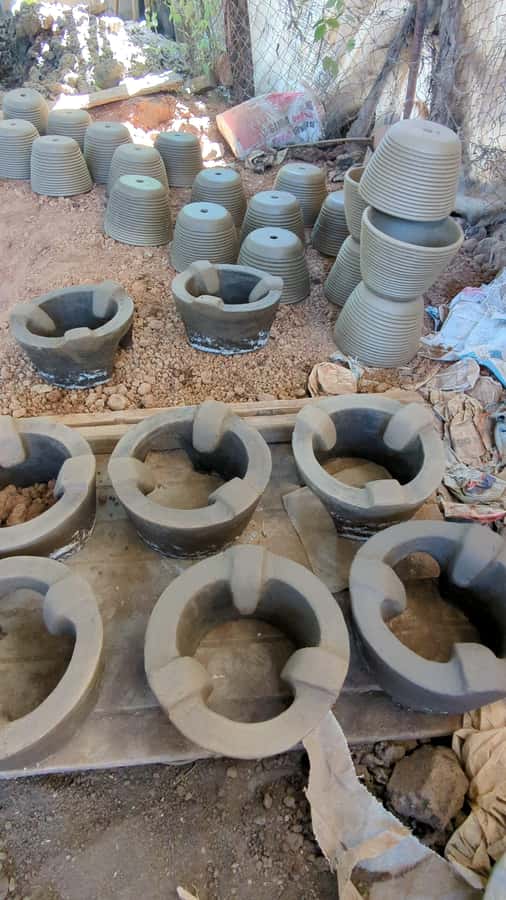
- From collected clay to fired earthenware
- Your turn at the potter’s wheel
- A Swahili lunch after the workshop
- What Jimmy adds to the day
- Is $60 a fair price?
- Who should book this Arusha experience?
- Practical advice before you go
- Final verdict: a worthwhile hands-on cultural outing
- FAQ
- Where does the pottery tour take place?
- How much does the experience cost?
- How long does the tour last?
- Is transportation included?
- Is lunch included?
- Can I make my own pottery?
- Is the tour suitable for wheelchair users?
Key points at a glance
- Shape your own pottery: Try the potter’s wheel with guidance from an expert potter and make your own pieces.
- See the full craft process: Learn how clay is collected and prepared before watching it become earthenware.
- Visit Singisi village: The workshop offers a local setting away from Arusha’s main tourist routes.
- Eat Swahili food: Lunch at a local restaurant is included and adds a useful taste of Tanzanian culture.
- Meet a helpful guide: Jimmy has been singled out for his friendly and courteous manner.
- Plan for a flexible half-day: Transportation, lunch, and water are covered, but the stated duration needs clarification.
Why this pottery visit adds something different to Arusha
Arusha is often treated as a starting point for safari trips, but the city and its surrounding villages offer more than a place to sleep before an early departure. This tour gives you a close look at a working craft and lets you take part instead of simply watching.
The focus is pottery, but the real value is the connection between raw material, skilled labor, and daily life. You see clay collected and prepared, then shaped and decorated before being fired in a kiln. That sequence helps you understand why a handmade bowl or vessel is more than a souvenir on a shelf.
I like this kind of activity because it gives you something concrete to remember. You are not only looking at finished objects. You are handling the clay, making decisions about shape, and learning how much patience the work requires.
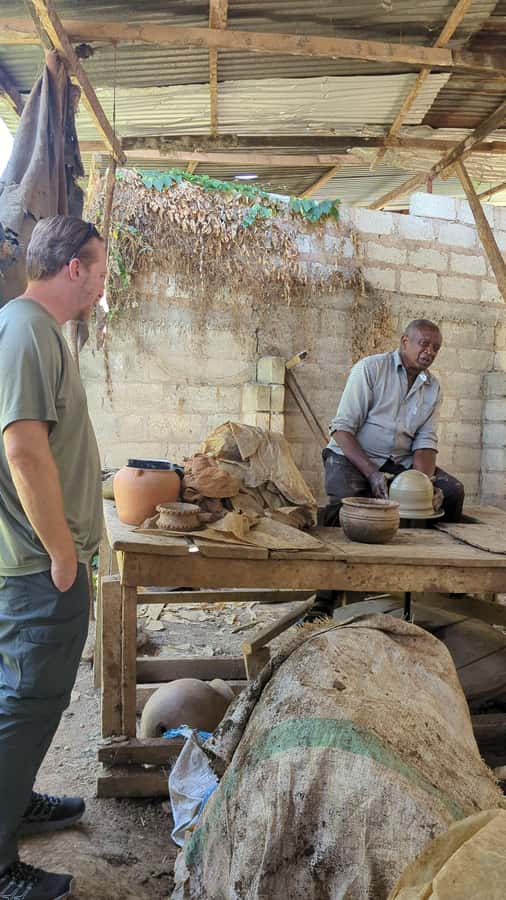
The visit also creates a natural chance to speak with local artisans. The available information does not promise a formal cultural lecture or a large demonstration, so you should expect the quality of the interaction to depend partly on the guide and the people working at the workshop. Still, the format is well suited to direct contact and simple questions about the craft.
A few more options to weigh up in Arusha
- Balloon Safari & Bush Breakfast in Serengeti – Miracle Experience
★ 5.0 · 1,646 reviews - Tanzania Classic – 7 Days
★ 5.0 · 1,151 reviews - 4 Days Group Camping Safari
★ 5.0 · 1,101 reviews
The journey to Singisi village
Transportation is included, and the tour begins with a guided trip from your Arusha pickup point to the pottery workshop in Singisi village. You need to tell the operator where you are staying or where you will be located, since the meeting point is not otherwise specified.
The village setting matters. A workshop outside central Arusha can feel more connected to the community that produces the pottery, rather than like a shop designed only for quick purchases. At the same time, the information does not provide a precise driving time, road condition, or vehicle type. If you are fitting this around a safari departure, airport transfer, or another fixed booking, ask for exact pickup and return times.
One guest’s outing also included a visit to a large market in a village outside Arusha. That suggests Jimmy may add a market stop when the schedule and group allow it, but you should not assume it is guaranteed. Ask about it if local shopping or everyday village life is important to you.
Wear comfortable shoes. The advice is simple, but it is useful because you will be moving through a workshop and taking part in the activity. Bring a camera too, though ask before photographing artisans or their work.
From collected clay to fired earthenware
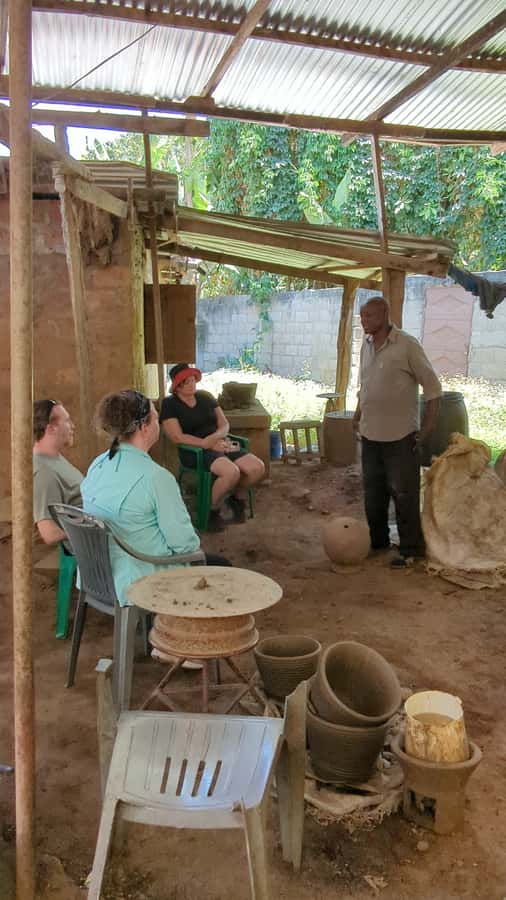
At the workshop, the guide introduces you to the pottery process from the beginning. You learn about collecting clay and preparing it for use, then watch artisans shape it into earthenware products.
This is the part to pay attention to if you want more than a quick craft demonstration. Clay must be made workable before it can be shaped, and the finished object still needs decoration and firing. Seeing those steps in order makes the skill easier to appreciate.
The artisans demonstrate techniques used to create and decorate pottery. The supplied details do not specify the exact tools, designs, or types of products made at the workshop, so do not arrive expecting a particular bowl, vase, or pattern. The useful promise is the process itself, from raw clay to kiln-fired object.
I would treat this as a learning visit rather than a guaranteed shopping opportunity. You may find finished pieces available, but the tour information does not say that purchases are included or that a shop is part of the program. If you hope to take home local pottery, ask the operator whether buying pieces is possible and how fragile items can be transported.
Your turn at the potter’s wheel
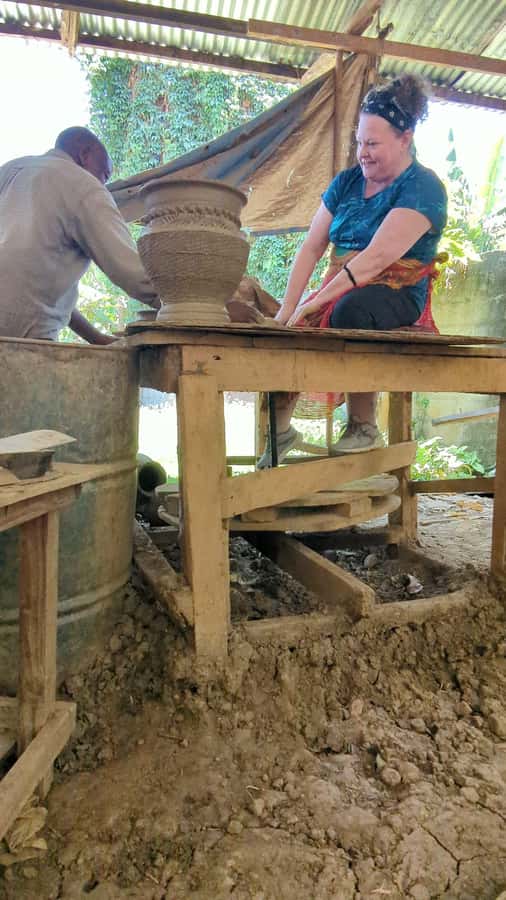
The most engaging part of the visit is the chance to make pottery yourself. Under the direction of an expert potter, you handle the clay, shape it, and try to produce your own pieces.
Do not expect your first effort to look like the artisan’s work. That is part of the fun. The wheel requires control, patience, and a steady touch, while the clay has a mind of its own if you press too hard or lose the shape. The expert guidance is important here, especially if you have never used a potter’s wheel.
The experience is suitable for people who enjoy making things with their hands, including families and creative adults, although no age guidance is provided. If you have limited hand mobility or need step-free access, note that the activity is not suitable for wheelchair users.
The information does not say whether your piece will be fired, glazed, or ready to take home. That is an important question to ask before you start. A freshly made piece may need more work before it can be used, and the tour description only promises the chance to create your own pottery pieces, not a finished object delivered later.
Even without taking home a completed item, the session has value. You gain a better sense of the work behind handmade pottery and leave with a personal memory tied to the village workshop.
A different kind of day out entirely:
- 5 Days Group Camping Safari
★ 5.0 · 730 reviews - Materuni Waterfalls, coffee tour & Kikuletwa Hot Springs
★ 5.0 · 643 reviews - 3 Days Serengeti & Ngorongoro Group Camping Safari
★ 5.0 · 574 reviews - 7-Day Premium Luxury Tanzania Safari All-Inclusive
★ 5.0 · 426 reviews
A Swahili lunch after the workshop
After the pottery visit, the tour includes a hot lunch at a local restaurant. The meal features Swahili dishes, and local food gives the day a second cultural focus.
The exact menu is not provided, so you should not expect a specific dish. What you can count on is a meal based on local dishes rather than a standard international lunch. If you have dietary restrictions, tell the operator before the tour, since no dietary information is given.
Lunch also creates a natural pause after working with clay. You can sit down, talk through what you have learned, and enjoy food connected to the region. Unlimited mineral water is included, which is useful in Tanzania’s warm conditions and removes one small expense from the day.
The restaurant is described as local, but its location and style are not specified. That means the meal may be simple rather than polished. I see that as a reasonable trade-off for an outing built around local contact, but you should book a different type of food tour if a detailed tasting menu or formal culinary presentation is your main goal.
What Jimmy adds to the day
The guide can make or break a small cultural outing. Jimmy has been praised as friendly, good, and courteous, with a helpful manner throughout the day. He also took one guest to a Tanzanian restaurant and showed a large village market outside Arusha.
That feedback points to a guide who does more than deliver a fixed explanation. A friendly guide can help you ask questions, explain unfamiliar parts of the pottery process, and make the transition from workshop to lunch feel natural.
Still, one guide’s style does not guarantee the same experience for every departure. The tour is offered in English, and you should make sure that works for everyone in your group. No group size is provided, so ask whether you will have a private guide or share the vehicle and workshop time with others.
If you want the market visit, ask Jimmy or the operator about it at the start. It may depend on time, location, and local conditions. Treat it as a possible addition, not part of the firm pottery promise.
Is $60 a fair price?
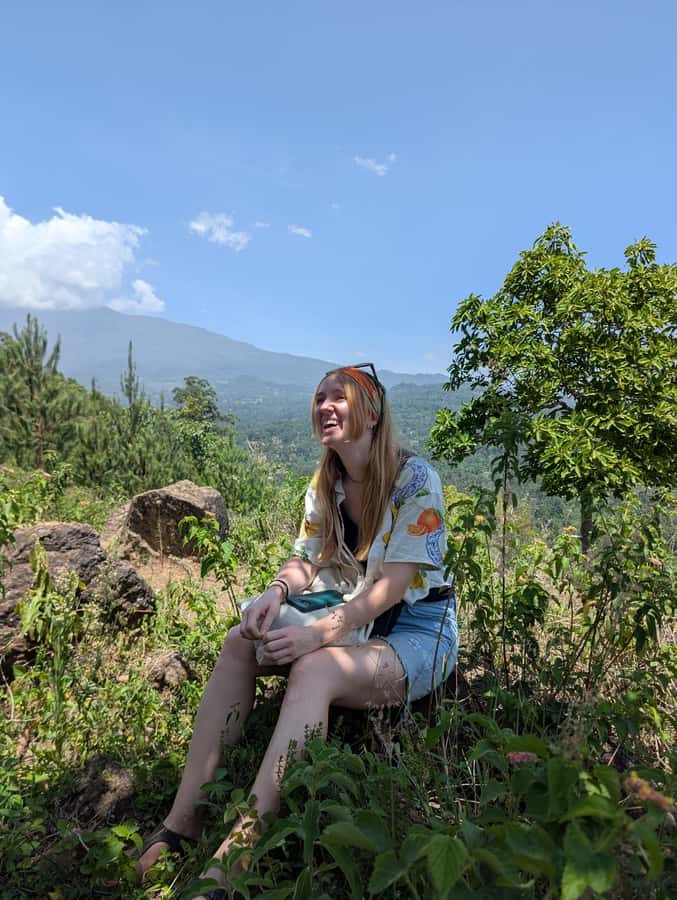
At $60 per person, this tour is priced as a full cultural outing rather than a short workshop alone. Transportation, a hot local lunch, unlimited mineral water, guiding, and the pottery activity are included.
That makes the price easier to justify if you value convenience. You do not need to arrange transport to Singisi village, find a workshop, or locate a restaurant afterward. You also receive instruction while making pottery, which would likely cost more than simply walking through a craft shop.
The value depends on the length of the day and the final schedule. The experience is described in one place as a five-hour guided tour, while the detailed activity description refers to a three-hour guided tour before lunch and other stops. Those figures may reflect different parts of the outing, but they are not fully clear.
I would contact Meru Expeditions before paying and ask four direct questions:
- What is the total door-to-door duration?
- How long is the pottery workshop itself?
- Is the market visit included or optional?
- Can the pottery you make be fired or collected later?
If the outing fills most of a half-day and includes all listed services, $60 is reasonable for a guided local experience. If the pottery portion is very short, the value depends more heavily on the transport and lunch.
You can reserve now and pay later, which helps if your Arusha plans are still changing. Cancellation is allowed up to 24 hours before departure for a full refund, according to the stated conditions.
Who should book this Arusha experience?
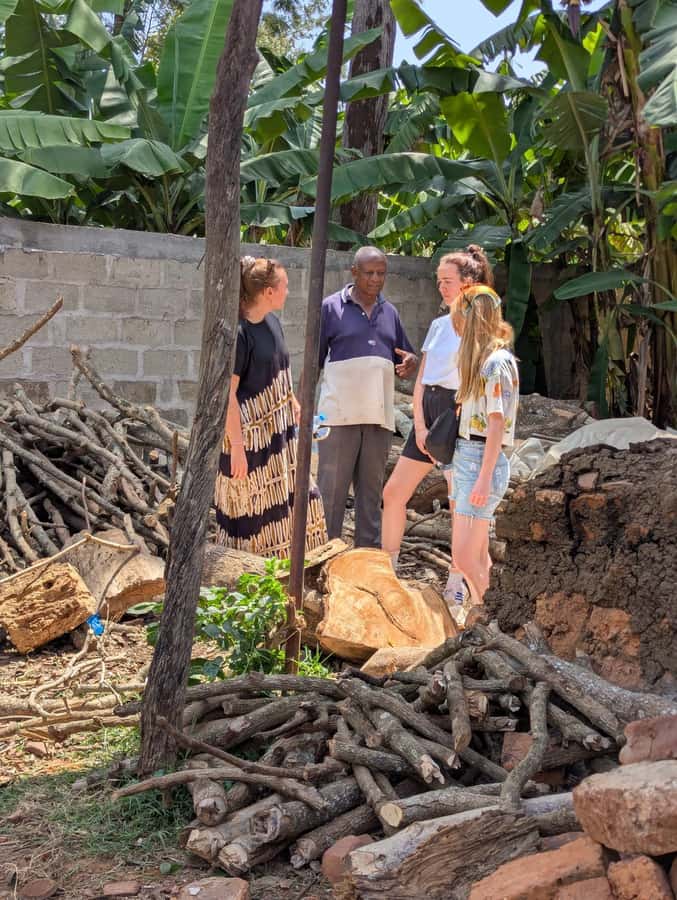
I would recommend this tour to you if you want a cultural activity with real participation. It suits people who prefer meeting craftspeople, trying a traditional skill, and eating local food instead of spending another morning in a vehicle.
It is also a good choice for a free day before or after a safari. The pottery gives you a different view of Tanzania, one based on making and community rather than wildlife viewing. Families may enjoy the creative element, though the lack of age guidance means you should check if you are traveling with very young children.
The experience is less suitable if you need wheelchair access, dislike hands-on activities, or want a tightly timed itinerary. The pottery process may take patience, and the exact duration is unclear. It is also not the best match if your main goal is buying a large selection of finished crafts, since shopping is not listed as a guaranteed part of the tour.
Practical advice before you go
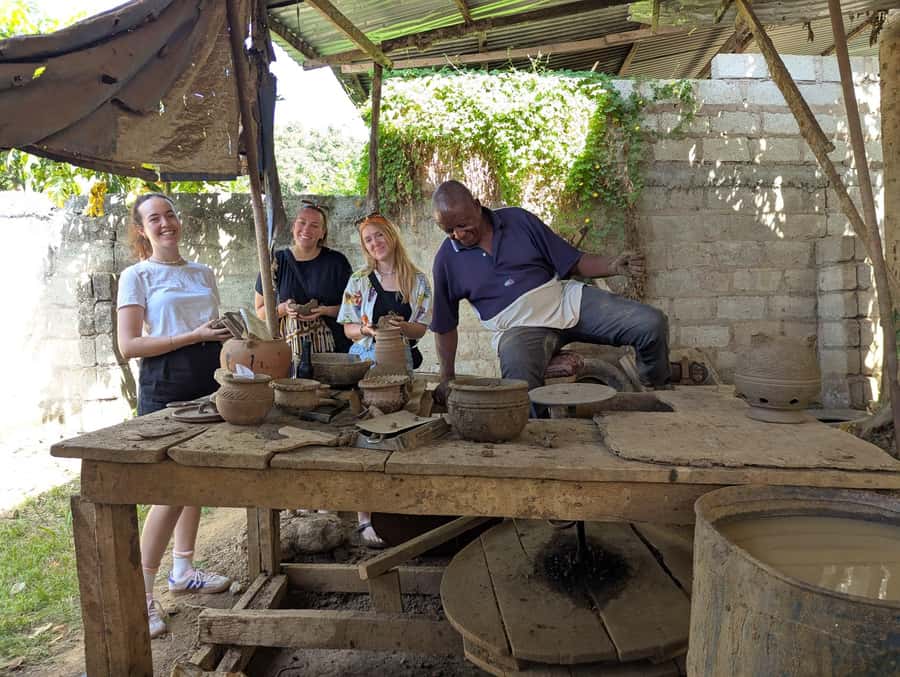
Tell Meru Expeditions where you will be staying or where you can meet the vehicle. Since the pickup details are not given, this is not a point to leave until the last minute.
Wear clothes and shoes that are comfortable for a workshop. Clay can be messy, so avoid anything you would be upset to mark, though the provided information does not specify whether protective clothing is supplied.
Bring a camera, but use good manners around the artisans. Ask before taking close photographs of people, their tools, or their work. A few simple questions can make the visit more rewarding: where the clay comes from, how long pieces dry, and what happens after firing.
Carry any personal essentials you need, since the tour only specifically includes mineral water and lunch. If you have food allergies or dietary needs, share them when booking.
Finally, confirm the timing. The difference between a three-hour and five-hour description matters if you have another appointment, safari transfer, or evening plan in Arusha.
Final verdict: a worthwhile hands-on cultural outing
Book this tour if you want to do more than look at local crafts. The workshop in Singisi village gives you a clear view of pottery from clay preparation through firing, then lets you try the wheel yourself. The included Swahili lunch, transport, and water make the $60 price practical, especially for a first visit to the area.
The strongest reason to go is the combination of skilled local work and personal participation. Jimmy’s friendly guiding style is another encouraging sign. Just confirm the total duration, ask about the fate of your pottery piece, and check whether the market stop is available. With those details settled, this is a pleasant and useful way to spend part of your time around Arusha.
FAQ
Where does the pottery tour take place?
The tour visits a local pottery workshop in Singisi village, in the Arusha region of Tanzania.
How much does the experience cost?
The stated price is $60 per person.
How long does the tour last?
The experience is described as a five-hour guided tour in the summary, while the detailed description refers to a three-hour guided tour. Confirm the total schedule with Meru Expeditions before booking.
Is transportation included?
Yes. Transportation is included, but you need to tell the operator where you are located for pickup or meeting arrangements.
Is lunch included?
Yes. A hot lunch based on local Swahili dishes at a local restaurant is included.
Can I make my own pottery?
Yes. You can try the potter’s wheel and create your own pottery pieces with guidance from an expert potter.
Is the tour suitable for wheelchair users?
No. The experience is listed as not suitable for wheelchair users.
Just added in Arusha
- Safari “Kifaru” – 5 days in the most famous Parks in the world★ 5.0 · 4 reviews
- Saadani Day Trip★ 5.0 · 13 reviews
- 3 Days Tanzania Short and Spicy★ 5.0 · 6 reviews
- 5 Day Tanzania Safari Camping Adventure Private Tour★ 5.0 · 2 reviews
- Day Trip to Ngorongoro Crater from Arusha★ 5.0 · 1 review
- SERENGETI NATIONAL PARK Tour★ 4.5 · 5 reviews
- 3 Days Serengeti Park & Ngorongoro Crater Adventure Safari★ 5.0 · 8 reviews
- 6 Days Tanzania Bush Experience Safari★ 5.0 · 6 reviews
Workshops, compared.
Half-Day Kuza Cave Swimming Adventure and Cooking Class
Read our review →
NGO Lifted Strong – Traditional Tanzanian Cooking Class
Read our review →
Traditional Tanzania Cooking Class & Food Market Tour
Read our review →
Cooking and Sewing & Jewelry Workshops in Arusha
Read our review →Browse the lists this tour appears in