
Reviewed · LEMOSHO ROUTE CLIMBS
climb the KILIMANJARO via Lemosho route
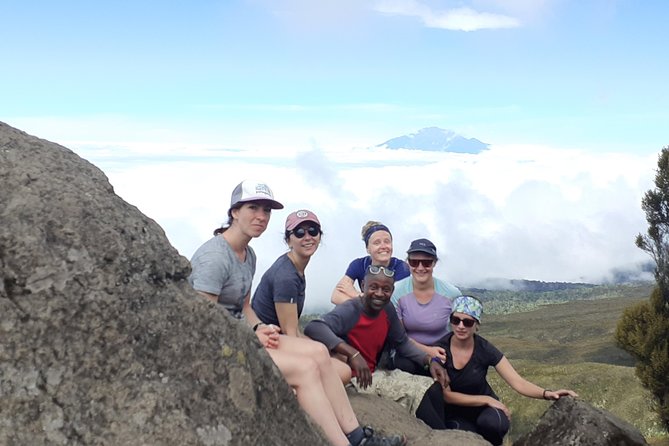
The mountain changes every day. This eight-day private climb from Arusha or Moshi follows one of Kilimanjaro’s most scenic approaches, moving from cultivated farmland and rainforest to moorland, volcanic rock, alpine desert, and the high summit near Uhuru Peak. I like the route’s steady rise and its extra acclimatization stops, especially the climb toward Lava Tower before descending to Barranco.
I also like the small private-group format and the personal attention from guide Paul Bernad, whose team includes guides and cooks. The main drawback is the physical demand: this is not a casual walking holiday, and the summit day combines a climb to Barafu, a push to Stella Point and Uhuru Peak, then a descent. You need moderate fitness, a sound approach to altitude, and a willingness to sleep in mountain camps.
The price is listed at $2,564.11 per person, with hotel pickup offered and mobile ticketing. That is a serious sum, but an eight-day private climb gives you more time on the mountain than shorter routes and spreads the ascent across several camps. You should still confirm exactly what the fee covers before paying, particularly park charges, transfers, meals, equipment, and any extra accommodation.
In This Review
- Key Points About This Kilimanjaro Climb
- Why Lemosho Makes Sense for an Eight-Day Climb
- Day 1: From Arusha or Moshi to Forest Camp
- Day 2: Big Tree Camp to Shira 1
- Day 3: Shira Cathedral and Two Route Options
- Day 4: Lava Tower Before Barranco
- Day 5: The Barranco Wall to Karanga
- Day 6: Barafu Hut, Stella Point, and Uhuru Peak
- Day 7: Down to Mweka Hut
- Day 8: Rainforest, Mweka Gate, and Your Certificate
- Guide Support, Food, and Private Group Benefits
- What the $2,564.11 Price Buys You
- Fitness, Cold, and Practical Planning
- Who Should Book This Climb?
- FAQ
- Where does the Kilimanjaro climb begin?
- How long is the experience?
- Which route does the climb use?
- What is the highest point reached?
- Is this a private activity?
- What level of fitness is required?
- Is pickup offered?
- What are the cancellation terms?
- Should You Book the Lemosho Route?
Key Points About This Kilimanjaro Climb
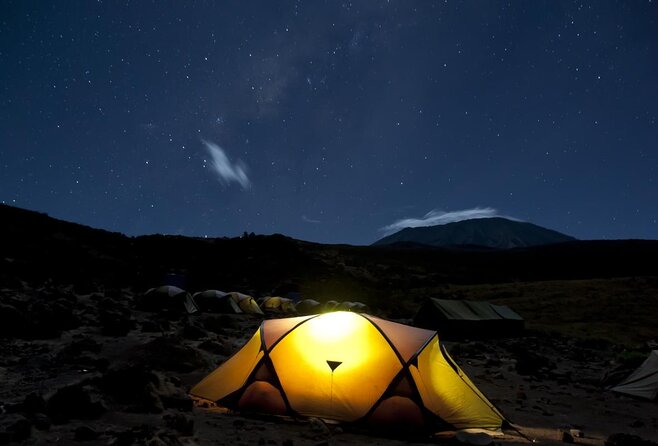
- Lemosho begins at Londrossi Gate: You start among farms and rainforest before reaching the high open country around Shira.
- The route uses acclimatization by climbing high and sleeping lower: Shira Cathedral, Lava Tower, and Barranco help break up the steady altitude gain.
- The summit push is concentrated on Day 6: From Barafu Hut, you climb toward Stella Point at 5,756 meters and Uhuru Peak at 5,896 meters.
- Paul Bernad leads a highly personal service: The private format allows the pace to respond to your group’s abilities.
- The mountain changes dramatically: Expect farm country, thick forest, heather, Erica plants, moorland, rock desert, and alpine desert.
- Cancellation terms become stricter near departure: Cancel at least six full days ahead for a full refund, two to six days ahead for 50 percent, and less than two days ahead for no refund.
Why Lemosho Makes Sense for an Eight-Day Climb
Lemosho is a good choice if you want more than a direct march toward the summit. The route takes you across the western side of Kilimanjaro, beginning near Londrossi Gate at about 2,200 meters. From there, you gain height gradually, with several chances to walk high before sleeping at a lower camp.
That rhythm matters. Altitude is one of the main challenges on Kilimanjaro, so the itinerary includes a climb toward Shira Cathedral at 3,920 meters, a stop at Lava Tower at 4,605 meters, and a descent to Barranco at 3,940 meters. These are not just scenic detours. They give your body time to adjust while letting you see how you respond to thin air.
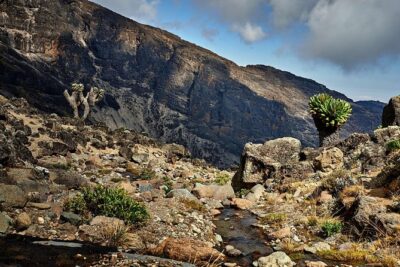
The route also has more variety than a simple up-and-down climb. On the first day, you pass farms where vegetables such as carrots and round potatoes grow beneath planted trees. Later, the forest gives way to heather, Erica plants, open grass, volcanic stone, and stark high-altitude terrain.
The trade-off is time and effort. Eight days on a mountain means more nights camping, more exposure to cold and changing weather, and a longer commitment than a shorter itinerary. That extra time can make the route feel less rushed, but it does not make the mountain easy.
More Lemosho Route climbs:
- 8-Day Small-group Lemosho Kilimanjaro Summit Trekking
★ 5.0 · 186 reviews - 8 Days Mountain Kilimanjaro Lemosho Route
★ 5.0 · 22 reviews - 7 Day Kilimanjaro Climb Lemosho Route & 2 Day Safari
★ 5.0 · 16 reviews
Day 1: From Arusha or Moshi to Forest Camp
The first day begins with a drive from your hotel in Arusha or Moshi to Londrossi Gate. Registration takes place at the gate, which sits at about 2,200 meters. After the formalities, the vehicle returns toward the trail starting point, passing farms and planted woodland.
The walk begins in rainforest and covers about 5 kilometers, with an estimated walking time of four hours. The forest is one of the most appealing parts of the early route. You may see birds, flowers, and smaller wildlife, while the area is also associated with larger animals such as elephants, buffalo, and eland.
You finish at Forest Camp, about 2,830 meters above sea level. The supplied schedule describes the full first day as taking around 12 hours, largely because the drive, registration, and walking are combined. That is a long opening day, so keep your first morning organized and avoid treating the forest walk as a race.
Day 2: Big Tree Camp to Shira 1
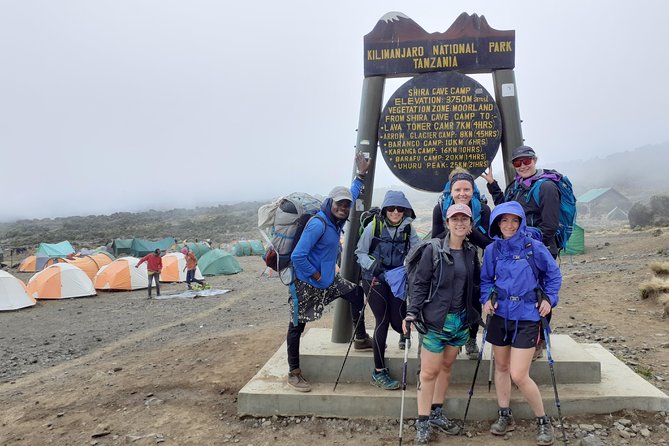
Day two moves from the forest toward the Shira Plateau. The route covers about 7 kilometers and takes roughly four to six hours, finishing at Shira 1 Camp at approximately 3,509 meters.
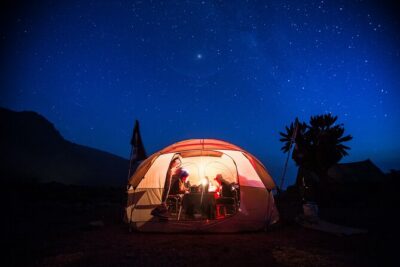
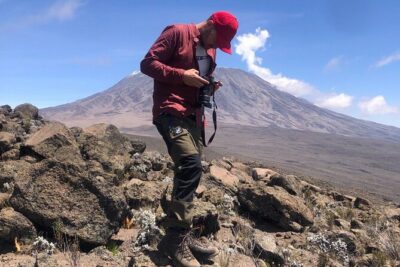
The scenery changes quickly. Tall forest gives way to heather and Erica species, with open grassland and broad views across the plateau. If the sky is clear, you may see Kibo, the volcanic summit cone that forms Kilimanjaro’s highest point.
This is a shorter walking day than the first, though the altitude begins to make itself known. You should walk slowly, drink regularly, and pay attention to how you feel. The evening is spent at Shira 1 with dinner and an overnight stay.
Day 3: Shira Cathedral and Two Route Options
The third day adds one of the climb’s key acclimatization opportunities. After breakfast, the upper option takes you toward Shira Cathedral at 3,920 meters, covering about 6 kilometers in four to five hours before continuing to Shira 2 Camp at 3,840 meters.
The purpose is simple: climb higher during the day, then sleep slightly lower. That pattern is useful on a high mountain and gives the day more meaning than simply moving from one camp to another.
A second option follows a lower route across the rescue road toward Moe Hut Camp at approximately 4,200 meters. The published schedule presents both choices, so you should discuss the route with Paul Bernad or the lead guide before setting out. The choice may affect both acclimatization and how demanding the following days feel.
A few more options to weigh up in Arusha
- Balloon Safari & Bush Breakfast in Serengeti – Miracle Experience
★ 5.0 · 1,646 reviews - Tanzania Classic – 7 Days
★ 5.0 · 1,151 reviews - 4 Days Group Camping Safari
★ 5.0 · 1,101 reviews - 5 Days Group Camping Safari
★ 5.0 · 730 reviews
Day 4: Lava Tower Before Barranco
Day four is one of the most important days for altitude adjustment. You climb through the rock desert toward Lava Tower at 4,605 meters, covering about 9.5 kilometers in five to six hours before descending to Great Barranco Camp at roughly 3,940 meters.
Lunch at Lava Tower gives you time at a serious altitude before the trail drops again. You may feel the thin air here, even if the walking pace has been gentle. The descent to Barranco is not wasted effort. It puts the climb-high, sleep-lower idea into practice.
Barranco is also one of the most striking camps on the route, with large volcanic formations and views across the mountain. The schedule describes the scenery as especially impressive, and this is where the route begins to feel more rugged and exposed.
Day 5: The Barranco Wall to Karanga
Day five begins with the Barranco Wall. The route covers about 5.5 kilometers and takes roughly three to four hours, with the wall reaching around 4,200 meters.
The phrase rock climbing may sound alarming, but the itinerary describes a walking route involving a rocky ascent rather than a technical climbing expedition. You should still expect hands-on sections and uneven ground. Take your time, follow the guide’s instructions, and keep your pack secure.
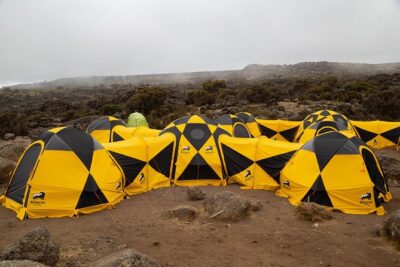
After the wall, you continue toward Karanga Camp at about 4,000 meters. A hot lunch is planned at camp, followed by rest. That pause is welcome because the next day contains the summit attempt.
Karanga is an important staging point. You are high enough to feel the mountain, but the walk is relatively short compared with the summit day. Use the afternoon to eat, organize clothing, check your headlamp and camera, and rest rather than spending energy wandering around camp.
Day 6: Barafu Hut, Stella Point, and Uhuru Peak
Day six is the hardest and most important part of the climb. The morning ascent from Karanga to Barafu Hut covers about 5 kilometers and takes three to four hours, reaching approximately 4,620 meters.
From Barafu, the schedule allows for the summit push toward Stella Point at 5,756 meters and Uhuru Peak at 5,896 meters. The climb to the top is listed at about six hours, followed by a roughly three-hour descent to Barafu Hut. Exact timing can vary with pace, weather, and how the group responds to altitude, so treat the stated hours as a guide rather than a promise.
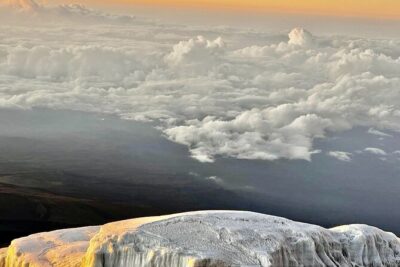
The upper mountain is alpine desert, with cold, rock, and very little plant life. The final approach is a major test of patience. You may need to focus on one step at a time, conserve energy, and accept that the summit section will feel slow.
At Uhuru Peak, you have reached the highest point of Kilimanjaro. The plan allows a few minutes for photographs before heading down. Cold becomes a serious concern at this stage, so prepare properly with warm clothing and do not rely on a phone as your only camera. One useful practical tip from the supplied advice is to protect your camera and phone from the cold and focus on the moment rather than chasing a perfect pose.
The schedule then returns to Barafu Hut. This makes the day especially demanding because the summit is not the end of the walking. You still need to descend after reaching the top.
Day 7: Down to Mweka Hut
After a food and rest break, you descend all the way to Mweka Hut at about 3,100 meters. The day is listed at around six hours, ending with dinner and the final night on the mountain.
The descent gives your lungs a break from the highest camps, but tired legs can make downhill walking awkward. Trekking poles, careful foot placement, and a patient pace can be useful, though the supplied information does not state whether poles are provided.
Mweka is also where the character of the mountain begins to change again. After the stark upper slopes, you are moving back toward lower, greener country. It is a fitting final camp before the gate.
Day 8: Rainforest, Mweka Gate, and Your Certificate
The final walking day starts after breakfast. You descend about 8 kilometers through rainforest to Mweka Gate at 1,760 meters, with an estimated walking time of four hours.
At the gate, you sign out and receive a certificate marking the climb. The vehicle then returns you to your hotel. After seven days of changing terrain and altitude, the drive back should feel like a real transition from mountain life to normal transport and accommodation.
The schedule marks admission as not included on this final day, while the first day specifically lists admission as included. Because the wording is not fully detailed, ask the provider to explain which park fees, gate charges, and transfers are included in the total price.
Guide Support, Food, and Private Group Benefits
The operator presents its team as experienced across different parts of tourism, including trekking, safari, camping, budget lodge stays, and luxury travel. For this climb, the practical benefit is a dedicated guide and cook team rather than a self-guided route.
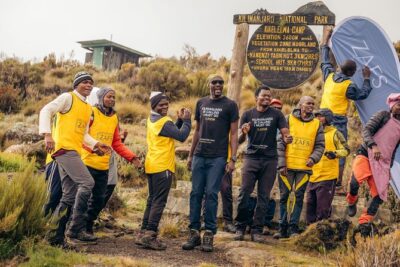
Paul Bernad is the named guide associated with the climb. The supplied experiences describe him as responsive to different abilities, which matters greatly on summit day. A private group means the pace and daily decisions are focused on your party rather than a large mixed group.
Food is another praised part of the experience. The information specifically notes good food and hot lunch at Karanga, with meals prepared by the mountain cooks. Food will not remove the physical strain, but regular meals can make long walking days more manageable.
The service is also described as friendly and personal, with an emphasis on making climbers feel at home. That does not replace proper safety planning, but it can make a major difference during cold mornings, tiring climbs, and moments when motivation drops.
What the $2,564.11 Price Buys You
At $2,564.11 per person, this is not a budget day trip. You are paying for an eight-day mountain program with hotel pickup offered, a private group, guides, cooks, camping, and a route that includes several acclimatization stages.
The value depends on what is included in the final booking. The supplied details do not clearly itemize park fees, meals, camping equipment, transfers, or hotel nights. Before booking, ask for a written list of inclusions and exclusions.
I see the strongest value in the route length and private attention. Eight days gives you a more gradual schedule than a rushed ascent, while a small group allows the guide to respond to ability and altitude concerns. If you are comparing prices, compare the number of mountain days, the guide-to-climber arrangement, meals, transfers, and permit costs rather than looking only at the headline figure.
Fitness, Cold, and Practical Planning
The required fitness level is described as moderate, but the summit day is far beyond an ordinary moderate walk. You should be prepared for several hours of uphill walking, rocky ground, repeated altitude gain, and a long descent after the summit.
Cold is a key concern. Advice for this climb specifically stresses preparing for low temperatures, particularly around the summit. Pack warm layers and protect electronic devices, since cold may affect phone and camera performance.
The route schedule includes long days, with day one listed at 12 hours including transport and registration, and day six combining the Barafu ascent, summit push, and descent. You should be comfortable with early starts, basic mountain camping, and plans that may change with weather.
The tour operates as a private activity, and pickup is offered. The meeting and operating hours are listed as 8:00 AM to 11:30 PM, Monday through Sunday, for the stated operating period. Confirmation is received at booking, and the location is near public transportation.
Who Should Book This Climb?
I would choose this climb if you want a scenic route, eight days on Kilimanjaro, and personal support from a private guide team. It suits fit adults who understand that reaching the summit requires patience, cold-weather preparation, and steady effort.
The route may be a poor match if you want a short, easy outdoor excursion or dislike camping and long walking days. It is also not ideal if you need a fixed schedule that cannot shift with weather or group conditions.
The cancellation terms deserve attention. You receive a full refund if you cancel at least six full days before the start time, 50 percent if you cancel two to six full days ahead, and no refund if you cancel less than two full days ahead. Poor weather or failure to meet the minimum number of climbers may lead to a new date, another experience, or a full refund.
FAQ
Where does the Kilimanjaro climb begin?
The climb includes pickup from a hotel in Arusha or Moshi, followed by a drive to Londrossi Gate for registration.
How long is the experience?
The experience lasts approximately eight days.
Which route does the climb use?
The climb follows the Lemosho Route, beginning near Londrossi Gate and continuing through Forest Camp, Shira, Barranco, Karanga, Barafu, and Mweka.
What is the highest point reached?
The summit goal is Uhuru Peak, also called Freedom Peak, at approximately 5,896 meters.
Is this a private activity?
Yes. Only your group participates in the private tour or activity.
What level of fitness is required?
The stated requirement is a moderate level of physical fitness. The itinerary includes long walks, significant altitude gain, rocky sections, and a demanding summit day.
Is pickup offered?
Yes. Pickup is offered from a hotel in Arusha or Moshi.
What are the cancellation terms?
Cancel at least six full days before the start time for a full refund. Cancellation two to six full days ahead receives a 50 percent refund, while cancellation less than two full days ahead is not refunded.
Should You Book the Lemosho Route?
Book it if you want a full mountain experience rather than a quick summit attempt. The route offers changing scenery, several useful acclimatization climbs, private guiding, cooked meals, and the chance to reach Uhuru Peak with support from Paul Bernad and his team.
Before committing, confirm the full price breakdown and make sure you are ready for the cold, camping, altitude, and especially the long summit day. If those demands fit your plans, this is a strong choice for a carefully paced Kilimanjaro climb with personal service and plenty of time to experience the mountain.
Just added in Arusha
- tarangire, ngorongoro & lake manyara park 3 days private tour★ 5.0 · 11 reviews
- tarangire & ngorongoro 2 days tour★ 5.0 · 14 reviews
- mount meru 4 days hike★ 5.0 · 2 reviews
- serengeti, ngorongoro & tarangire 4 days private tour★ 5.0 · 18 reviews
- Mt. Kilimanjaro: Shira plateau to Cathedral point 3872m Day hike★ 5.0 · 7 reviews
- serengeti & ngorongoro 3 days private tour★ 5.0 · 15 reviews
- One Day Hike from Kilimanjaro to Mandara★ 5.0 · 2 reviews
- Amazing 4 Days Tanzania Budget Camping Group Joining Safari★ 5.0 · 15 reviews
Lemosho Route Climbs, compared.
8-Day Small-group Lemosho Kilimanjaro Summit Trekking
Read our review →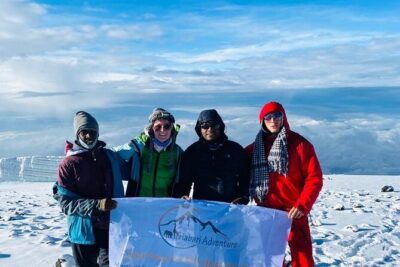
Climbing Kilimanjaro through 8 days Lemosho Route
Read our review →Browse the lists this tour appears in