
Reviewed · MARANGU ROUTE CLIMBS
6 Days Mount Kilimanjaro Trek Marangu Route
Kilimanjaro asks for patience, not speed. This six-day Marangu Route trek gives you an extra acclimatization day at Horombo Hut, a sensible choice for anyone serious about reaching Uhuru Peak. I like the route’s dormitory-style mountain huts, and I like that airport transfers, Moshi hotel nights, meals, guides, porters, and emergency oxygen are included.
The main consideration is that Marangu is often called the easiest route, but that label can mislead you. Summit night still means 12 to 15 hours of hiking, cold, thin air, and a steep push to 5,895 meters. The price is $2,350 per person, a substantial sum, though the package covers many costly services.
The experience is operated by Intrepid Explorer Tanzania and has a listed rating of 5 from 15 reviews, with 100 percent recommended. Praise centers on caring guides, good food, smooth transfers, and strong support from the mountain crew. One useful reminder comes from a climber who did not summit and planned to return, proof that Kilimanjaro rewards preparation but never guarantees success.
In This Review
- Key Points Before You Book
- Why the Six-Day Marangu Route Makes Sense
- Day One: Marangu Gate to Mandara Hut
- Day Two: Horombo Hut and the First Big Altitude Gain
- Day Three: Mawenzi Ridge or Zebra Rock for Acclimatization
- Day Four: Across the Saddle to Kibo Hut
- Day Five: The Midnight Push to Uhuru Peak
- Day Six: Back Through the Forest to Moshi
- What the $2,350 Price Covers
- Food, Guides, and Mountain Support
- Who Should Choose This Trek
- Should You Book the Six-Day Marangu Route?
- FAQ
- How long is the Kilimanjaro Marangu Route trek?
- Is airport pickup included?
- Where do you sleep on the Marangu Route?
- Is an acclimatization day included?
- Are meals included?
- Can I cancel for a full refund?
Key Points Before You Book
- Extra acclimatization at Horombo: You spend a full additional day hiking toward Mawenzi Ridge or Zebra Rock before moving higher.
- Marangu’s hut accommodation: You sleep in dormitory-style huts rather than tents on the route, though the inclusions also mention camping equipment, so confirm the exact setup.
- A demanding summit night: The climb to Uhuru Peak begins around midnight and can last 12 to 15 hours.
- Maundi Crater on day one: A short side trip offers views toward the Kenyan interior and adds interest to the rainforest approach.
- Full logistical support: Airport transfers, two Moshi hotel nights, meals, porters, a cook, guides, water, and emergency oxygen are included.
- A private experience: Only your own group participates, and a moderate level of physical fitness is required.
Why the Six-Day Marangu Route Makes Sense
Marangu approaches Kilimanjaro from the southeast. It is the oldest established route and is widely known by the nickname Coca-Cola Route. The trail is popular because it follows a relatively direct path and uses huts instead of tents.
That direct route has a trade-off. You do not get the same route variety on the way up and down, since Marangu uses the same general path in both directions. The scenery still changes sharply as you climb, from thick rainforest to open heath, moorland, and the bare saddle between Mawenzi and Kibo.
The six-day schedule is much better than the five-day minimum. The extra day at Horombo gives your body time to adjust before you sleep at Kibo Hut and attempt the summit. I would treat that extra day as essential rather than optional if you are choosing Marangu.
The package is private, which matters if you prefer to set the pace and atmosphere within your own group. You will still have a full mountain crew, including a qualified guide, assistant guides, porters, and a cook. The exact group size is not given, so ask how many support staff will accompany your party.
More Kilimanjaro climbs:
- Kilimanjaro climb by Lemosho Route (7-day)
★ 5.0 · 651 reviews - Kilimanjaro climb, Machame Route (7-day)
★ 5.0 · 262 reviews - Kilimanjaro Climbing Lemosho Route 8 Days.
★ 5.0 · 186 reviews
Day One: Marangu Gate to Mandara Hut
Your morning begins with breakfast and collection from your Moshi lodge. The transfer takes you to Marangu Gate, where registration and park paperwork are completed before you start walking.
The first section passes through dense rainforest. This is a pleasant introduction to Kilimanjaro, with thick plant growth and the possibility of seeing primates. The trail is not yet about altitude drama. It is about steady movement, wet forest air, and getting used to walking with your pack.
After about 8.3 kilometers and roughly five hours, you reach Mandara Hut. The schedule includes a rest here and a walk to Maundi Crater. That short outing is worth keeping on your day. From the crater area, you can enjoy views toward the Kenyan interior and get your first broad sense of the mountain’s setting.
Mandara sits at about 2,700 meters. For many people, this day feels manageable, but do not race through it. A slow pace helps you conserve energy for the higher sections. Drink regularly, listen to your guide, and keep your first day easy.
Day Two: Horombo Hut and the First Big Altitude Gain
Day two covers about 12.5 kilometers and is listed at roughly six to nine hours, depending on the pace and conditions. You leave the rainforest behind, pass the timberline, and enter the heath and moor zone.
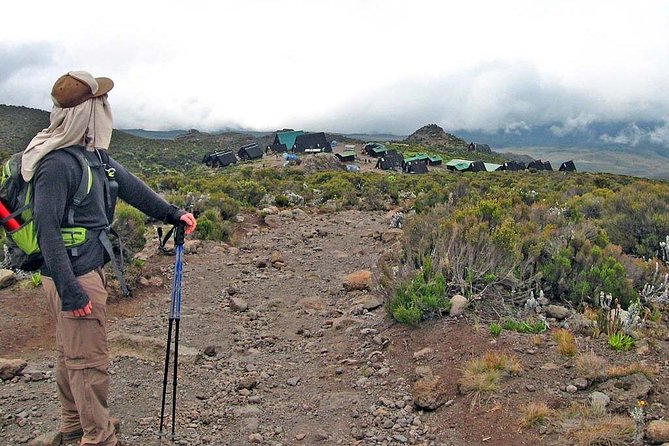
The change in vegetation is one of the best parts of the route. The forest gives way to more open ground, and views begin to stretch toward Mawenzi, Kibo, and the Masai Steppe. Horombo Hut comes into view at about 3,700 meters.
This is a longer day than day one, and the altitude becomes more noticeable. Your legs may feel fine while your breathing tells a different story. Keep your pace slow. The familiar Kilimanjaro advice of pole pole, meaning slowly slowly, is practical here.
Horombo is an important stop because you are high enough for altitude symptoms to appear, yet you have not reached the most severe part of the climb. The hut setting also gives you a chance to settle into the mountain routine: eat, wash with hot water, rest, and prepare clothing for the next day.
Day Three: Mawenzi Ridge or Zebra Rock for Acclimatization
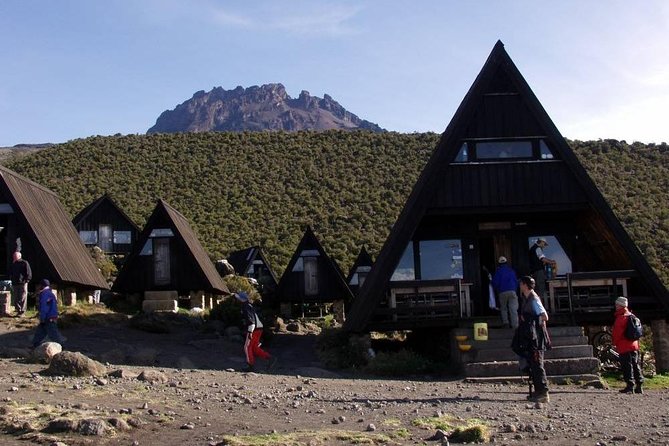
The extra acclimatization day is the reason I prefer this six-day plan over the five-day version. You hike toward Mawenzi Ridge or Zebra Rock, then return to Horombo for lunch, rest, dinner, and another night.
The listed walking time is about four hours. That may sound easy after the previous day, but the point is not to rack up distance. The point is to spend controlled time at a higher elevation, then sleep again at Horombo rather than moving directly to Kibo.
This day also gives you a break from the relentless upward progression. Mawenzi is a dramatic volcanic peak, and the route toward it provides a different view of Kilimanjaro’s summit area. Follow your guide’s instructions about how far to go and how quickly to walk.
Use the afternoon well. Eat even if your appetite is reduced, drink water, and sort your summit-night clothing. You will want your headlamp, warm layers, gloves, snacks, and personal medicine easy to reach. Portable toilets are described as optional but highly recommended, so consider adding one if privacy and comfort matter to you.
More Marangu Route climbs:
- Kilimanjaro climb, Marangu route (6-day)
★ 5.0 · 72 reviews - Climbing Kilimanjaro – Marangu Route
★ 5.0 · 65 reviews - Kilimanjaro Climbing 5 days Marangu route
★ 5.0 · 22 reviews - Best Kilimanjaro Adventures 6 Days Marangu Route Experience
★ 5.0 · 18 reviews
Day Four: Across the Saddle to Kibo Hut
Day four covers 9.5 kilometers and takes about seven hours. The trail passes the Last Water point and then crosses the saddle, a broad and nearly vegetation-free plateau between Mawenzi and Kibo.
This section feels stark. The forest and heath are gone, leaving open ground and a much stronger sense that you are approaching the summit zone. The distance is not extreme, but the altitude makes every hour more demanding.
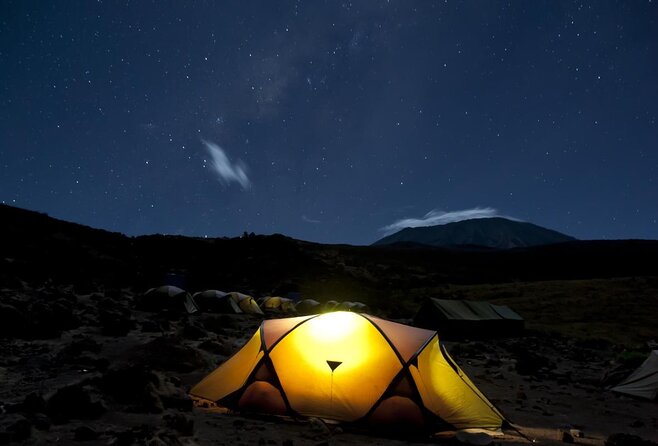
Kibo Hut is usually reached after six to seven hours. You have an early evening meal and then try to sleep early, though many people find it difficult to rest at this altitude and with the midnight start ahead.
This is where your packing choices matter. Put only the items needed for the final ascent in your daypack. Heavy spare gear will make the climb harder. The supplied information says personal hiking and trekking gear is not included, although some equipment can be rented from the operator’s store in Tanzania. Confirm rental prices and availability before you arrive.
The inclusion list refers to tents, camp chairs, tables, and sleeping mattresses, while the Marangu route description specifies hut accommodation. That is worth clarifying with Intrepid Explorer Tanzania before booking. You should know exactly which nights use huts and what sleeping equipment is supplied.
Day Five: The Midnight Push to Uhuru Peak
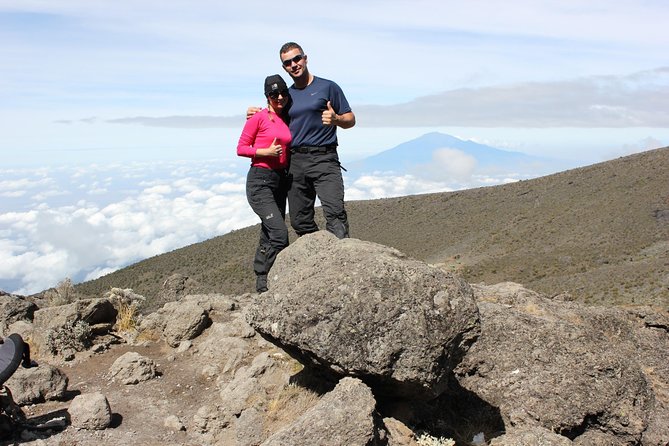
This is the day that decides the trip. The summit stage covers about 22 kilometers and takes 12 to 15 hours, including the return to Horombo Hut.
You begin around midnight from Kibo Hut. The climb is cold, dark, and slow. The trail passes Hans Meyer Cave at about 5,220 meters before continuing upward toward Gillman’s Point at 5,681 meters.
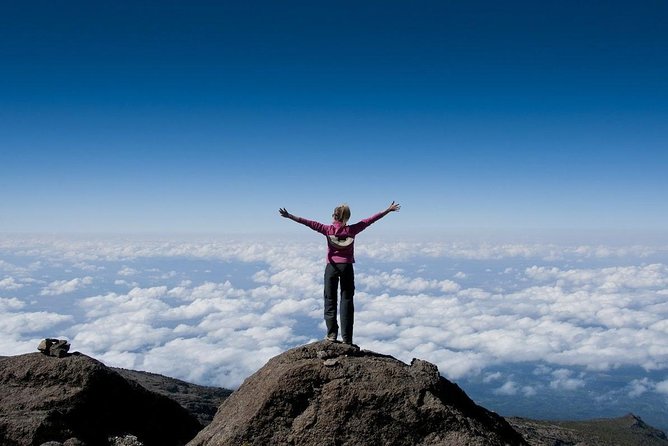
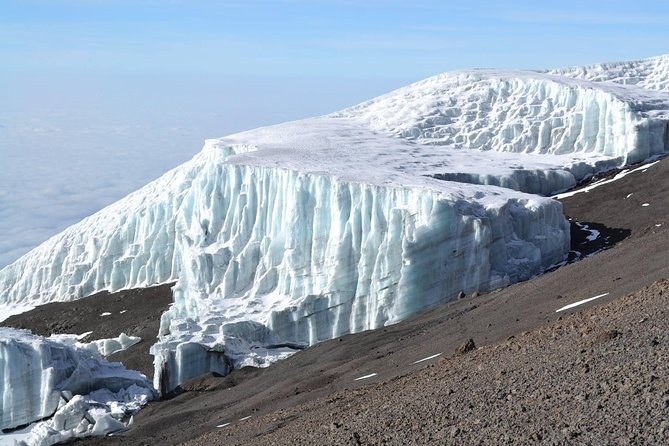
Reaching Gillman’s Point means you have arrived at the crater rim, but it is not yet Uhuru Peak. After sunrise, you continue along the rim for another one to two hours to reach the summit at 5,895 meters. The early light and views across the crater area are likely to be among the strongest memories of the trek.
The final ascent is strenuous even for fit people. Thin air can cause headache, nausea, dizziness, or unusual fatigue. Emergency oxygen is included, but it is intended for emergencies, not as a way to help you complete the summit. Your guide should assess your condition and may advise you to turn around. That is not failure. Getting down safely is the priority.
After reaching Uhuru Peak, you return to Kibo Hut for a warm meal and a one to two-hour break. Then you continue to Horombo Hut. This is an exceptionally long day, and the second descent after the break can feel surprisingly hard. You need to be ready for the full effort, not just the summit photo.
Several people who completed this route singled out the guides, porters, and cook for making the hardest day possible. One account praised the food all the way to Uhuru Peak, while another described the guides as focused on safety throughout. Those details matter because food and encouragement become practical support when your energy is low.
Day Six: Back Through the Forest to Moshi
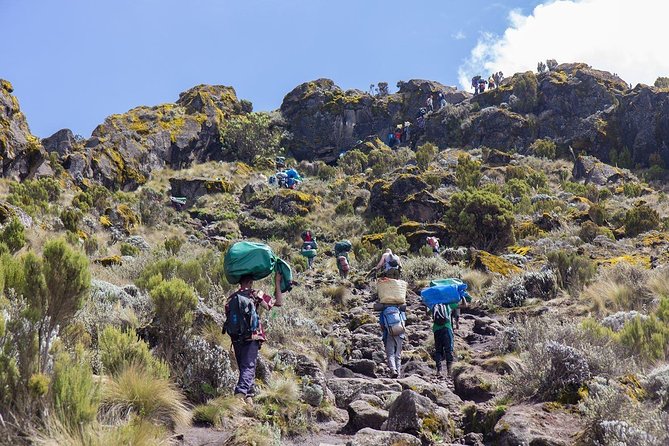
The last day takes you from Horombo through the heath and moor zone to Mandara Hut, where lunch is served. You then descend through the tropical rainforest to Marangu Gate.
The listed distance is 20.8 kilometers and the approximate walking time is eight hours, although the route description also refers to about six hours of trekking. Treat this as a full day on your feet. Descending is easier on your lungs than climbing, but tired knees and sore feet can make it demanding.
At the park gate, you say goodbye to the mountain crew and take a short transfer back to your Moshi hotel. A warm shower, dinner, and a proper bed are included for that night. Airport transfers to and from Kilimanjaro Airport are also covered, which removes a fair amount of planning at the beginning and end of the trip.
The return to Moshi is more than a transfer. It gives you a clear finish to the climb and a chance to recover before your flight. Do not schedule a tight same-day departure unless your wider travel plans allow plenty of margin.
What the $2,350 Price Covers
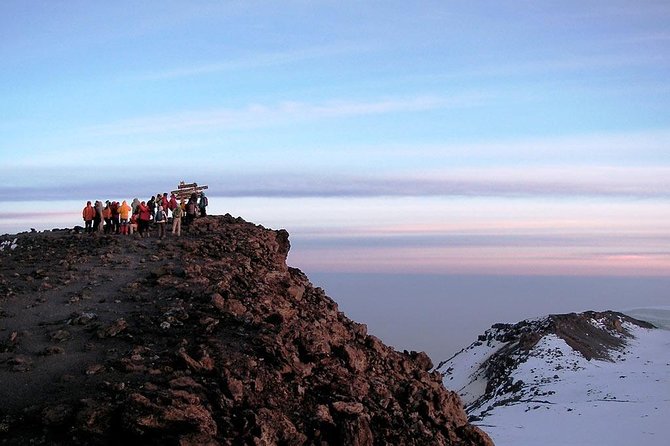
At $2,350 per person, this is not a low-cost mountain walk. The value comes from the amount bundled into the fee.
Included are all fees and taxes, airport transfers, a Moshi hotel night before and after the climb, dinner and breakfast at those hotel stays, mountain guides, assistant guides, porters, a cook, wages for the crew, daily drinking water, hot water for washing, emergency oxygen, and meals on the mountain.
The meal plan lists five breakfasts, five dinners, and six lunches. That fits the six-day schedule in broad terms, but I would ask for a day-by-day meal breakdown before departure, especially because the summit day includes food at Kibo and a later meal at Horombo.
The package also mentions camping equipment, even though Marangu is known for huts. Ask whether this means backup equipment, sleeping mattresses for the huts, or a standard inclusion copied across several routes. Clear answers here help you compare this trip fairly with other operators.
You must still pay for flights, visas, travel insurance, health insurance, personal items, personal medicine, snacks, and trekking gear. Water-purifying tablets are also listed as something to bring. A portable toilet costs extra, but the operator strongly recommends it.
For the price, I would expect clear pre-trip advice and careful gear guidance. The strongest praise connected to this company centers on organized transfers, a comfortable guest house stay, good meals, and a caring support team. A birthday celebration at Horombo, including cake and champagne, also shows that the crew may add personal touches for special occasions, though you should not assume such extras are part of the standard package.
Food, Guides, and Mountain Support
Food is a major strength of this experience. Multiple accounts praise the meals, the cook, and the steady care provided by the mountain crew. On a high-altitude trek, warm and regular food is not a small luxury. It helps you maintain energy when your appetite and motivation may both drop.
The guide team is also repeatedly praised for being supportive and safety-minded. Wence Tarimo is named in the company responses and appears to be a key contact. The crew includes assistant guides, porters, and a cook, so you are not expected to carry the full camp operation yourself.
I would still ask how porter welfare is handled, what the tipping process is, and how many kilograms each porter carries. Those details are not provided here, but they are reasonable questions for any responsible Kilimanjaro booking.
The experience is private, meaning your group alone takes part. That can make pacing and decisions easier, but your group should agree before the trek that the summit is not the only measure of success. One person’s slower pace or early turn-around can affect everyone.
Who Should Choose This Trek
This route suits you if you want hut accommodation, a direct trail, a private group, and a structured package with transport and meals handled. It is also a good fit if you prefer a six-day schedule but want the extra acclimatization day that the five-day version lacks.
You should have a moderate level of physical fitness. That means being ready for repeated long walking days, a 12 to 15-hour summit day, and a final descent of nearly 21 kilometers. You do not need to be a technical climber based on the information provided, but you do need patience, stamina, and the ability to cope with cold and altitude.
This may not suit you if you want a short, gentle mountain holiday. The Coca-Cola nickname can make Marangu sound easy. It is easier in route design than some alternatives, but the summit remains a serious physical challenge.
Should You Book the Six-Day Marangu Route?
I would book this trek if you want the classic Marangu route and can handle a long summit day. The extra acclimatization day at Horombo is the biggest reason to choose this itinerary, and the included hotel nights, meals, transfers, guides, porters, and cook give the $2,350 price real practical value.
Before paying, confirm the hut and camping arrangements, the exact group size, gear rental options, meal schedule, and porter tipping expectations. Also buy suitable travel and health insurance, since neither is included.
Choose this experience for its sensible six-day pacing, strong support system, and straightforward logistics. Do not choose it because someone called it easy. Choose it because you are prepared to walk slowly, accept that altitude may change your plans, and value a well-supported attempt at Uhuru Peak.
FAQ
How long is the Kilimanjaro Marangu Route trek?
The experience lasts six days, with approximately five to fifteen hours of activity per day depending on the stage. The summit day is the longest, taking about 12 to 15 hours.
Is airport pickup included?
Yes. Return transfers between Kilimanjaro Airport and Moshi are included. Pickup is offered, and the tour also includes a Moshi hotel night before and after the climb.
Where do you sleep on the Marangu Route?
Marangu is described as the only route with dormitory-style sleeping huts. The inclusion list also mentions tents, camp chairs, tables, and sleeping mattresses, so confirm the exact sleeping arrangements with the provider before departure.
Is an acclimatization day included?
Yes. Day three is an extra acclimatization day at Horombo Hut. You hike toward Mawenzi Ridge or Zebra Rock and return to Horombo for lunch, rest, dinner, and overnight accommodation.
Are meals included?
Yes. The package lists five breakfasts, five dinners, and six lunches. Meals are provided throughout the climb, and the final day includes a warm lunch at Mandara Hut.
Can I cancel for a full refund?
You can cancel up to 24 hours before the experience start time for a full refund. Cancellations or changes made less than 24 hours before the start time are not accepted for a refund.
More Treks in Moshi
- Private Kilimanjaro Hike 7 Day Lemosho Route
★ 5.0 · 60 reviews - Best Kilimanjaro hiking day trip tour with Kilinge Adventures
★ 4.5 · 54 reviews - #1. Best Kilimanjaro Day hike Tour-Machame Route-ISMANI
★ 4.2 · 47 reviews - Best Kilimanjaro Adventure 7 days Machame route Trekking
★ 5.0 · 42 reviews
Just added in Moshi
- Zanzibar: Stone Town tour and Nakupenda beach with Lunch★ 5.0 · 1 review
- day trip lake manyara★ 5.0 · 2 reviews
- Mt Kilimanjaro 6 days Marangu route hike★ 5.0 · 3 reviews
- machame route★ 5.0 · 16 reviews
- Private Cycle to Kilimanjaro Bike Park Safari★ 5.0 · 6 reviews
- West Kilimanjaro cycling Adventures★ 4.5 · 8 reviews
- Wildlife Extravaganza: Manyara, Tarangire & Ngorongoro in 3 Days★ 5.0 · 3 reviews
- 3 Days Private E-Bike Tour in West Kilimanjaro★ 5.0 · 3 reviews
Marangu Route Climbs, compared.

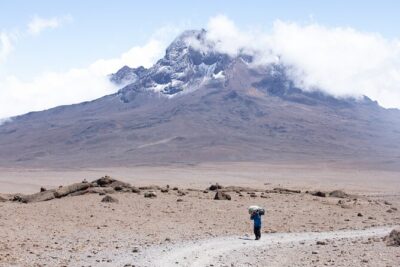

Private Full Day Hiking Experience to Marangu Route
Read our review →
From Arusha/Moshi: Kilimanjaro Hike Marangu Route Day Trip
Read our review →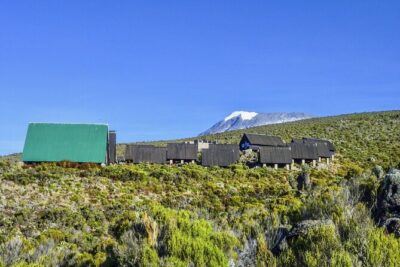
Mount Kilimanjaro Day Hike Through Marangu Route to Mandara Hut
Read our review →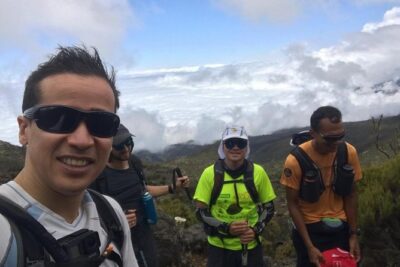
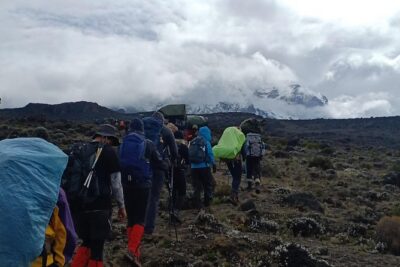
Best Kilimanjaro Adventures 6 Days Marangu Route Experience
Read our review →
Kilimanjaro Private Climbing in 6 Days Marangu Route
Read our review →Browse the lists this tour appears in