
Reviewed · LEMOSHO ROUTE CLIMBS
Kilimanjaro Climb – 8 Days Lemosho Route
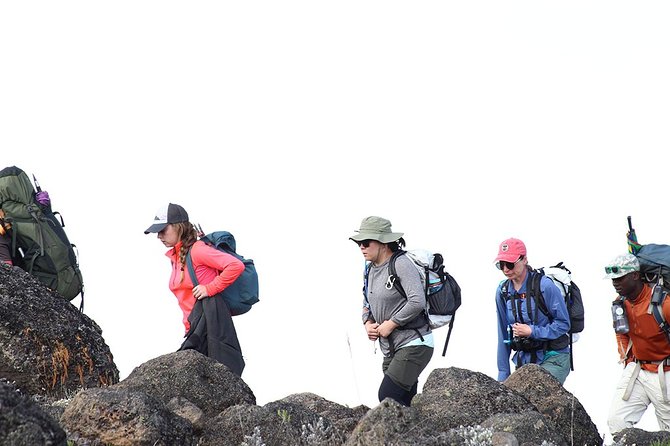
The mountain saves its best views for patient climbers. This west-side climb gives you time on the Shira Plateau, a quieter start, and a gradual path toward Kilimanjaro’s southern circuit. I like the eight-day schedule, since the extra day offers more time for acclimatization, and I like that transfers, park fees, tents, meals, and purified water are built into the $2,450 price.
The main caution is simple: this is still a serious high-altitude trek, not a camping holiday with a few uphill walks. You need moderate physical fitness, personal trekking gear, and enough stamina for several days in a row. The published plan also describes an approximate nine-day experience, so you should confirm the exact schedule and hotel arrangements before paying.
In This Review
- Key points to know before you book
- Why Lemosho is a smart route for Kilimanjaro
- Shira Plateau and the western side of the mountain
- The route joins Machame at Shira 2 Camp
- What the final approach through Barafu means
- Camping comfort and the value of the included gear
- What $2,450 buys you in practical terms
- Transfers, Moshi arrangements, and the private format
- Fitness, equipment, and the real preparation required
- What the food, water, and tents mean after a long day
- Cancellation and booking details worth checking
- Who should choose this Lemosho climb?
- Should you book Toto Africa Adventures?
- FAQ
- Where does the Kilimanjaro climb begin?
- How long does the experience last?
- How much does the climb cost?
- Is the tour private?
- What route does the climb follow?
- Is the eight-day route suitable for acclimatization?
- What meals and drinks are included?
- Is camping equipment provided?
- What happens if I cancel?
Key points to know before you book
- A quieter western approach: Lemosho begins away from the busier sections and joins the Machame route later.
- Shira Plateau access: You can visit Cathedral Peak and the Shira Caldera, two of the route’s defining sights.
- Eight days is the sensible choice: Seven days is possible, but the longer plan gives you more time to adjust to altitude.
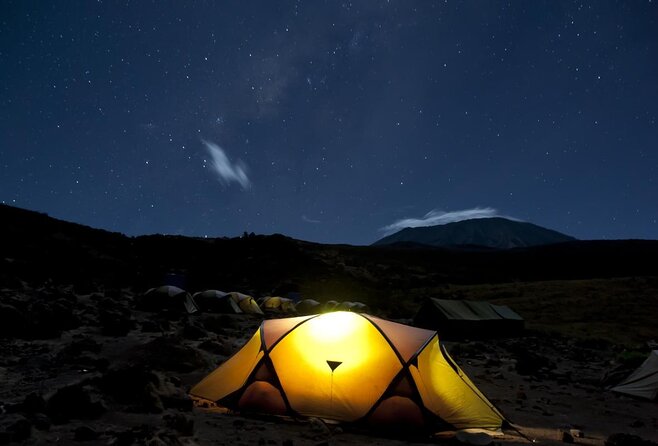
- Camping is fully organized: Private waterproof four-season tents, a mess tent, tables, chairs, meals, and purified drinking water are included.
- A serious all-in price: The $2,450 fee covers national park charges, taxes, transfers, food, water, tents, and professional mountain guides.
- A warm human touch: The only published account praises the company’s kindness, dignity, and caring treatment, including the owner’s gentle manner.
Why Lemosho is a smart route for Kilimanjaro
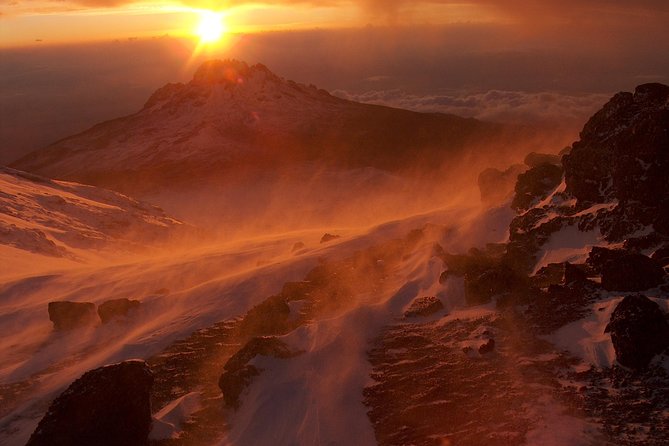
Lemosho approaches Mount Kilimanjaro from the west. That matters because the first part of the climb is not simply a fast march toward the summit. You get a more scenic route through the Shira area before joining the Machame path.
I like this shape for a first Kilimanjaro climb. The route offers variety, and the eight-day version does not force you to rush every stage. Altitude is the great unknown on any mountain trip. Fitness helps, but being strong at sea level does not guarantee an easy time high above it. An extra day gives your body more opportunity to adjust.
The route’s minimum is seven days, but eight days is recommended. That distinction is important. The shorter plan may appeal if you are trying to reduce cost or time away, yet the longer schedule is likely the better value if reaching the summit is your main goal.
You should also expect a private activity, meaning only your group participates. That can make the pace and atmosphere more comfortable than joining a large mixed party, though the exact group size is not stated. Ask how many people will be in your climbing group and how the guide-to-climber arrangement works.
More Kilimanjaro climbs:
- Kilimanjaro climb by Lemosho Route (7-day)
★ 5.0 · 651 reviews - Kilimanjaro climb, Machame Route (7-day)
★ 5.0 · 262 reviews - Kilimanjaro Climbing Lemosho Route 8 Days.
★ 5.0 · 186 reviews
Shira Plateau and the western side of the mountain
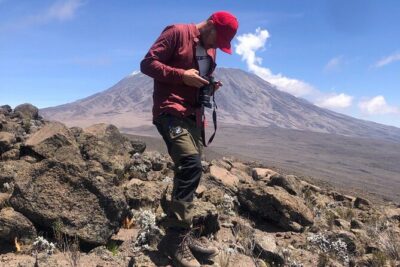
The early route leads toward the Shira Plateau, including Cathedral Peak and the Shira Caldera. These are not just names to tick off. They provide the first major sense of Kilimanjaro’s scale and show how quickly the surroundings change as you gain height.
The hike across Shira Ridge toward Shira 2 Camp is described as pleasant, with relatively low traffic before the route joins Machame. That quieter opening is one of Lemosho’s strongest selling points. You get time to settle into the walking rhythm, learn how your gear feels, and appreciate the changing views before meeting the more established southern route.
There is also a chance of seeing wildlife in the wider area. Elephant, buffalo, eland, and lion may come to forage during the dry season from the Longido game controlled area. This is a possibility, not a guarantee, and you should not treat the climb as a safari. Still, the chance of animal life near the western approach adds an unusual note to the first part of the trek.
The practical drawback is that the route is not described with exact daily distances, walking hours, or elevation gains. Those details matter greatly on Kilimanjaro. Before departure, ask for the day-by-day plan, the starting elevation, the expected camp elevations, and the estimated walking time for every stage.
The route joins Machame at Shira 2 Camp
After Shira 2 Camp, Lemosho follows the same southern circuit used by the Machame route. The route then includes Lava Tower, Barranco, and Barafu before the summit attempt.
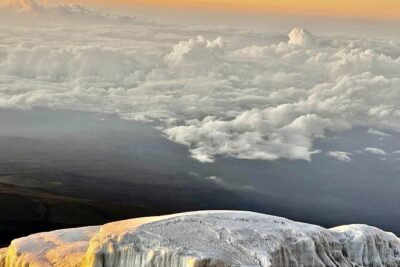
This section is where the climb becomes more demanding and more dramatic. Lava Tower is a major high point on the route and an important part of the acclimatization pattern. Barranco brings a different kind of mountain day, with steeper terrain and a more rugged feel. Barafu is the launch point for the final push, so it carries both excitement and nerves.
The supplied information does not give exact timings for these stages, so you should avoid assuming that every day will be comfortable or predictable. Mountain weather, altitude, and your group’s pace can affect the schedule. The company’s guides are described as professional and experienced, but you should still ask how they handle a climber who is struggling with altitude or needs to stop.
I appreciate the route design because it does not simply climb straight upward each day. The movement through different camps and elevations gives the schedule a better chance of helping you adjust. No itinerary can remove altitude risk, but the extra day is a useful safeguard.
What the final approach through Barafu means
Barafu is the final major camp named in the route description. Reaching it means you are close to the summit attempt, but it does not mean the hard work is done. The last stage is likely to test your energy, patience, and ability to keep moving when the air is thin.
Because exact summit timing is not provided, you should ask the operator how the final ascent is scheduled. Ask also how much time is planned at the summit area and how the descent connects with the remaining route. Those are normal questions for a high-altitude trip, not signs of fussiness.
You should prepare for the possibility that the summit outcome depends on conditions and how your body responds. The company can provide guides and logistical support, but no operator can promise that every climber will reach the top. The eight-day schedule improves your opportunity; it does not guarantee success.
More Lemosho Route climbs:
- Kilimanjaro climb, Lemosho Route (8-day)
★ 5.0 · 148 reviews - Kilimanjaro climb, Lemosho Route (6-day)
★ 5.0 · 129 reviews - Kilimanjaro Lemosho Route
★ 5.0 · 71 reviews - Private Kilimanjaro Hike 7 Day Lemosho Route
★ 5.0 · 60 reviews
Camping comfort and the value of the included gear
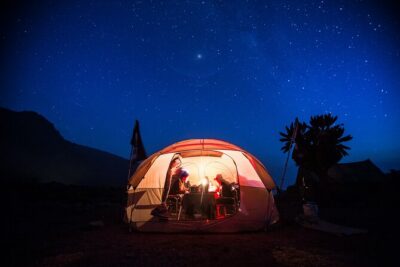
The price includes private waterproof four-season mountain sleeping tents and a quality mess tent with tables and chairs. That is a meaningful inclusion. On a multiday mountain trip, a dry sleeping space and a sheltered place to eat can change how you feel by the third or fourth day.
You also receive breakfast, lunch, dinner, and large portions of fresh, healthy food. The information does not provide sample menus, so you should ask about dietary requirements before booking. If you have allergies or follow a special diet, confirm what the kitchen can provide rather than relying on a general promise of nutritious meals.
Clean purified drinking water is included as well. That removes one regular worry and helps keep the total cost more predictable. You still need to bring a personal water-carrying system suitable for trekking, since the included water does not mean you can walk without bottles or a hydration setup.
Personal trekking equipment is not included. You are responsible for items such as sleeping bags, hiking boots, and clothes, although these can be rented. Rental availability is useful if you do not want to buy a full high-altitude kit, but confirm the sizes, brands, condition, and rental cost before you arrive in Tanzania.
What $2,450 buys you in practical terms
The $2,450 price per person is not a bare guiding fee. It includes transfers to the mountain and back to your Moshi hotel, Kilimanjaro National Park entrance fees, government taxes and levies, and 18 percent VAT.
It also covers the tents, mess tent, meals, drinking water, and professional mountain guides. When you compare this trip with another Kilimanjaro package, make sure you compare the same items. A lower headline price may leave out park fees, food, tents, transport, or taxes.
I see the price as reasonable for a private eight-day climb with major operating costs included. It is not inexpensive, and you will still need to budget for flights, a Tanzanian entry visa, tips for the mountain crew, personal items, laundry, and trekking equipment. The cost of renting gear is not stated, so request that figure in writing.
Tips deserve special attention. They are not included, yet the crew is central to the experience. Ask for the company’s recommended tipping practice, how tips are shared, and whether any other mountain-related charges could appear before departure.
Transfers, Moshi arrangements, and the private format
Pickup is offered, and transfers to the mountain and back to your Moshi hotel are included. That is useful after an international flight or a long journey through Tanzania, since you do not need to arrange mountain transport on your own.
The experience is described as being near public transportation, but the information does not specify a pickup point, hotel list, or transfer timetable. Confirm the meeting location, pickup time, and the number of nights covered in Moshi. The approximate duration is nine days, while the climb itself is eight days, so the extra day likely relates to the wider logistics, but you should verify that directly.
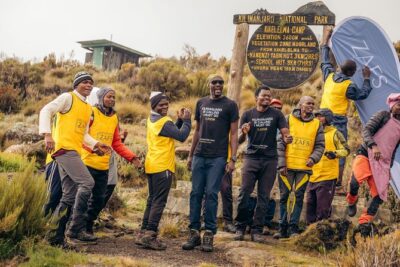
The private format gives you a more personal setup. You are not sharing the activity with unrelated groups, which may help if you want a quieter pace or are climbing with family. One published account from a family praised the company’s treatment, describing the guides and owner as respectful, caring, and kind. That is a particularly encouraging detail for people who want attentive service, not just a transport-and-tents operation.
Still, one positive account is not enough to answer every operational question. I would ask about guide names, crew size, emergency procedures, food preferences, and equipment rental before finalizing the booking.
Fitness, equipment, and the real preparation required
The company advises a moderate level of physical fitness. Take that seriously. You should be comfortable walking for long periods, carrying your personal day gear, and managing several consecutive days of outdoor activity.
You do not need to arrive as an elite athlete, but you should not treat the climb as a casual sightseeing tour. Training with regular uphill walks, long weekend hikes, and steady aerobic exercise is sensible. Since the route reaches high altitude, fitness is only one part of preparation.
Your personal kit is especially important. Hiking boots, warm clothes, and a suitable sleeping bag are not included. You can rent some equipment, but the package does not state what is available or how much it costs. If you rent, check everything before setting off and make sure boots fit properly.
I would also prepare for changing conditions, even though the supplied details do not give a month-by-month weather guide. Waterproof clothing, warm layers, and comfortable walking equipment are practical priorities. Ask the operator for a current packing list rather than relying on a generic internet checklist.
What the food, water, and tents mean after a long day
The included meals are more than a minor convenience. On an eight-day climb, eating well affects your energy, mood, and ability to keep walking. Large portions and fresh food are promising, especially when you are spending each day outdoors.
The mess tent with tables and chairs gives your group a shared place to eat and rest. That small bit of structure can make camp feel more manageable, particularly when the weather is poor or your body is tired. The information does not say whether the mess tent is heated, so do not expect hotel-style comfort.
Purified water also keeps the plan simple. You will not need to arrange your own drinking supply for each day, but you still need enough personal containers. Ask how water is distributed at camp and during the walking stages.
Cancellation and booking details worth checking
Free cancellation is available if you cancel at least 24 hours before the experience start time. A cancellation within 24 hours is not refunded, and changes made within that window are not accepted.
Confirmation is expected within 48 hours of booking, subject to availability. Since mountain departures depend on space and operational planning, I would wait for written confirmation before booking nonrefundable flights or arranging a tight onward schedule.
The trip is private and has a mobile ticket. Those are convenient features, but neither replaces a clear predeparture briefing. Ask for the final itinerary, packing list, pickup details, and contact information before you leave home.
Who should choose this Lemosho climb?
I would recommend this route to you if you want a scenic Kilimanjaro approach, prefer a private group, and can commit to a longer schedule. The Shira Plateau, Cathedral Peak, Shira Caldera, and the quieter western opening give the climb more variety than a simple rush to the southern camps.
It also suits families or small groups who value personal treatment. The warm account from a family, especially its praise for dignity and kindness from the guides and company owner, suggests that the service style may be a strong part of the experience.
I would hesitate if you need a tightly documented timetable with exact distances, camp elevations, and daily walking hours already published. Those details are essential for planning, and you should obtain them before booking. I would also hesitate if you are not prepared to arrange or rent proper trekking equipment, pay crew tips, and handle visa and flight costs separately.
Should you book Toto Africa Adventures?
I would book this climb if the operator confirms the missing practical details and you are ready for a genuine high-altitude trek. The eight-day Lemosho route offers a sensible acclimatization plan, a varied western approach, private camping, and a price that includes many costly essentials.
The strongest reasons to choose it are the route itself and the human service described by the company’s one published account. The main reason to pause is not a clear fault, but the lack of detailed day-by-day information in the material provided.
Ask for the full schedule, equipment rental rates, guide and crew arrangements, tipping guidance, dietary options, and emergency procedures. If those answers are clear, this looks like a solid choice for a well-supported Kilimanjaro attempt.
FAQ
Where does the Kilimanjaro climb begin?
The experience is based in Moshi, Tanzania. Pickup is offered, and transfers to the mountain and back to your Moshi hotel are included.
How long does the experience last?
The climb is described as an eight-day Lemosho Route trek, while the overall experience is listed as approximately nine days.
How much does the climb cost?
The price is $2,450 per person.
Is the tour private?
Yes. Only your group participates in the activity.
What route does the climb follow?
The route approaches Kilimanjaro from the west, crosses the Shira Plateau, and visits the Shira area before joining the Machame route. It then follows the southern circuit through Lava Tower, Barranco, and Barafu.
Is the eight-day route suitable for acclimatization?
Eight days is recommended because it provides more opportunity to acclimatize and reach the summit. The minimum stated duration for the route is seven days.
What meals and drinks are included?
Breakfast, lunch, dinner, and clean purified drinking water are included. The package also describes large portions of fresh, healthy, nutritious food.
Is camping equipment provided?
Quality waterproof four-season private mountain sleeping tents and a mess tent with tables and chairs are included. Personal trekking equipment, including sleeping bags, boots, and clothes, is not included, but rental is available.
What happens if I cancel?
You can receive a full refund if you cancel at least 24 hours before the experience start time. Cancellations or changes made within 24 hours are not accepted and are not refunded.
Just added in Moshi
- Zanzibar: Stone Town tour and Nakupenda beach with Lunch★ 5.0 · 1 review
- day trip lake manyara★ 5.0 · 2 reviews
- Mt Kilimanjaro 6 days Marangu route hike★ 5.0 · 3 reviews
- machame route★ 5.0 · 16 reviews
- Private Cycle to Kilimanjaro Bike Park Safari★ 5.0 · 6 reviews
- West Kilimanjaro cycling Adventures★ 4.5 · 8 reviews
- Wildlife Extravaganza: Manyara, Tarangire & Ngorongoro in 3 Days★ 5.0 · 3 reviews
- 3 Days Private E-Bike Tour in West Kilimanjaro★ 5.0 · 3 reviews
Lemosho Route Climbs, compared.

8-Day Small-group Lemosho Kilimanjaro Summit Trekking
Read our review →


Climbing Kilimanjaro through 8 days Lemosho Route
Read our review →Browse the lists this tour appears in