
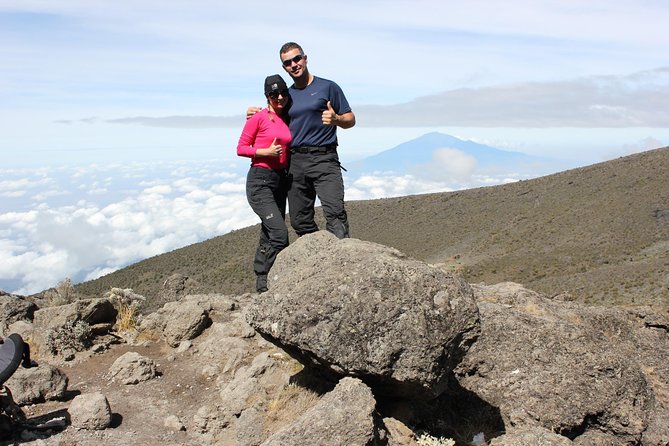
Reviewed · MARANGU ROUTE CLIMBS
Kilimanjaro Climb Marangu Route 6 days
The summit day begins before midnight. This six-day Marangu Route climb gives you a clear progression from tropical forest to alpine desert and finally the icy upper slopes of Kibo. I like the extra acclimatization day at Horombo and the private format, which lets your group move at its own pace. I also like that filtered water, hot wash water, meals, transport, park fees, and fair crew wages are built into the $2,290 price.
The main concern is the schedule. You reach Kibo Hut on Day 4, then climb to Uhuru Peak and return to Horombo Hut on Day 5. That is a long, punishing day at high altitude, even for a fit walker. The route is approachable, but this is still a serious mountain trip, not a casual hike.
In This Review
- Key points before you book
- What the $2,290 price covers
- Day 1: Marangu Gate to Mandara Hut through the forest
- Day 2: Mandara Hut to Horombo and the first high views
- Day 3: The Horombo acclimatization day at Mawenzi Ridge
- Day 4: Crossing the Saddle to Kibo Hut
- Day 5: The midnight push to Uhuru Peak
- Day 6: A long downhill walk to Marangu Gate
- The guide and crew can shape the whole climb
- Who will enjoy this Marangu climb most?
- Practical details to settle before departure
- Should you book the six-day Marangu Route?
- FAQ
- Where does the Kilimanjaro climb start and finish?
- How long is the Marangu Route experience?
- Is the tour private?
- Is an acclimatization day included?
- What meals and drinks are included?
- What is the cancellation policy?
Key points before you book
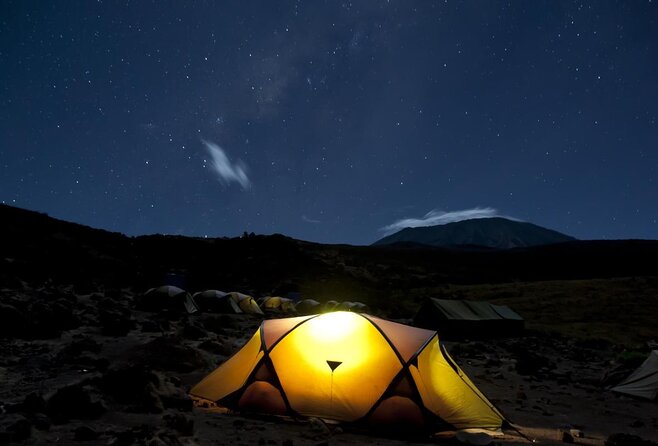
- The Marangu Route uses huts instead of tents, with overnight stops at Mandara, Horombo, and Kibo.
- Day 3 is an acclimatization day at Horombo, with a hike toward Mawenzi Ridge and a return to the same hut.
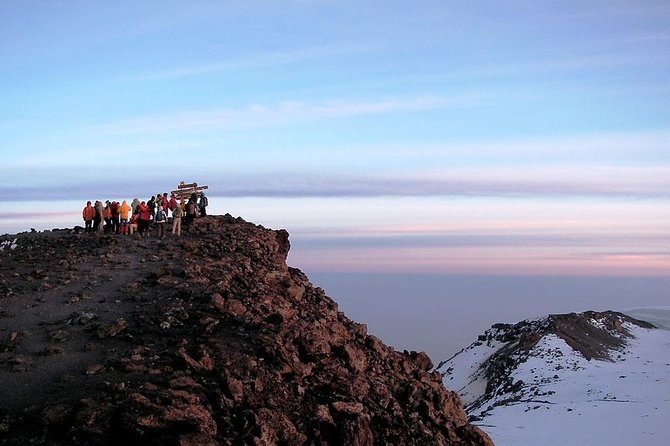
- Summit morning starts around midnight, followed by a climb to Gilman’s Point and then Uhuru Peak at 19,341 feet.
- The private tour format matters, since only your own group takes part.
- The crew receives fair wages approved by KINAPA, while meals, water, transport, and park fees are included.
- Shungu receives repeated praise for hospitality and respectful teamwork, a useful sign for anyone weighing the human side of a guided climb.
What the $2,290 price covers
At $2,290 per person, this is not a budget walk, but the price includes many of the costly basics. You get private transportation, all fees and taxes, filtered water throughout the trek, hot water for washing, six lunches, five breakfasts, and six dinners.
The package also includes fair wages for the mountain crew as approved by the Kilimanjaro National Park Authority. That point matters. A climb is not only about reaching the summit. It also depends on porters, cooks, guides, and support staff who make the route possible. Knowing that crew pay is part of the arrangement gives the price more weight than a simple day-by-day cost comparison.
You still need to pay for flights, visas, insurance, personal trekking gear, personal expenses, and alcoholic or non-alcoholic drinks. Those exclusions can add up quickly, so I would price your boots, warm layers, gloves, headlamp, insurance, and other equipment before calling the trip affordable.
The private setup also changes the value. You are not joining a large mixed group. Your own party participates, and the climb starts and ends with transport from Moshi. If you value personal attention and do not want to adjust to strangers, that is a useful benefit.
More Kilimanjaro climbs:
- Kilimanjaro climb by Lemosho Route (7-day)
★ 5.0 · 651 reviews - Kilimanjaro climb, Machame Route (7-day)
★ 5.0 · 262 reviews - Kilimanjaro Climbing Lemosho Route 8 Days.
★ 5.0 · 186 reviews
Day 1: Marangu Gate to Mandara Hut through the forest
The climb begins with a drive from Moshi to Marangu Gate. Park formalities come first, so you should expect the morning to include registration and other required steps before your boots hit the trail.
The route then enters tropical rain forest. This first day covers about 8 kilometers, or 5 miles, and climbs from 6,046 feet to 8,858 feet. The walking time is listed at four to five hours, which makes it a reasonable introduction to the mountain.
The forest is a good reminder that Kilimanjaro is not just a high, gray volcano. The lower slopes are leafy and humid, and blue monkeys may appear near the upper edge of the forest. As the path opens, you get wider views of the hillsides before reaching Mandara Hut.
I like this opening because it gives you a steady start without throwing you straight into thin air. The drawback is that the route can feel deceptively easy here. A comfortable first day does not tell you how your body will respond above 12,000 feet.
Day 2: Mandara Hut to Horombo and the first high views
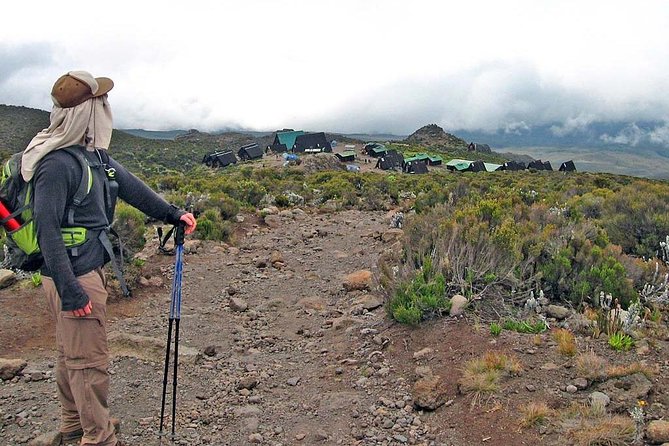
Day 2 is longer. You walk about 12 kilometers, or 7 miles, for six to eight hours, rising from 8,858 feet to 12,205 feet. The forest gradually gives way to heath and high moorland.
This is where the mountain begins to feel more open and exposed. You may get your first views of Kibo and Mawenzi, two of Kilimanjaro’s three volcanic peaks. Kibo is the main summit, while Mawenzi has a sharper, more broken profile.
Horombo Hut is important because you will spend both the second and third nights here. That repeated night is not wasted time. It lets your body adjust to altitude without forcing you to gain height every day.
Take the pace seriously. The route description calls for a moderate level of fitness, but altitude can affect a strong walker just as easily as a less experienced one. Walking slowly, drinking the provided water, and keeping your energy for the days ahead make more sense than trying to prove your speed early.
Day 3: The Horombo acclimatization day at Mawenzi Ridge
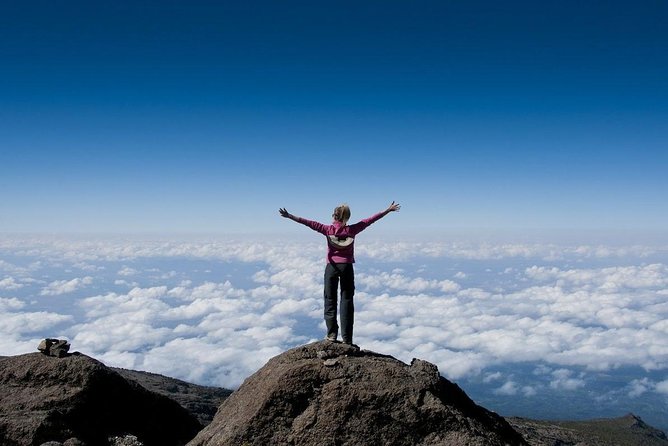
The extra day at Horombo is one of the best features of this plan. You hike toward Mawenzi Ridge, reaching about 14,400 feet before returning to Horombo Hut. The outward walk covers roughly 5 kilometers, or 3 miles, and takes two to three hours. The return takes another one to two hours.
This day gives you a controlled test of the altitude. You gain height during the day, spend time around Mawenzi, and then sleep again at the lower Horombo elevation. The views toward Kibo and Mawenzi add a strong visual reward, but the main purpose is preparation for summit night.
I would not treat this as an optional sightseeing walk. It is the part of the schedule that gives the six-day trip a better rhythm than a faster five-day version. An extra acclimatization day cannot guarantee a summit, but removing it would make the climb harder.
You should still conserve energy. The route returns to Horombo, but Day 4 is a long crossing to Kibo Hut, and Day 5 is much tougher. Use the afternoon to rest rather than turning every available hour into another hike.
More Marangu Route climbs:
- Kilimanjaro climb, Marangu route (6-day)
★ 5.0 · 72 reviews - Climbing Kilimanjaro – Marangu Route
★ 5.0 · 65 reviews - Kilimanjaro Climbing 5 days Marangu route
★ 5.0 · 22 reviews - Best Kilimanjaro Adventures 6 Days Marangu Route Experience
★ 5.0 · 18 reviews
Day 4: Crossing the Saddle to Kibo Hut
From Horombo, the trail climbs from 12,205 feet to 15,430 feet. The distance is about 10 kilometers, or 6 miles, and the walk takes six to eight hours.
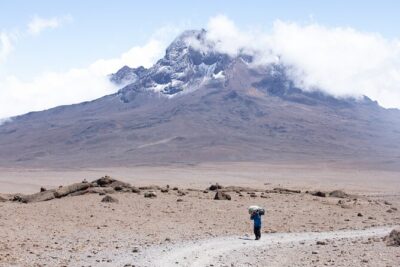
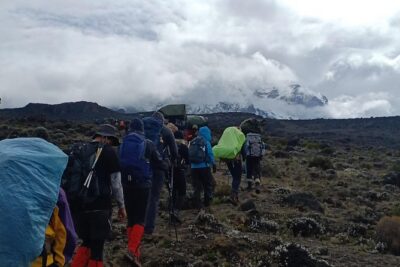
The scenery changes again as you cross the Saddle, the high-altitude desert between Mawenzi and Kibo. The plant life drops away, and the open ground gives the day a stark, almost lunar feel. Mawenzi looks craggy to one side, while Kibo rises as the main summit ahead.
Kibo Hut sits at the bottom of Kibo’s crater wall. The arrival is a practical milestone, but not a finish line. You eat an early dinner, rest, and prepare for a midnight start.
This is when the schedule can feel severe. You have already climbed for four days, yet the hardest walking is still ahead. Kibo Hut’s high elevation may also make sleep difficult. The best approach is to follow the guide’s timing, eat what you can, and keep your summit clothing and gear ready before lying down.
Day 5: The midnight push to Uhuru Peak
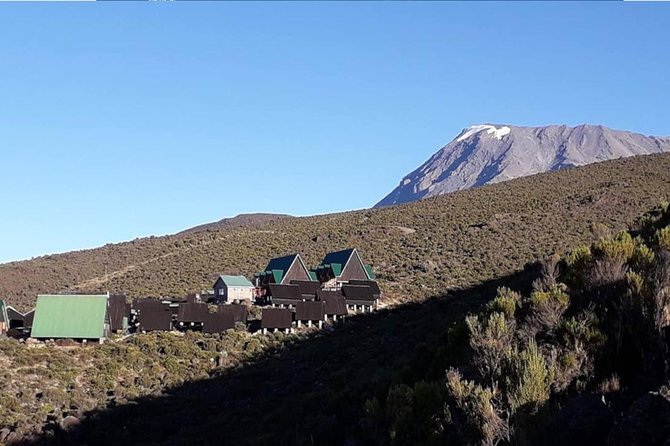
Day 5 is the defining test. You begin around midnight and climb from Kibo Hut at 15,430 feet to Uhuru Peak at 19,341 feet. The ascent covers about 6 kilometers, or 4 miles, and takes six to eight hours.
The route climbs in darkness over steep scree. The surface is easier when frozen, which explains the early start. You take frequent but short breaks, since long stops can make the cold harder to manage.
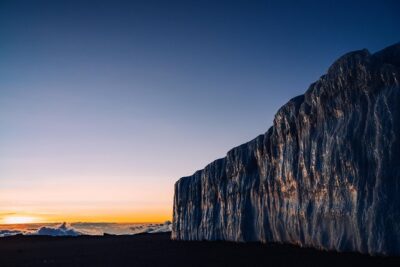
At about 18,600 feet, you reach Gilman’s Point on the crater rim. The sunrise views from here can be spectacular, and this may be the emotional high point even before you reach Uhuru Peak. Uhuru lies just above, so the final section adds distance after you have already spent hours climbing.
The cold and wind can be extreme. You need personal trekking gear suited to those conditions, and that gear is not included in the price. The supplied details do not list specific equipment requirements, so you should ask the operator for a current packing list before departure.
After the summit, you descend to Horombo Hut. The return covers about 16 kilometers, or 10 miles, and takes another four to five hours. In total, the day is listed at about 11 hours, though actual timing can vary with pace, conditions, and time spent at the summit.
This is the point where the six-day route earns its reputation as a demanding trip. Reaching the top is only half of the day. You still need to descend scree, regain easier ground, and walk all the way back to Horombo.
Day 6: A long downhill walk to Marangu Gate
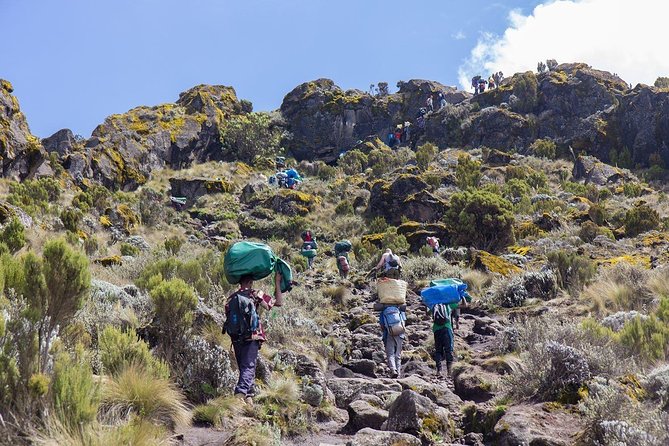
The final day drops from Horombo at about 12,205 feet to Marangu Gate at 6,046 feet. You walk about 20 kilometers, or 12 miles, mostly downhill through the rain forest. The expected time is five to seven hours.
Downhill walking sounds easy after a summit, but tired legs and sore knees may disagree. Trekking poles can be useful, though personal gear is your responsibility. The forest also brings a welcome change after the exposed upper mountain.
At Marangu Gate, you collect summit certificates. A vehicle then takes you back to your hotel in Moshi, and the activity ends at the original meeting point.
The transport connection is convenient after such a long day. You do not need to arrange a separate ride from the gate, which is one less task when your attention is focused on food, a shower, and sleep.
The guide and crew can shape the whole climb
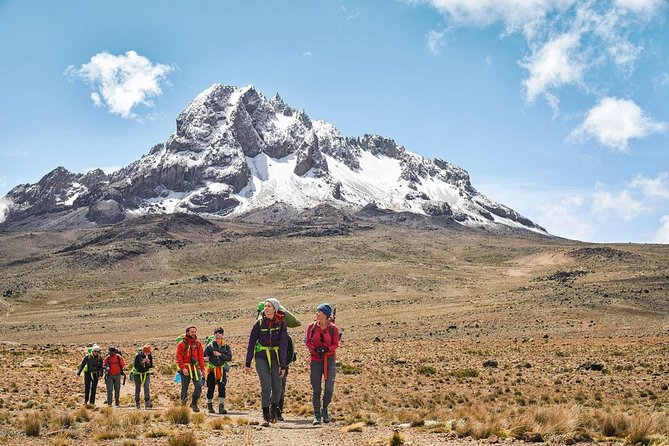
The strongest personal detail connected with this experience is Shungu, who is repeatedly associated with the climb and praised for hospitality, organization, and respectful treatment of the mountain crew.
That matters more than polished sales language. On a six-day climb, you spend much of your time with the guide team. A guide who keeps the group cooperating and respects the people working on the mountain can change the feel of the entire trip.
The feedback also describes the crew as close and supportive, with long-standing friendships among team members. You should not treat that as a promise of a particular group dynamic, but it does give you a useful question to ask before booking: who will lead your climb, and how large will the support team be?
Since the tour is private, your group is the only group participating. Ask how that affects pacing, guide contact, and daily decisions. A small private party may feel more personal, but you should still be ready for the mountain schedule to control the day.
Who will enjoy this Marangu climb most?
I would recommend this trip to a fit person who already walks regularly and is comfortable with long days in mountain areas. You do not need to be an elite athlete, but you do need patience, stamina, and a willingness to move slowly.
The route suits you if you want:
- A six-day plan with an added acclimatization day
- Hut accommodation rather than a tent-based format
- A private climb for your own group
- A route with several distinct environments
- Meals, water, transport, park fees, and crew wages included
- A summit attempt with an early start from Kibo Hut
I would be cautious if you dislike cold, early mornings, steep scree, or long downhill walks. The climb is also a poor fit if you expect a relaxed sightseeing tour. The gentle pace on the lower trail does not change the seriousness of the summit day.
Practical details to settle before departure
Pickup is offered from Moshi, Tanzania, and the experience ends back at the meeting point after transport from Marangu Gate. Confirmation is provided when you book.
The activity requires a moderate level of physical fitness. That phrase should not be read as a promise that the climb will feel moderate. The itinerary includes a 19,341-foot summit, a midnight departure, and an 11-hour summit-day schedule.
Bring your own personal trekking equipment, and confirm exactly what the operator recommends. Drinks are not included, so plan for those costs. Filtered water is provided throughout the trek, which reduces the need to manage your full water supply alone.
The cancellation terms are simple: you can receive a full refund if you cancel at least 24 hours before the local start time. Cancellations or changes made within 24 hours are not refunded or accepted.
Should you book the six-day Marangu Route?
I would book this climb if you want a private Kilimanjaro experience with a built-in acclimatization day and a broad range of scenery. The forest, heath, Saddle, crater wall, and summit give you a real sense of the mountain’s changing conditions. The included food, water, transport, fees, hot wash water, and crew wages also make the $2,290 price easier to justify.
I would not choose it if you want a gentle holiday or a short summit effort. Day 5 is very demanding, and Day 6 is still a long walk after the summit. Before paying, confirm the equipment list, guide arrangement, and exact plan for your group.
For a fit walker who values personal service, fair crew treatment, and a slower altitude schedule, this is a serious but sensible way to approach Kilimanjaro.
FAQ
Where does the Kilimanjaro climb start and finish?
The climb starts from Moshi Urban, Tanzania. After you return to Marangu Gate on Day 6, private transport takes you back to your hotel in Moshi, and the activity ends at the meeting point.
How long is the Marangu Route experience?
The experience lasts approximately six days. The daily walking times range from about two hours on the acclimatization hike to around 11 hours on summit day.
Is the tour private?
Yes. Only your own group participates in the activity.
Is an acclimatization day included?
Yes. Day 3 is an acclimatization day at Horombo Hut, with a hike toward Mawenzi Ridge and a return to Horombo.
What meals and drinks are included?
Six lunches, five breakfasts, six dinners, and filtered water throughout the trek are included. Alcoholic and non-alcoholic drinks are not included.
What is the cancellation policy?
You can cancel at least 24 hours before the experience start time for a full refund. Cancellations and changes made less than 24 hours before the start are not accepted, and the amount paid is not refunded.
Just added in Moshi
- Zanzibar: Stone Town tour and Nakupenda beach with Lunch★ 5.0 · 1 review
- day trip lake manyara★ 5.0 · 2 reviews
- Mt Kilimanjaro 6 days Marangu route hike★ 5.0 · 3 reviews
- machame route★ 5.0 · 16 reviews
- Private Cycle to Kilimanjaro Bike Park Safari★ 5.0 · 6 reviews
- West Kilimanjaro cycling Adventures★ 4.5 · 8 reviews
- Wildlife Extravaganza: Manyara, Tarangire & Ngorongoro in 3 Days★ 5.0 · 3 reviews
- 3 Days Private E-Bike Tour in West Kilimanjaro★ 5.0 · 3 reviews
Marangu Route Climbs, compared.
Private Full Day Hiking Experience to Marangu Route
Read our review →
From Arusha/Moshi: Kilimanjaro Hike Marangu Route Day Trip
Read our review →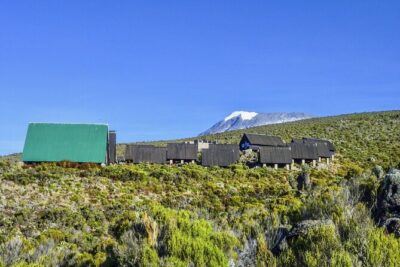
Mount Kilimanjaro Day Hike Through Marangu Route to Mandara Hut
Read our review →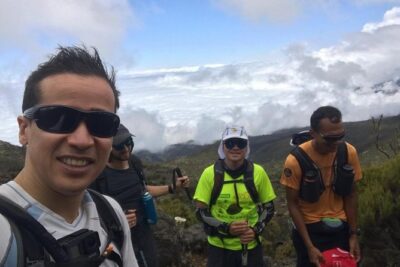
Best Kilimanjaro Adventures 6 Days Marangu Route Experience
Read our review →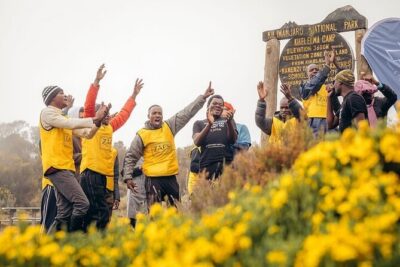
Kilimanjaro Private Climbing in 6 Days Marangu Route
Read our review →Browse the lists this tour appears in