
Reviewed · MARANGU ROUTE CLIMBS
Kilimanjaro Climb • Marangu Route ~ 9 Day
Reach the roof of Africa one careful step at a time. Tusker Trail’s Marangu Route climb pairs a gentler hut-based setup with two nights in Moshi, a planned acclimatization day, medical-focused guides, and a strong record of summit success. I like the extra night at Horombo Hut, which gives your body more time to adjust, and I like the serious attention to crew welfare, including higher pay, pensions, and medical benefits. The main drawback is the price: at $5,699 per person, this is a premium climb, and equipment rental is not included.
This is a demanding mountain trip, not a sightseeing walk with a dramatic final photo. You sleep in shared huts, hike for several hours most days, and begin the summit push around midnight. The group is limited to 16 people, which should make guide contact and safety checks more manageable, though the Marangu Route can still feel social rather than remote because hut facilities are shared.
In This Review
- Key points before you book
- Two quiet days in Moshi before the mountain
- Marangu Gate to Mandara Hut: forest, huts, and colobus monkeys
- Horombo Hut: the schedule’s smartest decision
- Across the Kibo Saddle to Kibo Hut
- Summit night: Gillman’s Point and Uhuru Peak
- Back through the forest and into Moshi
- What the $5,699 price gets you
- The Marangu Route tradeoffs
- Who will get the most from this climb
- Should you book Tusker’s Marangu climb?
- FAQ
- Where does the Kilimanjaro climb begin?
- How long is the experience?
- What route does the climb use?
- How many nights do you spend in Moshi before climbing?
- Where do you sleep on the mountain?
- Is there an acclimatization day?
- How high is Uhuru Peak?
- What time does the summit climb begin?
- Are meals included?
- Is equipment rental included?
- What is the maximum group size?
- Can you cancel for a full refund?
Key points before you book
- Two nights in Moshi: You get time for a gear check, climb briefing, and introductions before walking uphill.
- A planned acclimatization day: The extra night at Horombo includes a short hike and a relaxed afternoon back at camp.
- Shared mountain huts: You sleep indoors rather than in tents, with running water and toilets at Mandara Hut.
- A midnight summit attempt: The hardest section begins before dawn, with the goal of reaching Uhuru Peak at 19,340 feet.
- Specialist mountain support: Tusker highlights altitude medical training for its guides and chefs trained at the Culinary Institute of America.
- A premium price with meals included: Eight breakfasts, eight lunches, and seven dinners are covered, but gear rental is extra.
Two quiet days in Moshi before the mountain
Your climb starts in Moshi, a useful base below Kilimanjaro. The first day is deliberately easy. You arrive, settle into a family-owned hotel, and rest rather than rush into mountain mode. That matters after a long journey, especially because the climb itself begins with a sustained series of walking days.
The second day gives the trip some structure. You meet your guides, attend a detailed climb orientation, and go through your equipment. I consider this one of the better features of the schedule. A gear check is not glamorous, but it can catch problems before you are high on the mountain with cold nights and no convenient shop nearby.
Tusker’s staff structure is also worth noting. The company was founded by Eddie Frank, who has led 52 Kilimanjaro climbs and has operated in adventure travel for 43 years. The mountain leaders named in the supplied trip material include Urio and Pastorey, while Julian is part of the Moshi operation. Past climbing feedback specifically praised the warmth, professionalism, safety focus, and personal attention of the team.
The company says it gives its mountain crew high pay, pensions, and medical benefits for workers and their families. It also supports community work with the local Lions Club, including a school for deaf children. Those details do not make the ascent easier, but they do give you a better sense of where your money goes.
More Kilimanjaro climbs:
- Kilimanjaro climb by Lemosho Route (7-day)
★ 5.0 · 651 reviews - Kilimanjaro climb, Machame Route (7-day)
★ 5.0 · 262 reviews - Kilimanjaro Climbing Lemosho Route 8 Days.
★ 5.0 · 186 reviews
Marangu Gate to Mandara Hut: forest, huts, and colobus monkeys
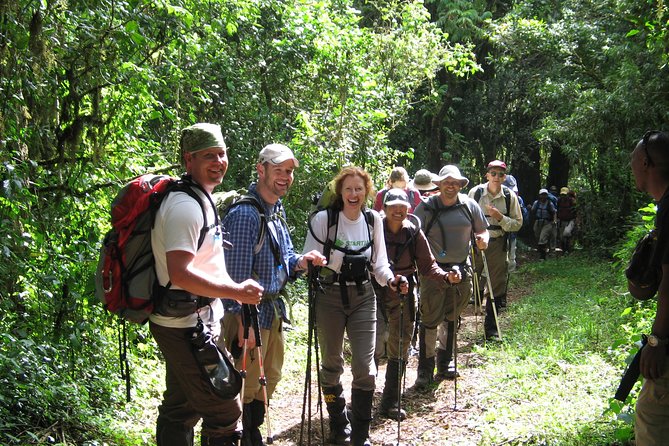
On day three, you drive from Moshi to Marangu Park Gate and begin walking through Kilimanjaro’s montane forest. The first hike takes about four to five hours and leads to Mandara Hut.
This is a pleasant opening to the climb. The forest offers shade and a softer introduction than the barren upper mountain. Look into the trees for black-and-white colobus monkeys, a memorable detail that can make the first day feel like more than a simple transfer from gate to camp.
Mandara is a group of mountain huts shared with other climbing parties. The huts have running water and toilets, and meals are served in a common dining area. That setup is a major reason to choose Marangu. You are not sleeping in a tent, and you have a fixed place to eat and rest each night.
The tradeoff is privacy. Shared huts and a common dining room mean you will be part of a larger mountain community, even though Tusker’s own group can have no more than 16 people. If you want a quieter route with more time alone, this may not be your ideal Kilimanjaro option.
The day’s listed walking time is about three hours in the schedule, although the description also gives four to five hours for the hike. Treat the timing as approximate. Mountain pace, trail conditions, and group rhythm can all affect the day.
Horombo Hut: the schedule’s smartest decision
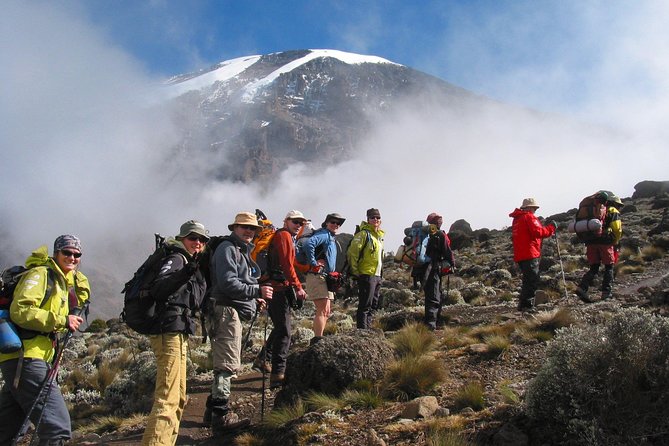
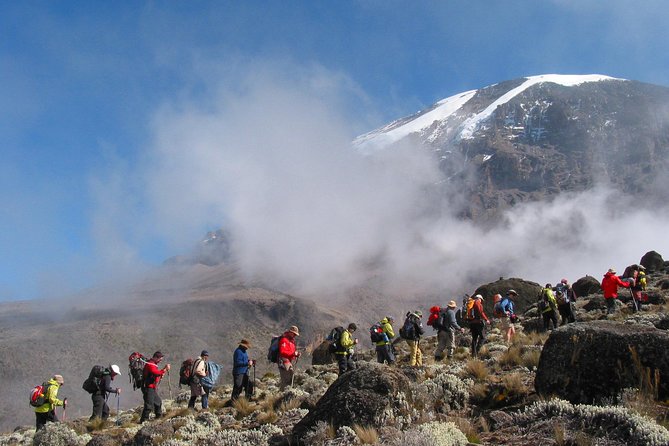
Day four leaves the forest behind and enters the heath and moorland zone. The vegetation thins, the air changes, and you get your first views of Mawenzi and Kibo, Kilimanjaro’s two major peaks.
The walk to Horombo Hut is listed at about eight hours. That is a long day, but it also gives you a gradual transition into higher ground. Horombo sits at 12,340 feet, and the views become part of the reward. You can relax at camp while the cooks prepare dinner, rather than having to worry about organizing food after a full day on the trail.
Day five is the key acclimatization day. You take a shorter hike to gain some additional height, then return to Horombo for lunch and a restful afternoon. This is exactly the kind of pacing I want on a high-altitude climb. You are not simply racing upward, sleeping briefly, and hoping your body catches up.
The extra night also gives the guides more time to watch how you are handling altitude. One past climber developed a headache early in the trip, and the company response emphasized its medical safety procedures and careful attention. That does not remove the risks of altitude, but it points to an important part of the operation: safety comes before the summit photo.
Tusker advertises a 99 percent summit success rate. That is a company figure rather than a guarantee, and your result will still depend on health, weather, pace, and how your body reacts. Still, the acclimatization plan helps explain why the operator can make such a strong claim.
Across the Kibo Saddle to Kibo Hut
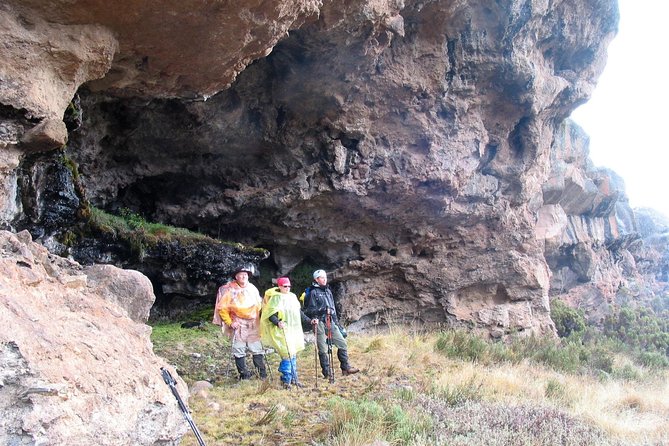
After breakfast on day six, you enter the Alpine desert zone. The route crosses the barren Kibo Saddle between Mawenzi and Kibo Peaks, then climbs toward Kibo Hut on Kibo’s slopes.
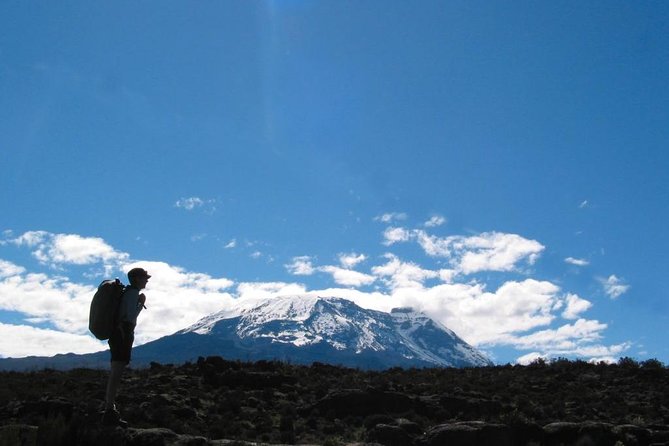
This is where Kilimanjaro begins to feel stark and serious. The forest is far below, vegetation is sparse, and the open ground gives you broad views across the mountain. On a clear day, you may spot Gillman’s Point on the crater rim. Seeing that landmark in advance can help you understand what the summit night will demand.
The day is listed at about seven hours. You reach Kibo around mid-afternoon, then rest, eat dinner, and prepare for the midnight climb. That long break is practical. You need to save energy for the steepest and coldest section of the trip.
Kibo Hut is the last overnight stop before Uhuru Peak. The schedule leaves little room for a normal night’s sleep. You eat early, rest as much as possible, and wake just before midnight for hot tea and snacks.
The supplied details do not specify the exact hut arrangements at Kibo, so you should ask Tusker what sleeping conditions and personal equipment are required there. You should also confirm the current packing list, since equipment rental is not part of the $5,699 price.
More Marangu Route climbs:
- Kilimanjaro climb, Marangu route (6-day)
★ 5.0 · 72 reviews - Climbing Kilimanjaro – Marangu Route
★ 5.0 · 65 reviews - Kilimanjaro Climbing 5 days Marangu route
★ 5.0 · 22 reviews - Best Kilimanjaro Adventures 6 Days Marangu Route Experience
★ 5.0 · 18 reviews
Summit night: Gillman’s Point and Uhuru Peak
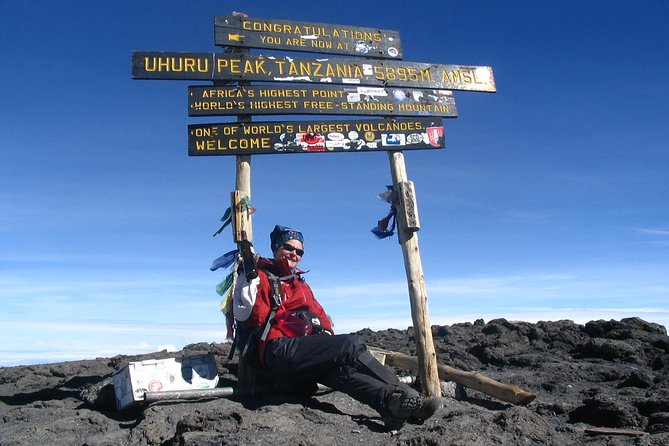
The summit attempt begins around midnight. Your guide wakes you with hot tea and snacks, then you start up through rocky outcrops and scree.
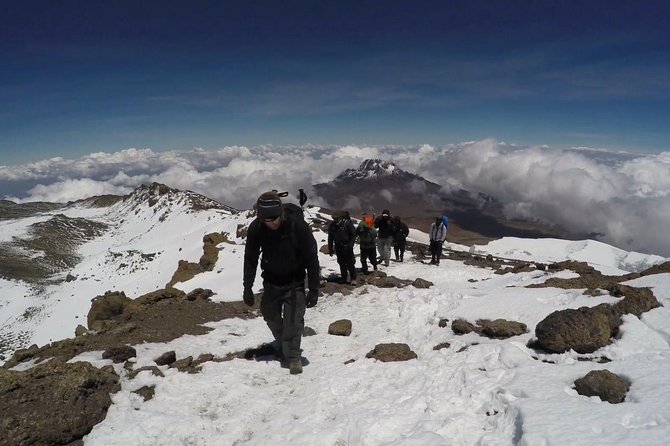
This is the toughest part of the climb. The slow pace is intentional. You work upward in the dark, with sunrise views opening over Mawenzi, the Kibo Saddle, and the plains below. The schedule lists the summit portion at about five hours, but the full experience includes the early start, the ascent to the crater rim, the walk to Uhuru Peak, and the descent toward Horombo.
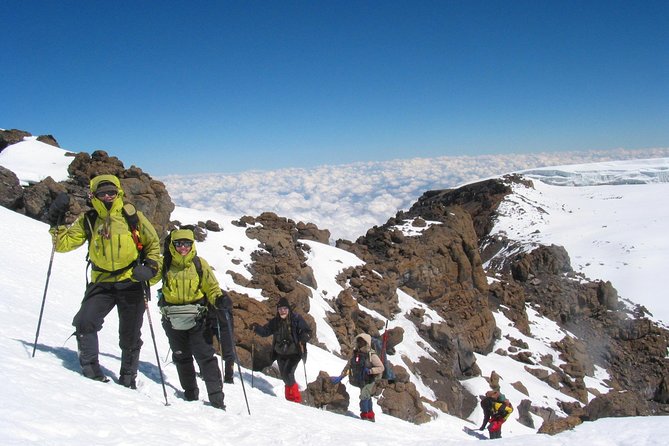
Gillman’s Point marks the crater rim and signals that the hardest climbing is behind you. From there, the route continues for roughly two hours to Uhuru Peak, the highest point on Kilimanjaro at 19,340 feet, or 5,895 meters.
Reaching Uhuru is the obvious goal, but I would judge this day by more than the final sign. Altitude, cold, fatigue, and the loose surface can make every short section feel long. The value of a good guide team is clearest here. The company’s first stated priority is safety, with summiting second, and that is the right order.
After celebrating at the summit, you head back down toward Horombo Hut for the night. The descent is not an afterthought. It is a long, tiring return after the biggest effort of the trip, so you should expect to feel worn out even though the climbing direction is now downhill.
The itinerary lists the distance from the summit to Horombo as 12.7 miles, or 20.5 kilometers. That is a substantial post-summit day, and it is one reason the overall trip should not be underestimated.
Back through the forest and into Moshi
On day eight, you eat breakfast and descend past Mandara Hut to the national park gate. The listed hiking time is about four hours, followed by a 90-minute drive back to Moshi.
The forest feels different on the way down. You now know what lies above it, and the return to trees, softer air, and more familiar surroundings can feel almost festive. Tusker vehicles meet the group at the gate and take you to the hotel for a shower and a final climb celebration.
That shower is a small but very welcome reward after the summit push. You also have a chance to rest properly, contact family, and look back on the route before leaving Tanzania.
Day nine is departure day. You can leave Tanzania or continue with a safari in the country’s wildlife reserves. Tusker has operated East African safaris since 1983, so a safari extension fits naturally with this trip. The supplied schedule mentions safari possibilities but does not include a specific park, length, or price, so you would need to arrange those details separately.
What the $5,699 price gets you
At $5,699 per person, this is not a budget Kilimanjaro climb. The price is easier to understand when you look at what the operator emphasizes: two hotel nights before the climb, mountain transport, guides, cooks, shared hut accommodation, the extra acclimatization day, and meals throughout the route.
The included food covers eight breakfasts, eight lunches, and seven dinners. Tusker describes its mountain chefs as trained at the Culinary Institute of America and calls the menu adventure cuisine. That is more than a marketing detail on a multiday climb. Food becomes fuel, morale, and routine when you are hiking for hours each day.
The package does not include equipment or gear rental. That can add a meaningful cost if you do not already own suitable mountain clothing and equipment. Ask for a full gear list before booking, then price the missing items rather than assuming the advertised fare is the complete cost of the trip.
You are also paying for a smaller operation with a maximum of 16 climbers, altitude medical training for guides, and a long-running support system in Tanzania. I would not book on the 99 percent success claim alone, but the schedule, safety emphasis, and staff benefits make the premium easier to justify for someone who values organization and close support.
The Marangu Route tradeoffs
Marangu is often chosen for its hut accommodation. That is its clearest advantage here. You avoid carrying or sleeping in a tent, and Mandara has running water and toilets.
The route also offers a varied progression: forest, heath and moorland, Alpine desert, then the bare slopes of Kibo. The extra night at Horombo improves the pacing and gives you more time to adapt.
The less appealing side is that the route uses shared huts and common dining areas. You will meet climbers from other groups and share facilities. Some people enjoy that international mountain atmosphere. Others prefer a quieter route and tented camps.
The schedule is also physically demanding despite its careful design. The summit day and descent to Horombo are especially serious. Most travelers can participate according to the supplied information, but that should not be confused with an easy fitness level. You should be ready for several hours of walking on consecutive days and a midnight summit start.
One important booking detail needs clarification. The experience is presented as a nine-day climb, but the opening instruction says to check the calendar for an open 12-day trip start date. Confirm the exact departure date and trip length with Tusker before paying. The provided meeting time is listed as 12:00 am, which also deserves clarification because the schedule begins with arrival and hotel check-in in Moshi.
Who will get the most from this climb
I would consider this trip a good fit if you want a structured Kilimanjaro climb, prefer huts to tents, and value a deliberate acclimatization plan. It also suits you if you want a known operator with long experience in Tanzania and a strong focus on guide training and crew welfare.
It is less suitable if you need private accommodation, dislike shared facilities, or want a low-cost ascent. You should also think carefully before booking if you are not prepared for the midnight summit push and the long descent back to Horombo.
The group cap of 16 is a useful middle ground. It is large enough to provide a social atmosphere, but smaller than a mass-market departure. Ask how many people are expected on your specific date, since the maximum is not the same as the usual group size.
Free cancellation is available if you cancel at least 24 hours before the local start time. Changes or cancellations inside that window are not accepted for a refund. That is a useful safety net while you confirm dates, equipment, and the possible nine-day versus 12-day schedule.
Should you book Tusker’s Marangu climb?
I would book this climb if you want the comfort of mountain huts, strong pre-climb preparation, and a full extra day for acclimatization. The personal attention associated with guides such as Urio and Pastorey, the safety-first approach, the included meals, and the company’s support for its crew all add real value.
I would pause if the $5,699 fare is already stretching your budget, because gear rental is extra and a safari extension costs more. I would also ask for firm answers about the exact departure length, meeting time, group size, Kibo sleeping arrangements, and current equipment list.
For the right climber, this is a carefully supported route with a sensible pace and a hut-based finish. You still have to earn Uhuru Peak the hard way, but the trip does a good job of giving you the time, food, guides, and structure needed to make that effort worthwhile.
FAQ
Where does the Kilimanjaro climb begin?
The experience begins in Moshi, Tanzania, where you stay at a family-owned hotel and prepare for the climb.
How long is the experience?
The tour is presented as an approximately nine-day experience. The opening information also refers to checking the calendar for an open 12-day trip start date, so confirm the exact length for your chosen departure.
What route does the climb use?
The climb follows the Marangu Route on Mount Kilimanjaro.
How many nights do you spend in Moshi before climbing?
You spend two nights in Moshi before starting the mountain hike.
Where do you sleep on the mountain?
You stay in shared mountain huts. Mandara Hut has running water and toilets, and meals are served in a common dining area.
Is there an acclimatization day?
Yes. You spend two nights at Horombo Hut, with a short acclimatization hike on the extra day and a return to Horombo for lunch and an afternoon of rest.
How high is Uhuru Peak?
Uhuru Peak is listed at 19,340 feet, or 5,895 meters.
What time does the summit climb begin?
The summit push begins around midnight. Your guide wakes you just before midnight with hot tea and snacks.
Are meals included?
Yes. The package includes eight breakfasts, eight lunches, and seven dinners.
Is equipment rental included?
No. Equipment and gear rental are not included in the price.
What is the maximum group size?
The maximum is 16 climbers.
Can you cancel for a full refund?
Yes, if you cancel at least 24 hours before the experience’s local start time. Cancellations or changes made less than 24 hours before the start are not refunded or accepted.
Just added in Moshi
- Zanzibar: Stone Town tour and Nakupenda beach with Lunch★ 5.0 · 1 review
- day trip lake manyara★ 5.0 · 2 reviews
- Mt Kilimanjaro 6 days Marangu route hike★ 5.0 · 3 reviews
- machame route★ 5.0 · 16 reviews
- Private Cycle to Kilimanjaro Bike Park Safari★ 5.0 · 6 reviews
- West Kilimanjaro cycling Adventures★ 4.5 · 8 reviews
- Wildlife Extravaganza: Manyara, Tarangire & Ngorongoro in 3 Days★ 5.0 · 3 reviews
- 3 Days Private E-Bike Tour in West Kilimanjaro★ 5.0 · 3 reviews
Marangu Route Climbs, compared.


Private Full Day Hiking Experience to Marangu Route
Read our review →
From Arusha/Moshi: Kilimanjaro Hike Marangu Route Day Trip
Read our review →
Mount Kilimanjaro Day Hike Through Marangu Route to Mandara Hut
Read our review →
Best Kilimanjaro Adventures 6 Days Marangu Route Experience
Read our review →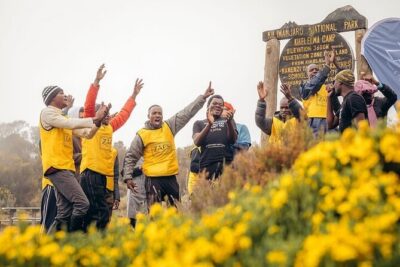
Kilimanjaro Private Climbing in 6 Days Marangu Route
Read our review →Browse the lists this tour appears in