
Reviewed · MARANGU ROUTE CLIMBS
Kilimanjaro: Join tour 6-Days Kili Trip via Marangu Route
The mountain saves its best view for dawn. This six-day Kilimanjaro trek follows the Marangu Route, taking you from Moshi through rainforest, alpine meadows, and the stark high-altitude saddle between Kibo and Mawenzi. I like the hut accommodation, which removes the need to sleep in a tent, and I like the built-in acclimatization walk to Zebra Rocks. The main concern is the schedule: summit day is long, cold, and physically demanding, so you need to arrive rested and prepared.
I also like that the $1,820 price includes park permits, meals, transport, a mountain crew, treated water, oxygen, and emergency equipment. Kili Trips has earned a five-star account from Jonty of Australia, who praised the company for supplying what he needed and providing strong customer care. Still, this is a serious climb, not a casual nature walk, and the included package does not cover your personal trekking equipment, travel insurance, or visa.
In This Review
- Key Points To Know Before Booking
- Starting at Marangu Gate at 1,800 Meters
- Day Two: Mandara Huts to Horombo at 3,780 Meters
- Day Three: Zebra Rocks and the Acclimatization Walk
- Day Four: Crossing the Saddle to Kibo Hut
- Day Five: Gillman’s Point and Uhuru Peak
- Day Six: Returning Through Marangu Gate
- What the $1,820 Price Covers
- What To Pack Without Overloading Yourself
- Who Will Like This Kilimanjaro Trip
- Service, Guides, and Group Size
- Should You Book the Marangu Route?
- FAQ
- How long is the Kilimanjaro Marangu Route trip?
- What is the highest point reached?
- Where do I sleep during the trek?
- Is an acclimatization day included?
- Are meals and drinking water included?
- Is transportation included?
- Which languages are available?
- What does the price not include?
- Who should not take this tour?
Key Points To Know Before Booking
- Marangu uses huts instead of tents: You sleep at Mandara, Horombo, and Kibo Huts, a useful comfort advantage at high altitude.
- The summit attempt begins before dawn: You aim for Gillman’s Point before sunrise, then continue to Uhuru Peak at 5,895 meters.
- Day three is for acclimatization: The walk to Zebra Rocks and back gives your body extra time above Horombo Hut.
- The scenery changes quickly: You pass through rainforest, giant heather, alpine meadows, high desert terrain, and a lunar-looking saddle.
- The package is well supplied: Meals, treated water, hot washing water, permits, rescue fees, porters, oxygen, and first-aid equipment are included.
- The six-day plan is demanding: Good pacing, hydration, warm clothing, and careful attention to your guide matter more than speed.
Starting at Marangu Gate at 1,800 Meters
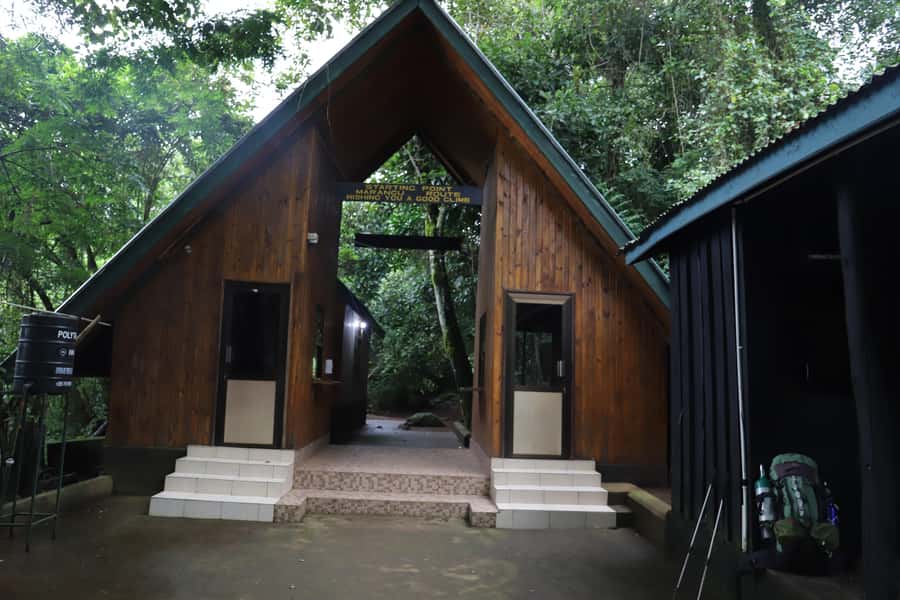
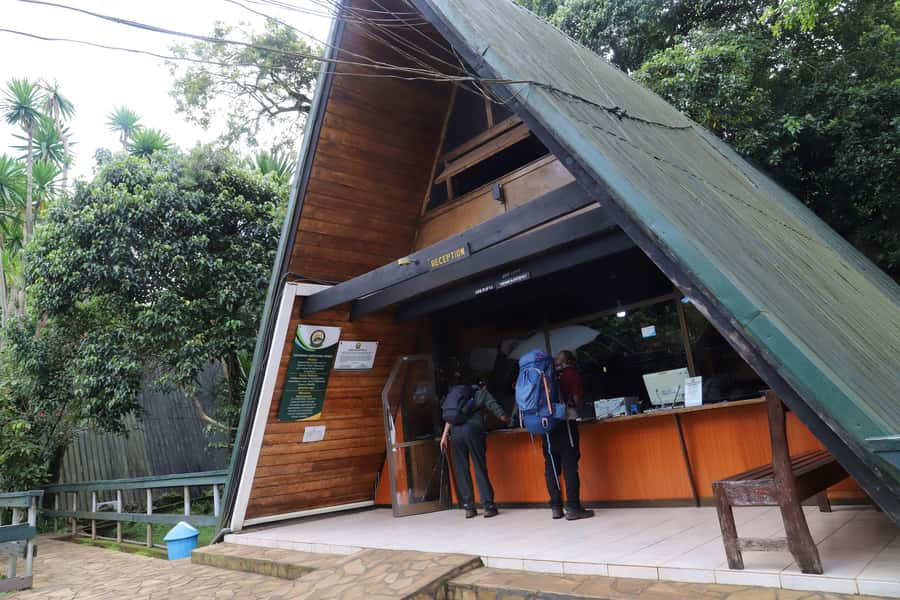
Your day begins with pickup from a hotel in Moshi. The white GetYourGuide van is scheduled to arrive 30 minutes before departure, and you should wait in the hotel lobby. The drive takes you to Marangu Gate, where permits and entry formalities take about an hour.
That first hour may feel slow when you are eager to start, but it is useful. The guide introduces the mountain crew, permits are handled, and the group gets organized before entering Kilimanjaro National Park. The operation includes English and Spanish-speaking guides, and small groups are available.
From the gate at 1,800 meters, the route enters the rainforest. This first section is a pleasant way to begin because the air is cooler and the path is shaded. The climb to Mandara Huts reaches 2,750 meters, giving you a substantial first gain in altitude without beginning with the hardest section.
You spend the night at Mandara Hut, with dinner and accommodation included. Hut sleeping is one of the route’s main practical advantages. You still need a sleeping bag and warm clothing, but you do not need to carry or sleep in a tent.
More Marangu Route climbs:
- Kilimanjaro climb, Marangu route (6-day)
★ 5.0 · 72 reviews - Climbing Kilimanjaro – Marangu Route
★ 5.0 · 65 reviews - Kilimanjaro Climbing 5 days Marangu route
★ 5.0 · 22 reviews
Day Two: Mandara Huts to Horombo at 3,780 Meters
After breakfast, the forest gives way to rolling alpine meadows. Giant heather trees add an unusual shape to the scenery, and views begin to open toward Mawenzi and Kibo, Kilimanjaro’s two major peaks.
This is a steady day rather than a race. The itinerary includes a picnic lunch along the way to Horombo Hut, so you can keep moving without waiting for a full meal stop. The gradual change in vegetation helps you notice how quickly the mountain’s climate shifts as you climb.
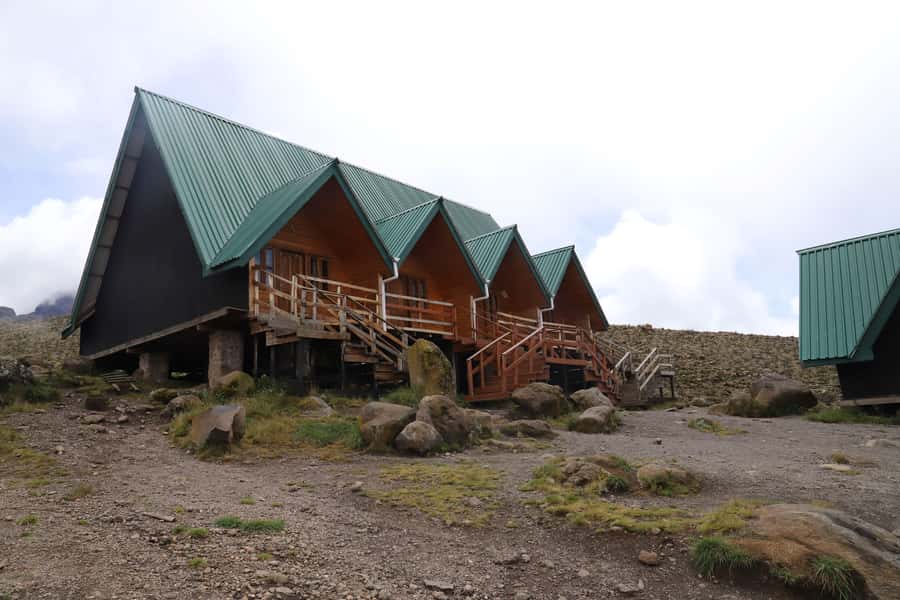
Horombo Hut sits at 3,780 meters and is an important overnight stop. You have gained altitude, but the schedule allows a useful pause before the higher camps. Dinner and sleeping arrangements are included, and the mountain crew provides hot water for washing.
That hot water is a small but welcome comfort. On a multi-day climb, being able to wash your hands and face with hot water can make you feel considerably better. It does not turn the hut into a hotel, but it makes the basic setup more manageable.
Day Three: Zebra Rocks and the Acclimatization Walk
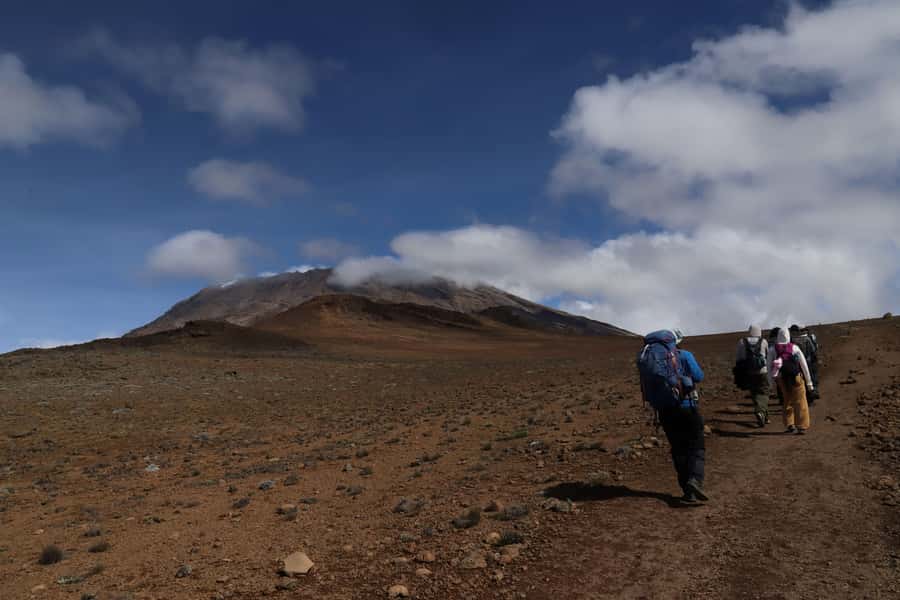
Day three is shorter and is designed to help your body adjust. After breakfast, you walk from Horombo Hut toward Zebra Rocks, a striking formation marked by black and white stripes. The route continues toward the Mawenzi Peak area before returning to Horombo for a hot lunch.
I like this part of the schedule because it follows a sensible altitude principle: climb higher during the day, then return to sleep lower. The highest point on this outing is about 3,959 meters, giving you extra time at altitude without forcing you to spend the night there.
Do not treat this as a wasted day. Acclimatization is one of the most important parts of the trip. The goal is not to cover the greatest distance but to give your body a chance to respond before Kibo Hut and the summit attempt.
Your guide’s instructions matter here. Stay hydrated, walk at a measured pace, and speak up if you feel unwell. The package includes an oximeter, portable oxygen tanks, and an emergency first-aid kit, but these are safety resources, not shortcuts around altitude preparation.
Day Four: Crossing the Saddle to Kibo Hut
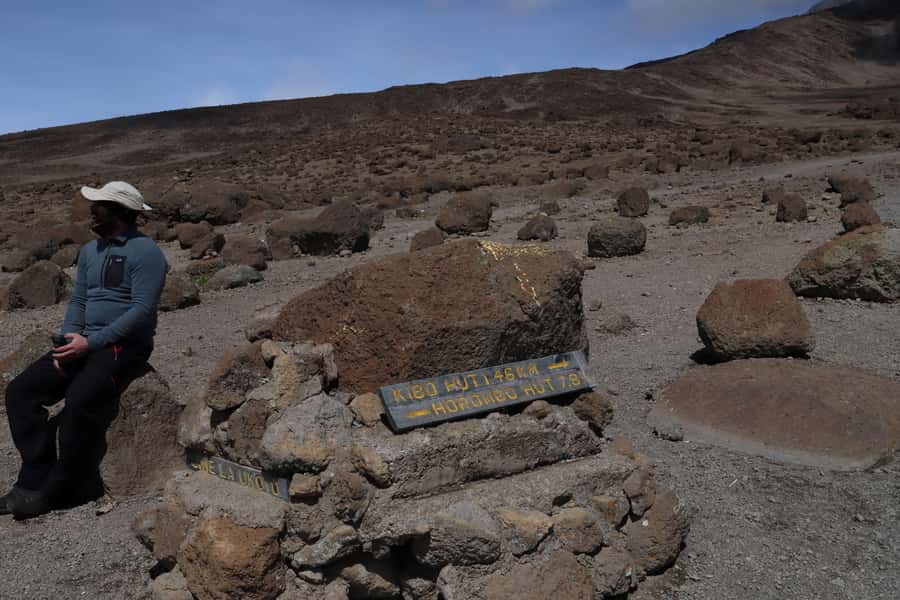
After a good night at Horombo, you head toward Kibo Hut at 4,700 meters. The route passes the cactus-like senecios and the last water stream, then opens onto the broad saddle between Kibo and Mawenzi.
This is where the scenery becomes harsher. The trees disappear, the air feels thinner, and the terrain takes on a pale, lunar quality. The saddle is exposed, so your windbreaker, thermal layers, gloves, and sun protection are important even if the morning began pleasantly.
Kibo Hut is the final overnight stop before the summit. Dinner is provided, but this is not the time for a late night. The summit attempt begins in the early hours, and you will need to rest as much as possible before leaving.
The itinerary includes a picnic lunch on the route toward Kibo, along with all meals during the trek. Drinking water is treated and filtered, and the operator says enough water is supplied throughout the climb. Even so, bring your own water container and keep drinking according to your guide’s advice.
A few more options to weigh up in Moshi
- Kilimanjaro climb by Lemosho Route (7-day)
★ 5.0 · 651 reviews - Safari Serengeti And Ngorongoro
★ 5.0 · 288 reviews - Kilimanjaro climb, Machame Route (7-day)
★ 5.0 · 262 reviews - Kilimanjaro Climbing Lemosho Route 8 Days.
★ 5.0 · 186 reviews
Day Five: Gillman’s Point and Uhuru Peak
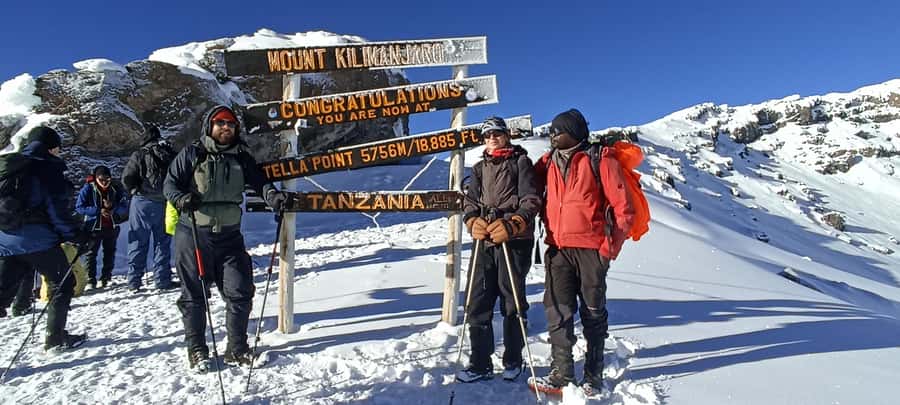
Summit day is the hardest part of the climb. You leave Kibo Hut in the early morning with the goal of reaching Gillman’s Point at 5,680 meters before dawn.
The timing is built around the sunrise. From Gillman’s Point, you can watch the first light spread across the surrounding peaks and terrain. The views are the emotional high point of the route, but the cold and altitude can make this section slow and difficult.
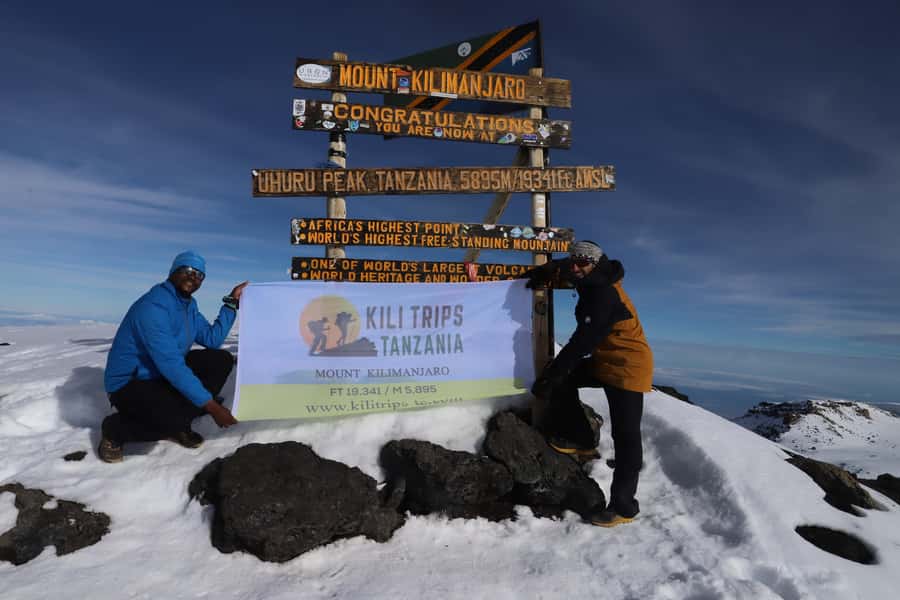
From Gillman’s Point, Uhuru Peak is about another hour on foot. At 5,895 meters, Uhuru is the highest point in Africa. Reaching it requires more than simply following a path. You need patience, warm layers, gloves, a head covering, and a willingness to move slowly.
The descent is less tiring than the ascent, but it is still a long day. After returning from the summit, you continue down to Horombo Hut for the night. Having a familiar hut available after the summit is a practical advantage. You can eat, rest, and recover before the final walk out.
Do not underestimate this day because the return route is downhill. Fatigue affects balance and concentration, and your legs may feel heavy after the summit push. Keep your daypack light, protect your camera and phone in a waterproof bag, and follow the guide’s pace.
Day Six: Returning Through Marangu Gate
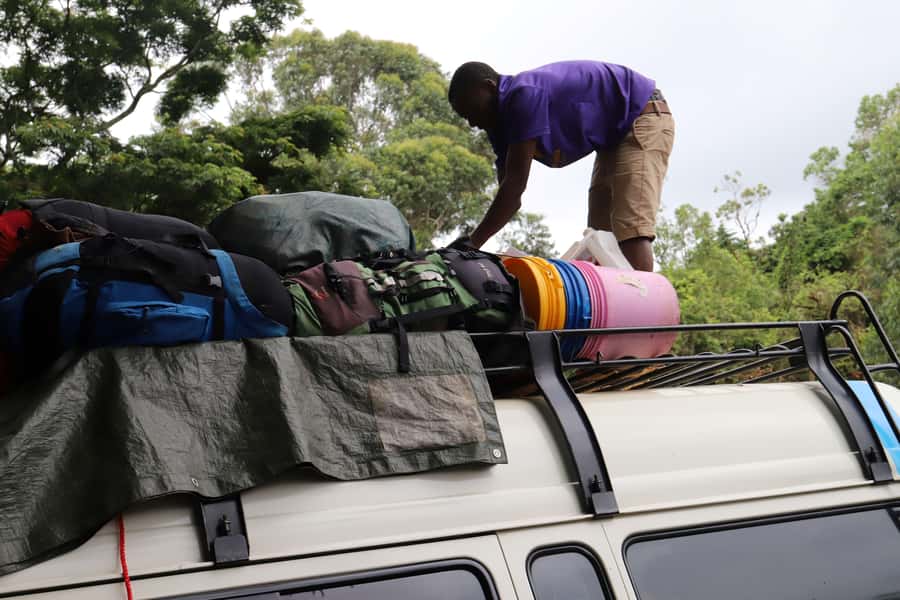
The final day is a half-day walk from Horombo Hut back through the lower mountain zones to Marangu Gate. The scenery changes again as you lose altitude and return toward the rainforest.
At the park entrance, a vehicle and representative meet you for the drive back to your Moshi hotel. This gives you time to rest and prepare for whatever comes next in Tanzania.
The last day is not glamorous, but it is well planned. You are not required to push all the way to Moshi on foot, and transport to and from the Kilimanjaro gates is included. That reduces the amount of logistical work you need to manage after a demanding summit day.
What the $1,820 Price Covers
At $1,820 per person, this is a major purchase, but the price includes many costs that can add up quickly on a Kilimanjaro climb. Park fees and permits are covered, along with rescue fees, government taxes, transportation to and from the gates, accommodation, meals, drinking water, and the mountain crew.
The crew includes professional guides, a cook, and porters. Fair wages are included according to standards approved by the Kilimanjaro National Park Authority and the Kilimanjaro Association of Tour Operators. That matters because a well-supported crew can affect both safety and the quality of your days on the mountain.
The package also includes hot water for washing, portable oxygen tanks, an oximeter, and an emergency first-aid kit. These items do not guarantee a successful summit, but they show that the operator has planned for common mountain needs and emergencies.
You must still budget for personal equipment, travel insurance, and a visa. The personal equipment list is long. It includes hiking shoes, warm and thermal clothing, a sleeping bag, gloves, long pants, a flashlight, toiletries, a daypack, trekking gear, sunscreen, insect repellent, and waterproof storage.
The best value comes if you already own some of this equipment. If you need to buy or rent everything, your final cost will be higher than the advertised price. Travel insurance is especially important for an expensive international trip and a high-altitude climb.
What To Pack Without Overloading Yourself
The advice to pack light is worth taking seriously. Porters carry supplies, but you still want a manageable daypack with water, snacks, sunscreen, warm layers, a flashlight, a charged phone, and personal essentials.
Your clothes need to handle sudden weather changes. Bring a windbreaker, thermal clothing, gloves, a long-sleeved shirt, long pants, hiking pants, and a warm hat. A sun hat and sunglasses or goggles are also listed, which is sensible at high altitude where glare can be strong.
Footwear should be comfortable, closed-toe, and suitable for hiking. You should bring proper hiking shoes rather than relying on ordinary trainers. Pack a towel, toiletries, a change of clothes, and a waterproof bag for items that must stay dry.
Biodegradable sunscreen and biodegradable insect repellent are specifically requested. Littering is not allowed, so carry wrappers and other waste until your guide indicates the proper disposal point. Respect for the mountain is part of the experience, not just a park rule.
Who Will Like This Kilimanjaro Trip
This route suits you if you want a guided climb with hut accommodation and a clear day-by-day plan. It is also a good fit if you prefer not to organize separate permits, park transport, meals, mountain staff, water, and safety supplies.
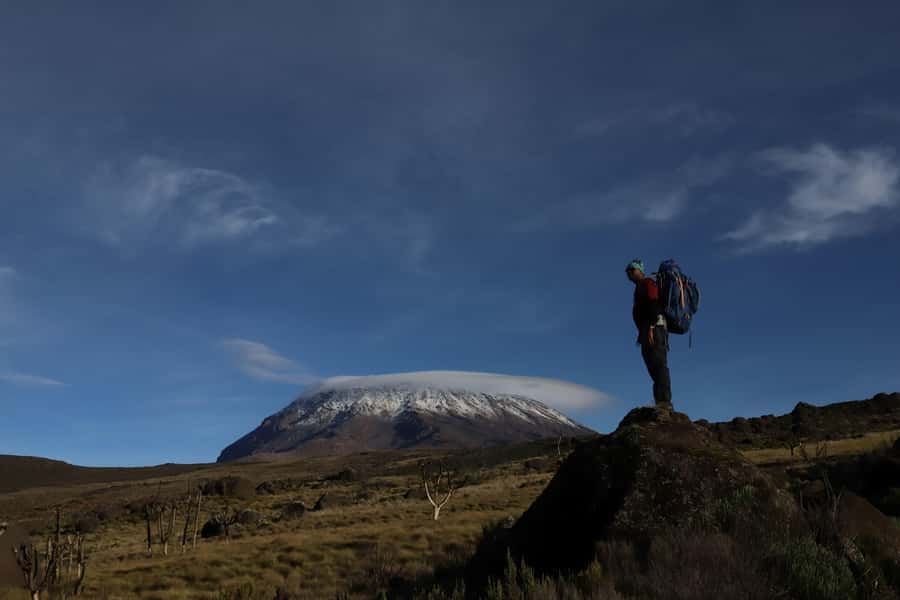
The route offers a strong variety of scenery in a short period. You begin in rainforest, continue through heather and alpine meadows, cross open high terrain, and finish at a snow and rock-covered summit zone. The daily stops also give you a clear sense of progress.
It is less suitable if you want an easy holiday or dislike early starts. Summit day begins before dawn and reaches nearly 5,900 meters. Pregnant women and people with heart problems should not book this activity, and anyone with health concerns should take professional medical advice before planning a climb.
The wheelchair-accessible designation applies to the activity information, but the trek itself includes steep, uneven mountain paths and high-altitude hiking. You should confirm exactly what assistance is available if accessibility is important for your booking.
Service, Guides, and Group Size
The mountain crew includes guides, a cook, and porters, with English and Spanish available. A small group option is available, which may appeal to you if you want more direct contact with your guide and less waiting on the trail.
One recent five-star account from Jonty in Australia praised Kili Trips for providing the needed equipment and going beyond basic service. That matches the practical strength of the package, which includes transport, food, water, safety gear, and support from the first gate formalities through the return to Moshi.
No individual guide names are provided, so you should not expect to select a particular guide in advance. The most useful step is to ask about group size, equipment requirements, and the guide’s approach to altitude before departure.
Free cancellation is available up to 24 hours in advance for a full refund, and you can reserve now and pay later. Check the available start times, since the activity lasts five to six days depending on the selected schedule.
Should You Book the Marangu Route?
You should book this trek if you want the classic Kilimanjaro experience with huts, organized transport, a built-in acclimatization day, and a large package of essential costs included. The summit sunrise and the transition from rainforest to high volcanic terrain provide the trip’s strongest rewards.
You should pause if you are not ready to invest in proper gear, travel insurance, and altitude preparation. The $1,820 price is reasonable for what it covers, but it is not your total trip cost.
For a prepared hiker who values structure and hut accommodation, Kili Trips offers a practical way to attempt Uhuru Peak. For someone looking for a relaxed mountain holiday, this is the wrong choice. Kilimanjaro asks for patience, fitness, and respect, then pays you back with a sunrise you will remember for a long time.
FAQ
How long is the Kilimanjaro Marangu Route trip?
The activity is listed as lasting five to six days. The detailed program describes a six-day trek from Moshi to Marangu Gate, up to Uhuru Peak, and back to Moshi.
What is the highest point reached?
The summit is Uhuru Peak at 5,895 meters, the highest point in Africa. The route also passes Gillman’s Point at 5,680 meters.
Where do I sleep during the trek?
You stay in mountain huts at Mandara Hut, Horombo Hut, and Kibo Hut. Accommodation during the trek is included.
Is an acclimatization day included?
Yes. Day three includes a walk from Horombo Hut to Zebra Rocks at about 3,959 meters, toward the Mawenzi Peak area, followed by a return to Horombo Hut.
Are meals and drinking water included?
Yes. All meals during the trek are included. Treated and filtered drinking water is also provided throughout the climb.
Is transportation included?
Yes. Pickup from any hotel in Moshi is included, along with transport to and from the Kilimanjaro park gates. You should wait in your hotel lobby for the white GetYourGuide van.
Which languages are available?
Live tour guides are available in English and Spanish.
What does the price not include?
Personal trekking equipment, travel insurance, and visa fees are not included. You should also bring the listed clothing, footwear, sleeping bag, toiletries, and other personal items.
Who should not take this tour?
The activity is not suitable for pregnant women or people with heart problems. You should acclimatize properly, stay hydrated, follow your guide’s instructions, and prepare for sudden weather changes.
Just added in Moshi
- THE BEST 2 DAYS ON TREK – MARANGU ROUTE TOUR ADVENTURES★ 5.0 · 1 review
- Mount Kilimanjaro National Park Day Trip★ 5.0 · 7 reviews
- Mount Kilimanjaro Climbing in Tanzania Full-Day Trip★ 5.0 · 1 review
- Mount Kilimanjaro Day Hike – All-Inclusive, No Hidden Fees★ 4.0 · 7 reviews
- Mount Kilimanjaro Trekking Tour – Climb with Local Guides★ 5.0 · 1 review
- Mount Kilimanjaro: 7 Days Hike Lemosho Route★ 5.0 · 1 review
- Moshi:Chemka Hot Springs, Materuni Waterfalls & Coffee Tour★ 5.0 · 1 review
- Moshi Town: Walking Tour: Theme Urban lifestyle★ 3.1 · 4 reviews
Marangu Route Climbs, compared.
Private Full Day Hiking Experience to Marangu Route
Read our review →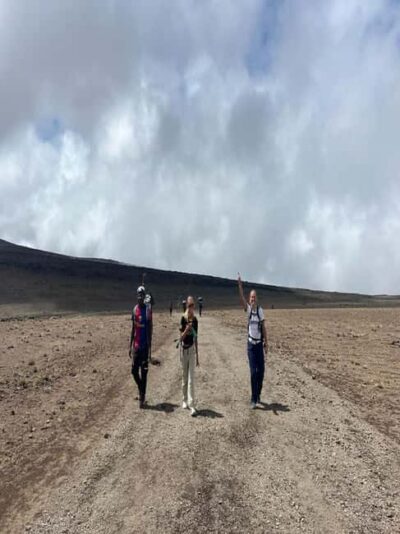
From Arusha/Moshi: Kilimanjaro Hike Marangu Route Day Trip
Read our review →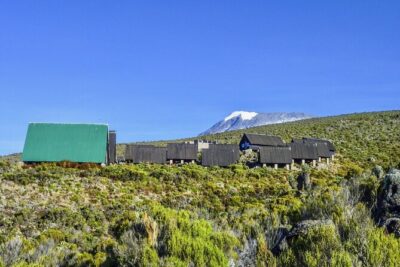
Mount Kilimanjaro Day Hike Through Marangu Route to Mandara Hut
Read our review →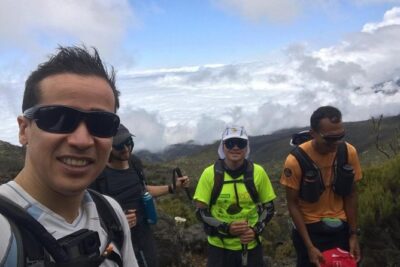
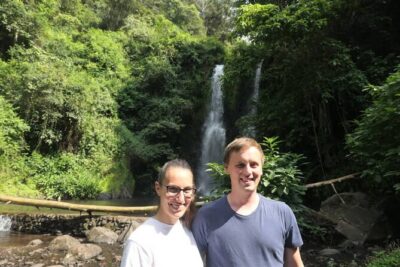
Marangu waterfall & Coffee making Cultural Tour | BURIGI CHATO SAFARIS CO LTD
Read our review →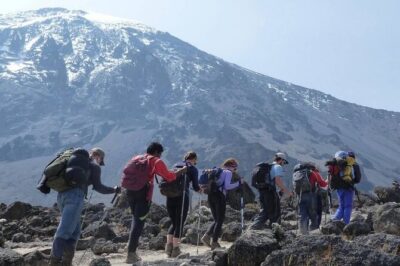
Climb Kilimanjaro – Marangu Route 8 Day Program
Read our review →Browse the lists this tour appears in