
Reviewed · MACHAME ROUTE CLIMBS
Kilimanjaro Machame Route 7 Days
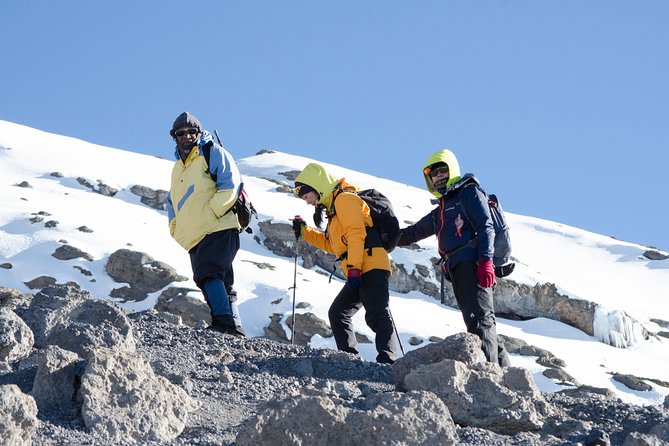
The mountain changes every day. The Machame Route earns its nickname as Kilimanjaro’s scenic route by moving from thick rainforest to stark volcanic rock, then to the ice-capped summit. I like the slow acclimatization pattern, especially the high lunch at Lava Tower followed by a lower camp, and I like the unusually strong camp support, including a private flush toilet, hot washing water, medical gear, and oxygen. The main catch is simple: this is a hard climb, and the midnight summit push is no small favor to ask of your legs.
At $2,500 per person, this is not a bargain trek. Still, the price covers park fees, rescue services, guides, porters, cooks, camping equipment, purified water, hotel nights, transfers, and medical support. The private format is helpful if you want your own group, but the route itself is popular, so solitude is not part of the package.
In This Review
- Key points before you commit
- Why Machame is Kilimanjaro’s scenic choice
- Day 1: Machame Gate to rainforest camp
- Day 2: Moorland views from Machame to Shira
- Day 3: Lava Tower and the alpine desert
- Day 4: Barranco Wall and Karanga Camp
- Day 5: The exposed ridge to Barafu
- Day 6: Uhuru Peak and the long descent
- Day 7: Mweka Forest and the return to Moshi
- Camp comfort and safety at $2,500
- The people behind the climb
- Who should book this climb?
- FAQ
- How long is the Kilimanjaro Machame Route experience?
- Where does the experience begin?
- How much does the seven-day climb cost?
- Is pickup available?
- Is this a private activity?
- How difficult is the Machame Route?
- What time does summit day begin?
- How high is Uhuru Peak?
- Are camping and park fees included?
- Is personal trekking equipment included?
- Are meals included?
- What happens if poor weather cancels the climb?
- Should you book the seven-day Machame Route?
Key points before you commit
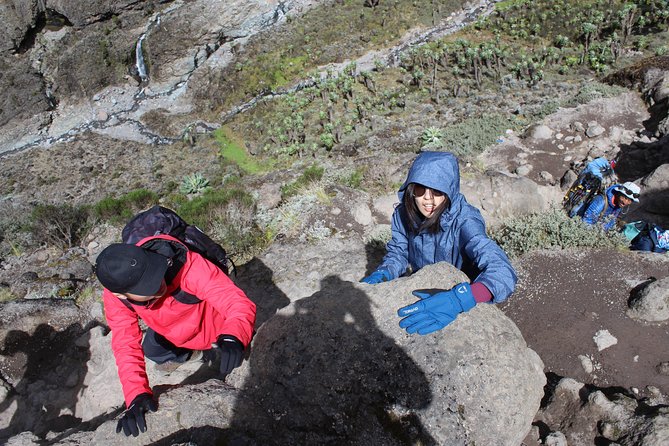
- Machame covers five climbing zones: You move through rainforest, moorland, semi-alpine desert, alpine desert, and the icy summit zone.
- The seventh day matters: The extra day gives you a more gradual ascent than the six-day version, with two acclimatization stages before summit night.
- Summit day is very long: Plan on about seven hours to Uhuru Peak, followed by another seven to eight hours descending.
- Support is stronger than basic camping: You get mess and wash tents, a private portable toilet, mattresses, hot water, medical supplies, oxygen, and a Gamow bag.
- The guides are central to the experience: Joseph is named as a key member of the Jaribu Africa Adventures team, while Mathew served as a patient and attentive tour leader for one group.
- The route is scenic but popular: You gain superb views and varied terrain, but you should expect other climbers on the trail and at camp.
Why Machame is Kilimanjaro’s scenic choice
Machame approaches Kilimanjaro from the southwest and crosses several distinct climate zones. That variety gives you something new to look at almost every day, rather than one long uphill walk through similar surroundings.
The first day begins at Machame Gate, at about 1,829 meters. By the time you reach Machame Camp, you have climbed to roughly 3,030 meters through montane rainforest. Later, you will walk among giant senecios and lobelia, cross bare volcanic ground, and reach the icy summit at 5,895 meters.
That variety comes with a price. Machame is more demanding than the Marangu or Rongai routes, and the trail includes muddy forest, steep sections, loose stone, cold exposure, and a very long summit day. You need strong physical fitness, not just enthusiasm and a good camera.
The seven-day version is the better choice for most people who can afford the extra day. It allows more time to adjust to altitude and includes a second acclimatization stage before Barafu Camp. Altitude affects people differently, so no itinerary can guarantee success, but the slower schedule gives your body a better chance to adapt.
More Machame Route climbs:
- Kilimanjaro climb, Machame Route (7-day)
★ 5.0 · 262 reviews - Climbing Kilimanjaro – Machame Route
★ 5.0 · 170 reviews - Climbing Kilimanjaro through 7 days Machame Route
★ 5.0 · 151 reviews
Day 1: Machame Gate to rainforest camp
Your climb begins at Machame Gate, where the trail enters thick montane rainforest. The day covers about 8.2 kilometers and takes six to seven hours, with the route rising from 1,829 meters to 3,030 meters.
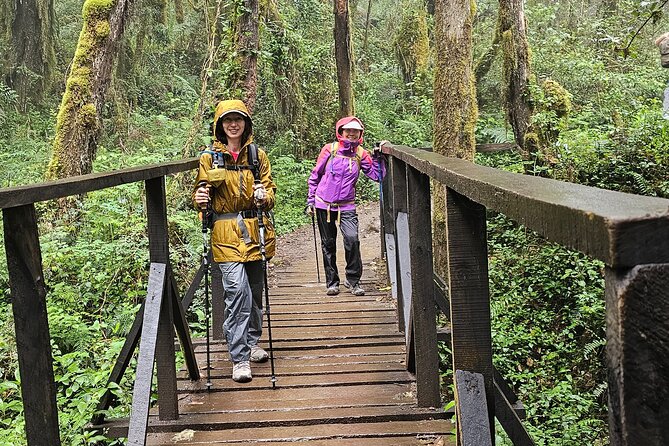
This is not a gentle stroll. The trail can be muddy, and short steep sections make the first day feel more serious than the distance suggests. Dense vegetation crowds the path, and you may hear exotic birds in the canopy. Blue monkeys may appear overhead, while the black colobus monkey is a possible sight, recognizable by its long white-edged hair and flowing white tail.
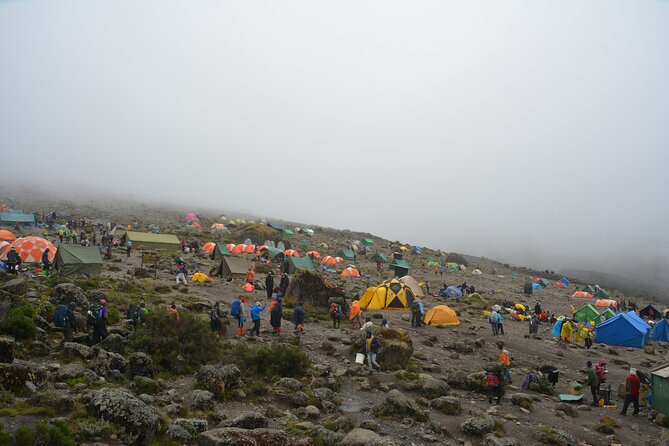
Machame Camp sits just beyond the densest tree cover. That change is worth noticing: the forest begins to thin, and the mountain starts to feel more open. Your first evening also gives you a practical test of the camp system, including the tent, washing arrangements, meals, and the pace of life at altitude.
The included mattress, wash tent, hot water, mess tent, and portable toilet matter here. After several hours on a muddy trail, basic comfort feels less basic. You should still pack your own personal trekking equipment, since boots, clothing, and other personal gear are not included.
Day 2: Moorland views from Machame to Shira
Day two covers only about five kilometers, but it takes seven to eight hours because the route climbs from 3,030 meters to 3,840 meters. The short distance can be misleading. You are gaining more than 800 meters and walking at altitude.
The rainforest gives way to moorland, with shorter trees, bushes, hanging mosses, and more open views. The scenery takes on a strange, quiet quality. White-necked ravens are common around the trail and Shira Camp, which sits on a high plateau.
From camp, you may see Kibo to the northwest and Mount Meru to the east. These views are one of the rewards of the route, but weather and cloud can limit them. Keep your camera accessible, but do not let photography distract you from the steady pace needed for altitude adjustment.
This is a good day to follow the Swahili principle pole pole, meaning slowly, slowly. You are not racing the people ahead of you. A patient rhythm, regular water intake, and attention to how you feel are more useful than speed.
Day 3: Lava Tower and the alpine desert
The third day is a major step up. You hike about seven kilometers from 3,840 meters to 4,642 meters, with six to seven hours on the trail. The route turns east and climbs through increasingly rocky ground.
You leave the moorland behind and begin seeing hardy plants such as senecios and lobelia. Lichens, grasses, and heather survive in the thin air, but the vegetation grows more sparse as you approach the alpine desert.
Lunch at Lava Tower, around 4,630 meters, is the key feature of this day. You climb high, spend time there, then continue to a lower camp. That high point followed by lower sleeping altitude is useful for acclimatization, although you may feel the elevation during lunch or the next section of the trail.
The route can feel stark here. There is less shade, more exposed rock, and no forest to soften the view. You may find this day more tiring than the distance suggests. Take the slow pace seriously, and tell the guide if you feel unwell. The crew carries a medical kit, pulse oximeter, emergency oxygen, and a Gamow bag, but those tools are a safety net, not a substitute for speaking up early.
A few more options to weigh up in Moshi
- Kilimanjaro climb by Lemosho Route (7-day)
★ 5.0 · 651 reviews - Safari Serengeti And Ngorongoro
★ 5.0 · 288 reviews - Kilimanjaro Climbing Lemosho Route 8 Days.
★ 5.0 · 186 reviews - Kilimanjaro climb, Lemosho Route (8-day)
★ 5.0 · 148 reviews
Day 4: Barranco Wall and Karanga Camp
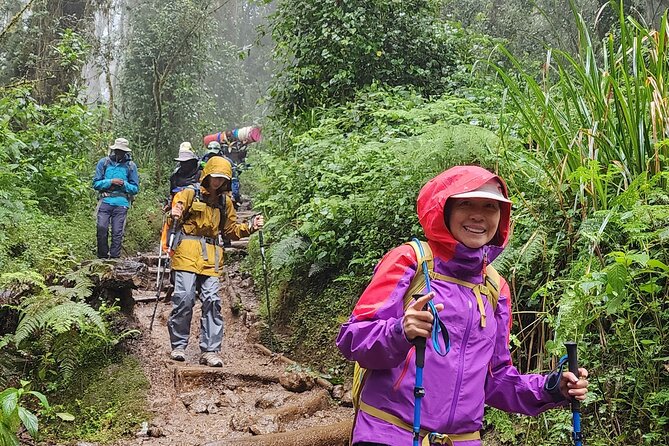
Day four is shorter, at three to four hours and about five kilometers, but it brings one of the most memorable sections of the route: the Great Barranco Wall.
The trail climbs steadily up the wall toward the area below Heim Glacier. Depending on clouds and weather, you may get striking views of the glacier and Kibo. The route then drops into the Karanga Valley before reaching Karanga Camp, around 4,046 meters.
This day is often valued because it combines a physical challenge with a useful rest pattern. The Barranco Wall looks intimidating from below, but the itinerary describes a steady climb rather than a technical mountaineering pitch. You should still expect uneven, exposed ground and a need to use your hands at times, depending on the exact trail conditions.
The descent into Karanga Valley gives your legs a break from constant climbing, though downhill sections can be hard on knees. The camp remains high and conditions can be cold. A hot washing bowl in the morning and evening, plus a hot towel at camp, will be welcome luxuries by now.
Day 5: The exposed ridge to Barafu
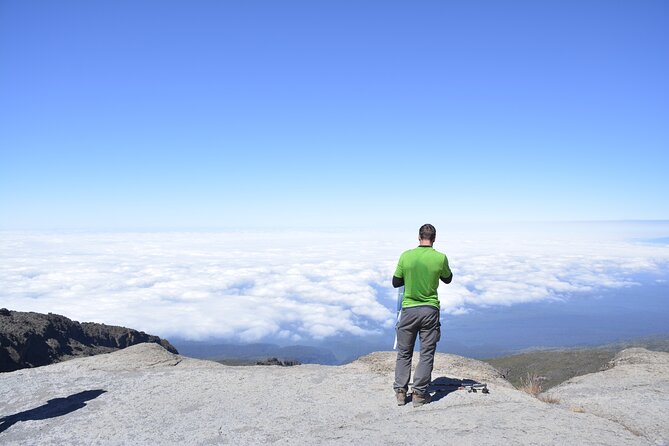
Day five is only two to three hours and about four kilometers, but it takes you to Barafu Camp at roughly 4,600 meters. The trail passes through the dry Karanga Valley and climbs across barren ground.
Barafu means ice in Swahili. The camp sits on a narrow, exposed ridge, where strong winds can blow down from the high peaks. You get views toward Kibo and Mawenzi, but this is mainly a preparation day rather than a sightseeing day.
The short hike does not mean an easy day. You are sleeping high, and the cold, wind, and anticipation of summit night can make rest difficult. Organize your headlamp, warm layers, water, snacks, and personal summit gear before trying to sleep.
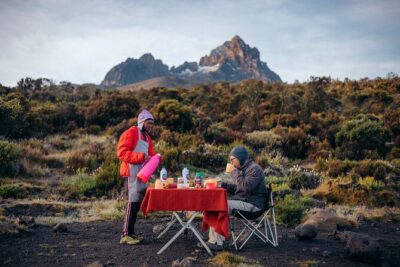
The included mess tent, chair with back rest, mattress, and hot food can make this stop more manageable. The food is described as fresh, nutritious, and served in large portions. Dinner, breakfast, and lunch are marked as optional in the supplied details, so confirm exactly which meals are included in your booking before departure.
Day 6: Uhuru Peak and the long descent
Summit day begins around midnight. After a warm drink and light snack, you start the hardest section of the climb in darkness.
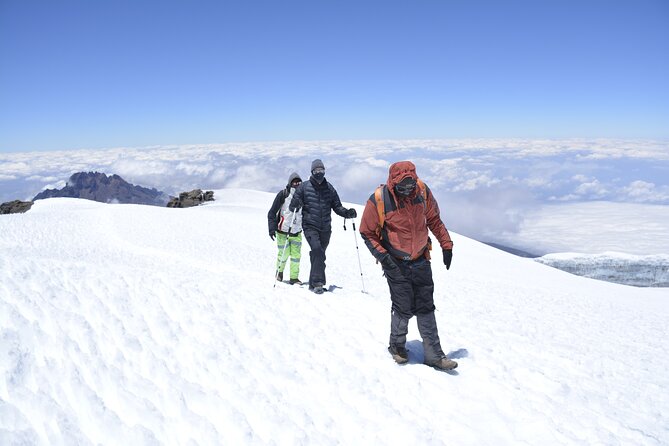
The ascent to Stella Point, at about 5,685 meters, takes roughly six to seven hours. The ground is described as stone scree, and the climb is slow and strenuous. You will need warm clothing and a steady attitude. At this altitude, even a short pause can feel useful.
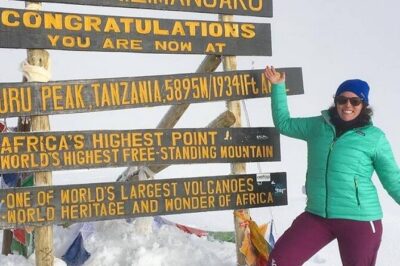
At Stella Point, you can rest, eat, and look across the clouds. From there, the trail continues around the crater rim to Uhuru Peak, the highest point on Kilimanjaro, at 5,895 meters. The final section is still difficult, but the distance is shorter than the climb to Stella Point.
The total summit day is enormous: about seven hours to the top, then seven to eight hours descending. You finish at Mweka Camp, around 3,819 meters, after a total descent of roughly 23 kilometers. This is the single biggest reason to think carefully about your fitness.
Medical support is unusually detailed for a trekking package. The crew carries emergency oxygen and a portable hyperbaric chamber, monitors vital signs, and includes a guide trained as a wilderness first responder or an equivalent assistant guide. Medical evacuation by AMREF Flying Doctors is also included, although extra evacuation fees and some medical costs may not be covered.
Do not confuse safety equipment with a promise that the summit is safe for everyone. Weather, altitude, and individual health still control the outcome. The guide’s judgment and your willingness to stop if necessary are essential.
Day 7: Mweka Forest and the return to Moshi
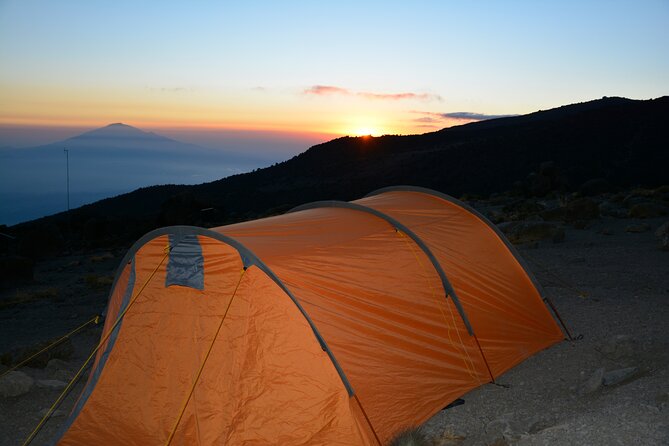
After the exposed summit zone, the descent through Mweka rain forest feels like a return to another world. You cover about 13.5 kilometers in five to six hours, descending from roughly 3,819 meters to 1,652 meters.
The trail is steep in places and slippery when wet. It follows the crest of a broad ridge between two river valleys, eventually reaching a road for the final 40 minutes to Mweka Park Gate.
At the gate, successful climbers receive a certificate from the Kilimanjaro National Park Authority. Gold is given for Uhuru Peak and green for Stella Point. A picnic lunch follows, then private bus or Jeep transport takes you back to your hotel in Moshi.
The return transfer is more than a convenience. After summit day, your feet and legs will likely want the shortest possible route to a shower and bed. Two nights of bed-and-breakfast accommodation are included at either Ameg Lodge or Salinero Hotels, though you should confirm the exact hotel and meal arrangements before booking.
Camp comfort and safety at $2,500
The price makes more sense once you look at what happens above the tree line. This is not a bare tent, sleeping bag, and guide arrangement.
The package includes three-person expedition tents used by two clients, mountaineering mattresses, a walk-in mess tent, a shower or washing tent, a portable private flush toilet, tables, chairs, purified water, hot washing bowls, and hot towels. You also receive large portions of food prepared by cooks, rather than relying only on snacks you carry yourself.
The package also pays the salaries of guides, cooks, and porters, along with park entry, camping, rescue fees, government taxes, and VAT on park fees. Fair and ethical treatment of porters is specifically included, which is an important point to ask about before choosing any Kilimanjaro operator.
Airport transfers and transport between Arusha or your hotel and the park gate are included. A two-way radio and mobile phone provide communication support, while emergency oxygen, a medical kit, a pulse oximeter, vital-sign monitoring, and a Gamow bag add a serious safety layer.
Wine and champagne at the summit are included as well. That may appeal to some people, though I would treat it as a small celebration rather than a reason to choose the climb. The real value lies in the staff, park fees, logistics, and support on a high-altitude route.
You still pay for international flights, visas, personal equipment, laundry, room service, souvenirs, communication charges, immunizations, staff gratuities, and some medical or evacuation costs. Additional transportation and meals caused by illness are also excluded.
The people behind the climb
A Kilimanjaro itinerary can look perfect on paper and still depend heavily on the crew. The named Jaribu Africa Adventures staff member Joseph received special thanks, and Mathew was described as a patient, approachable tour leader who took careful charge of the group.
Those details matter because the guide sets the walking pace, watches for altitude problems, explains the trail, and manages the long summit night. Patience is not a soft extra here. It can make the difference between a rushed, unpleasant climb and a controlled effort.
This is a private activity, so only your group participates. That gives you more control over pace and conversation than a large shared departure, though it does not remove other climbers from the popular Machame trail.
Who should book this climb?
I would choose this route if you want the greatest range of scenery and accept a physically demanding week. It suits hikers with strong fitness who are comfortable camping, walking for many hours, sleeping at altitude, and starting the summit attempt around midnight.
The seven-day schedule is also a good fit if you want more acclimatization time than the six-day version offers. The Lava Tower day, Barranco Wall, and extra camp night create a more gradual progression than a compressed itinerary.
I would hesitate if you want a quiet mountain experience, dislike cold and wind, or have limited fitness. Machame is popular, and the route has muddy, steep, rocky, and slippery sections. You should also be comfortable with the possibility that weather or altitude may prevent a summit attempt.
The cancellation terms are relatively forgiving: cancel at least 24 hours before the start for a full refund. If poor weather cancels the experience, you are offered another date or a full refund. Changes made inside 24 hours are not accepted, and the local cut-off time applies.
FAQ
How long is the Kilimanjaro Machame Route experience?
The climb takes approximately seven days.
Where does the experience begin?
It begins at Mount Kilimanjaro, with the first hiking day departing from Machame Gate.
How much does the seven-day climb cost?
The listed price is $2,500 per person.
Is pickup available?
Yes. Pickup is offered, and airport transfers are included.
Is this a private activity?
Yes. Only your group participates in the activity.
How difficult is the Machame Route?
You should have a strong physical fitness level. The route is more physically demanding than the Marangu or Rongai routes, and summit day includes a long ascent followed by a long descent.
What time does summit day begin?
You leave Barafu Camp at around midnight after a warm drink and a light snack.
How high is Uhuru Peak?
Uhuru Peak is at 5,895 meters.
Are camping and park fees included?
Yes. The package includes camping equipment, Kilimanjaro National Park entrance fees, camping or hut fees, and rescue fees.
Is personal trekking equipment included?
No. You need to provide your own personal trekking equipment.
Are meals included?
The package describes large portions of fresh, nutritious food, but dinner, breakfast, and lunch are marked as optional in the supplied details. Confirm the exact meal plan before booking.
What happens if poor weather cancels the climb?
You are offered a different date or a full refund if the experience is canceled because of poor weather.
Should you book the seven-day Machame Route?
Book it if you want Kilimanjaro’s most varied scenery, a private group, strong camp support, and a slower seven-day schedule. The medical equipment, rescue coverage, ethical porter policy, hotel nights, and transfers give the $2,500 price real substance.
Skip it if you are seeking an easy walk, guaranteed summit success, or an empty trail. The Machame Route is demanding and popular, but for a fit hiker who respects the altitude and walks pole pole, it offers a well-supported path from rainforest to Africa’s highest point.
Just added in Moshi
- Zanzibar: Stone Town tour and Nakupenda beach with Lunch★ 5.0 · 1 review
- day trip lake manyara★ 5.0 · 2 reviews
- Mt Kilimanjaro 6 days Marangu route hike★ 5.0 · 3 reviews
- machame route★ 5.0 · 16 reviews
- West Kilimanjaro cycling Adventures★ 4.5 · 8 reviews
- Wildlife Extravaganza: Manyara, Tarangire & Ngorongoro in 3 Days★ 5.0 · 3 reviews
- Private Cycle to Kilimanjaro Bike Park Safari★ 5.0 · 6 reviews
- 3 Days Private E-Bike Tour in West Kilimanjaro★ 5.0 · 3 reviews
Machame Route Climbs, compared.

Climbing Kilimanjaro through 7 days Machame Route
Read our review →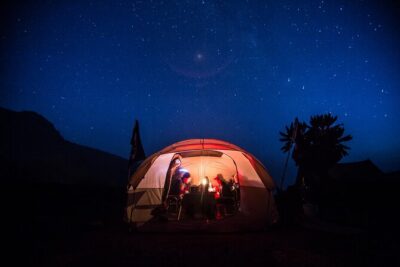
7-Day Machame Kilimanjaro Summit Tour from Arusha
Read our review →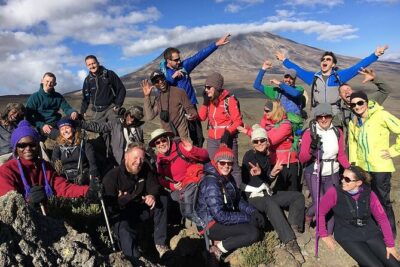
7 Days Kilimanjaro via Machame route affordable price
Read our review →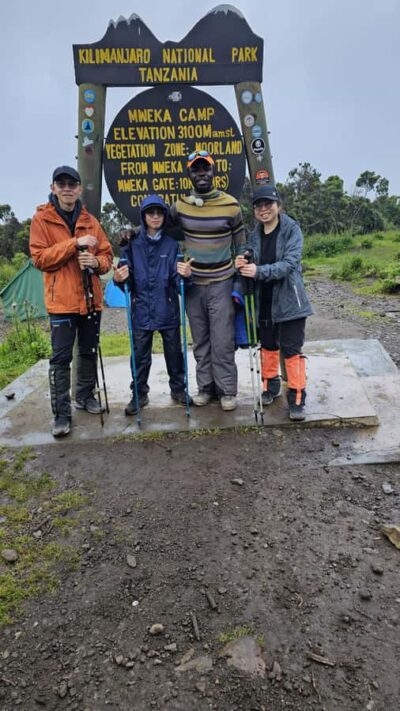
#1. Best Kilimanjaro Day hike Tour-Machame Route-ISMANI
Read our review →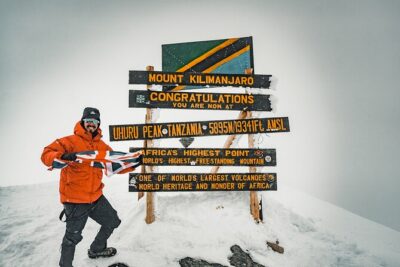
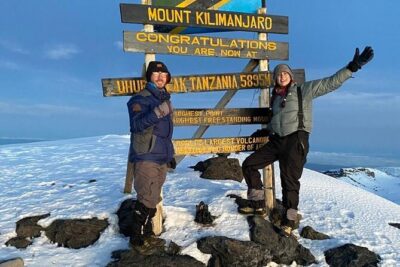
The Best of Machame Route in 6 Days: Your World’s Summit Guide
Read our review →Browse the lists this tour appears in