
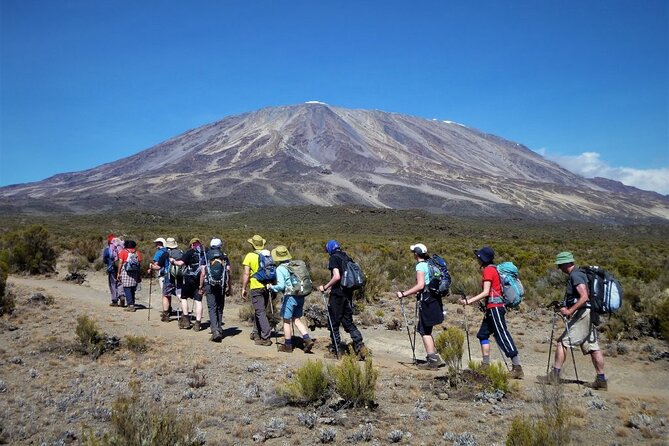
Reviewed · MARANGU ROUTE CLIMBS
Kilimanjaro-marangu Route 6 Days Itinerary
Africa begins at the tree line. This climb combines a private airport transfer, a night at Kilimanjaro Mountain Resort, and the relatively direct Marangu Route, which uses huts instead of tents. I like the extra acclimatization day at Horombo and the included transfers, two features that make the trip easier to organize. The main concern is the very long summit day, listed at 13 to 15 hours of walking, plus one complaint about a late pickup and poor communication.
The price is $1,950 per person, with the climb beginning and ending near Marangu. That is a serious sum, but it covers more than a mountain permit alone: airport transfers, accommodation at the resort, hut nights, meals as described, park admission, guides, and a private trip for your group. You should still ask exactly what meals and equipment are included before paying.
In This Review
- Key points to know before booking
- What the $1,950 Price Really Buys
- Day 1 at Kilimanjaro Mountain Resort
- Day 2: Marangu Gate to Mandara Hut
- Day 3: Mandara to Horombo at 3,720 Metres
- Day 4: The Horombo Acclimatization Walk
- Day 5: Horombo to Kibo Hut at 4,700 Metres
- Day 6: Gillman’s Point, Uhuru Peak, and Horombo
- Day 7: The Long Descent to Marangu Gate
- Day 8: Airport Transfer or More Time in Tanzania
- Weather, Fitness, and the Best Time to Go
- Service Details Worth Confirming
- Should You Book This Marangu Route Climb?
- FAQ
- How long is the Kilimanjaro trip?
- Where does the experience begin and end?
- Is airport pickup included?
- What time is the meeting point?
- What level of fitness is required?
- Where do you sleep during the climb?
- Is there running water at Kibo Hut?
- When can I cancel for a full refund?
Key points to know before booking
- A six-day mountain schedule becomes an eight-day trip: The climb itself runs from Day 2 through Day 7, with resort nights and airport transfers on Days 1 and 8.
- The route includes an acclimatization day: You spend an extra night at Horombo Hut and walk toward Mawenzi before returning to camp.
- The summit push begins before midnight: You climb by headlamp toward Gillman’s Point, then continue to Uhuru Peak if you still feel strong.
- Hut accommodation replaces camping: Mandara, Horombo, and Kibo provide overnight shelter, though Kibo has no running water.
- January, February, August, and September are the preferred months: March through May bring long rains, while November can be wet.
- This is a private activity: Only your own group participates, and confirmation is received when you book.
What the $1,950 Price Really Buys
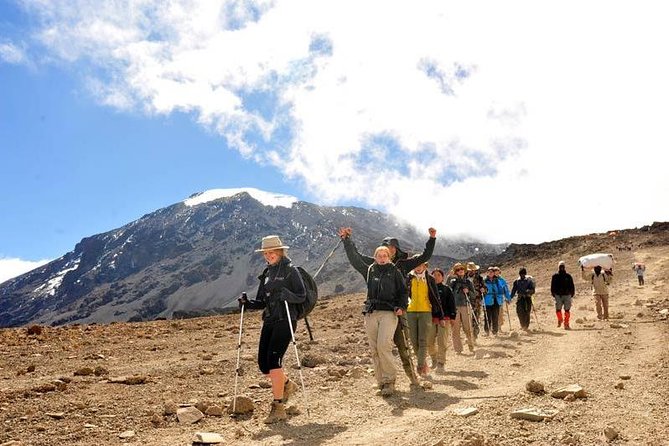
At first glance, $1,950 can look high for a walking trip. Kilimanjaro is not a casual day hike, though. The cost reflects park access, mountain logistics, staff, transport, accommodation, and the planning needed to move you from the airport to the mountain and back again.
The included private transfer from Kilimanjaro International Airport to Kilimanjaro Mountain Resort is useful. You can arrive at any time and have a transfer waiting, which removes one of the first headaches after a long flight. The departure transfer to the airport is also included unless you add a safari or another activity.
The trip is private, so you are not folded into a large mixed group. That can be valuable on a high-altitude climb. Your guide can pay closer attention to your pace and condition, and the group does not need to wait for strangers who walk at a different speed. The tradeoff is that private trips can cost more per person than larger shared departures.
Park admission is listed as included each day. Accommodation begins with a night at Kilimanjaro Mountain Resort, followed by huts on the mountain, then a return to the resort after the descent. The itinerary clearly includes bed, dinner, and breakfast at the resort on the first night, and all meals are specified for the Horombo acclimatization day. Ask for a written breakdown of the remaining meals, porter arrangements, equipment, and tips before booking.
More Marangu Route climbs:
- Kilimanjaro climb, Marangu route (6-day)
★ 5.0 · 72 reviews - Climbing Kilimanjaro – Marangu Route
★ 5.0 · 65 reviews - Kilimanjaro Climbing 5 days Marangu route
★ 5.0 · 22 reviews
Day 1 at Kilimanjaro Mountain Resort
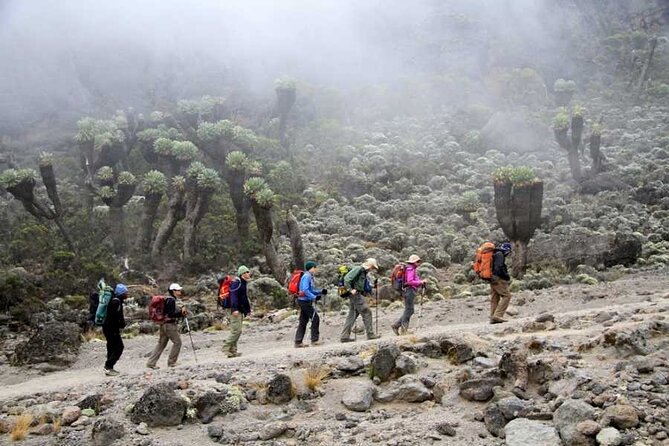
The first night is more than a convenient bed. Kilimanjaro Mountain Resort sits on the lower slopes of the mountain in Marangu, giving you a calm place to prepare before the serious walking starts.
The pre-climb briefing begins at 5:30 pm. This is when you should expect an equipment check and a review of the plan. The operator also confirms that you have mandatory medical coverage and travel insurance. Do not treat this as paperwork you can ignore. A high-altitude climb needs proper cover, and the company specifically requires it.
The resort night also gives you a buffer after your flight. You can arrive at Kilimanjaro International Airport at any time, then take the included private transfer to Marangu. Your meeting point is listed with an 8:30 am start time, but the first evening briefing is at 5:30 pm, so confirm the exact pickup and meeting arrangements before arrival.
One practical warning comes from the reported service problem: a pickup arrived 30 minutes late, and the passenger had to contact the company for an update. That does not prove every transfer will go badly, but it is a good reason to keep the operator’s contact details handy and confirm your pickup time the day before.
Day 2: Marangu Gate to Mandara Hut
After breakfast, you make the short transfer from the resort to Marangu Gate. Park formalities come first. Then the route enters tropical rainforest, where the walk is shaded and the surroundings feel very different from the open upper mountain.
The distance to Mandara Hut takes about five to six hours. This is a manageable first mountain day for a person with moderate fitness, but you should not race it. The aim is to arrive with energy left for the days ahead.
Mandara is the first overnight hut. You have dinner there and can either rest or spend time taking in the forest around camp. The itinerary presents the hut as a place to settle into the climb rather than a grand destination, which is exactly right. Your first day is about rhythm, hydration, and learning how your body responds as you gain height.
The Marangu Route is often called the hut route because it offers fixed shelter rather than tent camping. That appeals to hikers who prefer a bed and shared hut facilities. It does not make the route easy. You still gain altitude each day, and the high point remains physically demanding.
Day 3: Mandara to Horombo at 3,720 Metres
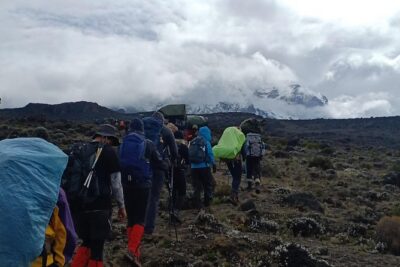
The trail begins with a steep section through forest, then opens into moorland. On a clear day, you can see Kibo and Mawenzi, the two major peaks that give Kilimanjaro its distinctive profile.
The walk from Mandara to Horombo Hut takes about four to six hours. Horombo sits at 3,720 metres, high enough for altitude to become a real part of the trip. You arrive in the afternoon, with time to rest and look across the open slopes around camp.
This is one of the more important days in the schedule. You are not simply covering ground. You are learning whether you can eat, sleep, drink, and walk steadily at altitude. Headaches, tiredness, and poor sleep can occur at this stage, so the instruction to walk slowly and drink enough water deserves attention.
The itinerary lists a moderate physical fitness requirement. That does not mean you need to be an elite athlete. It does mean you should be comfortable walking for several hours, handling steep climbs, and continuing after a night at altitude.
A few more options to weigh up in Moshi
- Kilimanjaro climb by Lemosho Route (7-day)
★ 5.0 · 651 reviews - Safari Serengeti And Ngorongoro
★ 5.0 · 288 reviews - Kilimanjaro climb, Machame Route (7-day)
★ 5.0 · 262 reviews - Kilimanjaro Climbing Lemosho Route 8 Days.
★ 5.0 · 186 reviews
Day 4: The Horombo Acclimatization Walk
The extra night at Horombo is the smartest part of this plan. Instead of climbing higher immediately, you walk toward Mawenzi Hut and pass the Zebra Rocks before returning to Horombo.
The walk lasts about three hours. It gives your body more time at altitude while keeping the day shorter than the main trekking stages. You also get a chance to see more of the area around Horombo without carrying on to Kibo.
This day can feel less dramatic than summit day, but it has more practical value than an early rest day at low elevation. Acclimatization is one of the central challenges on Kilimanjaro, and this schedule does not rush straight from the forest to the summit.
All meals for the day are provided at Horombo Hut. Drink regularly, move at a steady pace, and use the extra time to check your clothing and personal gear. The following day takes you into a much higher and more exposed zone.
Day 5: Horombo to Kibo Hut at 4,700 Metres
The route leaves the moorland behind and crosses the Saddle, the broad area between Mawenzi and Kibo. The setting becomes increasingly bare, with a lunar, desert-like feel. The gradual climb can be deceptive. The trail may not look steep, but altitude makes every hour count.
The itinerary gives four to six hours for the walk to Kibo Hut, while also describing six to seven hours of slow walking. Treat that as a flexible estimate rather than a promise. Your pace, weather, and rest stops will shape the day.
Kibo Hut sits at 4,700 metres. There is no running water there, an important detail for anyone expecting the same facilities found at the resort. Plan to manage with the water provided by the mountain operation and keep your personal items organized.
The rest of the day is for eating, checking summit layers, and trying to sleep before the early start. The night can be short because the climb begins before midnight. You should not expect comfort in the ordinary hotel sense. Kibo is a staging point for the summit, not a place to linger.
Day 6: Gillman’s Point, Uhuru Peak, and Horombo
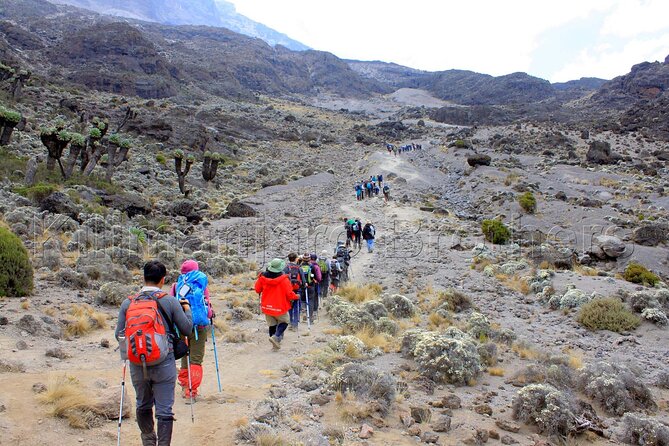
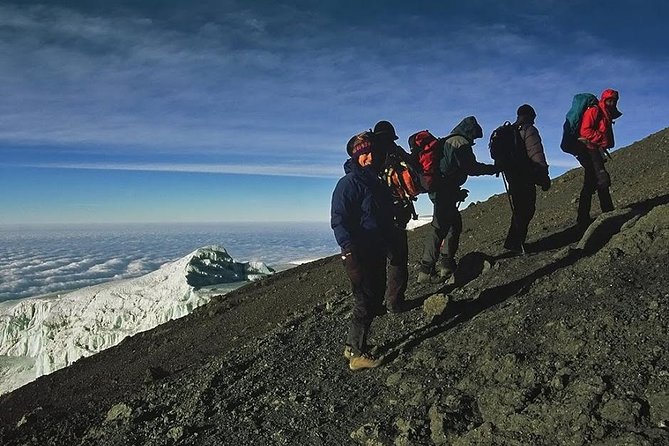
This is the day that defines the trip. You wake before midnight and begin climbing over loose volcanic scree in darkness. The trail uses graded zigzags in places, but the slope remains steep and the air is thin.
The first major goal is Gillman’s Point on the crater rim at 5,685 metres. Reaching it gives you a chance to rest briefly and watch the sunrise over Mawenzi. That sunrise timing is one reason the pre-midnight start exists, though it also makes this the most tiring part of the route.
If you still feel strong, you continue along the crater rim to Uhuru Peak at 5,895 metres, the highest point in Africa. The itinerary describes the journey from Gillman’s Point to Uhuru as a three-hour round trip. Do not view Uhuru as automatic after reaching Gillman’s. Your guide should consider your condition, and you should be honest about symptoms and fatigue.
After a short celebration at the summit, you descend quickly to Kibo Hut for refreshments, then continue down to Horombo Hut. The full Kibo to summit to Horombo stage is listed at 13 to 15 hours. One day description contains a 13-minute duration label, but the detailed walking time is clearly the meaningful figure.
This is the biggest drawback of the schedule. The route is designed to reach the summit and descend a long way in one push. If you prefer a slower summit plan, ask if another itinerary is available. For this particular trip, you need stamina, patience, and the willingness to stop if altitude symptoms become serious.
Day 7: The Long Descent to Marangu Gate
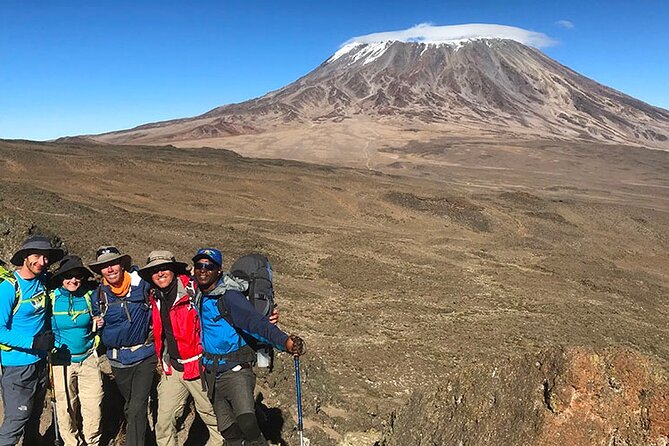
The final mountain day takes you from Horombo past Mandara and down to Marangu National Park Gate. The descent takes about six to seven hours.
Going downhill can feel easy at first, especially after the summit. Your legs may disagree later. Trekking poles, careful footing, and steady breaks can help, though the supplied information does not confirm whether poles or other equipment are provided.
At the gate, successful climbers receive summit certificates. You then return by transfer to Kilimanjaro Mountain Resort for dinner and overnight accommodation. That resort night is welcome. It gives you a proper place to wash, eat, and recover before the airport transfer.
Day 8: Airport Transfer or More Time in Tanzania
After breakfast and farewells to the guides, the included private transfer takes you from Moshi to Kilimanjaro International Airport for your flight. The plan also allows discussion of a short safari or another activity, but those additions are not part of the stated price and should be arranged separately.
Because airport timing depends on your flight, confirm how much time you will have at the resort on this final morning. The package is described as approximately eight days, even though the product name refers to a six-day Marangu climb. Think of it as six mountain days plus two travel and accommodation days.
Weather, Fitness, and the Best Time to Go
January and February are described as the warmest months, often with clearer mornings and evenings. August and September are also recommended. July can be colder, while November and December can be wet.
March, April, and May bring long rains and are best avoided for this itinerary. November has shorter rains, but climbing can still be possible because rain does not necessarily fall every day.
You need a moderate level of physical fitness. That phrase should not lull you into underpreparing. The daily walks range from three hours to as much as 15 hours on summit day, and the route reaches 5,895 metres. Train for sustained uphill and downhill walking, but remember that fitness alone does not remove the effects of altitude.
The operator says its guides have strong summit success rates compared with overall Kilimanjaro attempts. That is encouraging, but it is not a guarantee. Summit success depends on weather, acclimatization, health, pacing, and the decision to turn back when necessary.
Service Details Worth Confirming
The trip has a rating of 4.3 from nine ratings, which suggests generally positive satisfaction but not a perfect record. The detailed negative account describes a late hotel pickup and communication problems. The company apologized and said the feedback would help improve its service.
I would use that information in a practical way, not as an automatic reason to reject the trip. Confirm the pickup in writing, save the local contact number, and ask who will meet you at the airport. Also request a full list of included meals, transfers, park fees, hut arrangements, guide services, medical requirements, and optional costs.
The booking is confirmed at the time of reservation. You can cancel for a full refund up to 24 hours before the experience begins. Changes made inside that period are not accepted, and poor weather can lead to a new date or full refund.
Should You Book This Marangu Route Climb?
I would consider this trip if you want a private Kilimanjaro climb with hut accommodation, airport transfers, and an extra Horombo acclimatization day already built into the schedule. The route is especially suitable if you prefer not to camp and want a simple plan that begins and ends near Marangu.
I would pause if the 13 to 15-hour summit day sounds beyond your comfort level. I would also ask firm questions about communication and inclusions before committing the $1,950 price.
For a prepared hiker who values a private group, fixed huts, and a useful acclimatization day, this is a sensible Kilimanjaro package. Just treat the summit as a serious high-altitude effort, not a long sightseeing walk with a certificate at the end.
FAQ
How long is the Kilimanjaro trip?
The mountain climb is described as a six-day Marangu Route itinerary, but the full schedule lasts approximately eight days, including resort accommodation and airport transfers.
Where does the experience begin and end?
The trip begins and ends at Kilimanjaro Mountain Resort in Marangu. Airport transfers connect the resort with Kilimanjaro International Airport.
Is airport pickup included?
Yes. A private transfer from Kilimanjaro International Airport to the resort is included, and the departure transfer to the airport is also included.
What time is the meeting point?
The meeting point information gives an 8:30 am start time. The pre-climb briefing and equipment check take place at 5:30 pm on the first day.
What level of fitness is required?
Participants should have a moderate physical fitness level. Walking times range from about three hours to 13 to 15 hours on summit day.
Where do you sleep during the climb?
You stay at Kilimanjaro Mountain Resort before and after the climb. On the mountain, overnight stops are at Mandara Hut, Horombo Hut, and Kibo Hut.
Is there running water at Kibo Hut?
No. The itinerary specifically states that Kibo Hut has no running water.
When can I cancel for a full refund?
You can cancel at least 24 hours before the experience begins for a full refund. Cancellations or changes made less than 24 hours in advance are not accepted for a refund.
Just added in Moshi
- Zanzibar: Stone Town tour and Nakupenda beach with Lunch★ 5.0 · 1 review
- day trip lake manyara★ 5.0 · 2 reviews
- Mt Kilimanjaro 6 days Marangu route hike★ 5.0 · 3 reviews
- machame route★ 5.0 · 16 reviews
- Wildlife Extravaganza: Manyara, Tarangire & Ngorongoro in 3 Days★ 5.0 · 3 reviews
- Private Cycle to Kilimanjaro Bike Park Safari★ 5.0 · 6 reviews
- West Kilimanjaro cycling Adventures★ 4.5 · 8 reviews
- 3 Days Private E-Bike Tour in West Kilimanjaro★ 5.0 · 3 reviews
Marangu Route Climbs, compared.
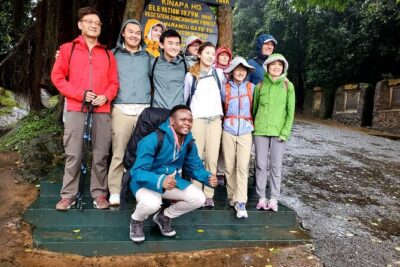
Private Full Day Hiking Experience to Marangu Route
Read our review →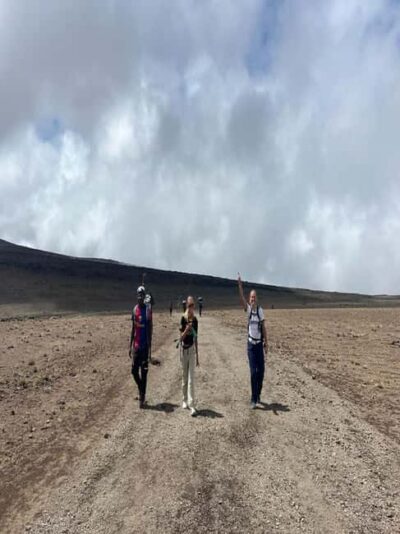
From Arusha/Moshi: Kilimanjaro Hike Marangu Route Day Trip
Read our review →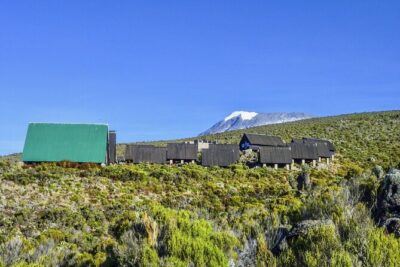
Mount Kilimanjaro Day Hike Through Marangu Route to Mandara Hut
Read our review →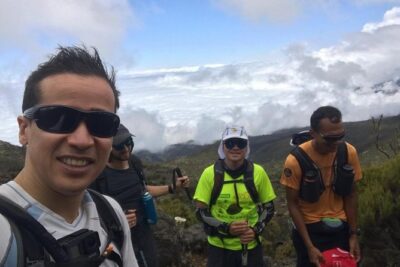
Best Kilimanjaro Adventures 6 Days Marangu Route Experience
Read our review →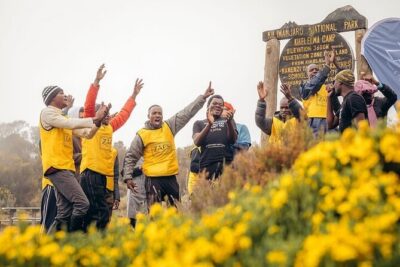
Kilimanjaro Private Climbing in 6 Days Marangu Route
Read our review →Browse the lists this tour appears in