
Reviewed · MARANGU ROUTE CLIMBS
Kilimanjaro Marangu Route 6 Days
Kilimanjaro rewards patience, not haste. This six-day Marangu Route climb offers two things I especially like: an extra acclimatization day at Horombo and the practical comfort of mountain huts instead of tents. The supplied price is $2,179.49 per person, and the package includes transport, meals, park fees, safety equipment, and hotel nights before and after the climb.
The main caution is the summit day. You may walk for about 13 hours, beginning before midnight and reaching 5,895 meters at Uhuru Peak. Marangu is often called one of the easier Kilimanjaro routes, but high altitude can humble even fit people, and the final ascent remains a serious physical test.
In This Review
- Key points to know before booking
- Why the Marangu Route suits some climbers
- Day 1: Marangu Gate to Mandara Hut
- Day 2: Mandara to Horombo through moorland
- Day 3: Zebra Rocks and a useful acclimatization day
- Day 4: Horombo to Kibo across the Saddle
- Day 5: The summit attempt from midnight
- Day 6: Horombo to the park gate
- What the $2,179.49 price covers
- Food, safety, and comfort on the mountain
- Service and organization
- Who should book this climb?
- Should you book the six-day Marangu Route?
- FAQ
- How long is the Kilimanjaro Marangu Route experience?
- Where do you sleep during the climb?
- Is an acclimatization day included?
- What is the highest point reached?
- Are meals and drinking water included?
- What is not included in the price?
Key points to know before booking
- Six days gives you a better acclimatization plan: The third night is spent at Horombo, with a walk toward Mawenzi and Zebra Rocks before returning to the same hut.
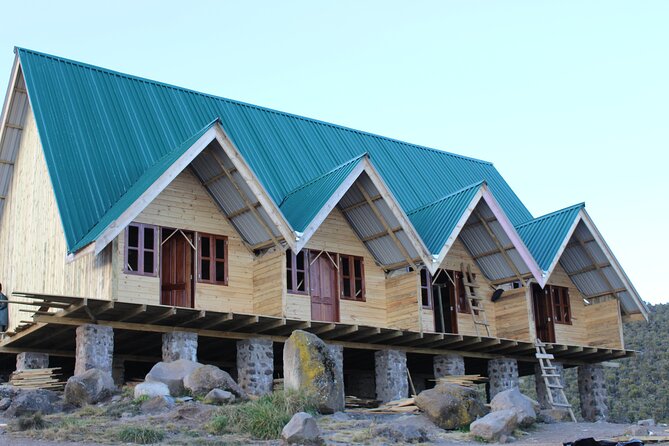
- You sleep in huts every night on the mountain: Mandara, Horombo, and Kibo provide basic rooms and simple dining facilities, though Kibo has no running water.
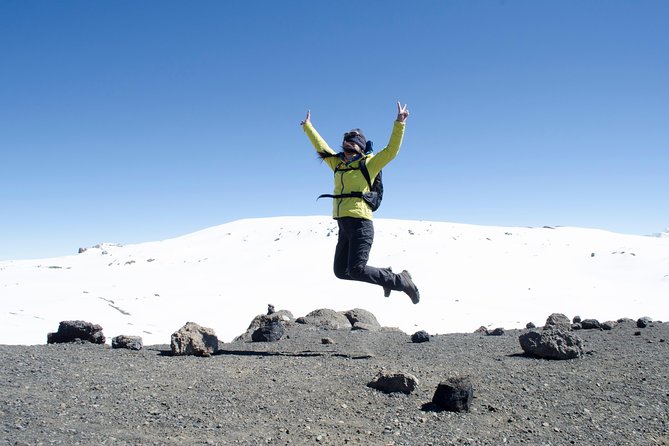
- The summit attempt is long and demanding: You start before midnight, reach Gillman’s Point at 5,685 meters, and may continue to Uhuru Peak at 5,895 meters.
- Safety support is unusually detailed: Oxygen, a Gamow Bag, pulse oximeter, VHF radios, and rescue fees are included.
- Meals and water are covered: You receive full-board meals, purified drinking water, and warm water for washing each day.
- The tour is private: Your own group takes part, and group discounts are offered.
Why the Marangu Route suits some climbers
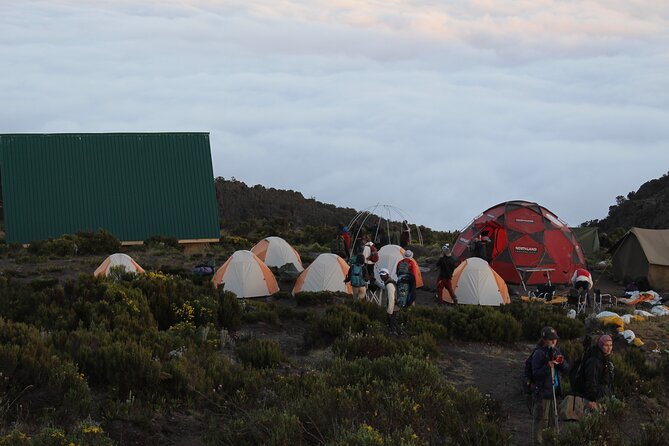
The Marangu Route is popular for a clear reason: it uses huts rather than campsites. You sleep in simple mountain rooms and eat at dining tables with proper chairs, including large aluminum chairs with backs and armrests. That is hardly luxury, but after a long uphill walk, a chair feels like a fine piece of furniture.
The trail also has a moderate slope compared with some other Kilimanjaro routes. That does not make the mountain easy. You still reach high altitude, walk on loose volcanic ground, and face a very long summit day. The route simply gives you a more gradual and familiar structure.
I like the six-day version more than the shorter five-day option because of the added night at Horombo. That extra time gives your body a better chance to adjust before you sleep at Kibo Hut and attempt the summit. The schedule still moves quickly, so slow walking and regular water intake matter from the first morning.
This is a private tour, not a large shared departure. That can make communication easier and lets your group move at its own pace within the planned schedule. The company also offers pickup, arrival and departure transfers, and transport within the destination area.
More Marangu Route climbs:
- Kilimanjaro climb, Marangu route (6-day)
★ 5.0 · 72 reviews - Climbing Kilimanjaro – Marangu Route
★ 5.0 · 65 reviews - Kilimanjaro Climbing 5 days Marangu route
★ 5.0 · 22 reviews
Day 1: Marangu Gate to Mandara Hut
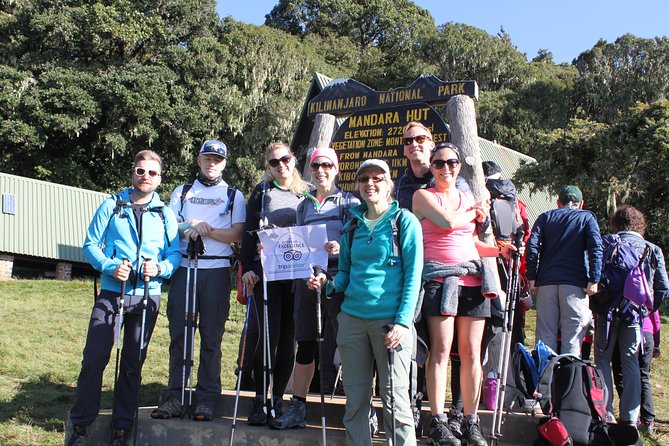
After breakfast, you travel from your hotel to Marangu National Park gate. The gate formalities come first, so do not expect to step out of the vehicle and start walking at once. This is the administrative beginning of your climb, with park entrance requirements handled before you enter the trail.
The first walking section passes through tropical rainforest. This is a pleasant opening stage, with thick vegetation and a shaded trail before the higher, more open mountain zones appear. You walk for about five to six hours and finish at Mandara Hut, at roughly 2,700 meters.
Mandara is your first mountain overnight. Dinner is provided, and you can rest around camp or take in the forest setting. The distance is manageable for many people with moderate fitness, but you should not race through it. Your goal on day one is to arrive with energy left, not to win the morning.
The included warm water for washing is a small but welcome service. You also receive purified drinking water, so you do not need to rely on untreated mountain water. The company provides large portions of fresh, nutritious food, which matters because appetite and energy can change as you gain height.
Day 2: Mandara to Horombo through moorland
The second day begins with a steeper section through the forest. The path then opens into moorland, changing the feel of the climb. In clear conditions, you may see Kibo and Mawenzi, the two major peaks associated with Kilimanjaro.
You walk for roughly four to six hours and reach Horombo Hut at 3,720 meters. Horombo is an important stop because you spend two nights here on the six-day schedule. The hut area gives you time to rest while taking in the views around camp.
The route description places this stage in the low alpine zone. In practical terms, you are leaving the forest behind and moving into a more exposed, higher setting. Conditions can feel cooler and the air thinner. Keep your pace steady, eat even if you are not very hungry, and continue drinking water.
The hut system is useful here. You are not setting up a tent after a full day on your feet, and meals are served in a dedicated dining area. Still, do not mistake a hut for a hotel. The accommodation is basic, and comfort comes mainly from being indoors and having a bed.
Day 3: Zebra Rocks and a useful acclimatization day
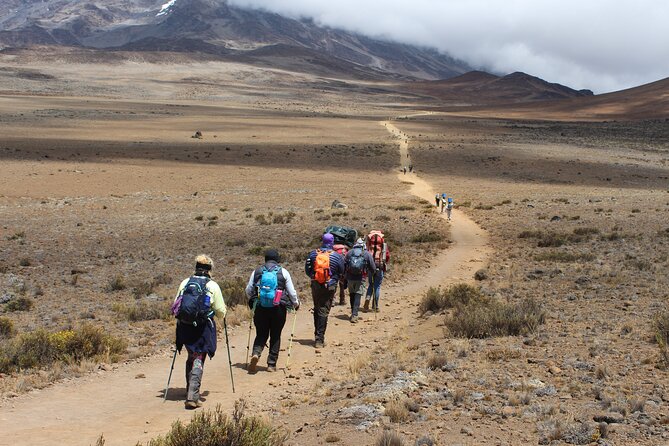
The third day is the strongest reason to choose this six-day plan. You walk toward Mawenzi Hut, passing Zebra Rocks, then return to Horombo for a second night. The schedule lists about six hours of walking and moves from the low alpine zone toward the high alpine zone.
This is an acclimatization day, not a wasted day. You gain more height during the walk, then sleep again at the lower Horombo elevation rather than moving straight to Kibo. That pattern gives you useful time at altitude before the summit attempt.
The advice here is simple and worth taking seriously: walk slowly and drink enough water. On a mountain, a modest pace is not a sign of weakness. It helps you conserve energy and gives your body more time to adjust.
All meals are provided at Horombo on this day. You can treat the afternoon as recovery time, though the route still asks you to walk for several hours. Bring patience. The day may feel less dramatic than summit day, but it does important work.
A few more options to weigh up in Moshi
- Kilimanjaro climb by Lemosho Route (7-day)
★ 5.0 · 651 reviews - Safari Serengeti And Ngorongoro
★ 5.0 · 288 reviews - Kilimanjaro climb, Machame Route (7-day)
★ 5.0 · 262 reviews - Kilimanjaro Climbing Lemosho Route 8 Days.
★ 5.0 · 186 reviews
Day 4: Horombo to Kibo across the Saddle
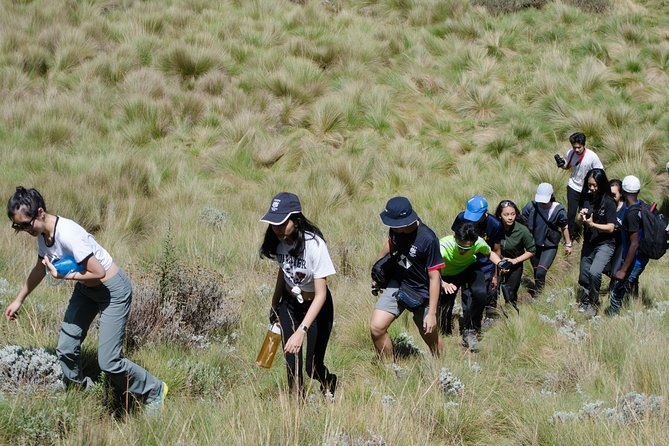
From Horombo, you climb gradually toward the Saddle, the open area between Mawenzi and Kibo. The setting changes again, moving into a high alpine zone with a more barren, lunar feel. There is less shelter and less visual relief, so the steady pace becomes even more important.
The stated walking time is about four to six hours, although the description also refers to a six to seven-hour walk. Plan for a long day rather than counting on the shortest estimate. You finish at Kibo Hut, at approximately 4,700 meters.
Kibo is the last overnight stop before the summit. There is no running water at Kibo Hut, an important detail for packing and expectations. Warm water for washing is included each day, but you should understand that the facilities at this altitude are limited.
The rest of the afternoon is meant for eating, resting, and preparing for a very early start. The best use of your time is quiet recovery. Lay out your summit clothing, keep your water ready, and avoid unnecessary wandering around camp. You will likely have only a short sleep before the climb begins.
Day 5: The summit attempt from midnight
Summit day is the heart of the trip and the part that demands the most from you. You wake before midnight and begin climbing in darkness over loose volcanic scree. The trail includes well-graded zigzags, but the surface and altitude make each step work.
The pace is intentionally slow. You climb toward Gillman’s Point on the crater rim, listed at 5,685 meters. Reaching this point is a major achievement, and the plan allows you to rest briefly and watch sunrise over Mawenzi.
If you still feel strong, you can continue along the crater rim for a three-hour round trip to Uhuru Peak, at 5,895 meters. This is the highest point in Africa and the ultimate goal of the climb. The schedule wisely treats this as dependent on how you are feeling. Do not let pride overrule your guide’s judgment or your own physical condition.
After the summit section, you descend to Kibo Hut for refreshments, then continue down to Horombo Hut. The total day is listed at about 13 hours. That number tells you more than the word moderate ever could. You need a reasonable fitness base, mental patience, and the ability to keep moving when tired.
A porter carries your day-pack during the summit attempt. That is helpful, but you still need personal essentials close at hand, such as water and suitable layers. The exact packing list is not provided, so ask the operator for current clothing and equipment guidance before departure.
Day 6: Horombo to the park gate
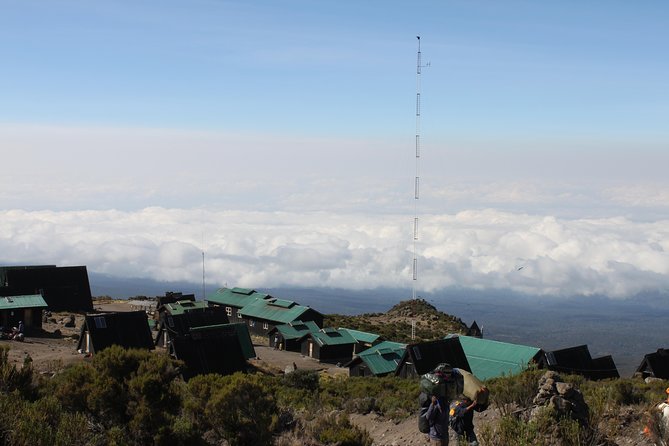
The final morning takes you down through Mandara Hut and back into the rainforest. The descent from Horombo to Marangu Gate is listed at six to seven hours, with the route again passing through the rainforest zone.
Downhill walking can sound easy after the summit, but tired legs and sore joints can make it demanding. Use trekking poles if you bring them, watch your footing, and resist the urge to hurry simply because the elevation is dropping.
At the gate, successful climbers receive summit certificates. From there, you are transferred to Mountain Inn for dinner, a summit celebration, and an overnight stay. That post-climb night is a sensible touch. It gives you a bed, a meal, and time to recover before your onward plans.
What the $2,179.49 price covers
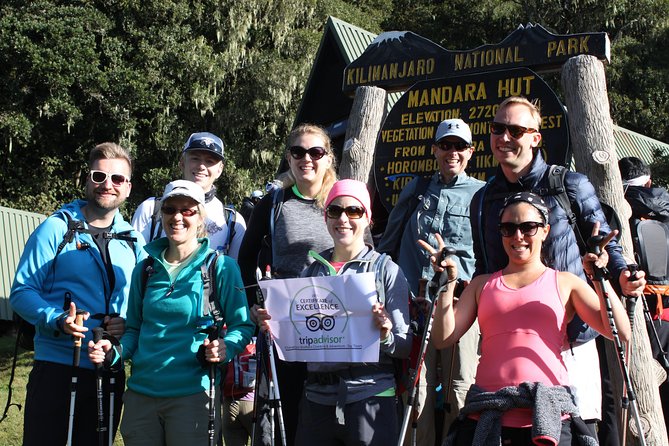
At $2,179.49 per person, this is not a budget walk. The value comes from the number of major costs bundled into one program. You receive two nights of standard hotel accommodation, one before and one after the trek, with bed-and-breakfast service.
On the mountain, the package includes full-board accommodation, with breakfast, lunch, and dinner. It also covers purified drinking water, warm water for washing, park entrance fees, government taxes, rescue fees, and transportation in the destination area.
The safety equipment is another significant part of the price. The company lists emergency oxygen tanks, a Gamow Bag hyperbaric chamber, pulse oximeters, VHF handheld radios, and rescue fees. These items do not make altitude risk disappear, but they show that the operator has planned for communication and emergencies rather than treating the climb as a simple hike.
A professional English-speaking mountain guide is included, along with porter support. The company also states that porters receive fair and ethical treatment. That is important on Kilimanjaro, where the people carrying supplies and supporting the climb are central to the whole operation.
You still need to budget for tips, a Tanzania visa on arrival, personal costs such as laundry, telephone use, and beverages, plus optional tours. A short safari after the climb is mentioned as an example of an extra activity, not part of this package.
Food, safety, and comfort on the mountain
Food is given unusual emphasis in this program, and rightly so. You receive large portions of fresh, healthy meals, with breakfast, lunch, and dinner included throughout the mountain stay. The operator’s own response to one customer specifically highlighted nourishment as part of the climbing plan.
That does not mean you should rely only on meals provided. Personal snacks may still be useful, but the supplied information does not specify a snack list, so ask before you go. Your appetite may change at altitude, making easy-to-eat food valuable.
The safety setup is one of the strongest features. Guides carry VHF radios for communication, and the group has access to emergency oxygen, a Gamow Bag, a pulse oximeter, and mountain rescue coverage. These provisions are reassuring, but they are backup measures, not substitutes for acclimatization, a sensible pace, or honest communication about symptoms.
You should have a moderate level of physical fitness. No special technical climbing skill is described, but the long summit day and high elevation are serious. Training for sustained uphill walking and long days on your feet will help more than simply being able to run a short distance.
Service and organization
The available feedback gives the operator high marks for organization, safety, food, and support from the airport through the mountain. One account describes George introducing the trip the evening before the climb, which suggests a useful pre-departure briefing. George Mtaki, identified as the company’s director of sales and marketing, personally responded to the feedback.
Another strong point is the sense of order. The full package includes arrival and departure transfers, hotel nights, mountain transport, meals, guides, and porters. Having these pieces arranged together can remove a lot of stress, especially if this is your first high-altitude trek.
Still, ask direct questions before paying. Confirm the exact hotel, room arrangement, group size, porter duties, recommended packing list, and the current summit-day support plan. The experience is private to your group, but the supplied details do not state the maximum group size.
Who should book this climb?
I would recommend this route to you if you want a structured Kilimanjaro climb with huts, included meals, strong safety provisions, and an extra acclimatization night. It also suits people who prefer a private group rather than joining a large shared departure.
The Marangu Route may appeal if sleeping in tents is a deal-breaker. The huts offer a simpler night than camping, though you should expect basic rooms and limited facilities, especially at Kibo.
I would hesitate to recommend it if you want a relaxed holiday with only moderate walking. The word moderate describes the route’s general slope, not the entire experience. The summit day is long, the altitude is extreme, and the schedule asks you to descend a great distance after reaching the crater rim.
Free cancellation is available if you cancel at least 24 hours before the local start time. Changes made inside that window are not accepted, and poor weather may lead to a new date or a full refund. Good weather is required for the experience to operate.
Should you book the six-day Marangu Route?
Book it if you value hut accommodation, organized logistics, substantial safety equipment, and the added acclimatization day at Horombo. Those features give this plan a sensible structure and help justify the price.
Before booking, make sure you are comfortable with a 13-hour summit day and a night at 4,700 meters without running water. If you are physically prepared, follow the slow pace, drink regularly, and treat the climb with respect, this is a well-supported way to attempt Kilimanjaro’s highest point.
FAQ
How long is the Kilimanjaro Marangu Route experience?
The experience lasts approximately six days. The mountain schedule runs from Marangu Gate to Mandara, Horombo, Kibo, the summit, and back to Marangu Gate, with hotel accommodation before and after the trek included.
Where do you sleep during the climb?
You sleep in mountain huts at Mandara, Horombo, and Kibo. The route uses huts rather than tents, with simple rooms and dining facilities.
Is an acclimatization day included?
Yes. Day three includes a walk toward Mawenzi Hut and Zebra Rocks, followed by a second night at Horombo Hut. This extra day is included to improve acclimatization.
What is the highest point reached?
The highest point is Uhuru Peak, at 5,895 meters. The summit day also includes Gillman’s Point on the crater rim, listed at 5,685 meters.
Are meals and drinking water included?
Yes. Breakfast, lunch, and dinner are included on the mountain, along with clean, purified drinking water. Warm water for washing is also provided each day.
What is not included in the price?
Tips, a Tanzania visa on arrival, personal expenses such as laundry, telephone use, and beverages, and optional tours are not included. A short safari after the climb is listed as an optional example.
Just added in Moshi
- Zanzibar: Stone Town tour and Nakupenda beach with Lunch★ 5.0 · 1 review
- day trip lake manyara★ 5.0 · 2 reviews
- Mt Kilimanjaro 6 days Marangu route hike★ 5.0 · 3 reviews
- machame route★ 5.0 · 16 reviews
- Private Cycle to Kilimanjaro Bike Park Safari★ 5.0 · 6 reviews
- West Kilimanjaro cycling Adventures★ 4.5 · 8 reviews
- Wildlife Extravaganza: Manyara, Tarangire & Ngorongoro in 3 Days★ 5.0 · 3 reviews
- 3 Days Private E-Bike Tour in West Kilimanjaro★ 5.0 · 3 reviews
Marangu Route Climbs, compared.

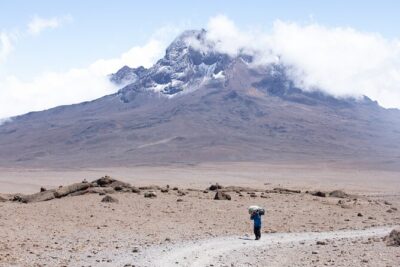

Private Full Day Hiking Experience to Marangu Route
Read our review →
From Arusha/Moshi: Kilimanjaro Hike Marangu Route Day Trip
Read our review →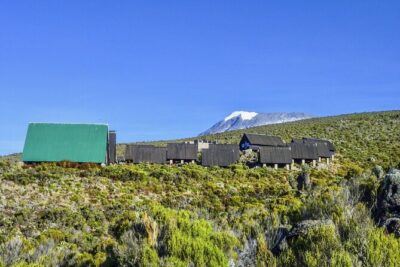
Mount Kilimanjaro Day Hike Through Marangu Route to Mandara Hut
Read our review →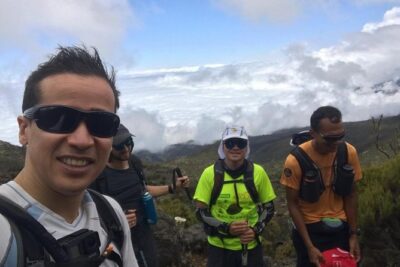
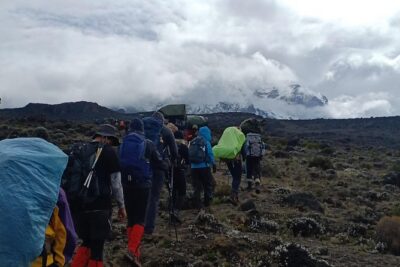
Best Kilimanjaro Adventures 6 Days Marangu Route Experience
Read our review →
Kilimanjaro Private Climbing in 6 Days Marangu Route
Read our review →Browse the lists this tour appears in