
Reviewed · MARANGU ROUTE CLIMBS
Marangu: Traditional Village Tour with Chagga Experience
Kilimanjaro has a village side. This full-day outing takes you to Marangu, on the mountain’s southeastern slopes, for a closer look at Chagga homes, food, customs, markets, and daily life. I like the chance to meet local residents through a guide rather than simply viewing Mount Kilimanjaro from a roadside stop. I also like the mix of activities, from traditional cooking and dance to coffee, crafts, and a Chagga lunch.
The main consideration is the long day. The visit itself can run for about nine hours, and the drive from the airport area takes roughly one hour each way. Transportation to Marangu is not included in the $300 price, so you need to confirm exactly what vehicle arrangements are available before paying.
In This Review
- Key Points to Know Before You Go
- Why Marangu Makes a Good Cultural Day Trip
- From the Airport to the Slopes of Kilimanjaro
- Traditional Chagga Homesteads and Old-Style Huts
- Markets, Crafts, and the Everyday Village
- Coffee, Cooking, and a Chagga Lunch
- Dance and Demonstrations Bring the Day to Life
- Nine Hours Is a Full Cultural Program
- What the $300 Price Really Buys
- Who Will Enjoy This Marangu Experience?
- Should You Book This Tour?
- FAQ
- Where does the Marangu village tour take place?
- How long does the experience last?
- Where can pickup and drop-off take place?
- Is transportation to Marangu included in the price?
- What food is included?
- Which languages are available for the guided tour?
- Can I cancel the booking?
Key Points to Know Before You Go
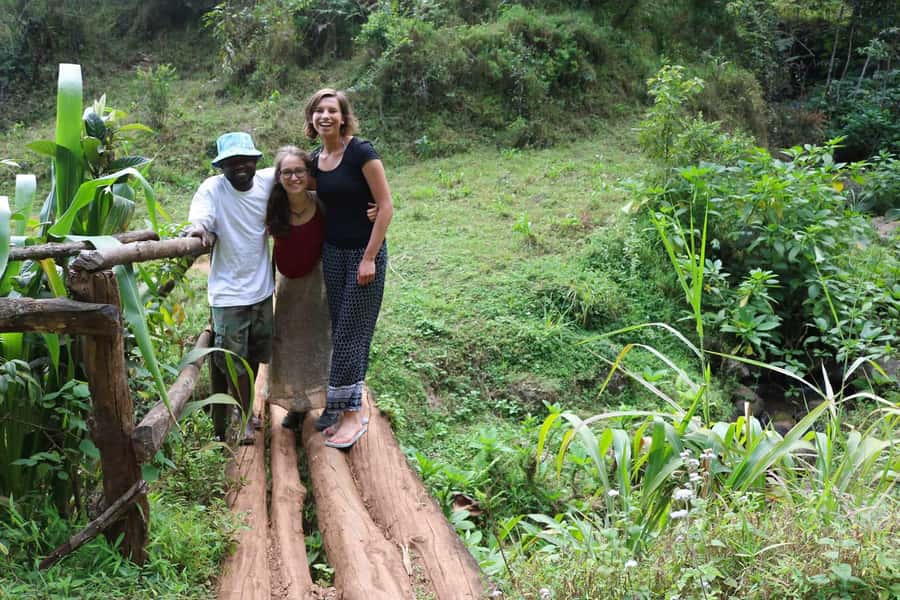
- Marangu connects culture with Kilimanjaro: You visit a village near the starting point of the famous Marangu Route, but this is a cultural day rather than a mountain trek.
- Traditional homesteads are the heart of the visit: Chagga huts and household spaces help explain how people lived in earlier generations.
- Food is part of the experience: Expect a traditional Chagga lunch, local snacks, regional dishes, cooking activities, and food tasting.
- The day has plenty of walking: Comfortable shoes, water, a hat, and sunscreen are essential.
- The $300 price needs careful checking: Entrance fees, a guided tour, cultural activities, and lunch are included, but transport and personal spending are not.
- Several guide languages are offered: Tours are available in English, French, Spanish, and German.
Why Marangu Makes a Good Cultural Day Trip
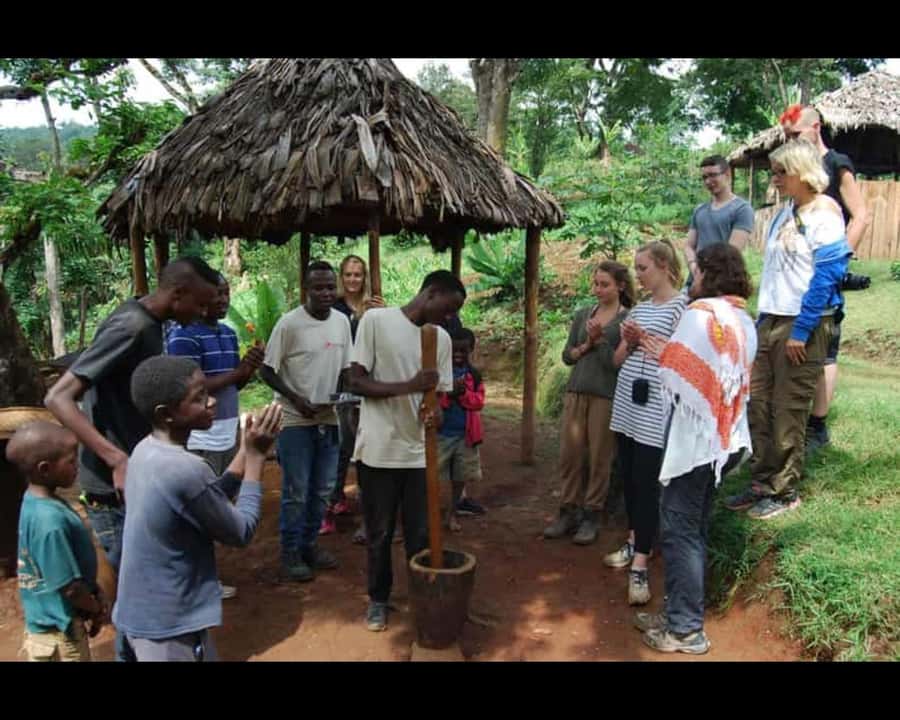
Marangu is best known as the gateway to one of Mount Kilimanjaro’s popular trekking routes. That gives the village a useful setting for a cultural visit. You are not only seeing rural Tanzania in the abstract. You are visiting a place closely tied to life on the slopes of Africa’s highest mountain.
I like this approach because it adds human context to a Kilimanjaro trip. Many visitors pass through the area focused on altitude, trekking permits, and summit plans. A village day gives you time to think about the communities that live around the mountain and the customs that shape everyday life there.
The tour centers on Chagga culture. Your guide explains daily routines, household traditions, local food, and the customs connected with village life. The information should be easier to understand while you are standing in a traditional home or watching a cooking demonstration than it would be in a museum display.
You will also have chances to interact with local residents. That interaction is important, but you should approach it with respect and patience. This is a guided cultural visit, not a staged theme park. The quality of the day depends heavily on how well the guide explains the setting and how thoughtfully the activities are handled.
More Marangu Route climbs:
- Kilimanjaro climb, Marangu route (6-day)
★ 5.0 · 72 reviews - Climbing Kilimanjaro – Marangu Route
★ 5.0 · 65 reviews - Kilimanjaro Climbing 5 days Marangu route
★ 5.0 · 22 reviews
From the Airport to the Slopes of Kilimanjaro
Pickup is available from Kilimanjaro International Airport or Arusha Airport. The drive to Marangu takes about one hour, which makes this possible as a day trip if your flight timing works. You should check the starting time carefully, since the exact departure is based on availability.
The road journey is part of the experience, not just a transfer. You will see changing scenery on the way and may stop to appreciate views along the route. The provided plan allows for food and drinks during the day, including local snacks and regional food, but do not assume every item is included in the price.
The transportation details deserve attention before booking. The advertised inclusions cover the village tour, cultural sites, lunch, local interaction, and activities, while transportation to Marangu is listed separately as an extra. At the same time, airport pickup and drop-off are offered as part of the day’s arrangement. Ask whether the airport transfer is included, privately priced, or available only as an add-on.
That single question can change the value of the tour. At $300 per person, the price may make sense for a private or well-organized experience with airport transfers. It is less attractive if you must arrange and pay for a separate vehicle on top of the listed cost.
Traditional Chagga Homesteads and Old-Style Huts
The homestead visit is likely to be the strongest part of the day for anyone interested in local life. Traditional Chagga huts give you a physical sense of how families organized their homes and protected household space in earlier times.
A guide can explain the purpose of the huts, the routines connected with them, and the ways Chagga customs have changed or continued. I would pay close attention here rather than rushing through for photographs. The value is in the explanation: why spaces were built as they were, how people used them, and what the home tells you about the community.
You may see household demonstrations and craft work during the visit. These activities can help turn a general cultural lesson into something practical. A craft demonstration, for example, lets you watch how local skills are used instead of merely hearing that they exist.
Photography is welcome, but ask before taking pictures of people or private areas. Bring your camera for the scenery, huts, markets, and activities, but keep your attention on the people explaining the traditions. A respectful approach usually leads to a better exchange.
Markets, Crafts, and the Everyday Village
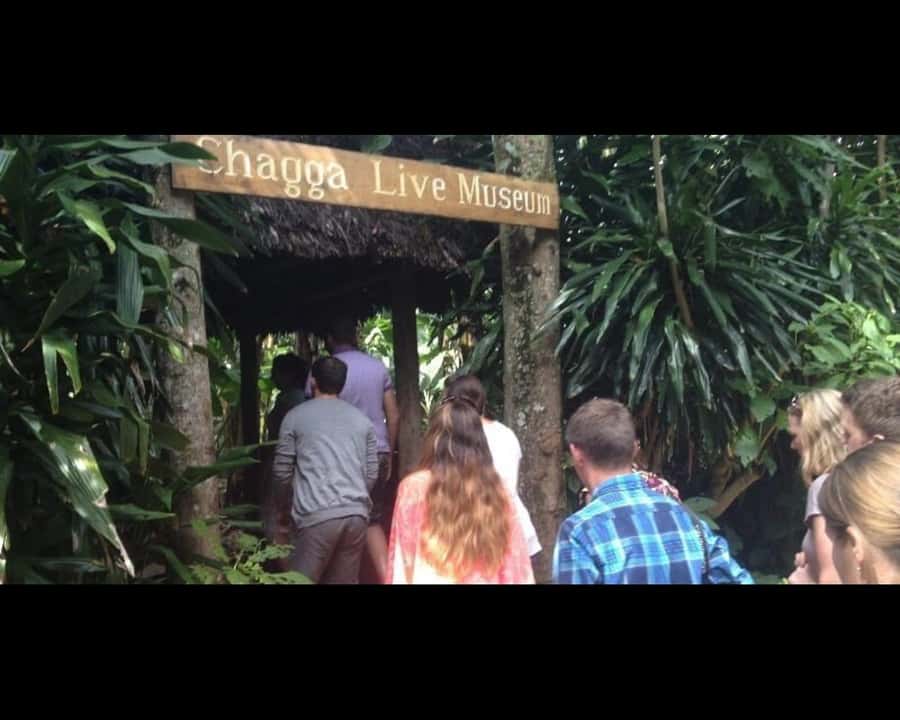
The guided walk includes local markets and an arts and crafts market visit. These stops show a more active side of Marangu, where food, handmade goods, and daily shopping come together.
Markets are useful because they show ordinary life rather than only heritage displays. You might see local snacks, regional food, and items made for sale. You also have free time for shopping, but personal expenses are not included, so bring money if you want to buy anything.
The craft stop can be a good place to find a small reminder of the visit. Still, do not judge the day by the number of purchases you make. The more useful reason to visit is to see how local goods are presented and to ask your guide about their role in village life.
Street food and food-market stops add another practical layer. You can sample local flavors, though the information does not specify exactly which dishes or snacks will be served. If you have allergies or dietary restrictions, explain them before eating. Food and drinks are not generally included beyond the stated traditional lunch, so confirm what tasting portions and refreshments are covered.
A few more options to weigh up in Moshi
- Kilimanjaro climb by Lemosho Route (7-day)
★ 5.0 · 651 reviews - Safari Serengeti And Ngorongoro
★ 5.0 · 288 reviews - Kilimanjaro climb, Machame Route (7-day)
★ 5.0 · 262 reviews - Kilimanjaro Climbing Lemosho Route 8 Days.
★ 5.0 · 186 reviews
Coffee, Cooking, and a Chagga Lunch
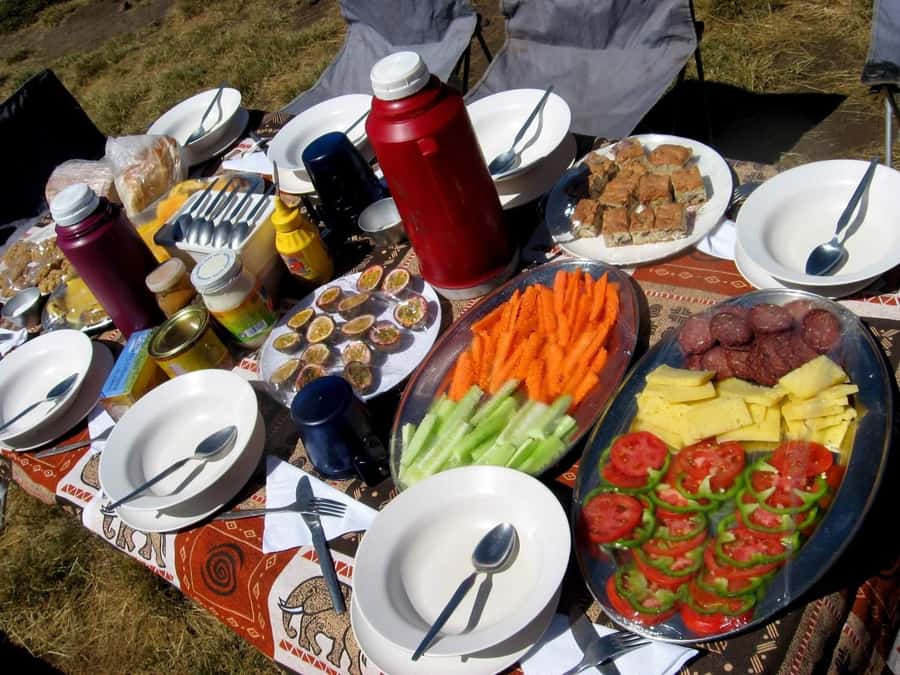
Food gives this tour some of its most appealing detail. The day includes a traditional Chagga lunch, along with cooking activities, food tasting, local snacks, and regional dishes.
I like that lunch is not treated as an afterthought. A meal can explain a culture in a direct way. Ingredients, preparation methods, timing, and the custom of sharing food all tell you something about local life. A cooking class or demonstration also lets you take part rather than simply sit down to eat.
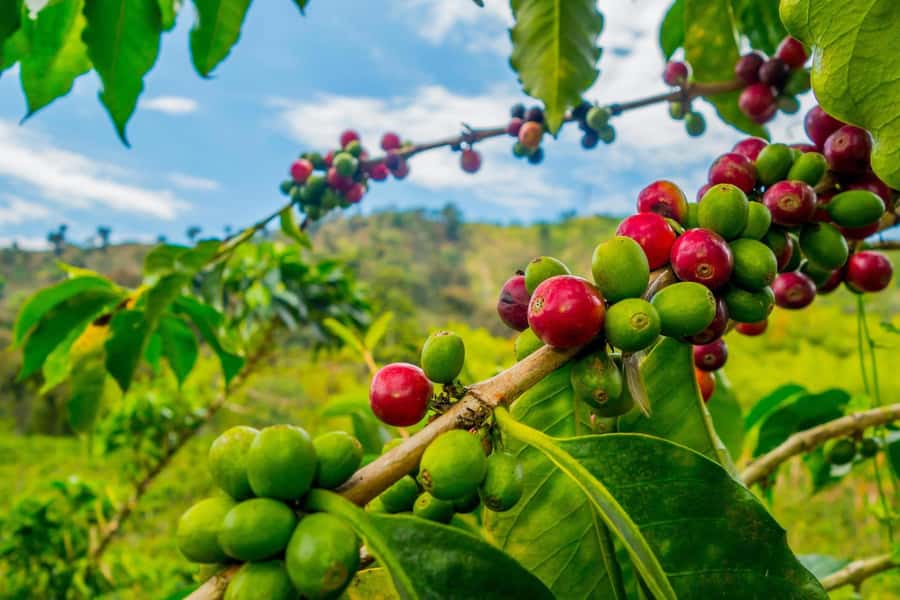
Coffee is included among the possible activities, along with beer and wine. The details do not specify whether every drink is part of the price, so ask your guide or provider what is included. If you do not drink alcohol, there should still be plenty to do through the food, coffee, crafts, and cultural demonstrations.
The traditional lunch is included, but the broader wording around food and drinks is less clear. Pack water and a few personal snacks if you need them. The day is long, and staying hydrated matters, especially if you are walking in the sun.
Dance and Demonstrations Bring the Day to Life
Traditional dance performances are part of the program, along with cultural demonstrations. These can be enjoyable, but they work best when the guide gives them context.
Ask what the dance means, when it is performed, and how it connects with Chagga customs. Without that explanation, a performance can become a quick photo opportunity. With it, you get a better sense of why music, movement, and public celebration matter in the community.
You may also see craft demonstrations and cooking activities during the day. The exact order can change, since the visit includes guided time, free time, food stops, markets, and scenic pauses. I would expect a flexible schedule rather than a minute-by-minute program.
That flexibility has a benefit. You can spend more time at a market or homestead if the guide allows it. The drawback is that you may not know exactly when each activity begins. If a specific dance or cooking session matters most to you, ask about the timing at the start of the tour.
Nine Hours Is a Full Cultural Program
The Marangu portion can last about nine hours, before considering the drive to and from the airport. That gives you time to see several parts of the village without treating the place as a rushed stop.
The day may include walking, visiting, tasting food, shopping, viewing dance, and time in a vehicle. Comfortable walking shoes are a must. A hat, sunscreen, and water are equally useful. The advice to bring a camera is sensible, since the route includes traditional huts, markets, crafts, food, performances, and mountain scenery.
The length can be a strength if you want a serious cultural day. You get more than one short visit and a meal. You also have time for local conversation and unscripted moments.
Still, this is not the right choice if you prefer a light half-day outing. Pregnant women and people with mobility impairments are advised not to take part. The information also lists the tour as wheelchair accessible but separately says it is not suitable for wheelchair users. That is a clear point to verify before booking, since the amount of walking and the conditions at traditional sites may limit access.
What the $300 Price Really Buys
At $300 per person, this is not a bargain-priced village stop. The value depends on what you want from a Kilimanjaro-area visit and how much of the planning the operator handles.
The price includes a guided village tour, entrance fees to cultural sites, a traditional Chagga lunch, interaction with local residents, and cultural demonstrations. It also gives you a full day of activities rather than a brief photo stop. If you value a guide who can explain customs and help you communicate, those parts carry real weight.
The price is harder to judge because transportation is not included. You may also spend more on drinks, snacks, shopping, or other personal items. Ask for a complete cost breakdown covering airport pickup, vehicle use, driver arrangements, and any food beyond lunch.
The reserve-now-and-pay-later option helps if your schedule is still changing. You can also cancel up to 24 hours in advance for a full refund. Those policies reduce booking risk, but they do not remove the need to check the transport cost.
Who Will Enjoy This Marangu Experience?
I would recommend this tour to you if you want a cultural counterpoint to a Kilimanjaro trek or safari. It suits people who enjoy food, local customs, village walks, craft work, and conversation more than a tightly packed list of famous sights.
It is also useful for first-time visitors who want a guided introduction to Chagga life. The combination of homesteads, markets, cooking, dance, and local food gives you several ways to connect with the area.
Families and older visitors should think about the walking requirement and ask direct questions about access. The activity is listed as unsuitable for people with mobility impairments and wheelchair users, despite separate accessibility wording. Pregnant women should also choose another activity.
You will need to be comfortable with a long day, warm weather, variable walking surfaces, and a schedule that may shift around village activities. A good attitude matters here. The best moments may come from listening, tasting, and asking questions, not from racing to the next stop.
Should You Book This Tour?
Book it if you want to understand the communities around Kilimanjaro, not just see the mountain. The traditional homes, Chagga lunch, market visit, cooking, coffee, crafts, and dance give the day a broad cultural focus.
I would book only after confirming the transportation cost and the exact accessibility arrangements. At $300 per person, the tour needs to deliver strong guiding and well-organized transfers to feel worthwhile. If those details are clear, this can be a rewarding full-day addition to a northern Tanzania itinerary. If you mainly want mountain views or a short village walk, a less expensive and shorter activity may suit you better.
FAQ
Where does the Marangu village tour take place?
The tour takes place in Marangu Village on the southeastern slopes of Mount Kilimanjaro in Tanzania.
How long does the experience last?
The activity lasts one day. The Marangu portion is scheduled for about nine hours, and the drive from the airport area takes roughly one hour.
Where can pickup and drop-off take place?
Pickup and drop-off locations are available at Kilimanjaro International Airport and Arusha Airport.
Is transportation to Marangu included in the price?
Transportation to Marangu is listed as not included. Confirm the airport transfer arrangements and any additional vehicle cost before booking.
What food is included?
A traditional Chagga lunch is included. The day may also include cooking, food tasting, local snacks, regional food, coffee, beer, and wine, but confirm which additional food and drinks are covered.
Which languages are available for the guided tour?
Live guides are available in English, French, Spanish, and German.
Can I cancel the booking?
You can cancel up to 24 hours in advance for a full refund. A reserve-now-and-pay-later option is also available.
Just added in Moshi
- THE BEST 2 DAYS ON TREK – MARANGU ROUTE TOUR ADVENTURES★ 5.0 · 1 review
- Mount Kilimanjaro National Park Day Trip★ 5.0 · 7 reviews
- Mount Kilimanjaro Climbing in Tanzania Full-Day Trip★ 5.0 · 1 review
- Mount Kilimanjaro Day Hike – All-Inclusive, No Hidden Fees★ 4.0 · 7 reviews
- Mount Kilimanjaro Trekking Tour – Climb with Local Guides★ 5.0 · 1 review
- Mount Kilimanjaro: 7 Days Hike Lemosho Route★ 5.0 · 1 review
- Moshi:Chemka Hot Springs, Materuni Waterfalls & Coffee Tour★ 5.0 · 1 review
- Moshi Town: Walking Tour: Theme Urban lifestyle★ 3.1 · 4 reviews
Marangu Route Climbs, compared.
Private Full Day Hiking Experience to Marangu Route
Read our review →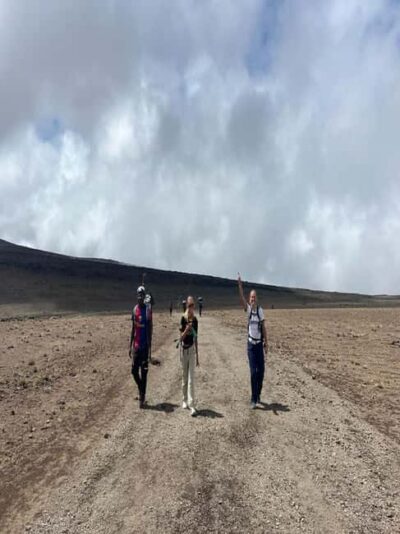
From Arusha/Moshi: Kilimanjaro Hike Marangu Route Day Trip
Read our review →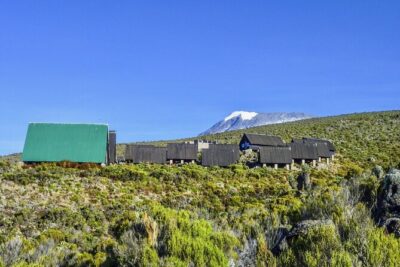
Mount Kilimanjaro Day Hike Through Marangu Route to Mandara Hut
Read our review →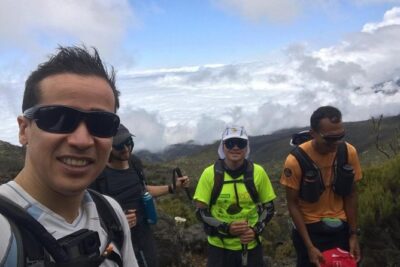
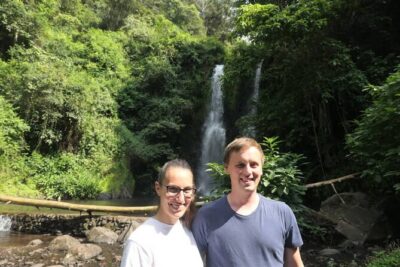
Marangu waterfall & Coffee making Cultural Tour | BURIGI CHATO SAFARIS CO LTD
Read our review →
Climb Kilimanjaro – Marangu Route 8 Day Program
Read our review →Browse the lists this tour appears in