

Reviewed · WALKING TOURS
Moshi Town: Walking Tour: Theme Urban lifestyle
Moshi comes alive on foot. This two-hour walk gives you a useful look at everyday town life, from produce sellers and bus routes to Makonde carvings and the story of coffee cooperation. I like the local focus, and I like that the small group size, limited to 10 people, leaves room for questions and conversation. The main drawback is reliability: one verified booking reported that the operator did not arrive and did not answer a refund request.
I also like the way the route links places that are easy to miss if you only pass through Moshi on the way to Kilimanjaro. James, praised for being warm and welcoming, led one especially enjoyable outing. Still, you should confirm the meeting details shortly before setting out, especially because the overall rating is 3.1 out of 5 from four bookings.
In This Review
- What Makes This Moshi Walk Worth Considering
- Why This Two-Hour Route Gives You More Than a Quick City Walk
- Starting at Coffee Union Cafe or KNCU
- Tinga Tinga Art and the Makonde Tradition
- Moshi Train Station and a Town Changing With Time
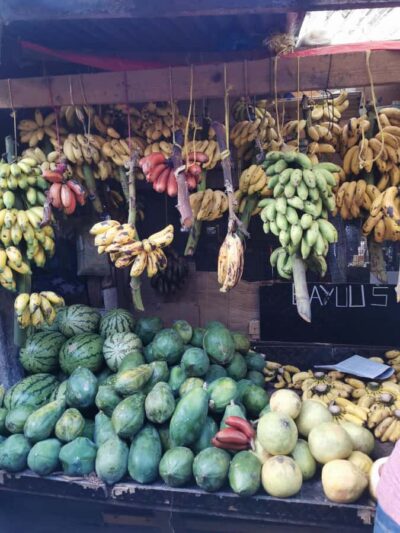
- Mbuyuni Market: Fruits, Vegetables, and Daily Trade
- Moshi Bus Stand and the Practical Side of Town
- KNCU and Moshi’s Coffee Cooperative Story
- Food, Shopping, and What the $20 Covers
- Group Size, Access, and Comfort
- A Note About Reliability
- Who Should Book This Moshi Walk?
- Should You Book It?
- FAQ
- How long does the Moshi walking tour last?
- How much does the tour cost?
- Where does the tour start?
- Where does the tour end?
- Which languages does the guide speak?
- Is food included?
- Is the tour suitable for wheelchair users and young children?
What Makes This Moshi Walk Worth Considering

- Mbuyuni Market: See how fruits and vegetables move from local sellers to household kitchens, with the chance to sample some fresh produce and snacks.
- Tinga Tinga Artist Cooperative: Browse paintings, carvings, and souvenirs made by local artists, and purchase handmade work if something catches your eye.
- Moshi Train Station: Look at a railway site that has changed from a quiet, inactive place into one with renewed activity.
- Moshi Bus Stand: Learn how local routes and regional connections work, a practical lesson in how people move around northern Tanzania.
- KNCU’s coffee story: Understand the role of the Kilimanjaro Native Cooperative Union in Moshi’s economic and social life.
- Easy planning: The $20 price includes a local guide, walking route, market sampling, and pickup and drop-off at your chosen location.
Why This Two-Hour Route Gives You More Than a Quick City Walk
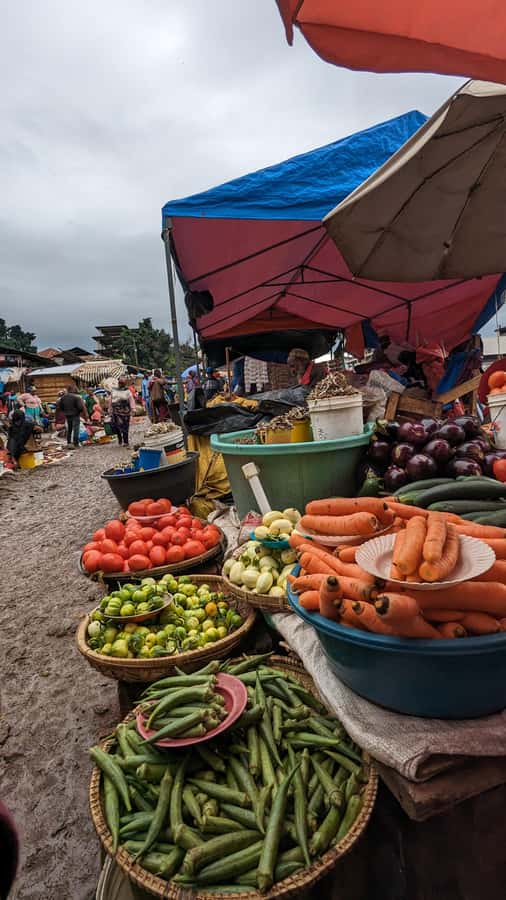
Moshi is often treated as a staging point for Kilimanjaro. That is a shame. The town has its own daily rhythm, and this tour gives you a way to see it without spending half a day trying to work out where to go.
The route is built around ordinary places rather than grand monuments. You move through a market, an art cooperative, a railway station, a bus stand, and the KNCU area. That mix helps you understand how Moshi works, not just how it looks.
At $20 per person, the price is reasonable if you value local interpretation and want a structured introduction. You are paying for about two hours with a guide, plus help navigating the town and explanations that would be difficult to gather on your own. It is less attractive if you want a long museum visit, a formal food tour, or a slow shopping afternoon.
The route is described as two hours or more of walking, so wear comfortable shoes and expect sun. Sunglasses and sunscreen are specifically recommended. Children under five cannot join, and you should have a moderate level of fitness.
More Walking Tours in Moshi:
- Kilimanjaro: Village Walk, Coffee Tour, Waterfall, and Lunch
★ 4.5 · 56 reviews - Stone Town Private Walking Tour
★ 5.0 · 371 reviews - Zanzibar: 3 Hours Private Stone Town walking Tour with Guide
★ 4.6 · 301 reviews
Starting at Coffee Union Cafe or KNCU
You can begin at Coffee Union Cafe or KNCU, or arrange pickup from your hotel, hostel, or another chosen location. If you already know Moshi’s streets, meeting at one of those two points may be simplest.
Pickup is a useful feature after a long journey. You do not need to spend your first morning finding an unfamiliar cafe. It also makes the walk workable for people staying in different parts of town, although the exact pickup timing should be confirmed before the day.
The guide speaks English and Swahili. That matters here because the value of the walk depends on explanation and conversation, not just on reaching each stop. You can ask about prices, transport, local businesses, and the meaning of places as you go.
The group limit of 10 is another plus. A small party can pause at a market stall without blocking the walkway, and you have a better chance of asking questions. It also keeps the walk more personal than a large city group.
Tinga Tinga Art and the Makonde Tradition
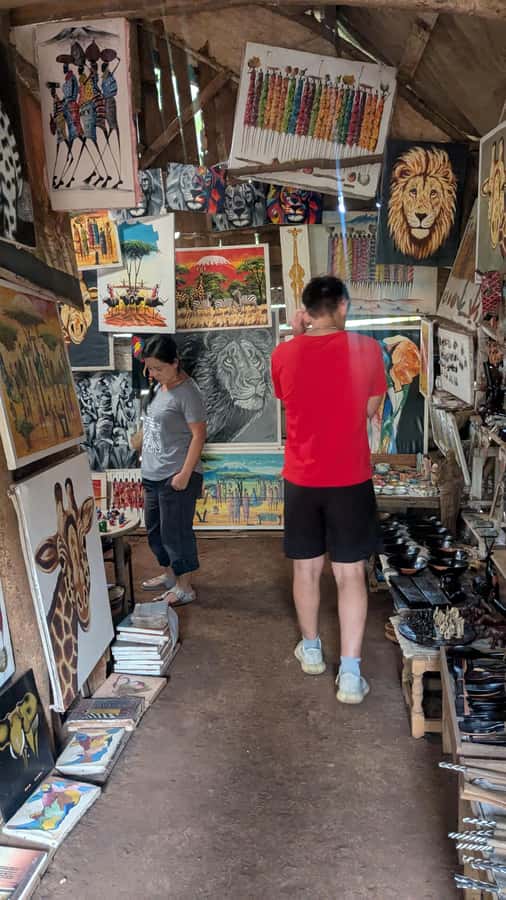
The first main stop is the Tinga Tinga Artist Cooperative, where you have about 30 minutes to look at paintings, carvings, and other souvenirs. This is a good early stop because it introduces the creative side of Moshi before the walk turns toward transport, commerce, and coffee.
The art market is not just a place to buy a keepsake. You can see handmade work and speak with artists or sellers about what they make. The description highlights Makonde art, including paintings and carvings, so this is a chance to learn about an important artistic tradition while deciding if you want to purchase something.
Allow yourself time to look carefully rather than rushing to the first item. Handmade work varies in size, style, and price, but no fixed prices are provided for purchases, so ask before committing. The tour includes the opportunity to buy art, not the cost of any artwork.
The 30-minute stop is enough for a first look, though it may feel short if you want to browse every stall or make a considered purchase. If shopping is your main reason for booking, you may want to return independently later.
Moshi Train Station and a Town Changing With Time
The walk then reaches Moshi Train Station for about 20 minutes. The stop focuses on the station’s changing role, from a place that had become dormant to one with renewed activity.
That story gives you a useful way to read the town. A railway station is not only a transport building. It can show how trade, movement, and development have shifted over time. The guide’s historical explanation adds meaning to what might otherwise be a short look at an old public site.
Do not expect a long railway museum visit. The stop is listed as sightseeing and walking, with 20 minutes allocated to it. Its value is in the local story and the setting, rather than a large collection of displays.
This is one of the better examples of the tour’s approach. You are not being taken only to polished attractions. You are being shown places that help explain Moshi’s growth and changing use of public space.
A few more options to weigh up in Moshi
- Kilimanjaro climb by Lemosho Route (7-day)
★ 5.0 · 651 reviews - Safari Serengeti And Ngorongoro
★ 5.0 · 288 reviews - Kilimanjaro climb, Machame Route (7-day)
★ 5.0 · 262 reviews - Kilimanjaro Climbing Lemosho Route 8 Days.
★ 5.0 · 186 reviews
Mbuyuni Market: Fruits, Vegetables, and Daily Trade
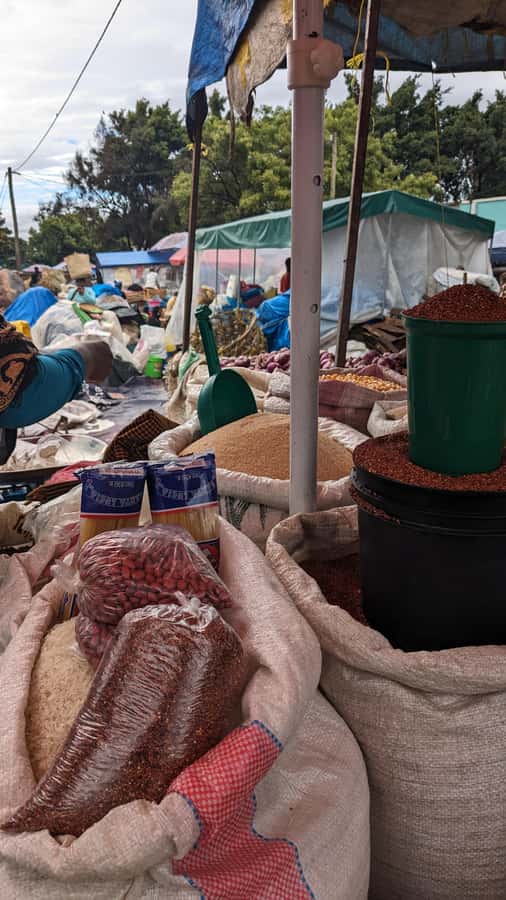
The 30-minute visit to Mbuyuni Market is likely to be one of the most engaging sections for anyone interested in everyday life. You can see fresh fruits and vegetables, watch local trade, and ask how the market functions.
The tour includes sampling of local fruits and snacks. That makes the stop more than a walk past stalls. You get a direct taste of the produce being sold, while the guide can explain what you are seeing and how people use the market.
Markets can be crowded, bright, noisy, and a little confusing. That is precisely why having a local guide helps. You can focus on the colors, produce, and movement instead of worrying about missing the next stop or misunderstanding local buying customs.
Keep your belongings secure and ask before photographing people or stalls. That is sound practice in any market, and it allows you to be polite while still taking in the scene.
The market is also where the food element needs clarification. The details say local fruits and snacks are included, but they also list tastings of traditional Moshi dishes and beverages as not included. Elsewhere, traditional dishes and drinks are described as part of the experience. I would confirm exactly what food and drink are covered before booking, since the information is inconsistent.
Moshi Bus Stand and the Practical Side of Town
The route continues to Moshi Bus Stand for around 30 minutes. Here, the guide explains the local and regional bus system, including how routes connect the town with other places.
This may sound less exciting than an art market, but it is one of the most useful stops. Transport is the town’s lifeline, and understanding the bus stand can help you plan later travel. You get a clearer idea of how local routes differ from longer regional connections and how people move through northern Tanzania.
You will not necessarily need to use the bus system during this tour. The value is practical knowledge. If you plan to travel beyond Moshi, this explanation can help you feel less uncertain about a part of the town that can seem hard to read at first.
Thirty minutes is enough for an introduction, though not for a complete transport lesson. Ask direct questions about the routes that matter to your own plans. The tour is strongest when you treat it as a conversation rather than a sightseeing checklist.
KNCU and Moshi’s Coffee Cooperative Story
The walk finishes at KNCU, the Kilimanjaro Native Cooperative Union, with a 10-minute break. KNCU is presented as an important part of Tanzania’s cooperative movement and of Moshi’s economic life.
Coffee is central to understanding the area, and KNCU offers a way to connect agriculture with local organization, trade, and household income. You get context about how cooperation has shaped Moshi and the surrounding region rather than hearing only about coffee as a drink.
There is also a coffee curing industry in Moshi town, but the entrance fee is not included. If you want to enter that facility, budget for an extra charge and ask the guide or operator about the current price and access arrangements.
The KNCU stop is brief, so it works best as a final introduction rather than a full coffee education. If coffee is your main interest, you may want to add a separate visit. The walking tour still gives you a useful foundation for understanding why coffee matters here.
You can finish at KNCU or Coffee Union Cafe. Ending at either location gives you a practical choice: remain near the coffee-related area or return to the cafe where the walk began.
Food, Shopping, and What the $20 Covers
The $20 fee includes the guided walk, interaction with local people, market sampling of fruits and snacks, explanations at the train station and bus stand, and background on KNCU. It also gives you a chance to purchase handmade art, though anything you buy costs extra.
The value depends on what you want from Moshi. I think it is fair for a first introduction because the route covers several parts of town and provides interpretation at each stop. A taxi or self-guided walk might cost less, but you would lose the local explanations and the organized sequence.
Food coverage is the one unclear point. Traditional Moshi dishes and beverages appear both among the included experiences and among the exclusions. Treat the $20 price as covering fruit and snack sampling only until the operator confirms otherwise.
The coffee curing industry entrance fee is definitely excluded. Set aside extra money if that visit interests you.
Group Size, Access, and Comfort
The tour is limited to 10 participants, which should make it easier to hear the guide and stop for questions. It is also listed as wheelchair accessible, although the route includes two hours or more of walking through markets, streets, and transport areas. If you use a wheelchair, confirm the exact street conditions and market access before booking.
The tour is not suitable for children under five. Older children may manage it if they are comfortable walking for the full period, but no child-specific activities are described.
Bring sunscreen and sunglasses. Moshi’s outdoor markets and street sections provide little reason to expect shade throughout the route. Comfortable walking shoes are more important than dressing formally.
Free cancellation is available up to 24 hours before departure for a full refund, and you can reserve now and pay later. Those terms help if your Kilimanjaro schedule is still moving around.
A Note About Reliability
The strongest feedback praises the tour’s introduction to Moshi and the warmth of the guide. One booking described it as a good all-around look at the town, its culture, and its people, while another said it revealed more of daily life than expected. James was named as a welcoming guide who made the couple of hours enjoyable.
There is also a serious negative report. A verified booking dated January 17, 2026, stated that the operator did not show up and did not respond to a refund request. That single incident should not erase the positive experiences, but it is too important to ignore.
I would confirm the pickup time, meeting place, and the guide’s contact details shortly before the tour. If you are booking around a tight flight or Kilimanjaro departure, avoid placing an essential connection immediately after the walk.
Who Should Book This Moshi Walk?
I would choose this tour if you have just arrived in Moshi and want a quick orientation before a climb or safari. It suits you if markets, local transport, art, and town history interest you more than formal attractions.
It is also a good fit if you prefer a small group and want to ask questions in English or Swahili. The route gives you practical information that can help with the rest of your stay.
I would skip it if you dislike walking in markets, need a very slow pace, or want a dedicated coffee or food tour. You should also think twice if you cannot tolerate uncertainty around the meeting arrangements, given the one serious service complaint.
Should You Book It?
For $20, this is a useful Moshi introduction with a sensible route and strong local character. I especially like the combination of Mbuyuni Market, the art cooperative, and the bus stand because those stops show how people shop, create, and move through town.
Book it if you want context, conversation, and a practical first look at Moshi. Before paying, confirm the pickup and the food inclusions, and keep your schedule flexible enough to handle a possible delay. With those precautions, this short walk can be a good first chapter to a Kilimanjaro-area visit.
FAQ
How long does the Moshi walking tour last?
The scheduled duration is two hours, although the tour information advises allowing for two hours or more of walking.
How much does the tour cost?
The price is $20 per person.
Where does the tour start?
You can start at Coffee Union Cafe or KNCU. Pickup from a hotel, hostel, or another chosen location is also available.
Where does the tour end?
Drop-off is available at KNCU or Coffee Union Cafe.
Which languages does the guide speak?
The tour is offered in English and Swahili.
Is food included?
Sampling local fruits and snacks at the market is included. The information is unclear about traditional Moshi dishes and beverages because they are listed both as included and not included. Confirm this before booking.
Is the tour suitable for wheelchair users and young children?
The tour is listed as wheelchair accessible, but it involves two hours or more of walking. Children under five are not permitted.
Just added in Moshi
- THE BEST 2 DAYS ON TREK – MARANGU ROUTE TOUR ADVENTURES★ 5.0 · 1 review
- Mount Kilimanjaro National Park Day Trip★ 5.0 · 7 reviews
- Mount Kilimanjaro Climbing in Tanzania Full-Day Trip★ 5.0 · 1 review
- Mount Kilimanjaro Day Hike – All-Inclusive, No Hidden Fees★ 4.0 · 7 reviews
- Mount Kilimanjaro Trekking Tour – Climb with Local Guides★ 5.0 · 1 review
- Mount Kilimanjaro: 7 Days Hike Lemosho Route★ 5.0 · 1 review
- Moshi:Chemka Hot Springs, Materuni Waterfalls & Coffee Tour★ 5.0 · 1 review
- Moshi/Arusha kikuletwa Hot Springs Tour★ 5.0 · 1 review
Walking Tours, compared.
3 Hours Private Stone Town walking Tour with Guide
Read our review →
Stone Town Historical Cultural Walking Guided Tour
Read our review →

Arusha Guided Walking City Tour, Culture, Lifestyle & History
Read our review →
Browse the lists this tour appears in