
Reviewed · MARANGU ROUTE CLIMBS
Mount Kilimanjaro Climb – Marangu Route 6 Days
The mountain earns its reputation. This six-day Marangu Route climb gives you a classic Kilimanjaro ascent through rainforest, moorland, alpine desert, and the arctic summit zone. I like the mountain huts, which spare you from carrying a tent, and I like that this is a private trip for your own group.
The Coca Cola nickname can fool you. The route is well formed and the climb is steady, but Uhuru Peak is still a serious test, especially on summit day. Six days also gives you less time to adjust than longer Kilimanjaro routes, so fitness, pacing, food, and patience matter.
In This Review
- What makes this climb worth considering
- The Coca Cola route is no walk in the park
- Day 1: From Moshi toward the rainforest
- Day 2: Leaving the forest for heath and moorland
- Day 3: The high moorland and the value of steady progress
- Day 4: Alpine desert and the final preparation
- Day 5: The summit push toward Uhuru Peak
- Day 6: Descending on the same route
- Why the private format matters
- Food, huts, and what your $1,960 covers
- Fitness, pacing, and the real difficulty
- Booking details and cancellation
- Who should choose the Marangu Route?
- Should you book this six-day climb?
- FAQ
- Where does the Kilimanjaro climb begin?
- How long does the Marangu Route climb last?
- Is this a private climbing experience?
- What type of accommodation is provided?
- Are meals included?
- Are all fees and taxes included?
- Are alcoholic drinks included?
- Are tips for the crew included?
- What fitness level do I need?
- What happens if I need to cancel?
What makes this climb worth considering
- Mountain huts instead of tents: You sleep in simple huts, a useful comfort on a six-day climb.
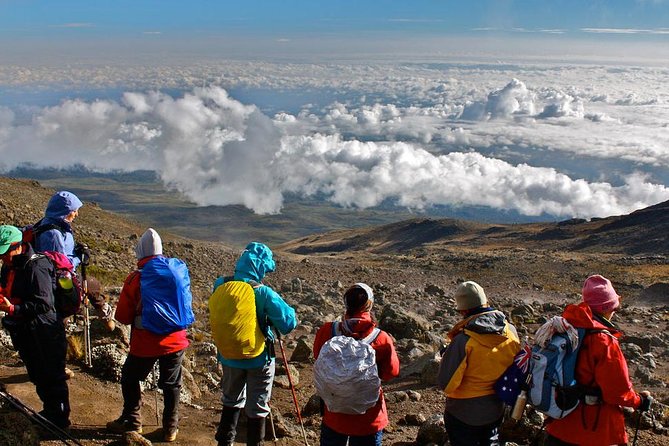
- Four distinct climate zones: The trail moves from lush rainforest to heath, moorland, alpine desert, and the arctic zone near the summit.
- A private climbing group: Only your party takes part, which can make the pace and support feel more personal.
- Steady trail with a hard summit push: The approach to the top is the demanding section, not the lower route.
- Full meal coverage: Breakfast is included five times, with lunch and dinner included six times each.
- Strong guide and crew support: Singing, hot tea, encouragement, and well-prepared food became especially important during the toughest summit hours.
The Coca Cola route is no walk in the park
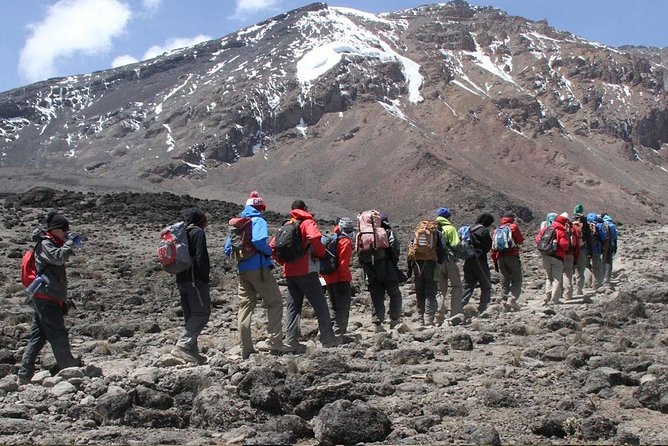
The Marangu Route is often called the Coca Cola route because it is developed and relatively comfortable by Kilimanjaro standards. That nickname suggests an easy holiday hike. It is not.
You still climb Africa’s highest mountain. The route rises through several climate zones, and the final approach can be exhausting even if the lower trail feels manageable. I would treat the word comfortable as a comparison with other routes, not as a promise of an easy summit.
The trail’s main practical advantage is its accommodation. Instead of sleeping in tents, you stay in simple mountain huts. That can make a real difference after a long day, especially if you dislike camping or want a little shelter from changing mountain conditions.
The tradeoff is the six-day schedule. A six-day climb is the minimum duration stated for this route, and it leaves less time for adjustment than a longer itinerary might. You should be ready for a moderate physical challenge, and you should not assume that a constant, moderate trail removes the effects of altitude.
More Kilimanjaro climbs:
- Kilimanjaro climb by Lemosho Route (7-day)
★ 5.0 · 651 reviews - Kilimanjaro climb, Machame Route (7-day)
★ 5.0 · 262 reviews - Kilimanjaro Climbing Lemosho Route 8 Days.
★ 5.0 · 186 reviews
Day 1: From Moshi toward the rainforest
The experience begins in Moshi, with pickup offered and a stated start time of 8:00 am. The early start gives the climbing day a clear rhythm, though you should confirm the pickup details and exact meeting point before setting out.
The lower section passes through lush rainforest. This is a striking first change from the town environment, with thick plant growth and a cooler, more shaded feel. It also introduces the first lesson of the route: the mountain changes character as you gain height.
The first day is not about proving how fast you can walk. It is about finding a sensible pace. I would keep your steps short, drink regularly, and pay attention to how your body feels rather than trying to match the strongest person in the group.
Lunch and dinner are included, and food matters more than many first-time climbers expect. One climber specifically advised eating as much as possible when the chef prepares meals because you will need the energy across the six days. That is practical advice. Appetite can fade at altitude, but your body still needs fuel.
Day 2: Leaving the forest for heath and moorland
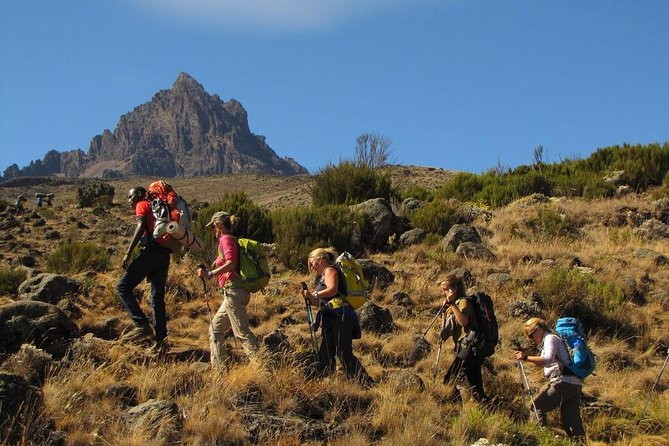
As the route continues upward, the rainforest gives way to heath and moorland. The change is gradual, but the open terrain makes the height feel more obvious. You are no longer simply walking through a forest. You are moving across a high mountain environment.
This section is a good test of pacing. The climb is described as constant and moderate, which means you should settle into a slow, repeatable rhythm. You do not need to make the lower stages dramatic. Saving energy is part of the job.
The private format may help here. Since only your group participates, the climb is not built around a large mixed party. That can make it easier to communicate when you need a break or when someone in your group needs more time.
Your accommodation remains simple mountain huts. Do not picture a hotel room in the clouds. The appeal is basic shelter and a bed-like place to rest, not luxury. If hut accommodation sounds preferable to camping, this is one of the clearest reasons to choose Marangu.
Day 3: The high moorland and the value of steady progress
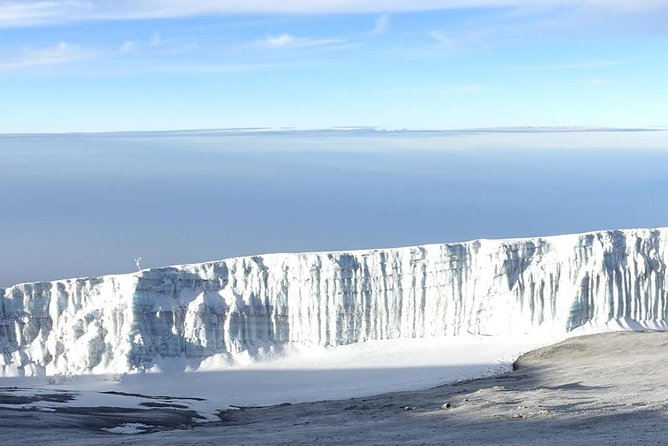
The middle part of the climb brings more open moorland and a greater sense of exposure. Vegetation becomes less dense, and the route begins to feel more like a high-altitude ascent than a forest walk.
This is where I would resist the temptation to judge your summit chances too early. Feeling strong at this stage is encouraging, but the hardest section is still ahead. Feeling tired does not automatically mean you should quit either. Your guide team can help you read the situation and maintain a workable pace.
Meals are included throughout the climb, with breakfast, lunch, and dinner covered according to the package details. That simplifies the planning and means you are not left arranging food each day. Alcoholic drinks are not included, so plan on the supplied meals and nonalcoholic hydration rather than treating the huts like a bar.
The chef’s role deserves attention. Good mountain food is not just a pleasant extra. It gives you the energy to keep moving, and a warm meal can make a basic hut feel much more welcoming after a long climb.
More Marangu Route climbs:
- Kilimanjaro climb, Marangu route (6-day)
★ 5.0 · 72 reviews - Climbing Kilimanjaro – Marangu Route
★ 5.0 · 65 reviews - Kilimanjaro Climbing 5 days Marangu route
★ 5.0 · 22 reviews - Best Kilimanjaro Adventures 6 Days Marangu Route Experience
★ 5.0 · 18 reviews
Day 4: Alpine desert and the final preparation
Higher up, the scenery changes again into alpine desert. The ground becomes more spare, the air feels thinner, and the route offers less visual shelter than the forest below. This stark setting is part of the appeal, but it also makes the physical cost of climbing easier to notice.
By now, you will have several days of effort in your legs. This is a useful point to check your clothing, water, snacks, and general condition. The supplied information does not give a detailed packing list, so you should ask the operator what equipment is required before departure.
The route’s steady design can work in your favor if you respect it. Walk slowly. Eat even when you are not very hungry. Tell the guide when you feel unwell, rather than waiting until a small problem becomes a major one.
A six-day itinerary is efficient, but efficiency is not the same as ease. The shorter schedule may suit you if you have limited time and a solid fitness base. If you want a gentler adjustment period, you should ask whether a longer option is available before booking this particular trip.
Day 5: The summit push toward Uhuru Peak
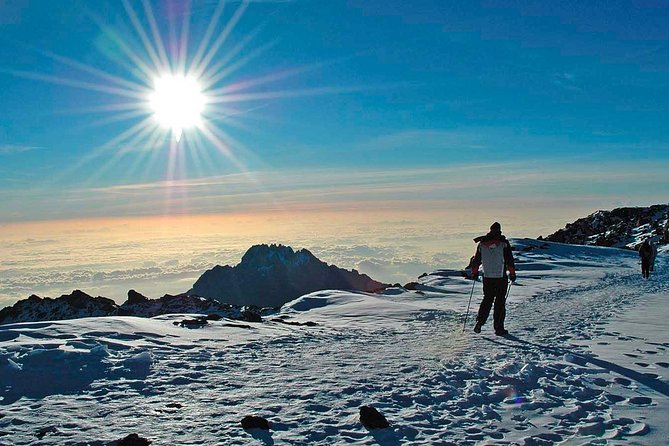
Summit day is the part that separates a scenic mountain walk from a true endurance challenge. The approach to the summit is specifically described as more demanding than the rest of the route, and the firsthand account of reaching Gilman’s Point before continuing to Uhuru Peak makes the difficulty clear.
One climber felt so fatigued at Gilman’s Point that giving up seemed possible. The guide team responded with songs, tea, and persistent encouragement, helping that climber continue to Uhuru Peak. That detail tells you something important about the support style: the crew is not only there to lead the way. Morale, warmth, and steady pressure can matter when your energy is nearly gone.
You should not count on being pushed beyond safe limits. Still, it is reassuring to know that the team has experience helping people through a difficult mental and physical stretch. The climb to the summit requires determination from you, but you do not face the emotional burden alone.
The summit zone is arctic, a sharp contrast to the rainforest where you started. Reaching Uhuru Peak is the high point of the trip, but the descent follows the same route. That means summit day is not finished when you arrive at the top. You still need energy for the way back.
Day 6: Descending on the same route
The descent retraces the route, taking you back through the mountain’s changing zones. Going down is usually a different physical challenge from going up. Your lungs may appreciate the lower altitude, but tired legs can make uneven ground uncomfortable.
The return route also lets you see the same environments from a new angle. The rainforest, moorland, and alpine sections are not just scenery passed on the way to the summit. Together, they give the climb its sense of progression.
The package includes lunch and dinner on the final day, along with the listed accommodation. The supplied details state six nights of accommodation for a six-day experience, which is worth clarifying with Kili View And Safaris before payment. The duration and overnight count may reflect the operator’s broader schedule, but you should know exactly where each night is spent.
Why the private format matters
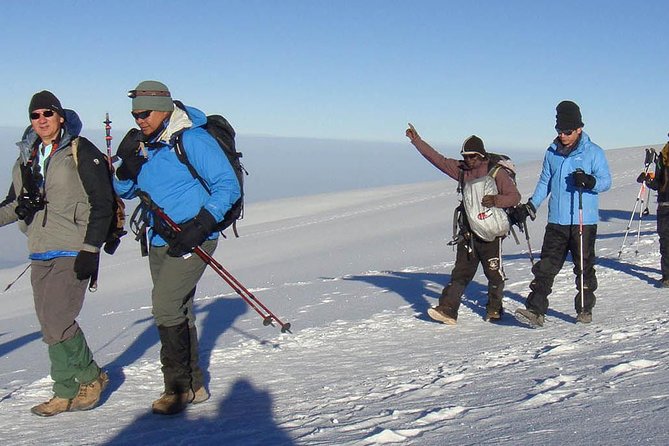
This is a private tour and activity, so only your group participates. That is useful if you are climbing as a couple, family, or small circle of friends and want the experience to remain personal.
A private group does not remove the mountain’s difficulty. It can, however, make communication simpler. You can discuss tiredness, meal needs, and pacing with your guide without being part of a large mixed party.
It may also suit a honeymoon climb. One couple used the experience for a honeymoon and found the guides reliable, the food good, and the occasional singing memorable. That combination of hard work and shared moments can make the trip feel more personal than a standard sightseeing outing.
The operator is Kili View And Safaris, and the guide team is presented as experienced in mountain work. The available feedback praises guide reliability and encouragement, but it does not provide individual guide names. If you want to know who will lead your group, ask before departure.
Food, huts, and what your $1,960 covers
The price is $1,960 per person. That is a substantial amount, but it includes the core structure of a guided Kilimanjaro climb: accommodation for six nights, meals, and all fees and taxes.
The food allowance is generous on paper:
- Breakfast is included five times.
- Lunch is included six times.
- Dinner is included six times.
- Accommodation is included for six nights.
- All fees and taxes are included.
That coverage reduces the number of daily expenses you need to manage. It also matters because food is part of your climbing strength. The practical advice here is simple: eat the meals prepared by the chef, even if altitude has reduced your appetite.
Alcoholic beverages are not included. Tips for guides, porters, and the chef are also excluded, so you should budget for gratuities separately. The package price therefore covers the main climb but not every personal or customary expense.
The huts are a meaningful part of the value. If you would rather sleep in basic shelter than camp, Marangu may justify its price for you. If you prefer a more remote route or dislike shared mountain huts, the same feature may feel like a limitation.
Fitness, pacing, and the real difficulty
You need a moderate level of physical fitness. That wording should be taken seriously, but it does not mean you need to be an elite athlete. You do need to handle several days of uphill walking, limited comfort, and a demanding summit approach.
The most important skill is controlled pacing. A fast first day can make the later stages harder, while a slow and consistent rhythm gives you a better chance of keeping energy for the summit.
Eat whenever food is offered. Drink regularly. Use the guide team as a source of practical support. The experience with tea, songs, and encouragement at Gilman’s Point shows why human support can be as valuable as route knowledge.
You should also be honest about the six-day schedule. This is a shorter Kilimanjaro plan, not a leisurely mountain holiday. If you are uncertain about your fitness or altitude response, ask the operator about the route’s pace and whether a longer itinerary is possible.
Booking details and cancellation
Pickup is offered, and the stated start time is 8:00 am. You receive confirmation at booking, and the ticket is mobile, which makes the reservation easy to keep on your phone.
Free cancellation is available if you cancel at least 24 hours before the local start time. A cancellation made less than 24 hours before the start is not refunded, and changes made inside that period are not accepted.
The experience is intended for people with moderate physical fitness. Because it is private, only your group takes part. Those details make it a good match for a planned group climb, but you should still confirm the pickup location, overnight arrangement, and required personal equipment before you commit.
Who should choose the Marangu Route?
I would recommend this climb if you want a structured Kilimanjaro experience with hut accommodation, full meal coverage, and a private group. It also suits you if six days is the practical limit for your holiday and you are prepared for a demanding summit day.
The route may be especially appealing if camping is not your idea of fun. Simple huts are not luxurious, but they provide a different kind of comfort after hours on the trail.
I would be more cautious if you are choosing it only because of the Coca Cola nickname. The name should not shape your expectations. The mountain remains strenuous, and the final climb can push you hard.
You should also think carefully if you need a slower adjustment schedule. The six-day duration is compact, and the information provided does not promise an extended acclimatization plan.
Should you book this six-day climb?
Book it if you want the practical advantages of the Marangu Route, especially huts, included meals, private guiding, and a clear six-day structure. The strongest reasons to choose it are the committed guide support, the chef-prepared food, and the chance to experience Kilimanjaro’s full range of climate zones without camping.
Skip it, or ask for a longer plan, if you are drawn by the idea that the Coca Cola route is easy. You should arrive ready for a real mountain effort, particularly on the push from Gilman’s Point to Uhuru Peak.
For the right climber, $1,960 offers a solid package of essential services. Just confirm the six-night arrangement, ask about the guide assignment and equipment, set aside tips and personal costs, and train for the summit rather than the nickname.
FAQ
Where does the Kilimanjaro climb begin?
The experience is based in Moshi, Tanzania. Pickup is offered, and the stated start time is 8:00 am.
How long does the Marangu Route climb last?
The tour lasts approximately six days.
Is this a private climbing experience?
Yes. Only your group participates in this private tour and activity.
What type of accommodation is provided?
Accommodation is in simple mountain huts. The package details include six nights of accommodation.
Are meals included?
Yes. The package includes five breakfasts, six lunches, and six dinners.
Are all fees and taxes included?
Yes. All fees and taxes are included in the listed price.
Are alcoholic drinks included?
No. Alcoholic beverages are not included.
Are tips for the crew included?
No. Tips for guides, porters, and the chef are not included.
What fitness level do I need?
The experience is intended for people with a moderate physical fitness level. The route is steady in its lower sections, but the summit approach is more demanding.
What happens if I need to cancel?
You can receive a full refund if you cancel at least 24 hours before the experience start time. Cancellations or changes made less than 24 hours before the start are not accepted, and the amount paid is not refunded.
Just added in Moshi
- Zanzibar: Stone Town tour and Nakupenda beach with Lunch★ 5.0 · 1 review
- day trip lake manyara★ 5.0 · 2 reviews
- Mt Kilimanjaro 6 days Marangu route hike★ 5.0 · 3 reviews
- machame route★ 5.0 · 16 reviews
- Private Cycle to Kilimanjaro Bike Park Safari★ 5.0 · 6 reviews
- West Kilimanjaro cycling Adventures★ 4.5 · 8 reviews
- Wildlife Extravaganza: Manyara, Tarangire & Ngorongoro in 3 Days★ 5.0 · 3 reviews
- 3 Days Private E-Bike Tour in West Kilimanjaro★ 5.0 · 3 reviews
Marangu Route Climbs, compared.


Private Full Day Hiking Experience to Marangu Route
Read our review →
From Arusha/Moshi: Kilimanjaro Hike Marangu Route Day Trip
Read our review →
Mount Kilimanjaro Day Hike Through Marangu Route to Mandara Hut
Read our review →
Best Kilimanjaro Adventures 6 Days Marangu Route Experience
Read our review →
Kilimanjaro Private Climbing in 6 Days Marangu Route
Read our review →Browse the lists this tour appears in