
Reviewed · LEMOSHO ROUTE CLIMBS
Mount Kilimanjaro – Lemosho Route
Africa’s highest summit rewards steady walking. Moana Tanzania’s 7-day Lemosho Route combines varied scenery, a careful acclimatization pattern, and a full support crew for a serious but well-organized Kilimanjaro climb. I like the route’s gradual rise from rainforest to icy summit, and I like that the price includes guides, a cook, porters, meals, transport, water, and basic mountain safety equipment. The main consideration is the physical demand: you need strong fitness, and summit day involves a long climb followed by an equally long descent.
I also like the small maximum group size of 15 people. That gives the mountain team a better chance to monitor the group and offer encouragement, something repeatedly praised in the feedback about Moana. The seven-day schedule offers a sensible route across the southern side of Kilimanjaro, but it still leaves little room for a slow day if altitude affects you.
In This Review
- Key points before you book
- Why the Lemosho Route earns seven days
- Day 1: Londorossi Gate to Mti Mkubwa, 2,400 to 2,800 meters
- Day 2: Mti Mkubwa to Shira 2, 2,800 to 3,750 meters
- Day 3: Shira 2 to Lava Tower and Barranco, 3,750 to 3,950 meters
- Day 4: Barranco Wall to Karanga Camp, 3,950 to 4,040 meters
- Day 5: Karanga to Barafu Camp, 4,040 to 4,700 meters
- Day 6: Barafu Camp to Uhuru Peak and Mweka Hut
- Day 7: Mweka Hut to Mweka Gate
- What the $2,900 price really covers
- Food, water, and camp support
- Who should choose this Kilimanjaro trek?
- Booking details and cancellation terms
- Should you book Moana Tanzania’s Lemosho Route?
- FAQ
- Where does the Kilimanjaro trek start?
- Where does the trek finish?
- How long is the Lemosho Route experience?
- What is the highest point reached?
- How many people can join the group?
- Are guides and porters included?
- Are meals included?
- Is drinking water provided?
- Is mountain safety equipment included?
- What is not included in the price?
Key points before you book
- Londorossi to Uhuru Peak: You move through rainforest, heath, moorland, alpine desert, and an icy summit zone in seven days.
- A strong acclimatization profile: The route climbs to Lava Tower before dropping to Barranco Camp, helping you spend time at higher altitude before sleeping lower.
- A full mountain crew: Guides, a cook, and porters are included, along with meals, drinking water, and hot water for washing.
- Summit day is the test: The climb rises from 4,700 meters to 5,895 meters, then descends to 3,100 meters in the same day.
- Safety support is included: Moana provides portable oxygen tanks, an oximeter, and a portable first-aid kit.
- Plan for extra costs: Moshi accommodation, insurance, flights, personal gear, laundry, and tips are not included.
Why the Lemosho Route earns seven days
Kilimanjaro reaches 5,895 meters and is the highest mountain in Africa. It is also the world’s highest free-standing mountain, so the scale of the climb is impressive even before you reach the summit.
The Lemosho Route approaches from the western side of the mountain. Its first days give you a gradual change in altitude and scenery rather than one abrupt push upward. You begin in forest, pass into open heath and moorland, cross the alpine desert, and finally reach the cold summit zone.
I value that progression because the route feels like a journey through several natural worlds. It also gives you more time to adjust than a very short itinerary would. Still, seven days is not an easy version of Kilimanjaro. The height, cold, long walking days, and summit schedule demand preparation.
Moana sets a maximum group size of 15. That is large enough to keep the cost at a reasonable level but small enough for a guide team to keep track of the group. The company has received especially strong praise for encouragement, flexibility, food, and care with safety.
More Kilimanjaro climbs:
- Kilimanjaro climb by Lemosho Route (7-day)
★ 5.0 · 651 reviews - Kilimanjaro climb, Machame Route (7-day)
★ 5.0 · 262 reviews - Kilimanjaro Climbing Lemosho Route 8 Days.
★ 5.0 · 186 reviews
Day 1: Londorossi Gate to Mti Mkubwa, 2,400 to 2,800 meters
The first walking day covers about 6 kilometers and takes three to four hours. You begin at Londorossi Gate and walk through rainforest to Mti Mkubwa camp.
This is a gentle opening by Kilimanjaro standards. The altitude gain is only about 400 meters, so you have time to settle into the pace, meet the mountain crew, and pay attention to how your body feels. The forest is also the first clear reminder that this is not simply a rocky climb to a summit. The route begins in a living, shaded environment.
You are advised to keep watch for wildlife. The information provided does not promise particular animals, so treat this as a possibility rather than a guaranteed sighting. The practical point is to stay alert and keep your camera accessible without letting it slow you down.
The first night at Mti Mkubwa gives you a short introduction to camp life. You will need to organize your clothing, water, and personal items so that the following days feel less hectic.
Day 2: Mti Mkubwa to Shira 2, 2,800 to 3,750 meters
Day two is a bigger step up. You walk about 14 kilometers over seven to eight hours, leaving the rainforest for heath and moorland before reaching the Shira Ridge and continuing to Shira 2 Camp.
This is one of the most demanding days in terms of distance. The altitude gain is about 950 meters, so you should not judge the day only by its mileage. Walk slowly, drink regularly, and tell your guide if you feel unwell. The mountain pace is not a race, and the long schedule allows the group to move carefully.
The change from forest to open ground is a major part of the Lemosho experience. You lose the protection of the trees and begin to feel the mountain’s wider scale. Shira 2 becomes an important night because you are now sleeping substantially higher than on day one.
The food service is a real advantage here. Moana includes breakfast, lunch, and dinner, and the cook can provide vegetarian options. The food has been praised as fresh, plentiful, and suited to different needs. That matters more than it sounds. At altitude, a reliable hot meal can make the difference between feeling ready and simply getting through the evening.
Day 3: Shira 2 to Lava Tower and Barranco, 3,750 to 3,950 meters
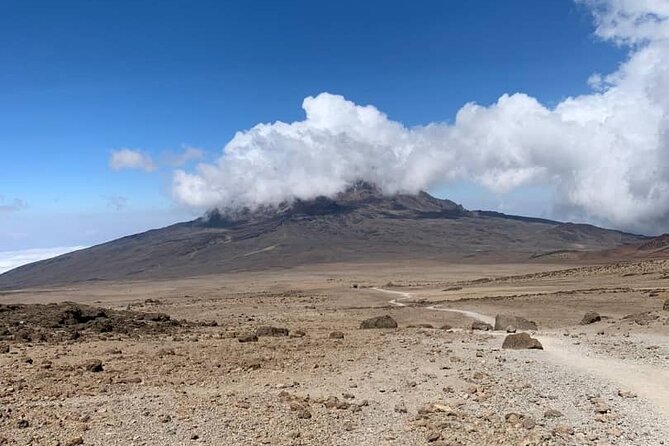
Day three covers around 10 kilometers and takes six to eight hours. You head toward Kibo Peak, climb to Lava Tower at about 4,700 meters, pass the Arrow Glacier area, and then descend to Barranco Camp at roughly 3,950 meters.
The route description lists the day’s main elevation range as 3,750 to 3,950 meters, but Lava Tower is much higher at approximately 4,700 meters. That high point followed by a lower sleeping altitude is one of the most useful features of this section. You get time at a higher elevation without ending the day at the same height.
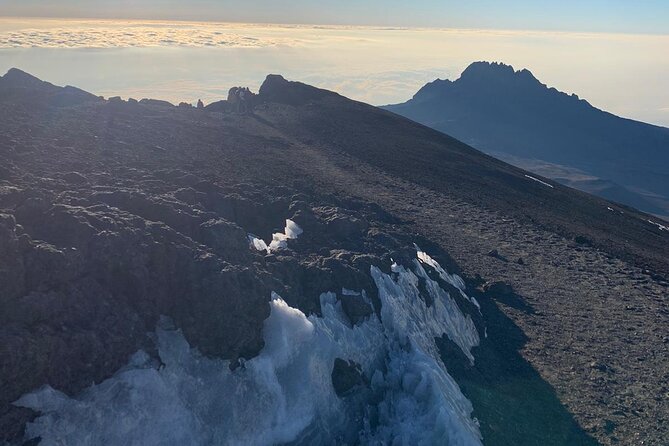
The terrain here is alpine desert, with less plant cover and a stronger sense of exposure. Lava Tower, also called Sharkstooth, gives the day a clear landmark and a physical purpose beyond simply walking to the next camp.
Barranco Camp is reached after the descent, which can feel welcome after the higher section. You should still expect fatigue. Six to eight hours of walking, altitude, and uneven ground can drain you even when the distance does not look extreme.
This is also the point when altitude symptoms deserve close attention. Moana supplies an oximeter, portable oxygen tanks, and a first-aid kit. Those items are useful safeguards, but they do not replace honest communication with the guide team or appropriate travel insurance.
More Lemosho Route climbs:
- Kilimanjaro climb, Lemosho Route (8-day)
★ 5.0 · 148 reviews - Kilimanjaro climb, Lemosho Route (6-day)
★ 5.0 · 129 reviews - Kilimanjaro Lemosho Route
★ 5.0 · 71 reviews - Private Kilimanjaro Hike 7 Day Lemosho Route
★ 5.0 · 60 reviews
Day 4: Barranco Wall to Karanga Camp, 3,950 to 4,040 meters
Day four is shorter, covering about 5 kilometers in four to five hours. The route crosses the Barranco Wall and continues through the Karanga Valley to Karanga Camp.
Do not let the small elevation gain fool you. The Barranco Wall is a notable physical section, and the character of the trail matters as much as the numbers. You will be using your hands and concentrating on your footing in places, so this is not a casual stroll.
The short distance gives you a chance to recover after day three. It also provides time to eat, wash with the included hot water, and prepare for the summit push. A hot wash is a simple comfort, but after several days outside it becomes a welcome part of the routine.
The guide team’s role is especially important here. Feedback about Moana repeatedly highlights encouragement, patience, and safety. Those qualities are valuable on a section where confidence and careful pacing matter.
Day 5: Karanga to Barafu Camp, 4,040 to 4,700 meters
On day five, you walk only about 4 kilometers, usually taking four to five hours, but climb to 4,700 meters. You pass the junction with the Mweka Trail and continue to Barafu Hut.
At Barafu Camp, you have completed the southern circuit. More importantly, you are at the launch point for the summit attempt. The day’s short distance leaves time to rest, eat, check equipment, and prepare for a very early start.
This is where personal mountain gear becomes important. Boots, warm layers, gloves, head protection, and other climbing items are not supplied as part of the stated price, so you need to arrange your own equipment. Toiletries and personal items are also your responsibility.
You should expect a quiet, practical afternoon rather than a sightseeing stop. Rest is the main activity. Keep your bag organized, follow the guide’s instructions, and try to eat even if altitude has reduced your appetite.
Day 6: Barafu Camp to Uhuru Peak and Mweka Hut
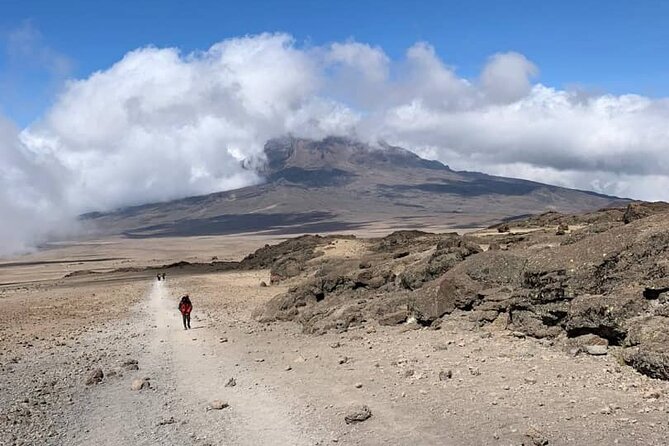
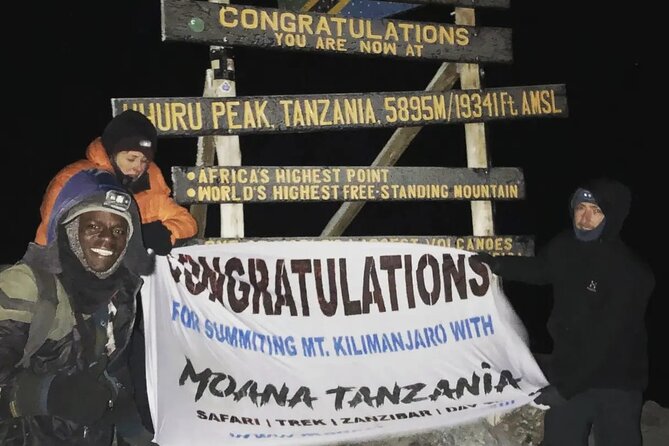
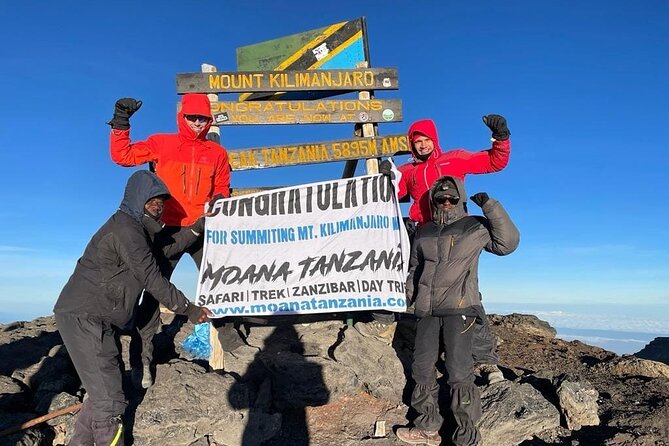
Summit day is the reason to take this trek seriously. You climb from about 4,700 meters to Uhuru Peak at 5,895 meters, then descend all the way to Mweka Hut at approximately 3,100 meters.
The ascent takes about five to seven hours, followed by another five to seven hours down. The itinerary places the route between the Rebmann and Ratzell glaciers before the climb toward Stella Point. From there, you continue to Uhuru Peak.
This is a long day with cold, altitude, and tired legs working against you. The final section is not only about fitness. Your ability to keep moving steadily, listen to the guides, and manage your energy matters just as much.
At Uhuru Peak, you have time to celebrate and take photographs before beginning the descent. Keep that celebration brief and sensible. The descent to Mweka Hut is still a major part of the day, and reaching the summit does not mean the physical work is finished.
The included food and water support are especially useful here. You receive breakfast, lunch, and dinner during the trek, plus drinking water. The schedule does not spell out the exact meal timing on summit day, so you should confirm the practical details with Moana before departure.
Day 7: Mweka Hut to Mweka Gate
The final day covers the descent from about 3,100 meters to 1,650 meters. You walk for three to four hours through forest to Mweka Gate, where the activity ends back at the meeting point.
This should be a less demanding day than the summit push, but your legs may still feel the previous day. The forest offers a cooler, greener finish and a clear return to lower altitude.
Private transportation is included, which helps with the return after the mountain. The stated starting point is Moshi, Tanzania, and pickup is offered. You should confirm the exact pickup arrangements and timing when booking, especially if you are arranging Moshi accommodation around the trek.
What the $2,900 price really covers
At $2,900 per person, this is a substantial purchase. The value depends on how much support you want included and how much you would otherwise need to arrange yourself.
The price includes private transportation, fees and taxes, guides, a cook, porters, drinking water, hot water for washing, and all listed meals. It also includes safety supplies such as portable oxygen tanks, an oximeter, and a first-aid kit.
That package reduces the number of separate costs and decisions you need to handle on the mountain. You are not simply paying for a walking route. You are paying for a team to carry equipment, prepare food, manage camp support, and guide you through a demanding seven-day schedule.
The main extra costs are important. Moshi accommodation before and after the climb is not included, nor are flights, travel insurance, laundry, personal toiletries, or personal mountain gear. Tips for the guides, cook, and porters are also excluded. Set aside money for those items before you compare the headline price with another operator.
The strongest value here is the human support. Moana’s team has been praised for its organization, flexible help before departure, plentiful food, and steady encouragement on the way to the summit. Gea, who runs the company, is described as professional and attentive. David is identified as the cook, with the wider team including Gasper, Robson, Salim, Herbert, and Gewa.
Food, water, and camp support
Meals are included for the full trek: six breakfasts, seven lunches, and six dinners. Vegetarian food can be arranged, and the cooking has received particularly warm praise for being fresh, clean, plentiful, and adaptable.
You receive drinking water and hot water for washing. These are practical comforts, not luxury extras. After a long day in dust, cold, or rain, the ability to wash and drink safely helps you recover for the next morning.
The crew includes porters, which means you do not have to carry all group and camp equipment yourself. The provided details do not specify personal baggage limits or porter loads, so ask Moana for those rules before departure.
Who should choose this Kilimanjaro trek?
I would suggest this trip to a fit adult who wants a supported mountain climb rather than a self-managed expedition. The itinerary is structured, meals and transport are included, and the group size is capped at 15.
It suits you especially well if you value:
- A route with several habitat changes
- A gradual approach to high altitude
- A full cooking and porter team
- Strong guide encouragement
- Safety equipment carried by the operator
- A seven-day schedule rather than a shorter climb
I would hesitate if you dislike long walking days, cold conditions, shared camp routines, or early summit starts. The operator specifically requires a strong physical fitness level, and the summit day can last up to 14 hours when ascent and descent are combined.
Booking details and cancellation terms
Pickup is offered, the ticket is mobile, and the listed meeting point is Moshi. The operating hours shown are Monday through Sunday from 7:00 AM to 11:00 AM, with dates listed through June 18, 2026.
Booking confirmation is normally provided at the time of booking. If you book within one day of departure, confirmation comes as soon as possible and depends on availability.
For cancellations, a full refund is available when you cancel at least six full days before the local start time. A cancellation two to six full days ahead receives a 50 percent refund. Less than two full days ahead is nonrefundable, and changes follow the same cutoffs. If poor weather cancels the activity, you are offered another date or a full refund.
Should you book Moana Tanzania’s Lemosho Route?
I would book this trek if you want a well-supported Kilimanjaro climb with a route that gives you time to adjust to altitude. The strongest reasons are the varied terrain, full meal and camp support, small maximum group size, and repeated praise for the team’s care and encouragement.
I would not book it casually. You need strong fitness, personal mountain equipment, insurance, and a realistic budget beyond the $2,900 price. If you prepare properly and accept that summit day will be long, this Lemosho itinerary offers a sensible path to Uhuru Peak with a local team that puts practical support at the center of the experience.
FAQ
Where does the Kilimanjaro trek start?
The activity starts in Moshi, Tanzania, with pickup offered.
Where does the trek finish?
The trek finishes at Mweka Gate, and the activity ends back at the meeting point.
How long is the Lemosho Route experience?
The experience lasts approximately seven days.
What is the highest point reached?
The trek reaches Uhuru Peak at 5,895 meters.
How many people can join the group?
The maximum group size is 15 people.
Are guides and porters included?
Yes. The price includes guides, a cook, and porters.
Are meals included?
Yes. The package includes seven lunches, six breakfasts, and six dinners.
Is drinking water provided?
Yes. Drinking water and hot water for washing are included.
Is mountain safety equipment included?
Portable oxygen tanks, an oximeter, and a portable first-aid kit are included.
What is not included in the price?
Moshi accommodation, travel insurance, flights, laundry, personal items, toiletries, personal mountain gear, and tips for the guides, cook, and porters are not included.
Just added in Moshi
- Zanzibar: Stone Town tour and Nakupenda beach with Lunch★ 5.0 · 1 review
- day trip lake manyara★ 5.0 · 2 reviews
- Mt Kilimanjaro 6 days Marangu route hike★ 5.0 · 3 reviews
- machame route★ 5.0 · 16 reviews
- West Kilimanjaro cycling Adventures★ 4.5 · 8 reviews
- Wildlife Extravaganza: Manyara, Tarangire & Ngorongoro in 3 Days★ 5.0 · 3 reviews
- Private Cycle to Kilimanjaro Bike Park Safari★ 5.0 · 6 reviews
- 3 Days Private E-Bike Tour in West Kilimanjaro★ 5.0 · 3 reviews
Lemosho Route Climbs, compared.

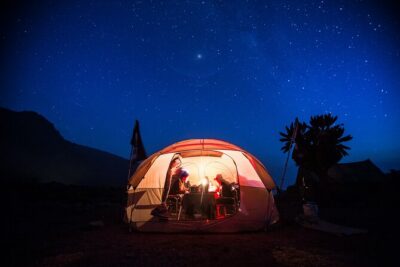
8-Day Small-group Lemosho Kilimanjaro Summit Trekking
Read our review →


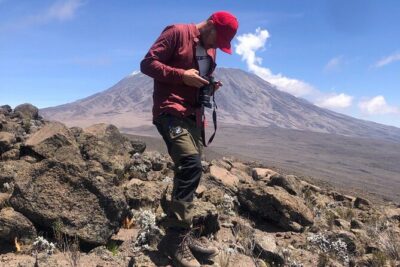
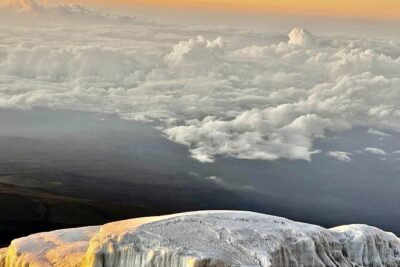
Climbing Kilimanjaro through 8 days Lemosho Route
Read our review →Browse the lists this tour appears in