
Reviewed · KILIMANJARO CLIMBS
Mount Kilimanjaro Trekking Tour – Climb with Local Guides
Africa’s highest summit rewards patience. This Kilimanjaro climb pairs experienced local guides with route choices ranging from the popular Machame and Marangu paths to the quieter northern routes. I like the chance to match the climb to your fitness and schedule, and I like that the crew provides tents, meals, treated water, transfers, and porters. The main catch is the advertised $110 price: park fees, gear, insurance, and some major costs are not included.
I also appreciate the practical support. You receive a pre-climb briefing, three meals each day, thick sleeping mats, hot water for washing, an emergency first-aid kit, and a certificate after the climb. The only concern is that the timing information needs clarification, since the general description lists routes lasting up to nine days while the activity summary says one to seven days.
In This Review
- Key points before you book
- Choosing the right Kilimanjaro route
- From Moshi to Lemosho Glades
- Big Tree Camp and the road to Shira Camp Two
- Barranco Camp and the change in scenery
- The climb toward Barafu Camp
- Summit day at Uhuru Peak
- The descent through Mweka
- What the $110 price really covers
- The local guide and crew experience
- Who should choose this trek?
- Should you book Season Master Adventures?
- FAQ
- Where does pickup take place?
- Is hotel pickup included?
- Which languages are available?
- Which Kilimanjaro routes can I choose?
- How long do the route options take?
- Are meals included?
- Are tents and sleeping mats provided?
- Are National Park fees included in the price?
Key points before you book
- Five routes give you real choice: Marangu, Machame, Lemosho, Rongai, and the Northern Circuit suit different scenery, traffic levels, and acclimatization needs.
- The sample trek follows Lemosho: You walk from Lemosho Glades through Big Tree Camp, Shira Camp Two, Barranco, Barafu, Uhuru Peak, and down through Mweka.
- The summit reaches 5,895 meters: The final push is a serious mountain day, with up to 10 hours of walking to Uhuru Peak and another long descent.
- Your support is substantial: Guides, porters, a cook, four-season tents, meals, water, sleeping mats, and transfers are included.
- The price needs careful checking: National Park fees, 18 percent VAT, rescue fees, insurance, personal equipment, and optional toilet facilities cost extra.
- Moshi is the easiest base: Hotel pickup is included from Moshi, while staying in Arusha brings additional transfer charges.
Choosing the right Kilimanjaro route
Kilimanjaro is not one single walk. It is a collection of routes that reach the same summit by different approaches, and the route you choose affects scenery, daily effort, camping style, and your chances of handling altitude well.
The Marangu Route is known as the Coca-Cola Route. It uses mountain huts rather than tents, which may appeal to you if sleeping under canvas is not your idea of fun. The five-day version is shorter, but the six-day itinerary is recommended here because the added time gives you more room to adjust to the height.
The Machame Route is famous for wide views and the climb high, sleep low approach. That pattern helps you gain altitude during the day while spending the night at a lower elevation when the route allows. Six days is possible, but seven days should feel more manageable.
The Lemosho Route begins on the western side and is the route reflected in the detailed sample itinerary. It offers broad scenery, a quieter start, and a gradual approach that is useful for acclimatization. The six-day version is available, but seven days gives you a better chance to walk at a steady pace rather than rush.
The Rongai Route comes from the north. It is described as less busy and peaceful, a good pick if you want a quieter ascent. The longer seven-day option leaves more time to adapt to the altitude.
The Northern Circuit is the longest choice, listed at eight or nine days. It is also the most remote and offers panoramic views with the best acclimatization opportunity among the options presented. If your schedule and budget allow it, the extra days have a clear purpose: more time on the mountain and less pressure on your body.
One detail deserves a direct question before payment. The general route lengths range from five to nine days, but the activity information also says one to seven days. Ask Season Master Adventures to confirm the exact route, number of nights, total price, and departure date you are booking.
More Kilimanjaro climbs:
- Kilimanjaro climb by Lemosho Route (7-day)
★ 5.0 · 651 reviews - Kilimanjaro climb, Machame Route (7-day)
★ 5.0 · 262 reviews - Kilimanjaro Climbing Lemosho Route 8 Days.
★ 5.0 · 186 reviews
From Moshi to Lemosho Glades
The journey begins with pickup from one of four areas: Kilimanjaro, the Kilimanjaro Region, Moshi, or Arusha. The listed transfer takes about 1.5 hours by van before you reach Lemosho Glades.
I would choose a hotel in Moshi if possible. Pickup and return transfers are included from Moshi town, while an Arusha hotel brings extra transfer costs. That makes Moshi the simpler and likely more economical base for this particular climb.
Lemosho Glades marks the start of the sample route. You begin on foot with a guided walk through the lower mountain zone, with scenic views and the possibility of wildlife viewing. The first walking section takes about four hours and leads to Big Tree Camp.
This opening day matters more than its distance suggests. It gives you time to settle into the walking rhythm, check that your pack and clothing feel right, and listen to your guide’s advice. The presence of local guides is especially useful here because the route is not just a line on a map. Pace, weather, rest stops, and how you respond to the first changes in altitude all need attention.
Big Tree Camp and the road to Shira Camp Two
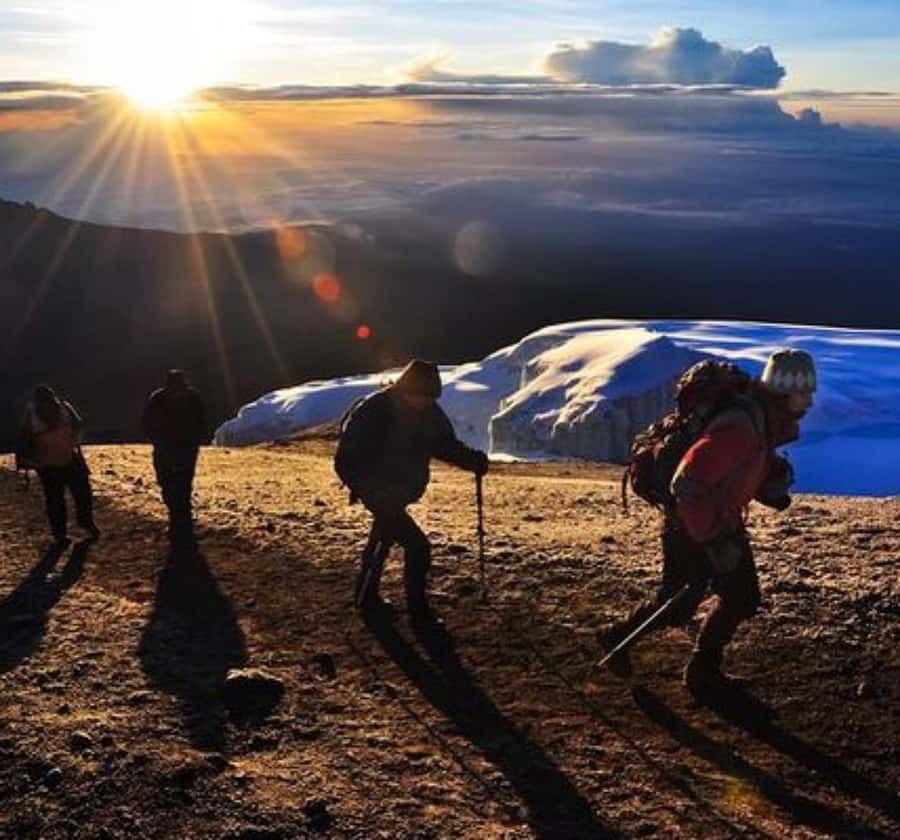
From Big Tree Camp, the route continues for a much longer nine-hour walking section toward Shira Camp Two. You can expect guided hiking, views along the way, wildlife viewing, and some rougher off-road walking.
Nine hours is a serious day, so I would treat the stated time as a planning signal rather than a promise. You need good boots, layered clothing, personal toiletries, and a sleeping bag, all of which are your responsibility. The operator provides double-layered sleeping mats that are about four inches, or 10 centimeters, thick, but the sleeping bag itself is not included.
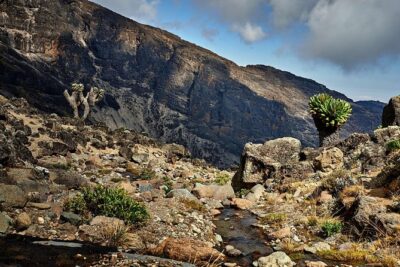
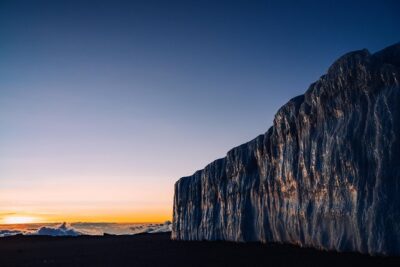
Shira Camp Two places you on the high plateau of the mountain. The setting changes as the route leaves the lower forest behind. The supplied description points to Kilimanjaro’s larger progression from rainforest to alpine desert and then to the upper ice and glacier zone.
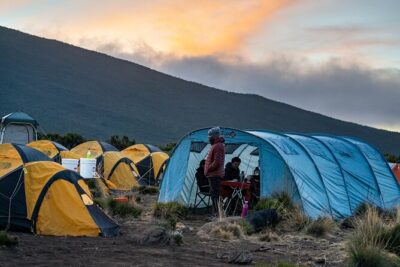
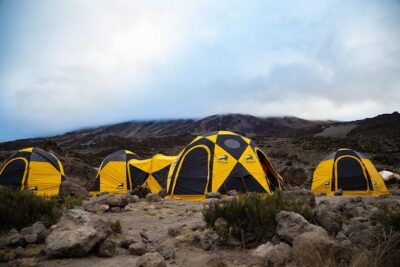
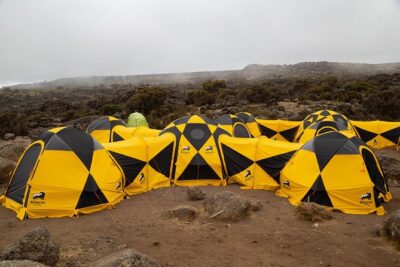
At camp, the crew’s role becomes clear. You sleep in four-season mountain tents, eat meals prepared by a professional cook, and receive hot water for washing. These are modest comforts, not hotel services, but they make a real difference after a long day outside.
Barranco Camp and the change in scenery
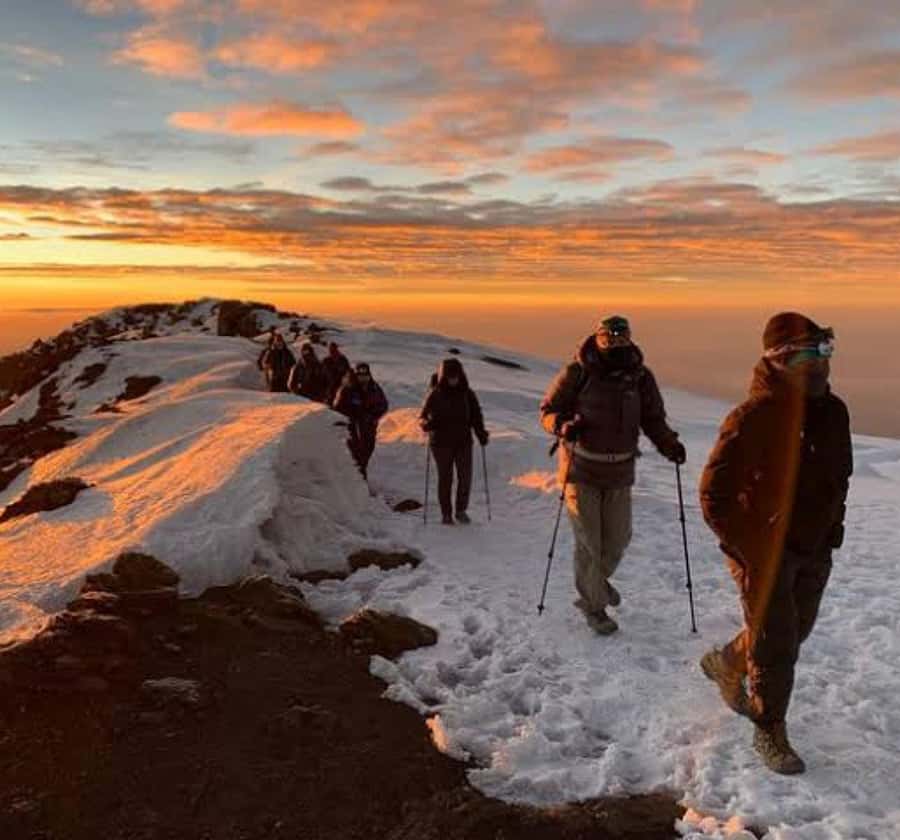
The walk from Shira Camp Two to Barranco Camp takes about seven hours. It includes guided hiking, camp activities, off-road sections, and scenic views.
Barranco is one of the route’s important resting points because it breaks up the climb before the summit section. You are still walking at altitude, but the camp provides time to eat, wash with hot water, organize your gear, and speak with the guide about the next day.
The route description includes wildlife viewing on earlier sections, but it does not promise animals at every stage. Think of wildlife as a possible bonus rather than the main reason to book. The main reward is the changing mountain environment, from forested lower slopes to open, spare high-altitude terrain.
The cook provides three meals a day while you are on the mountain. That removes one of the major burdens of a high-altitude trek. You still need to tell the operator about any food needs before departure, since the supplied information does not specify special diets.
More treks in Moshi:
- Private Kilimanjaro Hike 7 Day Lemosho Route
★ 5.0 · 60 reviews - Best Kilimanjaro hiking day trip tour with Kilinge Adventures
★ 4.5 · 54 reviews - #1. Best Kilimanjaro Day hike Tour-Machame Route-ISMANI
★ 4.2 · 47 reviews - Best Kilimanjaro Adventure 7 days Machame route Trekking
★ 5.0 · 42 reviews
The climb toward Barafu Camp
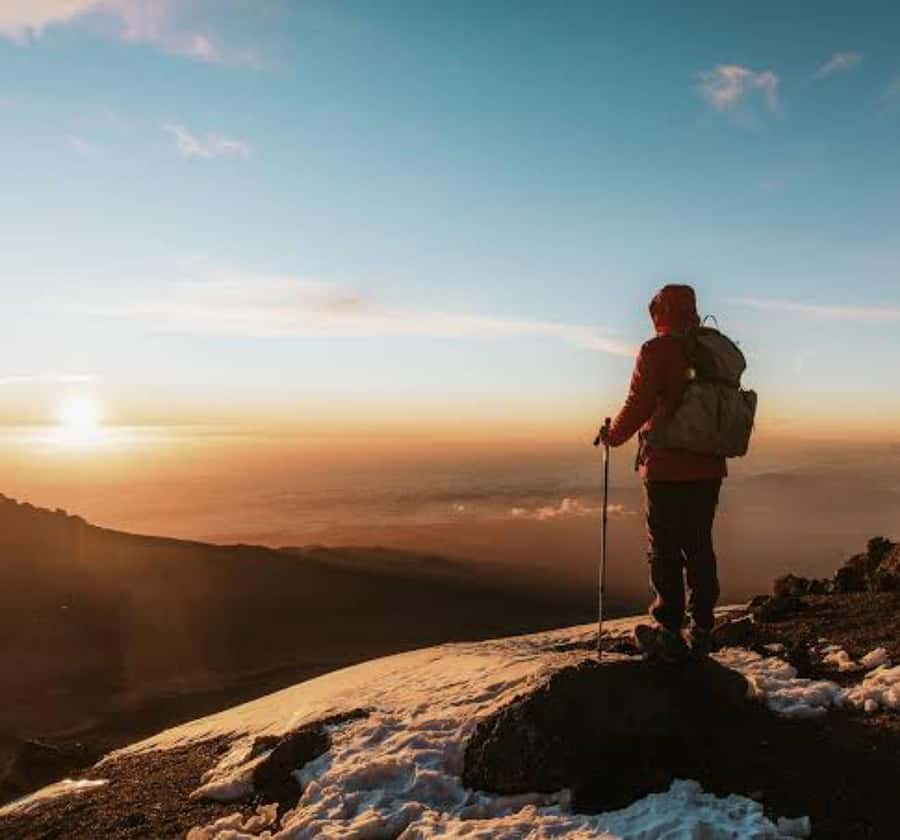
The next walking section takes about five hours and includes hiking, a guided visit, photo stops, off-road walking, and views. The itinerary does not name the intermediate stop, but the route then continues on foot for about three hours to Barafu Camp.
Barafu is the staging point for the summit attempt. The time at camp is not simply downtime. You need to rest, eat, arrange your clothing, check your headlamp and other personal gear, and prepare for the hardest part of the climb.
The support system is strongest here. Guides lead the climb, porters carry shared equipment, and the cook keeps meals coming. An emergency first-aid kit is included, and the operator says the crew is paid according to wage standards approved by the Kilimanjaro National Park Authority and the Kilimanjaro Association of Tour Operators.
That information matters. A mountain crew is not an invisible service. Fair wages, clear responsibilities, and proper support affect both the quality of the operation and the people who make the climb possible.
Summit day at Uhuru Peak
The listed walk from Barafu Camp to Uhuru Peak takes about 10 hours. At 5,895 meters, Uhuru Peak is the highest point in Africa, and reaching it requires more than ordinary hiking fitness.
The itinerary allows time for a guided visit, a photo stop, a break, and some free time at the summit. I would keep your expectations sensible. Summit weather and altitude may limit how long you can stay, even if the views are clear.
The route options are designed around acclimatization, but no itinerary can guarantee a successful summit. The Northern Circuit offers the most time to adapt, while the longer versions of Machame, Lemosho, Rongai, and Marangu are generally the wiser choices within those route families.
Your guide’s safety judgment should carry more weight than your desire to keep a schedule. If you feel unwell, speak up early. The advertised focus on safety and summit success is encouraging, but safe decisions depend on honest communication between you and the guide team.
The summit day is also only half the work. The itinerary lists another 11 hours on foot after Uhuru Peak, so you should expect a long descent rather than a quick celebration followed by a short walk.
The descent through Mweka
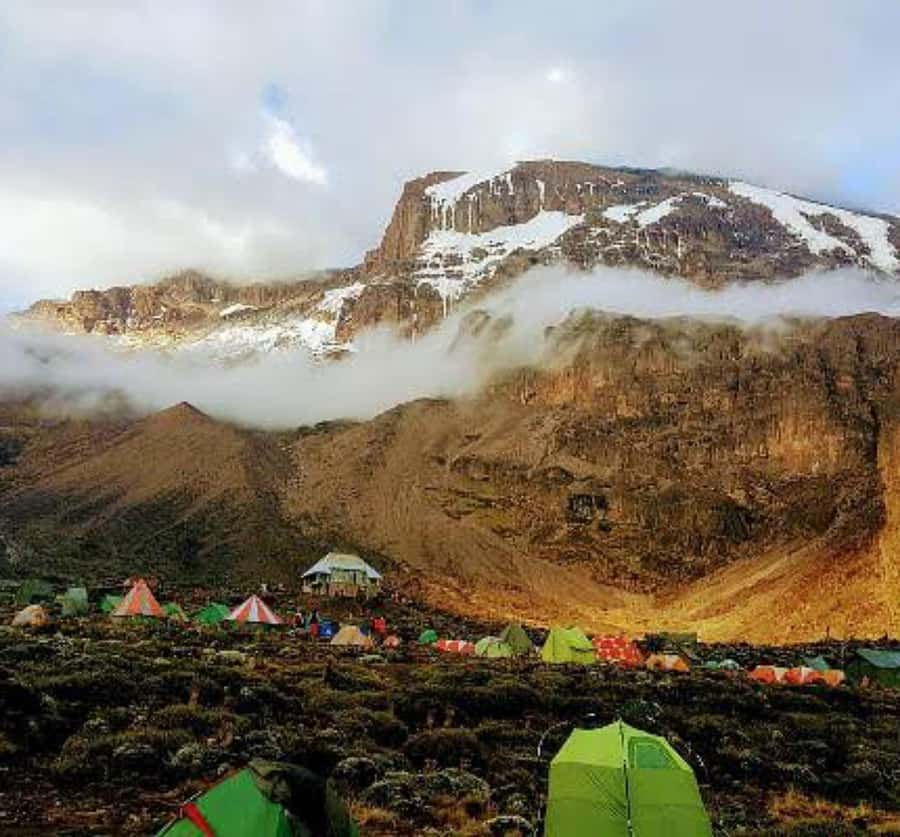
After the summit, the route includes a photo stop, guided hiking, scenic views, and possible wildlife viewing before another six-hour walking section. The final named stop is Mweka Gate.
Mweka is the standard finishing point for this sample route. The descent changes the feel of the trip. Your legs may be tired, but losing altitude can make the air and effort feel more manageable. The route takes you back toward the lower mountain environment, with the scenery changing again as you leave the upper alpine zone.
At Mweka Gate, you finish the mountain portion and receive a transfer by van, listed at about one hour, back toward Kilimanjaro, Moshi, Arusha, or the wider Kilimanjaro Region. Mountain climbing certificates are included, a small but worthwhile reminder of what you have completed.
The full sample itinerary involves very long walking days. I would not select it based on the summit photo alone. You are signing up for repeated days of hiking, camping, shared support facilities, early starts or long hours, and a demanding descent.
What the $110 price really covers
The advertised price is $110 per person, but I would not treat that as the final cost of climbing Kilimanjaro. National Park entry fees, camping fees, team rescue fees, West Kilimanjaro Forest fees, and 18 percent VAT are excluded for both climbers and the support crew.
You also pay for travel insurance, personal trekking gear, clothing, boots, a sleeping bag, and personal items. A portable flush toilet with a tent is optional and available to rent, so that is another possible expense if private facilities matter to you.
The included package is still substantial. You receive:
- A pre-climb briefing and orientation
- Private transfers from a Moshi hotel to the mountain gate and back
- Four-season mountain tents
- Professional guides, porters, and a cook
- Three meals daily on the mountain
- Four-inch, double-layer sleeping mats
- Treated and filtered drinking water
- Hot water for washing
- An emergency first-aid kit
- Government service taxes
- A climbing certificate
The value depends on the final quote. If the $110 figure is only a base booking amount before mandatory park charges, you need the complete price in writing. Ask for a line-by-line total covering the route, days, park fees, VAT, rescue fees, crew costs, transfers, and any rental equipment.
That is not fussiness. Kilimanjaro prices vary sharply because permits and support costs make up a large part of the trip. A cheap headline price can become less useful if essential charges appear later.
The local guide and crew experience
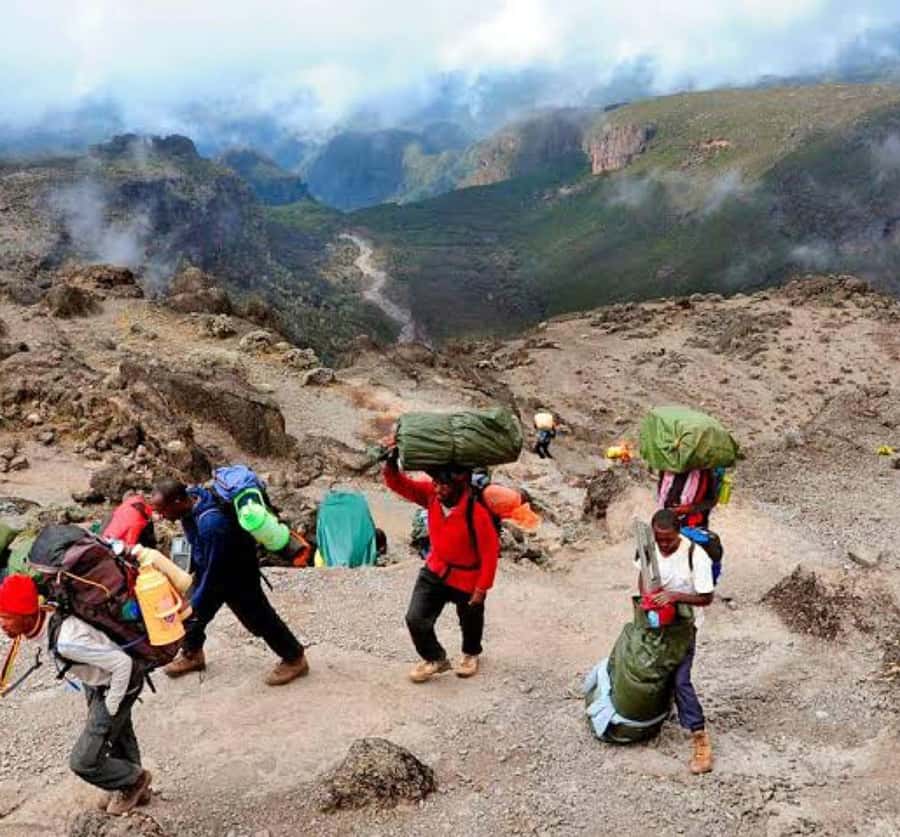
Season Master Adventures supplies English-speaking local guides and a supportive crew. The information does not provide individual guide names, so I cannot tell you who will lead your specific climb. I can tell you that the package places guides at the center of the trip, rather than treating them as an afterthought.
One verified booking, from Jose of the United States on October 20, 2025, praised the company for service, information, comfort, and meeting the needs of a successful climb. That is a strong endorsement of the operation, but it is based on one review, so I would still ask practical questions before booking.
Find out how many people will be in your group, how many guides and porters will accompany you, what the emergency procedure is, and how the operator handles a failed summit attempt or route change. The supplied information confirms an emergency first-aid kit, but it does not describe evacuation arrangements in detail.
The live guide language is English. If you need another language, ask before confirming.
Who should choose this trek?
I think this experience suits a first-time Kilimanjaro climber who wants a supported trip rather than an independent mountain plan. The route choices also make it useful for an experienced trekker who wants a quieter approach, a longer acclimatization schedule, or a specific type of scenery.
It is a good fit if you value:
- Local guiding and a full mountain crew
- A choice between huts and tents
- Three prepared meals each day
- Filtered water and hot washing water
- Transfers from Moshi
- A route matched to your available time
- Help with pacing and summit preparation
I would be more cautious if you are choosing only because the $110 price looks low. The extra park fees, insurance, equipment, and possible transfer charges can change the budget considerably.
I would also pause if you have only a very short schedule. The longer route versions offer better acclimatization, and the Northern Circuit takes eight or nine days according to the route information. Ask the operator to reconcile that with the advertised one to seven-day duration before you pay.
Free cancellation is available up to 24 hours in advance for a full refund, and you can reserve now and pay later. Those terms help if your plans are not fixed, but they do not replace travel insurance. Insurance covering accidents, medical problems, and other unexpected incidents is highly recommended and not included.
Should you book Season Master Adventures?
I would consider booking this trek if Season Master gives you a clear final quote and confirms the exact route and number of days. The combination of local guides, porters, a cook, tents, meals, water, transfers, and pre-climb preparation offers the kind of support you want on a mountain this high.
My first choice would be a longer Lemosho, Machame, Rongai, or Northern Circuit itinerary rather than the shortest available plan. The sample Lemosho route provides varied scenery and a well-supported route to Uhuru Peak, but its long walking sections demand honest preparation.
Book it if you want a guided, fully supported Kilimanjaro attempt and are ready to budget for the excluded costs. Do not book until you have confirmed the final price, route duration, group arrangements, and mountain crew details.
FAQ
Where does pickup take place?
Pickup is available from the Kilimanjaro Region, Kilimanjaro, Arusha, or Moshi. Hotel pickup is specifically included from Moshi town.
Is hotel pickup included?
Yes. Private transfer from your hotel in Moshi to the designated Kilimanjaro gate, and the return transfer from the gate to your Moshi hotel, are included.
Which languages are available?
The live tour guide language is English.
Which Kilimanjaro routes can I choose?
You can choose the Marangu, Machame, Lemosho, Rongai, or Northern Circuit routes.
How long do the route options take?
Marangu is listed at five or six days, Machame at six or seven days, Lemosho at six or seven days, Rongai at six or seven days, and the Northern Circuit at eight or nine days. Confirm the exact duration because the activity details also mention one to seven days.
Are meals included?
Yes. Three meals per day are included while you are on the mountain. A professional cook prepares fresh meals.
Are tents and sleeping mats provided?
Yes. Four-season mountain tents and double-layered sleeping mats measuring about 10 centimeters thick are included. Sleeping bags are not included.
Are National Park fees included in the price?
No. Park entry fees, camping fees, team rescue fees, West Kilimanjaro Forest fees, and 18 percent VAT are excluded. Travel insurance and personal trekking equipment are also excluded.
Just added in Moshi
- THE BEST 2 DAYS ON TREK – MARANGU ROUTE TOUR ADVENTURES★ 5.0 · 1 review
- Mount Kilimanjaro National Park Day Trip★ 5.0 · 7 reviews
- Mount Kilimanjaro Climbing in Tanzania Full-Day Trip★ 5.0 · 1 review
- Mount Kilimanjaro Day Hike – All-Inclusive, No Hidden Fees★ 4.0 · 7 reviews
- Mount Kilimanjaro: 7 Days Hike Lemosho Route★ 5.0 · 1 review
- Moshi:Chemka Hot Springs, Materuni Waterfalls & Coffee Tour★ 5.0 · 1 review
- Moshi Town: Walking Tour: Theme Urban lifestyle★ 3.1 · 4 reviews
- Moshi/Arusha kikuletwa Hot Springs Tour★ 5.0 · 1 review
Kilimanjaro Climbs, compared.
Chagga Villages in Mount Kilimanjaro Cycling Day Trip
Read our review →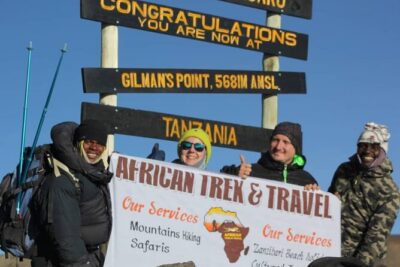
Browse the lists this tour appears in