
Reviewed · MARANGU ROUTE CLIMBS
Mountain Kilimanjaro Climbing 6 Days Marangu Route
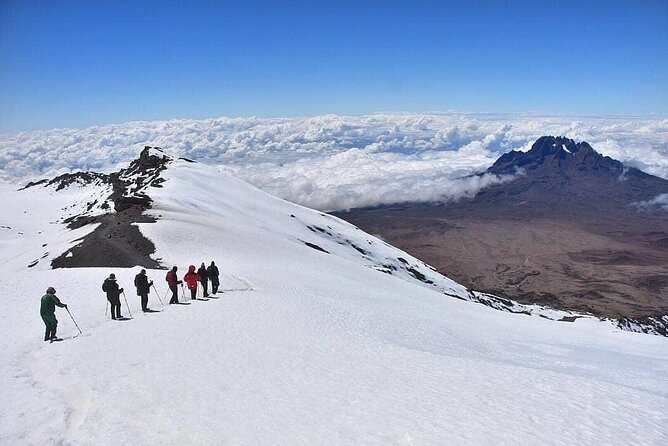
The mountain changes with every step. This six-day climb from Moshi takes you through rainforest, heath, moorland, alpine desert, and the summit zone, following Kilimanjaro’s oldest route. I like the dormitory huts, which offer shelter instead of tents, and I like the steady scenery change from monkeys and tall trees to the stark saddle between Mawenzi and Kibo.
The gradual trail makes Marangu less rugged underfoot than some other routes, and the included park access, mountain guides, transfers, and hut accommodation may make the $2,435.90 price reasonable. The tradeoff is important: you use the same path up and down, so the route offers less scenic variety and can feel crowded. The five-day version is especially risky, while six days is better but still leaves little room for error at altitude.
I would also confirm the schedule before paying. The supplied plan describes the summit push on Day 4, then describes another final ascent on Day 5. The meeting time is listed as midnight, while the first morning says you leave Moshi at 8 AM. Those details need clarification from Exceed Expectations Tours & Safari.
In This Review
- Key Points To Know Before You Book
- What $2,435.90 Means In Practice
- Day 1: Marangu Gate To Mandara Huts
- Day 2: Mandara To Horombo Through Heath And Moorland
- Day 3: Horombo To Kibo Across The Saddle
- The Midnight Summit Push To Uhuru Peak
- The Descent From Horombo To Moshi
- Who Will Like This Kilimanjaro Climb
- Booking Details And Questions To Ask
- Should You Book The 6-Day Marangu Route?
- FAQ
- Where does the Kilimanjaro climb begin?
- How long does the experience last?
- What is the price per person?
- What accommodation does the Marangu Route use?
- Is an extra acclimatization day included?
- What fitness level is required?
- How many people can join the group?
- Is park admission included?
- When does the summit climb begin?
- Can I cancel for a full refund?
Key Points To Know Before You Book
- Huts replace tents: You sleep in dormitory-style huts at Mandara, Horombo, and Kibo, a useful advantage during wet weather.
- Five days is the minimum: Six days gives you a better chance, but an extra acclimatization day at Horombo is strongly recommended.
- The route changes dramatically: Expect rainforest, heath, moorland, alpine desert, and the high summit zone.
- The summit night is severe: You climb in darkness and cold, with a midnight start, headlamp, warm layers, and a slow pace.
- The trail returns the same way: Marangu is simple to follow, but it lacks the changing descent scenery found on routes that use separate paths.
- Small group size: The maximum is 15 people, which is manageable but not an intimate private climb.
What $2,435.90 Means In Practice
The listed cost is $2,435.90 per person. That is a serious amount, so I would judge the value by the support on the mountain rather than by the number alone. The experience includes pickup, a mobile ticket, national park admission, a mountain guide, meals described in the daily schedule, hut stays, and transport back to Moshi after the climb. The supplied details do not clearly spell out every inclusion, so ask for a written list before booking.
A six-day Kilimanjaro climb is not a casual day trip with a scenic payoff at the end. You spend several days moving slowly through high-altitude terrain, sleeping in basic huts, and managing fatigue. The price has value if you want the structure of a guided climb and the security of a local operator handling park registration, transfers, meals, and the route.
The group limit of 15 matters. A group that size can keep the price lower than a private climb, though it may move at different speeds. Ask how the company handles slower climbers, altitude symptoms, and different summit abilities. The supplied information says you need moderate physical fitness, but reaching 5,895 meters demands more than ordinary holiday fitness. The main test is sustained walking, cold, reduced oxygen, and the ability to keep moving when the summit still feels far away.
Exceed Expectations Tours & Safari is the listed provider. The company’s management response names Oscar Swai, who handled a warm follow-up to a past customer. The available feedback also praises the agency’s kindness, customer service, and ability to organize a difficult Kilimanjaro climb. That is encouraging, but I would still ask direct questions about guide ratios, safety procedures, equipment, meals, and the exact daily plan.
More Kilimanjaro climbs:
- Kilimanjaro climb by Lemosho Route (7-day)
★ 5.0 · 651 reviews - Kilimanjaro climb, Machame Route (7-day)
★ 5.0 · 262 reviews - Kilimanjaro Climbing Lemosho Route 8 Days.
★ 5.0 · 186 reviews
Day 1: Marangu Gate To Mandara Huts
Your first morning begins with breakfast and a guide briefing, followed by a drive of about 45 minutes from Moshi to Marangu Gate on Kilimanjaro’s eastern side. At the gate, you register with the national park before walking into the rainforest.
The hike is scheduled to begin around 10:30 AM after the registration process. The forest is a fine introduction to the mountain, with tall eucalyptus trees, birds, and a chance to spot colobus monkeys. This is one of the most appealing parts of the route because the trail feels genuinely different from the town and farmland below.
The lower section can be wet and muddy. I would pack gaiters, trekking poles, waterproof clothing, and a spare pair of socks where you can reach them easily. Shorts and a T-shirt may feel fine early in the walk, but keep rain gear and warmer clothing close. Mountain weather can change before you reach camp.
A lunch stop comes about halfway through the walk. You should reach Mandara Huts around 2 or 3 PM, leaving time to unpack, rest, and have tea or coffee. A short 15-minute side trip to Maundy Crater offers a useful first view of the surrounding area and gives your legs a gentle extra outing rather than a major detour.
Mandara sits at about 2,700 meters. The hut system is practical, but do not expect hotel comfort. You sleep in shared dormitory rooms, and the social side can be pleasant, especially after a day of walking. The drawback is that shared sleeping spaces may be noisy or crowded.
Day 2: Mandara To Horombo Through Heath And Moorland
Day 2 begins with breakfast at 7:30 AM and a planned departure around 8:30 AM. You start among rainforest glades, then climb into heath land where giant lobelias and groundsels appear. These unusual plants make the route feel more like a high mountain expedition than a forest walk.
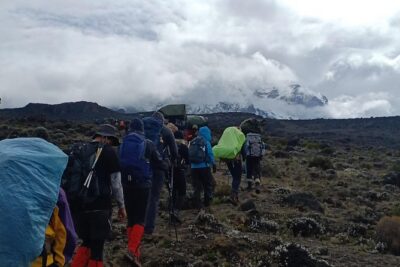
The vegetation thins as you reach open moorland. Small shrubs replace the taller plants, and the views open toward Mawenzi. This is a good day to slow down and notice the changes around you. The mountain does not reveal everything at once. It removes one plant zone, then another, until the upper slopes look almost bare.
After a halfway lunch stop, you continue to Horombo Huts, generally arriving around 3 PM. From here, you may see Kibo summit, the high central cone that becomes the focus of the next stages. Horombo is at roughly 3,720 meters, and this is where some people begin to notice altitude effects.
Running water is available at Horombo, which makes it a more comfortable place to wash, refill, and recover. The supplied plan allows for an extra day here, either resting or walking toward a base camp below Mawenzi. That extra day is one of the most useful additions you can make to this route. It gives your body more time to adjust before the high summit push.
The major concern is the schedule. A six-day plan that moves directly from Mandara to Horombo, then Kibo, then the summit, is demanding. If your booking truly includes only six days with no acclimatization day, ask if the itinerary can be changed. The description itself recommends spending an extra day at Horombo, so you should not treat that advice as a minor option.
Day 3: Horombo To Kibo Across The Saddle
Day 3 begins with breakfast, and an early start can reward you with sunrise photographs. The trail climbs through the final heath areas before entering a broad, barren zone between Mawenzi and Kibo.
This saddle is one of the most memorable sections of the route. The vegetation fades into what feels like a moonscape, and you can study the summit route ahead while crossing the wide space between the two peaks. Mawenzi gives the day a jagged backdrop, while Kibo looks increasingly serious and distant.
You stop for lunch along the way, then continue toward Kibo Huts. There is no running water at Kibo, so plan to be more self-contained. You should also expect a more basic night than at Horombo. Rest is the main task here. Keep your equipment organized, eat what you can, and prepare your headlamp, warm clothes, gloves, and other summit items before trying to sleep.
At this height, watch for signs of altitude sickness. Headache, nausea, unusual tiredness, or trouble walking should not be brushed aside. The guide should be involved immediately if you feel unwell. A summit photo is never worth hiding symptoms.
More Marangu Route climbs:
- Kilimanjaro climb, Marangu route (6-day)
★ 5.0 · 72 reviews - Climbing Kilimanjaro – Marangu Route
★ 5.0 · 65 reviews - Kilimanjaro Climbing 5 days Marangu route
★ 5.0 · 22 reviews - Best Kilimanjaro Adventures 6 Days Marangu Route Experience
★ 5.0 · 18 reviews
The Midnight Summit Push To Uhuru Peak
The schedule creates an important confusion here. Day 4 describes a midnight wakeup, a pre-dawn summit climb, a return to Kibo for lunch, and then a walk back to Horombo. Day 5 describes the same basic summit sequence, including Hans Meyer Cave, Gillman’s Point at 5,681 meters, Uhuru Peak at 5,895 meters, and a return to Horombo.
You need the operator to confirm which day is the actual summit day. The practical details below describe the summit stage itself.
A midnight start is designed to bring you to Gillman’s Point around sunrise, then to Uhuru Peak after another one to two hours. The first part takes place in darkness, using a headlamp or flashlight. The cold can be intense until the descent begins, so pack every warm layer you own for the climb, not just a fleece and a light jacket.
The route passes Hans Meyer Cave at about 5,220 meters and continues upward at a slow, steady pace. The local phrase pole pole, meaning slowly slowly, is exactly the right attitude. Speed wastes energy, and the summit is won by steady movement rather than heroic bursts.
Gillman’s Point marks the crater rim. From there, the sun begins to warm the mountain, and you continue toward Uhuru Peak. The final distance may take one to two hours. At the summit, take your photographs, but keep the stop sensible. You are at the highest point of the climb and need to descend while you still have strength.
The descent to Kibo Huts is tiring in a different way. Loose ground and steep footing can punish your knees, and the combination of little sleep and altitude makes concentration harder. A warm meal and a one to two-hour rest are scheduled at Kibo before continuing across the saddle to Horombo.
This is the hardest part of the climb. The description is right to stress warm clothing, headlamps, patience, and optimism. It is also the point where a longer acclimatization plan can make a real difference.
The Descent From Horombo To Moshi
The final walking stage takes you from Horombo through the heath and moor zones to Mandara Hut, where a warm lunch is planned. You then reenter the rainforest and continue to the national park gate at about 1,860 meters.
The full descent is listed at roughly six hours of trekking. After you sign out and say goodbye to the guides, a short transfer takes you back to your hotel in Moshi. A hot shower and a proper bed will feel like major rewards after the summit night.
The descent is easier on the lungs than the ascent, but do not mistake it for an effortless walk. Tired legs, sore feet, and steep downhill sections can make the final day uncomfortable. Trekking poles are useful here, especially if your knees are sensitive.
Marangu’s same-path return has one practical advantage: you recognize the route and know what to expect. Its weakness is that you do not get new scenery on the way down. If changing views are a top priority, another Kilimanjaro route may suit you better. Marangu’s huts make it especially appealing during rainy periods, when sleeping under a solid roof is more comfortable than camping.
Who Will Like This Kilimanjaro Climb
I would consider this route for someone who values hut accommodation, a well-established trail, and a gradual approach from the eastern side of the mountain. It suits people who prefer a guided structure and do not mind sharing dormitory-style rooms.
You should also be comfortable with long walking days. The schedule lists about 12 hours for several stages, 15 hours for the main summit day, and eight hours for the final descent. Those figures may include the full day around camp, but they still show that the climb is physically demanding.
This may not be the best choice if you want quiet trails, varied scenery on every day, or a relaxed altitude plan. The route is popular and can be crowded. The minimum five-day version should be treated with caution, and even six days deserves careful planning.
The two available customer accounts give the provider a strong positive signal. One praises the service and kindness of Oscar Swai and the wider team. Another describes saving money as a university student for the chance to climb Kilimanjaro and remembers the experience as hard but meaningful. The praise focuses on support and service, not on luxury, which is the right expectation here.
Booking Details And Questions To Ask
Pickup is offered, and confirmation is provided when you book. The maximum group size is 15 people. Free cancellation is available if you cancel at least 24 hours before the local start time. Cancellations or changes made inside that window are not accepted for a refund.
Before you commit, ask Exceed Expectations Tours & Safari to confirm:
- The correct summit day, since the supplied schedule repeats the summit stage.
- The actual pickup and meeting time, since midnight and 8 AM are both listed.
- Whether an extra acclimatization day at Horombo can be added.
- Exactly what the $2,435.90 price includes.
- The sleeping arrangements at each hut.
- How the guide responds to altitude sickness.
- What clothing and equipment you must bring yourself.
These questions are not fussing over minor details. They affect your safety, comfort, and chance of reaching Uhuru Peak.
Should You Book The 6-Day Marangu Route?
Book it if huts, a gradual trail, and a structured guided climb matter more to you than changing scenery. The route gives you a clear progression from rainforest to summit and back, with useful hut stops and a manageable group limit.
I would not book it without first correcting the day-by-day schedule and asking about an extra Horombo acclimatization day. The price can represent solid value if the support and inclusions are clearly defined, but the short timetable and repeated summit description deserve attention.
For a stronger chance at the top, choose the longer acclimatization option if available. Pack for mud, rain, severe cold, darkness, and shared sleeping quarters. If you accept those conditions, Marangu offers a direct, demanding, and memorable way to climb Kilimanjaro.
FAQ
Where does the Kilimanjaro climb begin?
The climb begins with pickup from Moshi, followed by a drive of about 45 minutes to Marangu Gate on the eastern side of Kilimanjaro.
How long does the experience last?
The experience is scheduled for six days.
What is the price per person?
The listed price is $2,435.90 per person.
What accommodation does the Marangu Route use?
The route uses dormitory-style mountain huts at Mandara, Horombo, and Kibo.
Is an extra acclimatization day included?
The supplied plan recommends an extra day at Horombo, but it is not clear that this extra day is included in the six-day schedule. Confirm this before booking.
What fitness level is required?
The activity states that you should have a moderate physical fitness level.
How many people can join the group?
The maximum group size is 15 people.
Is park admission included?
Yes. Admission tickets are included in the daily activity details.
When does the summit climb begin?
The summit stage begins around midnight, with a light breakfast before the climb. The exact summit day should be confirmed because the schedule describes it on both Day 4 and Day 5.
Can I cancel for a full refund?
Yes, if you cancel at least 24 hours before the experience start time. Cancellations or changes made less than 24 hours before the start are not eligible for a refund.
Just added in Moshi
- Zanzibar: Stone Town tour and Nakupenda beach with Lunch★ 5.0 · 1 review
- day trip lake manyara★ 5.0 · 2 reviews
- Mt Kilimanjaro 6 days Marangu route hike★ 5.0 · 3 reviews
- machame route★ 5.0 · 16 reviews
- Private Cycle to Kilimanjaro Bike Park Safari★ 5.0 · 6 reviews
- West Kilimanjaro cycling Adventures★ 4.5 · 8 reviews
- Wildlife Extravaganza: Manyara, Tarangire & Ngorongoro in 3 Days★ 5.0 · 3 reviews
- 3 Days Private E-Bike Tour in West Kilimanjaro★ 5.0 · 3 reviews
Marangu Route Climbs, compared.


Private Full Day Hiking Experience to Marangu Route
Read our review →
From Arusha/Moshi: Kilimanjaro Hike Marangu Route Day Trip
Read our review →
Mount Kilimanjaro Day Hike Through Marangu Route to Mandara Hut
Read our review →
Best Kilimanjaro Adventures 6 Days Marangu Route Experience
Read our review →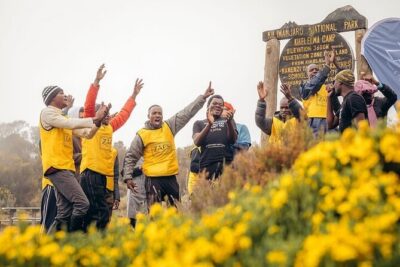
Kilimanjaro Private Climbing in 6 Days Marangu Route
Read our review →Browse the lists this tour appears in