
Reviewed · LEMOSHO ROUTE CLIMBS
Mt Kilimanjaro Climb – 8 days Lemosho
Kilimanjaro rewards patience more than speed. This 8-day climb with Nyange Adventures uses the scenic Lemosho Route, a longer approach that gives you more time to adjust to altitude and more varied mountain scenery. I like the gradual first half of the route and the strong support built into the price, including park fees, meals, camping gear, transport, water, and an oxygen cylinder.
I also like the human side of this climb. The guides and support crew receive fair salaries under KPAP guidelines, and names praised by past participants include Davis, Kevin, Amnaay, Joy, Geopron, Robert, Herick, Francis, and Ibrahim. The main consideration is the summit day: 10 to 14 hours of walking, followed by a long descent, cold conditions, and a serious chance that altitude will affect your pace or summit attempt.
In This Review
- The key things to know before booking
- Why the 8-day Lemosho route makes sense
- Day 1: Lemosho Gate to Big Tree Camp
- Day 2: Big Tree Camp to Shira Camp 1
- Day 3: Shira Camp 1 to Shira Camp 2
- Day 4: Shira Camp 2 to Barranco Camp
- Day 5: The Barranco Wall and Karanga Camp
- Day 6: Karanga Camp to Barafu Camp
- Day 7: Barafu Camp to Uhuru Peak and Mweka Camp
- Day 8: Mweka Camp to Mweka Gate
- What $3,500 includes, and what it does not
- The Nyange Adventures support team
- Who should book this climb?
- Booking details and cancellation advice
- Should you book the 8-day Lemosho climb?
- FAQ
- Where does the climb take place?
- How long is the climb?
- What is the highest point reached?
- Is hotel pickup included?
- Are meals included?
- Is camping equipment provided?
- Do I need to bring my own climbing gear?
- Is travel insurance included?
- Can I cancel for a refund?
The key things to know before booking
- Lemosho takes the scenic western approach: You begin at 2,385 meters and move through forest, open high country, volcanic ridges, and the southern side of Kibo.
- Eight days gives you useful acclimatization time: The route includes several modest walking days and a climb high to Shira before sleeping lower at Barranco.
- Summit day is the real test: From Barafu Camp, you climb to Uhuru Peak at 5,895 meters, then descend all the way to Mweka Camp.
- The price covers most major operating costs: Park fees, camping, meals, water, transport, guides, porters, mattresses, a mess tent, oxygen, and an oximeter are included.
- Support is a major strength: The crew handles meals, camp equipment, route guidance, and personal care, with repeated praise for the guides, cooks, porters, and waiters.
- You need proper insurance and personal gear: Travel insurance and your own mountain clothing and equipment are not included.
Why the 8-day Lemosho route makes sense
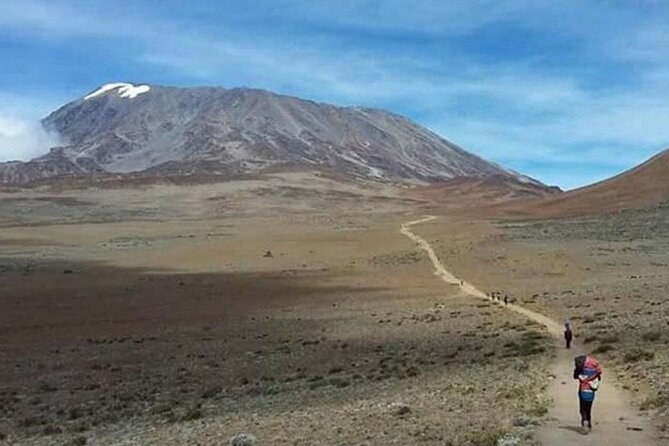
Kilimanjaro is not a technical mountaineering climb in the usual sense. You do not need ropes or advanced climbing skills for the standard route, but the mountain is high enough to make ordinary walking feel very different. The challenge is mostly endurance, cold, sleep, and altitude.
Lemosho is a good choice because it gives your body more time to adapt. You start relatively low at Lemosho Gate, spend several days gaining height, and then follow a useful climb-high, sleep-lower pattern around the Shira Plateau and Barranco. That extra time costs more than a shorter route, but it can make the experience less rushed.
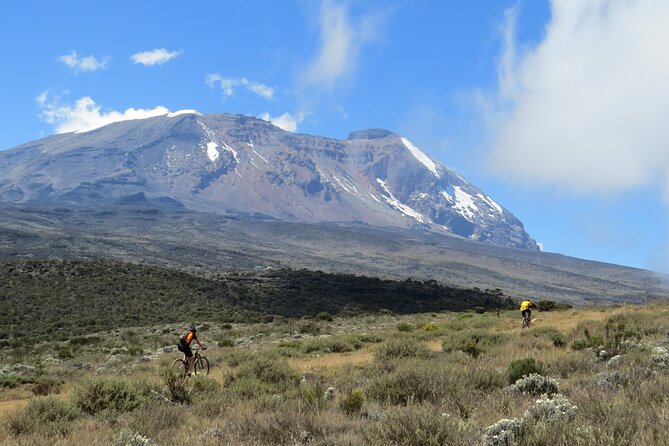
The route is also scenic. You begin in the western forest, move into open mountain country, cross the Shira area, and approach the summit from the south. The path includes plenty of up and down walking, so the total effort is greater than the daily altitude gain alone suggests.
This is listed as a private activity, meaning only your group participates. That can be useful if you want the guide’s attention and a flexible pace. A group booking can also become a smaller or solo climb if last-minute cancellations change the numbers. One person who expected a group ended up climbing alone with the crew and found the flexibility helpful.
More Kilimanjaro climbs:
- Kilimanjaro climb by Lemosho Route (7-day)
★ 5.0 · 651 reviews - Kilimanjaro climb, Machame Route (7-day)
★ 5.0 · 262 reviews - Kilimanjaro Climbing Lemosho Route 8 Days.
★ 5.0 · 186 reviews
Day 1: Lemosho Gate to Big Tree Camp
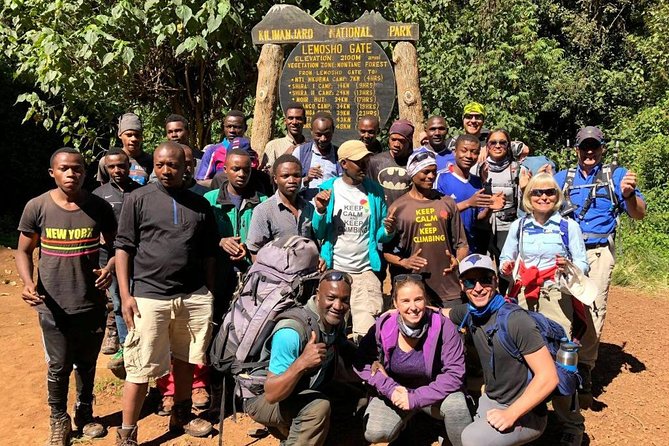
The climb begins at Lemosho Gate, at 2,385 meters. The day ends at Big Tree Camp, at 2,780 meters, after about two to three hours of walking and a modest 395-meter gain.
This is a sensible opening day. You are not thrown straight into a long hike, and the forest gives the first section a sheltered, steady feel. The short schedule also gives the guide time to make sure the group, equipment, and camp arrangements are ready.
Do not dismiss this day because it is short. It is your first chance to learn the rhythm of the climb: walk slowly, drink regularly, keep your clothing easy to adjust, and tell the guide early if you feel unwell. A gentle start is part of the acclimatization plan, not a wasted day.
Day 2: Big Tree Camp to Shira Camp 1
Day two brings a larger altitude gain, from 2,780 to 3,500 meters. You walk for about four to five hours and gain 720 meters.
This is where the climb begins to feel like a mountain trip rather than a forest hike. The route moves toward the open Shira region, and the change in altitude becomes noticeable. You will want to keep your pace calm, especially if you are used to walking quickly on low-altitude trails.
Shira Camp 1 is an important step because you sleep at 3,500 meters. The day is long enough to make you work, but not so long that it overwhelms the schedule. Your guide’s pacing matters here. A slow, even rhythm is more useful than trying to arrive early.
Day 3: Shira Camp 1 to Shira Camp 2
The third day is shorter, with three to four hours of walking. You rise from 3,500 to 3,900 meters, gaining 400 meters.
This is a valuable acclimatization day. You continue upward without forcing a major distance, allowing your body to spend more time at altitude. Shira Camp 2 also places you in a good position for the next stage toward Barranco.
The drawback is that you may feel the altitude more clearly even on a short day. Headache, poor sleep, low appetite, and fatigue can appear at this point. Report symptoms to the guide instead of trying to hide them. The included oxygen cylinder and oximeter provide useful safety tools, but they do not replace careful decisions.
More Lemosho Route climbs:
- Kilimanjaro climb, Lemosho Route (8-day)
★ 5.0 · 148 reviews - Kilimanjaro climb, Lemosho Route (6-day)
★ 5.0 · 129 reviews - Kilimanjaro Lemosho Route
★ 5.0 · 71 reviews - Private Kilimanjaro Hike 7 Day Lemosho Route
★ 5.0 · 60 reviews
Day 4: Shira Camp 2 to Barranco Camp
Day four is one of the most interesting route days. You walk for six to seven hours from Shira Camp 2, at 3,900 meters, to Barranco Camp, at 3,960 meters. The listed figures show roughly 740 meters of climbing and 680 meters of descent, so this is a rolling day rather than a simple uphill march.
That up and down profile is useful for acclimatization and gives you a taste of the southern approach. You cover a fair distance while finishing only slightly higher than you began. Barranco Camp is a dramatic stopping point beneath the higher slopes and glaciers of Kibo.
You should expect this day to feel tiring even though the final altitude gain is small. The repeated climbs and descents take work, and the six to seven hours can test your feet and patience. This is a good time to check hot spots, adjust boot laces, and keep your day pack light.
Day 5: The Barranco Wall and Karanga Camp
The fifth day starts at Barranco Camp, at 3,960 meters, and ends at Karanga Camp, at 4,035 meters. The walking time is about three to four hours, with a listed 100-meter climb and 25-meter descent.
The main feature is the steep climb over the Barranco Wall. It is not a long day by clock time, but the wall requires concentration and careful foot placement. The reward is a fine view toward Kibo’s southern glacier, along with the satisfaction of completing one of the route’s most memorable sections.
After the wall, the trail continues with more ups and downs. This is a useful reminder that Kilimanjaro is not a staircase. You gain only a little net altitude, but the terrain still asks for steady effort.
The guide can make a real difference here. Past climbs with Nyange Adventures have included guides such as Joy, Geopron, Davis, Kevin, and Amnaay, with people praising their patience, support, and attention to individual needs. You should still expect to manage your own movement and comfort. A guide can help you choose a line over the wall, but your legs do the climbing.
Day 6: Karanga Camp to Barafu Camp
From Karanga Camp, you climb to Barafu Camp at 4,640 meters. The walking time is about three to four hours, with a 615-meter gain.
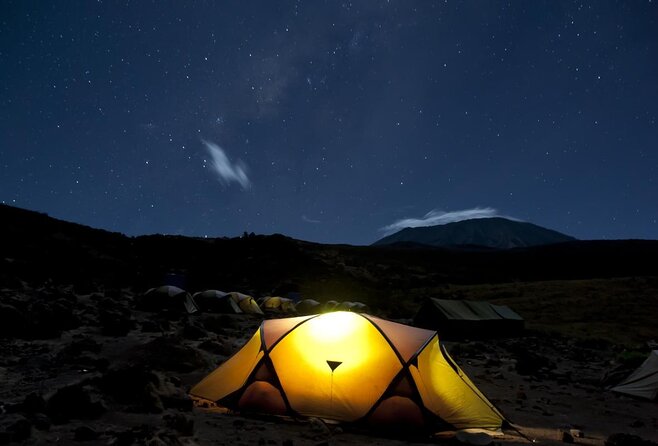
Barafu is the staging point for the summit attempt. The day is relatively short, but you are now very high. Rest becomes important, and you will want to organize your summit clothing, water, snacks, and headlamp before trying to sleep.
The schedule gives you time to prepare, but do not expect normal sleep at this altitude. You may feel cold, tired, or restless. Keep your personal equipment easy to reach and follow the guide’s instructions about the summit start. The listing gives an 8:00 am meeting time for the experience, but the summit push itself begins from Barafu according to the mountain schedule, so confirm the exact departure time with Nyange Adventures before the climb.
Day 7: Barafu Camp to Uhuru Peak and Mweka Camp
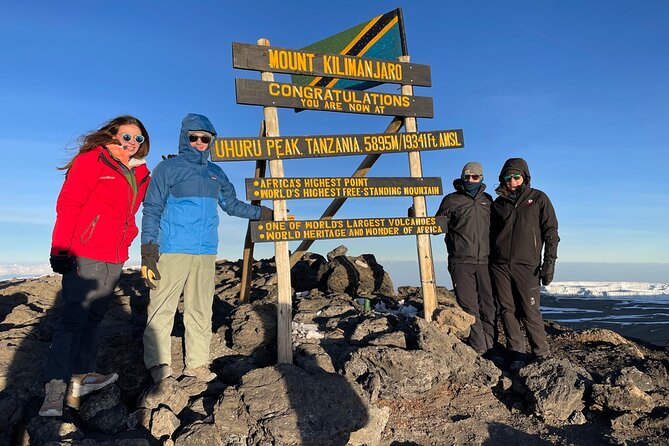
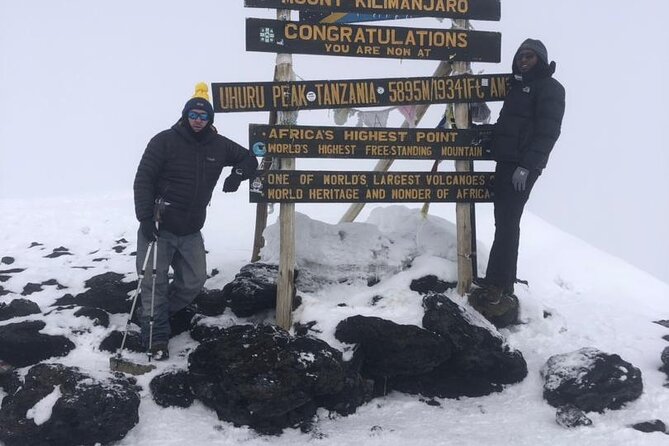
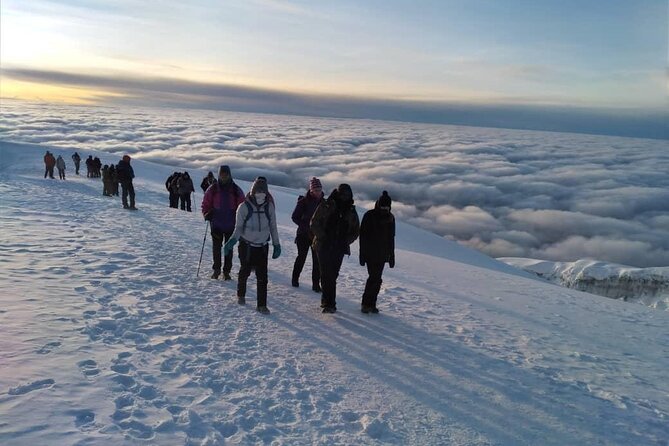
This is the day that decides the climb. You leave Barafu Camp at 4,640 meters, climb to Uhuru Peak at 5,895 meters, and then descend to Mweka Camp at 3,080 meters. The full walking time is listed as 10 to 14 hours.
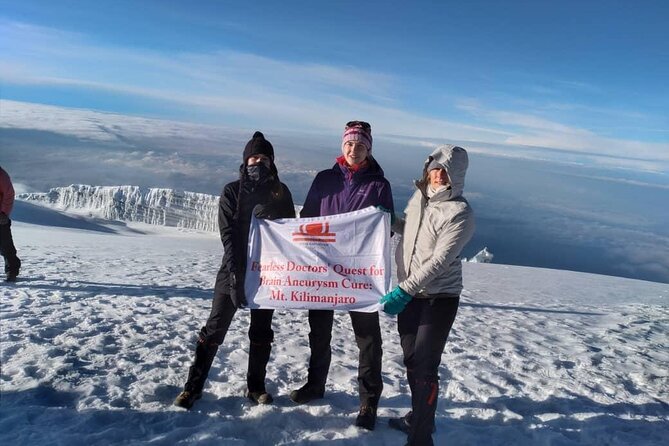
The climb to Stella Point is very steep and may be cold. From the crater ridge, you get wide views across the summit area, and the final section to Uhuru Peak offers the main prize: standing at Africa’s highest point. The mountain can look close from Barafu, but the summit day is long, slow, and physically demanding.
Altitude may affect the climb even if you are fit. You might need to slow down, rest, or turn back. That is not a failure. A responsible guide will pay attention to your condition and make safety the priority.
The descent is steep and long. Reaching the summit is only halfway through the day, and the drop to Mweka Camp is substantial. Your knees and feet may suffer more on the descent than on the ascent, so trekking poles and well-tested boots are especially valuable, though personal equipment is not included.
This is also where the crew’s role becomes most visible. Past groups have praised guides for helping with photographs, carrying cameras, offering encouragement, and staying close to individual needs. One participant completed the summit at age 73, which shows that age alone does not decide the outcome. Preparation, medical judgment, pacing, and support matter more.
Day 8: Mweka Camp to Mweka Gate
The final day drops from Mweka Camp, at 3,080 meters, to Mweka Gate, at 1,630 meters. The walk takes about two to three hours and loses 1,450 meters.
After the strain of summit day, this should feel short, but descending can still be hard on tired legs. The forest returns as you lose altitude, and reaching the gate marks the practical end of the climb.
Transport to and from the gate is included, as well as hotel pickup and drop-off. That matters after eight days on foot. You do not want to finish the route and then negotiate local transport while exhausted.
What $3,500 includes, and what it does not
The cost is $3,500 per person. That is a serious sum, but Kilimanjaro prices include large fixed costs that are easy to overlook.
Your fee includes:
- Park entry, camping, forest department, and rescue fees
- Seven nights of accommodation in camp
- Tent, mattress, and mess tent
- Three meals a day
- Drinking water
- Professional guide
- Transport to and from the gate
- Hotel pickup and drop-off
- Oxygen cylinder and oximeter
- Fair and ethical salaries for the climbing team
The meals are a bigger part of the value than they may first appear. You are walking for hours each day, and having breakfast, lunch, and dinner arranged means you do not need to carry eight days of food. Several people specifically praised the food, including cooks and support staff such as Oscar, Nikaas, and Mohammed.
The price does not include tips for guides, cooks, and porters. It also excludes your personal climbing gear, pre-climb and post-climb accommodation, airport transfers, and travel insurance. Budget for those items before you compare operators. A low headline price can look less attractive once you add park fees, equipment, transport, and meals.
The KPAP-aligned pay promise is another reason to examine the price carefully. Porters carry much of the camp system, and fair wages are an important part of responsible climbing. You should still ask Nyange Adventures for current guidance on tipping and porter welfare before departure.
The Nyange Adventures support team
The strongest pattern in the feedback is the quality of the human support. Guides named across the supplied comments include Davis, Kevin, Amnaay, Joy, Geopron, Robert, Herick, Francis, and Ibrahim. The praise focuses on patience, safety, flexibility, encouragement, and attention to personal needs.
The cooks and porters receive just as much attention. Food is described as very good, including local organic ingredients, and one cook earned the playful title of stomach engineer. That detail tells you something useful: meals are not treated as an afterthought.
The team has also handled different group sizes. Some climbs have involved larger groups, while another became a solo experience after cancellations. Since the activity is private for your group, ask how many climbers and staff are expected on your dates.
The operator’s stated rating is 4.9 from 19 reviews, with 100 percent recommendation. That is a strong record, but it does not remove the need to ask practical questions. Confirm the personal gear list, tipping expectations, hotel arrangements, airport transfers, summit departure time, and procedure for altitude problems.
Who should book this climb?
I would recommend this route to a fit adult who wants a slower Kilimanjaro schedule and values a well-supported camp operation. The eight days make more sense for you if acclimatization is a priority and you prefer scenic variety over the shortest possible route.
It also suits solo climbers who want professional support without being left to manage the mountain alone. The private format may appeal to couples, families with suitable fitness, or a small group of friends who want the same guide team throughout.
You need a moderate level of physical fitness. The itinerary includes long walking days, steep terrain, cold conditions, and a summit day of up to 14 hours. You do not need to be an elite athlete, but you should be comfortable with sustained walking and prepared to move slowly.
This is not the right choice if you want a relaxed sightseeing holiday, dislike camping, or have no time for proper preparation. The route is scenic, but it remains a demanding high-altitude climb.
Booking details and cancellation advice
Pickup is offered, and the experience has a mobile ticket. Confirmation is provided at booking, and the meeting time is listed as 8:00 am. The activity is near public transportation, although hotel pickup and drop-off are included.
Free cancellation applies if you cancel at least 24 hours before the local start time. Cancellations within 24 hours are not refunded, and changes inside that period are not accepted. Travel insurance is not included, so arrange suitable cover before you arrive.
Should you book the 8-day Lemosho climb?
I would book this climb if you want the scenic Lemosho approach, can handle the summit day, and value a crew-centered operation. The route’s extra days give you a better rhythm than a rushed ascent, while the included park fees, food, equipment, transport, and safety supplies make the $3,500 price easier to justify.
I would pause before booking if your fitness is uncertain or if you are counting on reaching the summit at any cost. Kilimanjaro is high, and no itinerary can guarantee Uhuru Peak. Go for the route, the mountain experience, and the careful support. Treat the summit as the goal, not a promise.
FAQ
Where does the climb take place?
The experience is based in Moshi, Tanzania, and uses the Lemosho Route on Mt Kilimanjaro.
How long is the climb?
The climb lasts approximately eight days and includes seven nights of camping accommodation.
What is the highest point reached?
The itinerary reaches Uhuru Peak at 5,895 meters.
Is hotel pickup included?
Yes. Hotel pickup and drop-off are included, along with transport to and from the park gate.
Are meals included?
Yes. Breakfast, lunch, and dinner are included each day.
Is camping equipment provided?
Yes. The package includes a tent, mattresses, and a mess tent.
Do I need to bring my own climbing gear?
Yes. Personal mountain climbing gear and equipment are not included.
Is travel insurance included?
No. Travel insurance is not included and should be arranged separately.
Can I cancel for a refund?
Yes, if you cancel at least 24 hours before the experience start time. Cancellations within 24 hours are not refunded.
Just added in Moshi
- Zanzibar: Stone Town tour and Nakupenda beach with Lunch★ 5.0 · 1 review
- day trip lake manyara★ 5.0 · 2 reviews
- Mt Kilimanjaro 6 days Marangu route hike★ 5.0 · 3 reviews
- machame route★ 5.0 · 16 reviews
- West Kilimanjaro cycling Adventures★ 4.5 · 8 reviews
- Wildlife Extravaganza: Manyara, Tarangire & Ngorongoro in 3 Days★ 5.0 · 3 reviews
- Private Cycle to Kilimanjaro Bike Park Safari★ 5.0 · 6 reviews
- 3 Days Private E-Bike Tour in West Kilimanjaro★ 5.0 · 3 reviews
Lemosho Route Climbs, compared.

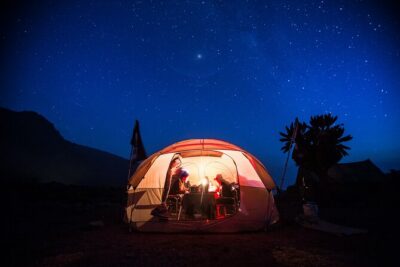
8-Day Small-group Lemosho Kilimanjaro Summit Trekking
Read our review →


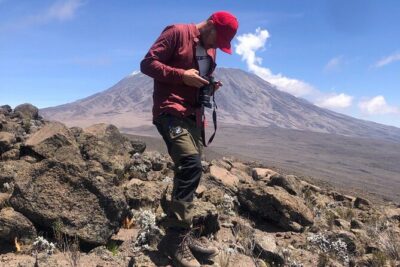
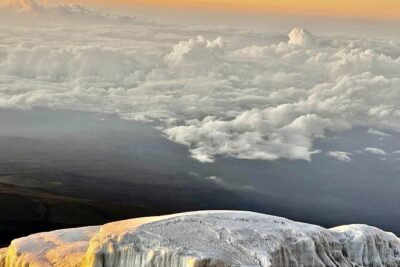
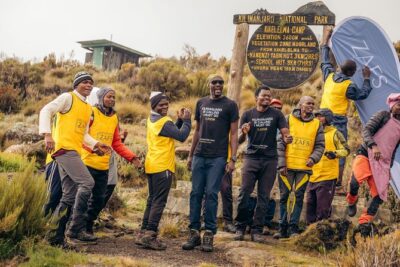
Climbing Kilimanjaro through 8 days Lemosho Route
Read our review →Browse the lists this tour appears in