
Reviewed · WORKSHOPS
Private Traditional Pottery Class near Arusha
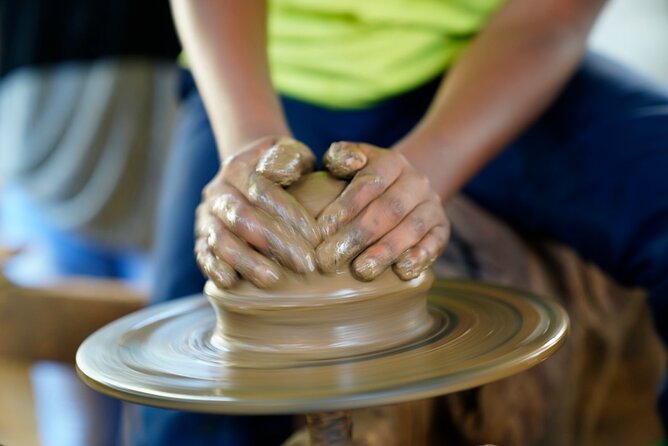
Clay tells a better story than a souvenir. This two-hour class in Tengeru gives you local clay, traditional tools, and patient instruction from potters who know the craft well. I especially like the foot-powered wheel and the chance to take home something you made yourself. I also like the visit to The Small Things, which connects the activity with support for vulnerable children and families. The main drawback is practical: lunch and transport details need checking, since lunch is described as an extra $10 and hotel pickup is not included.
This is a small, personal outing rather than a polished production. Reuben has earned warm praise as a guide, while Kitomary is noted for his skill with clay. You will learn about Meru culture, work with locally mined material, and spend time with people who make pottery as a living tradition. Just remember that a two-hour class leaves limited time for a slow, elaborate piece, and your finished pot may be charmingly imperfect.
In This Review
- Key points to know before booking
- Why this pottery class feels different from a craft workshop
- Starting at The Small Things near Arusha
- Tengeru clay, local tools, and Meru traditions
- A hands-on activity for families and solo visitors
- What your $50 includes, and what it does not
- Timing, weather, and what to bring
- The community connection is a real part of the value
- The main caution: clarify the fine print
- Who should book this experience
- Should you book the Tengeru pottery class?
- FAQ
- How long does the pottery class last?
- What is included in the price?
- Is lunch included?
- Is hotel pickup from Arusha included?
- Can I take my pottery home?
- How many people can join the activity?
- What happens if bad weather cancels the class?
Key points to know before booking
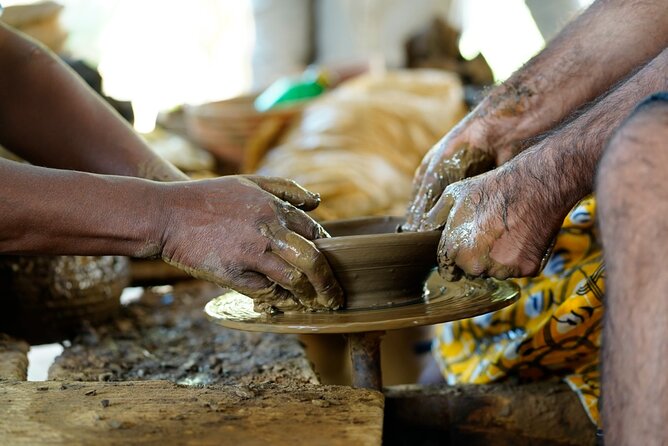
- You work with locally mined clay: The class teaches preparation, shaping, trimming, and firing with materials and tools from the area.
- The wheel is powered by your foot: This is traditional pottery, not a modern electric studio session.
- The Small Things adds a community visit: You learn about work supporting orphaned and vulnerable children and families.
- You can take home your creation: Your pot becomes a personal keepsake rather than a shop-bought souvenir.
- Groups are kept small: A maximum of eight people allows for direct help at the wheel.
- Lunch costs extra: Lunch can be arranged at The Small Things for $10, but it is not part of the listed inclusions.
Why this pottery class feels different from a craft workshop
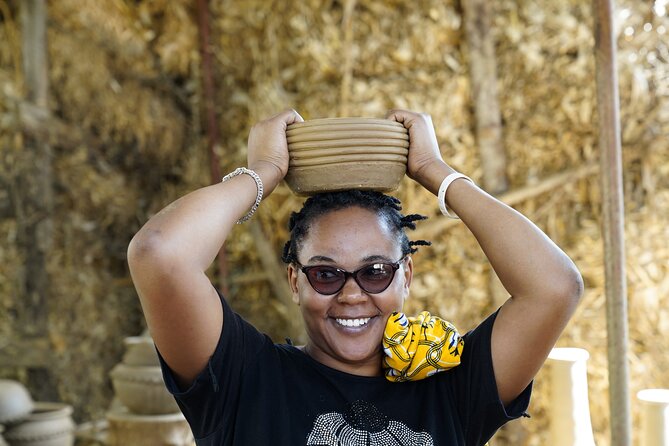
Many holiday craft sessions give you a quick demonstration, a chance to decorate something, and little sense of where the material came from. This one goes closer to the source. You handle local clay, learn the basic stages of pottery, and work with potters using traditional methods.
That matters because pottery is not just a pastime here. It links soil, household work, artistic skill, and local culture. Your guide also explains the history and culture of the Meru people, giving the activity a wider setting than a simple afternoon lesson.
I like that the class does not depend on a large studio or a long display of finished goods. You are there to try the work yourself. Clay is wonderfully democratic: it exposes every rushed movement, but it also lets beginners make something useful and personal.
The class is private in spirit, but the maximum group size is eight. That is still small enough for individual instruction, especially when you are trying to control a foot-powered wheel for the first time. If your group has several people, each person gets a turn rather than simply watching one expert work.
A few more options to weigh up in Arusha
- Balloon Safari & Bush Breakfast in Serengeti – Miracle Experience
★ 5.0 · 1,646 reviews - Tanzania Classic – 7 Days
★ 5.0 · 1,151 reviews - 4 Days Group Camping Safari
★ 5.0 · 1,101 reviews
Starting at The Small Things near Arusha
The first stop is The Small Things, a local project that supports children without adequate family care and families facing hardship in the community. This visit gives you context before the pottery begins.
The value here is not simply seeing an organization. You have a chance to learn what the project does and how your visit connects with its work. That link between tourism and local support is handled as part of the experience, not added as an afterthought.
You should approach this stop with respect and an open mind. It is not a staged cultural show. The supplied information does not promise a set program with children, so do not assume you will take part in a particular activity or meet specific families. The main purpose is to understand the project and the community connection.
This stop also helps explain the price. At $50 per person, you are paying for instruction, materials, a guide, and a small-group activity, while also visiting a community project. It is not the cheapest possible way to spend two hours near Arusha, but it offers more than a standard pottery lesson.
Tengeru clay, local tools, and Meru traditions
After The Small Things, you go to Tengeru for the pottery work. Tengeru is near Arusha, and the class uses clay mined locally. You will see how the material is prepared before shaping begins, then learn the basic steps from traditional potters.
The process includes:
- Preparing the clay
- Turning it on a foot-powered wheel
- Trimming your piece
- Firing it in a traditional kiln
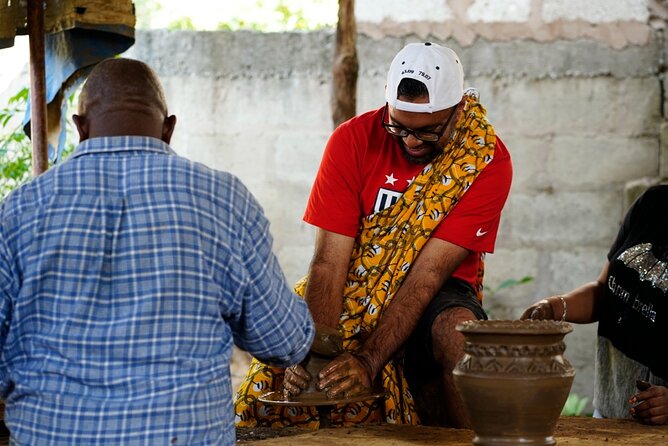
The foot-powered wheel is an important detail. It changes the pace of the lesson. You must coordinate your foot and hands, and the wheel does not simply spin at a constant electric speed. That can feel awkward at first, but it gives you a real sense of how much control traditional pottery requires.
Your instructor will guide you through the process rather than expecting you to arrive with experience. Kitomary is praised for his clay work and for showing people how to create their own objects. Andrew is also associated with the friendly hosting, while Reuben receives strong praise for guiding families and solo participants.
Do not expect to produce a perfect vase on your first attempt. The charm is in making the piece yourself. A pot with a slightly uneven rim can tell a better story than a flawless object bought from a market.
The class also includes trimming and firing, which helps you understand what happens after the wheel. The information provided does not specify exactly how long firing takes or how the finished object is prepared for travel, so ask how and when you will receive the piece before starting. The experience says you can take your creation home, but the timing and condition of the pottery may depend on the firing process.
A hands-on activity for families and solo visitors
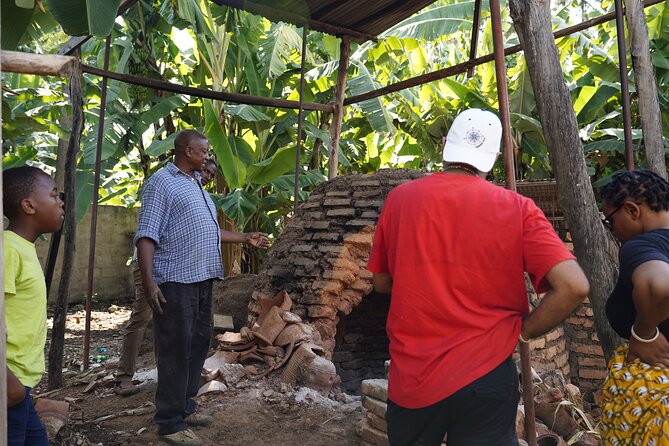
This class suits families particularly well. One family of five each had a chance to throw a clay pot, and the experience included a rural moment when a child was able to milk a cow. That extra encounter is not advertised as a guaranteed part of every visit, so treat it as a possible bonus rather than part of the fixed program.
Children who enjoy working with their hands should find plenty to like here. The wheel turns slowly, the material is forgiving, and the activity does not require specialist skills. Still, young children may need close help with the wheel and clay, and parents should be ready for some mess.
Solo visitors can also fit comfortably into the experience. The small group limit makes it easier to receive instruction and talk with the guide. One solo participant described the pottery studio and guides as extremely friendly, which matches the personal nature of the class.
The activity is also suitable for people looking for a quieter alternative to a busy sightseeing schedule. You are not rushing between several major sights. Instead, you spend time learning one craft and talking with local people.
A different kind of day out entirely:
- 5 Days Group Camping Safari
★ 5.0 · 730 reviews - Materuni Waterfalls, coffee tour & Kikuletwa Hot Springs
★ 5.0 · 643 reviews - 3 Days Serengeti & Ngorongoro Group Camping Safari
★ 5.0 · 574 reviews - 7-Day Premium Luxury Tanzania Safari All-Inclusive
★ 5.0 · 426 reviews
What your $50 includes, and what it does not
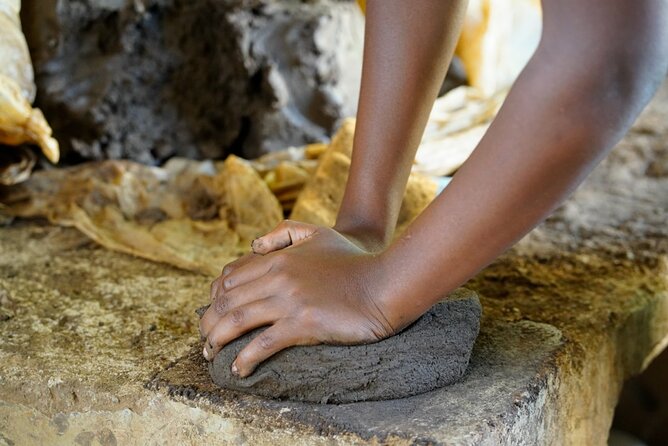
The price is $50 per person. That includes the pottery tools, equipment, and materials, plus bottled water. The class itself lasts about two hours.
For an activity with a small maximum group of eight, that price can be fair, especially if you value instruction and community involvement. You are not merely buying an object. You are paying for time with local potters, access to a traditional process, and the chance to make your own souvenir.
Lunch needs careful attention. One part of the information says lunch is provided, but the inclusion details say lunch is not included and that it can be arranged at The Small Things for an additional $10. I would rely on the more specific cost note and confirm this before booking. If lunch is important to your plans, ask whether the $10 meal is available on your date.
Hotel pickup from Arusha is not included. You will need to reach the stated meeting point on Unnamed Road, Tanzania, and the activity ends back there. Since the meeting-point description is not very specific, confirm the exact location and your transport plan before the day begins.
Near-public-transport access is listed, but no route or fare information is supplied. A local guide may be able to help with directions, but you should not assume door-to-door service.
Timing, weather, and what to bring
The advertised duration is about two hours. That makes it easy to fit into a day around Arusha, but the visit to The Small Things, transfers, and any lunch will affect the total time away from your hotel.
The experience requires good weather. If poor weather cancels the activity, you will be offered another date or a full refund. This matters because the class involves local outdoor or semi-outdoor working conditions, and weather can affect both access and firing.
All equipment and materials are supplied, along with bottled water. Wear clothes and shoes that can handle clay. That is practical advice rather than a formal equipment rule, but pottery is rarely a spotless hobby.
You can participate with a service animal, and most people can take part. The available details do not describe step-free access, seating arrangements, or adaptations for particular mobility needs. If you have access concerns, ask before booking rather than relying on the general participation note.
The community connection is a real part of the value
The strongest part of this experience may be the way the pottery and community work sit together. You are not only visiting a studio for an isolated lesson. You begin by learning about The Small Things, then move to a local craft activity that gives you direct contact with Meru culture.
That arrangement can feel more meaningful than a quick donation box or a generic village stop. It gives you a reason to ask questions and understand where your money goes. At the same time, you should keep a respectful distance from sensitive community work. The supplied details do not promise that all funds go to one specific service or that you will see every part of the project.
The best approach is simple: listen, ask polite questions, and let the local hosts set the tone. The activity has received especially strong praise for its welcoming atmosphere and its honest connection between tourism and community help.
The main caution: clarify the fine print
The positive side is clear: people praise the pottery teacher, the friendly guides, the local atmosphere, and the chance to work with quality clay. The less positive side is also useful. One account found the pottery activity enjoyable but felt some parts of the experience were not fully clear in advance.
That is a warning to confirm the basics:
- Is lunch included, or is it $10 extra?
- Where exactly is the meeting point?
- Is transport from your hotel available for an added fee?
- Will you take the pot home the same day?
- How is the piece fired and protected for travel?
- How much time is spent at The Small Things and how much at the pottery site?
None of these questions should stop you booking. They simply prevent mismatched expectations. The class is small and locally run, so clear communication before the day will help everyone.
Who should book this experience
I would recommend this pottery class if you want a hands-on cultural activity near Arusha rather than another drive-by stop. It is a good match for families, solo visitors, small groups, and anyone who values meeting local craftspeople.
You should book it if the idea of making an imperfect but personal souvenir appeals to you. You should also book it if you want your outing to include a community project and a conversation about Meru culture.
I would be more cautious if you need a tightly timed excursion, guaranteed hotel transport, or a polished studio with a fixed lunch and exact delivery schedule. The activity is local and personal, which is its strength, but it also means you should confirm practical details.
Advance planning may be wise. It is commonly reserved well ahead, with an average booking lead time of about 62 days. That suggests you should arrange it early if your Arusha schedule is fixed or if you are traveling as a larger family group.
Should you book the Tengeru pottery class?
Yes, if you want a warm, practical introduction to local craft and community life. The best reasons are the foot-powered wheel, locally mined clay, direct teaching from potters such as Kitomary, and the chance to take home your own work.
Book with two conditions: clarify lunch and transport, and accept that your pot may be handmade in every sense of the word. At $50, the value is strongest for people who care about the experience, not just the finished object.
Free cancellation is available up to 24 hours before the start time. Changes or cancellations inside that window are not accepted for a refund, so keep your plans firm once the deadline passes.
FAQ
How long does the pottery class last?
The pottery class lasts approximately two hours. The visit to The Small Things and any lunch or transport time may make your total outing longer.
What is included in the price?
The $50 price includes bottled water, all tools, equipment, and pottery materials. It also covers the pottery instruction and the community visit described as part of the experience.
Is lunch included?
The details are inconsistent. Lunch is described as available at The Small Things for an additional $10, while another section refers to lunch as provided. Confirm the lunch arrangement before booking.
Is hotel pickup from Arusha included?
No. Pickup from local hotels or Arusha is not included. You start and finish at the stated meeting point on Unnamed Road, Tanzania.
Can I take my pottery home?
Yes. The experience includes the opportunity to take your pottery creation home as a personal memento. Ask how the firing and handover will work before you begin.
How many people can join the activity?
The maximum group size is eight people. Group discounts are available.
What happens if bad weather cancels the class?
The activity requires good weather. If it is canceled because of poor weather, you can choose another date or receive a full refund. For a full refund under the normal policy, cancel at least 24 hours before the start time.
Just added in Arusha
- Zanzibar: Prison island half day tour★ 5.0 · 3 reviews
- Zanzibar: 4-Day Tarangire, Serengeti & Ngorongoro Safari★ 5.0 · 1 review
- Walking Safari Arusha National Park★ 5.0 · 1 review
- Two Days Shared Safari to Tarangire & Ngorongoro Crater★ 5.0 · 2 reviews
- 8 Days Serengeti Migration safari★ 5.0 · 11 reviews
- tarangire, ngorongoro & lake manyara park 3 days private tour★ 5.0 · 11 reviews
- tarangire & ngorongoro 2 days tour★ 5.0 · 14 reviews
- mount meru 4 days hike★ 5.0 · 2 reviews
Workshops, compared.
Half-Day Kuza Cave Swimming Adventure and Cooking Class
Read our review →
NGO Lifted Strong – Traditional Tanzanian Cooking Class
Read our review →
Traditional Tanzania Cooking Class & Food Market Tour
Read our review →
Cooking and Sewing & Jewelry Workshops in Arusha
Read our review →Browse the lists this tour appears in