
Reviewed · MACHAME ROUTE CLIMBS
#1. Best 7 days kilimanjaro trek Machame route join group
Africa’s highest summit demands patience. This seven-day Machame Route trek gives you time to move through Kilimanjaro’s rainforest, moorland, alpine desert, and arctic summit zone while allowing several days for acclimatization. I like the route’s changing scenery, especially the passage from Shira Plateau to Lava Tower and the dramatic Barranco Wall. I also like that the price includes meals, drinking water, transport from your Moshi hotel to the gate, a guide, mattress, and camping equipment.
The main caution is the real cost. The advertised price is $900 per person, but national park fees are not included. One detailed cost account puts entrance fees at about $950 for seven days and tips at roughly $350 for seven accompanying staff, bringing the total to about $2,150. You should ask KILINGE-ADVENTURES for a written cost breakdown before paying.
In This Review
- Key things to know before climbing Kilimanjaro
- Why the Machame Route appeals to me
- Day 1: Machame Gate to Machame Camp
- Day 2: Machame Camp to Shira Camp
- Day 3: Shira Camp, Lava Tower, and Barranco Camp
- Day 4: Climbing the Barranco Wall to Karanga Camp
- Day 5: Karanga Camp to Barafu Camp
- Day 6: Barafu Camp to Uhuru Peak and Mweka Camp
- Day 7: Mweka Camp to Mweka Gate
- What the $900 price really means
- Equipment, meals, and daily comfort
- Who should book this Kilimanjaro trek
- Should you book the Machame Route trek?
- FAQ
- Where does the Kilimanjaro trek take place?
- How long is the Machame Route trek?
- What is the highest point reached?
- Does the trek include a summit attempt?
- Is transport from Moshi included?
- Are national park fees included in the $900 price?
- What accommodation is provided?
- Are meals and drinking water included?
- Which language is used by the guides?
- What should I bring?
Key things to know before climbing Kilimanjaro
- Seven days on the Machame Route: You climb through several ecological zones, with a midnight summit attempt on the sixth day.
- Lava Tower acclimatization: Day three climbs to 4,600 meters before dropping to Barranco Camp, a useful high point before sleeping lower.
- Barranco Wall scramble: The route includes a hands-on climb rather than a simple uphill walk.
- Summit night is the hard test: The Barafu to Uhuru Peak section takes place in darkness and can last 10 to 14 hours in total.
- The advertised price needs checking: Park fees, staff fees, and tips can add a large amount.
- English-language support: The stated operating language is English, and the trip includes a professional guide.
Why the Machame Route appeals to me
Machame is a scenic way to climb Kilimanjaro because the surroundings change almost every day. You begin in montane rainforest, where colobus monkeys and colorful birds may appear among the trees. Soon the forest gives way to moorland, then to the spare alpine desert around Lava Tower and Barafu Camp.
That variety gives the trek a sense of progress. You are not simply walking uphill for a week. You are watching Kilimanjaro change as altitude takes over. The route also includes the important climb high, sleep low pattern on day three, when you reach Lava Tower at 4,600 meters and descend to Barranco Camp at 3,900 meters.
The seven-day schedule is useful because it avoids compressing the climb into too few days. You still face a demanding summit night, but the itinerary includes several shorter days before the final push. Day four from Barranco to Karanga is only five kilometers, and day five to Barafu is four kilometers, giving you time to rest and prepare.
There are also practical contradictions that deserve attention. The trip description refers to hut accommodation, but the route names Machame Camp, Shira Camp, Barranco Camp, Karanga Camp, Barafu Camp, and Mweka Camp, and it includes camping equipment and a sleeping mattress. Ask exactly where you sleep each night. The day one distance also appears inconsistent, listed as one kilometer and seven miles. Those are not the same distance, so get the correct figure before you set expectations.
More Kilimanjaro climbs:
- Kilimanjaro climb by Lemosho Route (7-day)
★ 5.0 · 651 reviews - Kilimanjaro climb, Machame Route (7-day)
★ 5.0 · 262 reviews - Kilimanjaro Climbing Lemosho Route 8 Days.
★ 5.0 · 186 reviews
Day 1: Machame Gate to Machame Camp
Your climb begins at Machame Gate after registration and a transfer from your hotel in Moshi. The stated starting elevation is 1,800 meters, or 5,905 feet, and Machame Camp sits at 2,835 meters, or 9,300 feet.
The trail passes through montane rainforest. This is a pleasant opening to the trek, with thick vegetation, unusual plants, colobus monkeys, and colorful birds listed among the possible sights. The forest also gives you shade, though the climb can feel damp and tiring.
The published hiking time is five to seven hours. The distance needs clarification because it is listed as one kilometer, followed by seven miles in parentheses. Seven miles would be close to 11 kilometers, not one kilometer. That is a basic detail, but it matters when you are judging how much food, water, and energy to carry.
At Machame Camp, you have dinner and rest in the forest setting. The first night is less about scenery than finding your rhythm. Walk slowly, drink regularly, and avoid treating the first day as a race.
Day 2: Machame Camp to Shira Camp
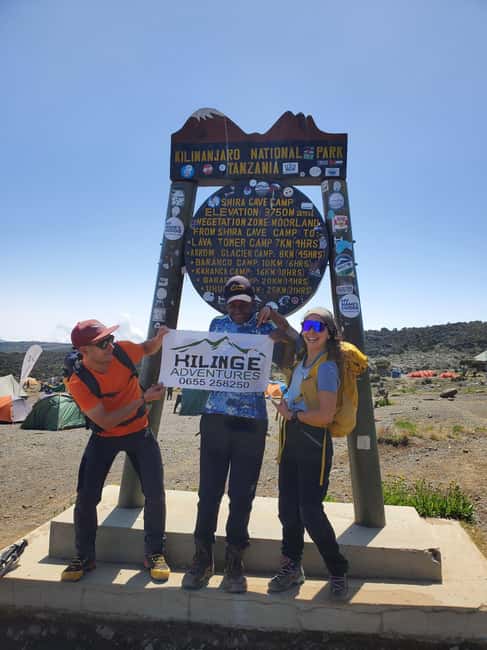
Day two climbs from 2,835 meters to 3,750 meters. The five-kilometer route takes about four to six hours and moves from rainforest into moorland.
This is where Kilimanjaro begins to feel more open. The trail becomes steeper and rockier, and views toward the Shira Plateau and Kibo Peak become part of the reward. The shift in vegetation helps you see how quickly altitude changes the mountain.
Shira Camp is an important overnight stop because you are now sleeping well above 3,500 meters. The shorter distance does not mean the day is effortless. Altitude can affect you even when the walking time looks manageable, so the best plan is a slow pace and a quiet evening.
You should also use this stop to check your clothing and sleeping setup. Keep warm layers, gloves, and a jacket easy to reach. A power bank can be useful because the itinerary includes several nights away from ordinary hotel facilities, though no charging arrangements are specified.
Day 3: Shira Camp, Lava Tower, and Barranco Camp
Day three is one of the most valuable parts of the route. You climb from Shira Camp at 3,750 meters to Lava Tower at 4,600 meters, then descend to Barranco Camp at 3,900 meters.
The 10-kilometer hike takes seven to eight hours and passes through alpine desert. The ground becomes more exposed and spare, with fewer signs of the lower forest. Lava Tower is the day’s high point and is used for acclimatization before the descent.
That descent is not wasted effort. Reaching a high point and sleeping lower can help your body adjust to the altitude. It also breaks up the climb so that you are not gaining elevation in one long, relentless push.
Barranco Camp offers views of Barranco Valley and its giant senecio plants. These large, distinctive plants make this section feel unlike the forest below. The drawback is that day three is long, and the high point can be uncomfortable if you are already feeling altitude symptoms. Follow the guide’s pace and do not hide headaches, nausea, or unusual fatigue.
More Machame Route climbs:
- Climbing Kilimanjaro – Machame Route
★ 5.0 · 170 reviews - Climbing Kilimanjaro through 7 days Machame Route
★ 5.0 · 151 reviews - 7 Days Kilimanjaro via Machame route affordable price
★ 5.0 · 110 reviews - #1. Best Kilimanjaro Day hike Tour-Machame Route-ISMANI
★ 4.2 · 47 reviews
Day 4: Climbing the Barranco Wall to Karanga Camp
The fourth day covers five kilometers in four to five hours, rising from 3,900 meters to 4,035 meters. The short distance is helpful after the long Lava Tower day, but the Barranco Wall makes this a memorable morning.
The wall is an exhilarating scramble, not a flat path. You may need to use your hands in places, and the route crosses ridges and valleys before reaching Karanga Camp. Anyone uncomfortable with steep, rocky sections should ask the operator for a clear description of the route before booking.
The reward is a day that feels active without exhausting the whole group. Karanga Camp also gives you another night to adjust before Barafu. The itinerary is well paced here, with a modest altitude gain and a relatively short walking day.
This is a good point to inspect your gloves, jacket, socks, and headlamp. Small problems become larger problems near the summit. Wet socks or a weak flashlight are not the sort of surprises you want at midnight.
Day 5: Karanga Camp to Barafu Camp
From Karanga Camp, you walk four kilometers to Barafu Camp, gaining about 605 meters. The stated hiking time is four to five hours, and the terrain remains alpine desert.
Barafu Camp sits at 4,640 meters, or 15,220 feet. It is the base for the summit attempt, so this day is less about sightseeing and more about preparation. You should eat, drink, organize your daypack, and rest as much as possible.
The itinerary calls for a midnight ascent. That means your afternoon and evening may feel unusual. You will need to prepare your warm clothing, gloves, headlamp or flashlight, snacks, water, and any climbing gear before trying to sleep.
The short distance is welcome, but Barafu is high. You may find that rest is difficult even when you are tired. The guide’s role is especially important here, though no guide names or group size are provided. Ask how many guides and porters will accompany your group and how staff tips are handled.
Day 6: Barafu Camp to Uhuru Peak and Mweka Camp
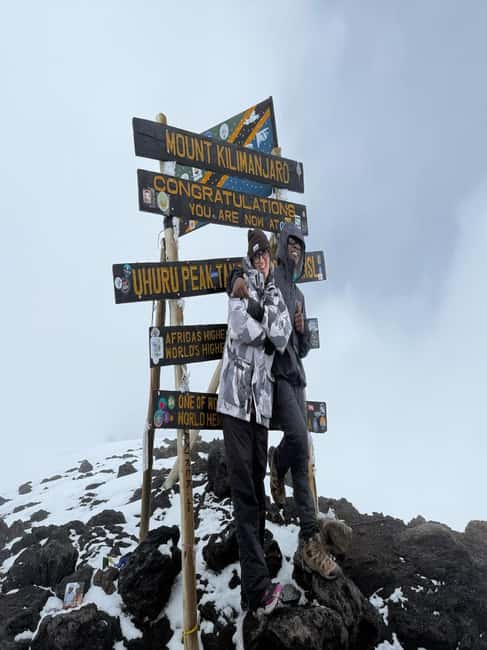
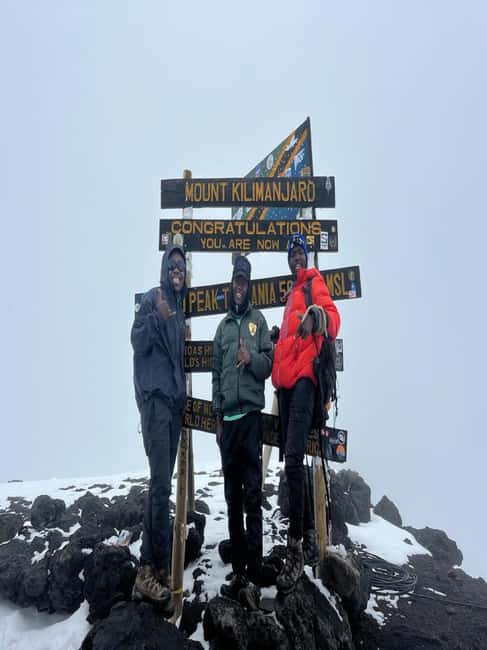
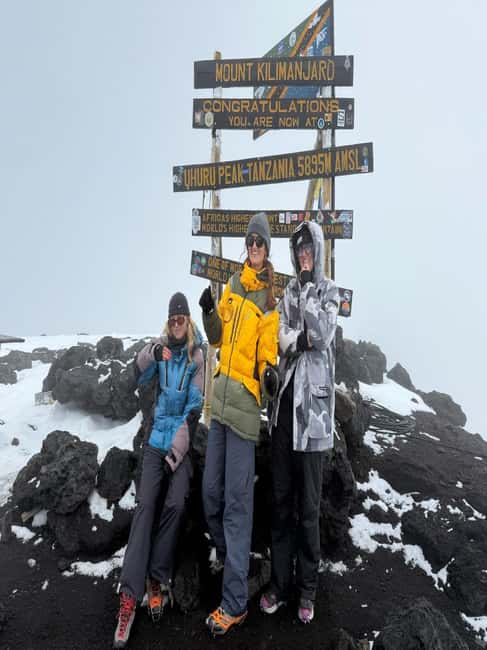
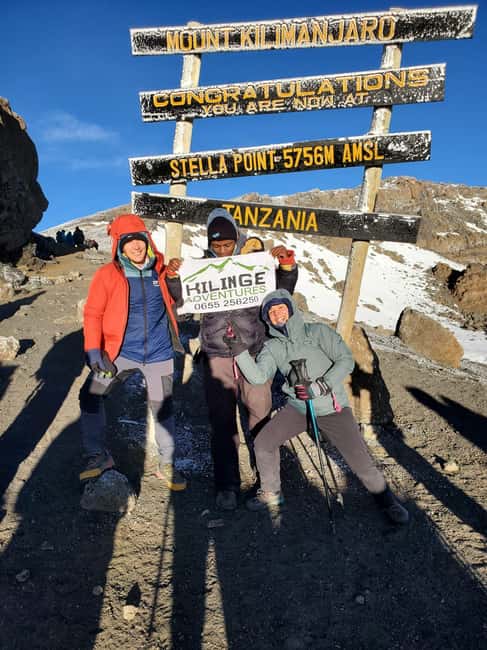
This is the biggest day by far. The full distance is 17 kilometers, with 10 to 14 hours of hiking. You begin at 4,640 meters, climb to Uhuru Peak at 5,895 meters, then descend to Mweka Camp at 3,110 meters.
The summit attempt starts around midnight. Walking in darkness can make the route feel focused and quiet. Your first major target is Stella Point, followed by the final section to Uhuru Peak, the highest point on Kilimanjaro and the roof of Africa.
The summit elevation is severe, and the cold can be intense. Your jacket, gloves, sleeping bag, snacks, and flashlight are not optional extras. They are central to getting through the night. Carry only what you need in your daypack, since the climb is long and every extra item feels heavier at altitude.
After reaching Uhuru Peak, you descend to Mweka Camp. The emotional high point comes early, but the physical work continues for hours. You should not assume that reaching the summit means the day is finished. The descent can be hard on tired legs, and the change from arctic conditions near the summit back toward rainforest is dramatic.
Day 7: Mweka Camp to Mweka Gate
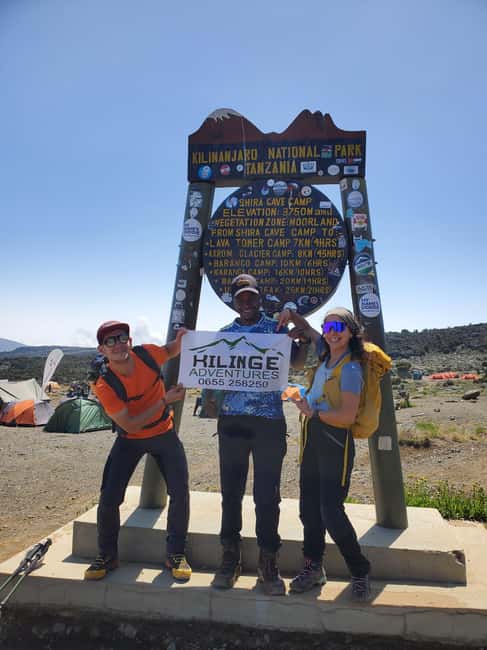
The final day descends 10 kilometers from 3,110 meters to 1,640 meters. The walk takes three to four hours and returns to rainforest.
After the exposed summit zone, the trees and lower elevation can feel welcome. Your legs may still be sore, but the route is now downhill. At Mweka Gate, you collect your certificate of achievement before transferring to Moshi or Arusha.
The transfer is useful because you can continue with relaxation or onward travel from either town. The trip information does not specify the exact vehicle, transfer time, or whether an overnight stay is included, so confirm those details if your next booking depends on them.
What the $900 price really means
At $900 per person, the advertised rate looks attractive for a seven-day Kilimanjaro trek. It includes accommodation, meals, drinking water, transport, a professional guide, hotel pickup in Moshi, camping equipment, and a sleeping mattress.
But the headline rate is not the final figure. National park fees are clearly excluded. A detailed cost account gives a much higher estimate, with approximately $950 for seven days of entrance fees covering the climber and accompanying staff. It also describes tips of about $50 per accompanying person, with seven guides listed, or approximately $350.
That account reaches a total of about $2,150. The figures may depend on group arrangements and the exact fee structure, but the gap between $900 and $2,150 is too large to ignore. You should request a written quote showing:
- Your park and conservation fees
- Guide and porter entrance fees
- Transport costs
- Meals and water
- Equipment supplied
- Expected staff tips
- Any hotel transfer charges
The positive point is that the included services cover many basic needs. The serious concern is that the advertised price does not give a complete picture. Good value depends on the final amount, not the first number you see.
Equipment, meals, and daily comfort
The package includes meals, drinking water, camping equipment, and a sleeping mattress. You still need to bring a sleeping bag, snacks, jacket, gloves, socks, flashlight, daypack, hiking pants, trekking gear, climbing gear, and a power bank.
Pack snacks you will actually eat when tired. The supplied information does not describe the menu, so ask about meal types and dietary requirements before departure. Drinking water is included, but the amount supplied each day is not stated.
The accommodation description needs clarification. It says you stay in huts, unlike the camping setup on other routes, yet it also lists camping equipment and a mattress. The named overnight stops are camps, so do not assume a private hut or a fixed bed. Ask whether you sleep in huts, tents, or a mixture of both.
A daypack should hold your immediate needs, especially layers, water, snacks, gloves, and your flashlight. Your larger belongings and sleeping gear arrangements are not explained, so ask what porters carry and what weight limits apply.
Who should book this Kilimanjaro trek
I would consider this route if you want a seven-day climb with varied scenery and a clear acclimatization day. It suits someone who can handle long walking days, a steep scramble on Barranco Wall, and a 10 to 14-hour summit day.
The route is not a casual mountain walk. You climb to 5,895 meters, sleep at high camps, and begin the summit attempt at midnight. You should be comfortable with basic hiking and prepared for cold, fatigue, and changing conditions.
It may suit you less if you need confirmed hut lodging, a short summit day, or a clearly stated all-inclusive price. It is also not ideal if you dislike rocky terrain or have not prepared for a night ascent.
KILINGE-ADVENTURES lists English as the operating language. The experience has a five-star rating from three published comments, including one brief note calling the trip very nice and another saying the activity was well organized while warning about additional fees and tips. The organization sounds promising, but the cost warning deserves equal weight.
You can reserve now and pay later, and cancellation is allowed up to 24 hours in advance for a full refund. Still, confirm the final price and accommodation details in writing before making plans around the trek.
Should you book the Machame Route trek?
Book it if the operator confirms the total price, explains the hut and camping arrangement, and gives you a clear list of included staff and fees. The route itself is appealing, with rainforest, Shira Plateau views, Lava Tower acclimatization, Barranco Wall, and the Uhuru Peak summit attempt packed into seven days.
I would not book it based on the $900 figure alone. Treat that as a starting price until national park fees, staff charges, and tips are explained. If the final amount fits your budget and you are ready for the long summit day, this can be a strong Kilimanjaro option. If the costs remain vague, keep comparing operators.
FAQ
Where does the Kilimanjaro trek take place?
The trek takes place on Mount Kilimanjaro in Tanzania, using the Machame Route.
How long is the Machame Route trek?
The trek lasts seven days, ending with a transfer to Moshi or Arusha.
What is the highest point reached?
The summit is Uhuru Peak at 5,895 meters, or 19,341 feet.
Does the trek include a summit attempt?
Yes. The summit attempt begins around midnight from Barafu Camp on day six.
Is transport from Moshi included?
Yes. Transfer from your hotel in Moshi to the park gate is included. A transfer to Moshi or Arusha takes place after reaching Mweka Gate.
Are national park fees included in the $900 price?
No. National park fees are not included in the advertised price.
What accommodation is provided?
The information says hut accommodation is provided, but it also lists camping equipment, sleeping mattresses, and several camps. Confirm the exact sleeping arrangements with KILINGE-ADVENTURES.
Are meals and drinking water included?
Yes. Meals and drinking water are included.
Which language is used by the guides?
English is the stated language for the experience.
What should I bring?
You should bring snacks, a jacket, gloves, a sleeping bag, climbing and trekking gear, socks, a flashlight, a daypack, hiking pants, and a power bank.
More Treks in Moshi
- Private Kilimanjaro Hike 7 Day Lemosho Route
★ 5.0 · 60 reviews - Best Kilimanjaro hiking day trip tour with Kilinge Adventures
★ 4.5 · 54 reviews - Best Kilimanjaro Adventure 7 days Machame route Trekking
★ 5.0 · 42 reviews - Kilimanjaro 7 Day Private Trekking Experience
★ 5.0 · 40 reviews
Just added in Moshi
- THE BEST 2 DAYS ON TREK – MARANGU ROUTE TOUR ADVENTURES★ 5.0 · 1 review
- Mount Kilimanjaro National Park Day Trip★ 5.0 · 7 reviews
- Mount Kilimanjaro Climbing in Tanzania Full-Day Trip★ 5.0 · 1 review
- Mount Kilimanjaro Day Hike – All-Inclusive, No Hidden Fees★ 4.0 · 7 reviews
- Mount Kilimanjaro Trekking Tour – Climb with Local Guides★ 5.0 · 1 review
- Mount Kilimanjaro: 7 Days Hike Lemosho Route★ 5.0 · 1 review
- Moshi:Chemka Hot Springs, Materuni Waterfalls & Coffee Tour★ 5.0 · 1 review
- Moshi Town: Walking Tour: Theme Urban lifestyle★ 3.1 · 4 reviews
Machame Route Climbs, compared.
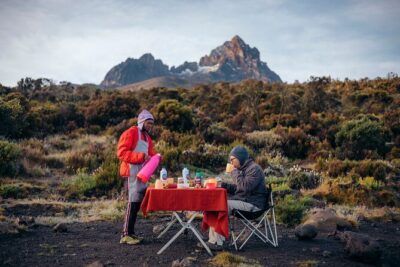
Climbing Kilimanjaro through 7 days Machame Route
Read our review →
7-Day Machame Kilimanjaro Summit Tour from Arusha
Read our review →
7 Days Kilimanjaro via Machame route affordable price
Read our review →
#1. Best Kilimanjaro Day hike Tour-Machame Route-ISMANI
Read our review →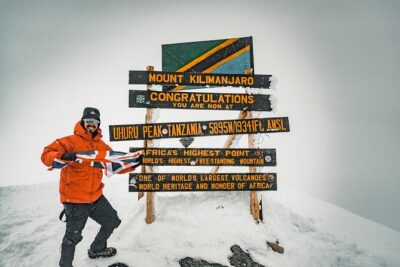
The Best of Machame Route in 6 Days: Your World’s Summit Guide
Read our review →Browse the lists this tour appears in