
Reviewed · 4-DAY EXPERIENCES
4 Days Tanzania Budget Safari
Safari country starts fast. This four-day trip packs Tarangire, Serengeti, and Ngorongoro Crater into one practical route from Moshi, with tent camping keeping the price below lodge-based packages. I like the chance to see three of Tanzania’s major wildlife areas in a single journey, and I like that park fees, meals, camping gear, airport transfers, and a 4X4 Toyota Cruiser are included.
The main consideration is the pace. Day 2 lasts about 10 hours and includes the transfer to Serengeti plus an afternoon game drive, while camping means you need to bring or rent a sleeping bag. The private format is useful for travelers who want their own group, but the long road sections may feel tiring if you prefer slow mornings and lodge comfort.
In This Review
- Key points about this four-day Tanzania safari
- What $1,408 buys you on this Tanzania route
- Day 1: Tarangire’s elephants and baobab trees
- Day 2: The long road to Serengeti
- Day 3: Early Serengeti wildlife, then Ngorongoro
- Day 4: Descending into Ngorongoro Crater
- Camping, meals, and the daily routine
- The vehicle, guide, and private format
- Who will get the most from this safari
- Booking details worth checking before you pay
- Should you book this four-day safari?
- FAQ
- How long is the Tanzania budget safari?
- Where does the safari start?
- What time does the safari start?
- Is pickup available?
- Which national parks and protected areas are visited?
- Is the tour private?
- Is accommodation included?
- Is camping equipment provided?
- Are meals included?
- Are park fees included?
- What is not included in the price?
- Can I cancel for a full refund?
Key points about this four-day Tanzania safari
- Three famous wildlife areas: Visit Tarangire National Park, Serengeti National Park, and Ngorongoro Crater in four days.
- Camping keeps the cost down: Sleep in tents at public campsites instead of paying lodge prices.
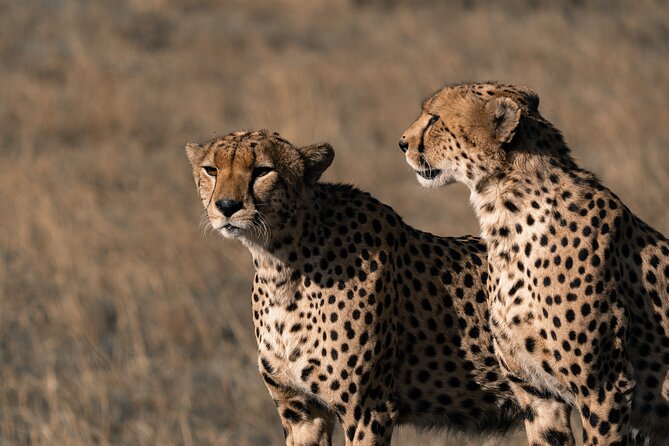
- A strong wildlife route: Look for Tarangire elephants, Serengeti big cats, and Ngorongoro rhinos, lions, and flamingos.
- Private touring: Only your group participates, with a professional guide, cook, and 4X4 Toyota Cruiser.
- Useful inclusions: Park fees with 18% VAT, meals, bottled water, camping equipment, and Moshi hotel nights are covered.
- A demanding second day: The trip to Serengeti takes about 10 hours, so this is an active safari rather than a relaxed resort break.
What $1,408 buys you on this Tanzania route
The price is $1,408 per person. That is not the cheapest possible African safari, but it covers a lot of expensive pieces: national park fees, 18% VAT, a private 4X4 Toyota Cruiser, a professional safari guide and cook, four lunches, three breakfasts, three dinners, bottled water, camping equipment, and one hotel night in Moshi before and one after the safari.
Airport pickup and drop-off at Kilimanjaro International Airport are also included. That matters because a safari involving several parks is harder to arrange alone, especially when you are trying to coordinate park access, transport, campsites, food, and airport timing.
The best value comes from the private arrangement. You are not placed into a large shared vehicle with strangers. Your group participates on its own, which gives you a more personal setup and may make it easier to discuss wildlife sightings, timing, and the pace of the day with your guide.
Still, camping is the reason this package costs less than lodge safari options. You sleep in tents with a sleeping mattress, table, and chairs, but a sleeping bag is not included. You must bring your own sleeping bag or arrange one separately. Personal documents, visa, travel insurance, camera equipment, airfare, international flights, domestic flights, and tips are also outside the price.
A 4.9 rating from 17 ratings, with 100 percent recommending the experience, gives the operator a strong record in the information provided. A detailed account especially praised Robert Woiso for handling logistics with care and professionalism. That is useful here because a multi-park trip depends as much on organization as on wildlife.
A few more options to weigh up in Moshi
- Kilimanjaro climb by Lemosho Route (7-day)
★ 5.0 · 651 reviews - Safari Serengeti And Ngorongoro
★ 5.0 · 288 reviews - Kilimanjaro climb, Machame Route (7-day)
★ 5.0 · 262 reviews
Day 1: Tarangire’s elephants and baobab trees
After breakfast, you meet the driver-guide for a short briefing and head toward Tarangire National Park. The listed start time is 8:30 a.m., and the planned park experience lasts about five hours.
Tarangire follows the Tarangire River, with low hills on the Great Rift Valley floor. Its setting is different from the open plains of Serengeti. Acacia woodland, giant baobab trees, and broad swamp areas shape the park, giving you a mix of open views and wooded wildlife areas.
The river and swamps draw animals during Tanzania’s dry season. Tarangire is especially known for some of the largest elephant herds in Africa. You may also look for the Greater Kudu, one of the rarer species mentioned for the park, along with the park’s other wild animals.
This first day works well as an introduction because you begin with a major wildlife area rather than spending the day only on the road. The baobabs provide a memorable visual marker, and the river helps explain why animals gather here when water is harder to find elsewhere.
The five-hour length is also easier on you than the longer transfer days that follow. Even so, your exact sightings will depend on the season, animal movement, and the guide’s route. A safari is not a zoo visit, so the famous species are possibilities, not guarantees.
Day 2: The long road to Serengeti
After breakfast, you leave for Serengeti National Park by way of the high farmland around Karatu and the Ngorongoro Conservation Area. This is the longest day in the program, at about 10 hours, so you should treat it as both a transfer and a wildlife day.
The route takes you from higher farmland toward the broad plains of Serengeti. The change in scenery is part of the appeal. You leave the cultivated highlands behind and reach the open country for which Serengeti is famous.
The plan is to arrive around lunchtime, then continue with an afternoon game drive in the central Seronera area. Seronera is one of the park’s strongest wildlife zones because the Seronera River provides a reliable water source. That makes it a place where many of the park’s species may gather.
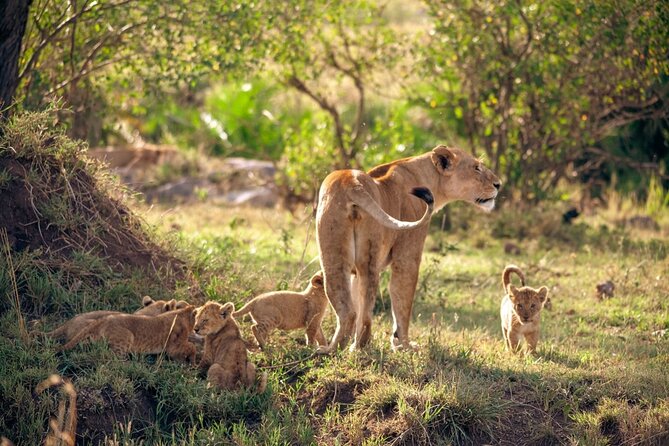
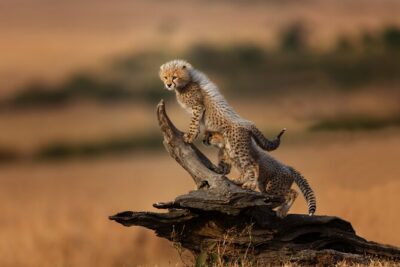
Serengeti is the day for big cats, the Big Five, wildebeest, hippos, antelopes, and possibly rhinos. The park is also associated with the wildebeest migration and balloon safaris, although a balloon ride is not included in this package. You should not confuse a mention of balloon safaris with something covered by your booking.
The reward is a first afternoon among the endless plains. The drawback is simple: you spend much of the day moving between destinations. If you want long, quiet game drives with little road time, a longer safari would give you more breathing room. For a four-day budget route, though, this is the necessary tradeoff for reaching Serengeti.
Dinner and overnight accommodation are at a Serengeti public campsite. Public camping is functional rather than luxurious. You gain a closer connection to the outdoors and a lower price, but you should be comfortable with basic camping and bring the personal equipment the package excludes.
Day 3: Early Serengeti wildlife, then Ngorongoro
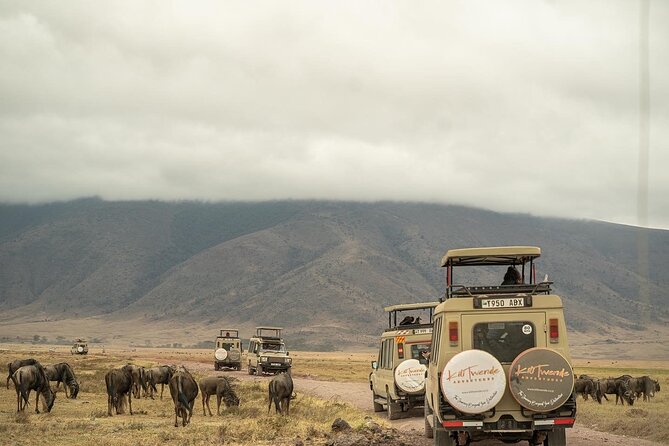
Day 3 begins with an early morning game drive in Serengeti. This is a smart use of the schedule because the early hours give you another chance to see animals before leaving the park. The supplied plan does not give an exact departure time, so your guide will set the morning timing.
After lunch, you drive toward the Ngorongoro Conservation Area for dinner and overnight accommodation at Simba public campsite. The park time is listed at about five hours, but the full day also includes the transfer between the two major areas.
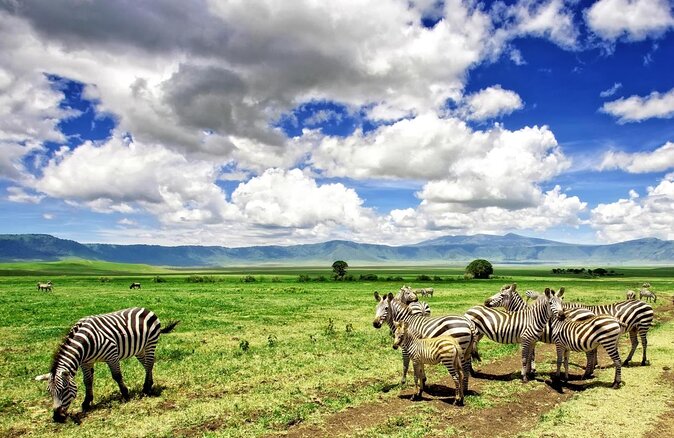
This day is less about checking off a single attraction and more about linking two very different habitats. Serengeti gives you broad plains and the Seronera wildlife zone. Ngorongoro offers a contained crater setting with a year-round water supply and grazing areas that support many animals.
The early start and afternoon transfer make this another active day. You should pack your day bag so that essentials are easy to reach during the drive. The tour includes lunch and dinner, but it does not include personal travel gear, so keep your sleeping bag and camera equipment organized.
Sleeping at Simba public campsite puts you near the next morning’s crater visit. That saves the tour from making a separate long approach after breakfast and helps the final day focus on wildlife.
A different kind of day out entirely:
- Kilimanjaro Climbing Lemosho Route 8 Days.
★ 5.0 · 186 reviews - Climbing Kilimanjaro – Machame Route
★ 5.0 · 170 reviews - Climbing Kilimanjaro through 7 days Machame Route
★ 5.0 · 151 reviews - Kilimanjaro climb, Lemosho Route (8-day)
★ 5.0 · 148 reviews
Day 4: Descending into Ngorongoro Crater
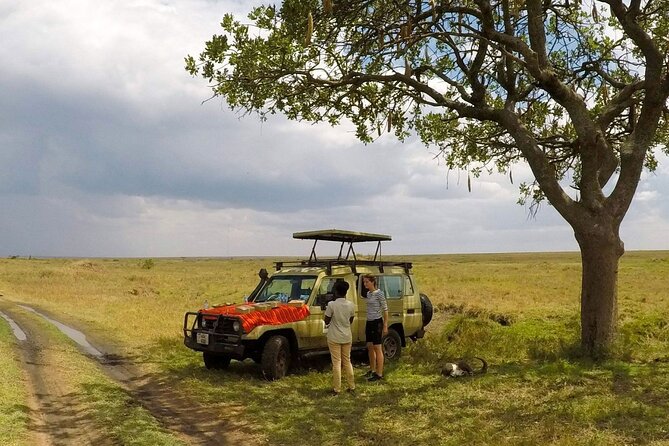
After an early breakfast, you descend more than 600 meters into Ngorongoro Crater for a half-day game drive. The crater is the visual high point of the route, and the enclosed setting can make wildlife viewing feel especially concentrated.
The crater’s year-round water and fodder support wildebeest, zebra, buffalo, eland, warthog, hippo, and giant African elephants. Predators include lions, hyenas, jackals, cheetahs, and the elusive leopard. The word elusive matters here: seeing a leopard may require patience and a sharp eye, and no safari can promise one.
You also visit Lake Magadi, a large, shallow alkaline lake in the southwestern part of the crater. Flamingos and other birds are among the sights associated with the lake, while the wider crater may offer rhinos, elephants, lions, hyenas, jackals, zebras, wildebeest, buffalo, and hippos.
The itinerary lists about five hours for the crater visit, with the admission ticket included. That inclusion is important because park and conservation fees can form a sizeable part of a Tanzania safari budget.
Ngorongoro is an excellent final stop because it brings many species into one compact area. You may see large herbivore herds, predators, birds, and water-loving animals during the same half-day. The tradeoff is that the crater can feel busy compared with the more open areas of Serengeti, though the provided information does not specify how many vehicles will be present.
Camping, meals, and the daily routine
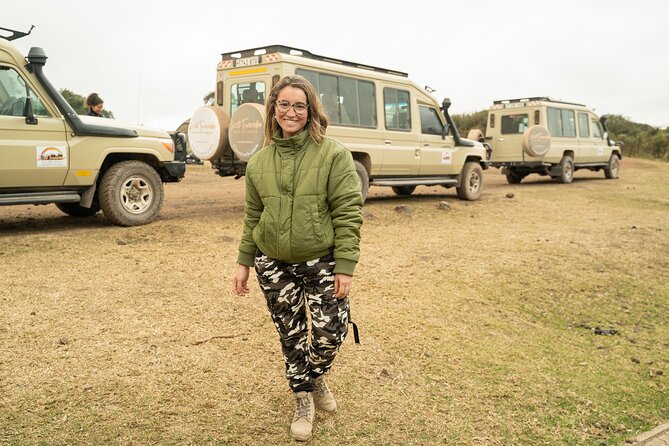
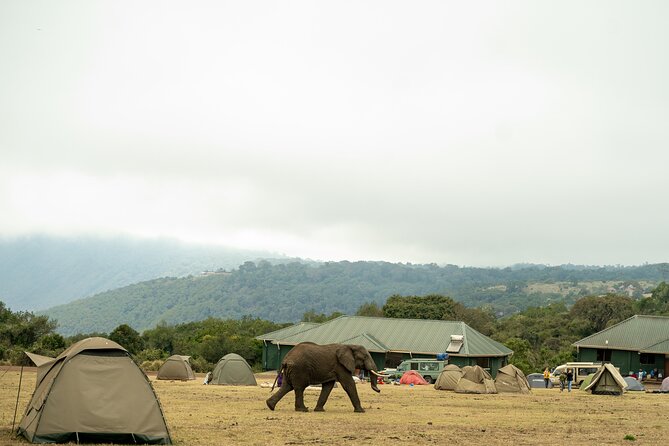
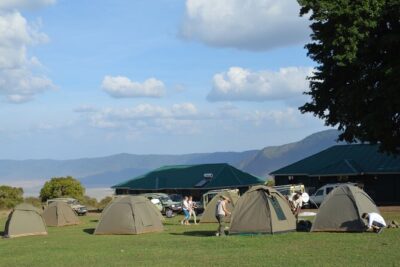
This is a camping safari, not a lodge safari with a tent added as a novelty. The package includes sleeping tents, sleeping mattresses, a table, and chairs, as well as a safari cook. Breakfast, lunch, and dinner are included according to the schedule, with three breakfasts, three dinners, and four lunches.
The camping setup gives you a closer connection to the outdoors and keeps the overall price lower. It also means you should prepare for a more basic routine. A sleeping bag is not supplied, and personal gear is your responsibility. Insurance, visas, cameras, flights, and gratuities are also excluded.
Bottled water is included, which is a useful practical detail during long drives and warm game-drive hours. You still need to manage your personal belongings carefully, especially on days that combine camping, meals, park visits, and long road transfers.
The professional cook is one of the more valuable inclusions. On a route with public campsites and long driving days, having meals organized saves time and reduces the need to find food between parks. The information does not provide sample menus, so you should ask the operator about dietary needs before departure if that matters to you.
The vehicle, guide, and private format
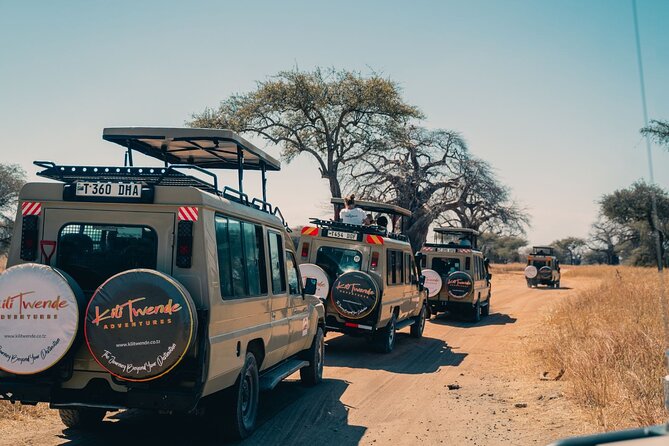
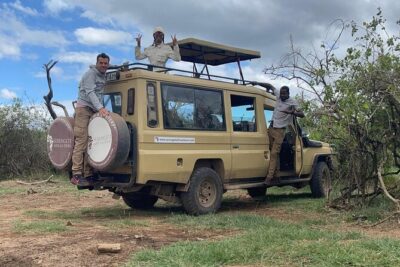
Transport is in a 4X4 Toyota Cruiser, the standard kind of vehicle you want for safari roads and long park transfers. The vehicle is included rather than treated as an extra charge, so you are not building the price from separate transport and park components.
A professional, experienced safari guide and cook are included. The guide leads the game drives and handles the route, while the cook supports the camping meals. Robert Woiso is specifically associated with a highly praised experience, where careful logistics and professionalism were singled out. That gives you a useful name to confirm when communicating with Kilitwende Adventures, especially if guide assignment matters to you.
Because this is a private tour, only your group participates. The group size is not stated, so you should not assume it means a two-person vehicle or a particular seating arrangement. Ask the operator if you need exact vehicle capacity or have a preferred group setup.
Private touring is especially helpful when you want to stop for a particular animal, ask questions, or discuss the balance between driving and game viewing. The schedule is still fairly fixed, however. Four days is enough to reach the major parks, but not enough to remove all long transfer sections.
Who will get the most from this safari
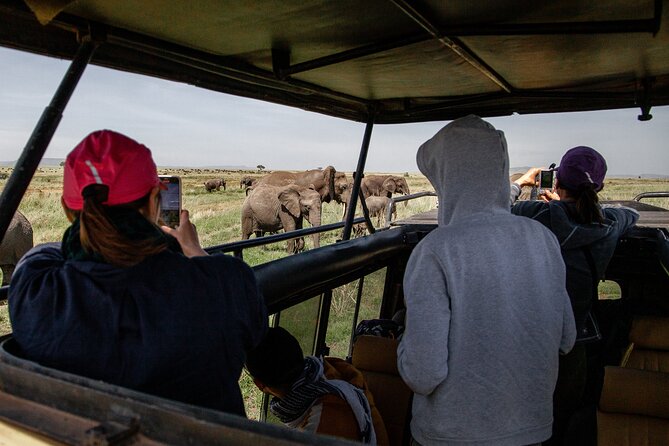
I would recommend this trip to you if you want Tanzania’s headline parks without paying lodge-safari rates. It fits people who value wildlife variety, accept early starts, and are comfortable with tents and public campsites.
It also suits a private group that wants its own vehicle and guide. Couples, families, or friends can benefit from having the safari arranged around their group rather than joining a larger shared departure.
You should think twice if you want polished lodging, leisurely breakfasts, or short drives. The Serengeti transfer is about 10 hours, and the four-day schedule leaves little spare time. The route is efficient, but efficiency is not the same as relaxation.
This is also a better choice for someone who wants a concentrated first safari than for someone returning to Tanzania for a slow, specialist trip. You see Tarangire, Serengeti, and Ngorongoro, but each area receives only a limited slice of the overall journey.
Booking details worth checking before you pay
Pickup is offered, including pickup and drop-off at Kilimanjaro International Airport. The listed meeting point is KiliTwende Adventures Limited, on the fourth floor of the Kilimanjaro Complex, NSSF Building, Aga Khan Road, Tanzania. The activity ends back at the meeting point.
Confirmation is provided when you book, and most people can participate. The activity is private. Free cancellation is available until 24 hours before the start time for a full refund. Changes or cancellations inside that 24-hour window are not accepted for a refund.
Since the price includes one Moshi hotel night before and one after the safari, check how those nights fit with your flight schedule. The exact hotel name is not provided, so ask for that detail if location or room standards matter to you.
Should you book this four-day safari?
Book it if you want a well-packed Tanzania introduction with the three major stops, private transport, organized meals, park fees, and camping included in one price. The strongest reasons are the route, the private format, and the practical support from a guide and cook.
Do not book it expecting a slow luxury holiday. The camping is basic, Day 2 is long, and a sleeping bag is your responsibility. For the right person, $1,408 offers solid value because many of the costly safari essentials are already covered. I would ask about the sleeping bag, exact hotel, group size, dietary needs, and guide assignment before confirming.
FAQ
How long is the Tanzania budget safari?
The safari lasts approximately four days.
Where does the safari start?
The listed meeting point is KiliTwende Adventures Limited, fourth floor, Kilimanjaro Complex, NSSF Building, Aga Khan Road, Tanzania.
What time does the safari start?
The listed start time is 8:30 a.m.
Is pickup available?
Yes. Pickup and drop-off at Kilimanjaro International Airport are included.
Which national parks and protected areas are visited?
The route includes Tarangire National Park, Serengeti National Park, the Ngorongoro Conservation Area, and Ngorongoro Crater.
Is the tour private?
Yes. Only your group participates in the activity.
Is accommodation included?
Yes. The package includes camping accommodation during the safari, plus one hotel night in Moshi before and one night after the safari on a bed-and-breakfast basis.
Is camping equipment provided?
Yes. Sleeping tents, sleeping mattresses, a table, and chairs are included. A sleeping bag is not included.
Are meals included?
Yes. The package includes three breakfasts, three dinners, and four lunches.
Are park fees included?
Yes. All government national park fees with 18% VAT are included. The Ngorongoro Crater admission ticket is also included.
What is not included in the price?
Personal travel documents, visa, insurance, camera equipment, personal gear, sleeping bag, airfare, international flights, domestic flights, and tips for the safari guide or chef are not included.
Can I cancel for a full refund?
Yes. You can cancel at least 24 hours before the experience start time for a full refund. Changes or cancellations made less than 24 hours before the start time are not accepted for a refund.
Just added in Moshi
- Zanzibar: Stone Town tour and Nakupenda beach with Lunch★ 5.0 · 1 review
- day trip lake manyara★ 5.0 · 2 reviews
- Mt Kilimanjaro 6 days Marangu route hike★ 5.0 · 3 reviews
- machame route★ 5.0 · 16 reviews
- Private Cycle to Kilimanjaro Bike Park Safari★ 5.0 · 6 reviews
- West Kilimanjaro cycling Adventures★ 4.5 · 8 reviews
- Wildlife Extravaganza: Manyara, Tarangire & Ngorongoro in 3 Days★ 5.0 · 3 reviews
- 3 Days Private E-Bike Tour in West Kilimanjaro★ 5.0 · 3 reviews
4-Day Experiences, compared.
4 Days Join Group tour Tarangire Serengeti and Ngorongoro crater
Read our review →
4-Day Safari from Arusha: Tarangire, Serengeti and Ngorongoro
Read our review →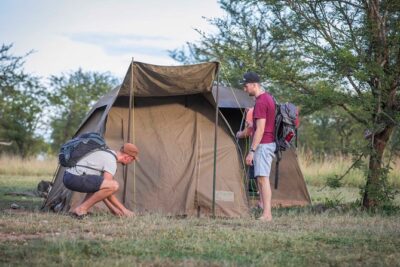
4 Days Tarangire, Serengeti and Ngorongoro Mid-Range Group Safari
Read our review →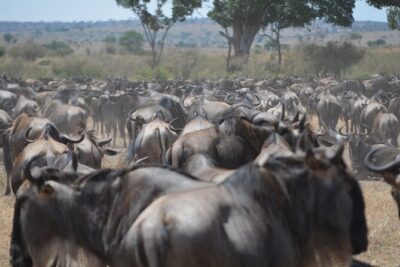
4 Days Tanzania Lodge Safari With Two Nights at Serengeti
Read our review →
Browse the lists this tour appears in