
Reviewed · 4-DAY EXPERIENCES
4 Days Tanzania Budget Safari
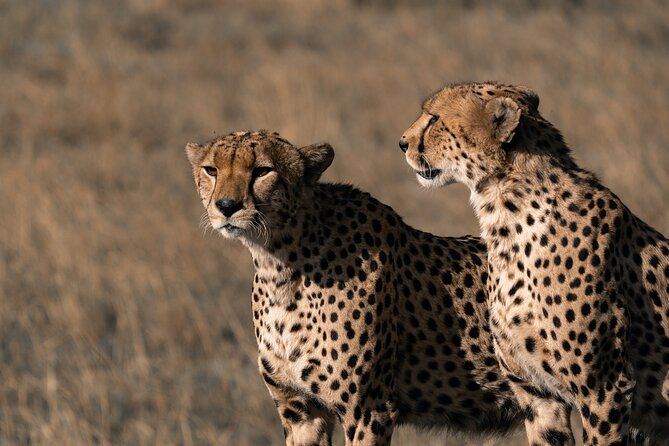
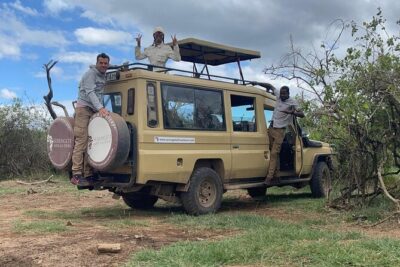
Wildlife begins before the first campsite. This four-day Tanzania safari packs three major parks into a small-group trip from Moshi, with a maximum of seven people, a 4×4 vehicle, an English-speaking guide, and a safari cook. I especially like the chance to see Tarangire’s elephant herds and the compact group size, which should make it easier to share the vehicle and ask questions. The main trade-off is a busy schedule, with long drives and early starts packed into only four days.
I also like that the price includes park fees, transport, camping, and all meals. You sleep at public campsites rather than lodges, so this is a proper budget safari, not a hotel tour with a game drive added on. The experience is best for you if you value time in the parks more than polished accommodation and can handle basic camping.
In This Review
- Five details that shape this safari
- What $1,320 buys you in Tanzania
- A compact group and a real camping setup
- Day 1: Tarangire’s elephants and open bush
- Day 2: Lake Manyara below the Rift Valley
- Day 3: Ngorongoro Crater from the rim to the floor
- Day 4: Returning to Arusha
- The guides can make or break the four days
- Meals, comfort, and what to pack
- Who should book this safari
- Should you book the four-day Tanzania safari?
- FAQ
- How long is the safari?
- How much does the safari cost?
- How many people can join the tour?
- Which parks and areas are included?
- Is accommodation included?
- Are meals included?
- Is airport pickup available?
- What is the cancellation policy?
Five details that shape this safari
- Tarangire comes first: Expect elephants, giraffes, buffaloes, birds, acacia woodland, swamps, and a river that draws animals close.
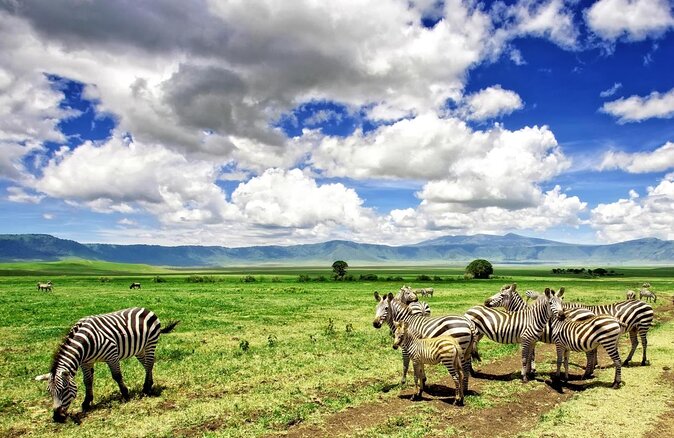
- Three different wildlife settings: You visit Tarangire National Park, Lake Manyara National Park, and Ngorongoro Crater.
- Camping is part of the adventure: Nights are spent in tents at public campsites, including a site inside Tarangire on the first night.
- A small group helps: The vehicle holds no more than seven participants, a useful limit on long game-drive days.
- Meals are handled for you: A professional English-speaking safari cook prepares three dinners, three breakfasts, and four lunches.
- The price covers the costly basics: At $1,320 per person, park fees, taxes, transport, camping, WiFi on board, and meals are included.
What $1,320 buys you in Tanzania
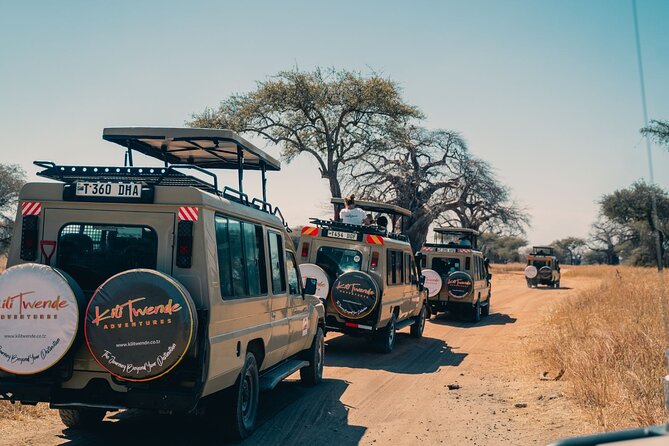
At $1,320 per person, this safari is not the cheapest possible way to see northern Tanzania. It is, however, a fairly complete package for four days. You are paying for a 4×4 safari vehicle, park fees, camping, a cook, transport between parks, and food. Those costs add up quickly in Tanzania, especially when several national parks are involved.
The value depends on what you want from the trip. If your priority is seeing famous wildlife areas without paying lodge prices, the package makes sense. If you want private rooms, flexible departure times, or long stays in one park, this is not the right format.
Three dinners, three breakfasts, and four lunches are included. Alcoholic drinks, soft drinks, flights, visa fees, insurance, tips, souvenirs, and other personal spending are not. Bring extra money for those items, and confirm how meals are handled if you have dietary needs before departure.
WiFi is listed as available on board. That is useful for checking in during long transfers, though I would treat it as a convenience rather than the reason to book. A safari is better when your attention is outside the vehicle anyway.
A few more options to weigh up in Moshi
- Kilimanjaro climb by Lemosho Route (7-day)
★ 5.0 · 651 reviews - Safari Serengeti And Ngorongoro
★ 5.0 · 288 reviews - Kilimanjaro climb, Machame Route (7-day)
★ 5.0 · 262 reviews
A compact group and a real camping setup
The maximum group size is seven. That matters more than it may sound. Game viewing is done from a shared 4×4 vehicle, and several extra people can make every stop feel crowded. A group of seven still means sharing, but it keeps the arrangement relatively manageable.
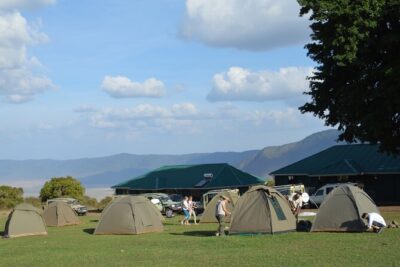
The camping style is basic and outdoors-focused. You spend the first night at a campsite inside Tarangire National Park and the third night at a campsite in Mto wa Mbu. The information describes public campsites and tents, so you should not expect lodge rooms or a private safari camp atmosphere.
This arrangement lets more of your money go toward the parks. It also asks more of you. You need to be comfortable sleeping in a tent, following camp routines, and spending much of the day outside. The phrase under the stars sounds romantic, and it can be, but camping is still less private and less comfortable than a lodge.
The safari cook is an important part of the setup. With three dinners, three breakfasts, and four lunches included, you are not left searching for food between game drives. Previous trips with the company have highlighted cooks such as Omary, although the cook assigned to your departure may be different.
Day 1: Tarangire’s elephants and open bush
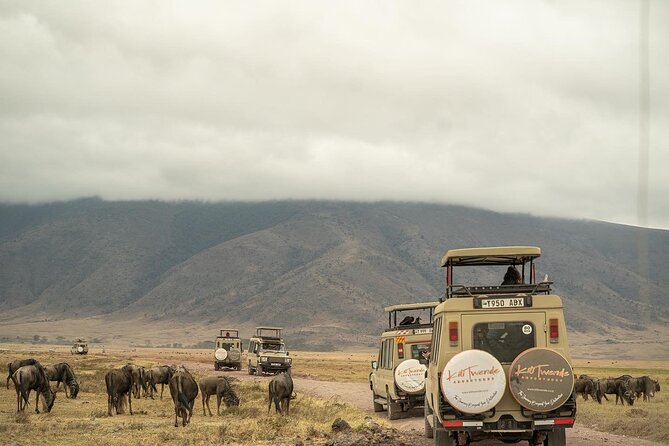
The morning starts with a short safari briefing before you travel southwest toward Tarangire National Park. The day is listed at about eight hours, so you should expect a full first day rather than a gentle introduction.
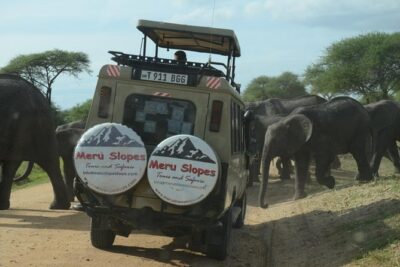
Tarangire has a useful mix of habitats. Grassland, acacia woodland, forest, river areas, and swamps create different places for animals to feed and rest. The park is especially known for large elephant herds, and the river and wet areas draw animals together when water is important.
You might see giraffes, buffaloes, kudus, and a striking range of birds, including yellow-breasted lovebirds. Lions, leopards, and hyenas are present as predators. Wild dogs are rare, so they should be treated as a lucky sighting rather than an expected one.
The appeal of Tarangire is its variety. You are not simply driving across one repeated type of grassland. The scenery changes, and the concentration of animals around water can create strong viewing opportunities.
Late in the afternoon, you reach a campsite inside the park. That location saves you from immediately leaving the wildlife area after the drive. It also gives the first night a more direct connection to the safari, though public camping means you should keep your expectations practical and modest.
Day 2: Lake Manyara below the Rift Valley
After breakfast, you leave Tarangire and travel through Mto wa Mbu toward Lake Manyara National Park. The game-drive portion is listed at about six hours, making this a slightly shorter park day than Tarangire or Ngorongoro.
Lake Manyara sits along the base of the Rift Valley Escarpment. The shallow alkaline lake attracts large numbers of birds, with flamingos among the most memorable possibilities. The park also supports buffaloes, elephants, hippos, Masai giraffes, baboons, and monkeys in the forested sections.
Lake Manyara is a good counterpoint to Tarangire. Here, the lake and escarpment shape the views, while forest habitat changes the feel of the drive. Baboons and monkeys can be especially entertaining, and hippos give you another kind of wildlife encounter from the larger mammals seen on the trip.
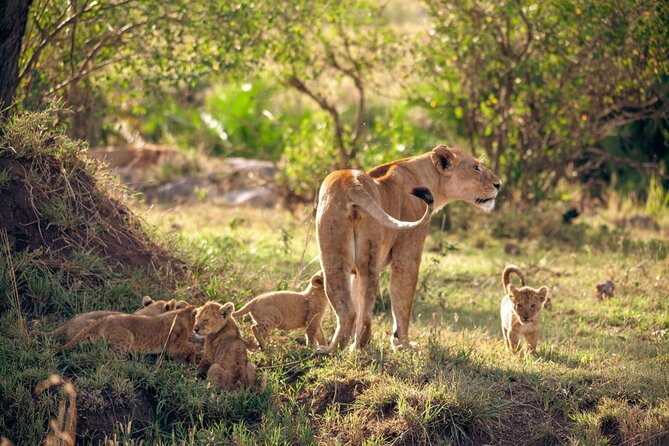
The park is also associated with tree-climbing lions. You may see lions resting on branches in acacia trees, but this is not guaranteed. It is best to think of the lions as a possibility, not a promised highlight.
Mto wa Mbu is part of the route and serves as a useful base for moving between the parks. The itinerary does not include a separate cultural activity there, so do not assume that a village visit, market walk, or food tour is part of the package unless you arrange it separately.
A different kind of day out entirely:
- Kilimanjaro Climbing Lemosho Route 8 Days.
★ 5.0 · 186 reviews - Climbing Kilimanjaro – Machame Route
★ 5.0 · 170 reviews - Climbing Kilimanjaro through 7 days Machame Route
★ 5.0 · 151 reviews - Kilimanjaro climb, Lemosho Route (8-day)
★ 5.0 · 148 reviews
Day 3: Ngorongoro Crater from the rim to the floor
Day three begins early. After breakfast at the campsite, you travel down a steep trail into Ngorongoro Crater. The total day is listed at about nine hours, making this the longest and most demanding section of the safari.
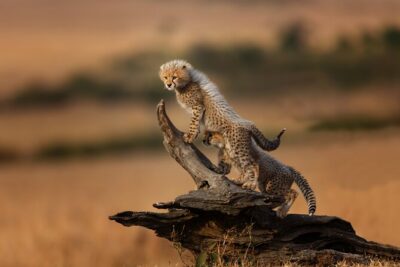
The crater is a dramatic enclosed setting with grass plains, acacia forests, and a high concentration of East African wildlife. In a few hours, you might see lion, elephant, buffalo, rhino, and leopard, along with eland, mountain reedbucks, and hyenas.
Seeing all of the Big Five is possible but never guaranteed. Rhino and leopard sightings are particularly dependent on luck, timing, and the guide’s ability to find animals. Even without the full set, the crater offers one of the strongest chances on this itinerary for seeing a broad mix of species in a relatively short period.
You spend a substantial part of the day on a game drive and eat a picnic lunch inside the crater. That saves time and keeps the day focused on wildlife, but it also means another long stretch in the vehicle. If you prefer slow mornings and long breaks, this schedule may feel hurried.
After leaving the conservation area, you travel to Mto wa Mbu for the night. The change from crater wildlife to a campsite near town gives you a practical stopping point before the return journey. Again, this is camping rather than lodge accommodation.
Day 4: Returning to Arusha
After a more relaxed breakfast, you begin the journey back to Arusha. The final section is listed at about four hours, with arrival around midday.
Drop-off is offered in the city center or at the airport. The advertised meeting point is Kilimanjaro Airport, so check the exact pickup and return plan before you pay, especially if you are staying in Moshi, arriving on a separate flight, or connecting to another destination.
The final day is useful for people with onward plans, but I would avoid booking a tight same-day flight unless the operator confirms the timing. Safari roads and park schedules can take longer than expected, and the published duration is approximate.
The guides can make or break the four days
Wildlife is the star, but your guide determines how much you understand and how patiently you search. The company has received strong praise for guides including Charles, Emmanuel, Frank, Oredi, Noël, and Nikson. Charles is also associated with the company’s management and has been praised for communication and trip planning.
Those names do not guarantee who will lead your departure. Ask for the assigned guide’s name before you go, and confirm the language you need. English is included in the stated tour details. The company has also indicated that French and other language arrangements may be possible.
A good guide does more than point at animals. You want clear explanations, safe driving, sensible wildlife viewing, and a willingness to adjust small details when possible. One account described a lunch-box problem being corrected during the trip, which is a useful reminder to speak up early if food or arrangements are not working for you.
The strongest praise connected to this company centers on friendly, responsive staff and guides who explain Tanzania, wildlife, and local culture. That personal attention is one of the better reasons to choose a local operator instead of treating the safari as a simple vehicle transfer between parks.
Meals, comfort, and what to pack
Food is included throughout the safari, with the cook preparing the listed breakfasts, lunches, and dinners. That makes the budget easier to control and removes the need to buy meals during park days.
Drinks are not included. Alcoholic drinks and soft drinks are specifically excluded, so plan to purchase or bring suitable nonalcoholic options within the tour’s rules. Bottled water is not listed among the inclusions, so ask about it before departure rather than assuming it is supplied.
Camping calls for practical packing. You should bring lightweight clothing, warmer layers for early mornings, sun protection, sturdy shoes, and a small personal bag for the vehicle. A headlamp, power bank, insect repellent, and a reusable water bottle are sensible additions, though the exact camping equipment provided is not specified.
The vehicle includes WiFi, and the safari transport is a 4×4. Air conditioning and a fridge were praised on some company trips, but those details are not listed as guaranteed features for this specific package. Confirm the vehicle setup if they matter to you.
Who should book this safari
I would recommend this trip to you if you want three major northern Tanzania wildlife areas in a short period and prefer spending money on park access rather than accommodation. It suits active people who accept early breakfasts, long drives, shared transport, and tent camping.
It can also work well for a first safari. The route gives you different settings and a good range of animals without asking you to plan complicated transfers yourself. A maximum of seven participants keeps the group from becoming a large bus tour.
I would hesitate if you need reliable hotel comfort, private space, or a slow pace. The itinerary moves quickly, and days of six to nine hours can feel tiring. You should also clarify the accommodation standard, food arrangements, pickup point, and vehicle amenities before booking.
The cancellation terms are straightforward: you can receive a full refund if you cancel at least 24 hours before the start time. Cancellations or changes made within 24 hours are not accepted for a refund.
Should you book the four-day Tanzania safari?
Book it if you want a tightly organized, wildlife-heavy introduction to northern Tanzania with camping and meals included. Tarangire’s elephants, Lake Manyara’s birdlife and Rift Valley setting, and Ngorongoro’s concentrated wildlife give you three distinct park experiences for $1,320.
Think twice if the words public campsite and nine-hour game-drive day sound uncomfortable. Before paying, ask who your guide will be, where pickup will occur, what camping equipment is supplied, and how the return transfer fits your flight. With those points clear, this is a practical budget safari for seeing a lot of Tanzania in four days.
FAQ
How long is the safari?
The safari lasts approximately four days. The listed daily durations are about eight hours on day one, six hours on day two, nine hours on day three, and four hours on day four.
How much does the safari cost?
The price is $1,320 per person.
How many people can join the tour?
The tour has a maximum of seven participants.
Which parks and areas are included?
The route includes Tarangire National Park, Lake Manyara National Park, the Ngorongoro Conservation Area and Ngorongoro Crater, plus Mto wa Mbu on the route back to Arusha.
Is accommodation included?
Yes. Camping according to the itinerary is included. The nights are spent in tents at public campsites, including a campsite inside Tarangire National Park and another in Mto wa Mbu.
Are meals included?
Yes. The package includes three dinners, three breakfasts, and four lunches. Alcoholic drinks and soft drinks are not included.
Is airport pickup available?
Pickup is offered, and the stated meeting point is Kilimanjaro Airport. The return transfer can end in Arusha city center or at the airport, so confirm the exact arrangement before departure.
What is the cancellation policy?
You can cancel at least 24 hours before the start time for a full refund. Cancellations or changes made less than 24 hours before the start time are not accepted for a refund.
Just added in Moshi
- THE BEST 2 DAYS ON TREK – MARANGU ROUTE TOUR ADVENTURES★ 5.0 · 1 review
- Mount Kilimanjaro National Park Day Trip★ 5.0 · 7 reviews
- Mount Kilimanjaro Climbing in Tanzania Full-Day Trip★ 5.0 · 1 review
- Mount Kilimanjaro Day Hike – All-Inclusive, No Hidden Fees★ 4.0 · 7 reviews
- Mount Kilimanjaro Trekking Tour – Climb with Local Guides★ 5.0 · 1 review
- Mount Kilimanjaro: 7 Days Hike Lemosho Route★ 5.0 · 1 review
- Moshi:Chemka Hot Springs, Materuni Waterfalls & Coffee Tour★ 5.0 · 1 review
- Moshi Town: Walking Tour: Theme Urban lifestyle★ 3.1 · 4 reviews
4-Day Experiences, compared.
4 Days Join Group tour Tarangire Serengeti and Ngorongoro crater
Read our review →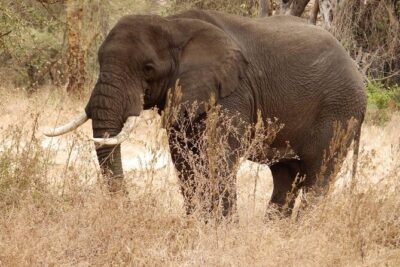
4-Day Safari from Arusha: Tarangire, Serengeti and Ngorongoro
Read our review →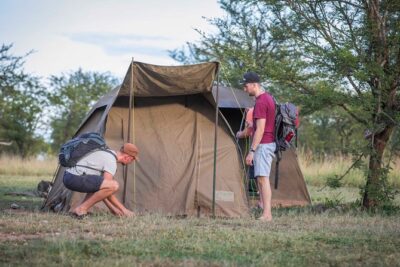
4 Days Tarangire, Serengeti and Ngorongoro Mid-Range Group Safari
Read our review →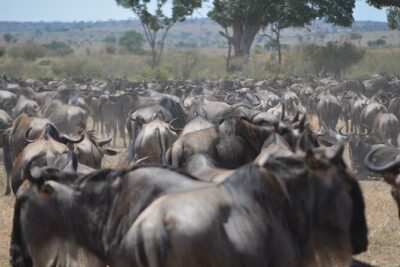
4 Days Tanzania Lodge Safari With Two Nights at Serengeti
Read our review →
Browse the lists this tour appears in