
Reviewed · WILDEBEEST MIGRATION SAFARIS
9 Days Great Migration Safaris with Kojuu Safaris Africa-Luxury.
The wildebeest set the schedule here. This nine-day private safari combines Tarangire’s elephant country, four nights in the Serengeti, and a full day at Ngorongoro Crater, with local guides and a custom 4WD Land Cruiser. I like the strong focus on the Mara River and the practical comfort of unlimited mileage, onboard drinks, snacks, a fridge, and an inverter. The main caution is simple: river crossings are wild events, not timed performances, so you need patience and a little luck.
I also like the human side of the trip. Kojuu Safaris is based in Tanzania, and the program includes a Maasai village visit rather than limiting the experience to wildlife sightings. At $4,110.96 per person, this is a serious investment, but it includes park fees, accommodation, meals, airport transfers, a private vehicle, and a safari team, which makes the price easier to understand.
In This Review
- Key points before you book
- Arrival at Kilimanjaro and the first night in Arusha
- Tarangire: elephants, baobabs, and a quieter first game drive
- The long road into Serengeti National Park
- Northern Serengeti and the search for a Mara River crossing
- Two full days near the Mara River
- Sunrise, one last look north, and the return to central Serengeti
- Final Serengeti game drive and a quieter night in Karatu
- Ngorongoro Crater: a compact wildlife world
- The vehicle, meals, and comforts that shape the experience
- Local guidance and the human side of the safari
- What $4,110.96 per person really buys
- Who should book this Great Migration safari?
- Should you book Kojuu Safaris Africa?
- FAQ
- Where does the safari begin?
- Where does the safari end?
- How long does the experience last?
- Is this a private safari?
- Which national parks and protected areas are included?
- Does the safari include airport transfers?
- Is the Mara River crossing guaranteed?
- What meals are included?
- What is not included in the price?
Key points before you book
- The Mara River gets two full days of attention, plus an early morning stop before leaving northern Serengeti.
- Tarangire opens the safari with elephants and baobabs, a different setting from the grasslands farther north.
- Four nights are spent around the Serengeti, giving you more time than a quick one-night park visit.
- The safari is private, so only your own group participates.
- A custom-built open-roof Land Cruiser includes a fridge, inverter, soft drinks, wine, fruit, snacks, and bottled water.
- Ngorongoro Crater is the final major wildlife day, with a full-day game drive included in the price.
Arrival at Kilimanjaro and the first night in Arusha
Your trip begins at Kilimanjaro International Airport. After immigration and document checks, a Kojuu Safaris driver-guide meets you near the exit with a sign bearing your name. That small detail matters after a long international flight. You do not need to search for a taxi or work out a new transport system while handling luggage.
The transfer continues to Arusha, where the driver-guide helps with hotel check-in. You have the rest of the evening to freshen up, eat dinner, take photos, or simply rest.
This first night is not packed with sightseeing, and that is wise. A safari starts early, and the drive to Tarangire is about two hours from Arusha. If your flight arrives late, the uncomplicated arrival plan is one of the useful strengths of this package.
More migration safaris:
- Great Migration Safari In Tanzania
★ 5.0 · 71 reviews - 6 Days Tanzania Budget Camping Safari with Migration
★ 5.0 · 31 reviews - 8 Days Great Wildebeest Migration – Mara River Crossing
★ 5.0 · 28 reviews
Tarangire: elephants, baobabs, and a quieter first game drive
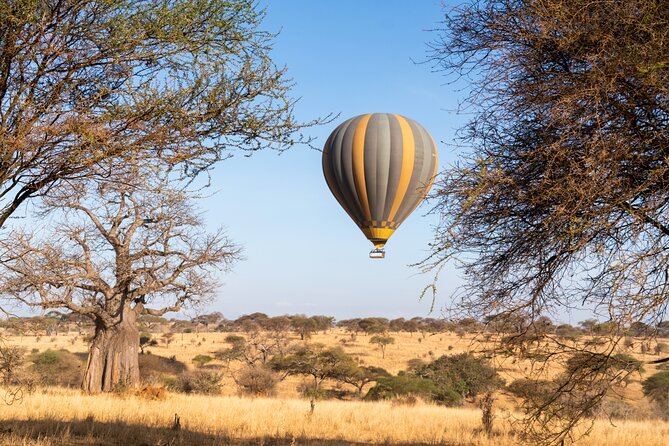
After breakfast on Day 2, you drive roughly 120 kilometers to Tarangire National Park for about seven hours of game viewing. Tarangire is famous for large elephant herds and its striking baobab trees, but its appeal goes beyond those two headline sights.
The park has a permanent water source, so wildlife gathers here during the dry season. You might see buffalo, giraffe, lion, leopard, and elephant, along with many smaller animals and birds. The scenery changes as you move through the park, with broad open areas and distinctive old trees that give Tarangire a character of its own.
I like starting here because it gives you a useful comparison. Tarangire does not look or feel like the Serengeti. You begin with big trees, elephants, and a more contained park experience before moving into the huge open plains.
The drawback is the long driving day. You spend about four hours reaching the park and returning from Arusha, then several hours on game roads. That is standard safari travel, but it is still worth knowing if you prefer a slow first day after arriving in Tanzania.
The long road into Serengeti National Park
Day 3 takes you toward Serengeti National Park after an early breakfast. The route passes through the Ngorongoro Conservation Area, with game viewing along the way. A driver-guide and safari chef accompany the group, giving the day a practical rhythm: drive, watch for animals, stop for food, and continue north.
Serengeti covers nearly 15,000 square kilometers, so the word endless is not being used lightly. The size is part of the attraction, but it also explains why this safari includes long transfers. You are not simply visiting one compact reserve. You are following a moving natural event across a very large area.
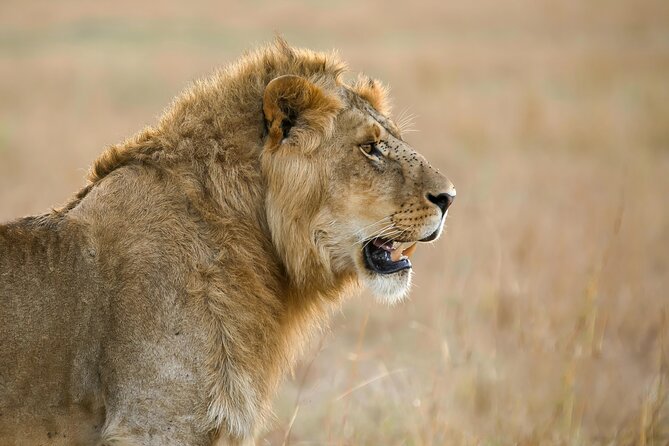
The park is home to the Big Five: lion, leopard, elephant, buffalo, and black rhino. You may also see zebra, giraffe, cheetah, and other plains animals. The migration is the focus, yet the Serengeti remains worthwhile even during quiet stretches because the park itself offers such broad views and varied wildlife.
Expect around seven hours of activity on this day, including the drive and game viewing. It is demanding, but it places you in the central Serengeti before the trip turns north toward the Mara River.
Northern Serengeti and the search for a Mara River crossing
Day 4 is where the safari becomes heavily focused on the Great Migration. After breakfast, you travel north through the Serengeti, watching for zebra, giraffe, lion, cheetah, and other animals. You stop for lunch in the afternoon and then continue toward the Mara River.
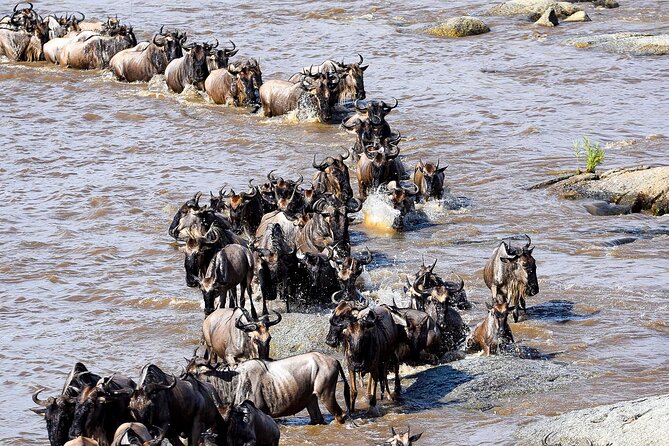
The annual movement involves more than 1.2 million wildebeest, along with zebra, gazelle, and topi. They move through the Serengeti and Kenya’s Masai Mara ecosystem in search of food and water. The river crossing is one of the most famous scenes in African wildlife viewing, but nature does not follow a timetable.
That is the key thing to understand before booking. You may reach the river and wait. The herds may gather, change direction, or cross at another point. A crossing can be dramatic, brief, distant, or absent during your visit. Kojuu’s plan gives you a second full day at the river, which is much more sensible than treating one afternoon as your only chance.
Day 4 lasts about eight hours. The combination of long driving, waiting, and repeated scanning can be tiring, but it is also how a genuine wildlife experience works. If you need constant action, this may feel slow. If you enjoy watching animal behavior unfold, the waiting becomes part of the story.
A few more options to weigh up in Moshi
- Kilimanjaro climb by Lemosho Route (7-day)
★ 5.0 · 651 reviews - Safari Serengeti And Ngorongoro
★ 5.0 · 288 reviews - Kilimanjaro climb, Machame Route (7-day)
★ 5.0 · 262 reviews - Kilimanjaro Climbing Lemosho Route 8 Days.
★ 5.0 · 186 reviews
Two full days near the Mara River
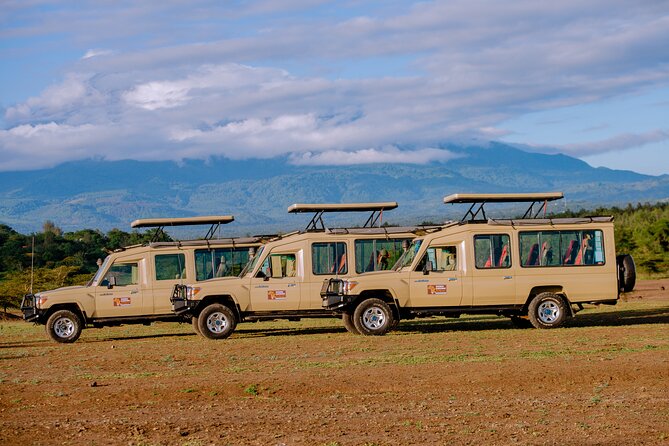
Day 5 is another full day in northern Serengeti, with the Mara River as the main goal. If the crossing did not happen the previous day, you return to the river. Even if you already saw one, another day gives you time to look for different herds and other species.
The north is not only about wildebeest. You might see giraffe, impala, hartebeest, waterbuck, and birdlife. Your guide also watches for predators and other animals that may be nearby while the herds move through.
This extra time is one of the strongest features of the program. Migration safaris are controlled by weather, water, grass, and animal behavior. Building in two full river days gives you a better chance than a rushed route that simply passes through northern Serengeti.
Still, you should not confuse more time with a guarantee. The package promises access to the migration area, not a specific crossing. The best mindset is to value the entire northern Serengeti experience, including the animals and scenery you encounter while waiting.
Sunrise, one last look north, and the return to central Serengeti
Day 6 starts early with a sunrise game drive. You then return to the lodge for breakfast before spending more time around the Mara River. This split morning gives you two different types of viewing: the softer light of sunrise and a later chance to observe the river area.
After lunch, you return toward central Serengeti, arriving late in the evening. The drive is long, but it breaks up the northern stay and positions you for the final Serengeti game drive on Day 7.
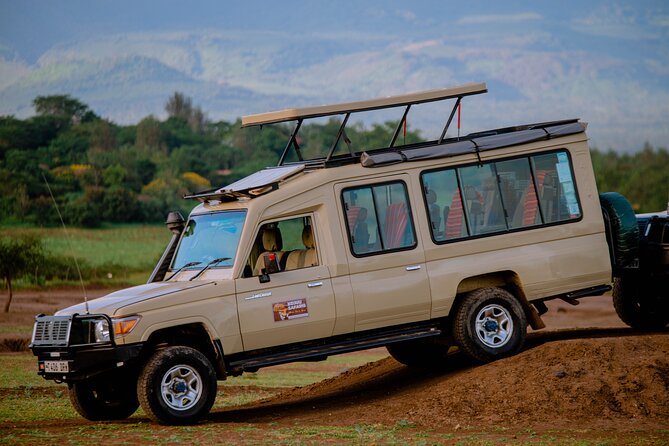
The early start is worth noting. Sunrise drives can be rewarding, but you will need to be comfortable getting up early and spending many hours in the vehicle. There is a practical benefit, too: the open-roof Land Cruiser lets you watch from above the vehicle rather than through a side window, and the inverter helps keep essential devices powered.
Final Serengeti game drive and a quieter night in Karatu
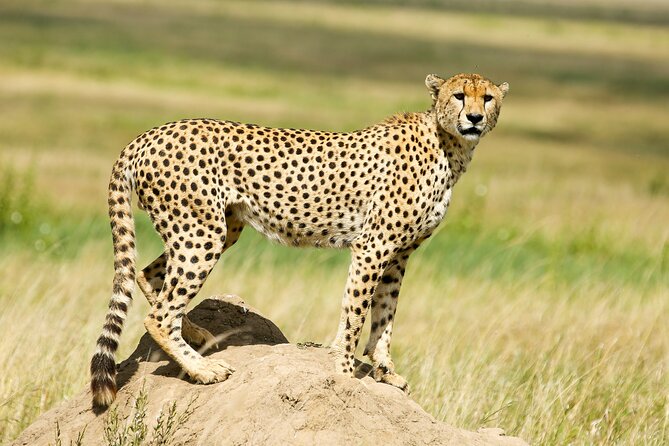
On Day 7, you have breakfast and head out for your final Serengeti game drive. The program allows about seven hours for the day before you drive to Karatu for accommodation, dinner, and rest.
This final Serengeti day is useful because it prevents the park from ending with a simple transfer. You still have time to look for wildlife, revisit a favorite area, or enjoy one more stretch of open country before leaving.
Karatu provides a sensible overnight base before Ngorongoro Crater. The pace changes here. After several long days connected to the migration, you get an evening to relax before the next morning’s crater drive.
Ngorongoro Crater: a compact wildlife world
Day 8 is devoted to Ngorongoro Crater, described as Africa’s Garden of Eden. The crater formed as a volcanic caldera and now contains grassland, forest, swamp, and permanent water. Those habitats support a resident population of more than 25,000 large mammals.
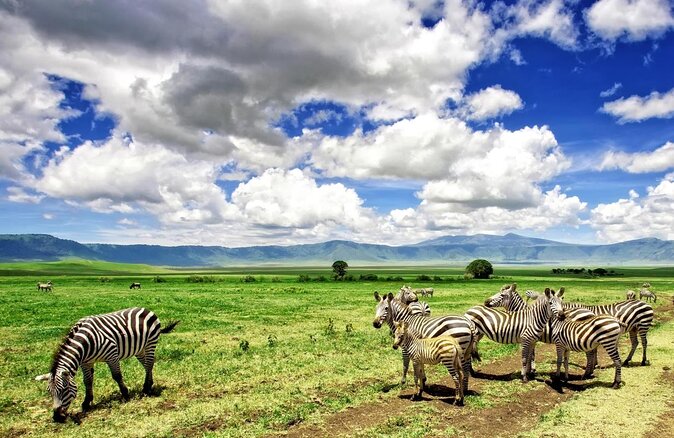
A full-day game drive gives you time to look for lion, leopard, black rhino, hyena, zebra, waterbuck, and baboons. You may also see other animals gathered around the crater floor’s reliable water and grazing areas.
Ngorongoro offers a different kind of safari from Serengeti. The Serengeti feels enormous and open. The crater brings wildlife into a more concentrated natural setting, with steep walls and a strong sense of enclosure. That contrast makes it a good final wildlife day.
The route information places the crater about 190 kilometers from Arusha, though your actual drive begins from Karatu after the Serengeti portion. The game drive itself is listed at about six hours. Park and conservation fees are included, which is important because these charges can add considerably to a Tanzania safari budget.
The vehicle, meals, and comforts that shape the experience
The custom-built, extended, open-roof 4WD Land Cruiser is central to the trip. Unlimited mileage gives the guide room to respond to wildlife sightings instead of forcing the day into a strict distance plan.
The vehicle is stocked with bottled water, soft drinks, fruit, snacks, and regional wine. It also has a fridge and inverter. These are not flashy extras. On long game drives, cold water, a snack, and a way to recharge equipment make the day easier.
The package includes breakfast on all nine days, eight lunches, and eight dinners. It also includes accommodation as specified, airport transfers, park and conservancy fees, a safari briefing, a bush hat, and a specially designed Kojuu Safaris duffel.
Flying Doctor insurance cover is included as well, but the package does not replace personal travel or health insurance. International flights, visas, departure taxes, and meals or activities not described in the program remain your responsibility.
Local guidance and the human side of the safari
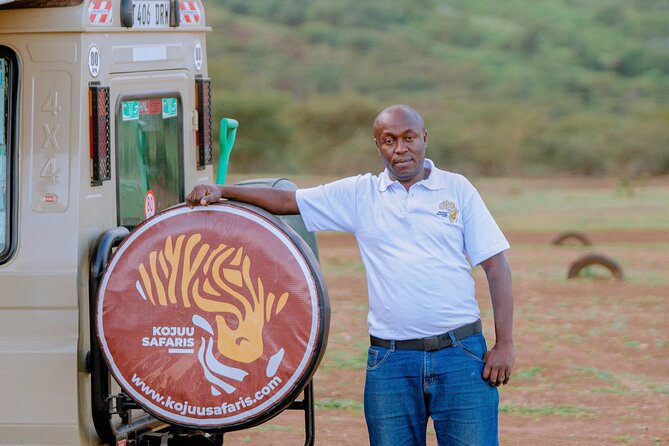
Kojuu Safaris presents this as a locally guided experience, and the available details support that focus. Your driver-guide handles airport reception, hotel assistance, driving, wildlife spotting, and daily logistics.
Specific staff names connected with the company include Judith, who has been praised for listening carefully and shaping trips around individual needs, and Harun, who has been singled out for his friendly manner, animal behavior explanations, and insight into Tanzanian culture and history. You cannot assume either person will be assigned to your group, but asking about guide assignment before booking is sensible.
The Maasai village visit adds another dimension to the wildlife schedule. The available information does not give a fixed duration or activity list, so you should ask Kojuu how it fits into your dates. Still, its inclusion is valuable because Tanzania is more than animals viewed from a vehicle.
What $4,110.96 per person really buys
At $4,110.96 per person, this is not a budget safari. The value depends on how much you want handled in one arrangement.
The price covers nine days, airport transfers, accommodation, meals, park and conservancy fees, a private vehicle, a driver-guide and chef, safari supplies, and unlimited mileage. It also includes four nights connected to the Serengeti portion, with two full days aimed at the Mara River and an additional morning there before heading south.
A cheaper trip might reduce the number of Serengeti nights, use shared transport, limit mileage, or leave more fees and meals outside the quoted price. A more expensive trip might offer higher-end lodging or internal flights. This package sits in the practical luxury range because the vehicle, supplies, private format, and length of the route carry much of the value.
The price makes the most sense for couples, families, or small private groups that want a dedicated vehicle and do not want to coordinate park fees, transfers, meals, and accommodation on their own.
Who should book this Great Migration safari?
You should consider it if you want:
- A private safari rather than a shared group departure
- A strong chance to spend time in northern Serengeti
- Two full days focused on the Mara River
- A local Tanzanian company and guide team
- A mix of wildlife, cultural contact, and comfortable road travel
- A full Ngorongoro Crater day after the Serengeti
You may want a different plan if you dislike long drives, early starts, or waiting for wildlife. The route covers a lot of ground by road, and the migration cannot be guaranteed on a particular day.
The trip is also best for people who can accept some uncertainty. The reward is not only a river crossing. It is the scale of Serengeti, the changing animal behavior, and the chance to see Tanzania through a locally run operation.
Should you book Kojuu Safaris Africa?
I would recommend this safari to anyone who values time in the right places more than a packed list of parks. The two Mara River days, the extra morning in northern Serengeti, and the full Ngorongoro Crater visit give the route a clear purpose.
Book it if you want private transport, a well-supported road safari, and a serious attempt at seeing the Great Migration. Before paying, confirm the exact lodges, guide assignment, Maasai village timing, and expected migration location for your travel dates.
If you need guaranteed river crossings or prefer short transfers by air, this is not the right fit. If you can be patient, accept nature’s schedule, and value local support, Kojuu Safaris offers a well-planned nine-day route at a price that is defensible for what it includes.
FAQ
Where does the safari begin?
The safari begins with pickup at Kilimanjaro International Airport in Tanzania.
Where does the safari end?
On Day 9, you are transferred to Kilimanjaro International Airport for your onward flight.
How long does the experience last?
The experience lasts approximately nine days.
Is this a private safari?
Yes. Only your group participates in the private tour or activity.
Which national parks and protected areas are included?
The route includes Tarangire National Park, Serengeti National Park, the Ngorongoro Conservation Area, and Ngorongoro Crater.
Does the safari include airport transfers?
Yes. Airport transfers are included at the beginning and end of the trip.
Is the Mara River crossing guaranteed?
No. The schedule provides time in northern Serengeti and around the Mara River, but wildlife movements and crossings cannot be guaranteed.
What meals are included?
Breakfast is included for all nine days. Eight lunches and eight dinners are also included.
What is not included in the price?
International airfares, international and domestic departure taxes, entry visas, travel and health insurance, and meals or excursions not described in the program are not included.
Just added in Moshi
- Zanzibar: Stone Town tour and Nakupenda beach with Lunch★ 5.0 · 1 review
- day trip lake manyara★ 5.0 · 2 reviews
- Mt Kilimanjaro 6 days Marangu route hike★ 5.0 · 3 reviews
- machame route★ 5.0 · 16 reviews
- Private Cycle to Kilimanjaro Bike Park Safari★ 5.0 · 6 reviews
- West Kilimanjaro cycling Adventures★ 4.5 · 8 reviews
- Wildlife Extravaganza: Manyara, Tarangire & Ngorongoro in 3 Days★ 5.0 · 3 reviews
- 3 Days Private E-Bike Tour in West Kilimanjaro★ 5.0 · 3 reviews
Wildebeest Migration Safaris, compared.
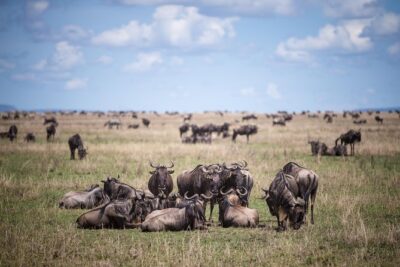
8 Days Great Wildebeest Calving Migration Safari from Arusha
Read our review →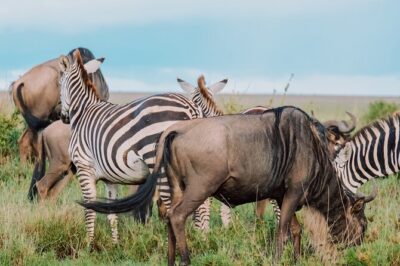
10-Day Serengeti Wildebeest Migration Safari from Arusha
Read our review →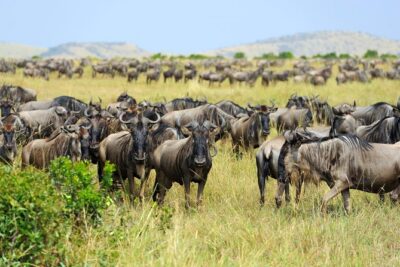
8 Day Spectacular Migration Serengeti mid -Range Tanzania Safari
Read our review →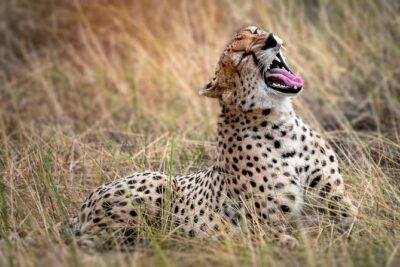
9-Day Serengeti Migration Footsteps Tanzania Safari
Read our review →
Private 6-Day Great Migration Ndutu Serengeti Safari Tour
Read our review →
4 Day Great Migration Safari Serengeti & Ngorongoro Crater
Read our review →Browse the lists this tour appears in