
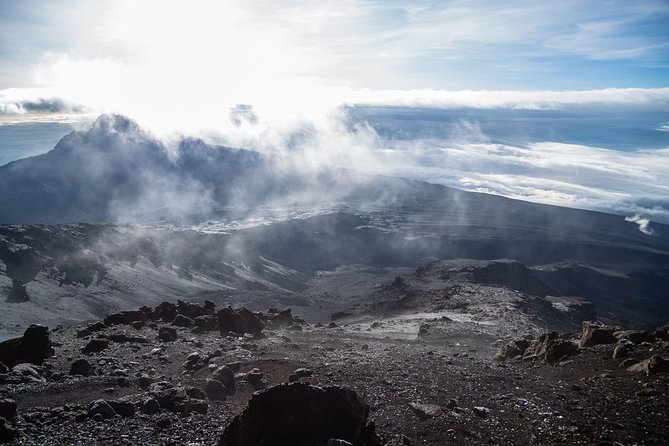
Reviewed · KILIMANJARO CLIMBS
Kilimanjaro climb, Northern Circuit route (8-day)
The quiet side of Kilimanjaro rewards patient legs. I like the low-crowd Northern Circuit route and its careful altitude plan, which gives you more time to adjust before summit night. I also like the strong support system, including medical checks, Wilderness First Responder guides, oxygen, good tents, and a full mountain crew. The tradeoff is simple: this is a long, demanding climb, and the price of $4,010 per person is a serious commitment.
You spend about ten days away, with eight trekking days and two hotel nights. The trip includes airport transfers, park fees, meals, tents, transport, and professional staff, so the cost covers much more than a guide and a trail permit. Still, you need to budget separately for gear, insurance, tips, visas, and some hotel meals. Names such as Albert, Khatib, Ally, Bosco, Osman, Stanley, and Osward appear among the guide teams connected with this operation, but your exact crew will depend on your departure.
In This Review
- Key points at a glance
- Why the Northern Circuit is different
- Arrival in Moshi and the Aishi Machame Hotel
- Day 2: Londorossi Gate and the Shira Plateau
- Day 3: Shira 1 to Shira 2, with an acclimatization walk
- Day 4: Lava Tower and Moir Hut Camp
- Day 5: Moir Valley and the northern slopes
- Day 6: Third Cave Camp and the Rongai connection
- Day 7: School Hut Summit Camp
- Day 8: Uhuru Peak, 5,895 meters
- Day 9: Forest descent and certificates
- What is included, and what you still pay for
- Who should choose this climb?
- Is this Northern Circuit climb worth booking?
- FAQ
- How long does the full Kilimanjaro experience take?
- What is the highest point reached?
- Is airport transportation included?
- What hotel is included?
- Are meals included on the mountain?
- Is personal hiking gear included?
- Do I need special insurance?
- Can I cancel for a full refund?
Key points at a glance
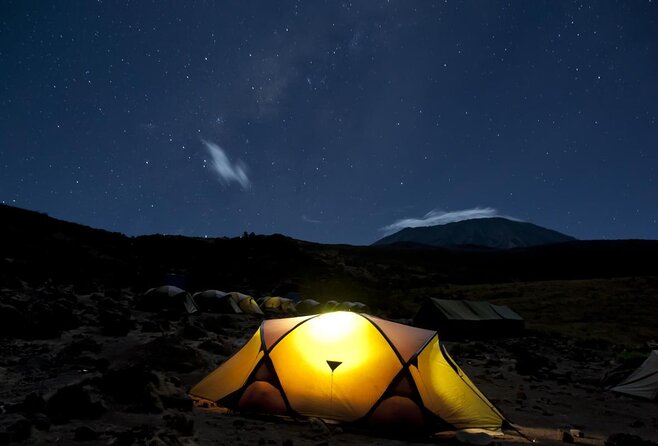
- A quieter northern approach: You cross the remote northern slopes, close to Kenya, with far fewer people than on Kilimanjaro’s busiest routes.
- Eight days improves acclimatization: Gradual gains, high-altitude walks, and several nights around 4,000 meters give your body more time to adjust.
- The summit night begins at 4,750 meters: The final push to Uhuru Peak reaches 5,895 meters and is difficult mainly because of altitude, cold, darkness, and fatigue.
- A serious support operation: Certified Wilderness First Responder guides, medical kits, checkups, oxygen tanks, altimeters, porters, cooks, and camp staff are included.
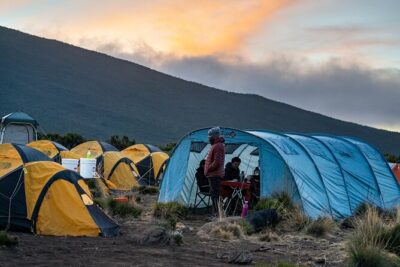
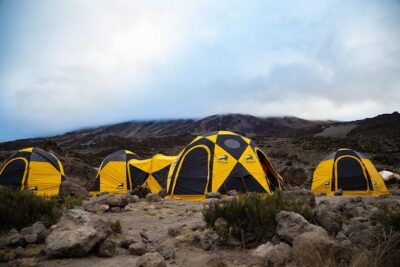
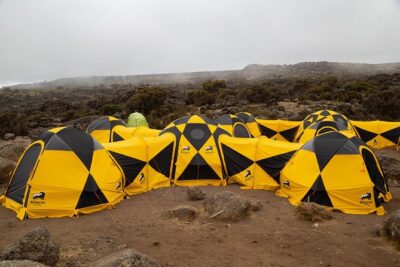
- Comfort matters at this altitude: North Face VE-25 tents, sleeping pads, dining equipment, hot drinks, and three meals a day make camp life easier.
- The route is physically long: Several days involve seven to eight hours of walking, and the summit day includes a major ascent followed by a long descent.
Why the Northern Circuit is different
Kilimanjaro has several established routes, but the Northern Circuit takes the widest arc around the mountain. You begin on the western side, cross the Shira Plateau, pass through Moir Valley, then follow the northern slopes before joining the Rongai route near 3rd Cave Camp.
That position gives you a different view of the mountain. You look toward Kenya and the Tsavo and Amboseli valleys, and you may see Mount Meru when the weather is clear. The route feels more remote than the popular southern approaches, which is a major reason to choose it.
The route also gives you time. You do not rush from low altitude straight toward the summit. You gain height in measured steps, then spend time walking higher and sleeping lower or at a similar elevation. That pattern cannot remove the risk of altitude sickness, but it gives your body a better chance to adapt.
The price of this approach is time and effort. You walk around the northern side instead of taking a more direct route. If your idea of Kilimanjaro is a quick, efficient climb, this may feel slow. If you want solitude, changing scenery, and a better acclimatization schedule, the extra days make sense.
More Kilimanjaro climbs:
- Kilimanjaro climb by Lemosho Route (7-day)
★ 5.0 · 651 reviews - Kilimanjaro climb, Machame Route (7-day)
★ 5.0 · 262 reviews - Kilimanjaro Climbing Lemosho Route 8 Days.
★ 5.0 · 186 reviews
Arrival in Moshi and the Aishi Machame Hotel
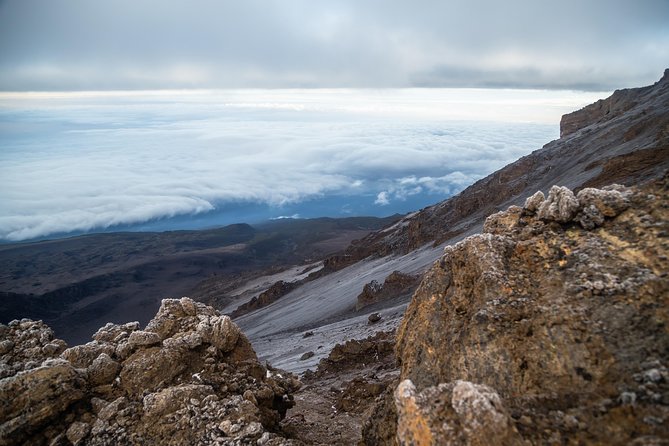
Your first and final hotel nights are at Aishi Machame Hotel. Airport pickup from Kilimanjaro International Airport is included, and an Altezza representative meets you at JRO before the transfer to the hotel.
The hotel provides rooms, hot water, Internet access, a swimming pool, and staff support. Check-in begins at 2:00 PM. That timing matters if your flight lands early, so plan on waiting or arranging your arrival around it.
The evening briefing gives you a chance to check clothing, bags, and general readiness. A second briefing takes place the next morning before you leave for the mountain. This two-stage preparation is useful because small packing mistakes become much harder to fix once you are above the tree line.
The hotel is also part of the practical value of the package. Several people praised the clean, efficient hotel operation and the help with luggage and trip details. You should still expect to pay for lunch and dinner at the hotel before and after the trek.
Day 2: Londorossi Gate and the Shira Plateau
The first mountain day begins with a three to four-hour vehicle transfer to Londorossi Gate, at about 2,200 meters. Your crew handles permits and registration with the park and search and rescue service.
You then continue by off-road vehicle to the route drop-off point at roughly 3,500 meters. This saves you from walking a long approach through lower forest and puts you directly on the high western side of the mountain.
From there, the walk to Shira 1 Camp is relatively gentle, with only a small altitude gain. The first view of the Shira Plateau is the reward. It is a broad, open high-altitude area, and the sudden change from road travel to mountain walking gives the day a memorable rhythm.
The drawback is the jump in sleeping altitude. You are transported to 3,500 meters before walking to camp, rather than gaining every meter on foot. Follow your guide’s pace, drink steadily, and do not treat this easier day as a chance to race ahead.
Day 3: Shira 1 to Shira 2, with an acclimatization walk
The route from Shira 1 to Shira 2 adds about 300 meters and takes around six hours. The walking itself is not especially hard, which is intentional.
After lunch and a two-hour rest, you take an acclimatization walk toward Lava Tower. You gain another 300 meters before returning to camp. This is one of the smartest parts of the schedule: you spend time at a higher elevation without needing to sleep there yet.
The day also gives you room to notice the mountain’s plant life and, in clear weather, Mount Meru. At 4,565 meters, Meru is Tanzania’s second-highest mountain and Africa’s fifth-highest, so seeing it from Kilimanjaro adds a useful sense of scale.
The key here is restraint. You may feel good because the walking is moderate. Do not mistake that for proof that altitude will not affect you later.
A few more options to weigh up in Moshi
- Safari Serengeti And Ngorongoro
★ 5.0 · 288 reviews - Climbing Kilimanjaro – Machame Route
★ 5.0 · 170 reviews - Climbing Kilimanjaro through 7 days Machame Route
★ 5.0 · 151 reviews - Kilimanjaro climb, Lemosho Route (8-day)
★ 5.0 · 148 reviews
Day 4: Lava Tower and Moir Hut Camp
This is the first demanding day. You leave Shira at about 3,900 meters and climb to Lava Tower at 4,630 meters. The route includes repeated ups and downs, and the thin air can make the walking feel harder than the distance suggests.
Lunch at Lava Tower keeps you at high altitude for one or two hours. That is uncomfortable for some people, but it serves an important acclimatization purpose. You then descend toward Moir Hut Camp, with a little more climbing along the way.
Your guide may use a porter trail and skip Lava Tower if someone is not adjusting well. In that case, the highest point is about 4,400 meters instead of 4,630. I see this flexibility as a positive sign. A fixed plan is less useful than a safe plan.
Expect about eight hours of walking. This is a day for a slow pace, regular drinks, and honest communication with your guide. Hiding a headache or nausea helps no one.
Day 5: Moir Valley and the northern slopes
After a short, steep climb out of Moir Valley, the route begins its long curve around the northern side of Kilimanjaro. You walk for roughly seven hours, but the altitude gain is modest.
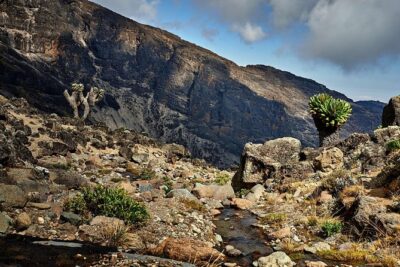
The path rises and falls rather than charging straight uphill. Those repeated dips can be tiring, particularly after several nights in the mountains, but the route avoids a single punishing climb. The views toward Kenya, Tsavo, and Amboseli are a major reason this route feels different from the more familiar approaches.
This is one of the best days for people who prefer scenery and quiet walking over a constant sense of pursuit. The open northern slopes can feel exposed and remote. Weather may change quickly, so keep a warm layer and rain protection within reach rather than buried in your pack.
Day 6: Third Cave Camp and the Rongai connection
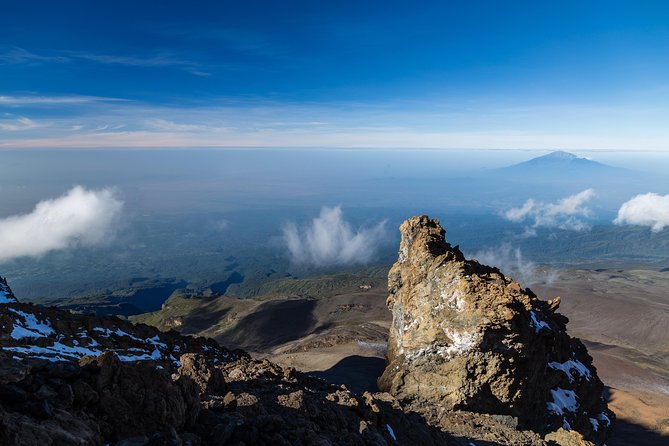
You finish crossing the northern slope and reach 3rd Cave Camp, where the Northern Circuit meets the traditional Rongai route. The camp sits around 4,000 meters.
The schedule describes this as a shorter day, and by now the gradual acclimatization should help you feel more settled at altitude. Still, the stated itinerary lists 14 hours for this day, which does not match the description of a shorter walking day. Ask Altezza to confirm the expected hiking time for your departure before you book.
That small check is worth making. On a mountain trip, an accurate daily schedule helps you judge fitness, food, sleep, and the amount of daylight available. The route itself remains a quiet highlight, particularly for people who dislike crowded trails.
Day 7: School Hut Summit Camp
You climb to School Hut Summit Camp at 4,750 meters. The walking is described as manageable, but this is not a day to spend your energy proving anything.
The purpose is to reach camp, eat, drink, and rest before the midnight summit attempt. Keep your sleeping bag, warm clothing, headlamp, gloves, and water close at hand. You will not want to unpack your entire bag in the dark.
The elevation gain from 3rd Cave Camp to School Hut is significant, and your body has already worked for several days. A quiet afternoon is more useful than extra exploring. Your guide’s instructions about fluids and rest deserve close attention.
Day 8: Uhuru Peak, 5,895 meters
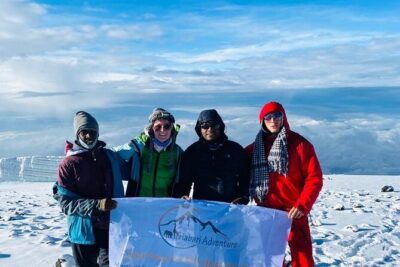
Summit night begins around midnight. From School Hut at 4,750 meters, you climb to Uhuru Peak, the highest point on Kilimanjaro, at 5,895 meters.
The route is not technically difficult, but the altitude makes it a serious effort. You walk in darkness, likely in cold conditions, and every step costs more energy than it would at sea level. The plan assigns one guide to every two climbers for the summit push, with each guide monitoring health and pace.
That close supervision is one of the package’s strongest features. The guides carry medical kits, use altimeters, and have oxygen available. These tools do not make the summit safe by themselves, but they give the crew more ways to respond when a climber struggles.
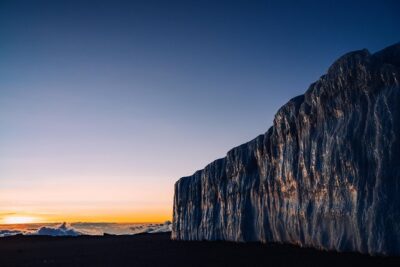
After reaching the summit, you may have the option to walk on the nearest glacier. That depends on conditions, time, and how you feel. The safer choice is always to prioritize the descent.
The day continues downhill to Barafu Camp for a two-hour lunch and rest stop, then ends at Millennium Camp at about 3,820 meters. The itinerary gives five hours for this portion, but the full summit day is clearly much longer when the midnight climb is included. Confirm the timing and expected total effort with the operator.
Take the descent seriously. Loose footing, tired legs, and damaged toes can turn a successful summit into a miserable finish. Slow down, use trekking poles if you have them, and watch every step.
Day 9: Forest descent and certificates
Millennium Camp lies in tropical rainforest, a welcome change after the high, dry sections of the climb. The lower altitude usually feels easier, and a hot breakfast gives you a proper start for the final descent.
You continue to Mweka Gate at about 1,650 meters. The route takes around 12 hours according to the schedule, though actual timing can vary with group pace and trail conditions. At the gate, you recap the climb with your support crew before transferring to the company offices for accomplishment certificates.
The certificate is a nice finish, but the more meaningful part is the chance to thank the people who carried equipment, cooked meals, set up camp, and helped you reach the summit. The crew is a large part of the experience, not a background detail.
Several accounts connected with this operator praised the care shown by guides and porters, including assistance given to climbers dealing with illness or a bad knee. That kind of support matters far more than polished camp furniture when the mountain stops being comfortable.
What is included, and what you still pay for
At $4,010 per person, this is not a budget Kilimanjaro climb. The value comes from the number of major costs already covered:
- Two hotel nights, with two people per room except on solo climbs
- Airport pickup and drop-off
- All ground transportation
- Kilimanjaro National Park fees
- Professional guides, porters, cooks, and camp staff
- North Face VE-25 tents for two climbers per tent
- Sleeping pads and dining equipment
- Three meals each day
- Tea, coffee, juices, soda, and other mountain drinks
- Medical kits, checkups, oxygen tanks, and altimeters
Food planning is a real advantage. Breakfast, lunch, and dinner are included, with vegetarian, vegan, lactose-free, gluten-free, halal, and other meal plans available. You should still tell the company about dietary needs before arrival.
You pay separately for your flight to Tanzania, visa, mountaineering insurance, personal gear, sleeping bag, tips, and hotel lunch and dinner. Insurance should cover trekking up to 6,000 meters, which is especially important on a summit reaching 5,895 meters.
The price is easier to justify if you value organization, medical oversight, a long acclimatization schedule, and a substantial support crew. It is harder to justify if you already own all your equipment and only want the shortest possible route.
Who should choose this climb?
I would choose the Northern Circuit if you want a quieter mountain experience and have enough time for eight days on the trail. It suits people with moderate physical fitness who are ready for long walking days, repeated climbs and descents, and a difficult summit night.
You do not need technical climbing experience based on the route description, but you do need patience and stamina. The summit challenge is mainly altitude, not rock climbing skill.
This is less suitable if you want a relaxed holiday with a little hiking added. It is also not ideal if your schedule cannot absorb delays, route changes, or a failed summit attempt. The mountain decides a great deal, even with excellent planning.
The trip is private, meaning only your group participates. Group discounts are available, but the supplied information does not specify the discount amount. Solo climbs use different room and tent arrangements, so confirm those details before paying.
Is this Northern Circuit climb worth booking?
I would book it for the route, not just the summit. The northern slopes offer quieter walking, Kenya-facing views, and a gradual approach that gives you time to adjust. The strong safety setup and praised crew support add real value to a high-altitude trip.
Before booking, confirm the daily hiking times for Days 6 and 8, ask exactly what personal gear can be hired, and price the insurance, visa, tips, and flights. If you can handle the cost and the long schedule, Altezza Travel’s eight-day Northern Circuit program is a well-supported choice for a serious Kilimanjaro goal.
FAQ
How long does the full Kilimanjaro experience take?
The experience lasts approximately 10 days. It includes eight days on the Northern Circuit route, plus a hotel night before the climb and a hotel night after the descent.
What is the highest point reached?
The summit is Uhuru Peak at 5,895 meters. The summit attempt begins from School Hut Summit Camp at about 4,750 meters.
Is airport transportation included?
Yes. Pickup and drop-off at Kilimanjaro International Airport are included, along with other ground transportation.
What hotel is included?
Two nights at Aishi Machame Hotel are included. Rooms are shared by two people unless you book a solo climb.
Are meals included on the mountain?
Yes. The package includes nine breakfasts, seven lunches, and eight dinners. Three meals per day are served on the mountain, with several dietary plans available.
Is personal hiking gear included?
No. You must provide or hire personal items such as hiking clothing, boots, and a sleeping bag. Equipment hire is available, but the supplied information does not list the rental prices.
Do I need special insurance?
Mountaineering insurance is not included, but it is highly recommended. The policy should cover trekking up to 6,000 meters or 19,685 feet.
Can I cancel for a full refund?
You can receive a full refund if you cancel at least 24 hours before the experience start time. Cancellations or changes made less than 24 hours before the start time are not accepted for a refund.
Just added in Moshi
- THE BEST 2 DAYS ON TREK – MARANGU ROUTE TOUR ADVENTURES★ 5.0 · 1 review
- Mount Kilimanjaro National Park Day Trip★ 5.0 · 7 reviews
- Mount Kilimanjaro Climbing in Tanzania Full-Day Trip★ 5.0 · 1 review
- Mount Kilimanjaro Day Hike – All-Inclusive, No Hidden Fees★ 4.0 · 7 reviews
- Mount Kilimanjaro Trekking Tour – Climb with Local Guides★ 5.0 · 1 review
- Mount Kilimanjaro: 7 Days Hike Lemosho Route★ 5.0 · 1 review
- Moshi:Chemka Hot Springs, Materuni Waterfalls & Coffee Tour★ 5.0 · 1 review
- Moshi Town: Walking Tour: Theme Urban lifestyle★ 3.1 · 4 reviews
Kilimanjaro Climbs, compared.
Chagga Villages in Mount Kilimanjaro Cycling Day Trip
Read our review →
Browse the lists this tour appears in