
Reviewed · MACHAME ROUTE CLIMBS
Machame Route 7-Day Private Kilimanjaro Trek
Africa’s highest summit rewards steady feet. This 7-day Machame Route trek gives you a well-paced climb through rainforest, moorland, alpine desert, and glacial high country, with Bush Lion Trekking and Tours handling permits, camps, meals, transfers, guides, and porters. I like the route’s careful altitude pattern, especially the climb to Lava Tower followed by a night at lower Barranco Camp, and I like that the private format keeps the trip focused on your own group. The main catch is the summit day: up to 15 hours on foot makes this a serious physical challenge, not a casual holiday walk.
At $2,209 per person, the price covers a large share of the costly essentials, including park fees, airport transfers, camping equipment, food, safety gear, and two hotel nights. The package also receives especially warm praise for clear planning and supportive staff, with Jackson often handling arrangements and guides such as Innocent, William, Kenny, Shafii, and Emmanuel named for their care on the mountain. Still, you must budget for flights, insurance, personal gear, and tips.
In This Review
- Key Things To Know Before You Book
- Why Seven Days Works Well on Machame
- Day 1: Moshi to Machame Gate and the Rainforest
- Day 2: Steeper Trails and Shira Camp
- Day 3: Lava Tower, Lunch at 4,630 Meters, and Barranco
- Day 4: The Barranco Wall and Karanga Camp
- Day 5: The Rocky Climb to Barafu Camp
- Day 6: Uhuru Peak and the Long Descent to Mweka
- Day 7: Mweka Gate and the Return to Moshi
- What the $2,209 Price Covers
- Guides, Porters, and the Private Format
- Who Should Choose This Trek?
- Practical Preparation for the Seven Days
- Should You Book the Machame Route Trek?
- FAQ
- How long does the Machame Route trek take?
- What is the highest point reached?
- Does the tour include airport transfers?
- Are park fees and permits included?
- Where do you sleep during the trek?
- Are meals included?
- Is this a private tour?
- What happens if bad weather cancels the trek?
Key Things To Know Before You Book
- Lava Tower to Barranco is the key acclimatization day: You climb to 4,630 meters, then sleep at 3,960 meters, giving your body useful time at altitude without spending the night at the highest point reached that day.
- The summit push begins around midnight: Expect a long, cold, steep day of up to 15 hours, including Uhuru Peak, Barafu Camp, and Mweka Camp.
- The scenery changes almost every day: The route moves from thick rainforest to open moorland, rocky alpine desert, and icy summit terrain.
- The private setup suits couples, families, and solo bookings: Only your group participates, and group discounts are offered.
- The package includes more than the mountain permit: Airport transfers, two hotel nights, meals, tents, sleeping bags, mats, a portable toilet, oxygen tanks, first aid kits, and a summit certificate are included.
- Good preparation still matters: The operator asks for moderate physical fitness, and you need your own boots, clothing, backpack, travel insurance, and other personal equipment.
Why Seven Days Works Well on Machame
Machame is often chosen for its changing scenery and gradual approach to the summit. This seven-day plan gives you time to move upward in stages instead of racing from the gate to the top.
The itinerary reaches high ground early, then uses a climb-high, sleep-lower pattern on Day 3. That is one of the most useful features of the schedule. You will still face altitude effects, but the route does not simply send you straight upward every day.
The tradeoff is that seven days is still fairly demanding. A longer itinerary could offer more rest and acclimatization time, but this version packs the summit attempt into the sixth day. You need to be comfortable walking for several hours on most days and handling one very long final push.
More Kilimanjaro climbs:
- Kilimanjaro climb by Lemosho Route (7-day)
★ 5.0 · 651 reviews - Kilimanjaro climb, Machame Route (7-day)
★ 5.0 · 262 reviews - Kilimanjaro Climbing Lemosho Route 8 Days.
★ 5.0 · 186 reviews
Day 1: Moshi to Machame Gate and the Rainforest
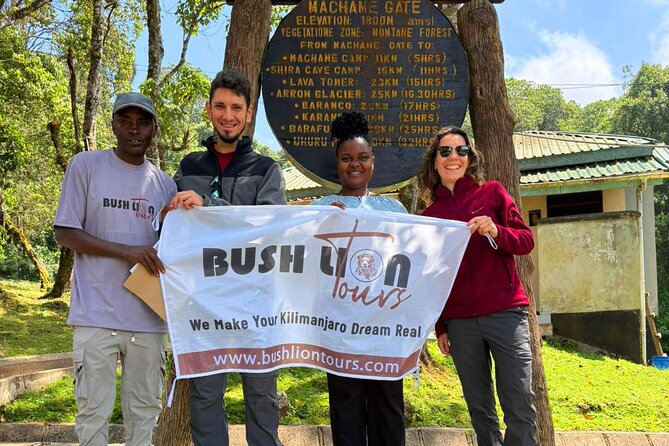
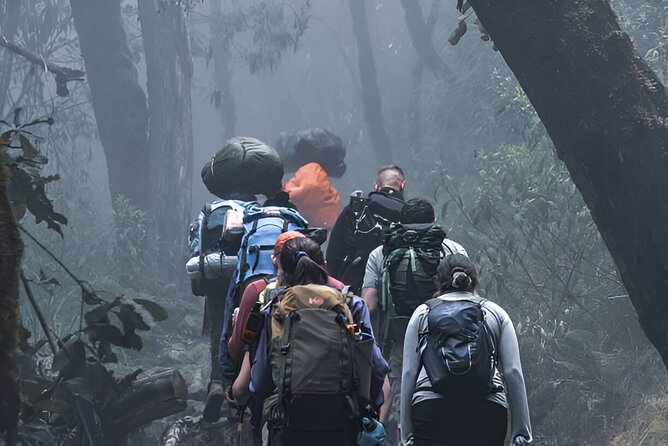
Your climb begins with a drive from Moshi to Machame Gate in Kilimanjaro National Park. After registration and a short briefing, you start walking beneath thick rainforest.
The first day covers about 11 kilometers and takes roughly five to seven hours. Machame Camp sits at 3,010 meters, or 9,875 feet, so this is more than a gentle warm-up. The trail climbs steadily, and the damp forest can make the ground feel slick or muddy.
I like this opening because the setting changes quickly from town roads to tall trees and mountain air. You may spot animals along the way, although wildlife sightings are not promised. The forest also gives you a strong sense that the climb has properly begun.
The practical point is to keep your pace slow from the first hour. You may feel energetic at the gate, but spending that energy early is a poor bargain. Your guides are there to help set the rhythm, and the first day is a good time to settle into their advice.
Day 2: Steeper Trails and Shira Camp
Day 2 takes you out of the rainforest and into moorland. The vegetation becomes more open, and the views widen toward Mount Meru and the Shira Plateau.
The walk is shorter than Day 1 at about 5 kilometers, but it is steeper and reaches 3,840 meters, or 12,600 feet. Allow four to six hours. The shorter distance may look easy on paper, yet the gain in height is what matters.
This is one of the route’s most attractive days for scenery. You trade enclosed forest for broad views and unusual high-altitude plants. The changing vegetation helps make Machame feel like several different walks joined into one.
You should pay attention to how you feel at Shira Camp. Headaches, nausea, unusual tiredness, or dizziness should be reported to your guide. The schedule is designed to help with adjustment, but no itinerary removes the risks of altitude.
Day 3: Lava Tower, Lunch at 4,630 Meters, and Barranco
Day 3 is the most important acclimatization stage. You climb to Lava Tower at 4,630 meters, or 15,190 feet, have lunch, rest, and then descend to Barranco Camp at 3,960 meters.
The full walk is about 10 kilometers and takes six to eight hours. It can feel strange to work hard uphill only to lose height later, but that descent is the point. Your body spends time at a higher level, then you sleep lower than Lava Tower.
This section also brings a noticeable shift into rocky, high-altitude terrain. The air is thinner, the ground is rougher, and the scenery feels more exposed. The schedule asks you to move patiently rather than chase speed.
I consider this day a strong reason to choose the seven-day version instead of a faster climb. The route gives you a meaningful high point before summit day, while still allowing you to rest at Barranco. If altitude affects you, this is a day to take seriously and communicate clearly with the guide team.
More Machame Route climbs:
- Climbing Kilimanjaro – Machame Route
★ 5.0 · 170 reviews - Climbing Kilimanjaro through 7 days Machame Route
★ 5.0 · 151 reviews - 7 Days Kilimanjaro via Machame route affordable price
★ 5.0 · 110 reviews - #1. Best Kilimanjaro Day hike Tour-Machame Route-ISMANI
★ 4.2 · 47 reviews
Day 4: The Barranco Wall and Karanga Camp
The morning begins with the Barranco Wall. It looks steep, but the itinerary describes it as a safe walking section that requires no special climbing skills.
You will use your hands at points for balance, and you should expect a slower pace as the group moves over the rock. This is not technical mountaineering, but it can feel exposed if you dislike steep slopes. Good footwear and a calm pace matter more than athletic speed.
Once above the wall, you get wide views across the surrounding terrain. The trail then crosses a dry, open area toward Karanga Camp at 4,035 meters, or 13,250 feet.
The distance is only about 5 kilometers, with four to five hours of walking. That leaves more time to eat, rest, and prepare your body for the next stage. Still, do not mistake a short day for an easy one. The altitude remains high, and the repeated climbs and descents can wear on your legs.
Day 5: The Rocky Climb to Barafu Camp
Day 5 leads to Barafu Camp, the staging point for the summit attempt. The route is about 4 kilometers but takes four to five hours because it is steep and rocky.
You move through alpine desert, with little vegetation and a harsher feel underfoot. Barafu sits at 4,640 meters, almost the same height as Lava Tower, but this time you sleep there before the summit push.
The schedule calls for an early dinner and rest. That means your afternoon is not sightseeing time. It is your chance to organize warm clothing, check your personal gear, drink, eat, and sleep as much as possible before the midnight start.
The camp’s height can make sleep difficult. That is not unusual on a Kilimanjaro climb, but it is worth planning for. Keep your essentials close, follow the guide’s instructions, and avoid wasting energy. Your summit day starts long before sunrise.
Day 6: Uhuru Peak and the Long Descent to Mweka
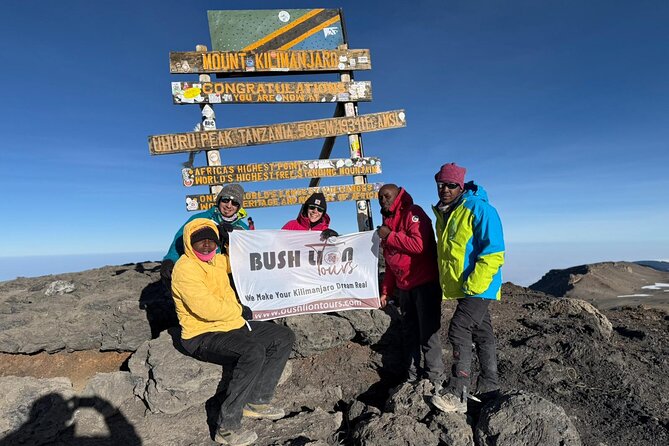
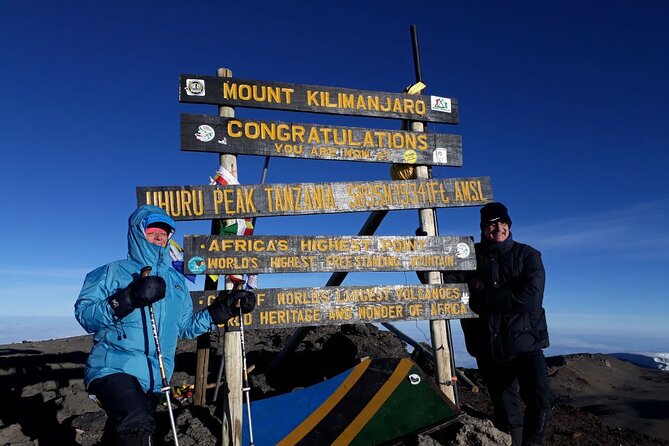
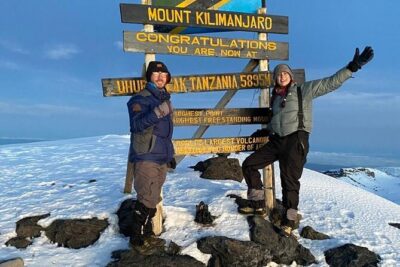
This is the day that defines the trek. You leave Barafu around midnight for the steep climb to Uhuru Peak, at 5,895 meters, or 19,341 feet.
The ascent takes about seven to eight hours. Loose ground makes the going harder, and the cold, darkness, and thin air add to the work. You need warm layers, a headlamp, water, and enough food for a long effort, although the supplied equipment and meal arrangements are intended to support the climb.
At the summit, you can celebrate your achievement and take time for photographs. Keep that pause sensible. You still have a major descent ahead, and the summit is not the end of the day.
After Uhuru Peak, you return to Barafu Camp for a short rest. Then you continue down to Mweka Camp at 3,110 meters, or 10,200 feet. The total distance is about 17 kilometers, and the day can last 12 to 15 hours.
This is the major drawback of the itinerary. The summit ascent is hard, but the combination of ascent, descent, and a second camp-to-camp section is what really tests you. Anyone booking should understand that reaching the summit does not mean you can stop walking immediately.
The support team matters greatly here. Several names connected with this climb, including Innocent, William, Kenny, Shafii, and Emmanuel, received specific praise for being encouraging and attentive. Jackson is also repeatedly credited with clear communication before the trek and careful planning. Those details are useful because good organization matters most when everyone is tired.
Day 7: Mweka Gate and the Return to Moshi
The final walk passes through rainforest to Mweka Gate. It covers about 10 kilometers and takes three to four hours.
After the bare, rocky upper mountain, the green forest feels like a welcome change. The trail is still downhill, so tired knees may complain, but the return to lower altitude usually makes the air feel easier.
At Mweka Gate, you receive your Kilimanjaro summit certificate. The operator then drives you back to Moshi, where the included post-climb accommodation gives you a place to rest and celebrate.
This final day is not just paperwork and transport. It closes the loop from forest to summit and back again. You may be tired, dusty, and ready for a long shower, which is exactly why the hotel night afterward is valuable.
What the $2,209 Price Covers
At $2,209 per person, this is not a low-cost day hike, but Kilimanjaro climbs carry substantial park, staffing, food, transport, and equipment costs. The package includes airport pickup and return from Kilimanjaro International Airport, transport to and from the trailhead, permits, and park fees.
You also receive experienced guides and porters, meals during the climb, clean drinking water, tents, sleeping bags, sleeping mats, and a portable toilet. Safety equipment includes oxygen tanks and first aid kits. Two hotel nights are included, one before and one after the trek.
That collection of inclusions gives the price solid value, especially if you would otherwise need to arrange transfers, camping gear, permits, and mountain staff separately. The package lists seven breakfasts, seven lunches, and seven dinners. At the same time, hotel lunches and dinners before or after the climb are excluded, so read the meal wording carefully when planning your spending.
You still need to pay for international flights, travel insurance, personal hiking equipment, tips, and extra accommodation or meals. Insurance should cover medical care and evacuation, as well as trip cancellation if those protections matter to you.
Guides, Porters, and the Private Format
The strongest praise goes to the staff. The team is described as professional, caring, responsive, and supportive from the first planning messages through the summit.
Jackson is singled out for explaining route details, pricing, and preparation clearly. That kind of communication is useful before you arrive, especially when you need to understand what equipment to bring and how the days will work.
On the mountain, guides named in the feedback include Innocent, William, Kenny, Shafii, and Emmanuel. One family also praised Issa and Martin, and a parent described the care shown during a climb with a 13-year-old son. These comments suggest a team that pays close attention to encouragement and safety.
The tour is described as private, meaning only your group takes part. That can be a major benefit if you want a flexible social pace, are traveling as a couple, or prefer to keep family or friends together. A separate account describes a joint group of eight, so group arrangements can vary. Ask for the exact group setup before booking if that affects your decision.
Tips for guides, porters, and other staff are not included. Treat that as a real part of your budget, not an afterthought. The package depends on their work, and the direct praise for the crew makes clear how important that support is.
Who Should Choose This Trek?
I would recommend this climb to someone with moderate physical fitness who wants a classic Kilimanjaro route and accepts that the summit day will be punishing.
It suits:
- Couples marking a major personal goal together
- Families with suitable fitness and preparation
- Solo climbers who want a private arrangement
- Small groups seeking group discounts
- Hikers who value changing scenery and a structured acclimatization plan
It is less suitable if you want short walking days, hotel comfort on the mountain, or a relaxed vacation with only a little exercise. The tents and supplied camping equipment make the climb more manageable, but this remains a high-altitude trek with long hours and basic mountain conditions.
The operator requires moderate fitness. You should also be ready for steep trails, loose ground, cold conditions, and the possibility that altitude will affect your plans.
Practical Preparation for the Seven Days
Bring personal gear that the package does not supply. That includes suitable hiking boots, clothing, a backpack, and any other items you normally need for a multi-day mountain walk.
Use the pre-climb briefing well. Confirm airport pickup, hotel arrangements, meal details, personal equipment, and the timing of the midnight summit start. Clear communication is one of the operator’s strengths, so use it before you reach Tanzania.
Keep your walking pace controlled. The route is not a race, and the climb-high, descend-lower plan works best when you conserve energy. Eat the supplied meals, drink the clean water provided, and tell your guide quickly if you feel unwell.
The cancellation terms are simple: cancel at least 24 hours before the start time for a full refund. Changes made within 24 hours are not accepted, and poor weather may lead to a new date or a full refund rather than a forced departure.
Should You Book the Machame Route Trek?
I would book this tour if you want a well-supported, private seven-day climb with strong staff communication and a route that offers major changes in scenery. The included permits, transfers, meals, camping kit, safety equipment, and hotel nights make the $2,209 price easier to justify.
I would pause before booking if you are not ready for the 12 to 15-hour summit day. That is the real test, and the itinerary gives you no soft landing after reaching Uhuru Peak.
For a fit hiker who prepares properly, this is a sensible Machame plan with a useful acclimatization day and a support team praised for care and organization. Book it with realistic expectations, sort out insurance and personal gear early, and treat the summit as a demanding goal rather than a guaranteed result.
FAQ
How long does the Machame Route trek take?
The trek lasts approximately seven days, beginning at Machame Gate and ending at Mweka Gate before transport back to Moshi.
What is the highest point reached?
The highest point is Uhuru Peak, which sits at 5,895 meters, or 19,341 feet, above sea level.
Does the tour include airport transfers?
Yes. Transfers to and from Kilimanjaro International Airport are included.
Are park fees and permits included?
Yes. Kilimanjaro National Park fees and permits are included in the package.
Where do you sleep during the trek?
Accommodation during the climb is in tents. Camping equipment, including tents, sleeping bags, sleeping mats, and a portable toilet, is included.
Are meals included?
Breakfast, lunch, and dinner are included during the climb. The package lists seven of each. Hotel lunches and dinners before or after the climb are not included.
Is this a private tour?
Yes. The activity is described as private, so only your group participates. Group discounts are also offered.
What happens if bad weather cancels the trek?
If poor weather causes cancellation, you will be offered a different date or a full refund. For your own cancellation, you must cancel at least 24 hours before the experience start time to receive a full refund.
More Treks in Moshi
- Private Kilimanjaro Hike 7 Day Lemosho Route
★ 5.0 · 60 reviews - Best Kilimanjaro hiking day trip tour with Kilinge Adventures
★ 4.5 · 54 reviews - Best Kilimanjaro Adventure 7 days Machame route Trekking
★ 5.0 · 42 reviews - Kilimanjaro 7 Day Private Trekking Experience
★ 5.0 · 40 reviews
Just added in Moshi
- Zanzibar: Stone Town tour and Nakupenda beach with Lunch★ 5.0 · 1 review
- day trip lake manyara★ 5.0 · 2 reviews
- Mt Kilimanjaro 6 days Marangu route hike★ 5.0 · 3 reviews
- machame route★ 5.0 · 16 reviews
- Private Cycle to Kilimanjaro Bike Park Safari★ 5.0 · 6 reviews
- West Kilimanjaro cycling Adventures★ 4.5 · 8 reviews
- Wildlife Extravaganza: Manyara, Tarangire & Ngorongoro in 3 Days★ 5.0 · 3 reviews
- 3 Days Private E-Bike Tour in West Kilimanjaro★ 5.0 · 3 reviews
Machame Route Climbs, compared.



Climbing Kilimanjaro through 7 days Machame Route
Read our review →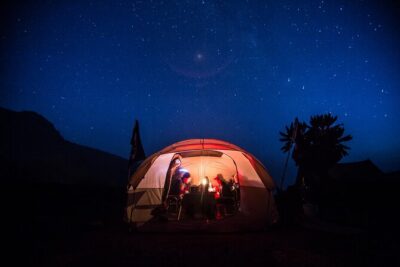
7-Day Machame Kilimanjaro Summit Tour from Arusha
Read our review →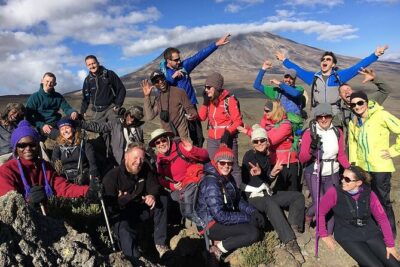
7 Days Kilimanjaro via Machame route affordable price
Read our review →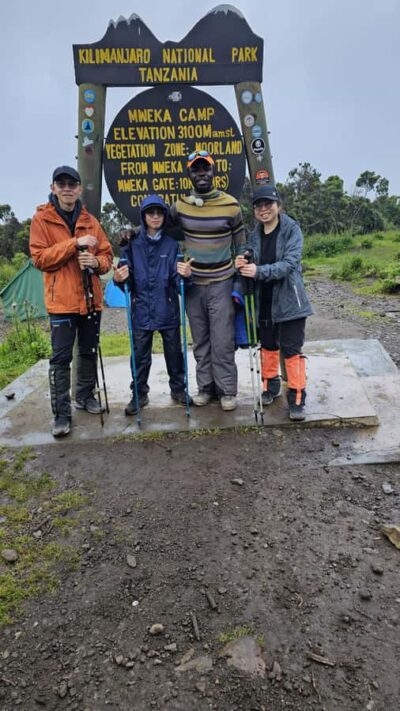
#1. Best Kilimanjaro Day hike Tour-Machame Route-ISMANI
Read our review →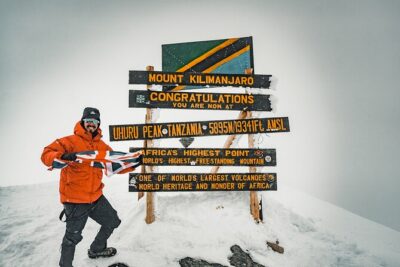
The Best of Machame Route in 6 Days: Your World’s Summit Guide
Read our review →Browse the lists this tour appears in