
Reviewed · MARKETS
Moshi, Kilimanjaro: Local Market Shopping Experience
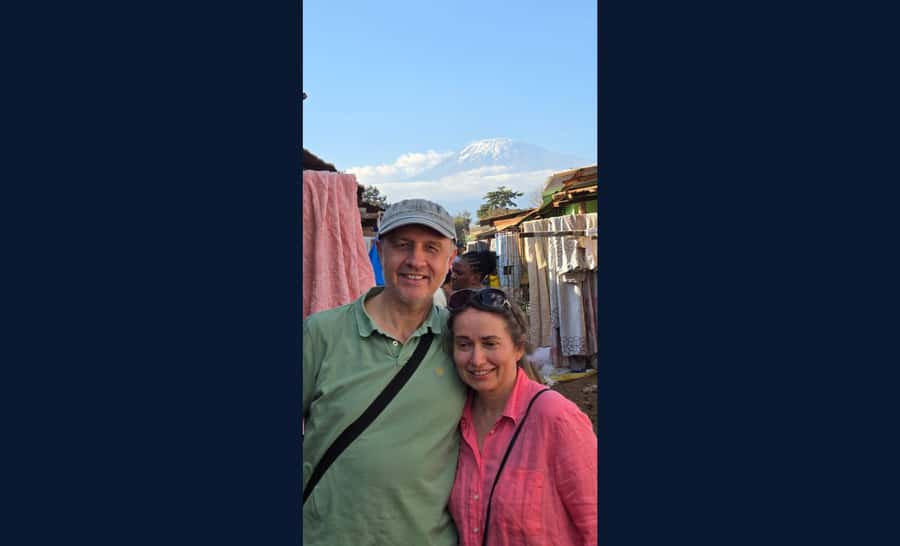
Moshi shopping is practical, social, and wonderfully unpredictable. This three-hour outing takes you by tuk-tuk from Kph Hotel to a large second-hand market, where you can browse clothing and other goods while learning how local bargaining works. I like the hands-on market time and the chance to eat a local lunch rather than simply look at Moshi through a vehicle window.
I also like that the price includes transport, lunch, drinks, a guide, and entrance fees. The main consideration is pace: two hours in a big market can feel short if you enjoy careful browsing, and the extra Materuni waterfall or pub-crawl options may turn this into a longer day than the advertised three hours.
In This Review
- Key points to know before you go
- Starting at Kph Hotel and getting into Moshi
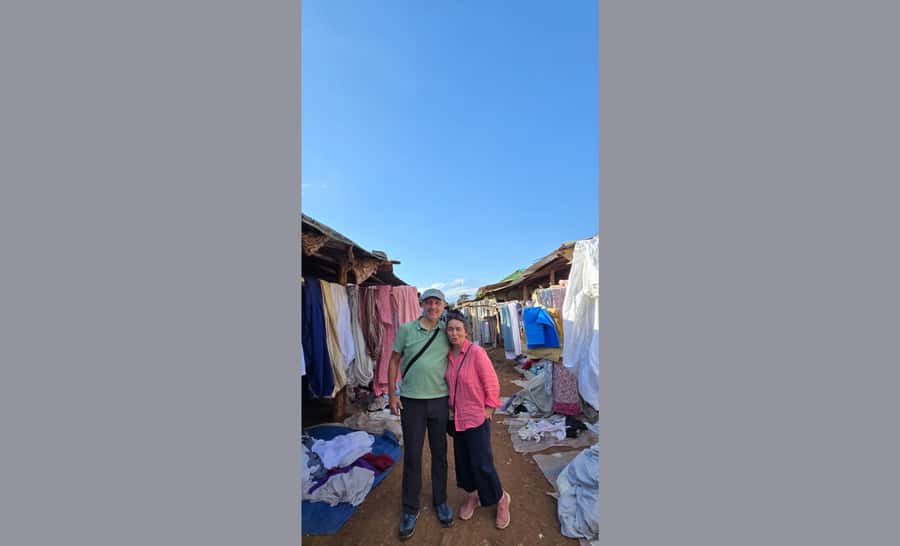
- Two hours inside Moshi’s second-hand market
- What makes the guide useful
- A local lunch after the bargaining
- Drinks, beer, and the end of the three-hour route
- The optional Materuni and city add-ons
- Is $18 a good value?
- Who will enjoy this Moshi market experience?
- Should you book it?
- FAQ
- How long does the Moshi market experience last?
- Where does the experience start?
- What is included in the $18 price?
- Will I learn how to bargain?
- Which languages does the guide speak?
- Is the experience wheelchair accessible?
- Can I join another activity afterward?
Key points to know before you go
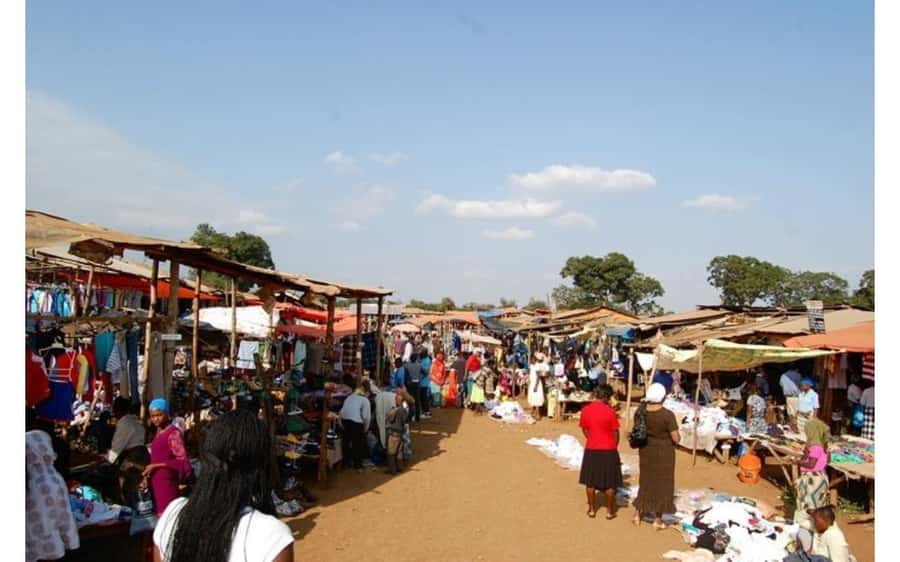
- Two hours at a large second-hand market: You have enough time to browse, bargain, and look for clothing or unusual everyday items.
- Bargaining help from a local guide: You are not left to guess how the shopping works or how to approach shopkeepers.
- Lunch and drinks included: A local restaurant stop gives the outing a welcome break after the market.
- Simple Moshi transport: The route uses a tuk-tuk for about 10 minutes and public transport for about 10 minutes on the return.
- Friendly, helpful guiding: The guide has been praised for being kind, helpful, and experienced.
- Possible add-ons after the main outing: If you still have energy, you can ask about a Materuni coffee and waterfall visit or a city pub-crawl.
Starting at Kph Hotel and getting into Moshi
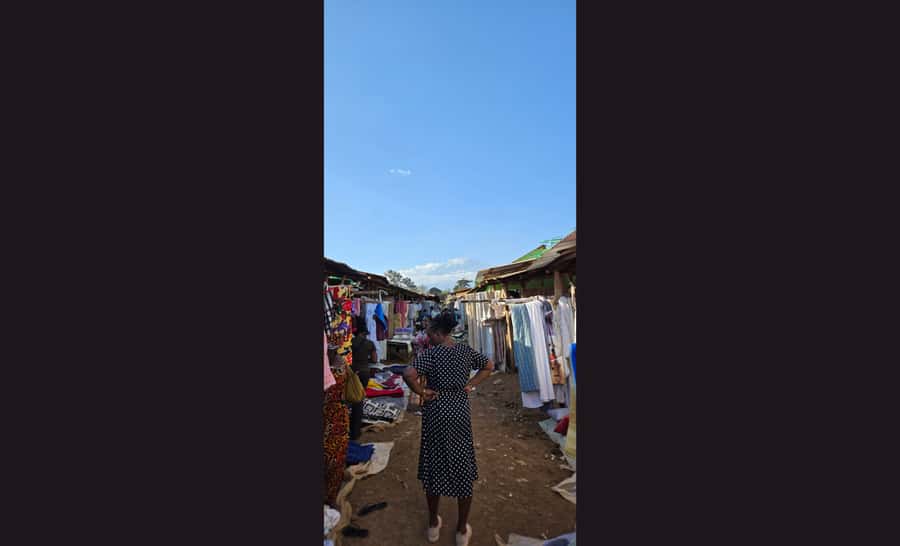
The outing begins at Kph Hotel, which keeps the meeting point straightforward. From there, you take a tuk-tuk for about 10 minutes. That short ride is part of the charm: it gets you out into Moshi without the formality of a private sightseeing vehicle.
The transport is also useful for visitors who want a local feel without having to figure out every connection alone. Your guide handles the movement between stops, so you can focus on the market rather than directions.
The return uses public transport for about 10 minutes. That is worth noting if you prefer a completely private tour. It is not a luxury transfer, but it fits the purpose of the outing and gives you a small look at ordinary movement around town.
The experience is listed as wheelchair accessible. Still, market conditions and public transport can vary, so you should confirm the practical details before booking if you use a wheelchair.
More market walks in Moshi:
- Stone Town Guided Tour: Culture, Slave Market & Spice Market
★ 4.8 · 44 reviews - Arusha: Traditional Tanzania Cooking Class & Food Market Tour
★ 5.0 · 34 reviews - Arusha: Traditional Tanzania Cooking class& Food Market Tour
★ 4.9 · 12 reviews
Two hours inside Moshi’s second-hand market
The main part of the outing is shopping in a large second-hand market. You might find clothing, useful products, or something simply odd enough to make a good travel souvenir. The appeal is not a polished shop display. It is the process of searching, comparing, asking questions, and deciding what is worth buying.
I like this kind of market visit because it shows how people shop in daily life. You are not being led from one souvenir store to another. Instead, you get time to look through a broad range of goods and see what catches your eye.
The guide’s role matters here. The activity is designed to teach you how to bargain and haggle with local shopkeepers. If you are not used to negotiating prices, you can watch how the conversation works and get help before making a purchase.
Keep your approach friendly. Bargaining should be part of a good-natured exchange, not a contest to force the lowest possible price. Your guide can help you understand the tone and timing, which is one of the most useful parts of the outing.
Two hours is enough for a first look, but it is not endless. If you want to inspect every stall, compare many items, and buy several things, you will need to make choices. I suggest deciding early if you are shopping for a specific item or simply browsing. That keeps the market from swallowing the whole afternoon.
Comfortable shoes are a sensible choice. Sunglasses and sunscreen are also listed as useful items, especially if you spend much of the visit moving between open areas. Bring room in your day for the fact that market shopping can be tiring, even when it is fun.
What makes the guide useful
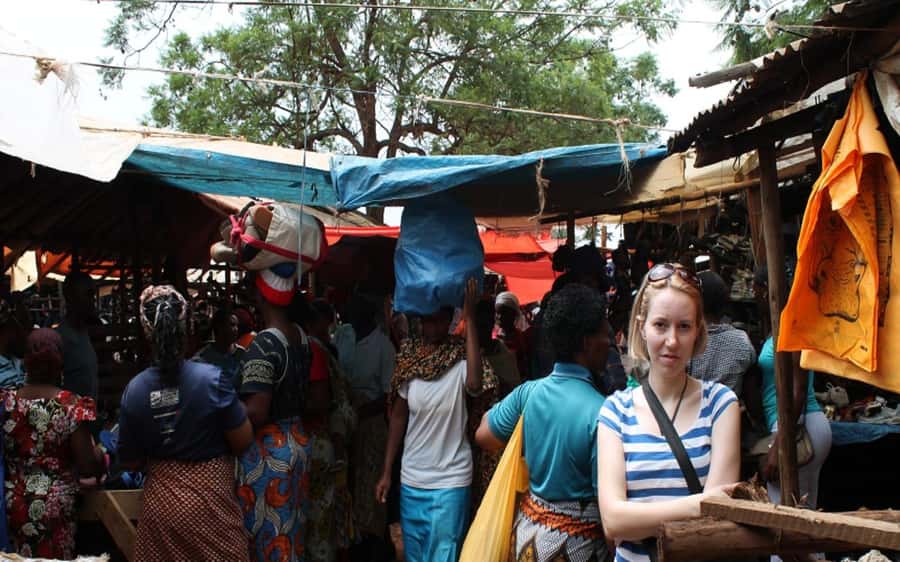
The strongest praise for this experience centers on the guide’s attitude. The guide has been described as very friendly, helpful while walking around, and strong in general expertise. Those qualities are especially valuable in a market, where the difference between a confusing stop and a good one often comes down to clear local support.
You should expect guidance rather than a formal lecture. The point is to help you participate: look at goods, ask about prices, learn the local shopping style, and make your own choices.
That makes the outing a good fit for solo visitors and first-time visitors to Moshi who want company while navigating an unfamiliar market. It also suits anyone who enjoys people-watching and ordinary city life more than a list of major monuments.
The language options are English, Swahili, Turkish, and Portuguese. That is a useful range, particularly if you want more than basic directions. The guide can explain the shopping process in one of those languages while helping you move through the market.
A local lunch after the bargaining
After shopping, you stop at a local restaurant for lunch. The meal is included, along with drinks, so you do not need to plan a separate restaurant stop during the three-hour outing.
This break gives the experience a better rhythm. Two hours of looking, walking, and negotiating can be demanding, and sitting down for local food lets you slow down and talk with the guide. It also keeps the tour from feeling like a shopping errand with no cultural context.
The exact menu is not specified, so you should not book this expecting a particular dish. The value is in eating at a local restaurant as part of the day rather than being sent off to arrange lunch alone.
If you have dietary needs, ask about them when booking. The available information confirms that lunch is included, but it does not specify menu choices or special dietary arrangements.
A few more options to weigh up in Moshi
- Tanzanite experience tour – Tanzanite shopping in Arusha
★ 5.0 · 12 reviews - Zanzibar:Stone town Street food market walking tour,transfer
★ 4.5 · 9 reviews - 24 Hours in Arusha—Arusha Museum, Cultural Heritage, Maasai Market, Shanga
★ 5.0 · 4 reviews - Dar es salaam Fish Market Adventure
★ 5.0 · 2 reviews
Drinks, beer, and the end of the three-hour route
The planned schedule includes about 20 minutes for a beer or local drink after lunch. Local drinks are included, which adds a relaxed finish to the market visit.
The stop is short, so think of it as a quick social pause rather than a full evening at a bar. If you do not drink alcohol, clarify what non-alcoholic choice is available before you go. The activity specifically mentions local drinks and beer, but it does not list the exact options.
After this stop, public transport takes about 10 minutes to return to Kph Hotel. The schedule adds up to roughly three hours: 10 minutes by tuk-tuk, two hours shopping, 30 minutes for lunch, 20 minutes for a drink, and 10 minutes back.
That compact schedule is one of the tour’s strengths. You can fit it into a free morning or afternoon without giving up a full day. The trade-off is that each part is fairly short, especially the meal and drink stops.
The optional Materuni and city add-ons
If you still have energy, you may be able to join another experience after the main outing. The options mentioned are a Materuni coffee and waterfall tour or a local drinks experience, described as a pub-crawl in the city.
Treat these as possible extensions, not guaranteed parts of the three-hour plan. The main route ends back at Kph Hotel, and the extra activities may require additional time, arrangements, or payment. Ask the guide what is available on your date before assuming you can continue directly.
The Materuni option appeals to visitors who want to combine city shopping with a wider Kilimanjaro-area outing. The pub-crawl option is more suitable if you want to keep the evening social and remain in Moshi.
The flexible approach is useful, but it also means you should protect your schedule if you have a fixed departure, dinner reservation, or another tour later in the day.
Is $18 a good value?
At $18 per person, this is a strong-value introduction to Moshi’s shopping culture. The price includes a professional guide, transportation, entrance fees, a local lunch, and local drinks. If you paid for transport and lunch separately, the difference would matter, especially for a short outing.
The best value comes from the guidance. You can visit a market on your own, but you would not automatically have someone explaining the bargaining process or helping you feel comfortable with local shopkeepers. The guide also takes care of the short transport connections.
This is not the right choice if you want a luxury shopping trip, a private car, or a long, carefully planned food tour. The use of a tuk-tuk and public transport makes the experience more local and less polished.
The two perfect verified ratings available for the experience also point to its strongest feature: personal service. One visitor praised the guide’s friendliness and broad expertise, while another found the guide helpful throughout the walk and considered the outing worth the price.
That praise should shape your expectations. You are paying for a friendly, practical introduction to Moshi, not a high-end retail tour.
Who will enjoy this Moshi market experience?
I would recommend it to you if you enjoy browsing, local food, casual conversation, and the small challenge of negotiating a price. It is especially useful if you are new to Tanzania and want help getting comfortable with ordinary shopping customs.
It also works well for visitors with a free half-day. The three-hour length leaves room for another activity, while the optional Materuni and city drink experiences give you a way to add more if your schedule and energy allow.
You may want to choose another activity if shopping is not your interest. The market takes up two hours, which is the heart of the outing. This is not a sightseeing tour with a brief stop at a shop.
Pack comfortable shoes, sunglasses, and sunscreen. Wear something you can walk around in without fuss, and leave space in your bag if you hope to buy clothing or other goods.
Cancellation is flexible: you can cancel up to 24 hours before the start for a full refund, and you can reserve now and pay later. Starting times depend on availability, so check the time before committing to another activity.
Should you book it?
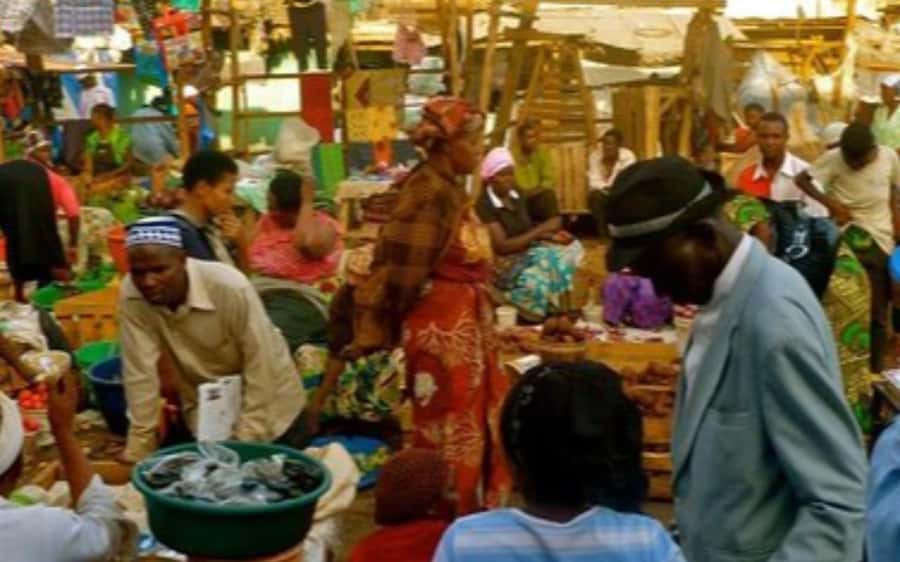
Book this experience if you want a low-cost, guided way to see how shopping works in Moshi. The friendly guide, two hours in a real second-hand market, included lunch and drinks, and simple local transport make the $18 price easy to justify.
Skip it if you dislike bargaining, prefer private transport, or want a major Kilimanjaro attraction rather than a city-based outing. For everyone else, this is a useful first taste of Moshi, with enough structure to feel easy and enough freedom to let you find something unexpected.
FAQ
How long does the Moshi market experience last?
The planned duration is three hours. The schedule includes a 10-minute tuk-tuk ride, two hours of shopping, 30 minutes for lunch, 20 minutes for a beer or local drink, and a 10-minute public transport ride back to Kph Hotel.
Where does the experience start?
The meeting point is Kph Hotel. You then travel by tuk-tuk to the shopping area in Moshi.
What is included in the $18 price?
The price includes a local lunch, local drinks, a professional guide, entrance fees, and transportation.
Will I learn how to bargain?
Yes. The experience includes guidance on bargaining and haggling with local shopkeepers in the second-hand market.
Which languages does the guide speak?
The available guide languages are Swahili, English, Turkish, and Portuguese.
Is the experience wheelchair accessible?
Yes, the activity is listed as wheelchair accessible. You should confirm practical market and public transport details if you need specific accessibility support.
Can I join another activity afterward?
If you still have energy, you may be able to join a Materuni coffee and waterfall tour or a local drinks experience in Moshi. These are presented as possible additional experiences, so confirm availability and arrangements with the guide.
Just added in Moshi
- THE BEST 2 DAYS ON TREK – MARANGU ROUTE TOUR ADVENTURES★ 5.0 · 1 review
- Mount Kilimanjaro National Park Day Trip★ 5.0 · 7 reviews
- Mount Kilimanjaro Climbing in Tanzania Full-Day Trip★ 5.0 · 1 review
- Mount Kilimanjaro Day Hike – All-Inclusive, No Hidden Fees★ 4.0 · 7 reviews
- Mount Kilimanjaro Trekking Tour – Climb with Local Guides★ 5.0 · 1 review
- Mount Kilimanjaro: 7 Days Hike Lemosho Route★ 5.0 · 1 review
- Moshi:Chemka Hot Springs, Materuni Waterfalls & Coffee Tour★ 5.0 · 1 review
- Moshi Town: Walking Tour: Theme Urban lifestyle★ 3.1 · 4 reviews
Markets, compared.
Stone Town Guided Tour: Culture, Slave Market & Spice Market
Read our review →
Traditional Tanzania Cooking Class & Food Market Tour
Read our review →Traditional Tanzania Cooking class& Food Market Tour
Read our review →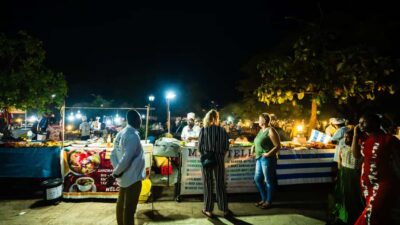
Stone town Street food market walking tour,transfer
Read our review →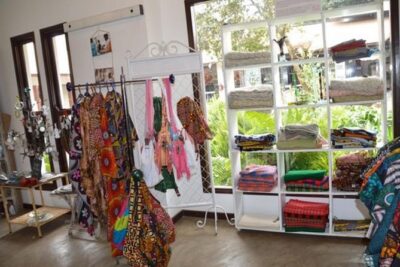
24 Hours in Arusha—Arusha Museum, Cultural Heritage, Maasai Market, Shanga
Read our review →

Spice Farm, Prison Island, Stonetown Tour+Slave market visit
Read our review →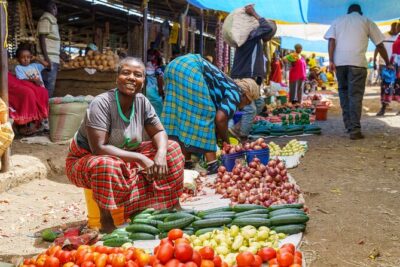
Browse the lists this tour appears in